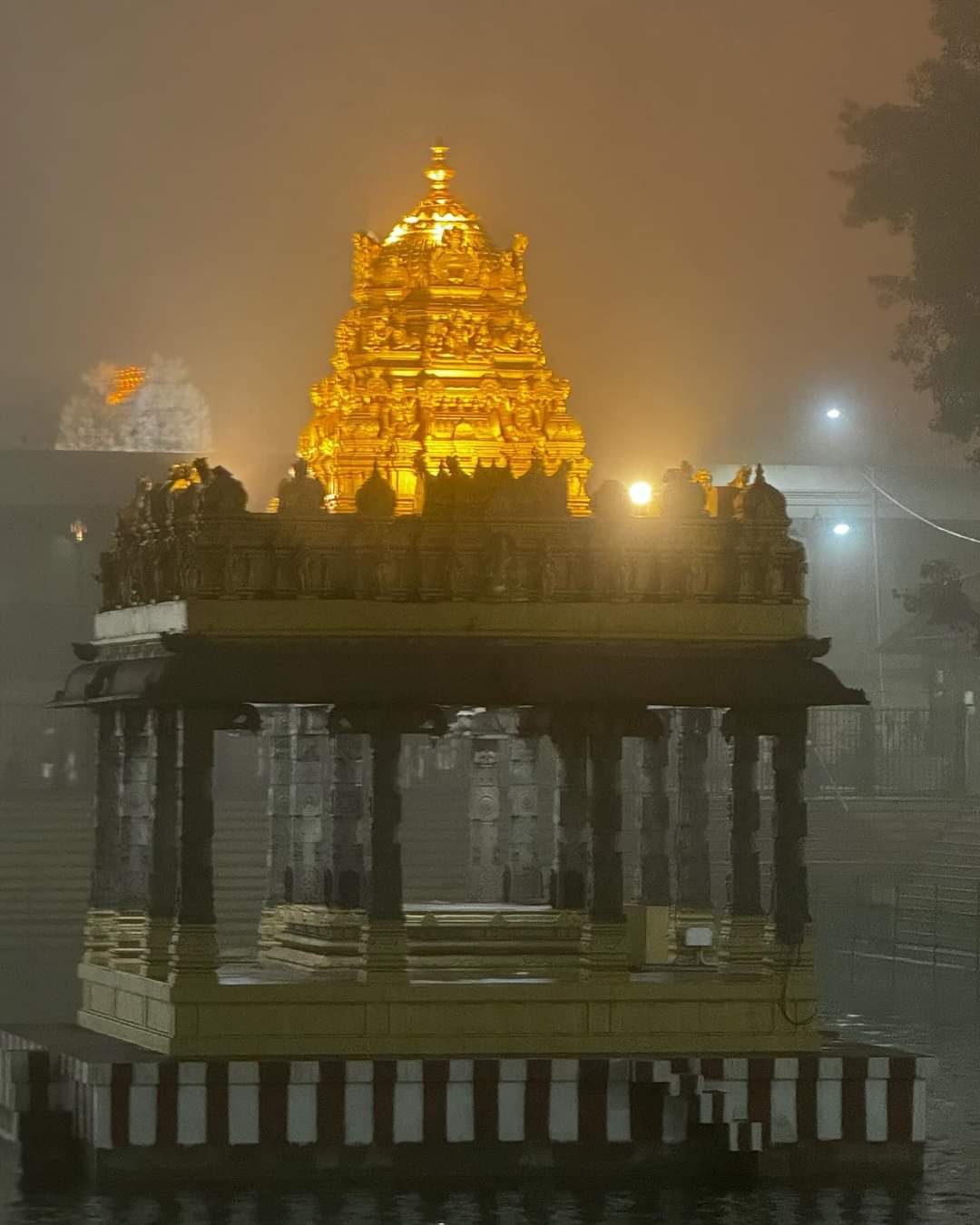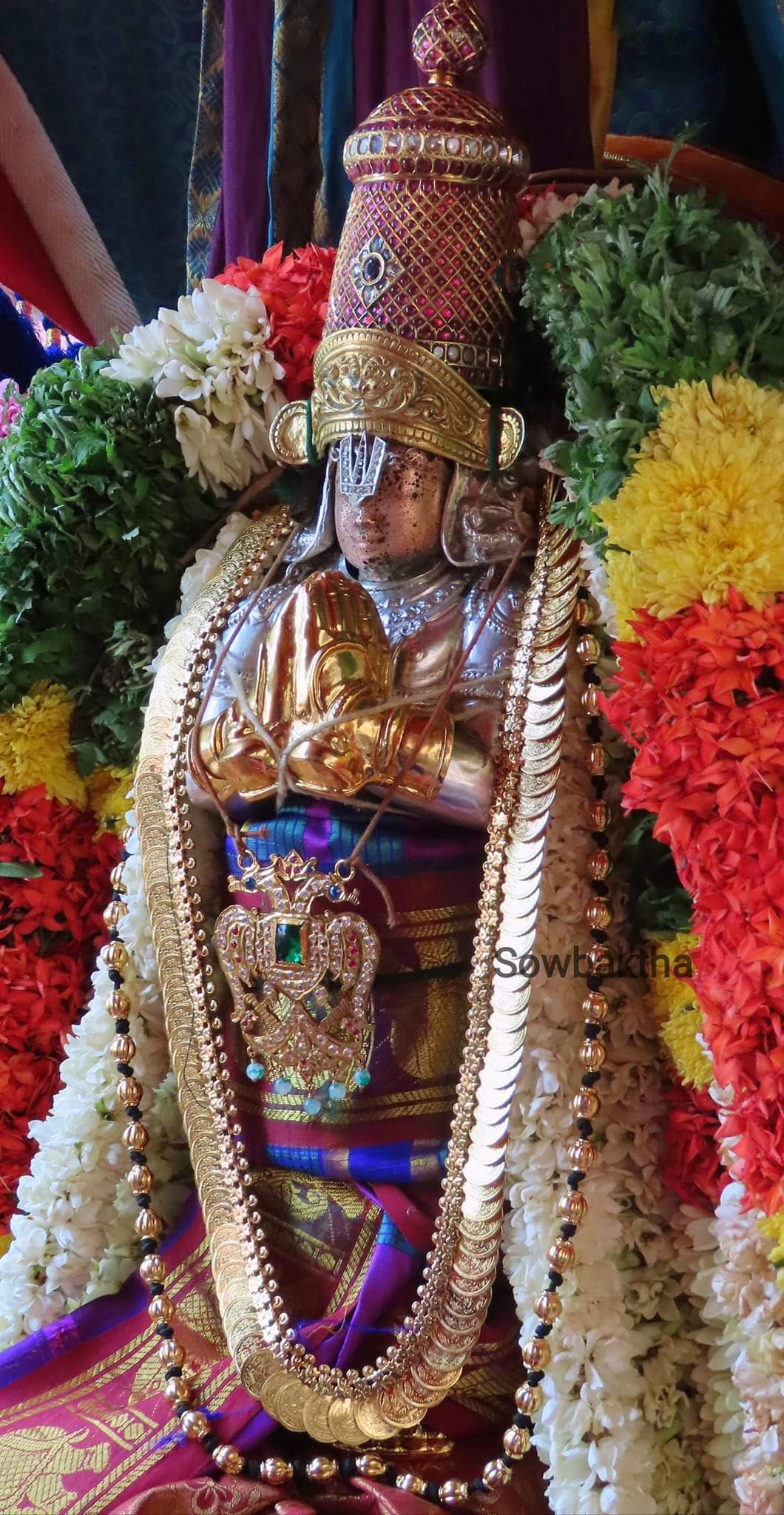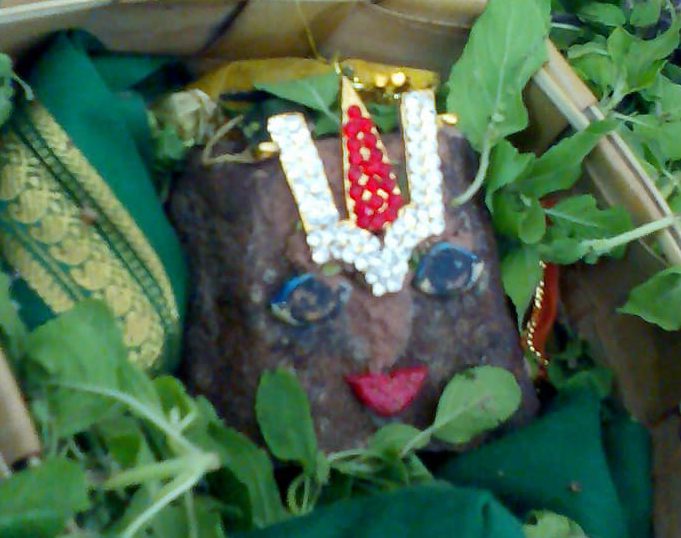
LORD VENKATESHWARA AS PERCEIVED BY AZHWARS AND ACHARYAS


The term “Azhwar“ refers to those saintly souls who immerse themselves in the exclusive devotion of Lord Sriman Narayana in total and unconditional surrender.  The saints, as the supreme devotees of Lord Vishnu propagated Sri Vaishnavism among the masses through their poetical compositions in the vernacular highlighting the beautiful effulgent form, auspicious attributes and divine deeds of the Supreme Lord in His various incarnations based on their personal mystic experiences in 108 Divya desams . 
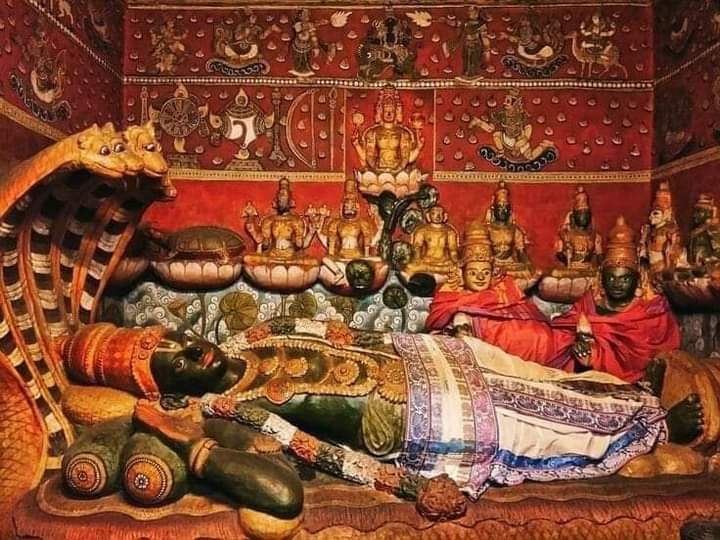
The Divya Prabhandams of the Azhwars are, therefore, held in as great veneration and reverence as the Vedas in Sanskrit. 
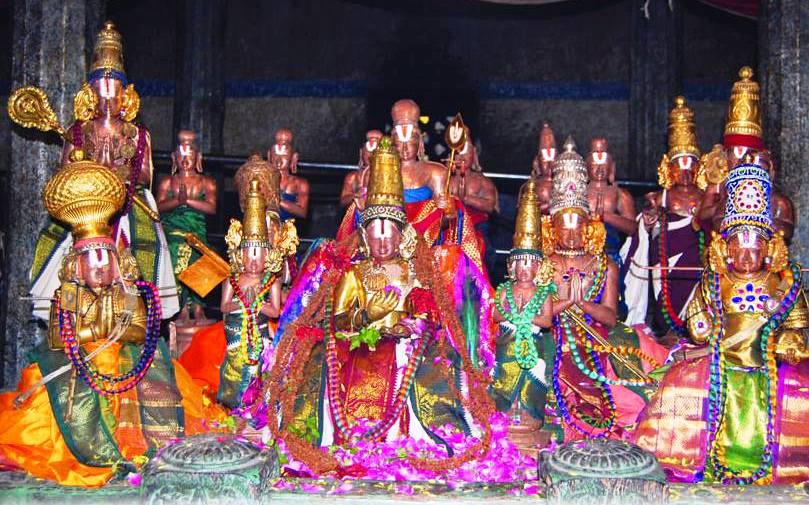
The Azhwars have together rendered 195 verses in praise of the Lord of the Seven Hills Sri Venkateshwara.  The largest number of compositions i.e. 63 have been compiled by the last among the twelve Azhwars named Tirumangai Azhwar

while Tiruppan Azhwar makes a passing reference to Tirumala in two of his eleven verses in praise of the Lord of Tiruvarangam. 
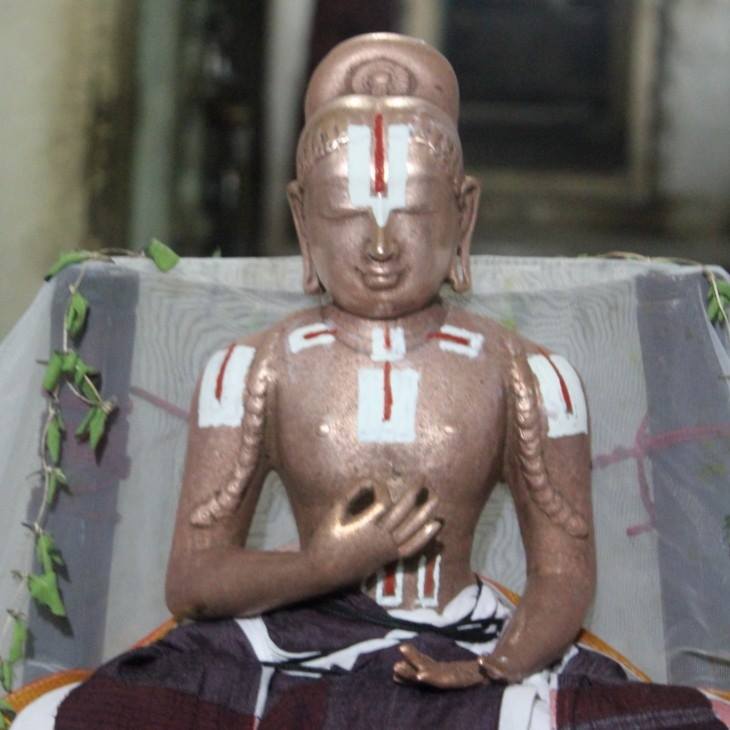
The first three Azhwars are collectively known as the Mudal Azhwars.  The first among them named Poigai Azhwar is the author of the Mudal Tiruvanthathi or the first hundred psalms and he has sung ten verses in praise of Lord Balaji.  He calls Venkatam as MAL UGANDA VUR i.e. the Abode most preferred by the Supreme Lord. 
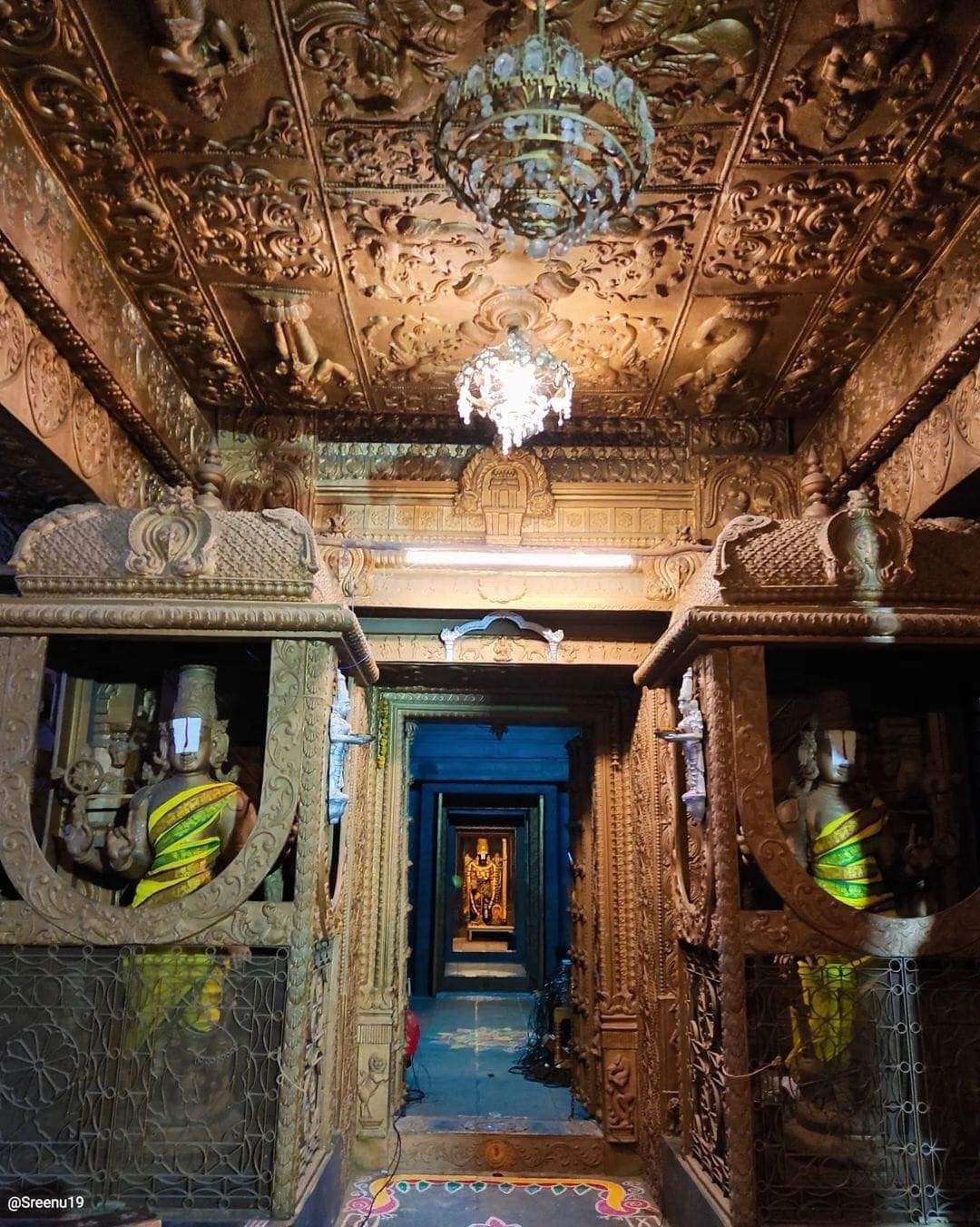
The second Azhwar known as Bhutatazhwar has given us the Irandam Tiruvanthathi or the second hundred verses.  He has rendered nine verses on Tirmalaiappan and he refers to Lord Venkatesa as  VENKADATHAN VINNOR MUDI THOYUM PADHATHAN meaning thereby that the prostrating Devas or the demi-gods with bowed head worship the Lotus Feet of the Lord of the Seven Hills who is the Parama Purusha of the Vedas in Archa form in Tirumalai.
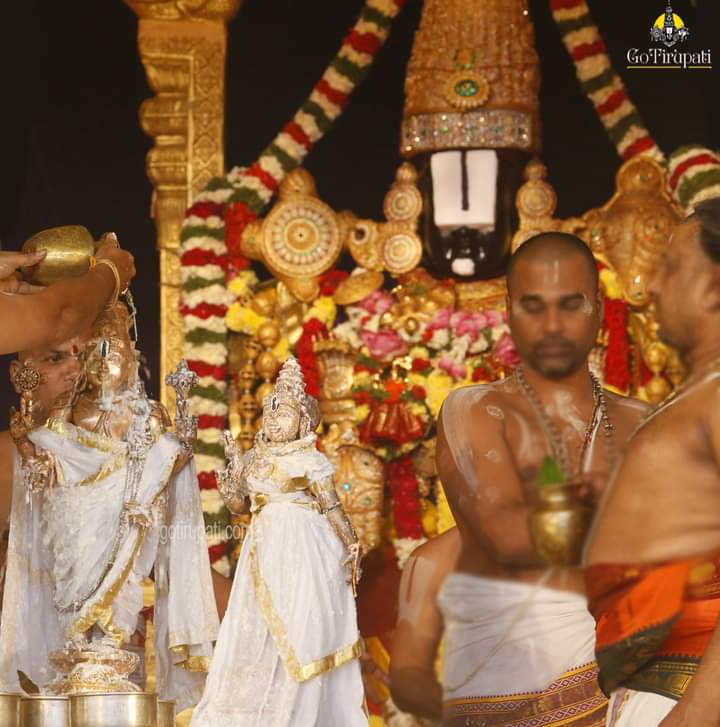
  The third Azhwar called Peyazhwar is the author of Munram Tiruvanthathi or the third hundred verses and he has composed as many as 19 verses in praise of Lord Govinda.
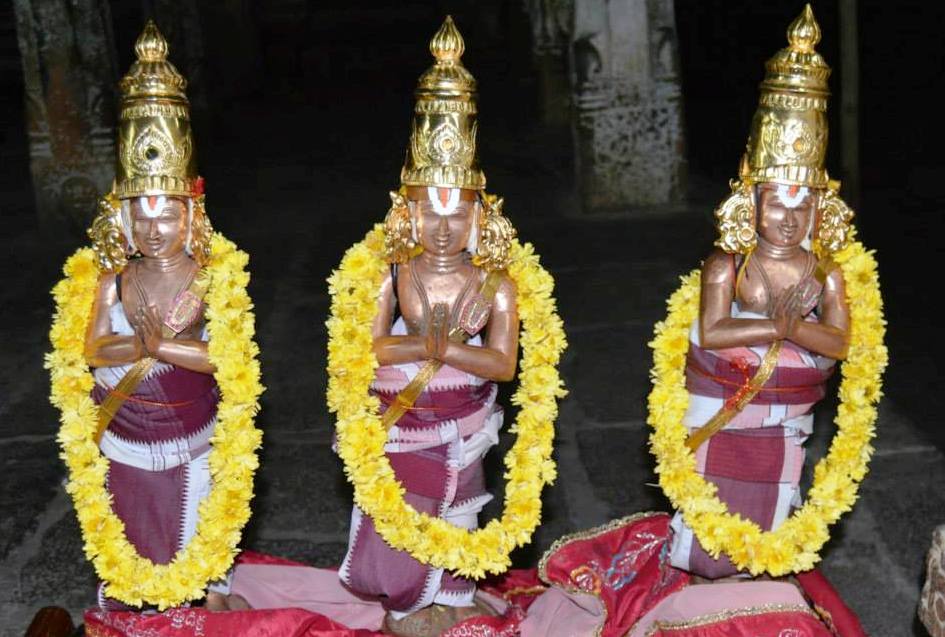
Peyazhwar refers to Venkadathan as VEDATHAN indicating that Lord Venkatesa is the one Supreme Lord without a second and the Ultimate Truth and Reality of the Vedas.  The fourth Azhwar by name Tirumalisai Azhwar who is the author of Nanmugan Tiruvanthathi has recorded 12 verses in praise of Tiruvenkadathan more or less on the lines of his three illustrious predecessors
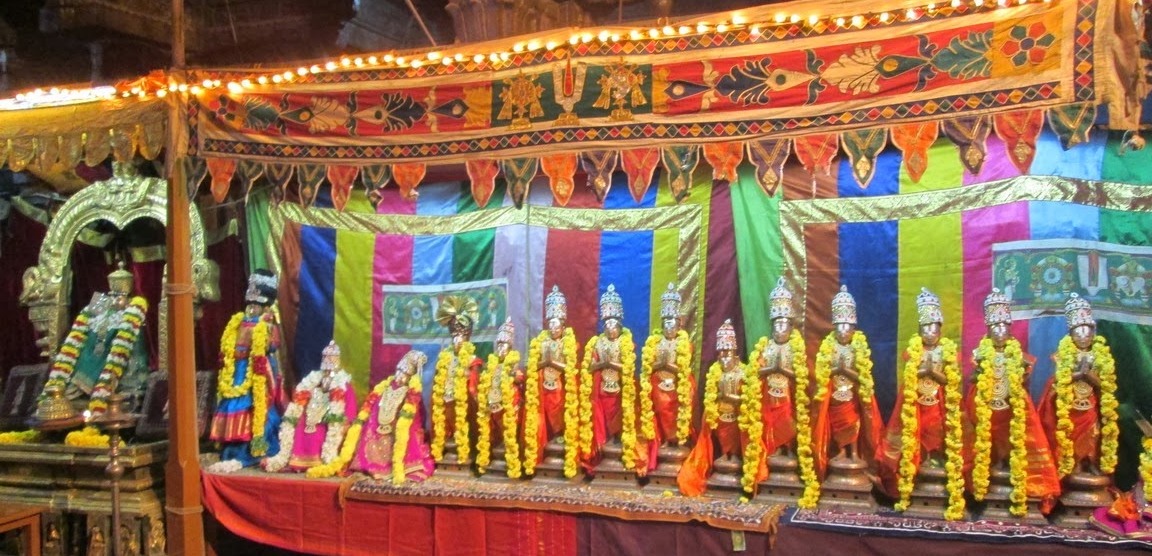
Nammazhwar who is the crest jewel and the most prominent of all the Azhwars in one of his 44 verses in praise of Lord Venkatesa says that the entire life time should be spent in ceaseless loving service of the Supreme Lord in Tirumalai.  In his most popular verse beginning with the words AKALAHILLEN the saint abjectly surrenders himself to the Lotus Feet of the Lord declaring that His Consort Shree resides for ever in the bosom of the Lord inseparably united and indistinguishable from Him as fragrance from Lotus flower.
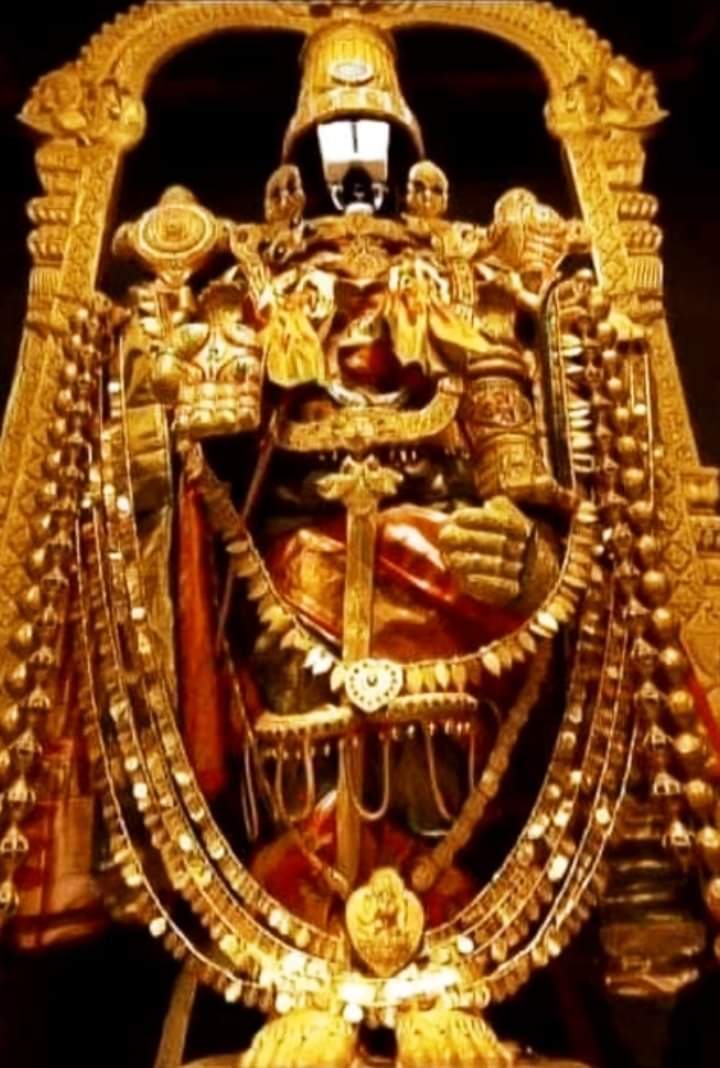
  The two are in fact One conceptually but different functionally.  The ethical idea of justice and the rule of law and the religious idea of redemption from sins by Grace are reconciled in Saint Nammazhwar`s Prapatti to the Divya Dhampathi. 

The inner purport is that Lord Venkateshwara rules strictly by the moral law of Karma whereas Mother Shree in His bosom entices Him by love to pardon the sinning souls.  Mother’s love is indispensable for gaining the Lord’s Grace.  Knowledge is inspired by devotion and Bhakti is illumined by Jnana and the two together constitute Bhakti utpanna Jnana or knowledge inspired by devotion. 
The whole attitude of devotion is consummated in Prapatti or Saranagathi ( surrender ) in the case of Nammazhwar when he says  PUGALONDRILLA ADIYEN UN ADIKKEEZH AMARNDU PUKUNDENE.

 His Lotus Feet are the sole refuge for all sinful souls.
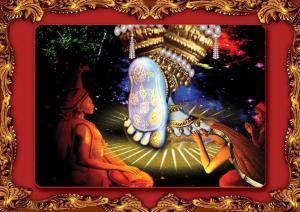
In the eleven most poignant and moving verses composed by Kulaseharazhvar, the saint fervently prays to the Lord of the Seven Hills that he should always reside with the Tirumal in His Tirumala hills either as an insect or a bird or a fish or a vessel or a flower or a tree or a passing stream or a foot-step or any other object to see the coral lips of the Supreme Lord in ceaseless remembrance. 
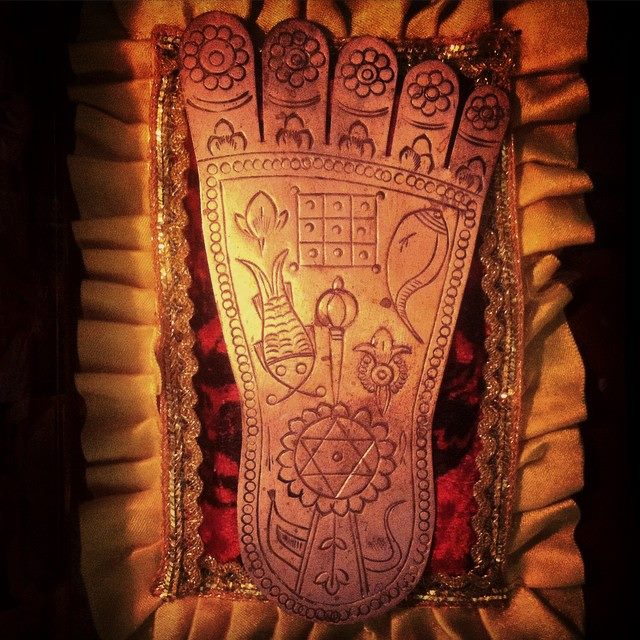
In fact, the psalms of all the ten Azhwars on the Lord of the Seven Hills are full of piety and love that can move even the most stone hearted people into tears. 

These verses describe vividly the natural beauty of Tiruvengadam as also the glory and greatness of the Supreme Lord in lyrically brilliant Tamil verses, which cannot be recaptured in English translation
Name of the Azhwar             His work                                         Number of Verses


Periazhwar                              Tiruppallandu                                                  1

 Periazhwar    ,,                       Periazhwar Tirumozhi                                     7

Poigai Azhwar                          Mudal Tiruvanthathi                                      10

Bhutatazhwar                          Irandam Tiruvanthathi                                     9

Peyazhwar                               Mundram Tiruvanthathi                                 19

Trimalisaiazhwar                     Nanmugan Tiruvanthathi                               12

       ,,                                       Tirucchandaviruttam                                       2

Nammazhwar                          Tiruviruttam                                                     8

       ,,                                       Peria Tiruvanthathi                                           1

       ,,                                       Tiruvaimozhi                                                  35

Andal                                      Nacchiar Tirumozhi                                       16

Kulasekharazhwar                   Perumal Tirumozhi                                         11

Tiruppanazhwar                      Amalanadipiran                                                2

Tirumangaiazhwar       Peria Tirumozhi                                              55

         ,,                                     Tirukkurundandakam                                       1

         ,,                                     Tirunedunthandakam                                       3

         ,,                                     Siriya Tirumadal                                              1

         ,,                                     Peria Tirumadal                                               2

                                                         Total                         195 verses
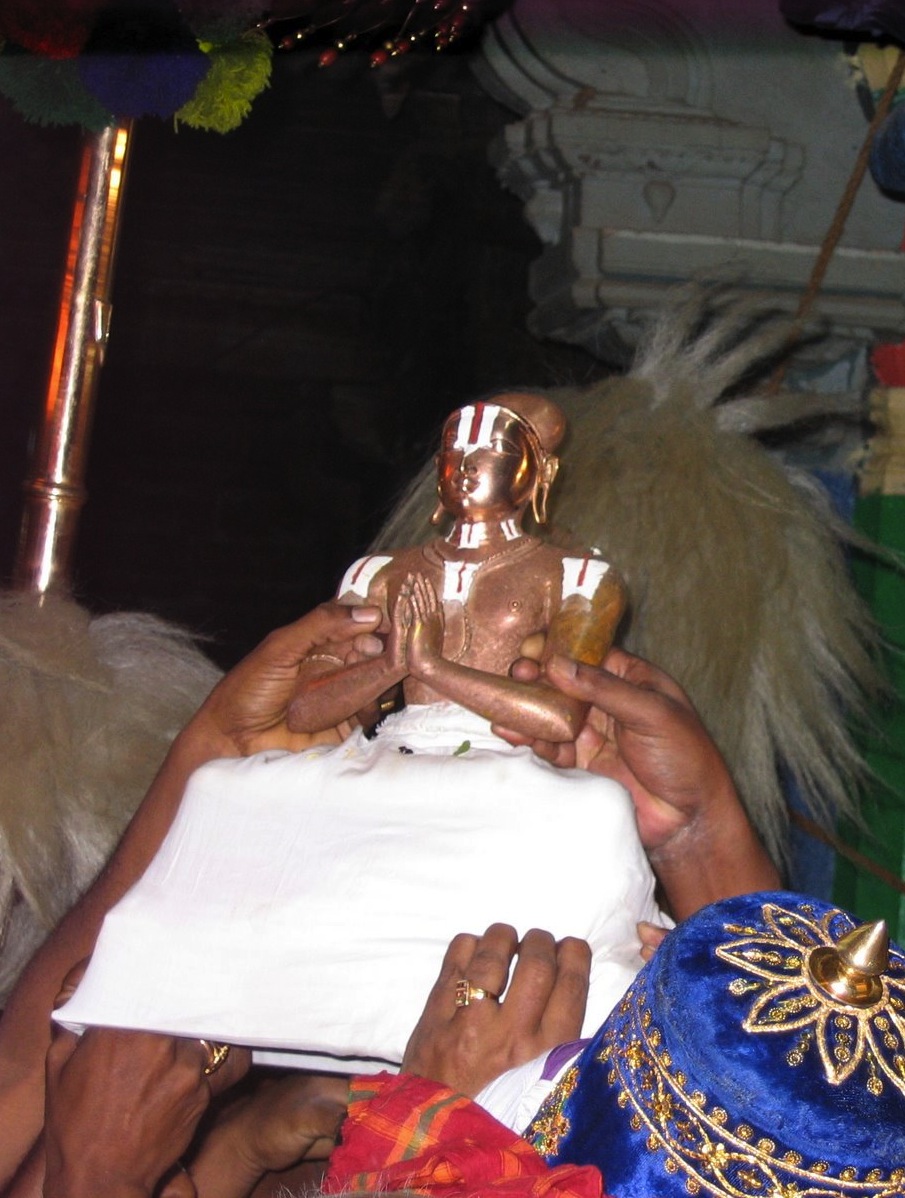
Sri Ramanujacharya has not composed any devotional hymn in praise of the Lord of the Seven Hills.  However, at the very start of his monumental Magnum Opus called the Sri Bhasya which is his detailed commentary on the Vedanta Sutras, in the Invocatory verse he begins the work praying to the Lord in Tirumala with the words SRUTI SIRASSI VIDEEPTE BRAHMANI SRINIVASE.  In this introductory verse he seeks the blessings of Lord Venkatesa with the words -“ May my mind be filled with devotion towards the Highest Brahman the Abode of Goddess Shree who is luminously revealed in the Upanishads. 
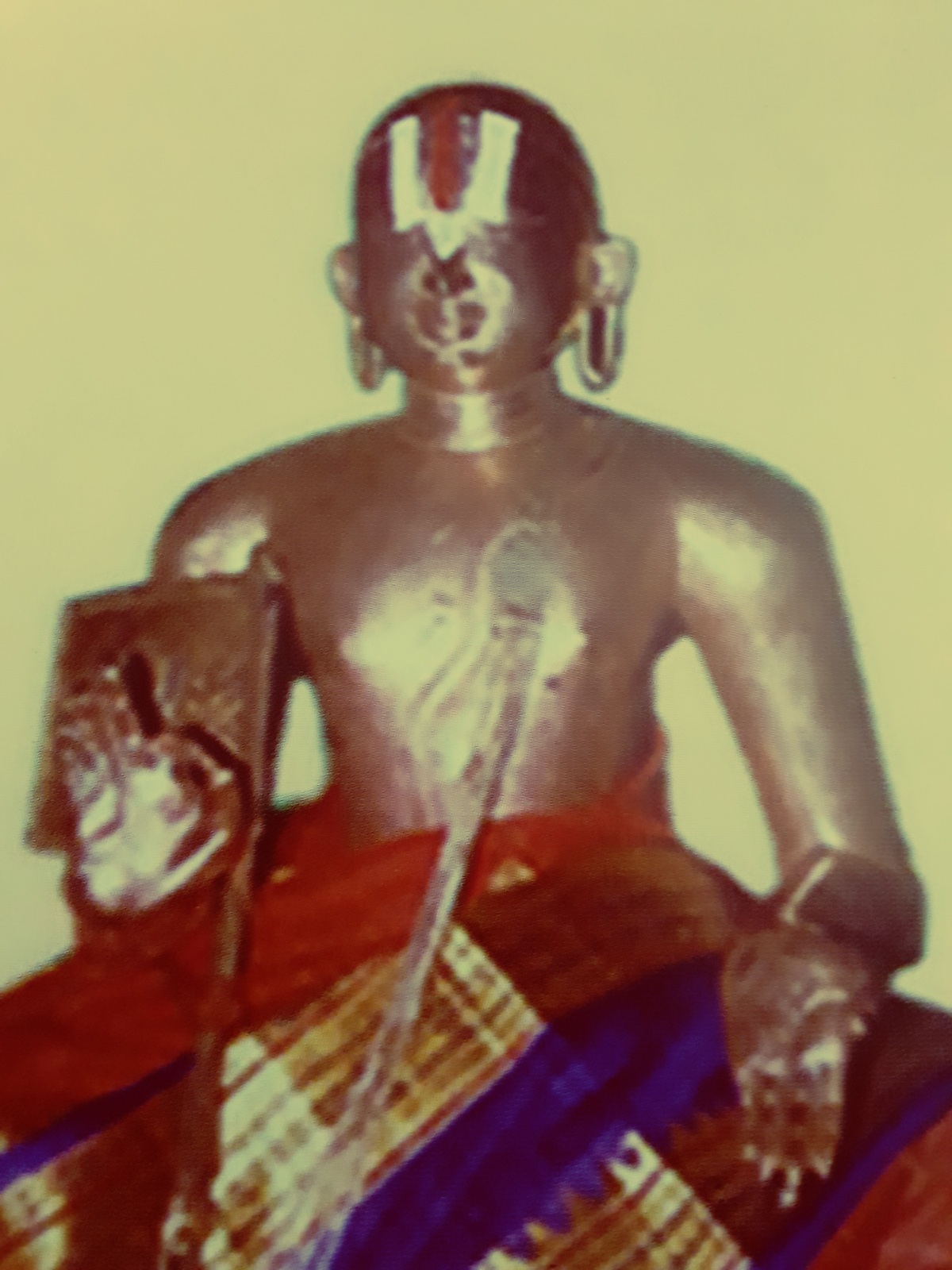
Swamy Yamunacharya (also glorified as as Alavandar who was Acharyar to Swamy Ramanuja )  who in his poetical work called the STOTRA RATNA  (the Hymn Jewel) asks the question KAHA SRIHI SRIYAHA?  His question is who is the Lord of Shree?  This question is an obvious reference to the passage in the Purusha Sukhta  HRISCHA TE LAKSMISCHA PATNYOU i.e. Hari and Shree are Lord Srinivasa`s consorts
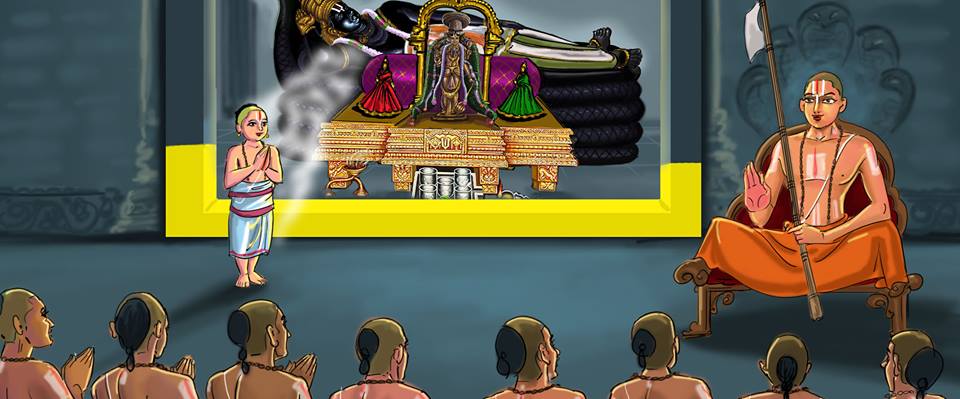
Among the subsequent Sri Vaishnava Acharyas Swamy Vedanta Desika and Pillai Perumal Iyengar have rendered detailed poetical works in praise of Lord Venkateswara. 

In his hymnal work called DAYA SATAKAM Swamy Vedanta Desika has composed a hundred and odd verses exclusively in praise of the Daya /Abundant mercy of the Lord of the Seven Hills.  The prolific poet begins his work with the words

PRAPDYE TAM GIRIM PRAYAHA SRINIVASANUKAMPAYA

by surrendering himself like Swamy Nammalwar in AGALAHILLEN to Lord Venkateshwara before taking up the task of describing the Lord’s profound mercy.  According to scholarly Acharyas, this work of hundred verses can be grouped into ten verses each and each decade refers to an auspicious attribute of Lord Venkateshwara
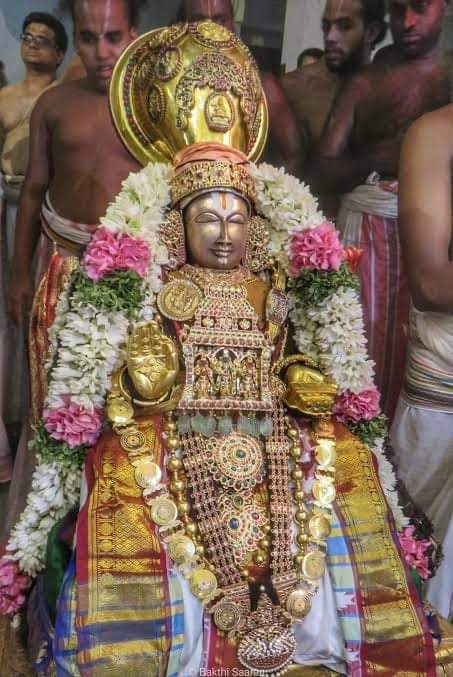
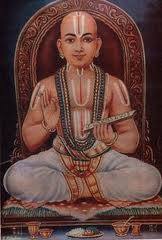
  1. He is the sole Lord of Immortality
  2. He is omniscient and omnipotent , all knowing and all powerful
  3. He removes the miseries and ills of His devotees
  4. He is the sole means for release from samsara
  5. He is the one single goal of life
  6. He is the sole refuge in Prapatti (Surrender)
  7. He is easily accessible even to the most sinful
  8. The Supreme Lord’s Abode is Tirumala
  9. He takes Avataras and
  10. Those who surrender to Him gain release here and now
Venkatadri Samasthanam Brahmande Nasti Kinchana,

Venkatesha Samo Devo Na Bhuto Na Bhavishyati”

Adiyen Ramanuja dasan

Pictures/Videos : Courtesy Google images

What makes me king is not the crown which men set on my head.. But king only , when our Emperor  Lord Rama’s  Lotus- Feet  adorn on my head as my crown.”


One day, during the recitation of the Srimad Ramayana by the  Royal guru,  King  Kulasekhara heard the following passage:

There twice seven thousand giants stand
with impious heart and cruel hand.
Here Rama stands, by virtue known;
how can the hero fight alone?

On hearing the lines “How can the hero fight alone?” King Kulasekhara rose in a frenzy of devotion for  Lord  Rama and commanded his army to march with him to where  Lord  Rama was fighting alone and helpless.  

To relieve Kulasekhara’s distress, the ministers silently  arranged for a battalion  of soldiers to meet him as he was going out and tell him that  Lord Rama had been victorious thus avoiding the King’s confusion. In spiritual delirium, Kulasekhara believed their tale and returned home

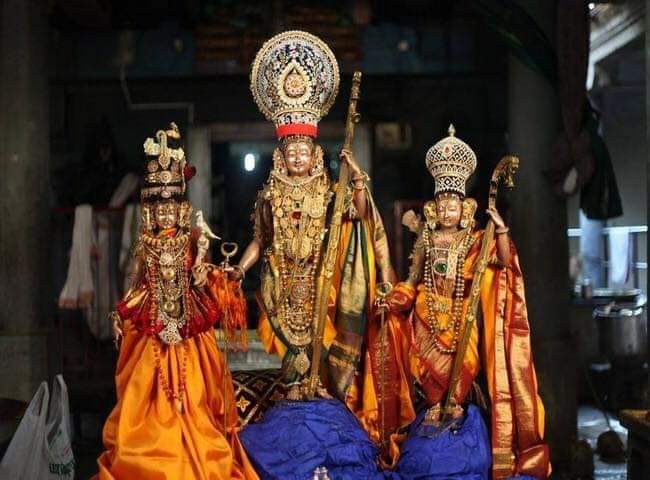
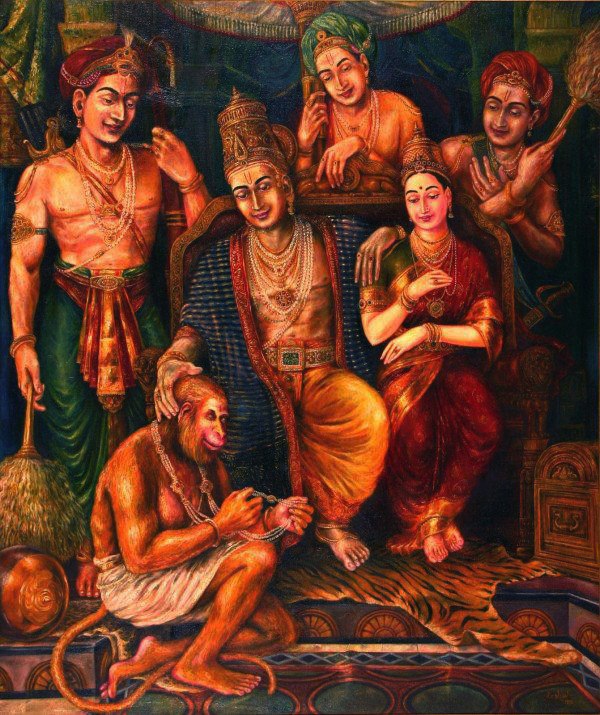
The daily recital of Srimad Ramayana went on as usual andevery important event which was read, was celebrated with great  pomp and rejoicings, and taking Lord  Sri Rama’s deity along with all the family members  in  huge  procession throughthe streets of his city with royal endeavours    ending with the  sumptuous feedings  to devotees and donations to  sages  and with distribution of charities  and whatever a King could offer in celebration of the Emperors of the celestial world .That was the great Kulashekara Alwar a great devotee of Lord Rama

Knowing the peculiar temperament of the king, and his keen spiritual susceptibility which carried him to the stigmata-stage, the reader (to the king) of Ramayana exercised utmost caution during the daily recitation of Srimad Ramayana

RaghuVeera Gadyam

However, one day, the reader Royal Guru was obliged to be absent himself, as other business called him elsewhere. He deputed his son to do the recital in his place.

The son was unaware of the king’s abnormal religious fervour; and so he read and expatiated on all passages of the Srimad  Ramayana alike. And the incident of Sita’s abduction by the demon  Ravana, came to be read.

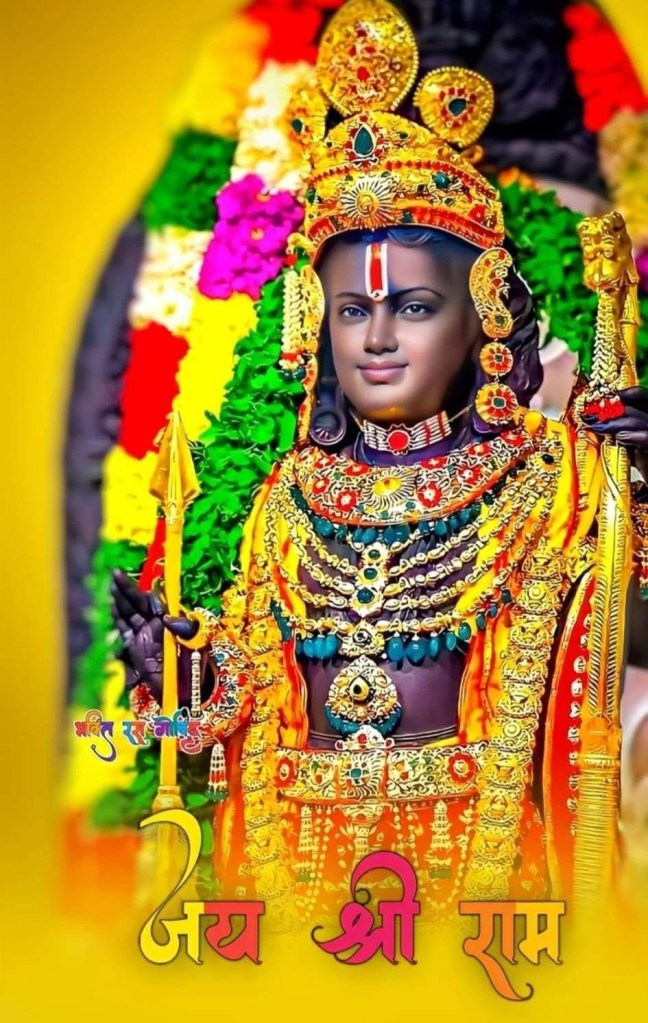
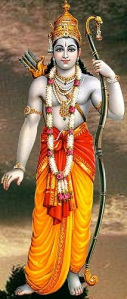
Ayodhya Sree Raam lalla

 Instantly, it lit fire to the King’s imagination, his wrath roused, and his enthusiasm burst forth.

Come on … “Immediately, he roared

  Yes !!!   I must  take charge and ,”across the ocean,” he raved, ‘”reduce Lanka to ashes,  slay its ruler, Ravana, with all his crew of brothers, friends and relations,  rescue my weeping mother Sita and join her with my Father Sri  Rama.”

 As he raved, he rose, armed himself, bid his army. He rushed immediately along with his armies forth to the sea-shore, looking towards Lanka, plunged into it without a thought of the dire consequences which must follow from such rash and reasonless act.

The ministers and others were shocked in anxiety and dread, and wonder staring in their faces, eagerly watched the King’s procedure. They were so staggered as not to be able even to think how to advise him against his head strong impulses, nor dare to move to prevent him from giving action to his impulses.

As they could not think anything at this critical juncture, they simply stared.

 As they stared, the King had already plunged into the sea, and was neck-deep in water, resolved to swim the vast stretch of the ocean beyond, to reach the shores of Lanka.That was the deep devotion he had for the Lordships

All compassionate Lord SriRama who was being worshipped in our Saint’s Home-Shrine, was watching throughout, the course of events.

Now matters had assumed a critical aspect. There was noalternative.

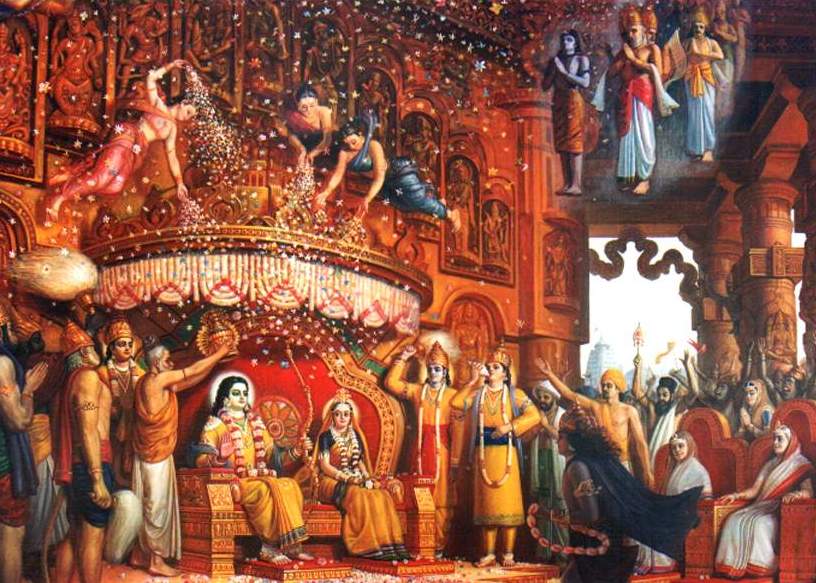
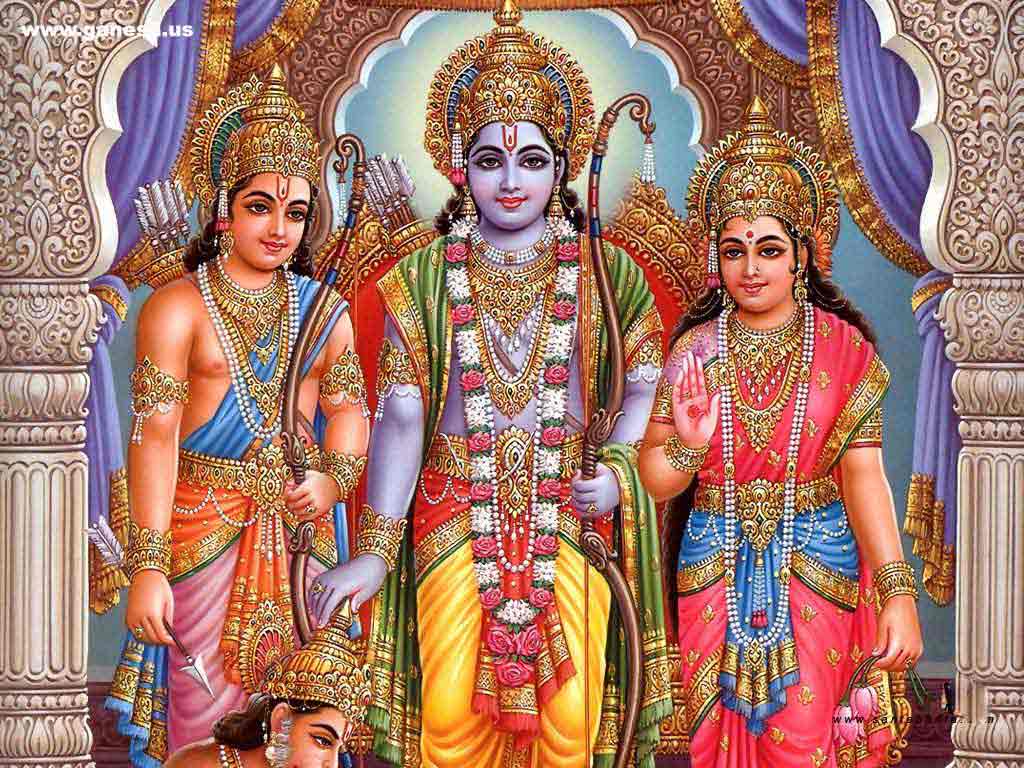
   I must appear now to my child said HE and lo! as the King was about to swim forward in the delirium of his frenzy, he saw before him the  most enchanting sight of our Lord  Sri Rama approaching him, with his dear consort sita, clinging to His powerfularm.

Addressing his devout servant, our King-Saint Kulasekhara-

Lord Sri Rama spoke, O my dear Kulasekhara ! My child

 We are returning victorious from the battlefield. Our foe-men have all perished. Our illustrious Partner we have rescued. Your .venture for our aid has been forestalled, and your wish has been fulfilled.

Pray let us all return to thy city. Let me lift and carry you  to the shore, even as souls are lifted and carried by us from the larger and deeper sea of Samsara, to the shores of Heaven beyond.

“So saying, Sri  Rama caught hold of His king-servant, brought  him safe to the shore, and accompanying him as far as the city, vanished out of sight.

The ministers and the crowd surrounding him whispered ..

“God-sick is our king; what is the remedy for this disease?

 Let us diagnose. Ah, we find the cause row.

It is the association with the Godly and the Saintly  -the Vaishwavas—that has brought the king to this pass

.Let us wean him then from such associations.” Such were the cogitations of the poor ministers who surrounded the king.

The king who, on the other hand,was daily sighing to go to Sri Rangam and live there forever, was now in earnest.He ordered preparations to be made for his bidding adieu to his kingdom and join the Kingdom of God.

The ministers thought: —”When the king  goes there, he will never return. The association with the Godly there, is even of a worse (!) type than here.

Irresistible associations abound there; let us devise a plan to foil the king’s designs. He is so attached to Godly men—the vaishnavas that he looks upon them  as God’s•own ; and being so, worthy of first worship, or worthy of worship even before God Himself.” So, whenever the king essayed to go to SrlRaniga Shrine, the ministers had a batch of Srl-Vaishnavas ready as hailing from one Holy Shrine or the other. The king would postpone his journey on their account. In course of time, the ministers found that their plan proved but a case of ‘out of the frying pan into the fire,’ for the king’s court, hispalace, his private apartments as well as public places all became swarmed with  vaishnavas  who  came and went regularly.

The Vaishnavas were allowed free access and familiarity, and the king literally venerated and adored them according to the procedures  as Sastric  injunction  say that ‘ a Srt vaishmiva even once worshipped’ carried the merit of worshipping the Supreme Lord himself  The ministers found these Godly folks a nuisance and were in a fix as to what to do.

They felt  worried as any move will upset the King . If they tried to wean the king from his Srt-Ranga journey, they had to suffer the Godly people assembling in huge numbers and  to assemble and accumulate-but their crowd was becoming unmanageable-

but if they tried to eradicate this root of the king’s divine ailment,— asthey thought always by bringing about their evacuation from the country, the king would say farewell to his dominions and depart.

“Supposing we could by some means calumniate these  people , in the king’s eye, “they thought, “then he would certainly awake from his delusion of believing: these are godly men.

 If the godly,-as he thinks-were proved ungodly, there is a good chance of re claiming the king from his odd ways.

” They thus hit upon a method:–Out of the box ‘ containing the valuable jewellery of the king’s darling deity Lord  Sri-Rama, they secreted a precious necklace, unknown to anyone. It would be missed, and reported to the king of course.

 He would hold an inquiry. And who should be the culprit ?

Surely these seeming vaishnavas , who arc the warders and guarders of the jewellery, the appointed priests as they were for fulfilling the function of daily worshipping Sita Rama and therefore directly concerned in constantly using the jewellery. So, the necklace was missed and a report was made to the king that the Sri Vaishnavas who had the management in their hands of the worship-department, were culpable; and were to be subjected to trial  and punishment.

The king heard it all but at last exclaimed in a loud tone

“Hear  hey … ministers,

True Lovers of God are incapable of stealing.

It is impossible that even a notion of vice can enter into their thought, motto  say of act. Be hold ! I can swear to what I say. To prove this truth of my conviction and prove the falsity of your accusation against my Innocents, let a vessel, with a live venomous cobra imprisoned in it, be brought to me. I shall thrust my hand into it.” As soon said  as done. And the King, before his Court in solemnconclave assembled, said : “If my Innocents are straight In thought, word and deed, I cannot be bit by thiscobra ; but if they are crooked, let it bite me and kill.”

So saying, he fearlessly plunged his arm into the vessel of death, but drew it forth as clean as when he thrust in . The ministers were put to shame they hung

their heads.

 It was useless, they thought, to dodge and trifle with the king, who was to’o much for them ;fell at his feet, confessed their trick, brought the necklace and placed it before him in fear and respect.

The king pardoned them even as Kama pardoned the vile culprit Kakusura, the crow,—and the King was Lord Rama’sdiscipl and bid them from that away forward to be the slaves of his Innocents.

” No more will I dwell with these  vile and scheming ministers “, the king thought within himself, “l am disgusted with all of them.

Why them  ? well the whole worlds weary to me.

With the world and with the worldliness  feel as if I would rather allow myself to be placed in the midst of flaming fire than keep company with them.

Brutes are  those who are turned away from God

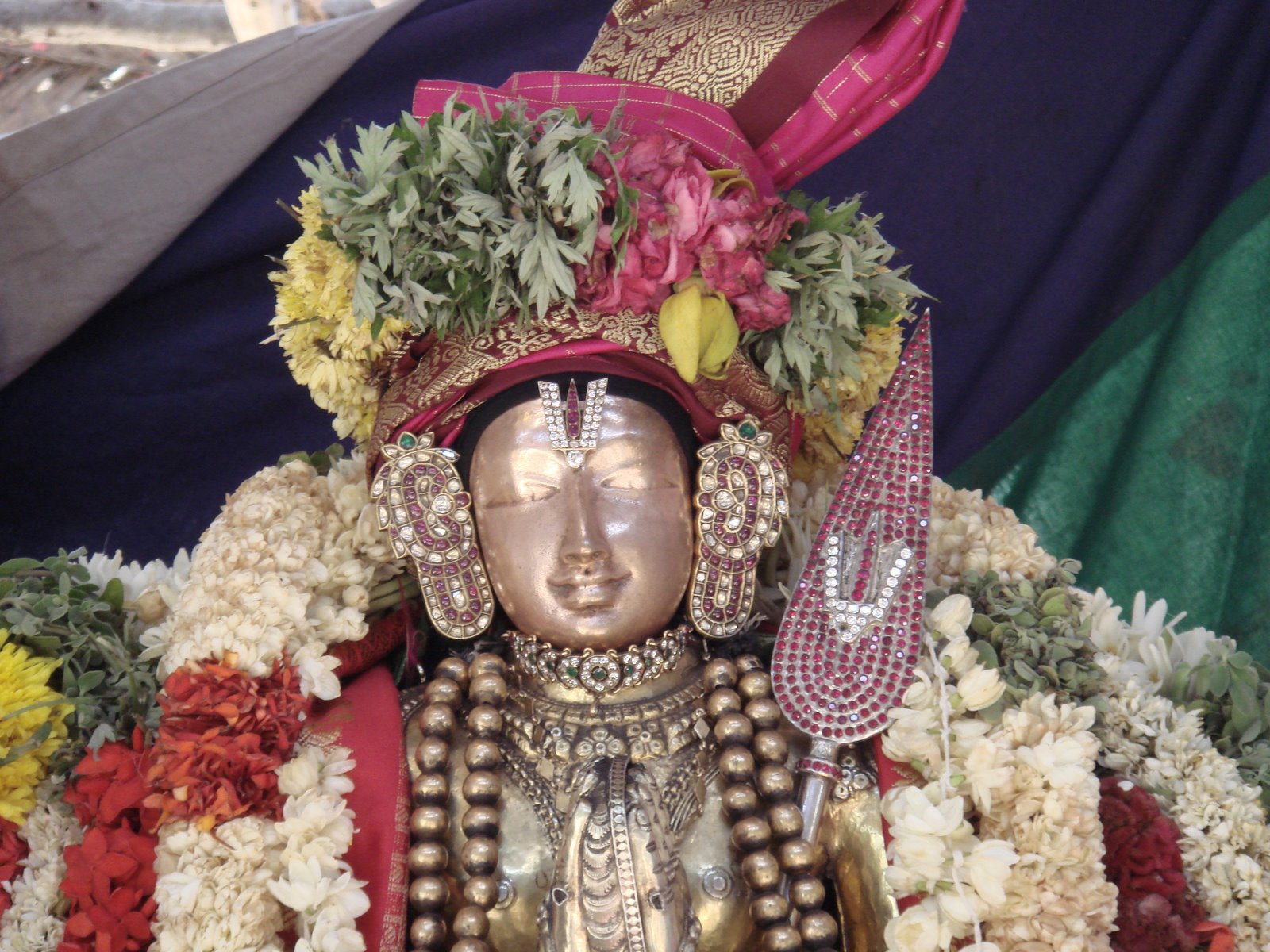
” So determined, our Saint would no longer bear to remaining his kingly estate, but called his son named Dridhavrata(so called after his grand-father), and entrusted him with the charge of his government, and accompanied by his daughter,—who, it is recorded, was a divine daughter of the Amsa of devi  went to the Shrine of Ranga, — his heart’s Eternal Hunger. And there he gave his daughter in marriage to Lord Ranganatha  Himself and remained there for a length of time engaged in conducting manifold services to the

Majestic Lordships  and his devout servants

 At intervals he undertook pilgrimages to  Holy Shrines as Tiruvewgadam( Tirupati ,Ayodhya, Chitrakutam, and all divine places  and as an embodiment of the divine emotions and enjoyments which came to him on all these occasions, is penned to us  as the Dravida Prabandha, called  Perumal Tirumozhi, consistingof one hundred and five stanzas .

He undertook a pilgrimage to the Shrine of Swamy .Nammnzhvar, (Tirunagari near Tirunalvelli),

It was this Royal Saint who sang the gem of strotas  MUKUNDA MALA

Adiyen Ramanuja dasan

Pics : Courtesy Google images and Pics shared by devotees from social media