
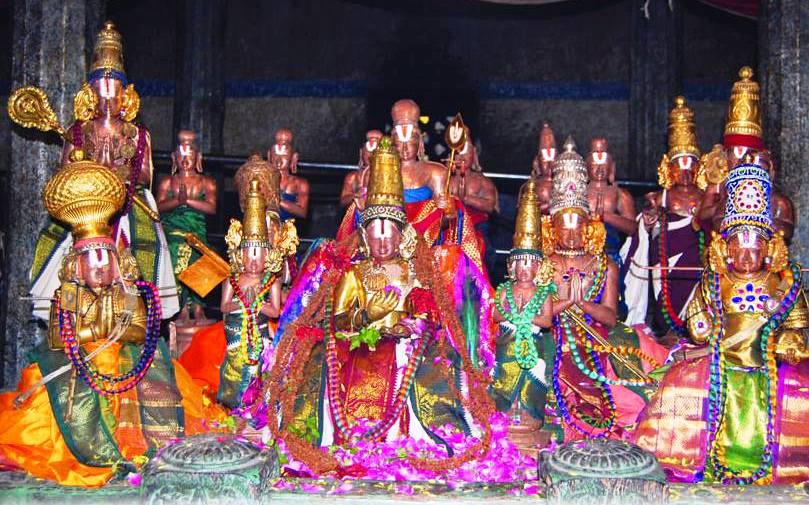
The term “Azhwar“ refers to those saintly souls who immerse themselves in the exclusive devotion of Lord Sriman Narayana in total and unconditional surrender. The saints, as the supreme devotees of Lord Vishnu propagated Sri Vaishnavism among the masses through their poetical compositions in the vernacular highlighting the beautiful effulgent form, auspicious attributes and divine deeds of the Supreme Lord in His various incarnations based on their personal mystic experiences in 108 Divya desams .
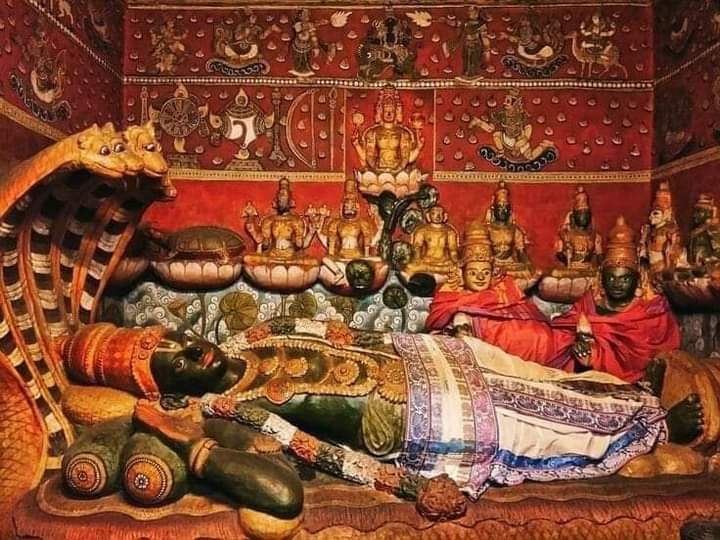
The Divya Prabhandams of the Azhwars are, therefore, held in as great veneration and reverence as the Vedas in Sanskrit.
The Azhwars have together rendered 195 verses in praise of the Lord of the Seven Hills Sri Venkateshwara. The largest number of compositions i.e. 63 have been compiled by the last among the twelve Azhwars named Tirumangai Azhwar

while Tiruppan Azhwar makes a passing reference to Tirumala in two of his eleven verses in praise of the Lord of Tiruvarangam.
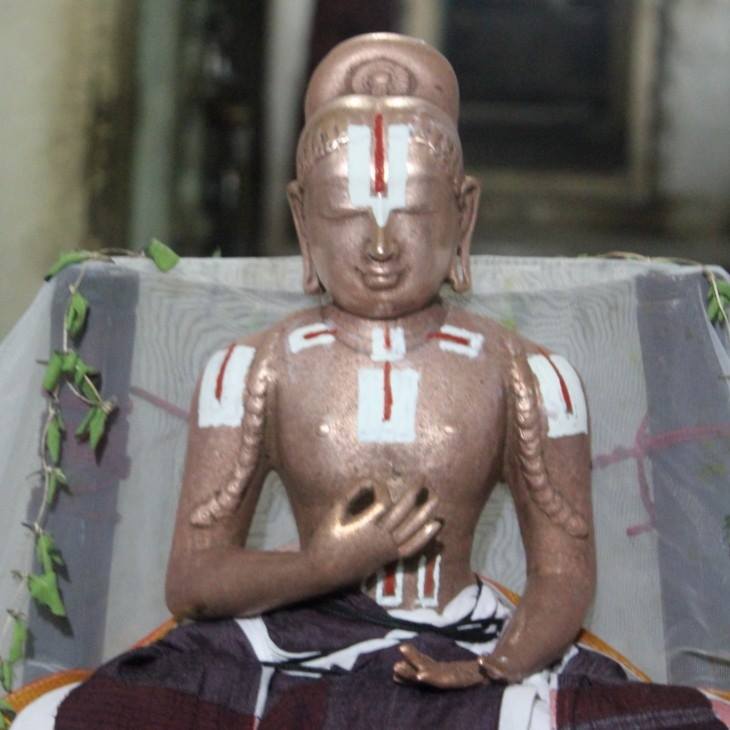
The first three Azhwars are collectively known as the Mudal Azhwars. The first among them named Poigai Azhwar is the author of the Mudal Tiruvanthathi or the first hundred psalms and he has sung ten verses in praise of Lord Balaji. He calls Venkatam as MAL UGANDA VUR i.e. the Abode most preferred by the Supreme Lord.
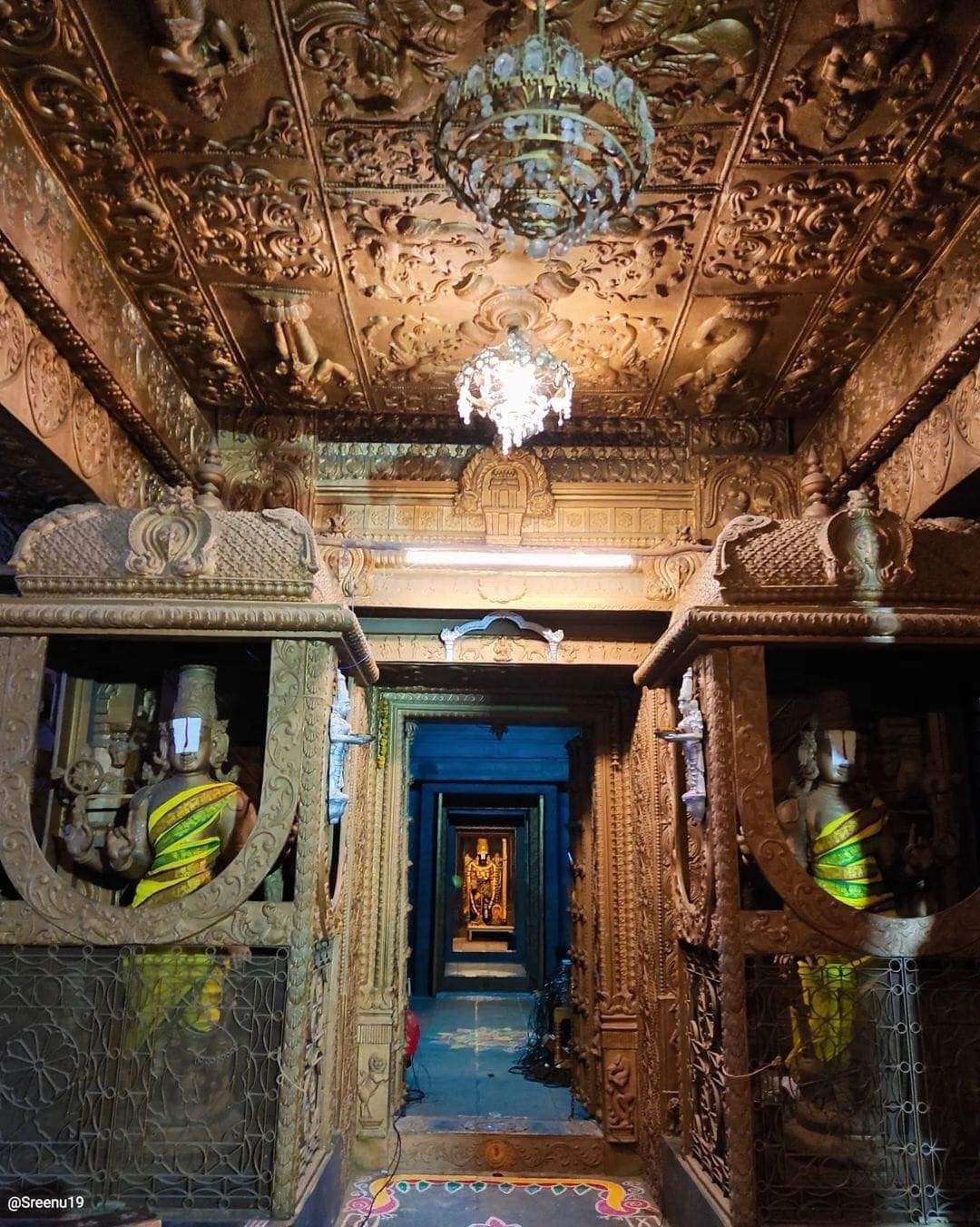
The second Azhwar known as Bhutatazhwar has given us the Irandam Tiruvanthathi or the second hundred verses. He has rendered nine verses on Tirmalaiappan and he refers to Lord Venkatesa as VENKADATHAN VINNOR MUDI THOYUM PADHATHAN meaning thereby that the prostrating Devas or the demi-gods with bowed head worship the Lotus Feet of the Lord of the Seven Hills who is the Parama Purusha of the Vedas in Archa form in Tirumalai.
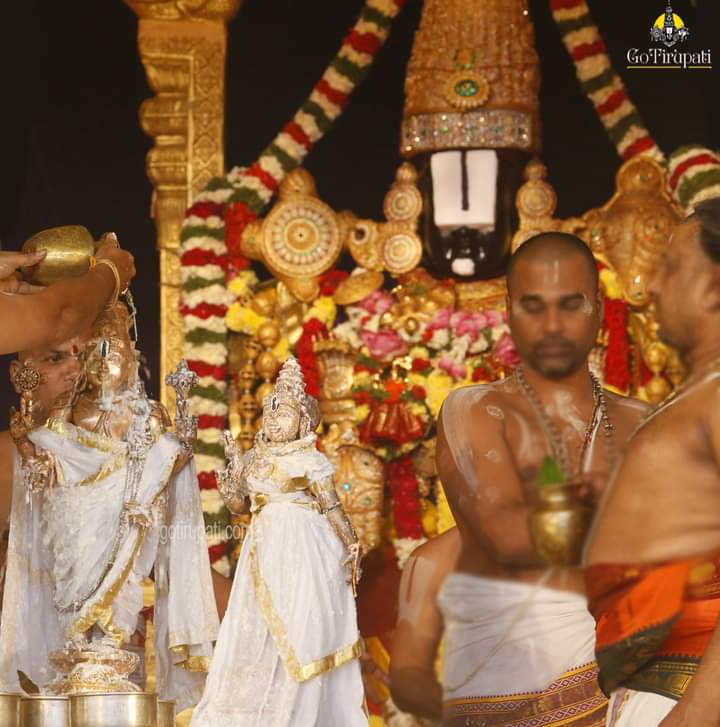
The third Azhwar called Peyazhwar is the author of Munram Tiruvanthathi or the third hundred verses and he has composed as many as 19 verses in praise of Lord Govinda.
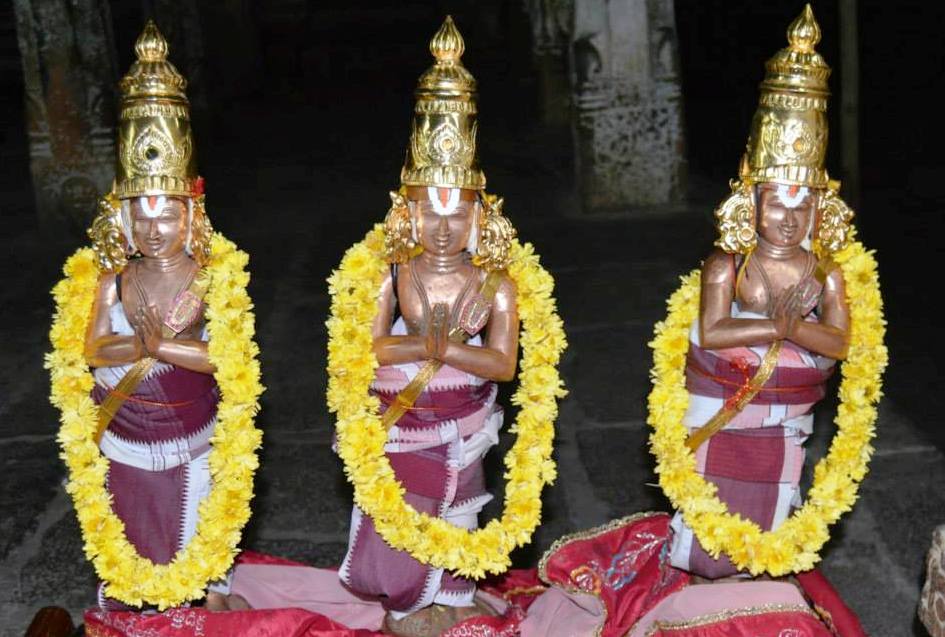
Peyazhwar refers to Venkadathan as VEDATHAN indicating that Lord Venkatesa is the one Supreme Lord without a second and the Ultimate Truth and Reality of the Vedas. The fourth Azhwar by name Tirumalisai Azhwar who is the author of Nanmugan Tiruvanthathi has recorded 12 verses in praise of Tiruvenkadathan more or less on the lines of his three illustrious predecessors
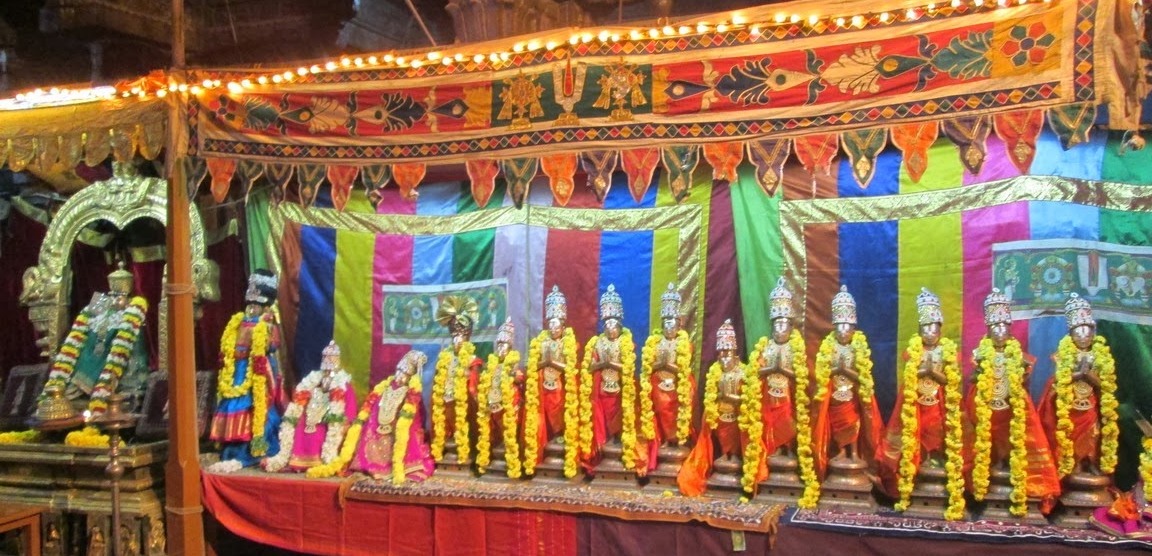
Nammazhwar who is the crest jewel and the most prominent of all the Azhwars in one of his 44 verses in praise of Lord Venkatesa says that the entire life time should be spent in ceaseless loving service of the Supreme Lord in Tirumalai. In his most popular verse beginning with the words AKALAHILLEN the saint abjectly surrenders himself to the Lotus Feet of the Lord declaring that His Consort Shree resides for ever in the bosom of the Lord inseparably united and indistinguishable from Him as fragrance from Lotus flower.
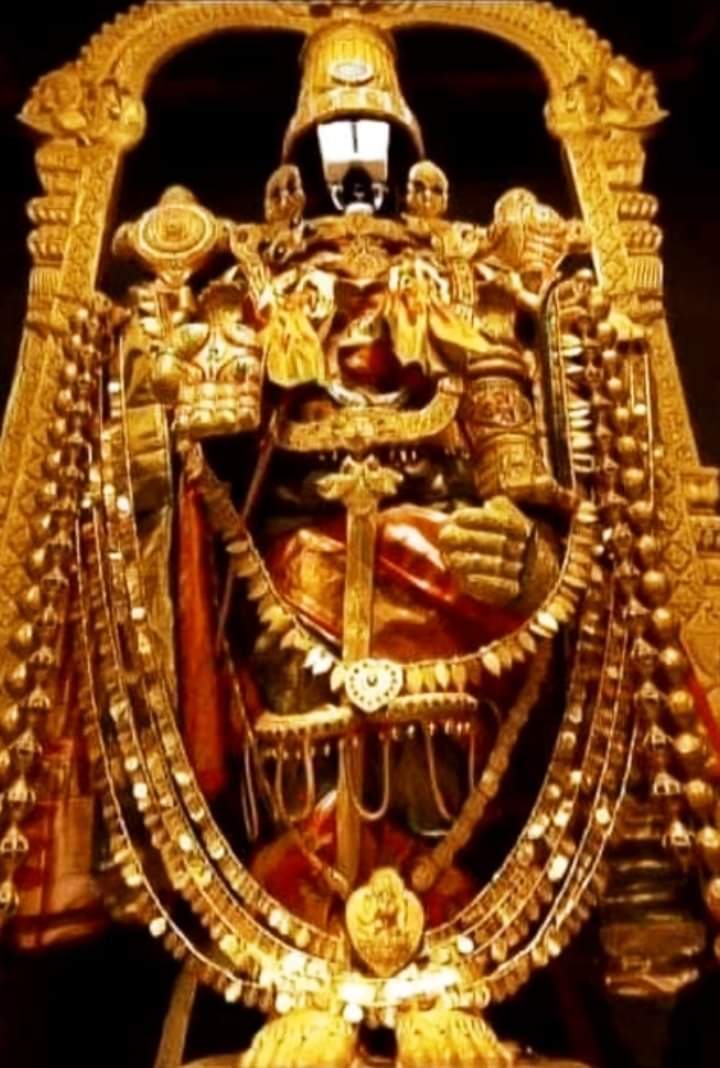
The two are in fact One conceptually but different functionally. The ethical idea of justice and the rule of law and the religious idea of redemption from sins by Grace are reconciled in Saint Nammazhwar`s Prapatti to the Divya Dhampathi.
The inner purport is that Lord Venkateshwara rules strictly by the moral law of Karma whereas Mother Shree in His bosom entices Him by love to pardon the sinning souls. Mother’s love is indispensable for gaining the Lord’s Grace. Knowledge is inspired by devotion and Bhakti is illumined by Jnana and the two together constitute Bhakti utpanna Jnana or knowledge inspired by devotion.
The whole attitude of devotion is consummated in Prapatti or Saranagathi ( surrender ) in the case of Nammazhwar when he says PUGALONDRILLA ADIYEN UN ADIKKEEZH AMARNDU PUKUNDENE.
His Lotus Feet are the sole refuge for all sinful souls.
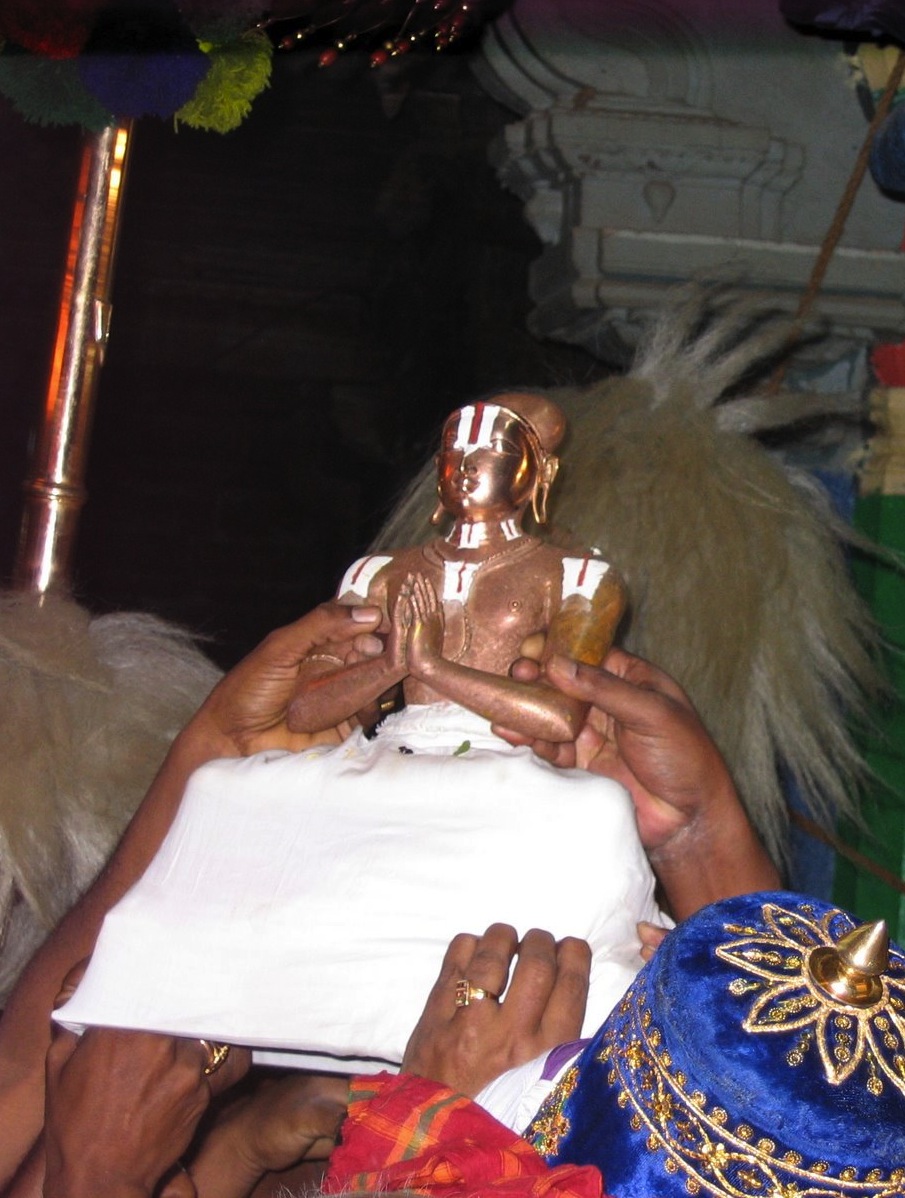
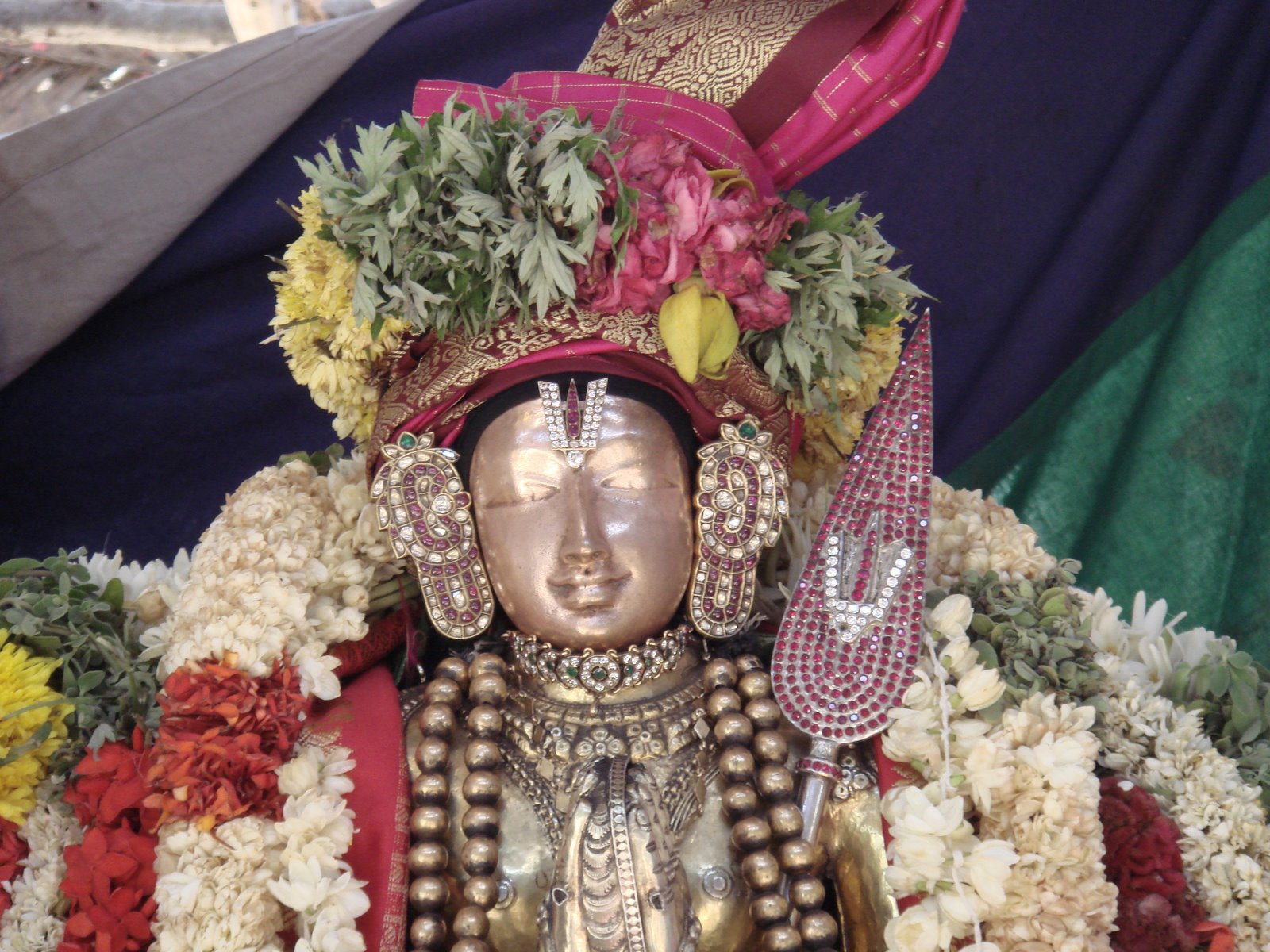
In the eleven most poignant and moving verses composed by Kulaseharazhvar, the saint fervently prays to the Lord of the Seven Hills that he should always reside with the Tirumal in His Tirumala hills either as an insect or a bird or a fish or a vessel or a flower or a tree or a passing stream or a foot-step or any other object to see the coral lips of the Supreme Lord in ceaseless remembrance.
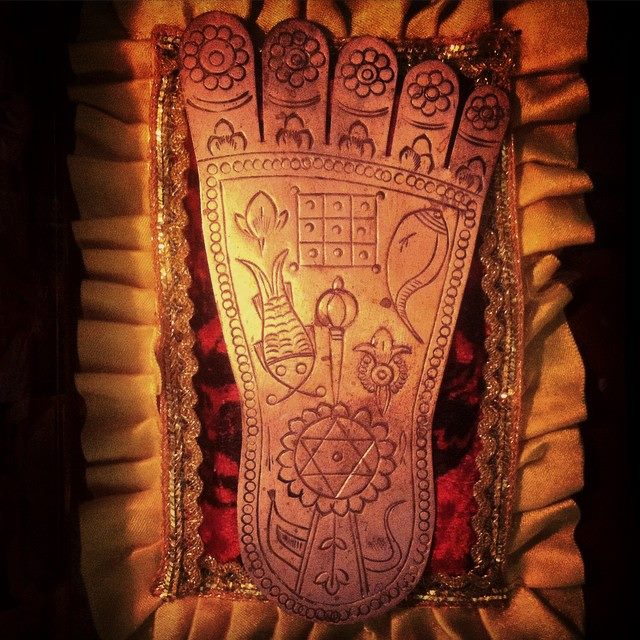
In fact, the psalms of all the ten Azhwars on the Lord of the Seven Hills are full of piety and love that can move even the most stone hearted people into tears.
These verses describe vividly the natural beauty of Tiruvengadam as also the glory and greatness of the Supreme Lord in lyrically brilliant Tamil verses, which cannot be recaptured in English translation
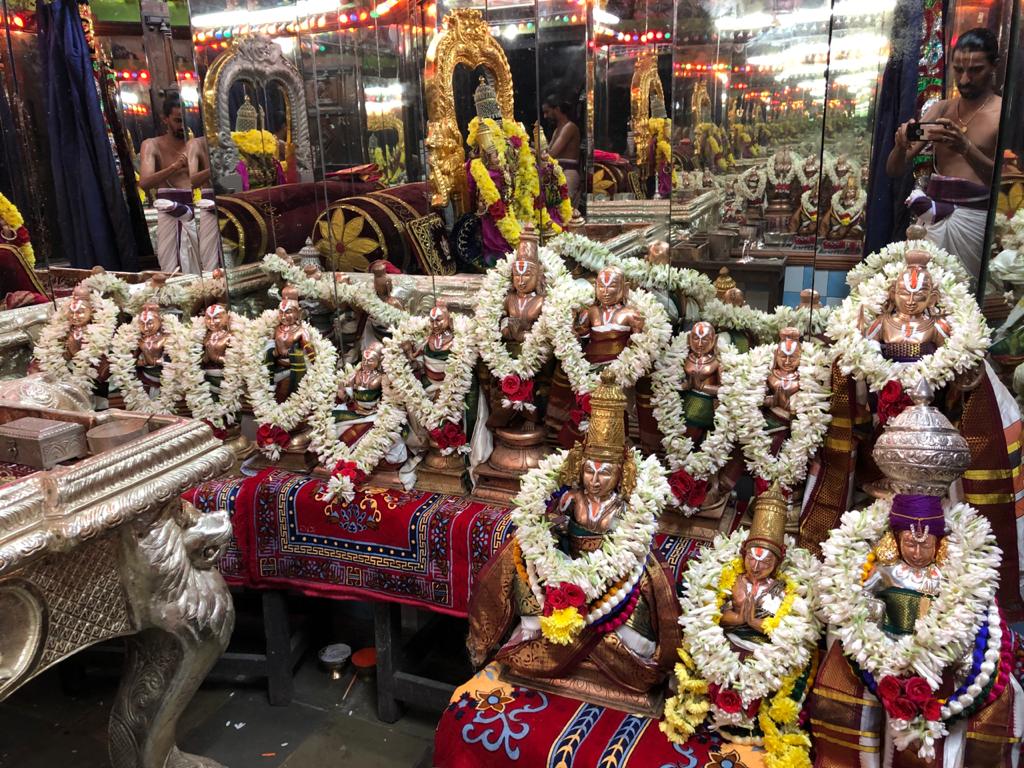
Name of the Azhwar His work Number of Verses
Periazhwar Tiruppallandu 1
Periazhwar ,, Periazhwar Tirumozhi 7
Poigai Azhwar Mudal Tiruvanthathi 10
Bhutatazhwar Irandam Tiruvanthathi 9
Peyazhwar Mundram Tiruvanthathi 19
Trimalisaiazhwar Nanmugan Tiruvanthathi 12
,, Tirucchandaviruttam 2
Nammazhwar Tiruviruttam 8
,, Peria Tiruvanthathi 1
,, Tiruvaimozhi 35
Andal Nacchiar Tirumozhi 16
Kulasekharazhwar Perumal Tirumozhi 11
Tiruppanazhwar Amalanadipiran 2
Tirumangaiazhwar Peria Tirumozhi 55
,, Tirukkurundandakam 1
,, Tirunedunthandakam 3
,, Siriya Tirumadal 1
,, Peria Tirumadal 2
Total 195 verses
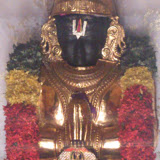
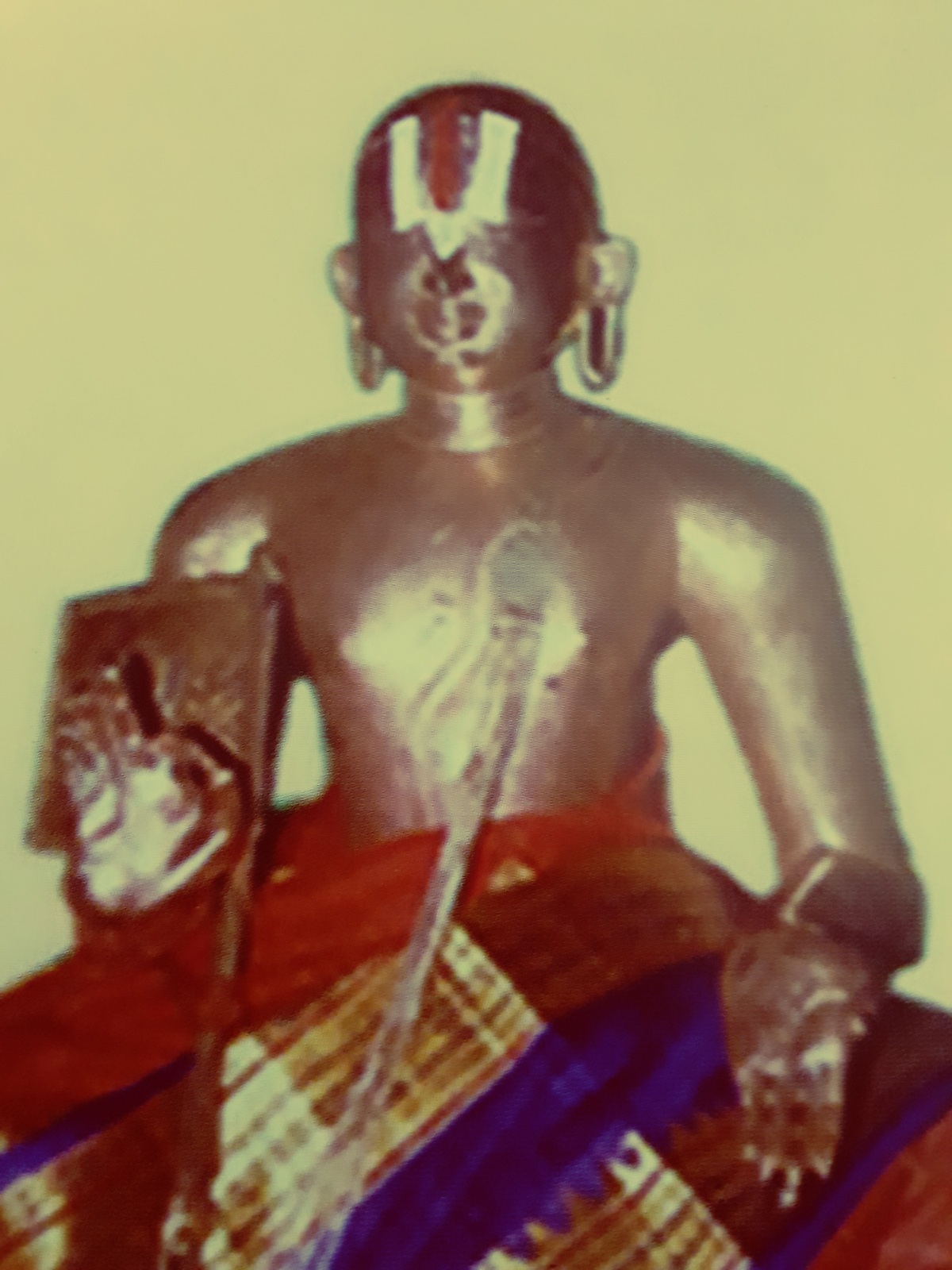
Sri Ramanujacharya has not composed any devotional hymn in praise of the Lord of the Seven Hills. However, at the very start of his monumental Magnum Opus called the Sri Bhasya which is his detailed commentary on the Vedanta Sutras, in the Invocatory verse he begins the work praying to the Lord in Tirumala with the words SRUTI SIRASSI VIDEEPTE BRAHMANI SRINIVASE. In this introductory verse he seeks the blessings of Lord Venkatesa with the words -“ May my mind be filled with devotion towards the Highest Brahman the Abode of Goddess Shree who is luminously revealed in the Upanishads.
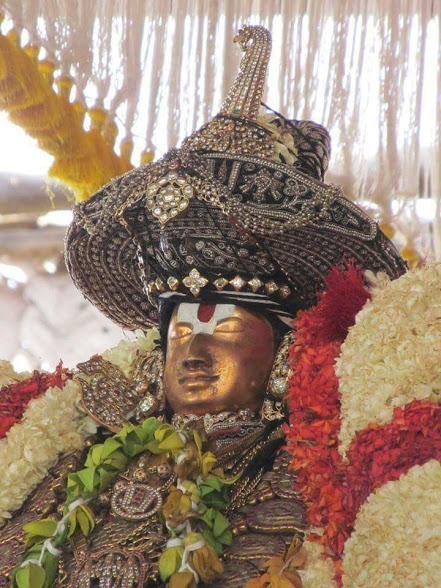
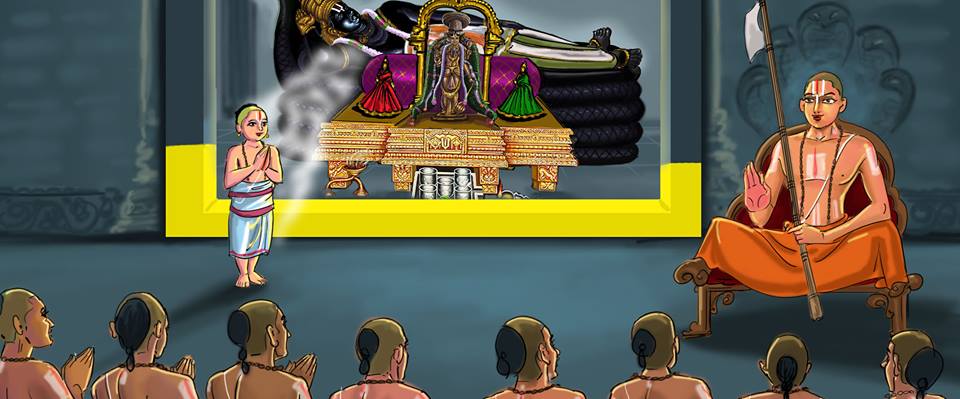
Swamy Yamunacharya (also glorified as as Alavandar who was Acharyar to Swamy Ramanuja ) who in his poetical work called the STOTRA RATNA (the Hymn Jewel) asks the question KAHA SRIHI SRIYAHA? His question is who is the Lord of Shree? This question is an obvious reference to the passage in the Purusha Sukhta HRISCHA TE LAKSMISCHA PATNYOU i.e. Hari and Shree are Lord Srinivasa`s consorts
Among the subsequent Sri Vaishnava Acharyas Swamy Vedanta Desika and Pillai Perumal Iyengar have rendered detailed poetical works in praise of Lord Venkateswara.
In his hymnal work called DAYA SATAKAM Swamy Vedanta Desika has composed a hundred and odd verses exclusively in praise of the Daya /Abundant mercy of the Lord of the Seven Hills. The prolific poet begins his work with the words
PRAPDYE TAM GIRIM PRAYAHA SRINIVASANUKAMPAYA
by surrendering himself like Swamy Nammalwar in AGALAHILLEN to Lord Venkateshwara before taking up the task of describing the Lord’s profound mercy. According to scholarly Acharyas, this work of hundred verses can be grouped into ten verses each and each decade refers to an auspicious attribute of Lord Venkateshwara
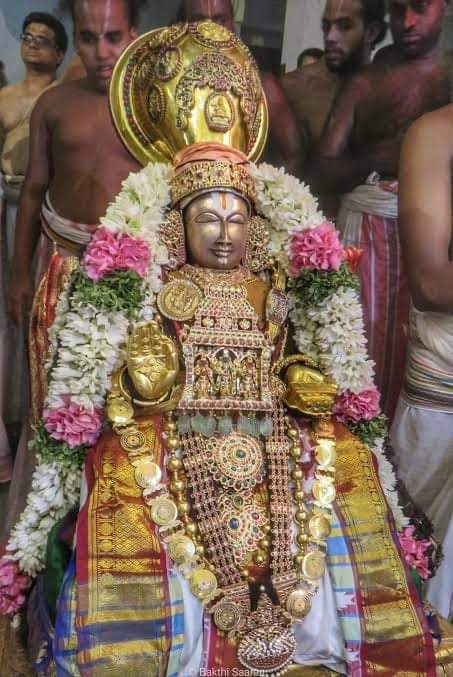
- He is the sole Lord of Immortality
- He is omniscient and omnipotent , all knowing and all powerful
- He removes the miseries and ills of His devotees
- He is the sole means for release from samsara
- He is the one single goal of life
- He is the sole refuge in Prapatti (Surrender)
- He is easily accessible even to the most sinful
- The Supreme Lord’s Abode is Tirumala
- He takes Avataras and
- Those who surrender to Him gain release here and now
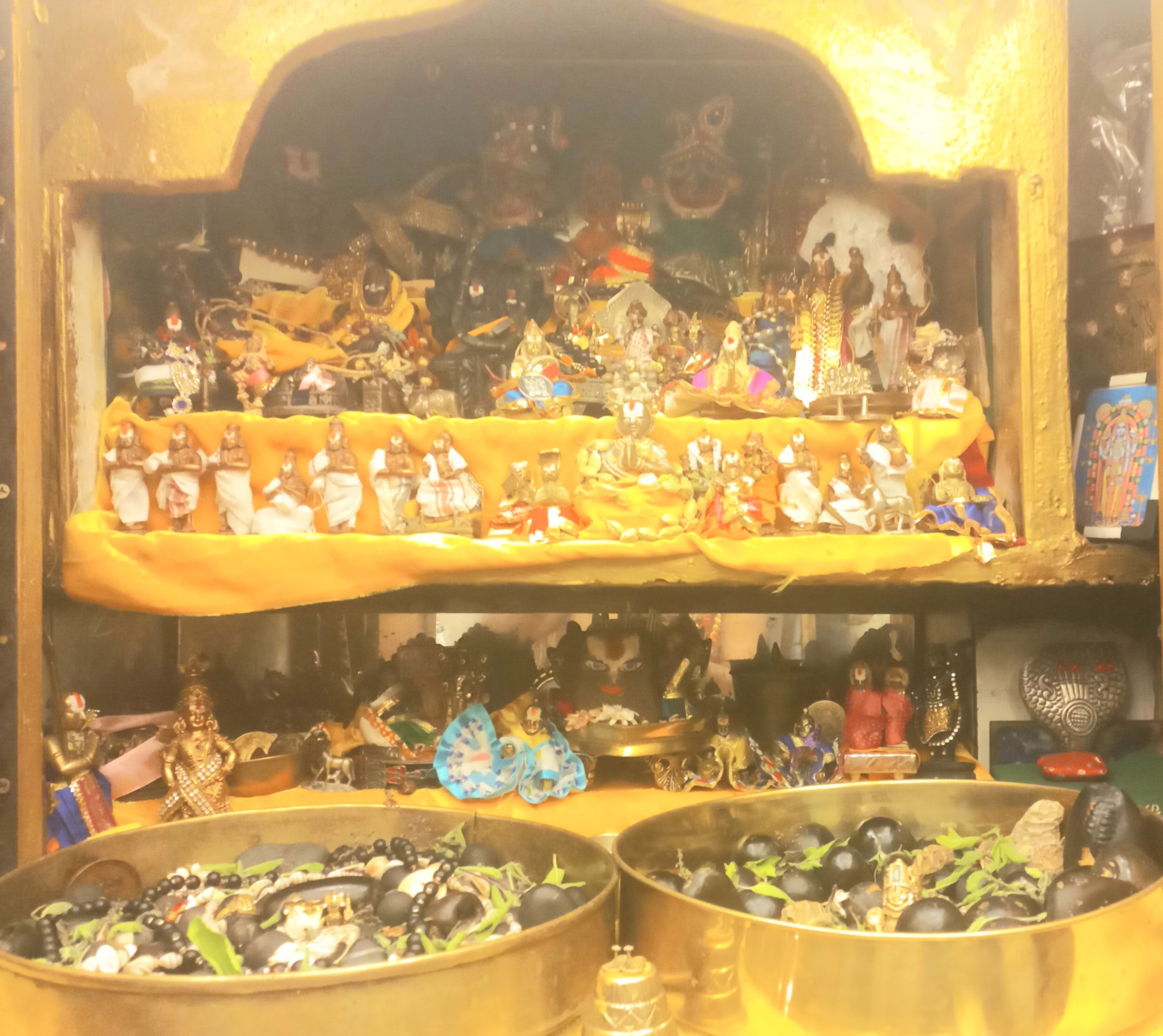
“Venkatadri Samasthanam Brahmande Nasti Kinchana,
Venkatesha Samo Devo Na Bhuto Na Bhavishyati”
Adiyen Ramanuja dasan
Pictures/Videos : Courtesy Google images

 kazhiyur varadan's blog