A French sailor was coming to Pondichery from Calcutta by his ship through the eastern coast of India and was bringing a big bell from a port of France to the church of Pondicherry .
The ship was moving parallel from the shore of the Bay of Bengal and proceeding through the parts of Chandipur, Paradip in Odisha .
People belonging to France and England were in that ship.
His assistant suddenly saw a giant whale big enough to swallow the whole ship. He was scared and could not speak .
His voice was choked as he saw that the ship was heading directly towards the creature.
He dared and shrieked “ Captain! All alert!”
The sailor was taking a reading of the ship’s course from the chart in the control room.
Hearing the call, he rushed out, a little perplexed.
“What is the problem?” he inquired.
The speechless assistant pointed his finger towards the huge whale.
The captain observed the approaching whale with his binoculars carefully .
There was also an impending storm on the horizon.
The winds were gusting and tearing at the sails.
The captain first thought of releasing the lifeboats from the ship. But could these small boats even reach the shore in such high windy situation .
He thought it will lead to more deaths .
The ship left two months ago from France and he knew all the passengers by name The captain realized the gravity of the situation, but was haunted by a sense of helplessness.
Huge waves continued making the sea turbid and black.
The more he observed the approaching danger, the more frightened he became.
He had no idea what course of action to take immediately .
He decided the only thing to do was ring the warning-bell.
He shouted to the crew to look out for themselves.
There was no way to avert this imminent disaster.
The Captain was running about the ship frantically.
All the frightened passengers encircled him.
Any hope to save even lady passengers was thin.
He was an experienced captain, having spent a good part of his age at sea.
Yet now he was completely bewildered.
A lady passenger ran towards him and appealed,
“ Oh Captain, I don’t mind if I die, but please save my baby!”
Tears ran down the captain’s cheek, and the little baby began to cry along with its mother.
The captain was helpless and had no way to console them.
The shadow of death loomed large, a transition between life and death about to be violently enacted.
Everyone was screaming .
Some were crying, while others were taking half-measures to save their lives. Only a few moments remained before the unavoidable end.
Utterly confused , he cautioned everybody in the ship to adopt precautions for their lives at their own responsibility.
His anxiety made him run all around the ship .
He could see one man was sitting quietly and was relaxed .
The captain went close to him .A midst the turbulence ,he was looking at a picture of his worship able Lord and keeping it close to his heart, whispering something to himself.
His mind was totally fixed on that picture.
The Captain recollected … Oh this is the old man who had boarded the ship at the last port in India .
The captain rushed past him many times, still he was hardly noticed. The ship was about to be battered by the storm.
The Captain ran to the upper deck of the ship and snatched the binoculars from a deck hand so he himself could see their approaching fate.
He muttered to himself,
“ Oh dear God, we are so close to that deadly whale!
What a harrowing sight!” He was seeing death itself approaching steadily. Now only the touch of death remained to be felt.
Totally dejected and with a sense of deep despair he walked away cursing his fate .
He again caught sight of the old man, sitting still a midst all the fright and confusion very relaxed .
With curiosity he bent over to see the picture, which the old man held. It was a hand drawn painting, with three Deities sitting close to each other (Deity of Lord Jagannath, Baladeva & Subhadra).
” The eyes of the black deity looked so big and prominent and he felt as HE was looking straight towards him and drawing him closer …
“What are you doing?”shouted the captain at the old man . The old man was in a prayer mood and was shaken .
He looked at the captain………………………………… Each eye was adorned with a tear.
He replied
“I am praying to Lord Jagannatha to rescue us from this catastrophe,” he said quietly.
“ Jagannatha? Who Jaggantha …..
Who is He?
Where is He?
What can He do for us?
Can He kill the whale with a weapon ?
Can He save the ship?” retorted the captain.
A trace of a smile came over the old man’s face. He appeared so calm and composed at that moment of crisis.
“ Lord Jagannatha is my only resort.
Any danger is dispelled if one prays to Him,” the old man said passionately.
“He makes a human response.
His mystery is inscrutable, even to the demigods, what to speak of mere human beings. Yet when we call to Him, He comes and helps us instantly .”
Hey ….. said the captain .
“ Can He save our ship from the clutches of death?” in disbelief.
“ He will do the needful, that is His work.” ……Replied the man simply.
“ What power does your God have to do that!”
Can He act as a controlling force over nature?”asked the captain.
Look Old man ……..
If He can save this ship, I will offer Him all the treasures on board the ship and myself as well.” thundered the captain ….
The old man smiled and returned to his praying.
The captain rushed to the upper deck of the ship again, and to his greatest surprise he saw the whale change its direction!
The whale’s forward movement was slowing down and slowly he veered out to deep sea.The more the captain observed this, the more his face filled with amazement.
But the ship never stopped tossing about from the onslaught of the storm.
‘ One danger is removed, but still there is another with its own fury,’ thought the captain.
It seemed the ship might be wrecked within a minute’s time.
The old man’s curious picture began flashing before Captain eyes. Those intoxicating eyes ……
He loved them ….
Now he prayed,
“Oh Lord Jagannatha, you controlled the whale, but are you able to check the storm now ?”
A huge thunderclap was heard and a bolt of lightning flashed across the sky, so powerful that it seemed as if the whole world would be destroyed.
But all at once the storm died down and the ship was saved. The captain announced in a joyous booming voice,
“We are saved! We are saved! from the overboard deck he said …
LordJagannatha has freed us from all danger!”
Lord Jagganatha is great …
.
The captain rushed to the old man’s side and embraced him tightly. The old man was still doing his prayers before the picture of Lord Jagannatha.
“The Lord of the universe has answered our prayers,” he said simply.
A benign smile appeared on the old man’s tired and time worn face.
Tears filled the captains eyes and his voice choked.
“ No one is foreign to your Lord Jagannatha.
He deserves all the diamonds, precious gems, gold ornaments, and even the old French church bell be taken from the ship storeroom and given to Lord Jagannatha temple”
Captain announced bravely
“ Our ship has been saved, due to the mercy of Lord Jagannatha .”
He went close to the old man and asked what is the meaning of JAGGANNATHA
The old man replied …….He is Lord of the Universe and he will reach to the one who surrenders ..
All joined the old man’s prayers .
.Jai Jai Jagganath ..Jai Jai Jagganath
Captain ran to the upper deck to observe whether any shore was visible in sight.
The top of a huge temple, looking like a Blue Mountain, was clearly visible.
His assistant overjoyed said .
.Captain …,
“ That is the earthly home of Lord Jagannatha of Puri.”
The panic mood of the travelers was converted to heavenly bliss …
This french bell can be seen in the old courtyard near to the original office of the Puri Jagganath temple .
Jai Jai Jagganath …
Our Travel diary is available in the appended link post
Once a new disciple approached Acharyar Bhattar and asked him………..
… Swamin ..
Please clear my doubt . What qualifications are needed to recite the Lord’s names ?
Bhattar smiled and replied ,
My dear child ,
When you stumble on the road OR unknowingly face a danger .., what do you say instantly ..the disciple said I will scream AMMA …. …
Now tell me what qualifications were needed to call AMMA ….
The disciple did not have any answer ….
My child !! continued Bhattar ….
One who goes to bathe in the Holy ganges indeed need not cleanse himself beforehand by dipping in a salt water pool .
When we wish to be saved what more qualifications do we need than simply to desire it and forthwith fly to our savior LORD who saves us and also make us fit for salvation too .
When we go to a pure fountain, is not the fountain itself the purifier .
The disciple continued ..
Swamin …….
some say that besides the visible body there is nothing like what is called as soul there is no moral order and there is no God whereas other say this body is transient and admit its turbulent nature and therefore say we must aim something permanent beyond this body .
The disciple begged again …
Swamin please elucidate what give rise to these two different opinions .
Bhattar replied
My child !!!
This body is a loathsome abomination if only one would turn its inside out and examine the contents .
Then NO body’s teaching would be needed to detest it .
And , yet our long habituation with it is the cause that we love it in spite of the immediate visible evidence that is disgusting. Bhattar continued ….
Lord Krishna says in Srimad Bhagavad Gita chapter 7-14 ..
To pure hearts LORD gives sufficient enlightenment to realize the detestable nature of the body and thence to endeavor to rid oneself of it but for sinful hearts the love for body persists and as a consequence to , in its company they commit more abominations and hence ………………….
Lord weighs us in HIS scales of justice each according to the merits and demerits of KARMA .
Bhattar used to feel low during the darshan of the processional deities after Abhishekam ( Thirumanjanam ) wearing wet clothes and used to contemplate …..
Oh Supreme Lord !! when your Highness are not able to convince obstinate people like me with your abundant compassion for our final upliftment are you………………….
My LORD……………….
.My savior ……………………………………………………………..
adorning yourself with the wet clothes so as to take an oath and convince us ??
Lord’s presence is our strength and HIS absence our weakness …………
NAMO NARAYANAYA SRIMAN NARAYANAYA CHARANAU SARANAM PRAPATHYE SRIMATHE NARAYANAYA NAMAH SRIMATHE RAMANUJAYA NAMAH SRI MUDALIAANDAN SWAMY THIRUVADIGALEY SARANAM SRI AMRITHAVALLI NAYIKA SAMETHA SRI LAKSHMI NARASIMHA PARABRAHMANE NAMAH
Prostrating at lotus feet of LORD LAKSHMI NARASIMHAR , Adiyen feels honoured to share the divine experiences of piligrimage few years ago to Sri Ahobilam Divya desam.
Ahobila Mutt authorities has taken the holy initiative to develop this kshetram on war footing and made it convenient for the piligrims to have darshanam of LORD in the temple.We offer humble obesiances to Jeeyar and the Mutt followers as this holy intiative from HIS HOLINESS has really made piligrims journey more simple compared few years ago . Presently nine archakas ( priests ) have been appointed who perform Nityathiruvaaradhanai ( worship) to all the Nava Narasimhars .
They travel by Cycles to the temples and are very cooperative with the piligrims.
Adiyens sincere acknowledgements to Ms.Ramesh , the author of “108 DIVYA DESAMS”and members of Sri Rangasri group ,whom we regard as our spiritual guide.
Adiyens recent visit last year was most memorable . Out of the 108 Sri Vaishnava divya desams, two are in Andhra Pradesh, Tirumala and Ahobilam. Both the divya desams are situated in the Nallamalai Hills in Chittoor districts respectively. It is about 68 KM from Nandyal Station ( Ex PrimeMinister Shri P.V.Narasimha Raos constiency ) As per the Puranas, Nallamalai Hills is the personification of Adisesha, the great serpent bed of Perumal. Srisailam, one ofthe famous Shiva sthalams is the tail end, Ahobilam is the middle portion, Tirumalais the head and Srikalahasti, another Shiva kshetram is the mouth of Adisesha.
Thus, the sacred hills houses two Vishnu and two Shiva kshetrams.Ahobilam, the great Narasimha kshetram is also known as Ahobalam, SingavelKundram, Vedachalam, Garudachalam, Veera kshetram, pancha kosa kshetram etc.for the following reasons.
AHOBALAM means “great strength”. Since Lord manifested Himself here for rescuing His devotee by killing the asura, Hiranyakasapu, the devas praised Him saying “AHO BALAM” (Oh! What a great strength) VEDACHALAM :-Perumal restored the Vedas to Brahma by killing Somuka, an asura. GARUDACHALAM:-Perumal blessed Garuda who was doing penance here. VEERA KSHETRAM :- Lord exercised one of His gunas “VEERYAM”
NAVA NARASIMHA KSHETRAM:
There are nine temples dedicated to Narasimhar at Ahobilam This Holy dhaam is glorified as as PANCHA KROSA KSHETRAM
Jai Jai Narasimha
All the nine temples are situated within a radius of 5 krosas or 10 miles or 16 kilometres. As stated earlier, Ahobilam is situated 25 Km from Arlagadda in Kurnool district and can also be approached via Cuddapah district. It is situated on hills amidst thick jungles. The local tribals are very kind . Compared to Tirumala yaatrai, this is strenuous because there is neither an easy motorable road (except to two or three temples) nor well laid pathway like that in Tirumala few years ago .But now things have changed Almost all the temples are scattered on the hills with no direct route , but now the scene is different . One was forced to walk back the way he came and then go to the next temple earlier .
Great care has to be taken while trekking especially when we trek the holy hills . Added to this, the place is inhabited by wild animals and monkeys. Due to monkey’s menace, even eatables have to be taken with utmost care. It is always advised to take help of local guide. This made us recollect Thirumangai Azhwar’s mangalasaasanam comprising of 10 pasurams describing the divya desam beautifully. He describes Perumal’s ugra swaroopam and the scenic beauty of this place. In the first 8 pasurams, Azhwar describes how difficult it is to reach this place which is inhabited by wild elephants, tigers, lions and the tribals .
Azhwar says that even tigers and lions offer their prey to Perumal before eating them. But in the 9th pasuram Azhwar says that these difficulties would be faced only by the enemies and demons and the bhaktas need not have any fear because here Perumal residing along with Thayar would always protect the devotees. This pasuram boosts our confidence level and take refuge in Him. Every nucleus in Ahobilam reverberates with Lord Narasimha’s holy name.
As per sthalapurana , Jaya and Vijaya, the dwarapaalakas gate keepers of Sri Vaikuntam who were puffed up with ego because of their proximity to Perumal were cursed by Sanathakumara brothers (who were the Manasaputras of Brahma ) to get separated from Lord (Perumal). The repentant dwarapaalakas were given the option of either living a pious life for 100 births or become demons for 3 janmas ,develop enmity towards the Lord and finally get killed by Perumal. They opted for the latter and hence were born thrice. In their first janma, they were born as Hiranyaaksha and Hiranyakasipu,they took their second birth as Ravana and Kumbakarna and in their third birth, they were born as Kamsa and Sisupaala.Bhagavan declares in Bhagavad Gita that He will appear to protect His devotees anddestroy His enemies.
So whenever the earth becomes overburdened with sinners,the Lord manifests Himself to protect His devotees. Narasimha Avataaram is one such avataaram where the Lord appeared to protect the great child-devotee, Prahalada by killing his father, Hiranyakasipu. In Matsya, Kurma and Varaha avatarams, Lord appeared as an animal and in otheravatarams like Vamana, Parasurama, Rama, Krishna , the Lord appeared as a human and protected everyone. The Narasimha avataaram is the only avataaram where the Lord appeared as “half beast half man “ a rare combination. It is only in this avataaram that Lord depicts contrasting feelings of “sowlabhyam”and “krodham” i.e. love and hatred with the same organ, “eyes” at the same time.
The Lord was full of compassion and love to the child devotee , Prahalada and at the same time was fierce and angry with Hiranyakasipu. Hiranyakasipu with his severe austerities had wittingly acquired a boon from Brahma that he should not get killed by any of Brahma’s creation, he shouldn’t die eitherduring day or night, he shouldn’t die either on earth or in the sky, he shouldn’t bekilled by using any weapon or astram. Puffed up with the confidence that he couldn’tbe killed as fulfilling as the above conditions would be impossible, he had become notorious and tortured pious people. He developed hatred towards Lord Vishnu. But his son, Prahalada was a born Vishnu Bhakta. All his advises to realise the soul and seek Narayanan’s Holy feet became in vain.
The wicked rakshasa started torturing his son by throwing him from top of hill, administering poison, throwing him in sea, fire etc. All the efforts of the rakshasa became futile as his son was protected by Lord. He realised the purpose of birth and had absolute faith on the Ultimate. Sri Mukkur Swamy gives a wonderful explanation to the incident when Prahalada was thrown from top of the hill. He says that when Prahalada was thrown by the asuras from top of the hill, he held his hands close to his heart to ensure that Perumal who was residing in his heart as ANTARYAAMI” shouldn’t get hurt. Seeing this act of Prahalada,Bhoomidevi overwhelmed with pity protected the child by taking him in her alms on a bed of flowers.
When Prahalada was thrown in the fire, Agni deva protected the child and it was his aunt,Holika , who got burnt. This incident is celebrated even today as “Holi “ festival in India. The asura could not accept the concept of “OMNIPRESENCE OF THE LORD” propagated by Prahalada and as a challenge, he kicked a nearby pillar in his palace and asked the boy to show him the Lord. The asura was fully confident that as he himself had constructed the palace, he was sure that the Lord could not be present. Even before he could complete his sentence, an extraordinary being emerged out of the pillar. The being had a body like a human and a face like that of a lion’s. He had sharp nails like the paws of a lion.
This was the most prominent avataaram of the Lord “NARA-SIMHA “ avataaram. The Lord with His wonderful form of half-beast and half-man (he was neither a man nor a beast but at the same time, he was the combination of the two) and 10 hands placed the asura on His lap (it was neitherearth nor sky), he was holding the asura with two of his hands; pierced the asura’s intestine with his nails, (thus not using any astram or weapon), it was evening when the incident occurred , (thus fulfilling the condition that he should neither be killed in the morning nor night). Thus the Lord killed the asura and lessened the burden of the earth .
Even after the samhaaram, the Lord was furious . Thayar and the demigods were afraid to go near him and pacify. It was Prahalada who sang the praise of the Lord known as “PRAHALADA STHUTHI” and pleased the Lord. This sthuthi comprising of 43 slokas contains the essence of Vedanta philosophy difficult to grasp even by mature minds. Prahalada was able to recite this slokam only due to the grace and touch of the Lord. This incident is mentioned in the seventh chapter of Srimad Bhagavatham. The Lord took him on His lap and blessed him to rule the kingdom and finally reach His abode. He also granted the boon that no one belonging to his dynasty would be killed by Him. (This was the reason why Perumal didn’t kill Bali Chakravarthy, the demon-king who was Prahalada’s grandson when Perumal assumed Vamana avataaram , Dhenukaasuran and Banaasuran during his Krishnaavataaram.
With His touch, the sins of Hiranyakasipu got wiped off . The Lord conceded the request of the devas to stay back in earth and protect His devotees. He later married Chenchulakshmi, a partial manifestation of Thayar and continues to reside in this holy place even today. To this day, this tribe enjoys special privileges and they get offerings for Perumal’s Thirukalyaanam which is celebrated in a grand way. It was only after obtaining the grace of Narasimhar, Sri Ramar got the information that Ravana had kidnapped Sita Devi.
It was after having darshan of Narasimhar,Lord Srinivasar met Padmavathi Thayar and married Her.The presence of the Lord can be experienced even today. To quote few instances, itmay be mentioned that Perumal appeared as a sanyasi to Srinivasachariyar around500 years ago to the first Jeeyar of Ahobila Mutt and initiated him into Sanyasam and prompted him to propogate Srivaishnavism. The Lord gave the Jeeyar theutsava vigraham of Malola Narasimhar and this vigraham is in the custody of theAhobila Mutt Jeeyars for Nityathiruvaaradhanai.
The Lord also protected the 33rdJeeyar of Ahobila Mutt from wayside dacoits. The Lord saved Annamacharyar , thegreat saint who attained the Lotus feet of the Lord by singing His praises, from the harassment of the local king and he got initiated into Srivaishnavism by the thenAhobila Mutt Jeeyar. The Lord blessed King Pratapa rudra by enlightening him abouttrue knowledge. This king contributed to a great extent for the welfare of this place.The present Ahobila Mutt Jeeyar has contributed to a great extent by spending few lakhs of rupees for the renovation of old temples and constructed new temples.
The way to these temples has become accessible. As mentioned earlier, there are 9 shrines dedicated to nine forms of Narasimhar.Out of this Prahalada varada Narasimhar is in Lower Ahobilam, Ugra Narasimhar,who is a swayambhu and is treated as the divya desa Perumal is seen in Upper Ahobilam. The other shrines are scattered all over the hills. Apart from the navaNarasimha shrines, “Prahalada padi” where Prahalada studied and “Ugra Sthambam”from where Perumal emerged are usually visited by pilgrims. There are number of Theerthas in this shrine.
A few like konneru near Bhargava Narasimhar , Ramatheertha near Lower Ahobilam and Raktha Kundam near Jwala Narasimhar ,Bhavanaasini near Ugra Narasimhar which flows through both the mountains are a few to name.
Adiyen wishes to briefly give the details of the nava narasimhars. 1) PRAHALADA VARADA NARASIMHA SWAMY:
Situated at the foot of the hills known as Lower Ahobilam, this temple can be visited by one and all. Usually all homams and yagams are performed here. Here Perumal is seen along with Thayar blessing Prahalada. Hence, Perumal is known as “Prahalada Varadar”.The utsava vigrahams of all the Narasimhars except Malola Narasimhar are offered nitya thiruvaadhanai here. To the left of Perumal, utsava vigraham of Pavana Narasimhar can be seen majestically . In front of the Lord, the utsavaiodls of Prahalada varada Narasimhar along with Sridevi and Bhoodevi grace us . The processional deity of Jwala Narasimhar along with His consorts is also seen inthe garbagriham . The vigraham is superbly carved and on request , thearchakar removes the alankaranam and performs Aaarathi to the idol. This idol has 10 arms and Hiranya vadham (killing) is beautifully depicted. There is also asmall vigraham of the first Ahobila Mutt Jeeyar facing south. The temple is a huge Pilgrim’s diary Ahobila mone and many monkeys can be seen here. The walls of the temple depict the sthala puranam briefly. There is a Thayar Sannidhi to the right of the temple.
2) BHARGAVA NARASIMHA SWAMi:
This temple is situated two kilometres from Lower Ahobilam on a small hillock and can be approached by foot. As Bhargava(Parasurama) did penance here, the Lord is thus known. It is easily approachable.
3) YOGANANDA NARASIMHA SWAMI:
Situated at a distance of 3 kilometres from Lower Ahobilam, this can be approached by foot. It was here that Prahalada mastered the art of yoga from Perumal Himself. The divya mangala swaroopam of the Lord is eye captivating. Perumal is seen alone in Yogaasanam. 4) CHATRAVATA NARASIMHA SWAMI:-
This temple is situated at a distance of nearly 3 kms from Ahobilam on a different route also reachable on foot . As Perumal is seated alone under a peepul tree which protects Perumal like an umbrella, He is known as Chatravata Narasimhar. This Perumal is fond of music played by Gandharvas. It looks as if the Lord is deeply engrossed in music by clasping His hands. We were told that He is fond of Adi Thalam. Reptiles keep moving in this place but they don’t harm the devotees. One has to take care of these. 5) UGRA NARASIMHAR SANNIDHI:-
This temple is in Upper Ahobilam. There is a narrow bus route and it takes about 40 minutes to reach this place from Lower Ahobilam. This is considered as the divya desa temple. Usually, pilgrims have bath in Bhavanaasini or Paavanaasini (a spring which flows from the top of the hill) and then have Perumal’s darsanam. A dip in Paavanaasini absolves all the sins committed.
Though there are no proper bathing ghats, still we can see hundreds of devotees having holy dip unmindful of their surroundings. The sannidhi is located inside a cave . Perumal along with Thayar is seen in Veetruirundha Thirukkolam . Opposite to Perumal, there is an idol of Prahalada. There is a dark room on the other side of the cave which is believed to be the place where Chenchulakshmi resides . Recently, under the supervision of Jeer, a bridge across Paavanasini river has been constructed which facilitates the pilgrims to go to Varahanarasimhar temple (Krodha Narasimhar) KRODHA NARASIMHAR:
One kilometer further from Upper Ahobilam leads to the shrine of Krodha Narasimhar. He is also known as Varaha Narasimhar as HisThirumukam resembles a varaham (a boar). Any japam done here elevates onespirtually. Especially, Narayana Sadakshara Japam from Varaha Kanda bestows manifold benefits as told by Archakar Swamin.
KARANJA NARASIMHAR SHRINE :
This temple is situated between Upper Ahobilam and Lower Ahobilam.. As the divya mangala moorthi is installed under Karanja vruksham, the deity has been named so. Perumal is seen in VeetruirundhaKolam and is holding Sarngam (bow), dhanus (arrow) and chakram . As usual,Adisesha acts as “Kudai”(refer Irundhal Kudaiyam…) and isprotecting. The theertham here is known as Bhairava kundam. Hanumar who visited this place was astaunch Rama bhakta . Lord Narasimhar appeared to Hanumar, who was a staunchRamabhakta, with bow and arrow thus showing that He is Rama Himself. This Lord is in Padmasaanam pose. One can have darshan of Hanumar also. We are reminded of Sholangur .
6) MALOLA NARASIMHAR:
This holy shrine is situated two kilometres away from Upper Ahobilam. Perumal came in search of Mahalakshmi Thayar who was doing penance here and placed Her on His lap. Hence, Perumal seen along with Thayarhas a somya (graceful) form. Due to Thayar’s presence, Perumal graces even the worst sinner . Azhwar refers to this Perumal in pasuram no. 1016 (Peria Thirumozhi) when he says that bhaktas are always protected by Perumal andonly the wicked have to fear . This Lord gives abhayam to His devotees and Thayar bestows Asthaaiswaryam and grants the wishes of the devotees. There is a vigraham of Thirumangai Azhwar in the sanctum . Outside the temple, there is a small pillar with murthis. Those who are not able to go to Ugra sthambamcan prostrate this pillar.
7) JWALA NARASIMHAR:-
This temple is located at a higher altitude may bear ound 2800 feet. And can be approached from Malola Narasimhar shrine. It takes about 2 hours to reach this temple from Upper Ahobilam. The path is slippery and as mentioned care has to be taken. It was here that Perumal killed Hiranyakasipu by tearing his stomach with his spear like nails. The idol with 10 hands which is approximately 3 feet high and is scaring to look at. Beside this shrine, there is a small pond known as “Raktha Kundam” where the Lord is believed to have washed His blood-stained hands . The water is reddish in colour and this was the explanation given by the guide to us. Recently, a temple has been constructed for this Lord and a archakar is appointed to perform Nitya Thiruvaaradhanai.
8) PAVANA NARASIMHAR:
This temple is situated six kilometres away from Upper Ahobilam towards north east on the banks of River Pavana. It is difficult to approach this temple as wild animals keep roaming earlier If one wishes to visit this temple, he must do so during daytime with the help of a guide.
The path is too narrow, the trek amidst cluster of rocks is strenuous . It takes about 45 minutes for trekking.One can view Malola Narasimhar shrine and few water falls on the way on the other side of the mountain. Forest fire is very common in this place and this helps in one way to ward off wild animals. It is believed that devas offer worship to this Lord.
The Lord is seen along with Thayar . The local tribals usually observe fast on Saturdays and offer flowers, honey, fruits, rice, jaggery etc. to the Lord.The general notion that “bali” (sacrifice) is done here was rebuked by the priest. He said that the sacrifice would be done elsewhere in the jungles . He also added that wild animals do not roam near the temple and only during severe summer,they come to the river bank to quench their thirst.
They usually do not hurt anyone.Besides the above shrines, other places of interest are Prahalada Padi or PrahaladaMettu (Mettu in Telugu and Padi in Tamil means “step”) and Ukku sthambam.
PRAHALADA PADI
is the place where Prahalada had his vidyabhyaasam from Sukracharya’s sons. The way to Prahalada padi though tough is breathtakingly beautiful with river flowing on one side and with various water falls amidst a huge valley. This reminds me of the route to Badrinath. The temple is in a small cave and one has to crawl to enter inside the cave. Only 4 persons can be accomodated insideat a time. Mountain lizards and bats move freely here.It was here that the child started propogating Lord’s qualities. Prahalada used to resort to this place for meditating upon the Lord. There is a vigraham of Narasimhar in centre . to its right, there is an idol of Chakaratazhwar and to the left , there is a vigraham of Lord Vishnu.
UKKU STHAMBAM
More brief details can be had from this link http://wp.me/pbiwb-2x which is situated at a distance of 8 kms from Upper Ahobilam isthe pillar from which the Lord emerged . The pillar which is situated at the edge of the cliff is split into two as a proof that Lord appeared from this pillar. Ahobilam usually give their offerings here. It is very difficult to reach this place which is at a highest altitude .Doing pradakshinam around this pillar is even more difficult as it isin the cliff. Near the ukku sthambham (iron pillar) as the Telugus call, there is Perumal’s Thiruvadi. The climb is very difficult . Only with His grace can one visit this place.
One has to have a sharp vision and a flexible body to bend, crawl etc.This can be approached from Prahalada padi on the way to Jwala Narasimhar shrine.While describing this pillar, Sri Mukkur Swamy says that the entire world is still pregnant with Narasimhar inside except this because Perumal has come out of it.The symbols of Vishnu, namely, Sankhu, Chakram, Naamam are carved on the face of the hill.One can have a bird’s eyeview of the entire Ahobilam from this place. Theatmosphere is calm and serene . Various waterfalls all around looking like thin streams makes us wonder and appreciate the nature and Lord’s creation. It’s a best place to meditate.
Soul stirring experiences at the cost of trimming the body ..and that is what is LIFE ….Realizations streaming ………………
This body ..mind and spirit in equilibrium is what is good quality of self realisation …
The MIND understands and the body too ..
as the soul is going to meet the supersoul ( PARAMATMAN)
[/embed]
Muktinath Divya Kshetram is located in Nepal and is an important pilgrimage site for Sri Vaishnavites and Buddhists.
It is one of the eight swayam vyakta kshetrams(-out of this 4 are in southern India and 4 in Northern India).
In Northern India, LORD has manifested Himself in the form of forest at Naimisaranyam, as divine water in Pushkar, as mountain in Badrinath and as Fossils in Saalagramam kshetram whereas in rest of India, Perumal is in Archa form (Tirumala, Srirangam) .
The best season to visit ( Mukthinaath) “saalagramam” is during March-April OR during September to 1s week of October.
May to August is rainy season and is not advisable as per locals . As a visit to this place bestows liberation, this kshetram is known as Mukthi kshetram and Perumal as MUKTHI NARAYANAN.
This piligrimage was undertaken during 2006 and was posted in www.srivaishnavam.com. Adiyen was keen to share the pictures and video clips as requested by few devotee friends . The present situation as per the experiences of piligrims is roads are good and transport arrangements are available right from Jomson to Mukthinath . Also the road to Pokara to Mukthinath is approachable and made motorable with some excellent reviews as seen from the good experiences .
Before I continue with my travel diary done during 2006 , Adiyen offer my sincere obeisance’s to Sri Rangasri group members , ISCKON Maharajs and several great devotees of LORD who played a pivotal role in making this trip possible with whatever information they could give me when Internet was not really at reach of a common man .
There are different modes of transport to reach Muktinath from Jomsom.
By walk
By pony ride
By motor cycle (charge 2200 NR with 2 hours stay in Muktinath)
By tractor (depends upon the no. of passengers)
The package for Rs.5,500/- INR which included hotel stay at Jomsom and Muktinath, 2 ponies, overnight stay allowance to pony rider and trekking permits was considered good enough during the year 2006 as we did not have any alternative though we later learnt it was exorbitant.
The climate in Pokhara valley is unpredictable. To add to our tension, there was a heavy downpour in the evening and we had our apprehensions regarding next day’s flight to Jomsom. However, the hotel owner assured us that this was very common and it would return to normalcy by morning.
We lost all our confidence due to the weather and sincerely chanted Sri Vishnu sahsranamam. We shed our pride , surrendered to Perumal with devotion and sincerity for our safe journey and a darshan .
We knew that it was “NOW or NEVER” . We had to go to Muktinath at any cost and reach Gorakpur as planned ,because there was only one train to Secunderabad from Gorakpur and we had to leave for Tirupati on 15th . More over all the tickets were confirmed .
We realized there was NOTHING and only HIS GRACE could make us visit MUKTINATH. Our sole intention was to go to Muktinath and all other sight seeing were only to pass the time usefully. The day finally arrived .
It was Pournami ( Full moon day ) , the auspicious month of Purattasi. Submitting to the divine grace LORD and finishing our morning prayers, we left to Pokhara airport which is a 10 minute drive from the hotel. Our flight was scheduled to depart at 8.30 A.M. (fifth flight).
As mentioned earlier, Gorkha Airlines and Royal Nepal Air lines operates service for POKHARA-JOMSOM-POKHARA sector presently . For the record, Royal Nepal Airlines, have only 1 or 2 flights operating ( Depending on the r conditions ) is known to be the most unreliable airline in Nepal. There are many other airlines flying to Pokhara and Jomsom, such as Nikon Air, Buddha Air and Cosmic Air, but presently not been operating . The private airlines are more reliable in Nepal. Out of their 2 flights, only one was operational and this has to make atleast 5 trips every day to clear the traffic.
As mentioned earlier, the services resumed only 2 days earlier after a gap of 10 days. To our dismay, we learnt that though it was nearly 9 A.M., the first trip itself did not take off due to fog. Boarding pass were not issued to us because our names were in the 5th trip. The officials were doubtful because after 11 AM , flights cannot reach Jomsom due to heavy winds and if the wind doesn’t subside the flight will be cancelled . This was a shocking news to us .
Our hearts beat fast… chanting Dwayam.
There’s a light breeze, which is chilly.The sky is blue and the tops of the mountains are slowly becoming clear. We started reciting Sri Vishnu Sahasranaamam in the airport and prayed ardently to Periya Thiruvadi ( Garuda bhagavan )and Siriya Thiruvadi ( Bhaktha hanuman ) for their intervention in reaching Lords abode . The children were excited when the sky became clear and the flights resumed. Chanting Vishnu Sahasranaamam was mandatory for all of us . Our turn to board the flight came at 11 A.M. Thanking the Lord, with tears rolling , we boarded the 20 seater propeller flight with window seats for everyone at 11 A.M . We’re now on the plane. It’s moving. 18 passengers plus the flight attendant squeezed into these little seats. No overhead baggage compartment. A different feeling all together …..The flight attendant passed out some sweets and cotton for people to plug their ears. The captain was still checking out the RPMs of the propeller . We are about to take off and we all chanted the juicy name loudly GOVINDA …….GOVINDA ….
We’re in the air now. It’s a smooth flight. On the right of the aircraft Adiyen could see the white Himalayas, which stand like a great wall between Nepal and China. On the left were high mountains, but no snow. Below us are valleys and the holy gandaki river.
The weather is good and clear . The plane flies between the Himalayas, not over them! We are in this little Dornier aircraft, skims craggy ridge tops and often buffeted by mountain winds. Chanting Lords name continuously we dare to see the propellers from the window panes ..When an airplane flies to Jomsom they are very close to the mountains on either side of the valley. Strong winds come off the mountains at times, making it difficult or impossible to fly. A few years ago a flight crashed into the side of one of the mountains and it took them several days to find it. There were no survivors. The recent news of a helicopter crashing added to further fear though my wife and kids were relaxed and surrendered to Lords wish. Just 20 mins from Pokhara flying up the highest-deepest valley in the world, sometimes battling winds of 120 Mph (200 km+) as the clouds lift causing a kind of vacuum effect propelling winds. The flight is moving amidst big mountains, taking sharp turns and is sure to instill fear in everyone but the Lord’s names on our lips drove out the fear in us.
We are now flying between Annapurna and Dhaulagiri, two immense glacier covered peaks towering well above the airplane as we flew up the Gandaki river valley. We were longing for our lifetime mission to be completed and were enthusiastic and prepared to face the worst situation, if any.
We landed at Jomsom airport in about 20 mins . We look around the small airport surrounded by mountains . Quickly coming out we see plenty of foreigners accompanying us . Jomsom is so modern that there’s even an Internet Cafe here. This is apple country. Apples like cold weather, We took 3 kgs of apples for just 30 rupees.
Thanking Lord very much we briskly moved and located the hotel . As assured the incharge , had made all arrangements for our trip to Muktinath.
Annapurna trekking permit is a must and we had taken our pass port photographs with Nepalee Rupee as fees for the same . 2 ponies with a guide were provided. Baggages were tied to children’s ponies and myself accompanied by my wife started the holy trek to Muktinath at 12 noon While my wife and children were chanting I quickly procured the Conversation Permit to go trekking in the area surrounding Annapurna Mountain and understood the ponies were booked no doubt but are awaiting at the banks of gandaki river which is 20 mins trek .
After clearing the town of Jomsom which is modern , we headed out over the stony riverbed. . I was enthusiastic in revealing the legendary stories about this punya stala to my kids who are distinguished as they also joined in the 106 Divya desam yathirai effortlessly.
Gandakyamcha uttare teere
Girirajasya dakshine
Dasayojana vistheernaam
Mahakshetra Vasundharaa
Salagramo Mahadevo devi
Dwaravati bhaved Ubhayossangamo yatra Muktisttattra na samsaya.”
“To the north of the river, Gandaki (also called Narayani), and south of the Himalayas, there is the holy region of Salagrama, which is ten yojanas extent, where Dwaravati merges into Salagrama. Undoubtedly such a place is capable of vouchsafing Moksha.” Actually, about 140 miles from Khatmandu is situated Muktimati or Muktikshetra, also called “Salagrama-kshetra. Legend has it that once Bramha was exasperated at the rate of increase of the sinners among his creation.
Then drops of sweat rolled down his cheeks (Ganda), ultimately collecting themselves into the form of a female child called “Gandaki.” She took it into her head to do a severe penance which became so overwhelming that the Devas started trembling before her. As usual they offered her the bait of a boon on return for her stopping her penance, but they met a Tartar in her, for she wanted to mother all the Devas. Not having the power to grant such a boon, the Devas pleaded their inability, at which Gandaki became furious and cursed all the devas to be born as worms on the earth below.
The Devas in their turn placed a countercurse on her head that she should become “Jada” or inert matter. Naturally Bramha was concerned with this unexpected development. Unable to find a way out, he consulted Indra and Rudra. With them also he drew a blank. Finally, all the three turned to Vishnu, who said: “In as much as the curses have been already pronounced, they cannot be revoked, and both parties affected must suffer them. The problem is how to make them work to their mutual and ultimately universal benefit.” After consideration, Lord said: ” I shall take up my abode in the Chakra Teertha near Salagramakshetra. You, Devas, shall migrate to this hallowed region as “Vajrakitas” eating into the pebbles. Gandaki shall in the form of a river fill the universe enveloping the shilas hallowed by me.” Salagrama stones are obtained only from the river Gandaki, which is a Himalayan stream, celebrated since antiquity as Narayani, Saligrami, Hiranvati and Hiranyavati.
The epic Mahabharata speaks of its sanctity (Bhishma-parva) . The puranas also describe it as a sacred stream in which all the gods and titans abide . By merely looking at it, one would eliminate all his mental defilement’s, by touching it his bodily sins are burnt up, and by sipping its water the verbal demerits are thrown out: One who comes into contact with this sacred stream will be liberated from the cycle of birth and deaths, even if he be a sinner.
And for the reason, the river Gandaki became among all the rivers extraordinarily sacred Being a mystic river, looking at it, touching it, bathing in it and sipping its waters will be conductive to eliminate all sins, even the greatest of sins pertaining to the body, speech and mind. Adiyen recollected them there are many aspects of this pilgrimage right from going to the Holy Tirtha of Shalagram high in the Himalayas; the challenge of one’s faith, to be there and to find one’s worshippful Lord; the material elements, and other various hardships – walking many miles/kilometres, high altitude, no food, the weather, the constant wind, wild animals, dacoits and theives, mundane trekkers, so many things. We are now trekking near the banks of Gandaki river. Which rises beyond the Himalayan ranges, probably in Tibet, and flows (in the north-south direction) into Nepal, There is a lake at the source of the Kali-Gandaki , called Damodar-kunda on the Nepal .
The lower Gandaki is well known as Mukti-natha-kshetra, also called Saligrama-kshetra. The sacred stones are largely found on the banks of Kali-gandaki near Tukche, between the two mountains Dhavala-giri and Annapurana. Damodara-Kunda is considered as Saivite place of pilgrimage by Nepalis. This is the punya kshetram where saligrama deities are found within the Nepal territory to the fortunate souls . As advised by my father the children learnt the sloka by heart supposed to be chanted while we trek the route .The sloka goes like this with meaning explained below
dheya sada savitra mandala madhya-varti—
naryanah sarasijasana
sannivistah keyuravan makara kundalavan kiriti
–hari hiranmaya vapuh dhrita sankha cakrah
Narayana is the Supreme Personality of Godhead to be meditated upon in the center of the sun globe. He is situated on a lotus flower and seated in the lotus posture. He is adorned with beautiful golden bracelets, amulets, earrings, necklace and a crown. He has the golden effulgence and is seen holding the pure white conch and Sudarshana cakra in His lotus hands. Oh wielder of the conch, disc, club, and other natural weapons, You are the Lord and resident of the spiritual realm. Oh indestructible one, protector of the worlds, oh lotus eyed Lord, please save all of us who have taken shelter of you and appear before us .
We found there was a path that skirted the riverbed, but we preferred to walk along the riverbed. The children were delighted to see the horseman and the horses at the river bank. As we walked along we started to notice the wind was picking up and the clouds were closing in from the mountains on either side of us. My children happily rode the horses chanting the Dhyana sloka as I advised them to sincerely pray and look in the river for holy salagrama silas .
En route after offering oblations and sincere obeisancesto the holy gandaki river I requested the horse man to help the children in looking for the salagrama which he readily obliged. The river Gandaki is a very ancient river; and the geologists say that it existed even before the formation of the Himalayan ranges. It rises beyond the Himalayan ranges, probably in Tibet, and flows (in the north-south direction) into Nepal. And for the reason, the river Gandaki became among all the rivers extraordinarily sacred Being a mystic river, looking at it, touching it, bathing in it and sipping its waters will be conductive to eliminate all sins, even the greatest of sins pertaining to the body, speech and mind. My soul danced with joy looking at the nature and being in Gods own world.We are now in the Lower Mustang belt as per the Map . Mustang is an Anglicization of the Tibetan Lo Manthang, which is an autonomous region in north-central Nepal that borders on Tibet. The destination of our trek today was to reach Mukthinath by evening . En route there is the village of Kagbeni (“Crow Confluence” in Nepali). The rocky highland stretching from Jomsom to Kagbeni–through which the Gandaki flows–is called Lower Mustang. Upper Mustang is where Damodar Kund is located, a lake that is the root source of all salagram silas. It was told that from here one treks to Damodar kund the source of all the saligrama silas ( Sree Moorthy ).
According to one version, the Salagramam Divya Desam is just the bank/bed of River Gandaki and not the Mukthinath temple. Few also claim Its Damodar kund .River Kaligandaki has its source in Damodar Kund and throughout its flow to south right up to Indian border carries a manifestation of lying lord Vishnu with Damodarkund jeweled as His auspicious Head and with Muktinath as the mouth, Shaligram Chakra as chest Kuru Kshetra as the waist, Devaghatam as the Knee and lastly the auspicious feet of lord Vishnu goes to the credit of Gajendra Moksha devadham,. Such a beautiful elaboration of the lord, one may find starting from the auspicious lakes of Damodar Kund. The Damodar Kunda (lake) is situated rain shadow of High Himalayas north of Annapurna range.
The elevation of the Damodar Kunda is 4890 meters and it is a cold and windy place. According to another version, the Mukthinath temple is very much the Divya Desam of Salagramam. It is difficult to establish which of the two versions is right.
Either way, there is no question that our great saint Thirumangai Azhwar visited at least the banks of the Gandaki River, as did Swamy Ramanuja. And no matter which version is accurate, there is no taking away from the beauty of this Divya Desam and its surroundings. and one of the pAsuram, Tirumangai AzhwAr exhorts his mind to attain the Lord of Salagrama. It was this Lord who, armed with bow and arrow, crossed forests inhabited by wild deer, elephants and horses, and then built a bridge of boulders to reach the high-walled fortress of Lanka and severed the ten heads of Ravana- the king of the RakshasAs glorifying LORD RAMAs avataram . The route to Damodar lake is three days walk north east from the main Mustang trekking route & very close to Tibetan border.We had to drop the idea of going into Upper Mustang as expensive permits are required from the Nepali authorities . Formerly the Gandaki River Valley was the most important trade route between India and Tibet. It was controlled by the Buddhist kingdom of Lo Manthang, which was of Tibetan culture.But more than 200 years ago the Buddhist Raja of Lo Manthang allied with the Hindu Raja of Kathmandu in a war against Tibet. This is why the present region of Mustang (Lo Manthang), which is populated mostly by Buddhist people with Mongolian features, is part of Nepal and not Tibet (now fully controlled by Communist China).
]Now the trekking trail takes us away from the bank of the Gandaki for a while. I along with my wife started chanting Shri Vishnu sahasranaamam , while my eyes were immersed in the beauty of Lords own little world far away from material and karmic vasanas. . Few foreigners along with their guide walk briskly before us cheering NAMASTE … I feel their enthusiasm in trekking the mountains and truly with the protective wind shields, woolen socks, rock boots and body packs they were perfect mountaineers, I avoided the trekking kit to tax my body in reaching Lords abode with a sincere vow as I did for Ahobilam and Tirumala.
Muktinath is situated at a height of 3,800 metres whereas jomsom is at 2713 metres. The distance to Muktinath from Jomsom by walk is 21 kms (via Kagbeni) whereas now there is another short-cut which involves climbing of a steep mountain but would save about 3-4 kms. To reach Muktinath, we need to cross 3 settlements- Eklabhatti, Khinga, Jharkot (Earlier, piligrims used to go toMuktinath via Eklabhatti, Kagbeni, Jharkot). One can find maps displayed on boards with the name of settlement, no. of hotels,lodges , distance to the next settlement and approximate time-only in these places, one can get drinks/ food etc) I could see my children moving away from us quickly . I wonder whether we can make it today . En route we see the skull of a yak. This classic symbol of desolation accentuates the atmosphere of loneliness that hangs over the Gandaki River Valley. Between Jomsom and Kagbeni one sees evidence of human habitation only rarely. We could see an isolated stone hut of a herdsman. Nobody was home when we passed it .
A metal suspension bridge en route spans the Gandaki River Valley. What adds a cultural mystique to the mountain paths and the flat areas of the Kali Gandaki are the teams of yaks and mules that would traverse the steep slopes carrying supplies back and forth from each area. The owner would be behind a team of 6 or more animals that methodically climb and descend (they could probably have done it blindfolded), stepping out of the way of persons who would approach from the opposite way.
Each would wear an enchanting bell (like one of those wind chimes) which would create a sattvic atmosphere, especially needed when you round a sharp corner on a narrow path and if without the bell… without a warning…well you tell me…you are quietly rounding a blind corner bend over a 500 meter canyon and suddenly you come nose to nose with a large personality with long horns…how would you react? So the bells do provide tranquility and safe travels. On the pan of the Gandaki you will note on the bottom right-hand side of the picture a tiny line of such a team sauntering along. This gives you an appreciation for the vastness of the area.
Incredibly strong winds often blow through the valley, and if you are crossing this bridge when such a wind comes up, you truly fear you’ll be blown off into the valley below . My wife pauses for rest on the east end of the bridge. Where I quickly take few pictures and shoot from my camcorder .
As we continued our trek, we moved away from Kali Gandaki river ,we could view her only from a distance. Initially, the way was broad enough but it was a stony path. Though one doesn’t feel thirsty due to the chillness , it is advisable to carry a bottle of water, some glucose, few apples etc on the way .
Some foreign tourists were cycling on the steep mountains. They are fortunate to be there as It was sure Its HIS blessings they were there and who knows destined to get emancipation too.
Now , we were surrounded by Annapurna mountains on one side and Dhaulagiri mountains on the other sides. With mountains all around, a pleasant chilly breeze and Kali Gandaki flowing below, the picturesque beauty was feast to the body mind and soul. Visualizing the Viraata Purusha in our mind’s eye moving upwards, the path was narrowing and in some places, we came to the edge of the cliff. We had to slowly walk forward by holding hands.
This was becoming more adventurous. Crossing many mountains on the way and the connecting path is usually narrow. It took about 2 hours for us to reach the first settlement EKLABHATTI.
At this point we are thankfully within sight of the town of Kagbeni. The trek through the valley involves is mostly flat and level. But the valley itself is some 2000 meters above sea level! Thus catching your breath is a problem, since there is less oxygen in the air than normal. As we descend from the bridge to the valley floor we meet a herd of incredibly nimble mountain goats. At the upper edgey we can see Ekla Bhatti, the southern “suburb” of Kagbeni. Behind , the holy Gandaki flows on her way from Kagbeni, visible in the distance As the sun shines over the Himalayan horizon, we see the blackish waters of the Gandaki from a higher altitude. I finally locate the sign board of Eklabatti where my children and the horseman are awaiting. The pony rider told us that from this place, there are 2 routes – one towards Kagbeni and the other towards Khinga. Kagbeni is a small developing village with staying facilities and people with sufficient time stay at kagbeni. But as we were running short of time, we decided to go via Khinga.
Further trail to Muktinath carries us out of the Gandaki River Valley into the soaring mountain heights. This is not easy going. The air was thin to begin with, but now as we trudge ever-higher in the hot sun and the decreasing oxygen becomes more and more of a problem. In less than half and hour, we look down upon Kagbeni as if from an airplane. We met a good number of trekkers along the Jomsom-Kagbeni-Muktinath path. Americans, Australians, Britishers, Europeans, and local Nepalese were moving in scattered numbers. The trail winds along the side of a steep valley formed by a white-water tributary that rushes down to meet the Gandaki at Kagbeni. In the cliffside opposite are many caves. The local Tibetan Buddhist monks and nuns sometimes retire to these caves for meditation and austerity. Chanting loudly Lords names and the mahamantra , We climb the steep slippery mountain for about half an hour . The pony rider advised us not to look up or look down as it would instill fear in us we trek like sheeps.. There is a very narrow path where one can put only one foot carefully . Children were frightened to sit on the pony but having come half the way, they had no other choice but to keep their eyes tightly closed and pray to Lord. We were passing thru a deserted place where there was no vegetation but only few mountain shrubs. WE were literally gasping for breath. Added to this, wind started blowing and it was becoming even more difficult to trek. After climbing the steep mountain, we kept on walking on the narrow way for nearly an hour . Suddenly the weather changed and it started drizzling.
CONFLUENCE AT VISHNU PRAYAG
We were unable to put a step further because it was slippery and the rains would make the road worse. Added to that, there was no one in sight to help us in any adverse condition. Once again, our prayers to Lord did not go in vain. It stopped drizzling and there was only cool soft breeze. Prayed to Bhaktha Hanuman for His intervention and all of a sudden It stopped drizzling. Soft cool breeze was blowing . WE felt as if Vayu Bhagavan was being kind to us as we are on the way to have darshan of Lord Vishnu. It was 4 PM in the evening. Rested for a while at one of the way side restaurants and with the ingredients like milk powder, sugar, which we had taken with us, prepared some hot drink and we are charged up once again. It may be mentioned that enroute at the settlements, the hotels provide limited variety of fast food like rotis/ noodles and hot water. The pony rider asked us to walk fast as it was getting dark at 5 PM itself ,but as we are not used to walking, we could not do so. The trek from Khinga was not very difficult. In and around Khinga, we came across rich vegetation, and the dwellers in these places, polite by nature, were seen knitting mufflers and other woolen products. Apples were available in plenty , though a bit costly compared to Jomsom, we could get them for Rs.10/- per kg. On the way, we had to cross few mountain streams while trekking which was refreshing. It was becoming dark at 5 itself and by 6 P.M., we could not see anything. Exhausted, we decided to stay overnight in the nearest settlement. The inn-keeper charged Rs.300/- INR for 4 beds. After finishing our dinner, we retired for the night. It was very very cold. Although short of breath, and having to stop every few hundred feet and rest, and although it took me 6 hours to get up there, we made it. Practically it was a miracle. Although sore tonight, I am not at all sorry that I went there and I’d gladly go again in the futureNext day morning, we woke up at 430 AM and could see the sun rise at 5.30AM . It was calm and serene throughout. We checked out of the inn and continued our journey. It took about an hour for us to approach the village of Jarkot. Looking carefully we can see the dark red Buddhist monastery perched on a hilltop at the edge of this village. It is 500 years old. The Muktinath temple is about an hour’s walk beyond Jarkot.
On the top of the mountain is the white lip of a glacier that feeds the Gandaki with its icy waters. Having left Jarkot behind, we are approaching the Dreamland Hotel, which is the first building visible as one enters the village clustered at the foot of the hill of Muktinath. The trek is really tough as the altitude is beginning to increase steadily.
This is the last settlement enroute to Muktinath. The temperature was almost 3 degree and due to the numbness in our feet and hands, we could not walk further. (Usually, trekking shoes are worn by piligrims which was overseen by us as a part of our vow ). Jharkot has many lodges with staying facilities etc and usually pilgrims/trekkers who visit Muktinath stay in Jharkot. Though a room was booked in Hotel Muktinath at Jharkot, we could not make it the previous day as we could not proceed further. We could have a clear glimpse of Muktinath from Jharkot itself. After walking few yards, we started climbing few stone steps (may be 700 or so) laid in an improper way with no proper finishing etc. The pony drive, motor drive is only upto Jharkot. From Jharkot , everyone invariably has to climb these steps.
It took about half an hour or so for us to reach the temple.
Total trekking time taken by us is 9 hours.
Usually, people who are used to regular walks, jogging, trekking etc can finish within 6 hours. The dark red structure behind is the entrance gate. As one ascends you reach plateau after plateau where you think that you have reached the summit, but it just keeps on going. Because of the altitude and our physical state you are forced to rest on the way up (sometimes after every 100 steps) The large stone stairs at the closing intervals (almost like a malicious test) takes you to the final test of patience in seeing GOD .
Well! Soul stirring experiences at the cost of trimming the body ..and that is what is LIFE ….Realizations streaming ….
This body ..mind and spirit in equilibrium is what is good quality of self realisation …
The MIND understands and the body too ..as the soul is going to meet the supersoul ( PARAMATMAN)
Finally you do reach the town of Muktinath and above the town (another 45 minutes) is the temple built in a glacier (from where the mountain pan is taken).. En route we happened to see helipads.
Helicopters from Pokhara/Jomsom upto Muktinath and back fly daily. During peak season, the copter flies many times . Also, we were told that the weather conditions do not affect the copters much. We happened to meet few South Indians who had come in package tours organized by travel agents in Chennai .
Our dear Atmabandhu , Dr Krishnan shared this clip which was recorded in April 2018 the latest trip
It takes about 40 minutes to reach Muktinath from Pokara and half an hour’s stay at Muktinath.
The package would cost 21000 INR . They however miss the thrill of trekking the holiest mountains. This is safe for physically unfit and aged people. We are entering the entrance of the temple now. A few Buddhist prayer wheels at the entrance to the Muktinath complex is visible These rota table cylinders are a common sight in Nepal.
They are inscribed with the Tibetan Buddhist mahamantra Om Mani Padme Hum–“Aum! The jewel in the lotus! Hail!” The jewel is the pure spirit soul and the lotus is the purified body of the true follower of Buddha’s way. Tibetan Buddhist turn these prayer wheels to earn merit. Simply pushing on them to get them revolving is supposed to be as good as chanting the mantra as many times as the wheel then revolves.Having passed through the entrance gate, we proceed to the complex’s first shrine. Muktinath is sacred to both Vaisnavas and Buddhists.
My dream comes true. Adiyen along with my family members are very much in the 106th Divyadesam …….
This is the Muktinath Temple proper. Lord Muktinath is, for Vaisnavas, Sri Padmapani (the form of Lord Visnu from whose lotus feet sacred waters flow). Tibetan Buddhists worship Him as Adi-Buddha. Lord Muktinath’s form is manifest in brass. In bodily shape and posture He resembles the Yoga Narayana Deity Atop the hill behind the Muktinath Temple is a Buddhist shrine. Its 9 A.M. A huge bell is hung in front of the gate.
There are 108 shower spouts coming from the glacier on the back wall of the shrine with the best water that makes the journey a complete success. Since the water is ice cold and due to limited time allowed for darshan, most of them sprinkled water from the 108 gomukhis behind the temple .Thanking Lord profusely tears rolling I brave to take a bath under the gomukhs. My children run under the gomukhs reciting Dwayam.
Atop the hill behind the Muktinath Temple is a Buddhist shrine. Incredibly, some Buddhist nuns who serve at Muktinath daily climb this hill to also perform worship up there Jutting from the stone wall that encloses Muktinath Temple on three sides are 108 gomukhs or cows’ mouths. From each mouth icy glacial water flows. The water is considered as pure as the Ganges, which flows from Gomukh in the Indian Himalayas. ! The tremendous Nilgiri peak overlooking Jomsom.
The Water from Gandaki is routed through these man-made gomukhis which are closely built ,the distance between the gomukhis may be hardly a foot . WE felt as if a hammer had struck our heads after passing thru these gomukhis. Added to this, we were asked to have a dip in 2 small tanks situated in front of the temple. The temperature for the day was recorded at 3 degrees and the chilly water was almost in a frozen condition . Unlike in Vishaal Badri in Bhadrinath , where we are greeted with steaming hot water, here it was icy cold . After changing into dry clothes in separate rooms provided for ladies and gents, we went inside the temple. The garbagriham was closed and we were asked to wait for few mintues.
Meanwhile, we did pradakshinam around the temple chanting Harinaam . The temple is very small. In front of the garbagriham, towards our right, there is a deity of our Jagatha Acharyar, Swamy Ramanujar. .
After taking acharyar’s blessings, we approached the Thiruma mani mantapam to have darshan of Perumal.The moment we had darshan of the divya mangala swaroopam of the Lord, Sri Srimoorthi, we forgot the cold and the body pains. The enchanting beauty of the Lord cannot be described in words.
The deity at Muktinath has a large brass kavach ( armour) with a very transcendental smile . On His left and right are Bhu and Sri, two divine energies of the Lord manifested in their female forms Though in the divya desa naamavali, Perumal is known as “SRIDEVI NAYIKA SAMETHA SRI SRIMOORTHI”, we found ubhaya naachiyaars, Sridevi and Bhoodevi Thayar on either sides of Perumal flanking Him.
Perumal is seen in sitting posture while Ubhaya Naachiyars are in Nindra Thirukolam. As it is often mentioned that Adisesha always performs various kainkaryams to Perumal, here Adisesha is seen spreading hoods like an umbrella. Garudazhwar and other saaligramams are also worshipped. Inside the garbagriham, near the entrance on the right side, there is a small deity of Buddha. Muktinath is holy place both for Hindus and Buddhists. Even foreigners enter the temple and have a darshan of the Lord even though they do not know the significance of the place, they offer their respects to the Lord. It must be only due to their poorva janma sukrutam.
This slideshow requires JavaScript.
I could relate the darshan exactly with THIRUVENGADAMUDAIYANS darshanam.
A Buddhist lady accepted our offerings to Perumal- vastrams for Perumal and Thayar, dry fruits, honey, sandal paste, rose water etc. which we had carried with us for offering it to Lord. This lady gives theertha prasadam and offers neivedyam and is restrained from doing Thirumanjanam to the Lord. Unfortunately, the male priest was not available in the temple and hence we could not perform Thirumanjanam. However, the lady offered us to take one saaligramam outside the garbagriham and perform Thirumanjanam but Adiyen felt that Adiyen was incompetent, hence did not accept the offer. There was no rush and we were able to have darshan to our heart’s content.
Perumal’s smiling Thirumugam is very enchanting and we could not take our eyes off . We recited 108 divya desa naamavali in front of Perumal and recited Thirumangai Azhwar’s pasurams on this divya desam. In ecstasy, I remembered Thirumangai mannan’s pasurams on Naimisaaranyam which is full of repentance and started reciting the same in the temple. My children braved to sing Annamaya Kirtans amidst the few piligrims. Adiyen thought of everyone associated with me and prayed the Lord to bestow moksham and best devotional service on them . Adiyen prayed to the Lord to give me another chance to visit this shrine again and give another opportunity to visit all the divya desams .
The Nepali security emphasized that the temple was 500 years old and it would be closed during severe winter (i.e. from October to February) every year. Due to time constraint, we left the temple reluctantly after taking few photographs. I had heard that Westerners aren’t allowed in the temple of Muktinath, but that’s not true. It is said that Badrinath sent Muktinath to this place, high up in the mountains. I overhear a foreigner saying that anyone who takes the trouble to visit that place will get liberation. Adiyen , however, did not pray for liberation. Rather, Adiyen prayed for pure devotional service. A five minute walk down the temple towards left led us to a place where we can see 2 wonders :- First, fire coming from water and fire coming from stone. This fire is emitted continuously and has to peep into a small opening to see the same.
A natural blue fire can be clearly seen from water which is unbelievable. This is a representation of Brahma, Shiva and Vishnu as it was here Brahma and Shiva did penance to obtain Lord Vishnu’s grace. Lord Vishnu appeared before them and as per their desire, continued to reside in this place. This is also considered to be a Buddhist shrine because one Buddhist monk got enlightenment here. As a proof of this, we could find various stupas of Buddhist monks and their dwarapaalakas.
After thanking Perumal, we left the place at 1100 hours. On the way back, we happened to visit a small thirumaligai run by a Srivaishnava, a disciple of Chinna Jeeyarswamy. He greeted us warmly and offered us some herbal drink which would act as an anecdote against the biting cold weather. Infact, despite our bath in icy cold water, none of us fell sick . When Adiyen was expressing my desire to collect saaligramams silas for worshipping , swamy was kind , he immediately gave me 5 saaligramams murthys worshipped by the mutt , out of which 2 were collected from Damodar Kund and one moorthi was receiving his upacharams daily reciting Acharyar dhaniyan and Thirupallandu. Was blessed indeed .
LORD was very kind to come along with us to our home to be with us .Tears rolling chanting dwayam adiyen offered humble pranaams to all .Felt my purpose of birth was fulfilled.
In a period of 10 years many more Sree moorthy ( saigrama silas ) arrived at adiyens residence ( Thiruvengadam ) and are being worshipped and adiyen never attempted to count the lordships …. After settling down , we started our return journey to Jomsom. We were told that it would take 4 hours for us to reach Jomsom as it is easier to walk down the mountains. My children had already left on the ponies with the horse man along with our luggage and PERUMAL ( Lordships ) . We were lagging behind. Added to this, we missed our route. Though we were doubtful about the route, we could not get clarification as there was no one around us. Guessing our way, we climbed down the hill and reached a cliff which was the dead end. Below the cliff, as we saw Gandaki river flowing, we guessed that it should be the route and while trying to get down, we nearly had almost a fall. Clinging to each other both of us were totally perplexed, frightened and chanted loudly Hanuman Chalisa.
Luckily we spotted few farmers who were working in a far away field and waived a cloth towards them . Immediately a young lad of about 15 years came to our rescue. After saving us from this fall, he accompanied us for half an hour or so and led us to the correct path. He told that we had come near Kagbeni village and that particular place was the route to Domodar kund where the origin of saaligramam begins and that Eklabhatti was far off. Silently prayed LORD for a darshan at Daamodar kund soon. Added to this, due to heavy winds, we were finding it very difficult to put even a step further.. By straying on the wrong path, we had to walk for another 2 hours. Finally, we reached Eklabhatti at 1700 hours.
Meanwhile, children were worried and were enquiring about our whereabouts. As we had gone on the wrong side, they only got negative reply which added to their worry. Meanwhile, they went to the banks of Kali Gandaki river and while reciting the sloka told by my father , they were able to collect some saaligramama moorthies right from the holy river. Out of these, one murthi was that of Lord Sri Rama, one Sri Srinivasar, Varahar, Matsya murthi and few Hiranya garbhams. They also collected 2 big saaligramams which we wanted to worship at our Kushaiguda Sri Venkateshwara temple. But maybe it was Perumal’s will to stay back in Jomsom itself as the airport authorities did not allow us to take the bigger silas. It was already dark when we reached Eklabhatti and as we had another 1 hour trekking, the pony rider advised my wife to ride on pony.
My younger daughter trekked with me for more than one and half hour amidst chanting bhajans and maha mantra We reached Jomsom at 19 hours. We were pleased to hear about our ticket confirmation from the hotel owner. Our flight was scheduled to leave Jomsom at 9 A.M. the following morning. Thanked LORD for all His grace and retired for the night. We called home from the satellite telephone and informed Lords grace in giving us a darshan .After all any SriVaishnavaite desires he vist all the Divya desams and take to spirituality .Our Elders were very pleased for our children braving to reach the holy dhaam..It was a pleasant experience. Next day, the hotel manager approached us and informed that the flight to Pokhara was cancelled due to technical failure of the aircraft. On hearing this, we were totally shattered . He advised us to either take a helicopter (a private one) which he would be arranging for others by paying for the tickets in dollars (INR 30,000) or either go by jeep upto 20 kms, walk for about 15 hours to reach Thathopani, take a bus to Pokhra which would take about 20 hours. As the second option was impossible, we decided to opt for the first one and gave our consent. Arrangements were made to get a helicopter from Katmandu . Though the scheduled departure was at 12 noon as promised by the hotel manager, the helicopter arrived at Jomsom at 1600 hours only. All of us boarded it and reached Pokhara at 1700 hours. The 20 minute journey by helicopter was very inconvenient and fearful. Worst with noise and full of congestion.The very rare privelage of travelling in a helicopter was being fullfilled may be I felt. Adiyen was continuously chanting Maha mantra and the moment we left the copter, 2 devotees who hail from England approached me and offered Prasad saying that they had done Pournami pooja at Muktinath, a day before we reached the holy shrine. I was happy to learn that they have migrated to Kashi and having undertaken penance, they are simultaneously doing research on Vedas.It is only due to the abundant grace of Perumal on this sinner that Adiyen could visit all the divya desams with my wife and children and attribute this to my previous janma wherein adiyen would have been associated with Srivaishnavas by touching the dust of their feet or must have done some petty kainkaryam which yielded this fruit of visiting the divya desams in this janma. May the divine forms of Perumal of all divya desams remain fresh in our memories and may our lips continuously chant the holy myriad names of the Lord. May our visit to the divya desams remain fresh in our minds so that when we leave this human body, we would be qualified to get moksha. The cab driver whom we got used to address as “kaka” was waiting for us at the airport. We rushed to the hotel where we had left our baggages and without losing any time, we left the place to go to Janakpur. We thanked the Hotel manager and his brother-in-law for all his intervention and help. But for him, it would have been impossible for us to go to Muktinath.
We decided that we offer our prayers to Sita Piratti .Taking clue from the fellow Nepalis we dashed into the cab with the available 24 hrs left . We traveled whole night and at 01.00 hrs we alighted at a thickly populated area and rested. At 5AM we resumed our journey to Janakpur which is located near Bihar border in Nepal is one of the most attractive tourist spots. This is the place where Goddess Sita was born and the place where the famous “SITA RAAMA KALYANAM “ took place. So, we didn’t want to miss this. It takes about 8 hours to reach from Pokhara and we had to cross Chitwan jungle. We reached Janakpur at 0800 hours in the morning . The driver informed us that it would take another 10 hours for us to reach Gorakhpur provided there was no traffic jam. We had to hasten ourselves as we had to be in Gorakpur at any cost that night. We quickly went inside the palace –converted into temple. Prayers on Goddess sita was written in Hindi on display boards. Morning abhishekam was just over and we had to wait for few minutes to have darshan of Thayar. In the sanctum sanctorum, Lord Rama, Sita Devi and King Janaka are seen. During aarthi, prayers on Sita Devi were sung. Apart from this, the palace houses other shrines too. In one of the shrines, we could find full family of Janaka – Lord Rama –Sita, Lakshmana-Urmila, Bharata, Shatruguna –Srutikeerthi, King Janaka, his brother, his queen . Apart from this, this shrine houses 3,000 saaligramama silas which were covered by a satin cloth. We proceeded to Sita Rama Kalyana Mantapam which is situated just outside the palace on the left side. Rs.5/- is charged as entrance fee . A big mantapam in the centre with life –size images .
Lord Rama, and Sita in Kalyana Thirukolam in sitting posture,Lakshmana, Bharata and Shatruguna also in Kalyana Thirukolam, King Janaka and his brother in standing posture, Dasaratha,his queens, Sage Vasishta and other rishi in sitting postures, Brahma, Shiva and other devas blessing. The sight was a real feast to the eyes. Around the mantapam, on 4 sides, there are 4 sannidhis for all the 4 brothers with their wives.We left Janakpur at 0930 hours and having visited all the places as per our schedule, we continued to reach our final destination, Gorakhpur. We crossed Nepal border at 1500 hours (that was the last day of our permit) in bihar. The highway roads in Bihar is the most horrible one with full of bumps and it took more than an hour to cross the border on the Indian side.
There is absolutely no cleanliness, no hygiene, no traffic rule, no proper roads. Uttar Pradesh which we entered around 6 P.M. was more horrible with traffic jams. We were stuck in traffic jam for more than 5 hours. No police to regularize the traffic. We learnt that it was very common and most of the truck drivers had left their trucks on the road itself and were loitering. Once again , our sincere prayers to Lord Hanuman was answered. After hours of pleading the truck drivers, we somehow got way to move . But the way was not sufficient for a car to pass through. the the driver literally tilted the car because of muddy road on his left and drove only on 2 wheels carefully .
With great difficulty, the impossible task was made possible by the grace of Lord. We reached Gorakhpur at 2300 hours in the night. We checked into one of the hotels near the station, and retired for the night. Thanked God profusely for the successful, though was seeming impossible adventurous trip to Nepal. We boarded Secunderabad-Gorakhpur Express at 0600 hours on the following morning and reached Secunderabad at 1830 hours the following day. Thus ended our trip to Saaligramam ( MUKTHINAATH KSHETRAM) After a short break of 2 days, we went to Tirumala……..
with our parents and thanked God for His abundant Grace on us all over . As part of our VIMSATI DARSHANAM scheme, we participated in Suprabhata seva, Unjal seva, Archana Anantara seva for 2 days and also performed Thirukalyana utsavam to Malayappa swamy ( our parents performed the same).
WE also visited Thiruvellikeni and thanked Sri Parthasarathy Perumal for successful completion of divya desa yaatrai as way back in 1998, we had prayed to this Perumal for visiting all the srivaishnava divya desams. Unfortunately, our desire to perform ( Abhishekam) Thirumanjanam to utsavar could not be fulfilled as the temple authorities do not permit outsiders for performing Thirumanjanam. However, one could offer milk during Brahmotsavam for Lord’s Thirumanjanam
. During this trip, Adiyen’s faith was put to test several times and Adiyen passed this only due to the grace of Lord and His devotees.
It was the time when LORD RAMA was on the shores of the Indian ocean during the preparations for the cross-over to Lanka . Having supervised the bridge construction for long time , LORD wanted to take some rest. Hence He removed His bows and arrows from His shoulders, dropped them on the ground and lay Himself for some time. Later ,when He got up and took his bows and arrows from the ground, He was shocked to see some blood on the tip of one of His arrows.
The Ocean of Compassion that LORD was, HE immediately knelt down on the shore to find the source of the blood. He found to his sadness a small frog in great pain, with blood oozing out from its back and with its tearful eyes looking at the form of LORD Rama.
A srivaishnava will always consider disease to the body as a welcome guest and will strive to serve the LORD even in worst crisis come what way and considers this body as a stumbling block for the enlightenment of soul .
This incident took place in Srirangam .Swamy Nampillai was sick and recovering . A srivaishnava came to swamy’s ashram and said , Oh Acharaya your respectable body has become lean and weak much to our concern .
Swamy replied While one wanes the other one waxes .
This is the universal rule . It means while knowledge of Lord ,devotion to HIM and detachment to material things increase the body of the person generally leans out owing to his devotion and love to the LORD as he is always immersed in LORD’s divine attributes . His heart melts and slowly looses interests in food and looses the taste appetite etc .This results in the welcome weakness of the body , whereas for a worldly man who identifies his body with his soul, eats well and maintains a healthy body . Thus the physical stature waxes and the soul naturally…
Vedavedantha vedhyaya , Megha Shyamala moorthaye,
Pumsaam mohana roopaya , punyaslokaya Mangalam.
Adiyen just can’t describe in words to share the experiences which we had in this trip. May the Lord bestow HIS cool and benevolent grace on all the jivatmas and always protect his children .
Adiyen bows again and again to Sree Rama who removes (all) obstacles and grants
wealth and pleases all.
ArtAnAmArtihantAram bheetAnAm bheeti-nAshanam
dvishatAm kAladanDam tam rAmchandram namAmyaham
He who annihilates the pain of the distressed, He who destroys fear in the minds
of the fearful, He who is like the Weapon of Death to his enemies, that
Lord Raamachandra do I worship.
Srimathey Ramanujaya namah
Sri Dasarathaya Namah
Sri Kooresaya namah
Sri Mudaliandan Swamy Thiruvadigaley Saranam
Prostrating at the lotus feet of LORD SITA RAM , Adiyen wishes to share travelogue of our second phase of our Sri Rama Anu Yatra which was a blissful experience
Once the revered Acharyar Nadathoor Azhwan was on the way to a nearby temple . He met a learned srivaishnava friend who had come to accompany Azhwan upto the temple . En route they were discussing the divine experiences of Azhwars and Poorvacharyas .
Suddenly they came across another srivaishnava with Tilak but was belonging to a lower caste . As was the custom those days on seing the two revered Acharyas he moved to another side of the road and waited obediently for them to leave .
The learned vaishnava friend who was accompanying Azhwan looked at the passerby and started shouting at him for trespassing …….. and was too harsh on him …..
Nadadoor Azhwan who heard his shouts , fell down in a swoon . He was brought back to consciousness . The learned Vaishnava asked Azhwan If his health was fine and why did he swoon ?
Azhwan who was already in a deep shock explained ..
My dear scholar .. Do you know , who was that srivaishnava whom you misbehaved with ? ……………….
————-The learned vaishnava put a blank face .
Azhwan continued…. That great soul belonged to the family of Thiruppan Azhwar who with his just 10 verses of Nectarine Amalanadhipiran pasurams merged in Lord’s lotus feet and got liberated .
My dear Swamin !! It has been repeatedly said and proved that If one indulges in a transgression involving a devotee ( Bhagavatha Apachara ) even the brahmavidya will be rendered ineffective in combating the effects of the karma.
Among the different types of transgressions for a devotee the first arise out of disrespectful reference to another’s birth .It is a severe offence to brand a person for his low caste as all vaishnavas , without reference to caste are worthy of worship .
This vaishnava is also a great devotee who has qualities of abundant mercy and compassion and that was the reason he respected you and just moved away . Do you know , He can recite all the 4000 Divya Prabhandams pasurams . He is so fortunate to be born between the two cauveries . You have misbehaved with a great soul just because of his appearance and caste …..
Am I not a low caste person when I claim I am Independent .. Azhwan listed out several pastimes from Poorvacharya’s works to drive his point and takes a verse from anthimOpAya nishtai………..
madh bhaktham svapachamvApi nindhAm kurvanthi yE narA: padhmakOti sathEnApi na kshamAmi kathAchana
Those men who insult my devotees, even a chandala , are never excused by me even after the passage of millions of years
yA prIthirmayi samvruththA madhbhakthEshu sadhAsthu thE ………. avamAnakriyA thEshAm samharathi akilam jagath
My love for My devotees is ever increasing, so much so that it would go to the extent of destroying the whole world if they are disrespected…..
Azhwan submitted , ………………..
Will Lord ever forgive us for this great transgression for which he was a mute spectator…
A divine pastime happened few hundreds year ago near the banks of Cauvery river. One sunny day few srivaishnava boys were playing on the banks of Cauvery river .
As they inherited their parents daily rituals , the boys smartly erected a small temple and installed an idol out of the Cauvery mud from the banks of the river . Each of them had some little contribution in bringing mud , pebbles , leaves , flowers etc .
As a part of the religious code as observed at their homes , they adorned themselves with the Urdhvapundra ( Tilak ) and were completely dissolved in devotion assuming it to be the real Periya Perumal Temple .
Few began chanting (glorification verses) Thirupallandu pasuram verses innocently but it was divine feeling for the crowd .
They offered Theertha prasada readily available from the banks of the river.
JagathAcharyar Swamy Ramanuja happened to pass by the banks of the river .
One curious boy noticed the smiling swamin from a long distance .
He informed the other kids and all wished to have Acharyas appreciation .
They rushed towards Acharyar and invited him to their temple .
Swamy ,
Please come to our temple, all the boys pleaded in one voice … .
Swamy Ramanuja was overjoyed with the boys dedication. He accompanied the little boys and proceeded towards their temple constructed just now on the banks of the river .
He offered obeisances to the temple and the deities inside and humbly accepted the theertha prasada given by the boys with all reverence .
A disciple who was watching his Acharyar , humbly begged to know what was the reason for Swamy Ramanuja to offer obeisance’s and accept the theertha prasada in an inappropriate place and that too from small kids ?
Swamy Ramanuja smiled and said , My Child !! .. You must recollect the sloka in Srimad Bhagavad Gita where Lord Krishna says
yo yo yaam yaam tanum bhaktaha shraddhayaarchitumicchati | tasya tasyaachalaam shraddhaam taameva vidadhaamyaham ||
Whichever devotee desires to faithfully worship a particular form, I fortify his faith in exactly that (form).
and as per poigai Azhwar a verse from the Mudhal Thiruvandhaadee says
If the devotees wish to perform service in any form , He joyfully accepts that in this world (through archa form) by accepting whatever form and name that they wish for Him….
Lord accepts whatsoever form the devotees create and offer worship .
He lovingly accepts the name the devotees lovingly call him and whatever manner in which they offer worship to him .
Swamy Ramanuja had unwavering respect for the Lordships which was intended as a play toy and respect to the children .
Any deity which is created out of sheer devotion is entitled for worship . It is big offence to look down upon them.
Before the one omnipotent Lord , all the devas ( demigods) tremble and crouch . One such incident happened during the time of Pillay Uranga Villi dasar .
Pillai Uranga Villidasar was a favourite disciple to Swamy Ramanuja .He became very close to his Master so rare that was his piety though belonged to a lower caste he had privileges conferred upon him .
He was previously a wrestler who by grace of JagathAcharyar turned to become Swamy Ramanuj’s disciple .
His turning into disciple can be read in the appended blog post
One of Villidasar’s land tenant was put into torture by the village deity called Aiyanar .
“Aiyyanar” shrines are located at the peripheries or boundaries of rural villages, and the village deity is seen with a sword riding a white horse who eternally ,fight against demons and evil spirits vigilantly who threaten the villagers .
The deity was asked by the villagers to mention what measures would serve him to propitiate it and appease its wrath .
The village deity replied , Serve me milk , fruits , smear me with sandal paste …
Dress me nicely.
Deck me with jewellery and put an umbrella over me .
Celebrate and offer me the best dishes .
The Villagers consented and went to their master Villi dasar’s house , borrowed all the things listed above and offered to the village deity as directed and retired after the propitiation ceremonies .
That night however the torments for the obsessed tenant multiplied .
Aiyanar was pleaded by the villagers, reason for the unexpected backlash …
The Village deity replied ..
You fools !!
You have committed a great offense !!!
You have brought the articles used by the great devotee and disciple of Swamy Ramanuja .
You have placed an umbrella meant for the great Lordships and forced me to go under which million suns were radiating ..
I am able to feel the heat by your smearing with the sandal paste . You have hung heavy irons over my shoulders by decking me with jewels .
For all this grave act …
I shall never forgive you …
The village deity was really ferocious ………
It continued ….
You fools !!!!
Villidasar is a great disciple of Swamy Ramanuja …………
Now remove all these articles …..
Go and seek his refugee immediately ……
All the villagers rushed to Villidasar’s place who was meantime explaining to his wife Ponnachee about the wonderful pasuram of Nammazhwar
But, I cannot resist telling the truth for your own good…….
Will you hear me?
You folks are running after petty pleasures and silly satisfactions, wasting your energies by singing tons of praise of unworthy entities…………………..
I, for one, would never misuse my tongue in such pursuits ..,
but would dedicate all my hymns at the lotus feet of my father, the Lord of TiruvEnkatam ( Tirumala )
who is majestic like the mighty elephant and in whose place bees hum his glory?
Villidasar continued ,
Our Azhwaar advises us that we should use the faculties granted to us by the Lord……
ONLY for HIS purpose and not on others.
He feels sorry for those who use their literary talents to invent non-existent qualities in people and suppressing their defects ?
all for some small favors and silly gains from them.
Azhwar asks them to give up this unholy habit and turn to sing about the Lord who has all the auspicious qualities , totally devoid of any blemishes who alone can grant more than what one could wish for even in their wildest imagination.
Seeing the apathy of people to this appeal, he turns to himself and says at least for his part, he would practice what he preaches.
The villagers were convinced that the only sovereign salve for God sick souls is
Lord himself and chanting HIS holy names .
Adiyen Ramanuja dasan
Pics credits : Google images and thanks to all the devotees who uploaded in social media
The reclusive Uttang Rishi stayed in the forests for most of his life and had little contact with the rest of the world.
It was during one such long stay away from civilization that the war between the Pandavas and Kauravas ripened to enmity and ended in the calamitous war at Kurukshetra which resulted in the decimation of all the Kauravas.
Always in penance the Rishi moved places .
Pleased with his sincere devotion , LORD appeared and said,
My dear ….
“I wish to grant you a boon,
O most righteous sage!
What would you ask of me?”
Uttang Rishi replied , Oh Lord
“I need nothing !
The only thing that I, perhaps, may seek is that I may not lack for water wherever I am, since I travel in wild and inaccessible places.”…
Lord replied ..“Granted!”
Later , once , Uttang Rishi was traveling through a desert and was afflicted by severe thirst and could not find any water to drink.
He remembered the boon LORD bestowed to him . He humbly besought some water.
Lord instantly summoned Indira and instructed him to take the nectar ( Amrit ) and fullfill the sages thirst permanently making him immortal .
Indira was surprised with Lord’s command as the Nectar was meant for devas only . .However as instructed by LORD , Indira out of curiosity changes his attire and proceeds to meet the sage personally .
He dresses himself as an ugly looking chandala in dirtiest clothes. He arrives before the Sage along with a stray dog .
The Sage is in disgust looking at the him . Indira who is in disguise follows the Sage pleading him to take the water he is carrying from the deerskin container.
Uttang Rishi is aghast…
Though being thirsty , he avoids the ugly looking man…….
….How could he, a Brahmin, take water from this low-caste chandala ?
It so happens , thrice the chandala offers water and thrice the sage ignores him and refuses his advances . Irritated with his advances ,the sage declares that he would die of thirst rather than drink the water given by him . Thus he insults him further and asks him to leave . The chandala disappears in fraction of a second .
Uttang Rishi is surprised by this miraculous disappearance of the chandala . He recollects the entire episode and confirms he could not really be a chandala but some divinity sent by LORD as a test.
Uttang felt dejected about the possibility of having failed the Lord.
Lord Krishna appears before him .
Uttang Rishi complains ,
Oh ”Lord! You promised me water whenever I needed it.
How could you send it in the hands of a chandala ?”
Lord Krishna smiles and replies ,
“O Sage! I asked Indra to give you the divine nectar and make you immortal. Indra was hesitant saying that Amrit was not for normal human beings. But I insisted that were a realised soul and deserved immortality.
Indra was apprehensive and pleaded me to put you to test , whether you were truly a realised soul, that would know that all differentiation between people were only the creation of mortals and that all people were the same in the eyes of a realised soul and, thus, if you accepted the nectar from Indra in the guise of a chandala , you would deserve it.
I agreed. But sad that
You let me down………………
The Rishi accepts that merely having all knowledge does not make one a great devotee but practicing a life in accordance with the knowledge was indeed what one has to follow for following true devotion…..
Merely knowing that LORD resides in everyone does not fulfill one’s status of being a devotee but practicing it in real life and treating everyone with respect and dignity is what is essential.
In the Purusha Sooktham one verse says padbhyAm Sudro aJayatha means all the sudras originated from the lotus feet of Lord ..
And Its Lord’s feet all the devotees surrender and only HIS feet can redeem us .
The great Azhwar Vipranarayana calls himself Thondar Adi podi Azhwar ( dust from the feet of devotees ) .
A true vaishnava is always in a surrender mood and seeks LORDS company in all animate and inanimate species .
This sloka taken from the Puranas claims …………There is no place in the entire universe that equals Venkatadri, the place where the Lord resides and there is no God, neither in the past nor in the future who equals Lord Venkateswara.
TIRUMALA, the abode of Lord Srinivasar stands unique as an embodiment of man’s eternal quest for the divine and His infinite grace. A piligrimage to the sacred Hills is a soul-stirring experience cherished by every devotee.
The puranas say that soon after Dwaparayugam ended and Kaliyugam started, Lord Krishna, decided to stay back to protect one and all and chose TIRUMALA. The appearance of the Lord would be mentioned in detail later as a piligrim’s diary . Lord Thiruvengadamudaiyan is acknowledged as the most glorious and auspicious avatar of Lord MahaVishnu in this Kali Yuga. Even atheists and rationalists admit a sense of humility and the presence of the Lord can be felt by one and all as soon as one approaches the sanctum.
May be , this made Kulasekhara Azhwar in his Perumal Thirumozhi to burst into the pasuram “PADIYAAYI KIDANDHU UNN PAVAZHA VAAI KAANBENEY”.
The piligrims who seek his darshan enter the serpentile queue chanting the holy name and with deep devotion wait patiently to have the LORDs darshan . And as one joins the queue along with several devotees chanting LORDs names
GOVINDA
GOVINDA ..
the feeling is very special .
Once we understand we are reaching the temple main door . we can have darshan on our right side Lord playing dice with a baba .(near the old Sreevari Sahsra Deepalankara seva stage) , This huge models of LORD playing dice with a babaji makes one wonder what divine leela that would this have been .
It may be noted , among several devotees , Few hundred years ago Bahavaji from Northern India an advanced devotee of Lord Sri Ram joined a group of sants in having darshanam of LORD VENKATESHWARA in Tirumala . Incidentally the day when Bhavaji entered temple for darshanam was Puratasi Saturday ( the entire month of Purattasee ( September -October ) commemorating LORDs Appearance month .
Bhavajee after having LORDs darshan was in complete bliss . The divine place it was and the HARI NAAM attracted him a lot . He could experience inner peace multifold at this place .He decided that the search for his LORDRAM has ended and hence decided to remain there .He was so fascinated by the majestic appearance of the Lord that he decided to be there permanently having darshan of the Lord all the time. With the devotees and mahants support he constructed a small Ashram (a place where the saints live near the temples) and settled near the temple permanently .
Bhavaji paid his obeisances to LORD as often as possible and he was slowly dissolving LORD in himself Few occasions , He used to swoon and fall and sometimes with tears used to have darshanam of the lord unmoved for a long time . This continued for a few weeks and months in the temple . The Temple authorities being ordinary onlookers could not understand the devotion of him .
They became suspicious about his long waiting and hence reported the matter to the Temple Chief . With the instructions received from the higher ups , Bhavaji was not allowed the next day . He was given a strict warning not to come to the vicinities of the temple . They demonstrated their anger by pushing him out . Our Bhavajee pleaded the staff not to separate him from his Lord Ram . But all this went to deaf ears . A sad and dejected Bhavaji returned to his Ashram with tears .
Bhavajee expressed his grief to LORD with tears praying for HIS mercy in having HIS darshan . Whenever he used to make an attempt to enter the temple he was mercilessly pushed out . Bhavajee was not sure how to pass his time without having the Lord’s darshanam.He took up a dice board and started playing the dice himself assuming that he was playing with the Lord on the other side. He switched the roles of LORD and himself while throwing the dice and suddenly dozed of to sleep unknowingly
Bhavajee was in deep sleep . Suddenly he heard a pleasant voice calling, Bhavaji! Bhavajee .. Please Wake up! It’s me, Your Rama! Bhavaji opened his eyes and was amazed to have darisanam of LORD standing in front of him. He just couldn’t believe his eyes. He pinched himself to cross check was it a normal dream ?? Amazed Bhavaji fell at LORDS feet with tears . LORD lifted him and said HE was keen to play dice with him . Bhavajee a bit shy , expressed joy like a small child . A jubilant Bhavaji laid a mat on the floor and offered an asanam to LORD . Was it true ?? LORD playing dice with his devotee …. It was something strange .
The game begun…and LORD lost the game by making HIS devotee win .The innocent Bhavajee was feeling so elated .LORD kept loosing many games and was feeling pleased with HIS devotees win . Our compassionate Lord wanted to gift HIS devotee VICTORY always …. and hence asked Bhavaji to seek any boon . Bhavaji politely said, Lord ..!! I am the most fortunate person to have YOUR darisanam and also play with you . My humble prayer to you ..Oh LORD please grace me with an audience on daily basis as the temple staff are not allowing him inside . To this LORD just smiled expressing his love to Bhavaje.
Next day our Bhavaji was eagerly waiting for LORDs arrival .He was feeling a strange excitement . He literally prayed the sun to leave the horizon as soon as possible . He was very excited recollecting LORDs bewitching smile and the fatherly love soothing him . Finally the wait was over. The Temple staff closed the huge doors of the temple Even our Lord also was keen to meet HIS devotee . Lord made his move by coming out of the “Ananda Nilayam” and went to Bhavajees ashram . Bhavajee profusely fell at LORDs feet and offered asanam . It became a regular practice for the Lord to visit the Mutt and spend time playing dice with Bhavaji at night when the temple doors were closed. One day Lord was playing dice with Bhavaji. Bhavaji heard some noise in the ashram .He had to go out to check what could be that noise , but there was nothing special . It was a gentle breeze which disturbed the utensils to fall .
When he returned to inform the same to Lord, he found that the Lord had already left the place . Disappointed he looked down but was surprised to see a diamond studded necklace of the Lord lying at the board. He picked up the necklace and kept it safe thinking that the Lord might have forgotten it and he would return when He comes back to play next time. The next morning the Chief Priest attending LORD noticed a missing necklace which he promptly reported to the Temple Authorities. The Temple Authority were worried about the theft of Lord’s necklace. The search for the necklace began All the employees were called up on and inquired about the missing necklace. The Chief Priest informed the management about Bhavaji and raised suspicion over him. The Temple Authorities ordered to summon Bhavaji for enquiry.
Bhavaji as usual was awaiting for Lord’s arrival to play the game of dice. Sadly that day LORD did not join him . but he could heard someone calling his name . By the time he reached , the soldiers got in and started searching all over the place. Bhavaji was surprised to see them searching the ashram all over. He understood from them about the missing necklace . Bhavaji immediately got the missing necklace he held it safely to return the Lord when he visits again. He innocently submitted to the guards… Was this the necklace you were looking for?
The soldiers without any concession arrest Bhavaji for his theft . Bhavaji pleads his innocence to the security staff , but it goes to deaf ears Bhavajee expresses LORDS compassion and mercy over him .He tells them about the DICE game played with LORD daily and that particular day he saw LORD has forgotten the necklace and he was preparing to return the same the next time LORD comes . This innocent explanation make all of them laugh and fun of him .
The next morning Bhavaji is reprimanded in the courtyard of the Emperor Sri Krishnadevaraya . Sri Krishnadevaraya listens to Bhavaji’s explanation and feels it would be unjust to punish him without sufficient proof and proper investigation. He therefore, decides to put Bhavaji on test. Sri Krishnadevaraya informs the devotee Bhavaji that he will be given an opportunity to prove his innocence provided he succeeds in consuming the entire heaps of sugarcane kept in his jail cell by the next day else he will be punished severely..
Bhavaji surrenders to the will of LORD . Without any choice he accepts the Emperor’s decision. In the prison cell , tons of sugarcane heaps are dumped before him and the cell doors are locked . Bhavaje sits in a corner looking at the heaps of sugarcane .With tears he submits to LORD for his mercy .Our all compassionate LORD never fails to rescue HIS devotee .
A little later, he finds a giant Elephant appearing from no where in the cell and by the wake of the dawn all the heaps of sugarcane dumped there for Bhavaji is consumed by the divine elephant . When Bhavajee saw the entire heaps of sugarcane being finished, he realizes that his Lord Ram has arrived for his rescue and immediately with tears cries Oh Ram…! Oh Ram..! My Ram…! You have come up for my rescue. How lucky am I? The Elephant blesses Bhavaji and disappears …
On hearing the Elephant’s noise , the guards are suprised to see both the sugarcane and the elephant have disappeared . The Emperor Sri Krishnadevaraya understands the devotion of the saint after being briefed by his soldiers and relieves him of all charges and appoints Bhavaji as the Chief Priest of the temple of Tirumala.
Since this Baba Bhavaji’s beloved Lord “Sri Ram” had personally come to his rescue in the form of a Hathi (an Elephant) he is affectionately called as Hathiram Baba.
As the Chief Priest of the Temple, Bhavaji served the Lord for many years. He later entered into a Jeeva Samadhi. His last years were spent near Sri Venu Gopala Swamy Temple on the way to Papavinasam on the hills of Tirumala.
A Samadhi of Hathiram Baba had been constructed there and daily pooja is being performed even today. People visiting Sri Venu Gopala Swamy Temple pay their homage to this great devotee of Lord Venkateswara. The Hathiram Baba Mutt had been built on the top of southern side of the temple in his remembrance. LORD announces to the world that HIS devotee is always special and always gives him the place over his Thirumudi .
Even one archanai thirunaamam and Govinda namam has
Once Lord Ranganathar declared that all the riches of the Kingdom of Heaven as well as of earth were placed at Swamy Ramanuja’ disposal.
Lord Srinivasa also re confirmed this grant by His divine words . And to prove that this was not mere flattery, it is written in our poorvacharyas works that one incident happened when JagathAcharyar Swamy Ramanuja was in Tirumala .
During those few months stay , a milkmaid by name Tumbaiyur Kondi used to supply milk and curds to the deities of Swamy Ramanuja in his ashram . When he was about to take leave from Tirupati, the woman appeared and presented her bill for payment. Swamy Ramanuja advised Kidambi‐Acchan to give her prasadam and settle her bill in the Mutt . She was pleased with Acharyar’s words . She proceeded to the Mutt and had her Prasadam . She went to Swamy Ramanuja and prostrated to him and submitted to him that she had a favour to ask.
She said, “Holy sire, I desire not payment in coins for my milk and curds, but grant me Moksha instead!” Swamy Ramanuja replied , Mother !! that power I do not possess ! Only Lord Srinivasa alone can grant your prayer,
Then !! Swamy Kindly give me a written assurance that for the curds and milk supplied this woman let her be given Moksha !
Swamy Ramanuja, over‐come by her faith, gave her the written deed . She forthwith ascended the Sacred Mount, but had hardly reached the summit,
the Lord Himself met her on the way, and receiving the permit gave her Moksha on the spot.
Another similar incident happened during revered Swami Nampillais days . Those were the days when Swami Nampillai was managing the affairs of srivaishnavas at Srirangam . Many disciples , scholars used to come to the Ashram for Acharayar’s advise . Next to the Ashram there was a vacant space and another house which was owned by an old lady a nice devotee .
This vacant space adjoining the Ashram could cater the additional guests arriving frequently . Swami Nampillai informed his disciples to request the owner of the land to donate the same for a noble service . The request was placed before the old woman but ended up in ambiguity . Swami Nampillai then asked his disciples to call the old woman .
The old woman prostrated the Acharyar and said , Swamin !! I am fortunate to posseess this vacant land at Srirangam because of my elders and would not part it as long as I am alive . However as a faithful follower she could accept for accommodating the devotees under a small request . Swami Nampillai allowed her to speak .
The old woman continued , Acharyar kindly arrange to grant me an equal piece of land at Srivaikuntam . Swamy Nampillai replied , Mother ! I shall submit my prayer for the same . Lord will grace you for sure .
Unsatisfied with the Seer’s words she said , Swamin , I am an old illiterate woman and wish to have an written assurance instead of an oral assurance.
Swamy Nampillai happily agreed . He got the deed drafted and made his disciple recite before the old woman which stated that she would be reaching the presence of Lordships on a particular date and time and will be given the required space in the heaven honouring the deed which was attested by Swamy Nampillai himself .
The old lady with tears prostrated Acharyar and happily donated the land .
Few days later she passed away peacefully on the date and time as per the deed and reached Sri vaikuntam .
The compassionate hearts of the saints deplore the fate of the men who are turned away from LORD. Such compassion was once expressed in the most tender heart of the greatest srivaishnava saint Sri Koorathazhwan
. He renounced his entire wealth and took asylum under the lotus feet of Swamy Ramanuja. Kuresa lived by alms because he had given away all his wealth at Kuram a village near Kancheepuram and had come to Srirangam to live with Swamy Ramanuja. He helped Swamy Ramanuja in writing Sri Bashya.
He accompanied him to Kashmir, got the manuscript of the Bodhayanavritti, retained it in his fabulous memory. Swamy Ramanuja dictated his commentary Sri Bashya which was written down by Kuresa. It was Kuresa who along with Mahapurna went to the tyrant king Krimanta Chola Palace to safeguard Sri Vaishnava darsanam. He blinded himself, unwilling to yield to the fanatic Chola King’s dictates.
Elders advocate a Vaishnava has to practice the eight atma gunas which take him to godhead quickly .
The gunas include Mercy, forbearance, kindness, shedding of ego, not to be proud of wealth and observance of patience.
Among these another duty of the Sri Vaisnavas, is feeding the poor and helping all the Lord’s creations in all the directions.
A true Vaisnava should have a tender heart and feel the sufferings of the needy people and the suffering of all creatures as his own suffering.
He should try to redress their grievances and difficulties face by the utmost possible help. This great quality has been strongly advocated by our Poorvacharyas.
Koorathazhwan practiced all the above with humility . There are many divine pastimes in his journey to godhead which inspires any human being . Few among them have been shared in several discourses .
One day Koorathazhwan was walking along the bunds of river cauvery. He suddenly heard a distress cry of a frog which was taken as a prey by a snake. The little frog was in the jaws of the snake croaking most piteously in death agony .
On hearing this sound Koorathazhwan fell down and was telling others how can I act on the call of the frog to save its life. Such was the tender heart of Koorathazhwan.
On another day Koorathazhwan had his morning bath at the river cauvery. As he was returning he saw a lady struggling to put the water pot on her head.
Even though Koorathazhwan had his bath at not knowing to which caste the lady belongs he promptly went and helped her to put the waterpot on her head.
Orthodox men would not like to go near persons of other caste and help them as they have to again take a bath, and carryout certain samskaras.
For Koorathazhwan showering of mercy was superior to the other activities.
Once Kuresa walked into a plantain groove to take plantain leaves for feeding the Prasada to the assembled devotees . He went with his disciple into the garden. The plantain leaves were cut from the tree and water was oozing out from the edges of the plantain tree.
Koorathazhvan could not bear this scene .He swooned and fainted . He regained his consciousness only after some time when his disciple attempted . The puzzled disciple asked the reason for such an expression of pain.
Kurattazhwan replied My child !! I could not bear to see the crying of the plantain tree while cutting the leaves. From these incidents, we have to appreciate the natural and deep tenderness which Koorathazhwan had towards others, whether it was men or animal or a tree..
Kooresa’s resignation to Lord’s will was so full and unqualified that he had no will of his own even in the ordinary concerns of his household . One day his wife Andal remonstrated with him for having taken no thought about the weddings of their sons Sri Bhattar and Sri RamaPillai who were eligible for Gruhathashram.
Kuresa replied , Oh ! Is that so ! Fine then ….. Adiyen shall submit to the Lord ….
Kooresa stood before the LORD and was in a deep thought consulting his will . Lord asked Kuresa what was he contemplating about .
Kooresa begged for his mercy .
Lord replied ..
OK ! Kooresa …
This affair is now my own ..I shall see the boys are properly matched ..
The very next day some gentry brought the good news of the prospective brides for his sons .
That was Swamy Kuresa who submitted everything to the divine will ….
Moliyaikkatakkum perumpukalan vancamukkurumpam
Kuliyaikkatakkum nam Koorathazhwan carankutiyapin
Paliyaikkatattum Iramanucan pukalpatialla
Valiyaikkatattal enakkini yatum varuttamanre.
Adiyen Ramanuja dasan
Photos credits : Sriman Shreekrishna and advanced devotees
Thirumazhisai is a holy place located equidistant to Kancheepuram , Mahabalipuram and Mylapur in the present chengelpet district ( Tamilnadu) . This place is very famous for Lord Jagganatha Perumal temple . The holy place has cool streams fruit and flower grooves yielding abundant fruits. The blossoming flowers all through makes it a perfect place for a nature lover .
Several seers , sages , nomadaic saints , bhikshukas relax and perform penance at this place for eternal peace .
In such an wonderful place , Thirumazhisai Azhwar appeared much earlier than the advent of Kaliyuga .
Azhwar lived for almost 300 years glorifying the Lordships .
Thirumazhisai Azhwar was a junior contemporary of the foremost Azhwars Pogai , Pey and Bhudath Azhwar who laid a solid foundation for vishistadvaita long long ago .
Azhwar was brought up by his foster parents at Thirumazhisai . It is believed Azhwar left them at a very young age and practiced Ashtanga Yoga .
With the main aim of seeking absolute truth he performed severe austerities and penances . He studied and practiced all religious ideas existed during those days Jainism , Buddhism , Carvaka etc one by one until he got disillusioned with each of them . Slowly he came into the fold of saivism through a siddar and started practicing their faith . He was given a name Sivavakyar .
However his search to the absolute truth was not finished . It so happened by divine will he happened to see the effulgence of Pey Azhwar at Kanchipuram.
Peyazhwar was maintaining a garden and Siva Vakyar used to pass that way. Keen to know the secrets of the divine knowledge , both used to discuss about the faith they followed and wanted to conclude about the ultimate truth . Peyazhwar decided to practically demonstrate the absolute truth to his friend .
One day Peyazhwar took a weak rope with knots and a pot with holes .He drew water from the well through this pot and poured it to the plants that he planted upside down.
Siva Vakyar saw this strange act and was surprised to see PeyAzhwar’s behaviour . Peyazhwar asked him why was he disturbed . Thirumazhisai replied Holy Sire ! I am surprised with your strange act! being so learned , How will the purpose of watering the plants serve in this method , as the plant is planted upside down and the pot that contained holes will water the plants?
Peyazhwar was glad that he had started pondering over the truth .Peyazwar told him that the rope was the example for his Athma which is searching through different faiths to find the Absolute truth , but has not succeeded in its search for the truth and still going on searching wasting precious time .
Peyazhwar further explained ,
My dear young man ,
Our ancestors had explained in the following verse“ Thirumaal is like the root of the plant and is the only Paramporul…
From the root only , the leaves, branches, flowers and fruits appear .
Similarly all the demigods took forms only from the root and so they might wither away at some time or other. Hence it is poor understanding to think that the other parts of the plant are superior to the root, meaning without the root the plant cannot survive.
“Persons engaged in the worship of demigods are not clear , although such worship is indirectly offered to Me.” For example, when water is poured on the leaves and branches of a tree instead on the root, he does so without sufficient knowledge or without observing regulative principles. The process of watering a tree is to pour water on the root.
Similarly, the process of rendering service to different parts of the body is to supply food to the stomach. The demigods are, so to speak, different directors in the government of the Supreme Lord. One has to follow the laws made by the government only , not by the others . Similarly, everyone is to offer his worship to the Supreme Lord only. That will automatically satisfy the different denigods who are working under the the Lord.
Peyazwar’s explanation put Siva Vakyar in deep thought. He realized that he was still searching for the true knowledge , but couldn’t find it. He requested Peyazhwar to accept him as his disciple. Peyazhwar named him Bhaktisaara . He started following vaishnavism and serving Peyazhwar for more lessons .
Later he took leave of Peyazhwar and went on divya desa yathra. After visiting few divya desams he went back to Thiruvekka ( Kancheepuram) and stayed there. Kanikannan a devotee , requested Bhaktisarar to accept him as his disciple. Azhwar accepted him as his disciple.
It so happened at Thiruvekka in his ashram an old lady used to come and clean his place, and perform small service to him. One day she prayed him that being old she felt that she may not be able to serve him longer and regretted for joining this pious service after becoming old.
Azhwar was touched with her devotion and sincerity and blessed her regain her youth .
One day the king who ruled over Kanchi happened to see this lady who was so beautiful after Azhwars blessings , and instantly fell in love with her. He married her and took her to his palace. As years rolled by the king was becoming old, but his wife was as young as she was when he got her married.
He asked her what was the secret and she revealed about Azhwar’s blessings..
.She suggested the King to ask KaNaikaNNan to request Azhwar to the palace and pray for the same. . The king sent for KaNIkaNNan and told him to summon Azhwar and compose a verse in his praise and to restore his youth. KaNikaNNan told him that Azhwar would not compose verse praising mortals, but only in praise of Lordships..
He orders them to leave the kingdom immediately. KaNikaNNan informs Azhwar all that had happened. Azhwar decided to leave the kingdom with his disciple and prays Lord to join along with them folding His couch ( AravaNai)
கணிகண்ணன் போகின்றான் காமரு பூங்கச்சி மணிவண்ணா நீ கிடக்க வேண்டா -துணிவுடைய செந்நாப் புலவனும் போகின்றேன் நீயுன் உன்றன் பைந்நாகப் பாய் சுருட்டிக்கொள்.
Lo presto! What a surprise! The Lord obeyed his true devotee’s order, He got up and followed his devotees out of the city, folding His snake-bed and sticking it under arm.
The next moment the whole city plunged into darkness and ill omens occurred. The king got frightened and called his ministers for quick remedy. They told him that he had committed a big blunder by expelling a true devotee of the Lord and so no other alternative, but to go and ask for his pardon and beseech him to come back.
The king along with his courtiers reached the place where Azhwar and KaNikaNNan were staying for the night. He fell at their feet and begged them to return to the city. Azhwar again requested the Lord to return to his abode with His snake-bed and the Lord also was happy to return.
From then onwards the Lord got the name Sonna VaNNAm Seytha Perumal and in Sanskrit Yathokthakari.
This divine incident had been glorified by Arunagirinatar and Kumaragurupanar both devotees of Paramasivan and Skandar in their works .
The place they stayed for the night got the name Oriravu Irukkai and at present is known as Orikkai where a Mani Mandapam is erected.
A special feature of Thirumazhisai Azhwar at the Jagannatha Perumal temple in Kancheepuram is that he gives darshan with a third eye.
Thirumazhisai Azhwar later moved to Thiru Kudanthai ( Kumbakonam ) and glorified the Lord there .
Thirumazhisai Azhwar’s contribution to the Nalayira Divya Prabhandham includes over 200 verses (Naanmugan Thiruvanthaathi and Thiruchandha Viruththam) of praise.
It is construed , Azhwar expresses after thoroughly convincing himself about the futility of all the other faiths of his first hand experience and affirms LORD SRIMAN NARAYANA is the supreme and absolute reality .
The second composition “Thiruchandha Viruththam” has 120 pasurams which is included in the first thousand of the DivyaPrabhandam .
The composition is so charming that the chanter is tempted to swoon himself to the lilting chants coming out naturally in the divine composition . The rhythm goes like tana tana tana tana tana tana Tanana… almost reminding the gallop of an horse .
This prabhandam is recited in Srirangam during the Ashwa vahanam festival when Nammperumal rides the Horse .
Azhwar expresses in his Prabhandam , Creation or Life emanated through creatures and vegetation around , on all four sides everywhere . This creation is rampant quickly spreading continuous and is powerful .
The divine fragnant LORD the Universal Lord created Brahma . Brahma in turn created Rudra .
I the humble devotee of the Universal Lord submit these in my prabhanda Naanmugam Thiruvandhaadhi . In his Prabhanda , Azhwar builds up by stages the total helplessness of the jivatmas and affirms that only LORD should shower his mercy and grace the helpless soul every stage for his upliftment and reach Godhead .
The term “Azhwar“ refers to the saintly souls who had immersed themselves in the exclusive devotion to Lord Sriman Narayana in unconditional surrender. The advanced saints, were the supreme devotees of Lord propagating Sri Vaishnavism among the masses through their poetical compositions glorified as Divya Prabhandams highlighting the beautiful effulgent form, auspicious attributes and divine deeds of the Supreme Lord in His various incarnations based on their personal mystic experiences.
They lived as human beings and burst out bhakti laden great works for the sake of humanity. The direct result of the Lord’s divine grace on Azhwars made their outpourings special and therefore called ‘ Divyam’. It is because of this that the works of Azhwars are called ‘ Divya Prabandham’ and are 4000 poems (pAsurams).
The Divya Prabhandams of the Azhwars are, therefore, held in as great veneration and reverence as the Vedas in Sanskrit. All the Azhwars held the view that Lord Sriman Narayana is the Supreme Personality of Godhead and one’s only goal of life was to attain Him. And, the path that each one of these Azhwars advocated was chanting the Divine Name of the Lord! which is the easiest path to attain the lotus feet of Lord.
Of the twelve Azhwars , the first three
Poigai Azhwar,
Bhoodhatazhwar
and
Pey Azhwar
were believed to be of mystic birth dating back to Dwaapara Era.
The fourth, Thirumazhisai Azhwar was said to have been brought up by a couple who had the good luck to have his darshan in a forest .
Kulashekara Azhwar was a Chera king. Periazhwar, Thondaradippodi Azhwar and Madhurakavi Azhwar were born into Brahmin families.
Nammazhwar was born in a farmer’s home and Thiruppannazhwar belonged to the Pana community.
The only female among them was Godha (Andal) well known for “Thiruppaavai” even to a common man and celebrated as an incarnation of Mother Earth (Bhoodevi). Thirumangai Azhwar, the youngest of the Azhwars was a chieftain of a Chola king.
The first three AzhvArs – Poigai AzvhAr, Bhudhath AzvhAr and Pey Azhvar were “ayOnijAs” – “ones who were not born from a womb”.
They appeared on water-flowers at three different water sources.
Poigai AzhvAr manifested on a lotus flower at Kancheepuram Lord YatthOkthakAri perumaL temple tank on the ” sravanam” star during the month of “aippasi” (November ) .
The second Azhwar was Bhudhath AzhvAr who appeared on a nIlOthphala (kurukkaththi flower in tamil) near the seaside at thiru-k-kadal-mallai (present day Mahabalipuram) on the day subsequent to Poigai Azhvar (month of Aippasi, Avittam star ).
The third Azhwar “Pey Azhvar” appeared on a sengazhuneer flower in a well in thiru-mayilai (present day Mylapore, the temple of Lord Adikesava perumal on the day after Bhudath Azhvar appeared (aippasi month, sathayam star).
All the three Azhwars were blessed by the Lord with supreme knowledge, and as a result, they lived a life focused on divinity, worshipping the Supreme Lord at different temples, and living a life of ascetics.
To them the entire cosmos , all sentient and the insentient entities in it were alive and vibrating with the underlying divinity of Lord represented by HIS body and HE being the inner controller of the soul .
Azhwars point out very clearly in their outpourings the most important attribute of Lord is HIS immense compassion represented by HIS divine consort Sri: the divine mother forever residing in HIS heart and most easily accessible and who helps in the ultimate redemption of the embodied souls .
Since the appearance of such great souls is invariably tied to a reason of divine intent, the three Azhvars had to meet to fulfill the purpose of their appearance, to wit, give the world the esoteric truths in a manner accessible to common man .
The stage was set at Thirukovilur and the divine plan was already about to reveal . And Lord Sriman Narayana achieved this by making the Azhvars meet and become the harbingers in the effort towards the composition of the holy Dravida Vedas.
The Lord arranged a divine plan and made each of them go to the town Thirukovilur which is located 75 kms from Cuddalore and about 200 kms from Chennai.
The rain clouds had overcast the sky and cover of darkness spread all around in the holy town of Thirukovalur . The torrential rain began pouring generously . It was as if the sky will tear open to give its opulence .
Proceeding the temple streets , Poigai Azhwar found out a small front passage ( dehali or rayzhi , thinnai in tamil ) in front of Mrikanda Ashrams hut ( the present Thirukovalur temple sanctum sanctorum ) which was fit for one person to lie down.
Thanking Lord for his mercy , Poigai Azhwar moved in and occupied the space to lie down . Meanwhile , Bhoodath Azhwar coincidently arrived there looking for a shelter.
Poigai Azhvar welcomed him and said , Holy Sire ! Please come !! “we have enough space for one to be supine, two to sit ,… ….
please come in”……..
Both the Azhwars were now seated , and were indulging in bhagavad guna anubhavam (recounting the innumerable auspicious qualities of the Lord) .
Meanwhile pEy Azhvar also came at the same time to the same Ashrama. The two Azhvars already present in that little room said, Swamin !! “in this place, one can lie down, two can sit, and three can stand ….
please come in”. PEy AzvhAr joined them, and the three Azhvars continued their joy filled discussion of the Lord’s auspicious qualities and divyaanubhutee which was one of the most auspicious moment to be remembered in the history of Thirukovalur.
Lord pleased with the divine outcome now decided to be amongst HIS favourite devotees .
The darkness became denser and inside the small room they were not able to see each other. In the thunders and lightning that flashed across, the trio could see a fourth person exquisitely charming entering the room and they felt as if they were overpowered with a sublime, divine feeling.
The trio could immediately realize that the fourth person was none other than Lord Sriman Narayana Himself huddling among them. Poigai Azhwar , wishing to witness the charming divine effulgence of the Supreme Lord again and again, instantly lit a spiritual lamp to the Lord of the lords and the outpourings
which means “using the earth as the physical lamp structure, the sea of ether as the ghee for the flame, and the lit flame being verily the Sun himself!.”
thus the first Azhwar composed hundred verses glorifying the Lordships …. now glorified as “Mudhal thiruvandhAdhi (first poem of the type andhAdi, meaning the last word becomes the progenitor of the thought for the following verse) which is among the Naalayiram Divya Prabhandam …………….
Bhudaththu Azhvar, in turn offered a lamp using his yogic powers too, yet in a little different fashion
using his immense love for the Lord as the lamp structure, and his longing for union with the Lord as the energy engendering the flame. He composed a beautiful set of 100 divine verses known as “iraNdaam thiruvandhAdhi” (second poem of the type andhAdhi)….
The two sacred lamps of spiritual love, lit by Poigai Azhvar and Bhudhath Azhvar, allowed all the three Azvhars to experience the Lord in opulence proximity. That ambrosia filled experience inspired the third , Pey AzhvAr to glorify the Supreme Lord instantaneously …
“thiru-k-kaNdEn, pon mEni kaNdEn .
thigazhum aruKKan aNi niramum kaNdEn..
seRukkiLarum ponnAzhi kaNdEn
purisangam kai-k-kaNdEn……..
en Azhi vaNNan pAl inRu”
meaning, “I had the darshan the divine consort of the Lord – Maha Lakshmi I had the darshan of the divine body of the Lord , the beautiful complexion of the Lord and the auspicious discus (chakra) verily the remover of obstacles that prevent us reaching the Lord, and the beautiful white, divine conch in the hands of the Lord”.
This becomes the first verse of ” Munraam Thiruvandhadhi (third poem of the type andhadi), which is a set of 100 verses too counted among the Naalayiram Divya Prabhandam . This uplifting divine experience bound them into a state of togetherness. They traveled across various parts of India spreading the divine message of the Lord for attaining HIS abode and remaining in that bliss through there divine pasurams (The three thiruvandhadhis).
The one hundredth verse in turn hooks up to the first verse forming a lovely garland of verses maintaining the eternal thread of continuity .
To all the Azhwars LORD was a living presence experienced in the totality of HIS being and manifestation in HIS myriad creation .
HE lived in them and they lived in HIM ..
Video Credits : Sri Sunder rajan Parthasarathy
Pics : Google images uploaded by several advanced devotees
t is believed that those who cannot worship Lord Jagannath during his stay in the sick chamber can get the blessings of Lord Alarnathjee if they visit this temple. During this period the temple servitors offered holy rice porridge, known as ‘Kheer’ ( Akkaraadisil ) in local language, to the lord. During the present anavasara period of every year thousands of devotees visit this temple to get the blessings of Lord Alarnath and to taste the mahaprasad ( famous holy ‘Kheer’).
Swamy Ramanujar during his yatra visited the holy shrine of LORD JAGANNATHAR at Puri dhaam located some 28 kms south of Puri, known as Brahmagiri. It is said that during Satya Yuga, Brahma performed great tapas seeking blessings of Maha Vishnu, and pleased with the aradhanai instructed Brahma to construct a temple . This place came to be known as Brahmagiri.
It is said that Swamy Ramanujar visited the temple during his Orissa visit. Swamy was delighted to have darshanam of chaturbhuja ( four armed) Lord Sri Maha Vishnu, with conch, discus, mace and lotus flower. It is also believed by the locals that he glorified the deity as ‘Sri Alwarnath’ or the ‘lord of the alwars’ giving the message of Sri Vaishnava Sampradaya. The place which housed Lord Alwarnath hence also came to be known as Alwarpur. And today the words have been shortened with passing time, the temple known as…
Swamy Koorathalvan was staying at Thirumalirumcholai during his exile from Swamy Ramanuja Swamy was carrying out pushpa kainkaryam ( Flower service ) for Lordships every day. During december month ( Margazhi maasam) azhwar after reciting the 5th pasuram of Thiruppavai and offering the garland , he was honoured with sathari . Koorathazhwan was sad for some reason . As he sat outside his house, a young well built man emerged and asked him what was that making him sad .
He assured whatsover the problem, he had come to solve the same . Despite repeated such assurances, Koorathazhwan, insisted that there was no way his problem could be solved. At this polite reply , the handsome man got a bit surprised and asked him Did he really know who he was ? Swamy Koorathalwan replied with calmness,
Swamin ! ”Adiyen know you very well. You are the Lord…
Thirumangai Azhwar, the last Azhwar was affectionately called as Kaliyan .
He was the valiant army chief of the then Chola King.
For his valor the king gifted him with a small territory to rule over. Hence, he was known as Thirumangai Mannan .
He was attracted to an apsara Kumudavalli , daughter of a physician and expressed his desire to marry her.
Kumudavalli who appeared on a divine plan to this earth to transform this valiant king to a devotee , laid the condition that he should serve one thousand vaishnavas every day by offering Prasadam for one year.
Thirumangai Mannan fulfilled her condition and continued to do so even after his marriage as he got habituated in this wonderful kainkaryam of feeding the vaishnavas.
In due course, his wealth diminished and as…….
Lord Krishna says in Bhagavad Gita,
when HE decides to bless HIS devotee,
HE takes away wealth and enacted a divya leela.
Due to his love for vaishnavas , our Azhwar resorted to stealing and plundering wealth from the rich and egoistic men but used the wealth for feeding Vaishnavas and renovating temples.
One day , Tirumangai Mannan comes to know through his friends that a newly wedded couple bedecked with precious jewellery were passing through a forest in a palanquin and if they could plunder their wealth, they could continue with their cause of serving vaishnavas forever.
Overjoyed , Thirumangai Mannan along with his four friends rush to the place in the midnight , galloping fast on his horse, who he calls as Aadalmaa.
He way lays the divine couple who are resting near a mandapam at “Thirumanankollai” and plunders their wealth. This precious booty is carefully put over a cloth and Kaliyan ties it .
Not being satisfied with the loot, he advances towards them and tries to remove the Thirumetti of ( Goddess) Thayar with all his might but is unsuccessful.
Something draws him towards them for a second look . However he manages and when he tries to lift the loot, he is unable to do so. He suspects the bridegroom for having put some charm on the loot . He threatens the handsome prince ( Lord) Perumal who is disguised as the bridegroom with a sword to disclose the secret which is not allowing him to lift the loot .
Perumal smiles at him .
He advises him to purify himself by having a dip at the Kavery tributary and return so that he can impart the secret to him.
Thirumangai mannan politely obeys the advise .
He returns to Perumal.
Lord gives him the most sacred mantram, Thirumantram .
The moment Perumal whispers the sacred Ashtakshari Thirumantram , wisdom dawns on Kaliyan and he surrenders at the Lotus feet of the Divya Dampadhigal.
Thirumangai Azwar had initiated lot of services to our LORD at Srirangam. The hundred pillar mandapam for the yearly festival adhyayana uthsavam was his contribution .
He also built the north and south gopurams at Kulasekaran thiruveedhi ( streets ) the fourth compound wall ( Mathil suvar) which is called Maharlokam .
This compound wall’s inner praharam is called “Aalinaadan veethi” that was the name of the place ruled by Azwar.
There is a big Garudazwar sannathi in this praharam.
The entrance is called Karthikai Vaasal to remember the birth star of our Azwar .
The Thirunadai malikai that joins the Chandra Pushkarani and Velli Azakiyan vasal was also his contribution .
On total he had completed eight major construction works in Srirangam.
” The big question to the devotees was where from he got this money for these construction work?”
It is told by elders that once Azhwar sent his disciples to find out where from they could get money for carrying out this huge work listed above in the temple .
One of the disciples understood the task his master had for them .
He politely came out and told
……Master I am told that there is a golden Buddha statue at Nagapattinam near Kanyakumari ..
If we could somehow possess it, we would get enough money for the construction work by selling the same .
On further discussing about the whereabouts , they came to know the statue was installed on top of the Vimanam and any disturbance of the statue would damage the Vimanam .
Hence they had to find out a smarter way to lift it without damaging the vimanam.
To understand the exact shape of the statue they had to find out the sculptor who was assigned that work .
Azhwar with positive note , sent his disciples to find out where the sculptor lived for more details and decided to take his team to the place where the sculptor lived .
He went in person with his disciples and stayed exactly opposite to the sculptor’s residence to gain his attention .
Casually speaking to the sculptor , He revealed he was on a pilgrimage and was just waiting for the arrival of a ship to continue his yathra to Nagapattinam.
Thus he was able to gain his audience .
One day he wanted to draw the attention of the sculptor .
He raised his voice and said ,
Am shocked !!! How and really how could the golden Buddha statue be stolen with such carelessness when the sculptor did a wonderful job in making it and installing the same with perfection?
There was a murmur in the room .
The sculptor who heard this was perplexed .
He believed the words he heard and started cursing the helper who worked with him during the construction of the vimanam as he was the only one who knew the secret of making it and installing it over there .
Thirumangai Azwar read the sculptors mood .
He asked the sculptor for his nervousness and pretended that he was concerned for his labor .
He asked him to reveal the helper’s whereabouts so that he would go and search for him and punish him for his misdeed.
The sculptor innocently pleaded that that he did not know his where about but was scared to meet the soldiers .
Gaining his attention further , Azhwar spoke to him pleasingly and requested him to tell him about the ( Vimana Makuta suthram) construction secret.
He assured him that he would find the sculptor and recover the statue from him which was explained . Assessing the situation and taking leave he moved near the shores .
The same day a ship arrived . Azhwar boarded the ship along with his disciples. Azhwar went to the Buddha Vihar with one of his disciples. Awaiting for the right time they planned the next move . As he had already taken vital clues from the sculptor Azhwar managed to remove the statue with ease .
The golden statue was glittering in the moonlight. Azhwar had a doubt , Buddha who renounced his princely home and kingdom would never wish to see himself in this golden statue. And may be that was the reason the divine play is enacted …
Azhwar pleased with the success decides that it will be better to travel alone up to srirangam with the golden statue .
He advises his disciple to leave and would follow him soon .
Azhwar thus walks back to Srirangam. As he approaches the holy place Thirukkannangudi near Nagapattinam it gets dark.
Feeling tired he takes rest under big tamarind tree.
He finds the field around the tree is excavated .
With no hesitation he buries the golden statue in the field and commands the tree, that even if he happens to fall asleep, the tree must be awake and take care of the gold statue that has been buried .
The next morning the tamarind tree obediently sheds it leaves upon him and wakes him up .
Azhwar pleased with the tree blesses the tree as URangaa puLI.
(It is believed that the leaves of the tree never closed after this divine incident.)
As the dawn broke the farmer arrives to water the fields .
Azhwar a bit confused , stops the farmer by saying that the field belongs to him warns him to move out of the field .
The farmer a bit amused explains that for generations the land belonged to his family. With confusion he gets the Elders of the village to prove the same and object Azhwar claims.
The Elders demand proof from Azhwar about his claims . Azhwar instantaneously submits that the document is at Srirangam and the same will be made available in a day for which the elders agree .
Azhwar just wanted to snatch an opportunity to leave the place with the treasure that he had kept buried.
It is said due to this incident , at this place the law suits keeps on dragging. Hence the name Thola Vazakku. (means never ending)
Azhwar quickly proceeded to Srirangam .
Enroute he looks for some refreshment . Feeling thirsty and looking at a woman drawing water from a well, he requests to share some water to quench his thirst .
The woman refuses to give water .
She replies …
How can I trust you as I just saw you claim the land and who knows you may also claim this well also as your property.
Azhwar , unhappy with her behavior leaves the place .
His unhappiness indirectly cursed that the bore well would become dry and water would never flow from underneath.
Thus the well was called UUraa KiNaRu and always remained dry since then.
Tired , Azhwar proceeds inside the temple of Thirukannangudi .
As he is exhausted , he relaxes under a Makiza tree.
The Lordships are now very concerned for Azhwar .
Lord comes as as a traveler in disguise and gives him food and water.
Azhwar who is terribly tired accepts the prasadam in dazed condition .
He gains some energy and looks around to see that person but disappointed as no one is around .
He blesses the Makiza tree.
Thus the name of the tree becomes Kaayaa maram, never to dry and always to remain green and since then the tree is green.
Completely refreshed now , Azhwar waits for the sun to set .
He leaves to the field and takes out the gold kept buried in the field and proceeds his journey to Srirangam.
On his way the all compassionate Lord comes in disguise as a traveler .
Azhwar impressed with his bewitching smile understands it was LORD himself who had come to feed him.
Lord graces Azhwar with his darshanam with His Sangu- Chakram as desired by him
Thirumangai Azhwar spent his last days at Thirukurrungudi as per the command of Lord Sri Ranganatha and attained salvation .
Adiyen Ramanuja dasan
Pics credits : Srikrishna akhilesh , google images, Lotus videos
It is believed Paramashivan instructed Vishwakarma for making a bow . The bow was gifted to King Janaka for his devotion .
This bow was safely kept which was too big and needed almost 300 people to lift, and a cart with several wheels was used to push this cart .
ENTRANCE GATE TO SIVADHANUSHAA
King Janaka was the ruler of the kingdom of Videha whose capital was Mithila.
One day, while a field was being ploughed in the presence of the king, he found a female child in the deep furrow dug by the plough.
Janaka and his wife Sunayana were overjoyed by this discovery and adopted the little baby girl as their own.
The child was named Sita, meaning ‘Furrow’ in Sanskrit.
Thus, Sita is glorified to be the daughter of Bhumi Devi (Mother Earth) since she was found in the earth.
Sita grew up to be a girl of unparalleled beauty and charm and possessed the greatest of womanly virtues.
When Sita became of marriageable age, the king decided to have a Swayamvara which included a contest.
The king announced that whosoever could wield the bow and string it, could marry Sita.
THE REMAINS OF SIVADHANUSHA
On the other side , after the protection of Vishwamitra’s sacred ritual, on their way back to Ayodhya, Lord Rama and Lakshmana traveled to Mithila. Accompanied by Vishwamitra, they attended Sita’s Swayamvara.
Lord Rama successfully broke Shiva’s bow as he picked it up and was examining the tautness of its bowstring. The young prince’s strength and courage perplexed all the attendees. And with the breaking of the bow, Janaka proposed Sita to Lord Rama in marriage.
On the approval of Sage Vishwamitra, Janaka sent his messengers to Ayodhya to convey the message to Dasharatha.
He gladly accepted the marriage proposal of Rama and Sita .
Lord Rama had performed the brave valor of lifting the mighty Siva danusha in his divine pastime at this holy place Dhanushaa a place which is located about 30 kms from Janakpur near Bihar Nepal border .
This place is also popularly called as ” Dhanush Sagar”.
TEMPLE FOR MOTHER SITA AT SITAMAHI , BIHAR
As per the locals belief, it is said that when Lord Rama lifted the bow, it broke into 3 pieces -one piece went to heaven, one at Madhubani and the third piece fell at this place.
This broken bow was submerged under a pipul tree during the course .
TEMPLE FOR MOTHER SITA AT SITAMAHI , BIHAR
Over a period of time , this bow has started growing in size since ages .
Presently it measures about 12 metres.
DISPLAY BOARD AT THE TEMPLE ENTRANCE
During our travel as a part of of our Sri Rama Anu Yatra , the villagers who we met here said that whenever there is a famine in this village , they gather at this holy place and pour milk near the pipul tree.
Few gallons of milk would be absorbed in no time and when the milk starts overflowing, it is believed the area would be blessed with rains .
DHANUSHADHAAM ENTRANCE
The area is well protected by a covered shed and maintained by the locals . Once in 3 years during a ritual , the locals measure the size of the Dhanush, and they find it to increase in size towards east by 3 cms or so.
This is one the most important places in Nepal not to be missed ..
It is said that Arjuna built this Aranmula temple at Nilackal near to Sabarimalai, and the deity was brought here in a raft made of six pieces of bamboo to this site, and hence the name Aranmula (six pieces of bamboo). Legend has it that Arjuna built this temple, to expiate for the sin of having killed Karna on the battlefield, against the dharma of killing an unarmed enemy. It is also believed that Lord Vishnu (here) revealed the knowledge of creation to Brahma, from whom the Madhu kaitapa demons stole the Vedas.
Among the 108 SriVaishnava Divya desam , Aranmula (Tiruvaaranvilai) is located in Kerala state (counted in Malai nadu divyadesams near 6 kms from chenganoor ) Aranmula is a beautiful village located further inland from Chengannur, (9 km west) on the Ernakulam Quilon railroad.
The temple is located on the left bank of the Pampa river, it is from here that the sacred jewels of Ayyappan are taken in procession to Sabarimalai each year. Aranmula is also known for the watersports festival involving a spectacular procession of snake boats.
Among the Lord Krishna temples in Kerala, the most important ones are at Guruvayur, Trichambaram, Tiruvarppu, Ambalappuzha and Aranmula.
Aranmula is one of the great five ancient shrines in the Chengannur area of Kerala, connected with the epic Mahabharatam. Legend has it that the Pandava princes, after crowning Pariksit left on a pilgrimage of India, and reached…
Thiru Adhyayana Utsavam is an enlightening festival for all vaishnavas and is an assembly of devotees reciting of Vedic Verses.
This divine incident is celebrated as the Thiru Adhyayana Utsavam in all the Sri Vaishnava temples starting on Margazhi Amavasai ( Dec-Jan ) with the Divya Prabhandam pasurams of Thirunedunthandakam (10 days before Vaikunta Ekadashi).
The 4000 Divya Prabandham are the out pouring of the Azhwars who appeared in various divyadesams few thousand year ago as per the divine commands of Lord Sriman Narayana and composed the divine pasurams which all srivaishnavas make it a law to recite .
The Divya Prabhandham has 4000 divine verses (Pasurams) and is the Dravida Vedam popularly glorified as “Nalaayiram Divya Prabhandam “ in Tamil. It is also glorified as Dravida Tamil Veda.
Once at Srirangam the capital of Srivaishnavas , the last of twelve Azhwars , Thirumangai Azhwar sang one of his divine prabhanda (Thiru-Nedun-Thaandakam ) glorifying Lord Ranganathar .
Lord was pleased by Azhwar’s recitation and thus granted two boons to Thirumangai Azhwar.
The Azhwar overjoyed , prayed Lord Ranganatha for his grace in giving equal status to the 4000 Divya Prabhandams in terms of authority as Vedas. He also pleaded audience in listening to the divine pasurams of Swami NammAzhwar which was granted .
Azhwar overjoyed with Lord Ranganathar’s command proceeded to Azhwar Thirunagari from Srirangam with his followers on Thirukarthigai in Karthika month(Nov-Dec) to Azhwar Thirunagari to invite Swamy Nammazhwar to srirangam.
It was almost 350 kms travelling from Azhwar Thirunagari (which is in Tirunelveli) to Srirangam .
The day when Thirumangai Azhwar along with Swami Nammazhwar arrived at Sri Rangam was Vaikunta Ekadasi.
Swamy Nammazhwar was received with due honours and was adorned with Muthangi seva and Namperumal with Rathnangi. Thus this divine festival was conducted with pomp and show singing Lord’s kalyana gunas .
Starting from Vaikunta Ekadasi succeeding next nine days, Azhwar along with the devotees recite Swami Nammazhwar’s Thiruvamozhi in the royal presence of Lord Ranganathar.
This was followed for several years…
However after Thirumangai Azhwar disappearance , the practice was slowly overlooked .
It was JagathAcharyar Swami Ramanujar, who started the practice once again. And as the practice of welcoming Swami Nammazhwar’s Thirumeni from Azhwar Thirunagari was cumbersome ,
Swamy Nammazhwar Thirumeni ( deity ) was installed with all the purificatory rites at Srirangam .
Swamy Ramanujar further advised to glorify Lord’s Kalyana gunas by reciting the entire Naalayirum Divya Prabhandam and hence added ten days before the Ira Paththu and called them Pagal Paththu.
These ten days, the divya sukthees of other Azhwars are recited.
As a mark of recognition to Thirumangai Azhwar’s divine service , the day before the Pagal Paththu Uthsavam first day, Namperumal listens to Thirumangai Azhwar’s ThiruNedunthandagam pasurams .
It is also said that Swamy Parasara Bhattar in the process of bringing the great Vedanti Madhavacharyar in srivaishnava fold won a debate and thus convinced him joining our sampradaya by the esoteric truths contained in the thirty verses of Azhvar’s “thirunedundhaaNdhakam”.
Upon Bhattar’ triumphant return to Srirangam, Lord Ranganatha asked Bhattar how he was able to defeat the great scholar .
Bhattar explained that it was through the Thirunedundhaandakam.
It happened to be one day before the pagal patthu arambham, and hence in Srirangam, there is a special recitation of the Thirunedundhaandakam before the regular Adhyayana utsavam begins, because of Bhattar’s great service in bringing “Nanjeeyar” to our sampradaya .
The great festival started as ten days festival by Azhwar and was later celebrated as Twenty one day festival (+one day for ThiruNedunthandagam) by Swami Ramanuja.
Unlike other Divyadesams Thiru Adhyayana Utsavam is celebrated for 23 days in Tirumala. This is usually held from the night of AmAvAsya preceding Vaikunta Ekadasi in Dhanurmasa.
Error
This video doesn’t exist
In the absence of Swamy Nammalwar’s deity at Tirumala, the vigraha of Nammalwar’s Acharya Sri Senapathi Alwar along with Swamy Ramanuja conduct this festival .
Lord Venkateshwara exclusively listens to Ramanuja Nootrandhadhi on the last day as a mark of respect to the great acharyar who offered Thiru sankhu chakram to the Lord of the Universe and thus re-established sri vaishnavism.
The Lord thus fulfilled Anantazhwan’s, (the dearest disciple of Swamy Ramanuja) desire to have sannidhi for Ramanujar and honour our JagathAcharyar .
To equate the Divya Prabhandams with the Vedas Adhyayana and Anadhyayana kalams are issued as in the Vedas and during a specific period (during a year) they are not chanted and this period is called Anadhyayana kalam .
Also another reason cited by elders is that during Swami Nammazhwar journey from Azhwar Thirunagari to Sri Rangam most of the devotees were in the process of welcoming Nammazhwar and the troupe carrying the Lordships and the euphoria was focussed at one place .
The devotees of Azhwar Thirunagari waited for Swamy Nammazhwar to return from Srirangam before they resumed the chanting of the divya prabhandam which happened to take some time and when they arrived it was almost one month Thai Hasta Nakshatra the appearance day of the most advanced srivaishnava Acharya Sri Koorathazhwan.
The Anadhyayana kaalam (period of non-recital of prabhandham) is observed from Karthigaiyil Karthikai(from Karthika Pournami) to Thai Hastam(which happens to be Sri Kooratazhwan’s appearance day).
This is observed in houses of all Sri vaishnavas .
During the 21 days around Vaikunta Ekadasi, prabhandham is recited in temples only. During this time, srivaishnavas at home glorify acharyars works like Naalayira Thanians, Desikar prabhandam , upadesarathinamalai , thiruvamozhi nootrandadi, Aarthi prabhandham etc.
Adiyen Ramanuja dasan..
Photos credits : Sri Vakulabharan , Sri kesava bhasyam and other advanced devotees
video credits : with humble obeisances to sri kesavabhashyam
It was then that he sang, ‘Oh! Compassionate one! Oh! Compassionate one!’ What deep love (‘priyam’) must he have possessed for Rama? He built the temple for Rama.
O Rama nee naama memi ruchira!
One of his compositions
O,Rama Ninamamu Emi Ruchira ,Enta Ruchira? ( O Rama How tasty your name?)
O Rama nee naama memi ruchira O Rama, how tasty your name is
Sri Rama nee naama mentha ruchira
Sri Rama, how delicious your name is
Madhu rasamula kante dadhi ghruthamula kante adhikamou It is sweeter than nectar and sweeter than yoghurt or ghee
nee namam emi ruchira Your name is so tasty
Draksha phalamula kanna ikshu rasamula kanna
It is tastier than grapes and tastier than sugar cane juice
Pakshi vahana nee namam emi ruchira O lord who rides on an eagle (Garuda), you name is so tasty
Anjana thanaya hruth kanja dalamulandu ranjillu O Rama, your name resides in the petals of a lotus flower which is the heart of Lord Hanuman who is the son of Anjani
nee namam emi ruchira Your name is…
On the day of garuda vahanam early morning he took a dip at thakkan kulam ( pond ) . He felt very sad and prayed to Lord Devaraja at the bank of the tank chanting his Holy names . Lord Devaraja was very much pleased with his deep devotion and he flew to Ghatikachalam on Garuda and gave darshan to his dear devotee . Dhoddachar was overwhelmed with emotion and his eyes were filled with tears of joy and gratitude. He prostrated before the Lord repeatedly and praised the Lord with five slokas which is known as Devaraja Panchakam. Even now on Garuda vahana sevai day early morning when Lord Devaraja comes out of the entrance of the temple, he stops for a few minutes and He is covered by an umbrella to symbolize this incident marking the incident of LORD giving darshanam to his dear devotee .
Sholingur is a small town in Vellore district in Chennai city in South India. Lord Narasimha temple and Hanuman temple are located on top of two separate hills in this town and are the most popular Sri Vaishnaivite temples in India. Located about 90kms west of Madras (and about 25kms from Arakkonam and 40kms from Tiruttani), atop a hill on a single rock is the Lord Narasimha Divya Desam in Sholingur, also called Chozha-Simha-Puram and Thiru Kadigai.
The Yoga Narasimha Swamy temple is situated on this hillock is at a height of 750 ft, and there are 1305 steps. This is also referred to as UtheeCheerangam(North Srirangam).There are two temples of significance here- the Yoga Narasimha temple at Periya Malai (the big hill) and the Yoga Chathurbhuja Anjaneyar temple at Chinna Malai (the small hill). Bhaktha Anjaneya also was doing thapas (penance) here. The Lord pleased with him gave His Shanku…
Alavandar was happy and sad at the same time. Happy that he had such a loving disciple and sad because he was forced to give so much of pain and suffering to such a nice man.
Those were the glorious days when the most revered Acharyar Swamy Yamuna Acharyar was living . A great devotee Nambi also lived near srirangam . One day, Swamy Yamunacharya was on the way to a village . To his surprise he saw Nambi who was working in the field was drinking the mud water in the field with his two hands. Yamunacharya was amazed to see this action of Nambi. He sent one of his disciples to inquire about his strange act with Nambi .
Nambi with all humility answered Swamin !! philosophically this body goes into this mud (earth) after our death and this body made up of Panchabhootas has to rest at the place it originated , hence my taking mud water should not amuse you .
Swamy Yamunachary was hearing his statement with interest . He understood that Nambi was almost like
Filled with emotion he called him, “You are my Chella Pillai! You are my treasure (Sampath)”The Delhi Badsha was spell bound to see the scene. He cried, “Achcha! Achcha! You are really the great guru! Even the Lord loves you and I can understand He came and sat on your lap when you called Him! It shows your greatness!
During his short exile from Srirangam , Swamy Ramanujar was staying at Thondanur in Karnataka . Once , Swami Ramanuja found that there was no Thiruman to wear he was naturally upset and sad. He was praying Lord to show him the place where he could get the white clay ( Thiruman ) .The Lord who always comes to the aid of His true devotee, appeared in his dream. LORD told him to go to Yadhavadri where there was a tank called Kalyani Pushkarani where he could locate the ThirumaN.
He also expressed that there was a Thulasi vanam nearby. Under the Thulasi plant he could find the Lord buried underneath. LORD advises Swamy Ramanuja to bring the deity and after all the purification rites , construct a temple for Him. R Swami Ramanuja was very happy and at once started to the place to find LORD and Thiruman. With…
Lord had come to keep up the words of his devotee (as Swamy Ramanujar told the temple servant that he will get his prasAdam without fail directly at his residence …This is how LORD also keeps up his words “Yogakshemam vahanmyaham”.
An interesting episode took place during Swamy Ramanuja’s time at Srirangam . One day a kainkaryapara ( temple servant) was murmuring in front of the thirumadapalli (temple kitchen) of Srirangam temple in a strange way . Amused by his speech many onlookers and devotees assembled there . Acharya Swamy Ramanujar was proceeding to temple from his Ashram .
Looking at the huge gathering near the kitchen , Swamy enquired what was the reason for this gathering . A disciple came forward and replied that a kainkaryapara ( servant ) was dejected for some reason and hence he was murmuring . Swamy Ramanuja instructed his disciple to call him . Pleased with Acharyar’s invitation the kainkaryaparar introduced himself as a servant of the temple and offered his humble obeisances . Swamy Ramanuja asked him why was he dejected ?? He submitted , Swamy !! adiyen was content with Lords prasadam which was taking care…
The HOLY DHAAM “Damodar Kund” (lake) is situated under a rain shadow of High Himalayas north of Annapurna range. The elevation of the Damodar Kund is approximately 4890 meters . Being at a great altitude the area is too cold and windy place. The Damodar lakes are located three days walk north east of the main Mustang trekking route & very close to Tibetan border and Mukthinath . However nowadays as per the locals there is a mote able road also .
En route we can have darshanam of Saligrama kshetra (Muktinath) which is situated at a height of 3,800 metres . Jomsom airport is at 2713 metres. The distance to Muktinath from Jomsom by walk is 21 kms (via Kagbeni) Another short-cut which involves climbing of a steep mountain that would save about 3-4 kms. Presently Jeeps and motorbikes are operated for easy travel of the piligrims …
Samudrarajan noticing LORD RAMA’s mood repents for his folly and seeks forgiveness and pleads LORD Rama to build a bridge with rocks over the sea waters. (NASA has proved the existence of a bridge from SEthukarai) The ever compassionate Lord Rama who is a “saranagatha vatsalan” forgives him but as the arrow cannot go waste, Lord Rama aims at Samudrarajan’s enemies at Durmagulayam on the North-western part of India at present day “Rajasthan” on Samudrarajan’s request and destroys them. That place got dried up immediately and is the present day can be seen as Thar desert.
————————————————————-
Soon after hearing the whereabouts of Mother Sita from Hanumanji , Lord Sri Rama marches from Kishkindha(Hampi) towards Lanka along with Vanara army and reaches the sea shore at Thirupullani in Tamilnadu. Looking at the ocean , Lord Rama decides to summon Samudrarajan ( the king of the sea ) to pave way for HIS army .
Lord Rama like any ordinary human being submits a prayer to Samudrarajan . Lord Rama further sitting on dharbam ( kusa grass ) fasts for three days to invoke Samudraraja’s attention.
However , Samudrarajan puffed up with ego does not turn up . Lord Rama decides to teach Samudrarajan a lesson and takes a sankalpam to dry up the ocean with HIS mighty kodhandam.
Samudrarajan noticing LORDs mood repents for his folly and seeks forgiveness and pleads LORD Rama to build a bridge with rocks over the sea waters. (NASA has proved the…
Every year the holy Panchasamaskara Vybhavam of Swamy Ramanujar is celebrated at Madhurantakam in grand manner during Avani Month in Sukla Paksha Panchami Thi-thi. ( the very next day after the Vinayaka Chathurthi ).
The Pancha samaskara Vybhavam is enacted under tree very same Maghizam tree where original event took place long long ago every year .
videos courtesy : Sriman Ranganathan Srinivasan
Pics courtesy : Shared by several devotees in social media
Swami Annavilappan , Thirukumarar (son ) of Appachiaranna Swami had a divine dream. The Lord of Singaperumal Koil Pataladhri Narasimha, appeared in the dream of Swami Annavilappan and ordered him to set right His abode which was covered under sand dunes and establish a place with agraharam and kainkaryaparas and to live ever in His Service. Accordingly, Swami Annavilappan followed the divine order and lived his full life time in the service of the Lord of Singaperumal Koil
Lord SrimanNarayana out of abundant mercy sent Azhwars who appeared at different parts of South India during kaliyuga to spread Srivaishanvism and steadfast faith and devotion to Lord for their own up liftment .
They expressed their divine experience of Lord and His glorious kalyanagunas in their mystic outpourings in chaste Tamil language which are collectively known as “Nalayira Divya Prabandham”.
These divine pasurams (songs) contain rich philosophical and religious thoughts drawn from the Upanishads and Ithihasa Puranas. They cover all the essential teachings of SriVaishnavism and thus made a very great contribution for futher development by our Purvacharyas like Sriman Nathamunigal, Sri Yamunacharya, Swami Ramanuja and other advanced acharyas who came after the Azhwars.
Swami Ramanuja made the most significant contribution to the development and propagation of the Visishtadvaita Philosophy and Srivaishnavism Religion.
Being a Philosopher and Scientific thinker, Swami Ramanuja systematized the system of thought of Srivaishnavism religion and…
If a man wishes sincerely to save his Acharyar by sacrificing his body , wealth and life , he will be saved by LORD SRIMANNARAYANA himself
Acharya Devo Bhava ………….
Swamy Nampillai was the disciple of Sri Nanjeeyar and the acharya of Sri Vadakku Thiruveethipillai and Sri Periyavaccan Pillai. Once , Swamy Nampillai went to Thiruvellarai for Lord Pundarikakshan darshanam .
Swamy along with his disciples were returning to Srirangam .
It was raining heavily past few days . Once they reached river Kaveri , they were shocked to see the flow of the river trees uprooted and the fury of the floods created confusion in the disciples mind .
To cross the river they had to board a strong boat and they were worried about the water flow . It was getting darker and the diciples were perplexed . They managed to get a small boat quickly for crossing the small stretch of the river .
Swamy Nampillai also joined the disciples and was contemplating on Lord’s kalyana gunas mentally . They boarded the small boat…
Naaloran was still alive. Koorathazhwan folded his hands before the graceful Lord and told him in a shivering voice, “Naalooran, the minister should enjoy the same kind of bliss which I am enjoying now in your presence. I want no more than this, my Lord.”he said with tears..That was koorathazhwan a true vaishnava ..
It was during Twelfth Century AD. Kulothunga Chozhan II was ruling over a major part of Tamilnadu. He had adopted Saivism as his religion. He also proclaimed as the religion of the State. Though not a big deal whatsoever religion the King followed became the religion of the state. But the King wanted to destroy Sree Vaishnavism. Love, whatever may be its form and manifestation, can never be divisive. The Chozha King had a diabolic minister by name Naalooran .
The King first started a signature campaign against Vaishnavism. All the lords and land owners in the kingdom professed allegiance to the religion of the state out of fear of the King . The King proudly displayed the signature scroll to his minister, Naalooran. The Minister let out a derisive smile. “Your Majesty, he said .. you have got the signature of sheep and rabbits leaving out the real lions and…
Swami Ramanuja made Swami Engalazhwan a disciple of Thirukkurukaippiran Pillan. Swami Engalazhwan was also called Ammal Acharyar since he was the Acharya of Nadathur Ammal .
Uyakkondar was foremost disciple to ” Swami Nathamuni ” . Uyyakkondar was called as Pundareekaakshar by his parents . Swamy Uyyakondar appeared in Tiru vellarai the famous Srivaishnava Divya desam .
This Divyadesam is located at about 20 km north of Trichirappalli, enroute to Thuraiyur and situated in a 14 acre site and resembles like an Old fort with strong compound walls The temple is older than Srirangam and built ahead of LORD Rama’s avataram . Hence the name Aadhi Vellarai.
The sanctum sanctorum has two entrances namely Utharayana Entrance and the Dakshinayana Entrance .
Utharayana Entrance is opened during the Tamil month of Thai , January upto June Aadi (Cancer), i.e., from Jan 15 to June 15 approximately and from then on, the Dakshinayana Entrance is opened . Apart from Utharayana and Dakshinayana Gates, the sanctum sanctorum has one more entrance called ‘Naazhi Ketta Vaayil’ where it is…
The Supreme Personality of Godhead , out of HIS causeless mercy appeared as Sri Krishna in Vraj bhoomi during Dwapara yugam to protect the good and destroy the evil. Sri Krishnavataaram is considered as the poornavataram amongst the innumerable avatarams taken by Mahavishnu.
KRISHNA’S APPEARANCE
Lord Krishna appeared as the eighth son to Devaki and Vasudevar but as per HIS instructions, Vasudevar carried the just born little child across Yamuna river and exchanged HIM with a just born girl child who was Yogamaya.
VASUDEVAR CARRYING LITTLE KRISHNA TO GOKULAM
Sri Krishna was very affectionately brought up by HIS foster parents-Nand Maharaja and Mother Yashodha in Gokulam for the first few years and then later shifted to Vrindavan where the Lord lived with the gopis till the age of 10. Gokulam is known as AAyarpaadi.
MOTHER YASODHA WITH KRISHNA
Mother Yashoda is the most blessed devotee in the whole world as she had the opportunity to see all the pastimes of little Krishna. Kulasekhara Azhwar who is known for Rama bhakti, has dedicated 10 pasurams to Sri Krishna avataram in his devotional outpourings in “Perumal Thirumozhi”. Assuming the role of Devaki, he has lamented that he missed all those sweet pastimes of Krishna saying that Mother Yasodha and Nand bhabha were really fortunate.
KULASEKARA AZHWAR-AUTHOR OF PERUMAL THIRUMOZHI AND MUKINDA MAALA
Innumerable devotees like Vallabhacharyar, Chaitanya Mahaprabhu, shat goswamis, Soordas, Pundalikan, Sakkubai, Namdev,Tukaram,Jayadev,Meerabai, Nammazhwar, Andal,Periazhwar,Kulasekhara azhwar , acharyars like Nathamuni, Nampillai, Prabhupad,Oothukudi — the list is endless-— have experienced the sweet pastimes of little Krishna who is bound only by unconditional love.
SURDAS -THE GREAT KRISHNA DEVOTEE THOUGH BORN BLIND COULD SEE KRISHNA WHO WAS ALWAYS AROUND HIM
As mentioned earlier, Krishna lived in Gokulam,Nandgaon and Vrindavan upto HIS 10th age and later moved to Mathura and then to Dwaraka. In Vrindavan, Krishna used to go out with HIS friends to gaze calves and return in the evening. Azhwars and many devotees have beautifully described about these pastimes in their works.
KRISHNA BALARAM GAZING COWS ALONG WITH HIS FRIENDS
Krishna playfully killed many demons sent by Kamsa like Putana , Sakatasuran, Dhenukasuran, Bakasuran, Agasuran,Vatasuran, Prahlambusuran, Vyomasuran etc.
Krishna chased Vyomasuran upto our present Rajasthan border around 40 to 50 kms from Barsaana near Vrindavan and finally killed him there. After killing Vyomasuran, Krishna and HIS friends were feeling were hungry and decided to have food packed by their mothers there itself.
The small hillock on which Krishna sat, transformed a part of it into a hollow round shape so that it could be used as thaali( plate ) by Krishna for having food. There are two such natural formations in the rock which were used by Krishna Balarama for partaking food. A local lady shared with us an incident regarding this which is shared below.
BHOJAN THALI-A NATURAL FORMATION ON THE ROCK AT KAMYAVAN
At the end of Treta Yuga, a king named Koblaas(not very sure about the name) who ruled Ayodhya was blessed with a daughter named Krishnavati whom he got her married and continued to keep his son-in-law with him.
As he was greedy in expanding his kingdom, he along with son-inlaw attacked the neighbouring kingdom known as Bhadravati and finally in the war , both the king and the son-inlaw lost their lives. Krishnavati started ruling the kingdom .
She was very detached and had no interest in material pursuits and was always engaged in meditation and used to strictly observe Ekadasi vrutham. On one such Ekadasi, when she was observing Ekadasi vratham on the banks of Sarayu, Lord Vishnu pleased with her prayers appeared before her and granted her a boon. She remembered her ancestor, Srirama redeeming Ahalya from her curse. Ahalya who was cursed to turn into a stone was redeemed by Sri Rama’s paada sparsham.
AHALYA WHO WAS CURSED TO TRANSFORM INTO A STONE BEING REDEEMED BY LORD RAMA
Krishnavati recollected this and opted to become a stone so that the same blessing would be conferred upon her by the Lord. Lord granted the boon but said that HE would fulfill it in HIS next avataram as Krishna. In this case, it was not a curse but a boon which she opted for.
Krishnavati appeared as Indrasena parvath, a small hillock in Kamyavan (presently in Rajasthan) and was waiting for the Lord . Inspired by Goverdhana giri’s fortune to have Krishna’s association, she continued to pray to the Lord to place HIS lotus feet on her and bless her.
Krishna, in order to answer her prayers, rested on this hillock after killing Vyomasuran. Krishna’s friends noticed that though they had brought all the bhog, they didn’t have a plate to offer it to Krishna.
A part of the stone transformed into two round hollow plates and Krishna partook the offerings made to HIM. Thus, her desire was fulfilled.
CLOSER VIEW OF BHOJAN THAALI
It is a normal practice for devotees to donate plates(thaalis) at this place and it is mentioned on the wall that donating gold and silver at this place is equal to performing ashwamedha sacrifice.
LITTLE KRISHNA RELAXING WITH HIS FRIENDS
The lady pointed out to another stone mentioning another incident. AFter having food, Krishna and HIS friends played for a long time here. There is a stone ridge nearby. When a Kamadhenu(cow) wanted to serve Krishna with milk, Krishna left HIS friends and started sucking out milk from its udders.
KRISHNA SUCKING MILK FROM COW
When HIS friends came in search of HIM, Krishna had not swallowed the milk. The friends punched both HIS cheeks and the milk fell over the place. This is known as Ksheer sagar. There may be other versions to this but this was mentioned by that Brajbasi.
The lady shared other pastimes like Brahma mohana leela and Indra’s fury on Brajvasis .how the Lord protected them etc. adding that Krishna was very furious with Brahma than with Indra because Brahma attempted to separate Brajvasis from Krishna which Indra didn’t attempt to do.
Because of Indra’s act, all the gopis,cows etc. were together in Krishna’s presence.
The offerings which we had cooked were placed on the thalis and contemplating on the divine pastimes of Lord Krishna, we partook the prasadam after distributing to the assembled devotees.
Jai Jai Ramakrishna Hari!” was the mantra practiced by Bhaktha Tukaram. This mantra made him scale to the highest spiritual speaks ever reached by any .He is the only person to leave to Srivaikunta with this material body ..
Sri Rakumaayi sametha Sri Panduranga parabrahmane namah
Srimathey Ramanujaya namah
Asmath acharyar Sri Mudaliaandaan Swamy Thiruvadigaley Saranam
On the auspicious appearance day of our Acharyar Sri Sri Annavillapan Swamy of Mudaliandaan lineage(the foremost acharyar after Sri Mudaliandan )-“THIRU MAASI KETTAI”, adiyen prostrates to the lotus feet of asmath acharyar to grace me with the knowledge of sharing our recent piligrimage to the places connected to Lord Vittal Pandurangan’s devotees.
Adiyen is greatly indebted to His Holiness Sri Sri Muralidhar Swamy who personally visited all the places and telecasted the same in Vijay T.V. as “Veedu Thedi Varuvan Vittalan”. The craving to visit these holy places finally fructified after 2 years. Adiyen used to read “Maha Bhakta Vijayam” –a compilation of stories of various devotees ,especially Lord Pandurangan devotees and…
A true seeker of LORD will always respect the devotees of Lord . He never distinguishes about their birth and caste in seeking their association
A devotees glory can be seen with that deep knowledge and practices which takes them nearer to LORD .
It will be a boon serving such advanced devotees .
The most advanced devotee Nampaaduvaan sang in praise of Lord Thirukkurungudi Nambi at Thirukkurungudi temple .
He submitted the fruit of the punya earned by him to a brahmin turned BrahmaRakshasa SomaSharma and thus converted him back into a Brahmin.
The Uttana Ekadasi glorifies this divine pastime which happened few hundred years ago near a remote village Thirukurungudi which is briefed in the next few lines .
Of the Ekadasi marking the annual calendar, the interval between the Sayana and the utthana ekadasi represents the span of yoga nidra (cosmic slumber) of Lord Sriman Narayana .
This shukla paksha Ekadasi during the karthika month is celebrated as Uttana Ekadasi / kaisika ekadasi when Lord wakes up from his yoga nidra on this day after the chathurmasyam period .
Kaisika Ekadesi is a very important day for all Sri Vaishnavites . As per Elders ,even Vaikunta Ekadesi festival stands next to this glorious day .
Kaisika Ekadesi is celebrated during the Tamil month of Karthigai ( December ) which precedes Vaikunta Ekadesi.
The belief that those who undertake fast and recite / listen to the Kaisika Puraanam on the Kaisika Ekadesi day, are said to be fortunate devotees .
The word kaisikam means swaram .
This kaiSiki raga, is favorite to Lord as per the Srivaraha puranam. The divine message behind the auspicious day reverberates the fact that caste is not a hindrance in attaining LORD and true bhakthi alone is enough.
Lord varaha Perumal explains to Mother Sri Bhumidevi the greatness of those devotees who glorify him unconditionally without possessing any knowledge but just devotion and love towards HIM .
Lord assures that such a devotees even if they go to other planets , they would not think of the pleasures in such places and instead keep singing deeply moved in the mood of just glorifying HIM alone thus eventually they acquire HIM without any doubt.
This divine pastime happened in the beautiful Sri vaishnava divyadesam of Thirukurungudi where Lord appeared as vaduganambi the close disciple of JagathAcharyar Swamy Ramanuja in a divine pastime appended below……
Once there lived a advanced devotee Nambaduvaan who was born in the fourth varna . ( Swamy Parasara bhattar aptly names this pious soul as nampaduvansince the purana does not speak about the devotees name .
May be Acharyar wanted an appropriate prefix to represent the great avatara purushas like Swamy Nammazhwar , swamy Nampillai , Swamy Nam Jeeyar )
He was a great devotee of Lord Kurungudi Nambi. Every night, he would walk several miles to the Thiru Kurungudi Nambi temple and with utmost devotion for hours together would stand before the Lord with his Veena and glorify the Lord with his ballads and before dawn, he would go back to his place, so no one noticed his presence at the temple.
This was his daily routine This almost happened for about ten years
Once during the month of Karthigai ( November- December ) month Nambaduvaan left to Lord Kurungudi nambi temple to observe his Ekadasi fast and glorify the LORD as done earlier.
As he was passing in the dark night through the village he was way laid by a Brahmarakshasa on the way to temple.
The Rakshasa was looking very fearful and demanded its share of food and threatened him .
Nambaduvaan was shocked. He pleaded with Brahmarakshasu that, he would return back soon after his austerity is done with the last darshan of Lord ThiruKurungudi Nambi.
The Rakshasa was not prepared to believe him . Nambaaduvan pleaded the Raakshasha to allow him to go to the temple for a night which may be his last , so he could sing praise of the Lord one last time and that he would come back in the morning for the Raakshasha to consume him.
The Raakshasha laughed out stating no one in this world would be foolish enough to let go a handy prey. Wanting to meet the Lord one last time, Nambaaduvan requested the Raakshasha several times.
Finally he submits with all humility that he will accrue the related sins mentioned below in case he ignores the promises .
Nambaaduvan now clearly makes those 18 such promises that night and states that if he fails even in one of those 18 promises, he will be a party to committing of all these 17 deadly sins.
The 18th promise of Nambaaduvan is the essence of the Kaisika Puraanam and the reason why Kaisika Ekadesi and Kaisika Puraanam are most important to a Sri Vaishnavite is revealed in this statement
Nambaaduvan says
“If one ever tries equating Lord Sriman Naarayana to anyone else in this world, I will be a party to that biggest sin And may I never get Moksham from this cycle of births”
This promise reinforces the belief that ….
Lord Naarayana is the one and only supreme force and is incomparable. …….
This bold statement by Nampaduvan instills faith in the rakshasa about his sincerity . The Rakshasa says Oh ! Nampaduvana !!!
None would dare to say this .
Anyway , I believe on you, and shall wait till you return.
Nambaduvaan glad that he was allowed , happily marches to Sri Kurungudi temple, observes his jAkratha vratham , glorifies LORD with his songs for the last time and thanks HIM for his mercy seva for almost 10 years .
The next day Nambaduvaan walks back to submit himself to the Brahmarakshasa as promised . Lord ThiruKurungudi Nambi out of abundant compassion comes before him dressed as an old man (Nambi kizhavan ) .
He asks him why is he was returning in such a hurry ? Nambaduvaan explains about the incident.
LORD advises Nambaduvaan to take another path to escape from the Brahmarakshasa . Nampaduvan tells him about the 18th promise and being a devotee of LORD he does not want to loose that identity in befooling the Rakshasa
The old man replies “It’s usual in this world to save one’s own life from an enemy, one can promise on various things, but it’s not necessary to fulfill all those vows”.
Nambaduvaan replies that he would stand on Dharma being LORDs devotee and accepts whatsever comes on the way instead of this diminishing life .
Lord Thirukurugur Nambi is pleased with his devotion and blesses Nambaduvaan.
Now as decided Nambaduvaan meets Brahmarakshasa as promised and submits himself to consume him.
The Brahmarakshasu is shocked with Nambaduvaan’s humility and requests Nambaduvaan to bestow the punya credited by his songs on LORD which he sang last evening .
Nambaaduvaan states that his glorifying the LORD was not done with any motive. The Rakshasa pleads him to at least credit his punya he got from the songs he sung last night . Finally the Rakshasa falls at Nampaduvan’s feet pleading him . Later with further openness the Rakshasa reveals that previous birth he was a Brahmin vidwan Soma Sarma and used to conduct Yaagams ( Havans ) . Due to his arrogance of considering himself as the all knowing, he committed many sins including not completing a Yaagam.
Hence, he had to take the ugly form in this birth.
Hearing the pleas of the Brahmarakshasa, Nambaduvan again says that he never glorified LORD with any motive . But , still he shall pray LORD Thirukurungudi Nambhi to releive him from all his sins. LORD gives the merit of the last song and relieves Brahma Rakshasa of its sins.
This divine pastime strongly reiterates that true bhakthi is enough to attain Him and caste of a person is totally insignificant.
Kaisika Puranam, is a part of Sri Varaha Puraanam and comprises of several hundred slokas which glorify Lord Narayana as the ultimate supreme .
Thiru Kurungkudi is said to be the home to the Sri Vaishnava tradition of ‘Kaisika Ekadesi’ and Kaisika Natakam (drama) worship of the Lord through dance, music and drama is a special event at the Thiru Kurungudi Nambi temple .
On the Kaisika Ekadesi day an event that dates back several hundred years is enacted . There is a mandapam known as Kaisikga Mahatmyam mandapam where Perumal along with naachiyars, azhwars and acharyars give darshan.
Just ten days before this event , the temple servant who is all around in charge of the temple premises and another two persons belonging to devadasi vamsam take the blessings of Nambi perumal , undertake a (vow ) vratham, and are given coconut as prasadam. They stay in seclusion beside the sannidhi for 10 days, cook food offer it to Perumal and partake the prasadam for 10 days.
On ekadasi night, they once again take Perumal’s blessings, take the brahmarakshas’s mask which is kept behind Perumal and the person acting as brahmarakshas is adorned with the mask . The drama is enacted amidst the august gathering all through the night till the early hours next day.
Later in the evening, Lord gives darshan on Garudan.
At Srirangam , on this day Lord Namperumal is offered 365 new vastrams and later in the night, descendants of Sri Parasara bhattar read out kaisika puranam along with bhattars commentary. After this, purapadu of namperumal takes place .
Elders command that ” Even if one is born in a lower caste and still follows the Nine types of devotional service and surrenders to Lord unconditionally , He automatically gets liberated . He becomes a scholar by word and deed because of Lord’s mercy on him.
Consuming the devotees Sripada Theertham is a great blessing and serving him is most pleasing to LORD . Many incidents appended below reveal this important lesson for a devotee to progress in spiritual world.
The great devotee Guha was accepted by Lord Rama as his own brother . Lord Krishna preferred to stay with Vidhura to anyother when He came as a messenger to meet the kauravas .Though he had many friends and Elders he preferred Vidhura . Hence status is no criteria to decide one’s BhagavadSambandham.
Lord Rama left Ayodhya the land of the learned scholars to join with the innocent monkeys and embrace Hanumanji lovingly and accepted Sugriva and Vibhishana as His Brothers. The sacred funeral of Vidhurar was done by Dharma putra, Jatayu by Lord Rama and Maraneri nambi by Periya nambi .
In the Rajasooya yaga the Agrapooja was done to a gopala by name – Krishna. At Thirupuliyur, the Priests performed Agrapooja to Thirumazhisai Aazhwar who was brought up by a woodcutter. Kurumbarutha Nambi was a great devotee at Thirumala(Pushpa Mandapam) was worshipped and reverred by a great king and Kshatriya Thondaiman Chakravarthy.
JagathAcharyar Swamy Ramanujacharya learnt from Sri Thiru Kachhi nambi who alone was able to talk to Lord Varadar at Kanchi. At Srirangam the temple priest Lokasaranga carried Thirupannazhwar on his shoulders into the temple sanctorum
During Thiruvaradhanam, Swamy Ramanujar used to hold the hands of Sripillai Urangavilli Dasar as Kayasuddhi. After Thiruvaradhanam, Sri Nampillai used to receive Prasadam from Pillai Eru Thiruvudaiya Dasar.
During Graha Pravesha, Sri Vadakku thiruveedi Pillai asked Sri Pillai Ramanuja Dasar to enter His house first
Our Poorvacharyars have written commentary on Vishnu Puranam and Kaisika Puranam only. Vishnu puranam by Engalzwan and Kaisika Puranam by Swamy Parasara bhattar.
Swamy Paraasara Bhattar had presented a wonderful commentary for the entire Kaisika Puraanam .
This Divya Desam is located about 30 kms South East of Tirunelveli and near Nanguneri .
One can have darisanam of all the Five temples of Nambi Perumal.
All glories to the devotees who are attending the great festival at this Holy place on November 30th , 2017 .
Adiyen Ramanuja dasan
Pics credits : Google images
video credits : Advanced devotees who attended this seva.
Azhwar further says that For a true devotee of Lord Krishna …. all is Lord Krishna the Food – eaten to satisfy the appetite, water drunk to quench the thirst, the betel leaves consumed after the food, are all Lord Krishna . Chanting HIS holy name, speaking of HIS qualities, and thinking of HIM , HIS devotee will feel the hunger and the thirst and all other needs satisfied. They will not eat any other food since KRISHNA CONSCIOUSNESS is enough food for them and always remain in that bliss forever ……
Madhurakavi Azhwar appeared at a holy place in Thirukolur, a small village near Alwarthirunagari, Tamilnadu . Once he undertook an pilgrimage to Ayodhya. He was very moved by the beauty of deities of Lord Rama, Sita Devi, Lakshmana & Anjaneya and decided to stay in Ayodhya for sometime. During his stay, one night he saw a bright light in the sky emitting from the southern direction .
He couldn’t comprehend if it was a bright star, a forest fire or anything else. Amazed with the strange happening , he decided to follow the light and see it for himself. Unmindful walking long distances , he followed the light . After days of voyage, he finally reached Azhwarthirunagari and the light suddenly disappeared . He was surprised at the phenomenon.
He enquired from the villagers about anything strange happening in their village assuming the dazzling light could have some prophecy too …
The Puranas states that out of many thousands of gopis, sixteen thousand are predominant and among them 108 gopis are very close , eight are still more prominent . Radharani and Candravalli are very prominent and Srimathi Radharani is the most prominent. Because Radharani possesses all the charm and sweetness to attract Lord Krishna .
Introduction about the Ashta sakhis is appended in the below linked post
The Eight Gopis who are the foremost, dearest and most beloved friends of Shri Shri Radharani are glorified as Asta-sakhis Gopis . Their names are Lalita, Visakha, Chitralekha, Champakalata, Tungavidya, Indulekha, Rangadevi and Sudevi.
One of the prominent ashta sakhis of Radharani, Tungavidya devi appeared on Bhadrapad maas Triyodasi thithi (after Radhastami) at Dabaara village about 4 kms from Barsana. Barsana is about 70 kms from Mathura. On that day, in this small village, Mattiphal mela takes place. Amidst singing and dancing, the abhishekam for the gopi is performed grandly. All the people from neighbouring villages assemble to take darshan of this gopika.
She was born to Paushkara and Medha . She was adept in all the branches of Vedic knowledge and was a celebrated musician . She used to please Radha -Krishna with her music while playing veena.
In this temple, we can have darshan of her on the right side of Lord Krishna holding veena. She was an expert in arranging Radha Krishna meetings.
As per the temple priest, this place was earlier known as Naubhaari Chaubaari. RAdharani along with the eight sakhis totalling to nine(nau in hindi) used to play here. Hence,known as Naubhaari. Opposite to the temple, there is a small hillock known as Shyam Shila.
The temple priest, Shri.Gopidas (9760813132) informed that Little Krishna used to climb a small hillock opposite to the temple and play flute to call the gopis. A small temple for Ashtasakhi is constructed at this place as remembrance. The gopis along with Krishna used to play with dolls. Just in front of the sannidhi, we can find a room where the life size statues of gopis playing are displayed.
Once when a devotee was describing the beauty of Radharani (who is affectionately addressed as “Shriji”), Krishna was moved hearing the description and tears started rolling out of our chinni Krishna’s eyes. The priest used the word “Dabba dabba” to describe this . Hence, this place came to be known as Dabaara.
We performed kirtan for sometime in the mood of the gopa sevaks and then proceeded to our next destination Chiksoli for darshan of Chitrasakhi. (Earlier , when we visited Chitrasakhi temple, the dieties decoration was going on and hence we could not have darshan.)
Pl.note:- It is advisable to carry fruits,flowers ,sweets and offerings to all the ashta sakhi temples from Barsana itself as there are no shops near the temple.
Also, please ensure to carry one rupee coins for distribution to the local children who will surround us . they are not happy with big notes and are content with one rupee coin only.
Periya Perumal, Lord Ranganatha Himself, ordered through the archaka –‘let this slOka be recited at the beginning of all divya prabhanda recitations; just as a Vedic recital begins and ends with the sacred ‘Om’, so also all recitals of the tamil veda, the divya prabhandam, shall commence and end with ‘srI SailESa dayA pAtram’.
Lord Sriman Narayana incarnated in different avatharas in this world, for spreading the message of the liberation for the jeevatma from this material bondage .
Anathya swaroopam
Unsatisfied , LORD summoned His serpent couch, the nitya-soori (eternally free soul) .
Adisesha, and instructed, My dear Adishesha ! “Go down to the mortal world and live there for 200 years, and through your exhortations, empower the people with knowledge about their true nature and make them come to
My world, so that they enjoy eternal bliss”.
Accordingly, Adishesha appeared as “Swamy Ramanuja” in the age of Kali, where Adharma was in the forefront due to the karmic vasanas . Swamy Ramanuja followed LORDs directives by spreading the divine message of Azhwars and the true knowledge to seek Lord’s mercy and disappeared at the age of 120.
The Lord was not satisfied with the developments and felt the mission was not complete…
Few hundred years ago Gangaikonda Chozhapuram a place in Tamil Nadu , was ruled by the Cholas who were active patrons of the arts , poetry, drama, music and dance . The Chola kingdom grew into an extensive and well-knit empire, efficiently organized and administered by the King .
One fine day two courtesans from other kingdom came to meet the King for his generosity in encouraging their talents . One of them could sing according to a pattern called deva‐gana (celestial mode) and the other could sing in the normal method manushya gana (human mode). Each thought their music was the best and excelled the other. Their objective of having an audience with the King was to settle the dispute between them as the King was well versed in those forms of art .
The king summoned his royal artists and ordered the council to meet, for them to perform . In the process , the council of royal artists agreed that the courtesan who sung with manushya gana was better than the deva gana . Thus the dispute was decided in favor of the manushya gana . Rich presents was bestowed on that performer with all the honours while the other was considered to have failed.
The lady of the deva‐gana thought thus “My method of singing, cannot be appreciated by normal humans and hence I shall submit the same to the Devas (celestial beings)” in all the temples . So with deep concern , she went to the temples from one Holy Shrine to another displaying her art to the deity and seeking their blessings
In due course she reached Viranarayanapuram a place near to Kattumannar koil . She went to the Shrine of Lord Veeranarayana Perumal and sang her song among the opulence audience of our great Sage Nathamuni the torch bearer of Srivaishnavam . Nathamuni was pleased with her recitation and as a mark of his appreciation blessed her with the tirtha and prasada of Perumal and encouraged her with blessings .
The lady thanked Swami Nathamuni for his patience and accepting her song and blessing on her . Overjoyed , she then went to king Chola and said Oh Highness !! Atlast “there is one soul, at least in your kingdom , who can understand the inner truth of my devaganam . Swamy Nathamuni, who is the blessed devotee of Lord Mannanar at Viranarayanapuram is the reason for your country’s prosperity .
The king was curious to know about the sage . He sent his messengers to Swamy Nathamuni, begging him to visit his royal palace . Swamy Nathamuni , on receiving the invitation, thought “We have set the blessed Divya Prabhandhas to exquisite music. Let us visit the king’s court, and take this opportunity of making these holy hymns known to the world. Thus he went to the king’s court taking it as Lord’s command .
On his arrival, the king rose and welcomed the Sage with every mark of honor, and offered him a suitable seat. Whereon the Sage blessed the king, and inquired as to his object in inviting him. The king submitted “Holy sage can you distinguish between the two patterns of ragas sung by these courtesans ? Can we be enlightened about this inner secret ?
Swamy Nathamuni requested that the performance be given once again before the audience . When this was done, he addressed the king and said “You all have ears to receive the flow of the manushya‐gana only. The other one can be understood by the Devas only .
“But”, the king respectfully asked, how can we be made to hear it? There upon Swamy Nathamuni directed that the 400 kinds of tala (rhythm) be marked, and explained to the king the rate of each. The king understood from this explanation the harmonical progression and symphony in which this is composed to the deva‐gana music, which produced in him a bliss never experienced before .
A small demonstration was also shown among the elated arts lovers .A pair of cymbals was placed near a consecrated post while the deva‐ gana was sung. Over a period of time , it was found that the post began to melt. The singing was stopped , and when an attempt was made to lift the cymbals, they stuck to the post and when the music was once again played they came off. It is said that Nathamuni directed a number of bronze cymbals of different weights to be sounded together and forthwith described correctly their different weights from a perception of the acute differences in the pitches of the notes.The king went into raptures over this, and falling at the feet of the Sage proposed to reward him abundantly.
But the Sage, to whom even the offer of Lordship over worlds was no temptation, politely declined the presents offered and blessing the king, returned to Viranarayanapuram. Thus with this incident the King became a disciple of Swamy Nathamuni and spent his time at Kattumannar learning the esoteric truths regularly .
Swamy Nathamuni set the 4000 Divya prabhandam to tune and music and taught to his dear disciples Melai agatthazhwAn and Keezhai agatthazhwAn (his nephews) and propagated the divine nectar in various divya desams. Nathamuni re arranged 4000 into four parts and introduced the same as part of recitation in Divya Desams, as part of worship.
Once , the King got down along with his wives to Viranarayanapuram temple . Looking at the Royal couple in such great ornaments, crown, and silk cloth, Nathamuni for a moment lost himself and thought Lord Krishna with His devis have come from Dwarakai. He fell at the feet of the king to prostrate. The king was shocked and immediately sprung to lift Nathamuni . The King realised the deep devotion of the Sage and submitted himself .
During another occasion, the king had just completed discussing with the Sage about Lordships and took Acharya’s permission to leave. He started walking towards the chariot. When he was about to board, (as usual, the king used to call the chariot driver on whose shoulder he used to set his foot to jump into the chariot), the driver was there for the king to jump in. After he jumped in, he saw below and it was Nathamuni’s shoulder. The king was shocked . He got down to apologize for his grave offence . He felt ashamed and said ! Swamin …. “What have I done! Stepped on your shoulders! I have committed a great apacharam!”
Nathamuni thought it was Lord Rama who had come by the chariot along with Sumanthrar. Hence, he offered his shoulders for Lord to step into the chariot. That was Nathamuni’s unalloyed devotion who was always in transcendental bliss always seeing LORDSHIPS everywhere .
One day Nathamuni was in Samadhi Yoga. The Chola king passed near Veeranarayanpura with his soldiers after a hunting exercise. The sage, interrupted in his meditations by the attendant bustle, opened his eyes and, construing the party to be the divine Lord Rama and his brother, on whom his thoughts were wholly bent in meditation, followed the track of the party and walked with weary steps till the very gates of the Chola capital Gangaikondapuram from Kattumannar Koil and went searching ..
Nathamuni already in that bliss imagined that Lord Rama with his brother Lakshmana and Mother Sita is have come to grace him .
He fainted at a place in a divine bliss and reached Lord’s abode on an Ekadasi day.
More details about this great saint can be seen in the appended linked post below
Though Thiruputkuzhi at Kancheepuram is considered as Jatayu Mokshaa kshetram , as per Srimad Valmeekee Ramayanam , Taket near Nasik is considered as the holy place where Lord Rama met the great devotee Jatayu .
This Holy Dhaam is about 65 kms from Nasik on Igatpuri Road in Mumbai Highway road . Igatpuri is in Daudhra village, Maharashtra, which is about 45 kms from Nashik .A slight diversion from the Highway has to be taken to reach this village. This is the place where the devotee vulture, Jatayu Maharaj fought valiantly with the demon Ravana with the intention of rescuing Mother Sitadevi and gave his life at the lotus feet of Lord Sri Rama.
In this holy place , a replica of the vulture made from cotton is hung at the temple entrance . A priest recapitulated all the incidents – how Maharaj Jatayu fought valiantly with the demon Ravana, and left his body in the arms of Lord Sri Rama informing the whereabouts of Loka Matha Sita .
Lord Rama performed last rites of Jatayu here . He brought sacred water required for performing rites by shooting an arrow in the earth , all sacred rivers assembled in the kund in front of the temple except for Prayag who is separted at a distance from the pond. (It is said that he hit the arrow into the ground for water and the kund here is therefore called Sarva tirtha kund.)
The water level in Prayag pond always remains the same at all times., A tree under where Loka matha Sitadevi was observing the valiant fight between Jatayu and Ravana can be seen. Lord Rama consoles Jatayu who informs about Sitadevi’s abduction before breathing his last. Srirama blesses Jatayu by sending him to Paramapadam while Lakshmana looks on . Lord Rama performs the last rites to the bird devotee for 13 days. Even Dasaratha did not get this fortune as he could perform only Jala tharpanam at Chitakoot.
There is another Divyadesam which is connected to Jatayu. Thiruputkuzhi is located 12kms west of Kanchipuram . It is the most sought vaishnava divya desam of Sri Vijaya Raaghava Perumal temple as it relates to the episode of Jataayu Moksham in the Srimad Raamaayana.
Another importance of this place Swami Raamaanuja learnt the advaitha lessons from Yaadava Prakaasar . The mandapam where he learnt his lessons still exist here. A unique feature of this temple is Sri Vijaya Raaghava Perumal is seen in a sitting posture, having the bird (Jataayu) on his thigh. Not able to bear the grief caused by the final rites of the cremation of Jaatayu, Sri Devi Thaayar is said to have moved to the other side .
Lord Rama had got ready to perform the final obsequies on the banks of a pond (now known as Jatayu Pushkarini) when he realized that the Vedic ceremony needed the presence of his wife. He felt sad that he was helpless in the matter.
Immediately there arose a golden lotus in the tank with Bhuma Devi (Sita is considered to be a manifestation of Mother Earth) who helped fulfil Rama’s desire to complete the rituals. Hence we find Bhuma Devi in the sanctum. She is seated, with a lotus in hand.
At this temple, the Goddess is seen to the left of the Lord Vijayaraghava with her head slightly turned in the Lord’s direction (in all Divya Desams, Sri Devi Thaayar is seen to the right of the Lord).
Also, the Thaayar Sannidhi is to the left of the Lord. The ( Ashwa )Kutharai Vahaanam is a special attraction at this temple .
On few festive occasions, Lord Vijaya Raaghavan goes on street processions mounted on his ‘Horse Vaahanam’ which looks like a real Horse, (with its jumping stride and movements). The devotee created this horse specifically for Lord Vijaya Raaghava was asked to make another horse. He refused to recreate his magic for anyone other than the Lord .
As a mark of blessing during Ashwa Vahaanam ( Horse ) Lord marches into the street where this devotee lived .
The Priest (Koil Bhattar) was kind to explain the vaibhavam of the temple during our recent pilgrimage yatrai.
Few devotees also say that It was Pullambothangudi which is five km from Swamimalai, in Thanjavur district was the place where Jatayu got Moksham.
Both the holy places bring tears to the pilgrims for the great kainkaryam a Bird could do .Jai Jatayu Maharajki …..
The Puranas states that out of many thousands of gopis, sixteen thousand are predominant and among them 108 gopis are very close , eight are still more prominent . Radharani and Candravalli are very prominent and Srimathi Radharani is the most prominent. Because Radharani possesses all the charm and sweetness to attract Lord Krishna .
Introduction about the Ashta sakhis is appended in the below linked post
The Eight Gopis who are the foremost, dearest and most beloved friends of Shri Shri Radharani are glorified as Asta-sakhis Gopis . Their names areLalita, Visakha, Chitralekha, Champakalata, Tungavidya, Indulekha, Rangadevi and Sudevi.
The Astha-sakhis display the zenith of spiritual love for Radha and Krishna. No one can equal or exceed the love they bear for the Divine Couple. To increase the transcendental ecstasy of Radha and Krishna, the Parama-preshta Gopis show partiality; sometimes they favour Krishna, sometimes Radha. These Eight Gopis are the leaders of all the other gopis. Although these Varishtha Gopis are the leaders of millions of other gopis, because they are very greedy to earn Radha’s love , they always prefer to serve under the command of Radha and try to please her in every way possible. These gopi friends decorate their own dear friend Srimati Radharani and they take Radharani’s side whenever she has a lover’s quarrel with Lord Hari.
They please the Divine Couple by expertly singing, dancing and playing instrumental music. At the appropriate time they beg to be engaged in various appropriate services.
They serve palatable meals to the Divine Couple and afterward relish tasting the remnants left by Them. Their minds are pure and they are very expert and intelligent, so they serve Radha and Krsna very appropriately. Lalita-devi is the leader and controller of all these exalted and worshipable young gopis.
To understand the deep devotion of the brajwasees one has to really go and see this place for oneself .
Radharani was always surrounded and served by her thousands of gopi-friends out of which eight of them are very prominent and are collectively known as Ashta sakhis.
They are Lalitha , Vishaka, Tungadevi, Rangadevi, Indulekha, Chitralekha, Sudevi and Champakalatha. These sakhis appeared in different villages around Barsana.
Karela village which is the appearance place of Champakalatha sakhi is about 12 kms from Barsana(Varsana)
Champakalatha sakhi is the third among the varishta ashta sakhis. She is one day elder to RAdharani and her appearance day falls on Sapthami thithi in Bhadrapad maas (one day before Radhashtami). Her parents were Arama and Batika who were at Karela , a tiny village which is about 12 kms from Barsana and 3 kms from Kamai Vishakha sakhi’s temple.
Champakalatha was an expert cook .
She used to offer sweet delicacies for little Krishna and Radharani. Her service included offering jewels and garlands , beautiful clay dolls to please the Lordships .
As per the version of Brajvasis the divine sport Rasakreeda started at this place-Karela.
The priest pointed towards a photograph and shared an interesting incident .
Lord conceded to the request of Jamanda deva who was meditating on the transcendental pastime of Rasa kreeda-the divine dance performed by chinni Krishna with the gopikas at Vrindavan on Sharath Poornima.
The Lord appeared in his dream and said that his wish would be fulfilled. The Lord instructed him to assemble the few children of Braj and enact the Rasakreeda and assured that HE and Radharani would manifest in the children and presented two crowns to him to be adorned to the children depicting as Radha and Krishna.
As announced , Lord out of abundant mercy appeared in the villager’s dream and instructed them to send their children along with the sadhu. Next day, Jamand dev approached the brahmins to send their children and they obliged to his request immediately . Jamand dev brought the children to this temple and decorated them as Krishna, Radha and gopikas. As per Lord’s instructions, he adorned the children acting as Radha and Krishna with the crown.
closer view of the photograph of the crown being given to Lord to the devotee
The moment they were crowned , the children disappeared.The sage was perplexed and worried . He started contemplating on the Lord and prayed to him fervently. Lord appeared and showed him the children who were already performing the Rasa kreeda grandly.
The Sadhu was pleased and offered obesiances to LORD for the mercy .
The Lord commanded the brahmins of the village to spread HIS pastimes in other places too .
The brahmins started executing the Lord’s orders. In due course, they reached a place in Madhya Pradesh wherein the king of that territory asked them to perform Kalinga Narthanam on a real snake else they would be punished severely.
The perplexed brahmins shared the king’s orders with the children. The boy who was playing the role of Krishna advised the brahmins to accept the request without any hesitation . The entire episode of Kalinga Narthanam which took place during Krishnavataram was re-enacted before the arrogant King.
Lord Krishna HIMSELF took on the boy’s role and started dancing on the hoods of the snake and suddenly disappeared into the waters and there was no trace of the boy for nearly three hours .
The brahmins and the king who believed that it was a divine will were worried about the boy’s welfare. The king with fear submitted to LORD .He was worried that he had committed brahma hathi dosha(sin by killing a brahmin boy) and sought forgiveness at the lotus feet of Krishna. Krishna appeared on the banks of the river and everyone was glad to see the boy alive.
The king, who by now was repenting for his foolishness presented a 5 kg makut (crown) to be adorned to Krishna. This crown is kept in Mathura in safe custody.
It is brought once in a year to this temple with paraphernalia and Lord Krishna adorns it on Bhadrapad Pournami day. A big festival takes place and all the devotees ,especially sadhus are fed sumptously reminding this divine leela .
As a part of our Piligrimage yatra recently , when we went to the temple, as part of the forthcoming celebrations, Srimad Bhagavata saptaham was being recited .
Kurukshetra is 2 hour journey from New Delhi by Train and about 3½ hours by bus. Sridham Vrindavan to Kurukshetra is about 5-6 hour journey by train via Mathura-New Delhi route. Kurukshetra is the holy place where the great Mahabharata war took place. It is believed one who leaves his mortal coils at Kurukshetra, attains salvation.
The area extends for over 96 kms. In this place Kuru, the founder of Kuru dynasty , performed penance . Pleased with his devotion Lord blessed him with his desire that whoever leaves his mortals coils here in this place shall get rid of the cycle of births and deaths and attain moksham . Lord Krishna selected this place for the grand finale the Mahabharata war.
Kurukshetra is now a major centre of learning with many colleges and world famous Kurukshetra University. The whole yuddha bhoomi is now flooded with educational institutions.
This is the exact spot where Lord Sri Krishna spoke Bhagavad-Gita. There is a Banyan tree in this place under which Lord Krishna explained Bhagavad-Gita 5000 years back to Arjuna to his greatest friend and devotee. There is a board placed on the tree in which is written as The immortal banyan tree witness of the celestial song Bhagavad-Gita.This place is named as the Gitopadesh sthal – place where the Bhagavad-Gita was spoken.
The tree is full of birds and squirrels which adds to the mystic aura of the holy place which is eternally peaceful despite amidst coming and going of pilgrims throughout the day.The banyan tree under which Lord Krishna gave upadesam to Arjuna is still existing. We were told by the priest that since that day, the tree has neither grown nor withered.
It is remaining as it is. He said that they don’t even allow the leaves to fall down and hence the entire tree is covered with net
.
Surya Kund is one more historical place near Kurukshetra , not to be missed . A dip in Surya kund after an eclipse , especially solar eclipse is considered to be very sacred This place was prominent even before the grand war.
In Treta yugam, Lord Sri Rama visited this holy place . People perform Pithru Kaaryam at this place for its holy legacy .It was said that a dip in this tank after eclipses purified the soul. It was here that the great sage Parshurama had come to atone for killing the evil kings .
Lord Krishna along with His parents , Nanda Maharaja and Yasodha Devi used to visit this place to have holy dip in Suryakund after an eclipse.
Lord Krishna visited this place before Mahabharata war. He brought his parents to this holy place to have sacred dip .
During the solar eclipse , a massive congregation had gathered at the field of Kurukshetra to bathe in the holy kund .
Lord Krishna was leading the Yadavas. Dhritarashtra of Hastinapur was there with his sons the Kauravas and nephews the Pandavas. So were many other kings. Little did they know that soon they would be engaged in a do or die battle on this very field some years later.
Once during a total solar eclipse the cowherd community of Vrindavan arrived . This was the time when Lord Krishna met the gopis .
An incident that took place when Lord Krishna met Radharani for the last time is discussed during discourses . A priest described the happenings here which is reproduced .
When Lord Krishna’s parents, Vasudev and Devaki learnt of this they wanted to meet Nand Maharaj and Yashoda. They had never met Krishna’s foster parents and wanted to thank them for taking care of their darling son during the formative years. The meeting was a very emotional one.
Lord Krishna came face to face with Radharani and no words were said. No hands stretched to meet each other, no smile played upon lips and no eyes sparkled with delight.
Only a million thoughts flashed through each mind and a deluge of tears flowed from each pair of eyes. They stood staring at each other till all the thoughts were exhausted and the eyes were dry.
Though Krishna and Radha had been physically separated, they had been inseparable spiritually . Without saying anything they said everything and went their separate ways. They never saw each other again. The Priest was very emotional while describing the glory of the place and this pastime.
Ban Ganga is that place near Jyotishwar where Arjuna quenched Bhishma’s thirst –arrow pierced the ground and Ganges emerged
Adiyen Ramanuja dasan
Pics Courtesy : Google images uploaded be several devotees
The Skanda Purana states that out of many thousands of gopis, sixteen thousand are predominant and among them 108 gopis are very close , eight are still more prominent; o Radharani and Candravalli are very prominent and Srimathi Radharani is the most prominent. Because Radharani possesses all the charm and sweetness to attract Lord Krishna .
The Eight Gopis who are the foremost, dearest and most beloved friends of Shri Shri Radharani are glorified as Asta-sakhis Gopis . Their names areLalita, Visakha, Chitralekha, Champakalata, Tungavidya, Indulekha, Rangadevi and Sudevi.
The Astha-sakhis display the zenith of spiritual love for Radha and Krishna. No one can equal or exceed the love they bear for the Divine Couple. To increase the transcendental ecstasy of Radha and Krishna, the Parama-preshta Gopis show partiality; sometimes they favour Krishna, sometimes Radha. These Eight Gopis are the leaders of all the other gopis. Although these Varishtha Gopis are the leaders of millions of other gopis, because they are very greedy to earn Radha’s love , they always prefer to serve under the command of Radha and try to please her in every way possible. These gopi friends decorate their own dear friend Srimati Radharani and they take Radharani’s side whenever she has a lover’s quarrel with Lord Hari.
The introduction details can be read from this appended post linked below
Indulekha is the sixth varishta gopi among the ashtasakhis who was always engaged in the transcendental services of Radha and Krishna. She appeared on dwadasi day after Radhastami to SAgara and Vela devi . There is a separate temple dedicated to her at Anjanauk which is about 5 kms from Barsana.
She was constantly engaged in the services of Srimati RAdharani and Sri Krishna, especially fanning the Lordships with chamaram. She belongs to the village of Anjnauk and her home is in Yavat.
Kajal shila at Indulekha temple at Anjanak, Barsana
The temple priest explained about an interesting incident related to this place. The ashta sakhis were dressing up RAdharani with the finest jewellery and flowers in an attractive way to please little Krishna but forgot to apply kajal (collyrium) for HER eyes. Little Krishna came much before the anticipated time . The priest pointed out to Anjan shila , a small black stone inside the temple saying that the shila offered to be of service to Radharani and produced kajal which was applied to RAdharani’s eyes thus enhancing HER beauty. Even today, when we rub our finger on the stone, we get kajal.
The Puranas states that out of many thousands of gopis, sixteen thousand are predominant and among them 108 gopis are very close , eight are still more prominent Radharani and Candravalli are very prominent and Srimathi Radharani is the most prominent. Because Radharani possesses all the charm and sweetness to attract Lord Krishna .
The Eight Gopis who are the foremost, dearest and most beloved friends of Shri Shri Radharani are glorified as Asta-sakhis Gopis . Their names are Lalita, Visakha, Chitralekha, Champakalata, Tungavidya, Indulekha, Rangadevi and Sudevi.
The Astha-sakhis display the zenith of spiritual love for Radha and Krishna. No one can equal or exceed the love they bear for the Divine Couple.
To increase the transcendental ecstasy of Radha and Krishna, the Parama-preshta Gopis show partiality; sometimes they favour Krishna, sometimes Radha. These Eight Gopis are the leaders of all the other gopis.
Although these Varishtha Gopis are the leaders of millions of other gopis, because they are very greedy to earn Radha’s love , they always prefer to serve under the command of Radha and try to please her in every way possible. These gopi friends decorate their own dear friend Srimati Radharani and they take Radharani’s side whenever she has a lover’s quarrel with Lord Hari.
The introduction details can be read from this appended post linked below
In most of the temples, in Braj bhoomi, we have darshan of Radharani and Lord Krishna being flanked by two sakhis, Lalitha and Visakha. Among them, Lalithasakhi is the leader and chief of all the Ashta sakhis.
She is the constant loyal companion and follower of Radharani and always takes HER side. Her only desire is to serve RAdha and Krishna always , and Lord KRishna who is bound by bhakti alone, keeps her beside HIM.
Lallitha sakhi temple, Ooncha gaon— preparations for abhishekam
She is elder to Radharani. But as per the prevailing custom, her appearance day is celebrated as “Lalitha Sashti” which occurs two days before Radhashtami. She appeared at a place called Karhela to Visokha and Sarada devi . Her parents later shifted to Ooncha gaon where there is a big temple dedicated to her. Ooncha gaon is 2 kms from Barsaana.
But as it was the appearance day of Lalitha sakhi, we were told that abhishekam would start at noon and hence we drove straight to Sunera which is 3 kms beyond Oonchagaon to have darshan of Sudevi and then returned to Ooncha gaon. Lalitha sakhi’s temple is situated on a small hillock. The big hall in front of the altar was already crowded with devotees who unmindful of the scorching heat were immersed in bhajans.
To have the feel of the transcendental bliss , devotees advise we should first have the grace of Lalitha sakhi, then Giri Goverdhan and River Yamuna. Lalitha sakhi is so merciful that she can read one’s mind longing for Krishna and voluntarily convince and compel Radharani and Krishna to grace the person and ensures that the fallen souls attain Lords’ lotus feet.
The great saint Srila Rupa Goswami, one of the shat-goswamis of Vrindavan sought refuge at Lalitha sakhi’s lotus feet to enjoy the Madhurya rasam of Radha and Krishna. The followers of Rupa Goswami, known as Rupanugas, first pray to Lalitha sakhi for her grace.
Lalitha sakhi is sharp witted and always immersed in the pastimes of Radha and Krishna.
Lalitaji appearance in the village of Karhala where Dadhi Daan (a ritual celebration of Sri Krishna’s appearance involving the throwing of dahi mixed with turmeric) takes place every year. Karhala is considered the navel of Braj.
Her appearance day is celebrated grandly. In fact, the appearance days of Radharani and ashta sakhis starts with Lalithaji’s appearance day only .
Our god-brother , H.G Shri.Rajagopalan ( Mouni baba) was kind to accompany us to all the intricate places in Braj bhoomi and offered all the paraphernalia required for Lalitha sakhi devi’s abhishekam . We had handed over all the abhishkeam articles in the morning itself…
The temple premises was jam packed. Despite the scorching heat, the assembled devotees were doing bhajan and few artistes were performing dance accompanied by songs in Braj language in front of the mandapam where the abhishekam ritual was to be held.
Myself and Sri.Rajagopalan were ushered inside and were allotted a place to sit on the dias and watch the abhishekam. It is a usual practice for everyone to observe fast by not even taking water and were so engrossed in Krishna bhakti and were chanting loudly “Radhey Radhey” .
This made me realise and recollect our poorvacharyars craving to be associated with Braj bhoomi. Parasara bhattar, the prominent Srivaishnava acharyar used to lament that he was not born in Braj bhoomi amidst these innocent gopis .
Bhoomidevi who appeared as Kodhai(Andal) in Srivilliputtur and was brought up by Periazhwar imagined HER to be one of the gopis of Vraj and did paavai nombu. Such is the greatness of Braj mandal.
Every inch vibrates with Krishna bhakti. One has to personally go there to have a feel of this.
Unlike South Indian tradition, these pujaris have a different way of performing abhishekam. It is usual practice in South Indian temples to place the dieties on the abhishekam table, offer shodasa upacharams, pour sanctified water, milk,curd,honey etc through conch and adorn the dieties with various garlands. We use sahasradhaara plate to gently give shower to the dieties amidst chanting of pancha sukhtam. But here, the custom is different.
At noon, Lalitha devi-the chief of ashta sakhis was brought to the mandapam and a silver vessel was placed on a table .
These pujaris who have herditary right assembled together and one of them held the diety above the vessel. A holed mud pot was held above Lalitha sakhi’s head and through it the remaining priests start pouring milk,curd, honey, juice, ghee, butter etc simultaneously.
All the people having hereditary rights were given a chance to pour these abhishekam items on her.
This ritual took place for about 10 to 15 minutes after which the curtains are drawn and the deity was taken inside for decoration.
Later chappan bhog is offered to the diety and distributed amongst the devotees.
Braj Bhumi is the most sacred dham spread over 168 miles- 42 miles on each direction with Mathura as the center. The holy place comprises of Mathura, Goverdhan, Gokulam Barsana ,Vrindavan and the surrounding 12 forests. The Supreme Lord manifested Himself as Lord Krishna along with HIS attendants and enacted various pastimes 5000 years ago in Dwapara yugam which attracts millions of devotees to have darshan of this holy dhaam repeatedly .
Lord Krishnavataaram is the POORNA AVATARAM of Lord Maha Vishnu. Every inch in this place is sacred because of its association with Lord Krishna’s lotus feet (as He walked over all these places).
Anyone who visits this sacred place is bestowed with divine love . This is one of the seven mukthi tharum kshetrams , the rest being Ayodhya, Avatnti, Kasi,Kanchi, Puri, Dwarka. Also, Mathura is very dear to Lord Vishnu as it has Lord’s association in all the four yugams. Lord eternally resides in this place.
Braj Bhoomi, is spread over a area of around 5,000 square kilometers spanning Mathura district of Uttar Pradesh, Bharatpur district in Rajasthan and Hodal Subdivision of Palwal Dist. of Haryana. On its northern fringe, Braj Bhoomi starts at a distance of around 115 KMs from the border of India’s capital New Delhi, along the National Highway 2.
From New Delhi , Vrindavan and Mathura, the popular townships of Braj are thre to four hours drive (145 Kms) on the Delhi-Agra National Highway .
Vrindavan and Mathura are at a distance of around 10 kilometers along the NH 2.
Out of the 108 Vaishnava divya desams (sacred shrines glorified by the 12 Azhwar saints of South India), Braj bhoomi comprises of 2 divya desams. They are Mathura (Vada Mathura in Tamil meaning Mathura of North) comprising of Mathura, Vrindavan and Goverdhan giri and Thiru aayarpaadi (Gokulam).
Naalayira Divyaprabhandham known as Dravida vedam comprises of the devotional outpourings of 12 Azhwars on the 108 divya desams. Mathura, Gokulam, Goverdhanam, Vrindavanam have been glorified by Azhwars,especially Periazhwar and Andal.
Among all the azhwars, Vishnu chittar(popularly known as Periazhwar) has experienced Krishna bhakti in Yashoda bhaavam(vatsalyam). Azhwar’s transcendental state and then the outporings is discussed in the below appended post linked below .
Periazhwar Thirumozhi composed by Periazhwar is full of the nectarian bliss that azhwar enjoyed as Mother Yasodha.
Anyone who reads these pasurams will be captiviated by Krishna bhakti.
Kulasekhara Azhwar, Periazhwar have expressed beautifully about the pastimes of Lord Krishna with the gopikas and Andal has glorified him as the one who simply roams about telling lies ( madhuryabhavam) in Vrindavan.
Lord Krishna manifested his divine play in this land it is this playful nature which endears and establishes his reign over the hearts of those devoted to him throughout time and it is this which endears this land to his devotees. Krishna performed his “leelas” in 137 sacred forests and around 1000 Kunds (water bodies), on holy hills and on the banks of river Yamuna as per the legendary details .
Brajbhaktivilas mentions that over 137 transcendental dense forests on both flanks of Yamuna existed . More than 650 villages of Braj are associated with HIS various leelas. All this makes the entire region of Braj sacred for millions of Vaishnavites all over the world. Braj has a 5000 year old cultural heritage of unbroken continuity.
According to scholars every major forest in Braj corresponds to the various parts of Krishna’s body, hence the land is non-different from Krishna and walking about its sacred spaces is considered synonymous with being with Krishna. This is the feeling evinced throughout history by Krishna devotees and can and will be relished so long as these sites survive.
Lord Sri Krishna lived in Vrindavan upto HIS 10th year and later moved to Mathura to annihilate the demon Kamsa. After this episode , Lord stayed in Mathura and later shifted to Dwarka. Though Lord Krishna resided in Dwaraka by constructing a beautiful city in the sea and was served by 16,108 wives and innumerable assistants,
HIS HEART ALWAYS CRAVED FOR THE GOPIKAS AFFECTION IN VRINDAVAN. The Lord was physically present in Dwaraka but always resided permanently in the hearts of the Gopis and Gopikas of Vrindavan.
Of the 16,108 wives of Lord Krishna, eight are more prominent who are collectively known as Ashta mahishis.
They are Rukmini, Sathyabama, Jambhavati, Kalindhi, Mithravindha, Sathya, Badra and Lakshmana.
WE can have darshan of all these mahishis in Dwaraka which is also a divyadesam. In South India, Lord gives darshan as Srividya Rajagopalan along with Rukmini and Satyabhama at Mannargudi; with Rukmini at Thiruvellikeni; with Rukmini,Satyabhama,Jambavathi at Thiruthankaal which is also a divya desam.
Lord Krishna with Rukmini,Satyabhama,Jambavathi at Thiruthankaal
Likewise, out of lakhs of gopis in Vrindavan, eight gopikas(Ashta sakhis) along with Radharani are very prominent. One can have THEIR darshan at ISKCON, Mayapur, ISKCON Tirupati, and in Vrindavan. RAdharani belongs to Barsana(Varsana) and the ashta sakhis serving the lordships appeared in the surrounding villages of Barsana. The villages and the distances are mentioned below .
Divine pastimes where Lord Krishna suffered from severe headache for which Sage Narada said that” applying dust from feet of devotees was the only remedy “reminds us of the deep love LORD has for HIS devotees . The wives of Krishna got perplexed and refrained from committing this grave sin (apacharam ) whereas the gopis hearing this news started dusting their feet and collected the dust in carts and sent it to Dwaraka as they couldn’t digest the fact that their Lord was suffering. Such was their bhakti.
Once ,during Solar eclipse, Lord KRishna decided to have holy bath at Surya Theertham in Kurukshetra and along with HIS entire retinue from Dwaraka went to Kurukshetra. On hearing this news, the gopis of Vrindavan also reached Kurukshetra to meet their life-breath-Krishna.
The wives of Krishna were very curious to know about the gopikas bhakti and approached Rohini, the step-mother of Krishna who was with Krishna during HIS childhood to share their pastimes. Rohini instructed Subhadra to stand guard at the entrance as Krishna would forget everything if HE remembered the sweet pastimes and shared everything with the wives of Krishna.
The Ashtamahishis of Lord Krishna were very excited to see the gopis and their faces lit up in reverence. The gopika bhakti cannot be described in words. All the queens were keen to know from them what was that trait which Lord Krishna was attracted to them.
LORD KRISHNA WITH ASHTA SAKHI
Draupadi, an ardent devotee of Lord Krishna was also extremely happy to see the Gopis. People who had gathered were all extolling the greatness of Lord Krishna. Draupadi on seeing the queens eagerly enquired the reason for marrying Lord Krishna.
The Ashta Bharyas/ Mahishis beautifully replied to Draupadi’s question that they married Lord Krishna for merely doing service to the Lord and not for acquiring any wealth or even liberation. They wanted to marry the Lord not to enjoy the status of being a spouse, but so that they may be treated like a broom (‘gruha maarjani’) so that there is a nimble chance that He may shower His grace by looking at them in the passing.
Their main purport in life was to do service to the Lord and they clearly mentioned that they learnt this purport only from the Gopis who are verily the personification of godliness.
The Gopis are verily the gurus for the all the devotees who seek Lord Krishna .
The gopikas once visited Dwaraka to meet Lord Krishna and while returning, being unable to bear the pangs of separation from Lord , jumped into a deep pit and gave up their material body and united with the Supreme Lord. The place where the gopis gave up their life is known as Gopi Talab near Dwaraka.
Krishna blessed them that they would change into chandan which would be applied by all HIS devotees who crave for HIM. This is known as “Gopi Chandan”.
GOPI TALAB AT DWARAKA
GOPI TALAB AT DWARAKA
The Supreme Personality of Godhead as Krishna used to dance in front of gopis just for taking some butter. Lord Krishna was bound by gopis affection which cannot be described in words. OUr poorvacharyars have lamented that they were unfortunate for not having taken birth in Braj bhoomi during Krishnavataram.
Suka brahmam ensured that while narrating Srimad Bhagavatam to King Parikshit who was cursed to die very soon not to take the gopis names because he would get lost in their bhakti and pastimes and would not be able to complete the Bhagavata Saptaham (Completing Bhagavatam in seven days). Such is the greatness of the gopika bhakti which cannot be extolled in mere words.
Puranas reveal that out of many thousands of gopis, sixteen thousand are predominant and among them 108 gopis are very close , eight are still more prominent . Radharani and Candravalli are very prominent and Srimathi Radharani is the most prominent. Because Radharani possesses all the charm and sweetness to attract Lord Krishna .
The Eight Gopis who are the foremost, dearest and most beloved friends of Shri Shri Radharani are glorified as Asta-sakhis Gopis .
This slideshow requires JavaScript.
Their names are Lalita, Visakha, Chitralekha, Champakalata, Tungavidya, Indulekha, Rangadevi and Sudevi.
The Astha-sakhis display the zenith of spiritual love for Radha and Krishna. No one can equal or exceed the love they bear for the Divine Couple.
To increase the transcendental ecstasy of Radha and Krishna, the Parama-preshta Gopis show partiality; sometimes they favour Krishna, sometimes Radha.
These Eight Gopis are the leaders of all the other gopis. Although these Varishtha Gopis are the leaders of millions of other gopis, because they are very greedy to earn Radha’s love , they always prefer to serve under the command of Radha and try to please her in every way possible.
These gopi friends decorate their own dear friend Srimati Radharani and they take Radharani’s side whenever she has a lover’s quarrel with Lord Hari. They please the Divine Couple by expertly singing, dancing and playing instrumental music. At the appropriate time they beg to be engaged in various appropriate services.
They serve palatable meals to the Divine Couple and afterward relish tasting the remnants left by Them.
Their minds are pure and they are very expert and intelligent, so they serve Radha and Krsna very appropriately. Lalita-devi is the leader and controller of all these exalted and worshipable young gopis…
To understand the deep devotion of the brajwasees one has to really go and see this place for oneself .
The whole Brajbhoomi vibrates with the name “Radhey Radhey”. Radharani, the dearest gopi of Krishna is “personification of bhakti”.
To attain Krishna’s lotus feet, one must pray to RAdharani for HER divine intervention and grace. She alone is capable of uniting us with Lord Krishna.
Srimati Radharani, the personification of bhakti and the foremost dearest gopi of Lord Krishna appeared on a lotus in a pond at a place presently known as Rawal to Vrishabanu.
She was affectionately brought up by King Vrishabanu and Kirti Devi at Barsana . It may be recalled that in Kaliyugam, our Kodhai nachiyar(Andal) also appeared near a Tulasi plant and was brought up affectionately by Periazhwar.
Like Radharani, Kodhai was also immersed in Krishna bhakti and was enthralled by Gopika bhakti that SHE chose to be one of the gopis in Vrindavan .
Following the footsteps of the gopis who did Kaathyayeni nombu in Dhanur maasam, our Kodhai did Paavai nombu during Dhanur maasam(Dec-Jan) along with her friends for attaining Krishna.!! Finally, she was successful and the Lord married her. This happened in our present Kali yugam.
When Mother Yasodha along with child Krishna visited Vrishnabanu’s palace, little Krishna went to Radharani and touched her. Due to SriKrishna’s sparsham, the little girl opened her eyes and saw Krishna.
From that moment, they became inseparable . Radharani who was elder to Krishna used to be so caring and protective that even Mother Yashdha and Nand Maharaj wondered .
EVeryday Krishna used to come from Nandgaon for grazing cows and Radha other gopis used to come from Barsana to sell butter and milk.
Both of them would meet in the junction which is now known as Sanket.
At the same time, Vrishnabanu’s brother was blessed with a girl named Chandravalli at Rittora. Chandravali attained Krishna by her own means .
The gopis of Vrindavan formed two groups- one whose leader was RAdharani and the other group led by Chandravalli. Both the groups used to compete amongst themselves to be in Krishna’s association.
Radharani was always surrounded and served by her thousands of gopi-friends out of which eight of them are very prominent and are collectively known as Ashta sakhis. They are Lalitha , Vishaka, Tungadevi, Rangadevi, Indulekha, Chitralekha, Sudevi and Champakalatha. These sakhis appeared in different villages around Barsana.
Lalitha at Ucchagaon,
Visakha at Kamaai,
Champakalatha at Karela,
Tungavidya devi at Dabaara,
Rangadevi at Raakoli,
Sudevi at Sunera,
Chitradevi at Chiksoli,
Indulekha at Anjhanak.
These sakhis individually had many assistants under them for serving Radha Krishna. Few of them are elder to Radharani and others are younger to Radha.
The appearance days of all these sakhis coincide with RAdhastami- Radharani’s appearance day which is celebrated after Sri Krishna Janmashtami. Starting from Sashti thithi upto Pournami, the appearance days of these ashta sakhis are celebrated and Radharani’s appearance day celebrated on RAdhashtami.
The beautiful temple of Srimathi Radharani is located on a small hill in Barsana . There are four paths leading to the temple. Devotees have darshan of Sri Krishna and Radharani all through the day. On Radhashtami, ( Abhishekham ) thirumanjanam ( Abhishekam ) is performed to deity of Radharani which had appeared under a tree near the temple some 200 years ago .
Lord Krishna stayed in Vrindavan till HE attained 10 years of age . The exchange of love between our chinni Krishna and gopikas is transcendental and great sages swoon when they remember the rasa kreeda performed by Krishna with the gopis.
It may be noted that Krishnavataram took some 5200 years ago and due to passage of time, all the places related to the divine pastimes of Lord Krishna disappeared.
As per Gaudiya sampradaya ,it is told that just about 500 years ago, Krishna and Radha appeared as Chaitanya Mahaprabhu in Mayapur to revive the Madhurya bhakti .
When Mahaprabhu arrived in Braj bhoomi, he went into ecstasy and by the will of Providence, discovered all the places related to Lord Krishna. Before proceeding further, adiyen offers humble obeisances to Poojya Vedavyasar who composed Srimad Bhagavatham, Sri Sukarbrahman who expounded it to Parikshit Maharaj, Chaitanya Mahaprabhu who discovered the transcendental places, the six Goswamis of Vrindavan who revived all those places .
Adiyen offers dandaavats to all other devotees like Krishna Premi Swamigal, ISKCON Goswamis , Sri Vallabha sampradaya bhaktas , Sri Nimbarka sampradaya devotees and all the great devotees for propagating the importance of these places. All these Ashtasakhi temples are around Barsana and can be covered within half a day or one day by car if we start early.
WE had hired a Tavera driven by Sri.Vishnu, a brajvasi who is familiar with all the places in Vrindavan. He may be contacted on 89583 97684. WE had engaged this vehicle 5 days picking up from Delhi airport and dropping us back at the airport after visiting the holy places in Barsana and Vrindavan. We visited the temples in the following manner:
Barsana to Chiksoli Chitrasakhi temple — 2 kms
Chiksoli to Dabara Tungadevi sakhi temple — 2 kms
Dabara to Rakoli RAngadevi sakhi temple — about 4 kms and return to Barsana.
Take another route from Barsana to visit Lalitha sakhi and Sudevi sakhi temples
Barsana to Oonchagaon Lalitha sakhi temple — 2 kms
Oonchagaon to Sunera Sudevi sakhi temple — 3 kms
and return to Barsana to take Delhi route to visit Indulekha, Vishaka and Champakalatha temples
Barsana to Anjanauk Indulekha sakhi temple– 5 kms
Anjanauk to Kamai Vishaka sakhi temple — 3kms
Kamai to Karela Champakalatha temple (Rajasthan route)– 4 kms
and return to Barsana.
The services rendered by these ashta sakhis as per Gaudiya Sampradayam differs with Nimbarka and Vallabhacharya sampradayas. We need to just realise that these sakhis rendered service to the lotus feet of Radha and Krishna and attained eternal bliss.
In all the temples, we find Radha and Krishna gracing the devotees at the centre, the sakhis who appeared at that place are seen on right side and another sakhi is on the left side.
Detailed travel experiences we had recently to all the Ashtasakhi temples are posted with separate headers for relishing the divine nectar….in the following url
The three day festivities at Thirunangoor near Sirkazhi in Tamilnadu , is celebrated since 140 years during November -December every year … Adiyen with tears submit to the divine will of Azhwar and Almighty who graced us to have this darishna bhagyam amongst several devotees .What else does a soul needs except HIS cool benovalent grace always to be among Haribhaktaas………..
Nadu nagaramum NAMO NARAYANA enru ..
Thats the final prayer LORD ..Adiyen seeks his mercy to be HIS always
Sri Kumudavalli sametha Thirumangai Azhwar Saranam Prapathye
Srimathe Ramanujayah namah
Sri Dasarathaya namah
Sri Vara Vara Muniye namah
Offering repeated obeisances to Asmath Acharyar, Sri Sri Mudaliandan Swamy, Adiyen wishes to share our travel and darisanam experience at Thirunangoor. We had attended this Utsavam twice and we wish to share the divine experiences to all the devotees .
.
The remote village of Thirunangoor near Sirkazhi reverberates with satsangh every year Thai Amavasya and the succeeding 2days are celebrated in a very grand manner. On Thai Amavasya, Thirumangai Azhwar the great saint in Vaishnava sampradaya is given Manjal Kuliyal(holy bath with turmeric water) which is being celebrated for more than 12 centuries . The next day, 11 Garuda Seva of LORD is celebrated which is being done since past 100 years .The third day marks the return of Azhwar to Tiruvali-Thirunagari temple. Srivaishnavas make…
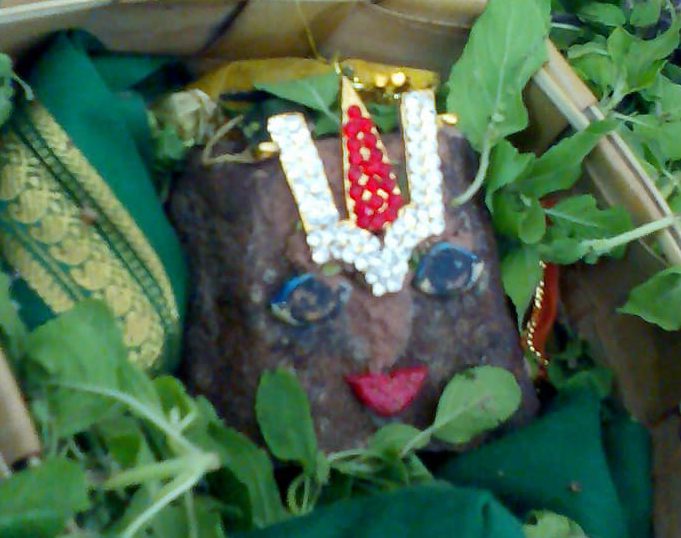
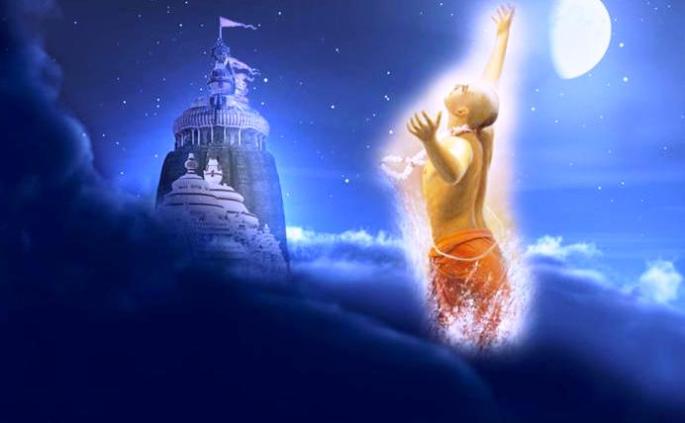

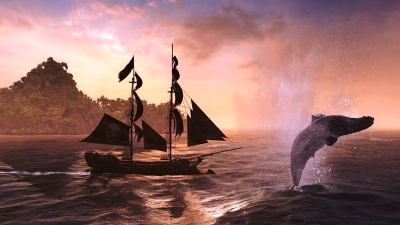

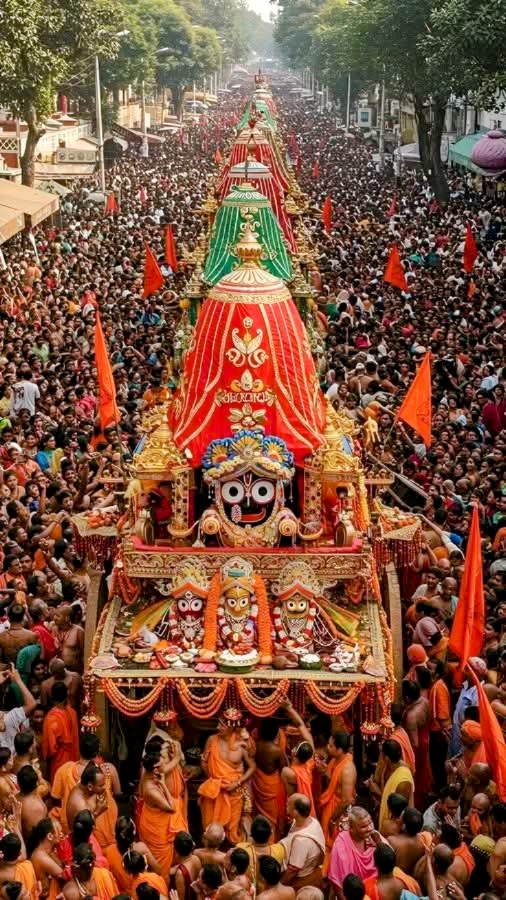
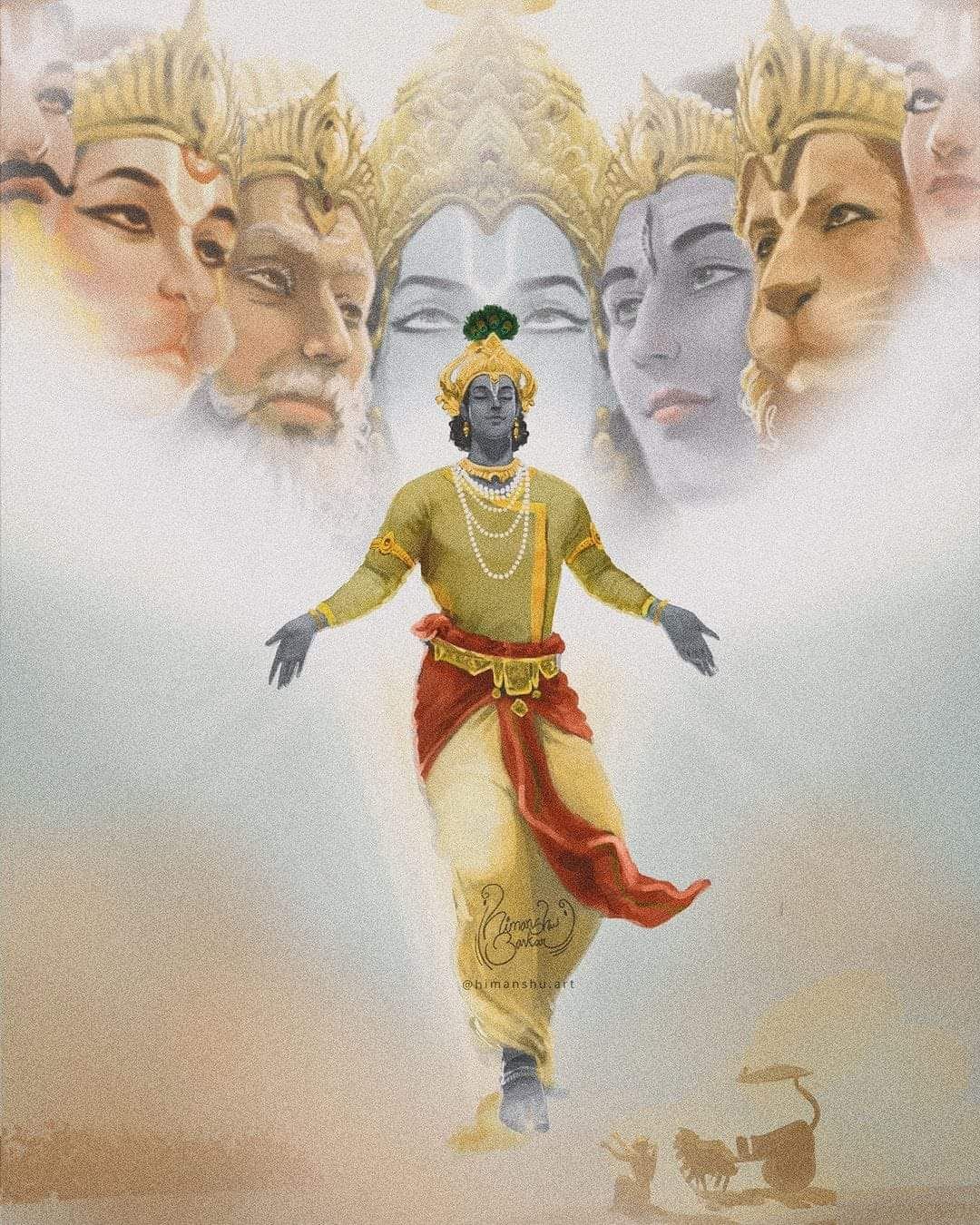



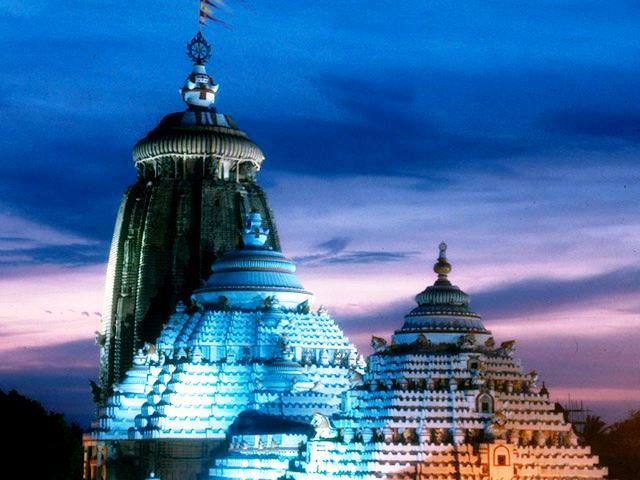

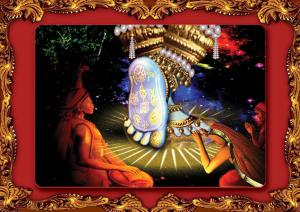
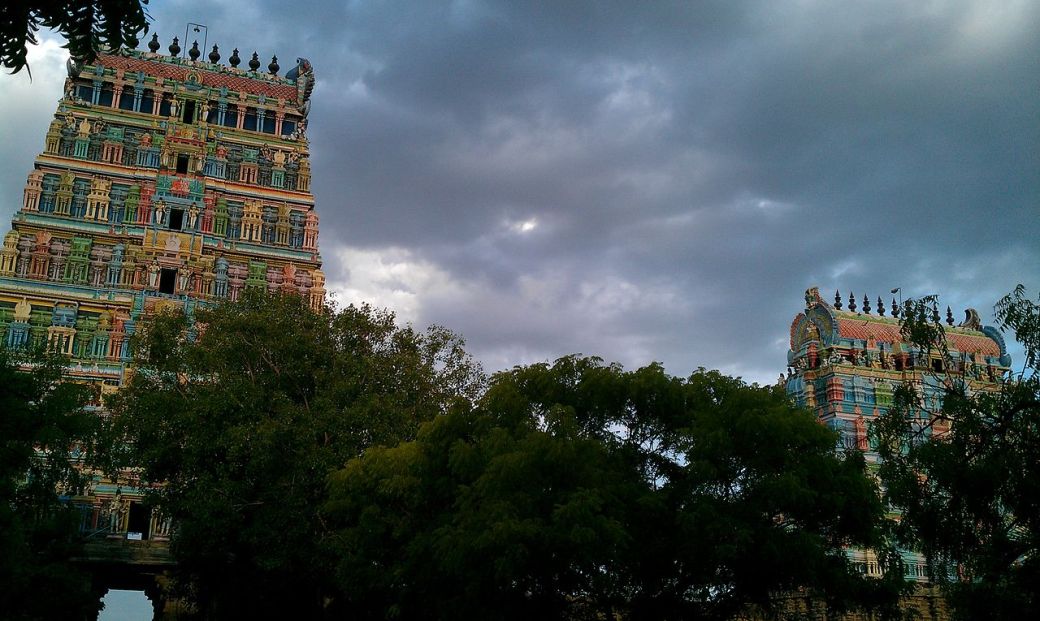


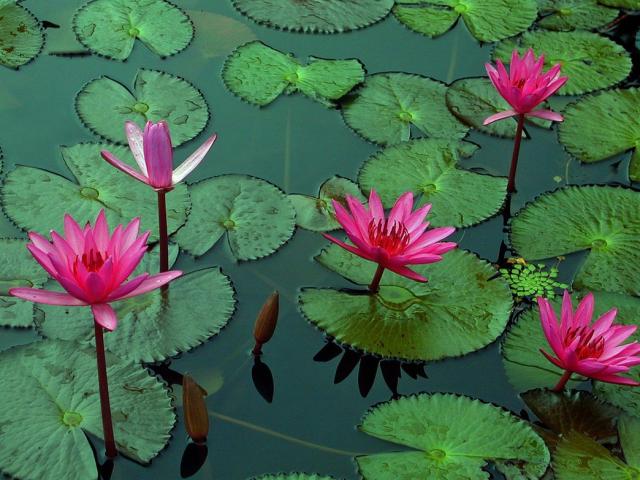

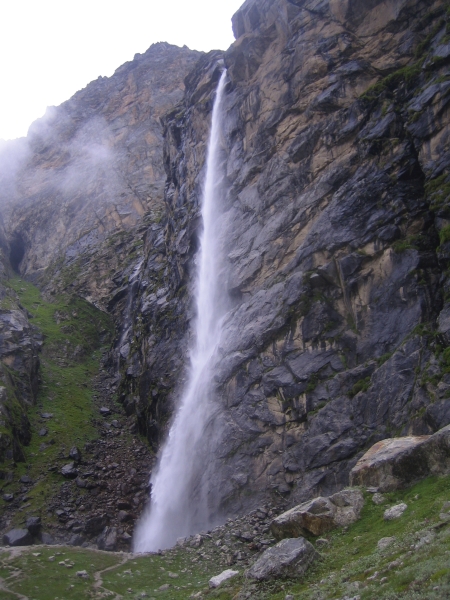
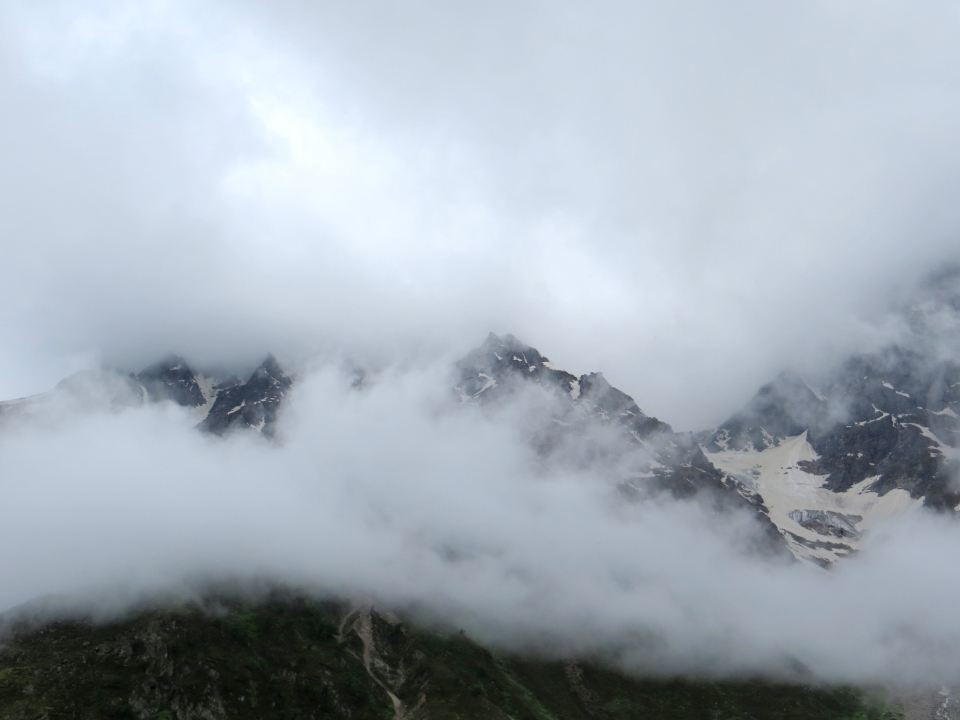


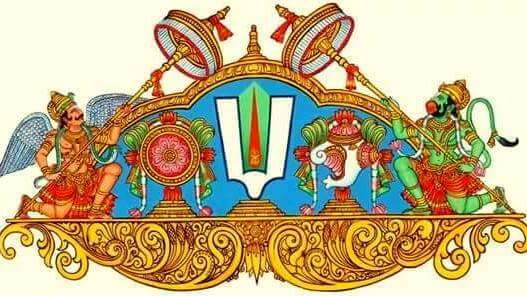
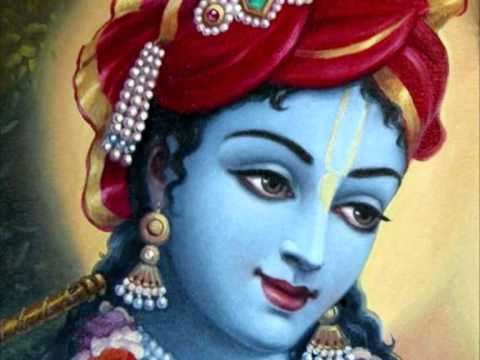

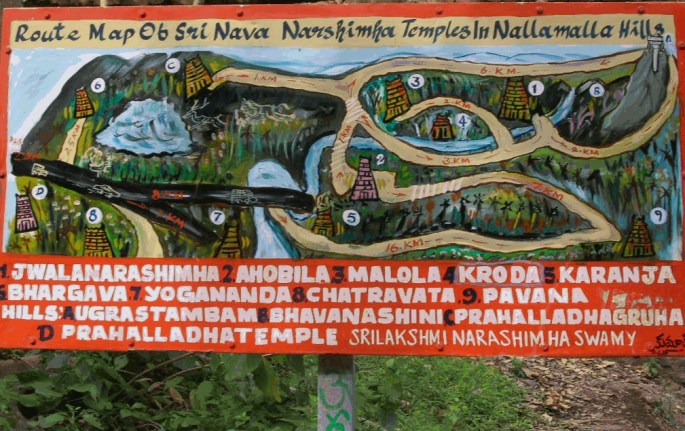


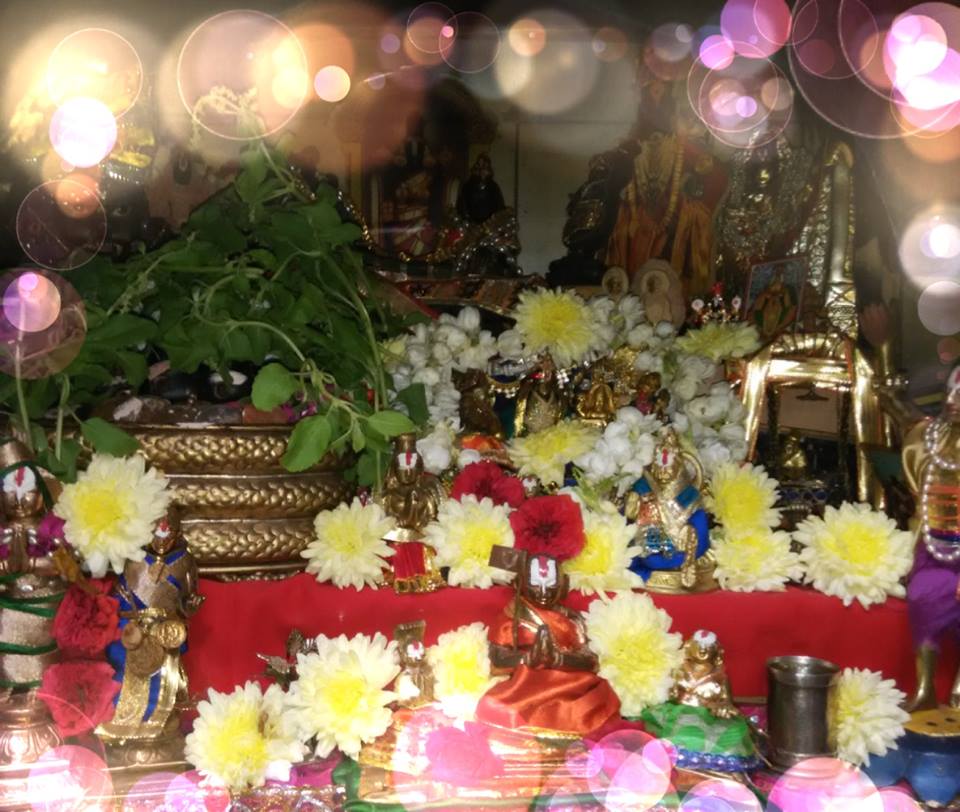

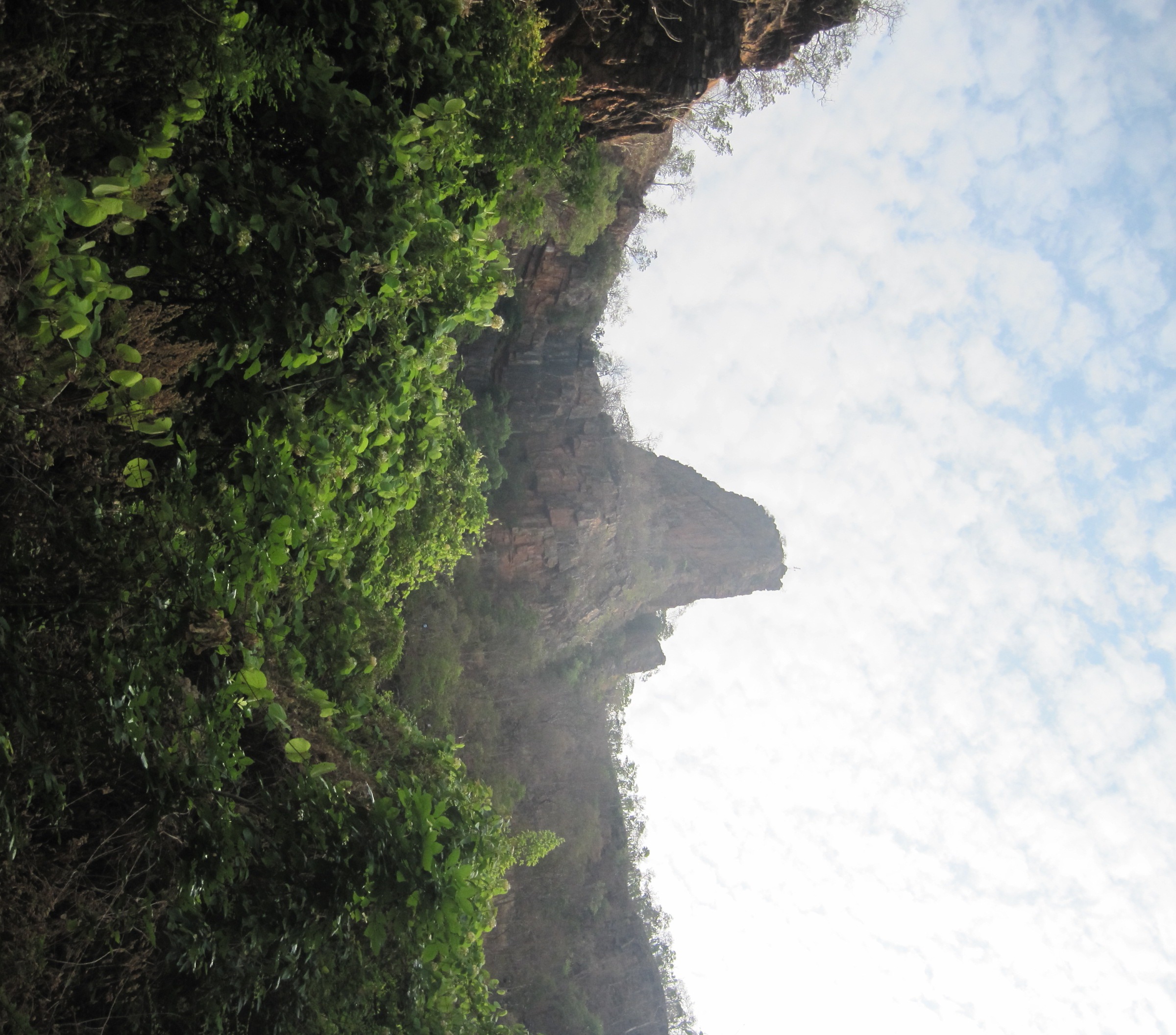


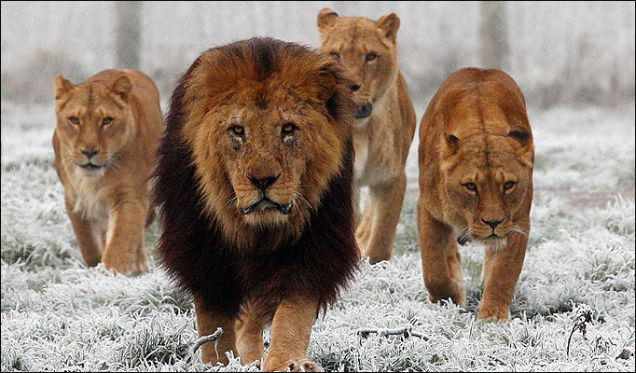
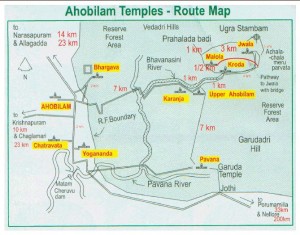
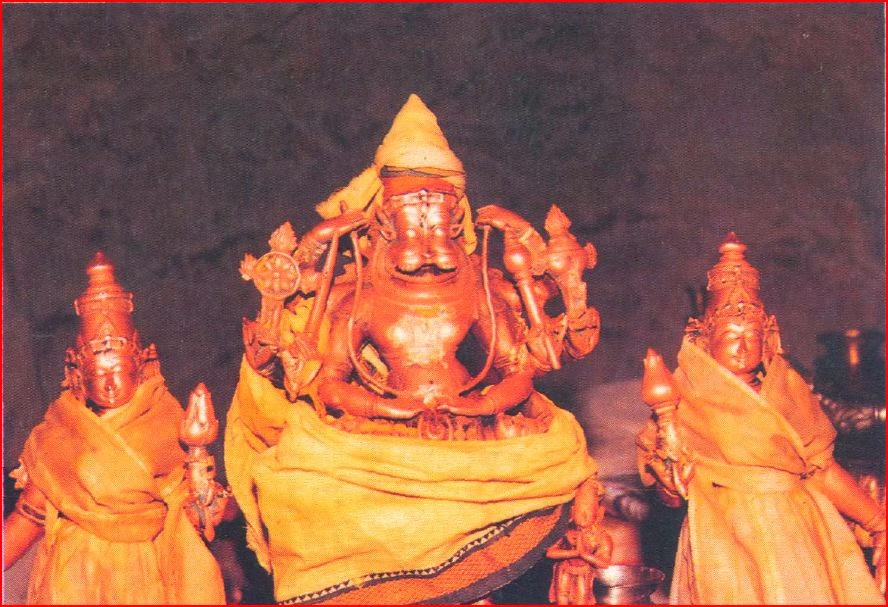
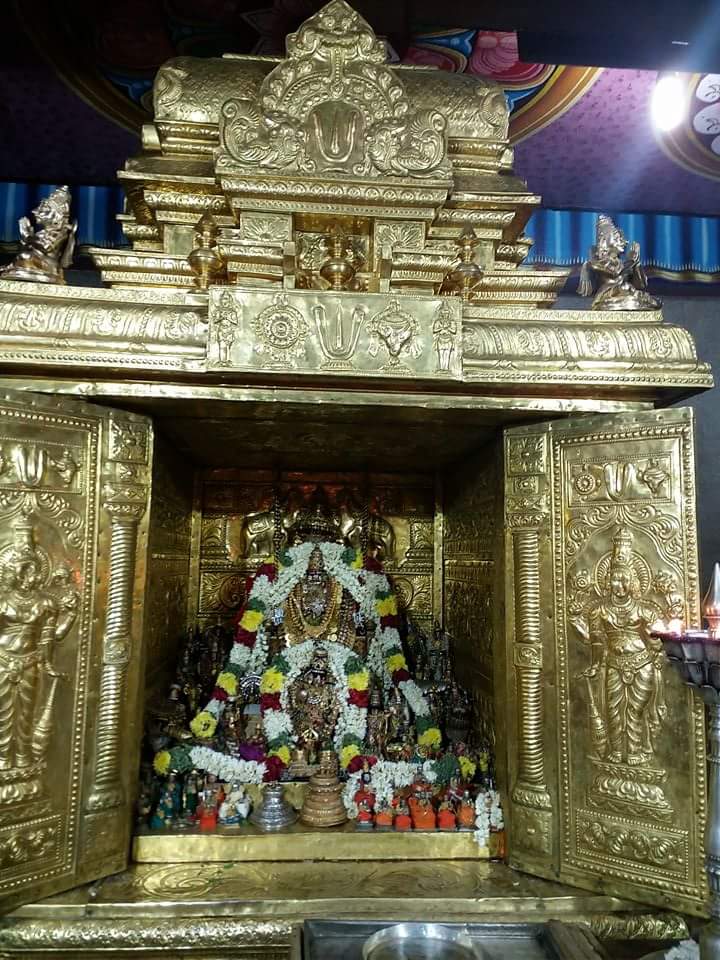
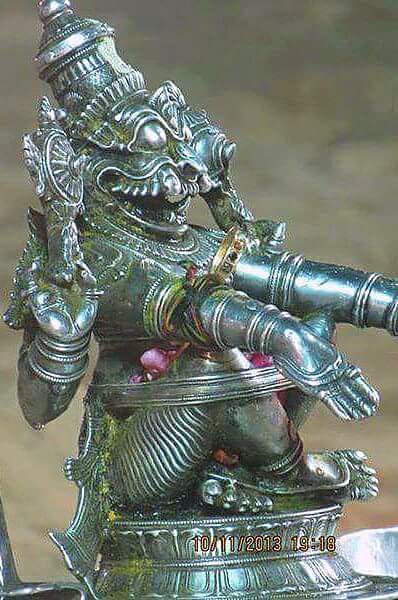
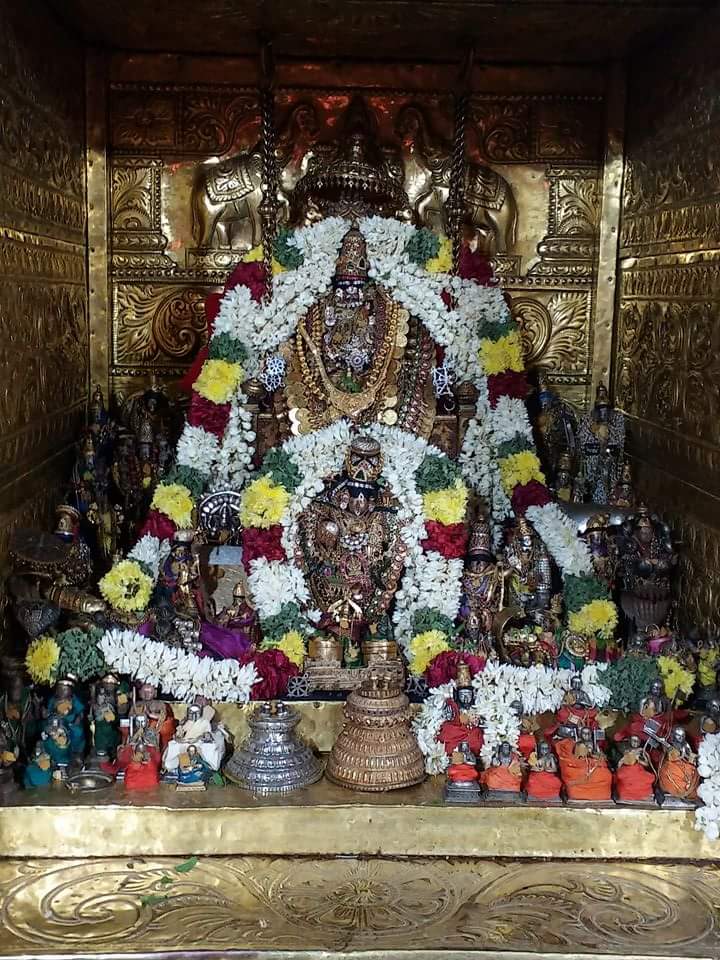
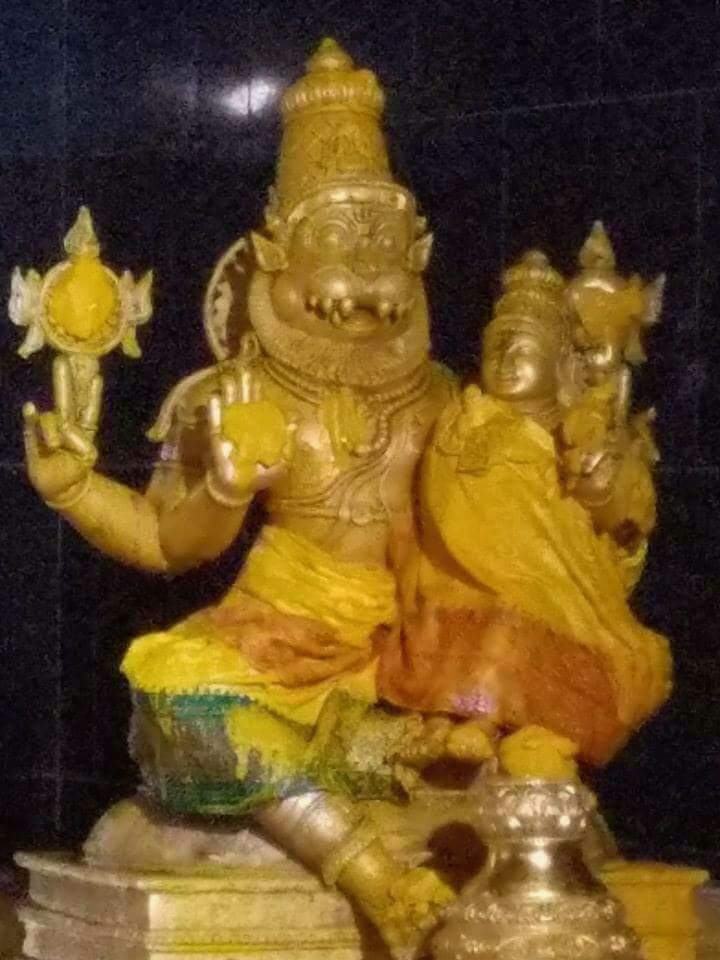
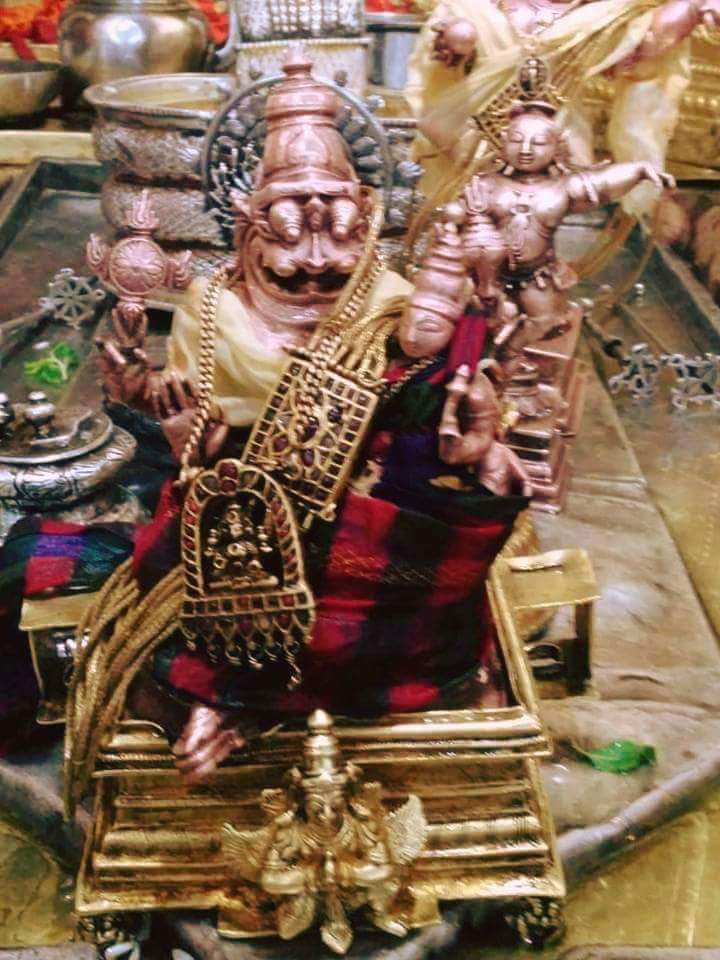
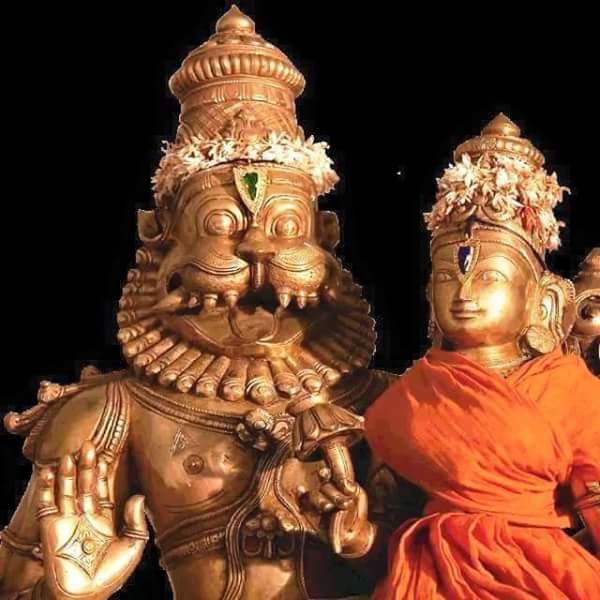
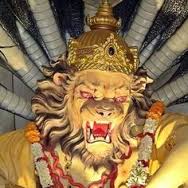 The Lord also protected the 33rdJeeyar of Ahobila Mutt from wayside dacoits. The Lord saved Annamacharyar , thegreat saint who attained the Lotus feet of the Lord by singing His praises, from the harassment of the local king and he got initiated into Srivaishnavism by the thenAhobila Mutt Jeeyar. The Lord blessed King Pratapa rudra by enlightening him abouttrue knowledge. This king contributed to a great extent for the welfare of this place.The present Ahobila Mutt Jeeyar has contributed to a great extent by spending few lakhs of rupees for the renovation of old temples and constructed new temples.
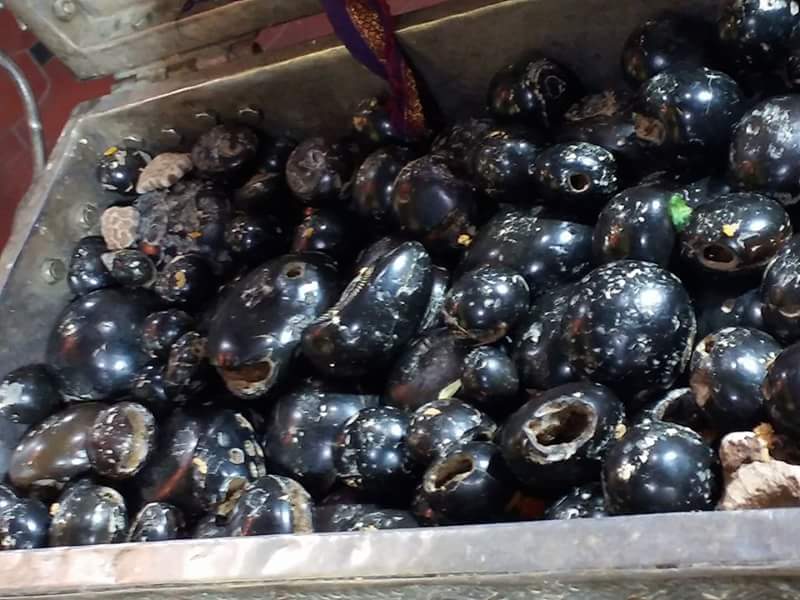
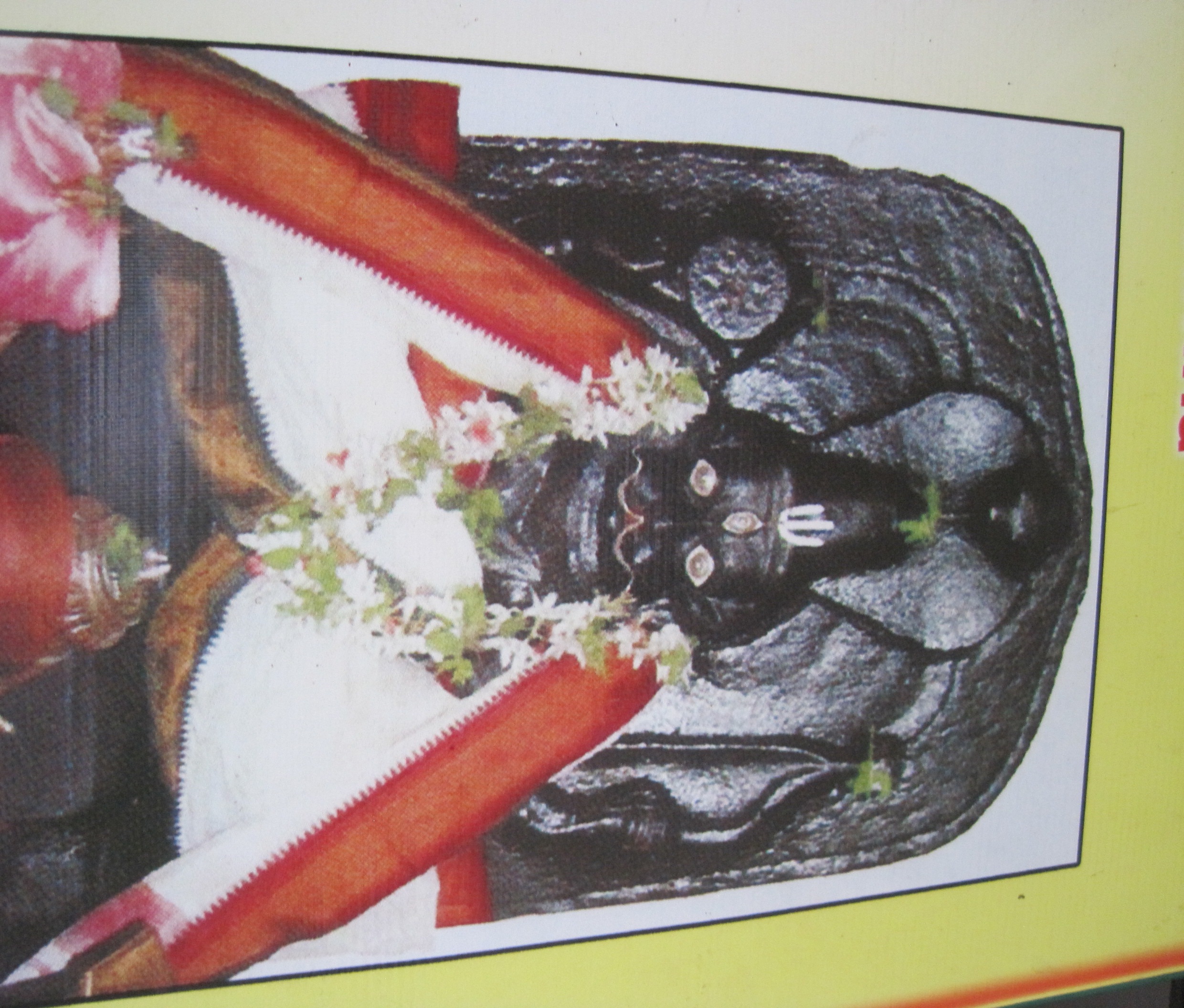
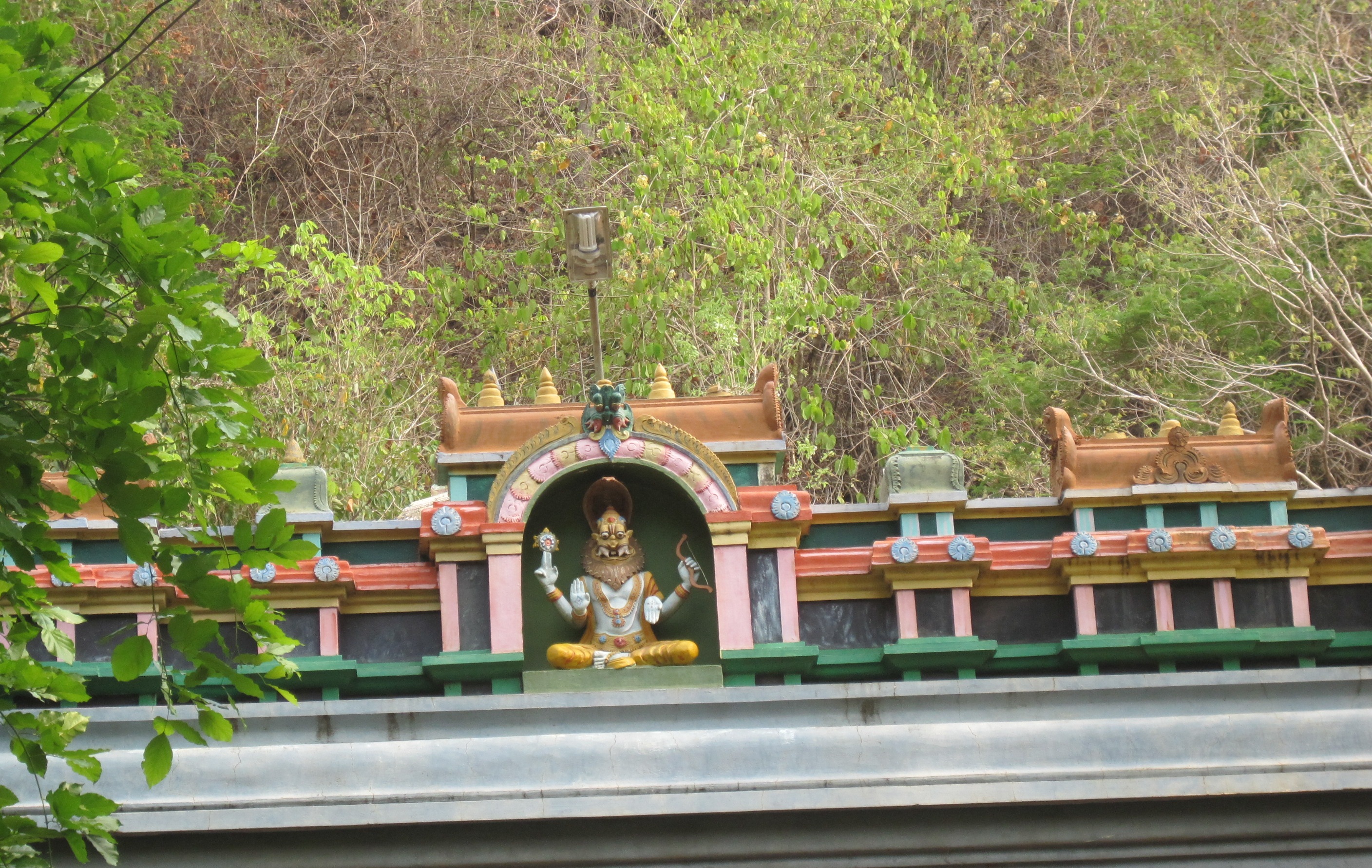
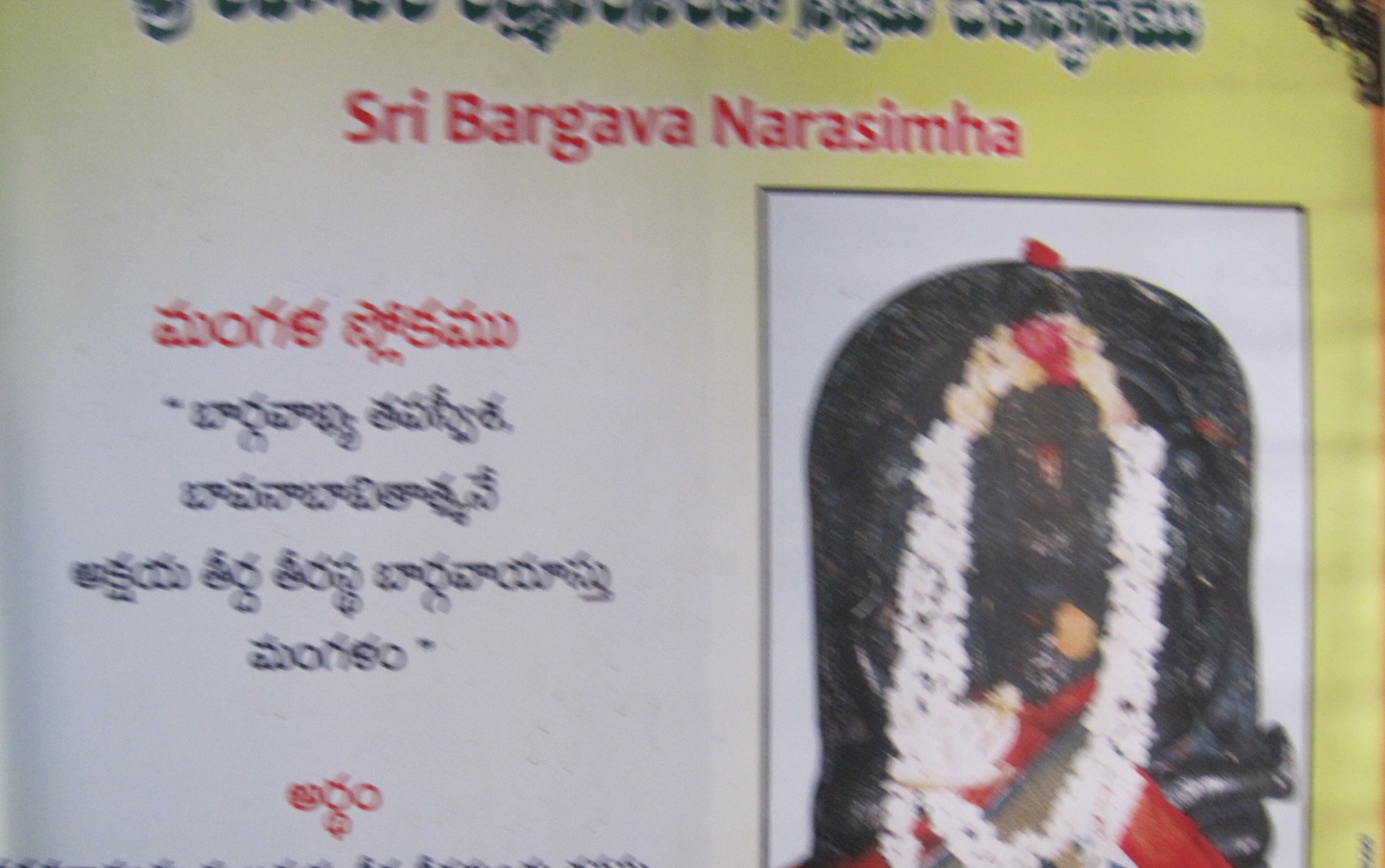
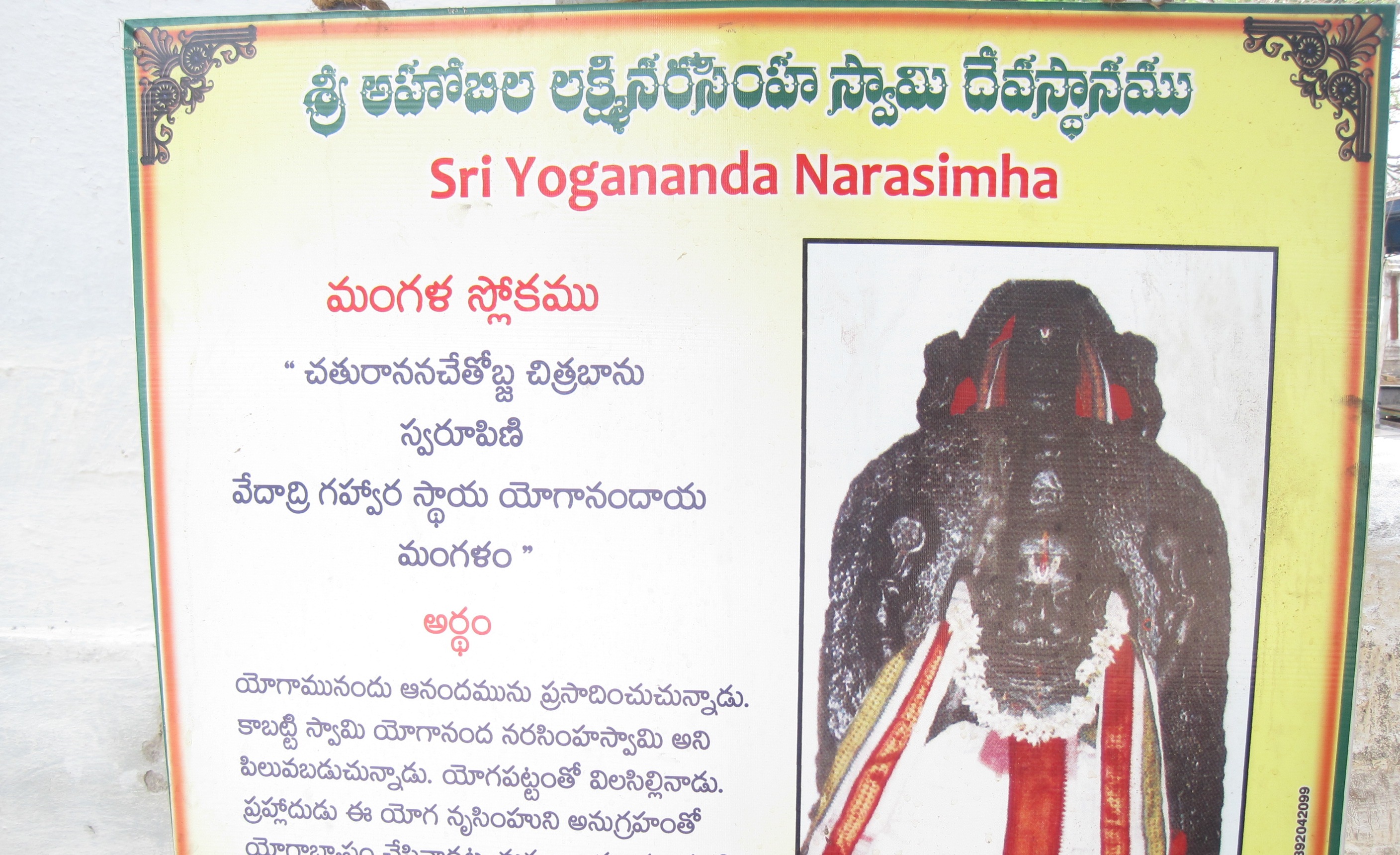
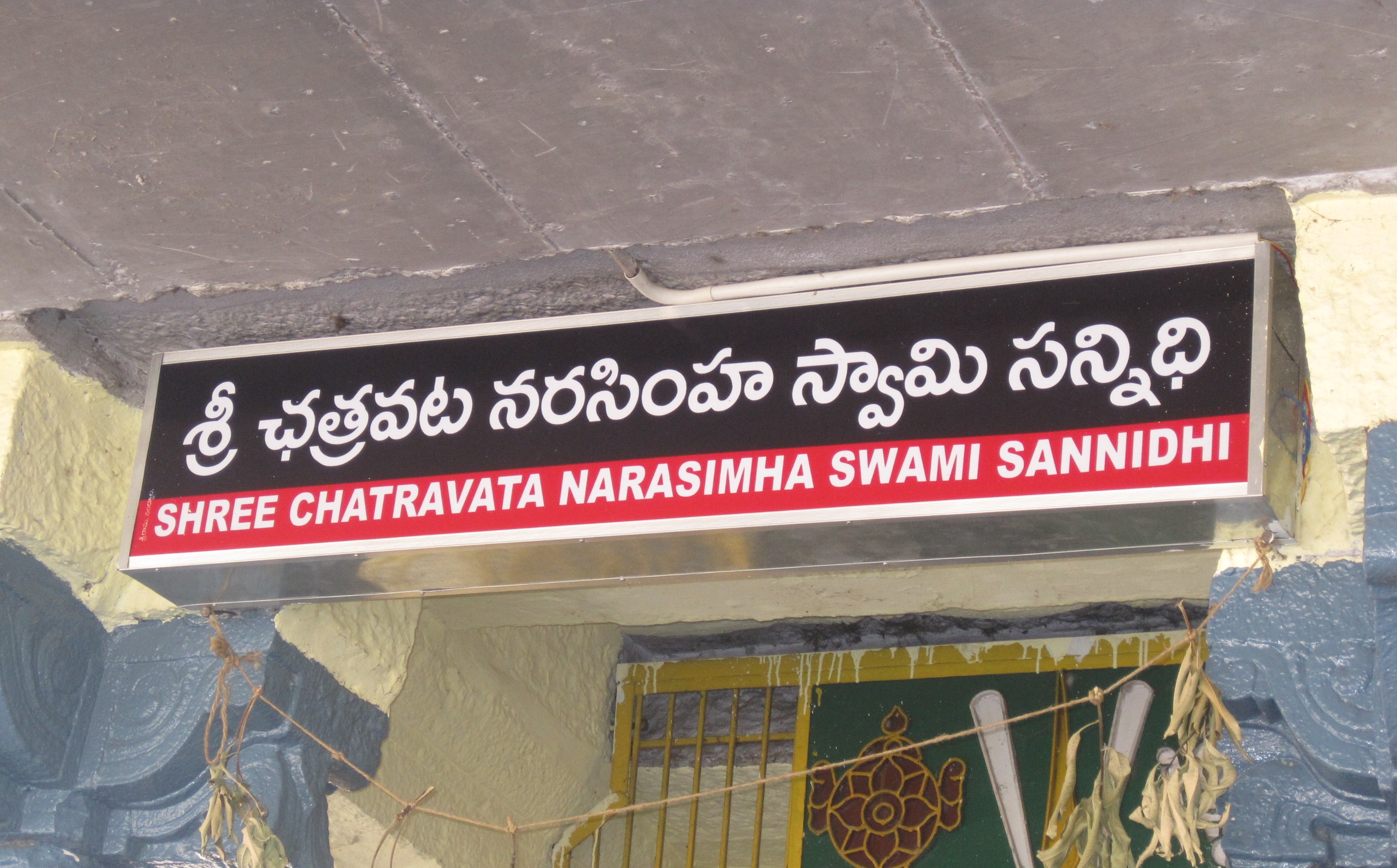
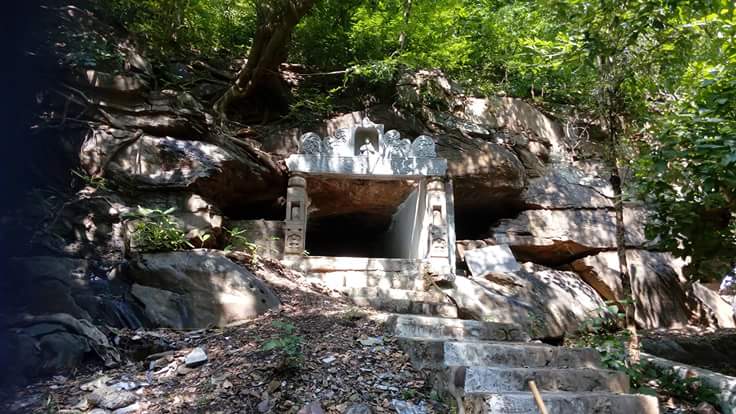

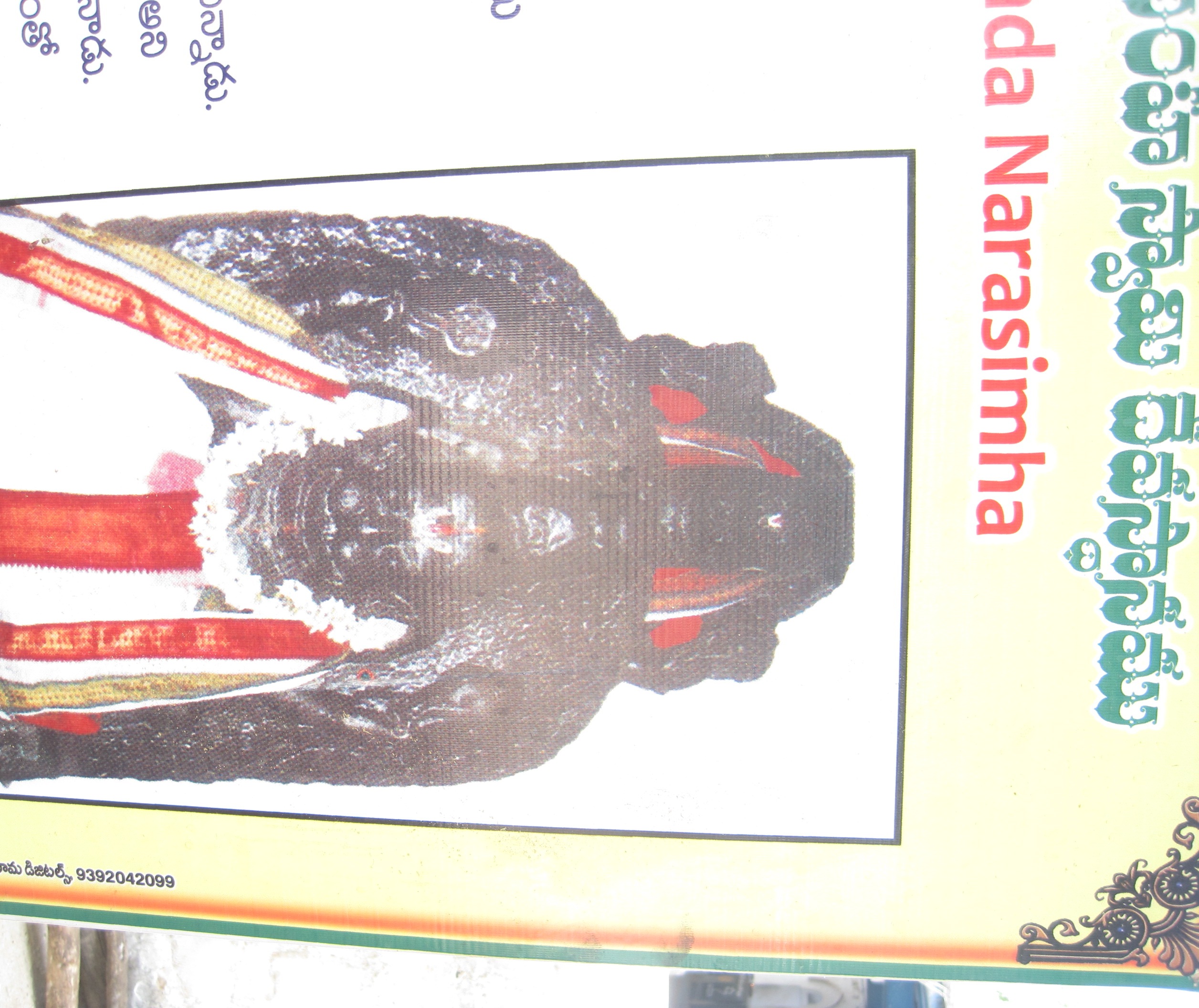
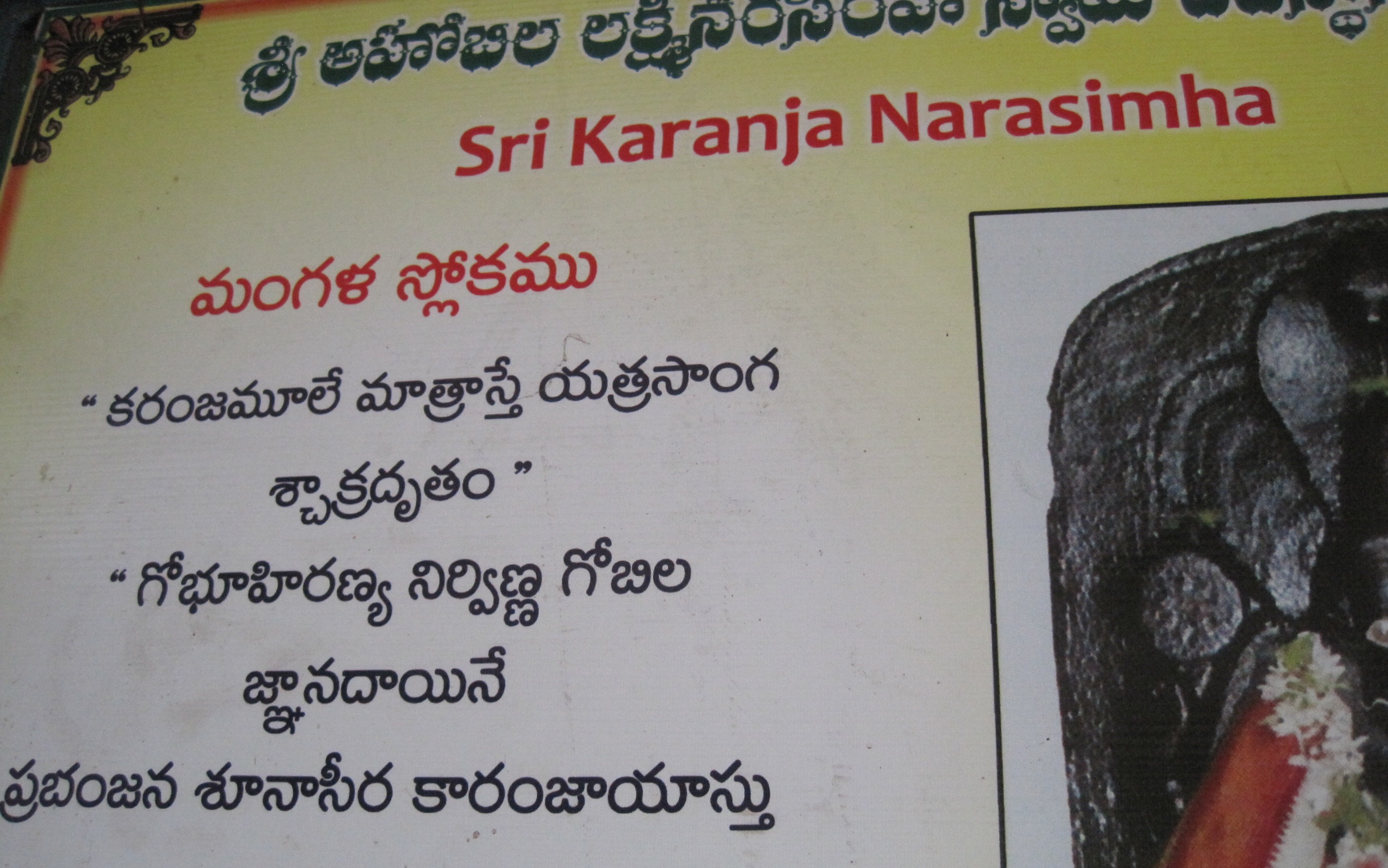
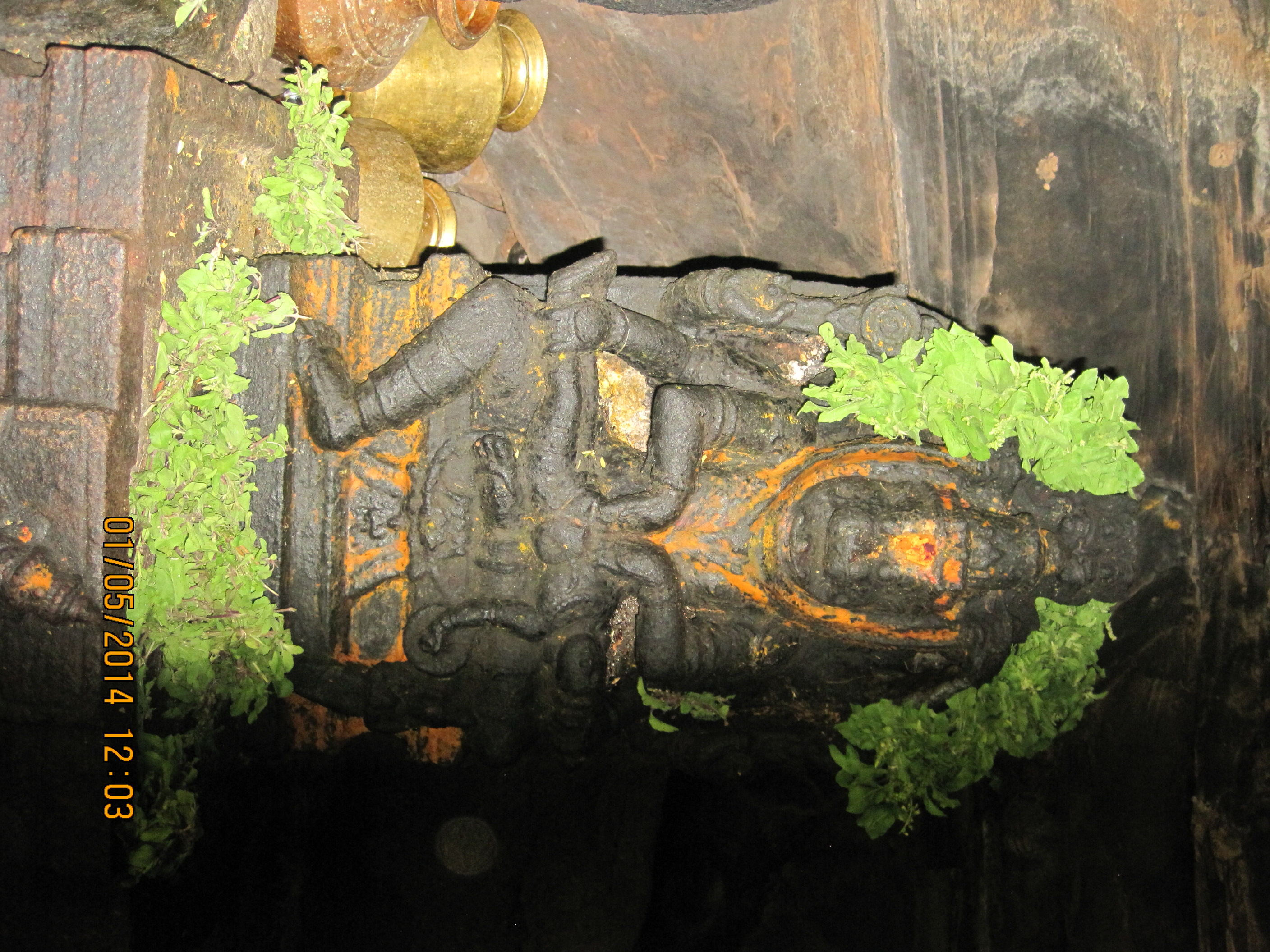
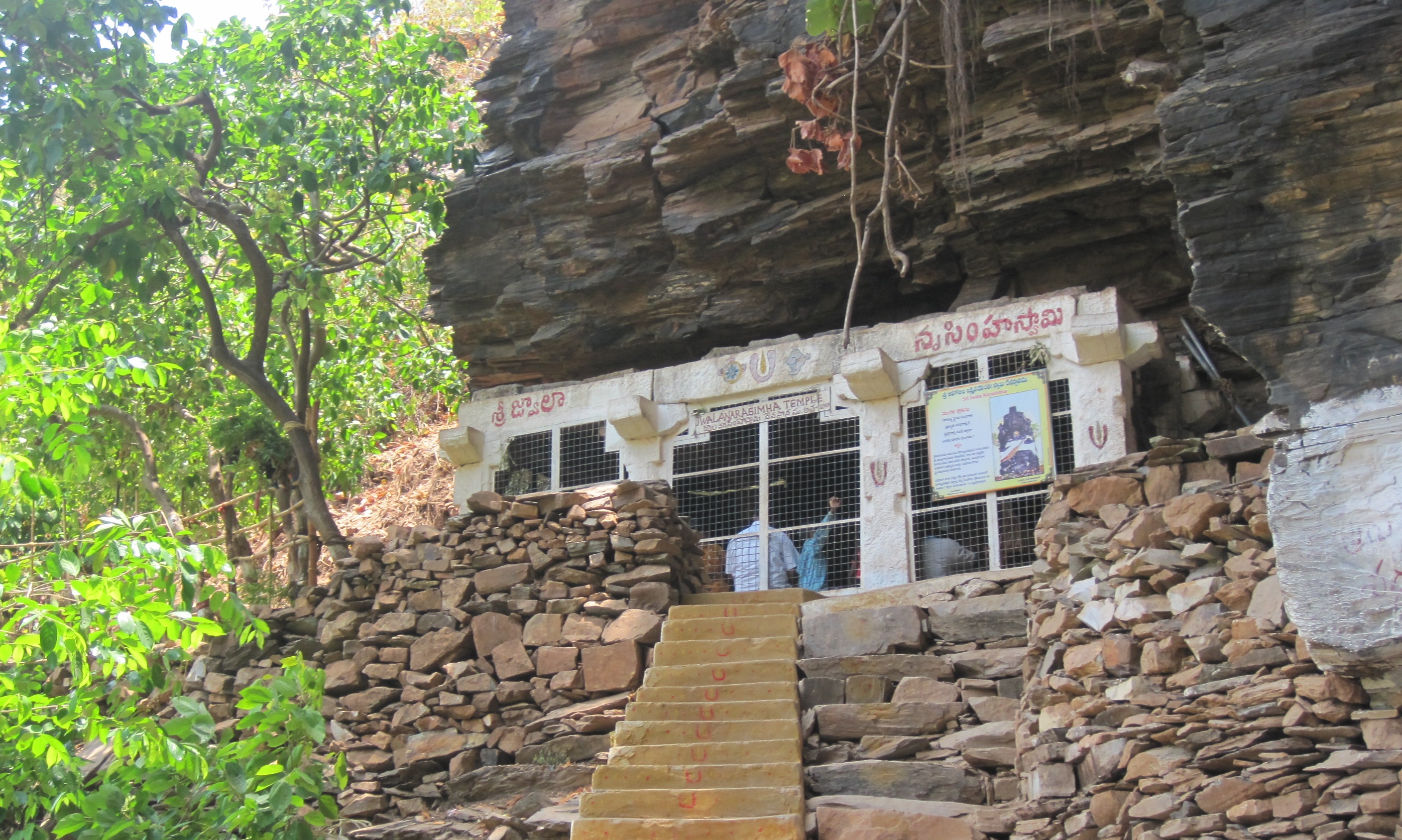
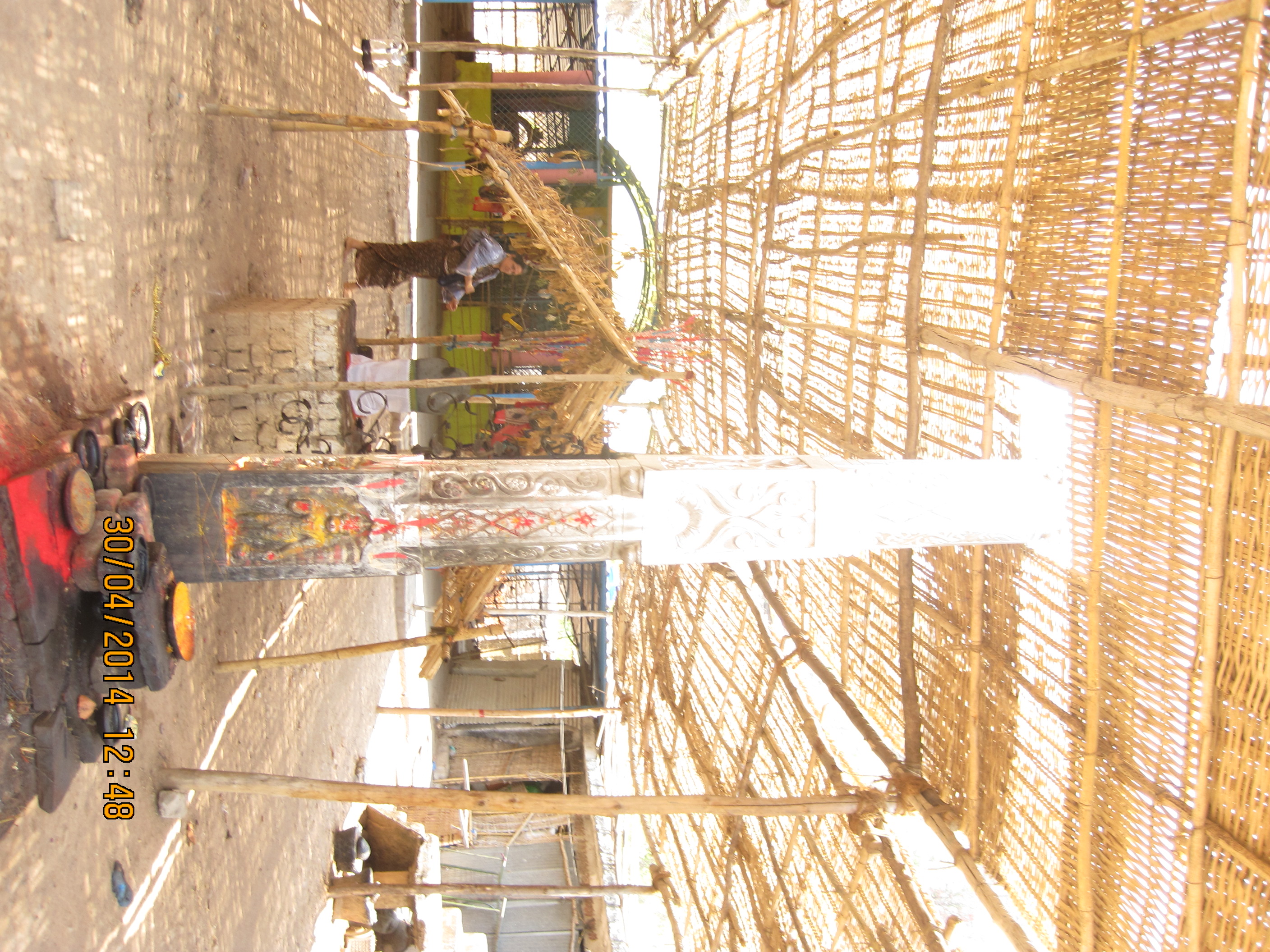

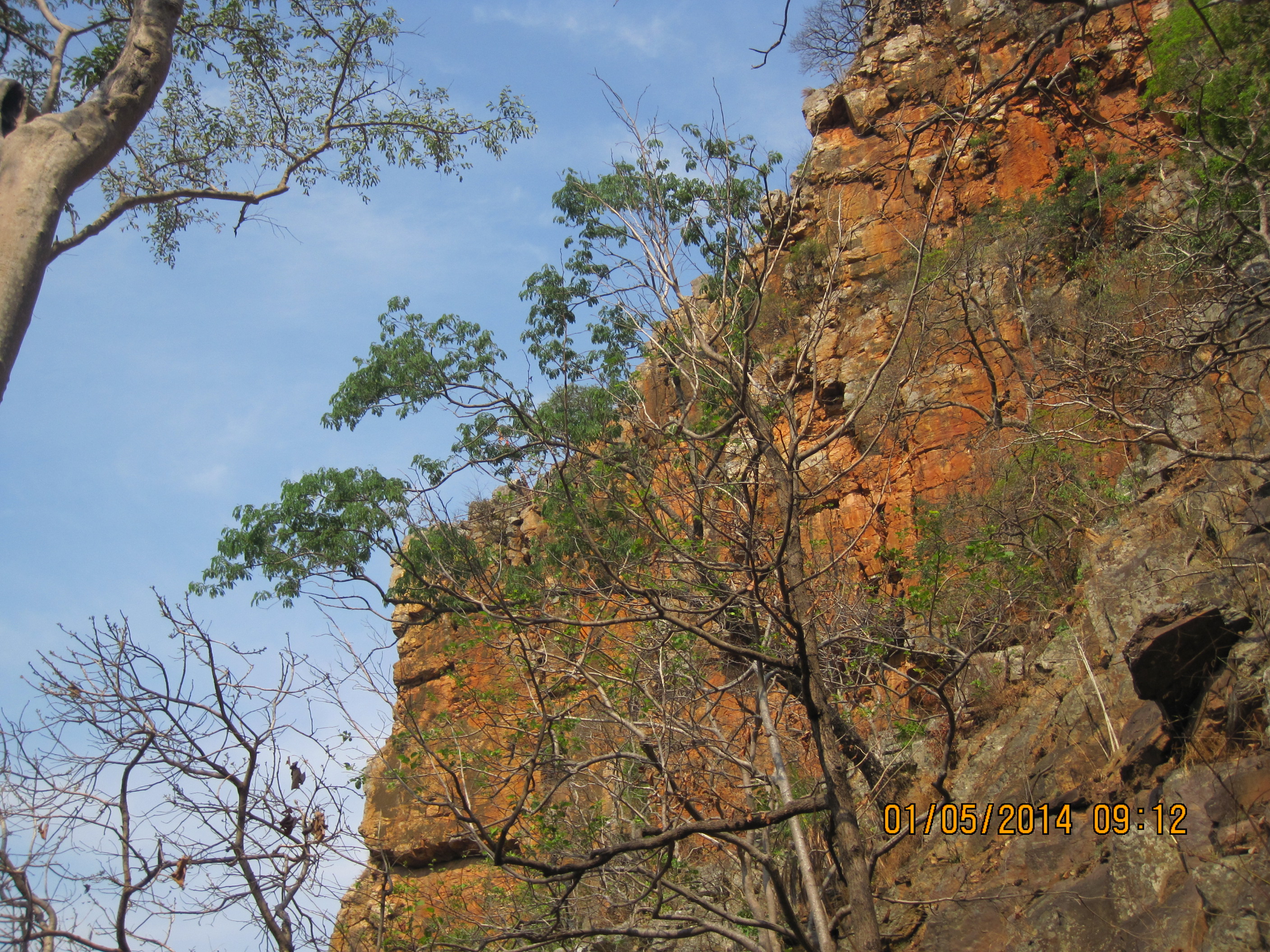
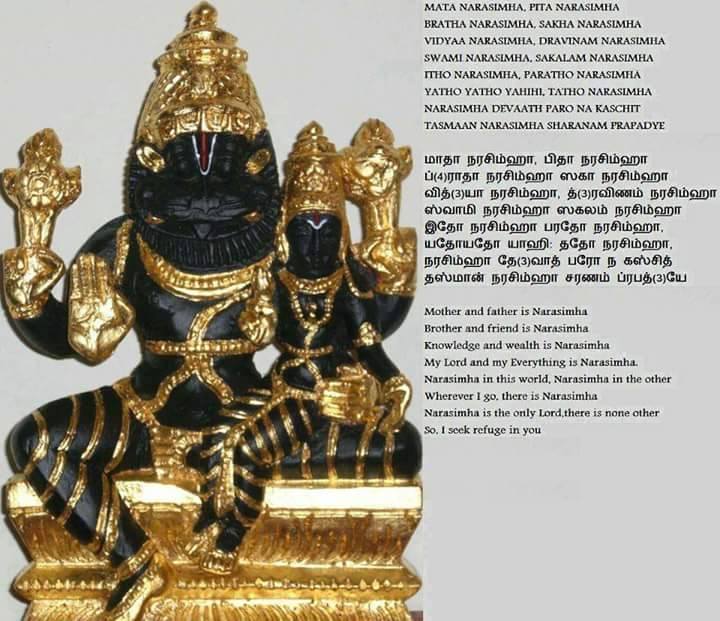

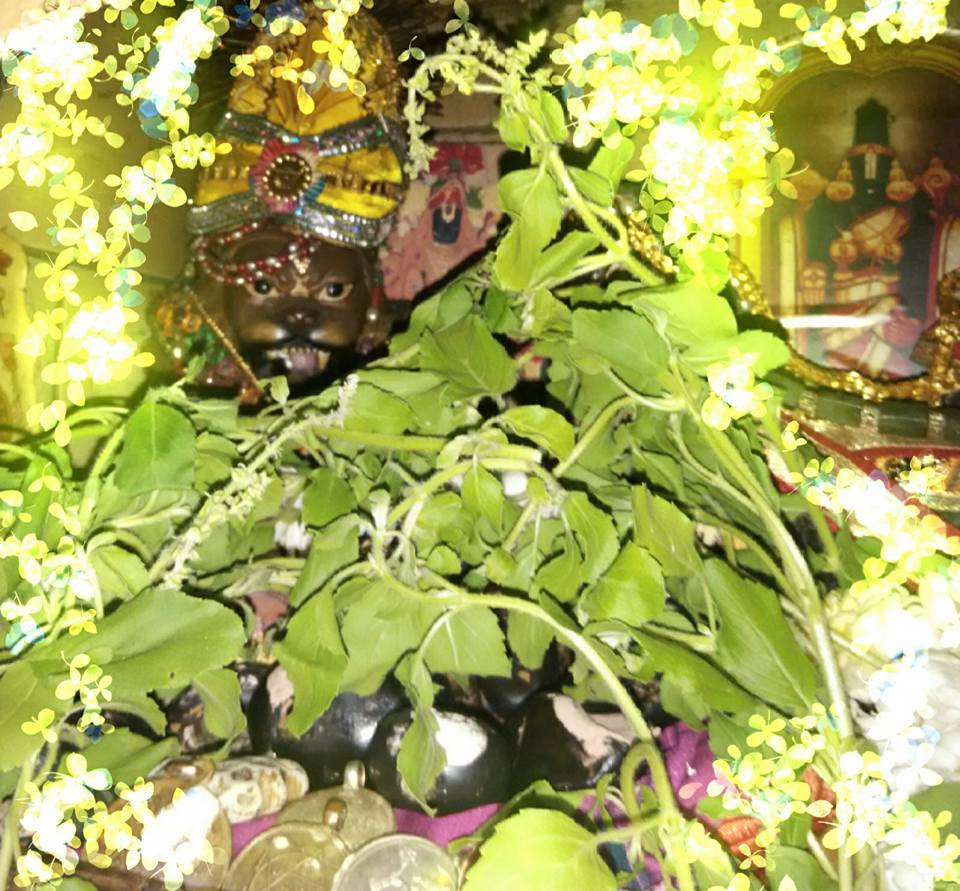

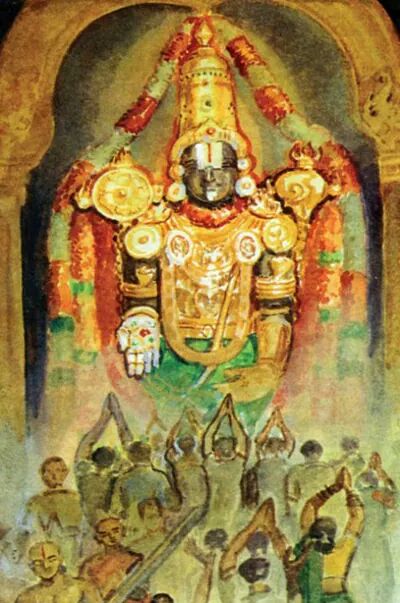
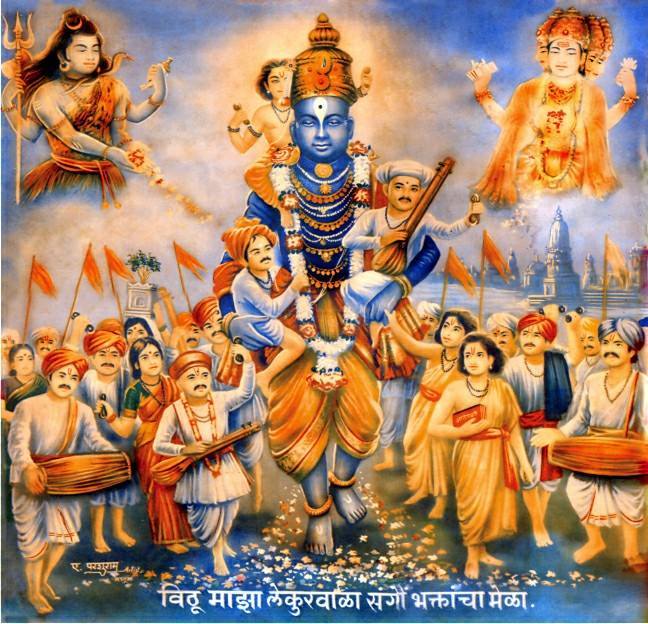 Being loyal to HIS LORDSHIPS at all times is a srivaishnava’s unique specialty .
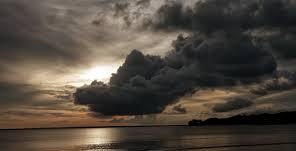
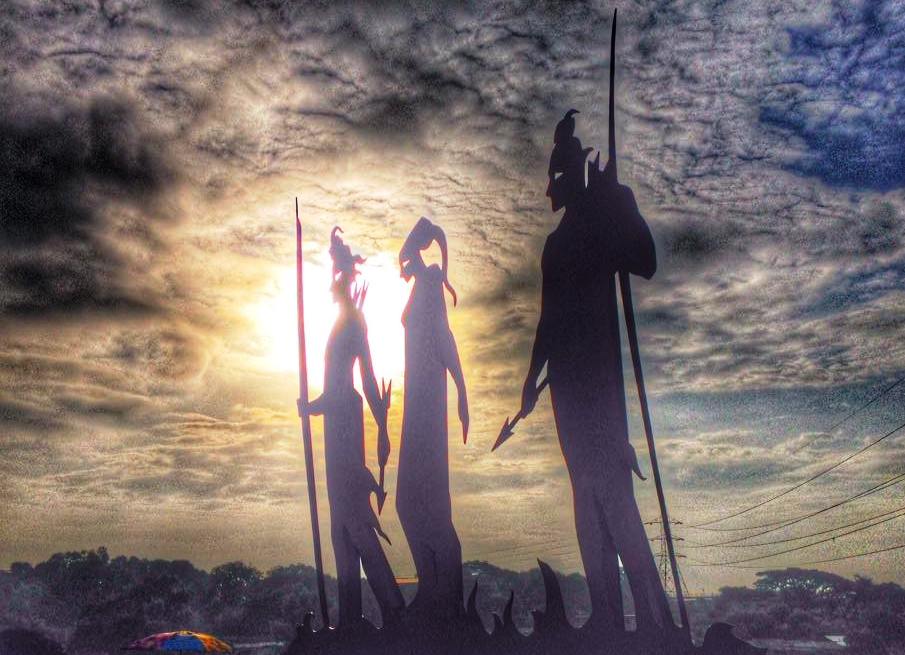
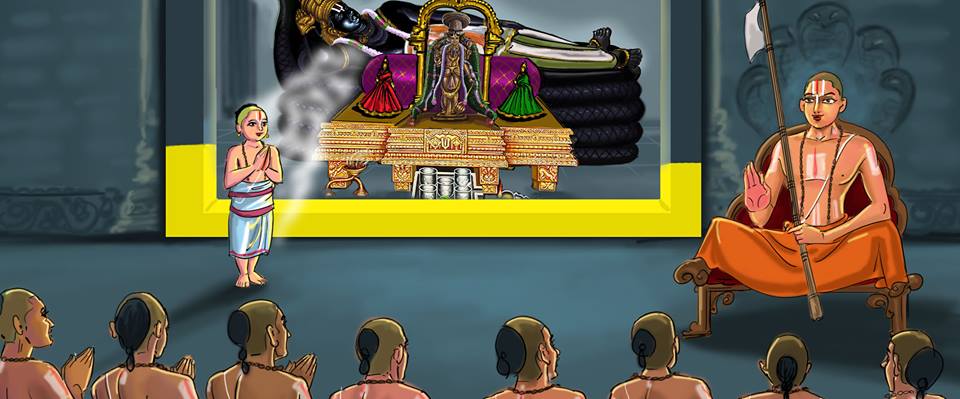
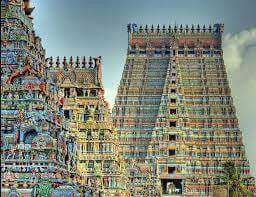

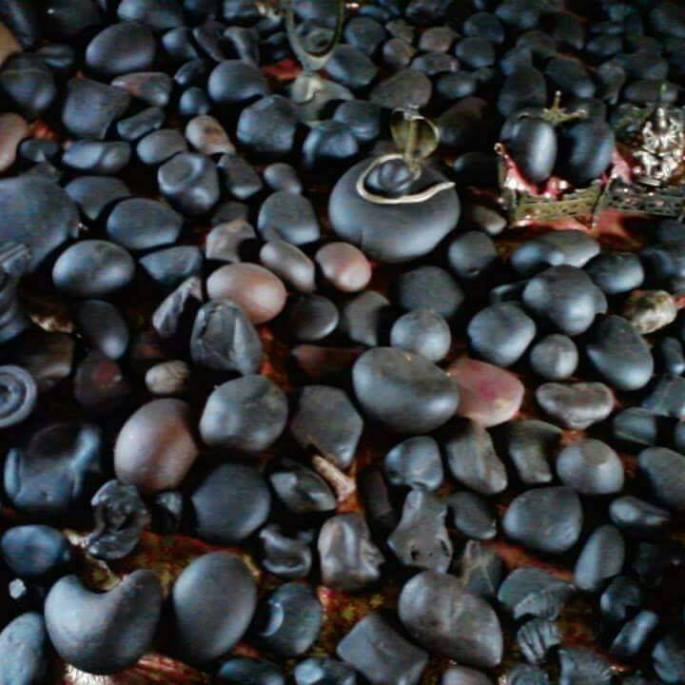
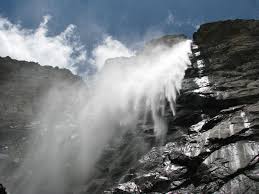
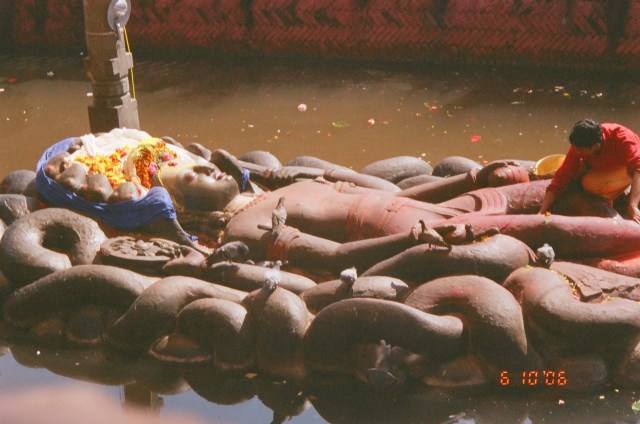
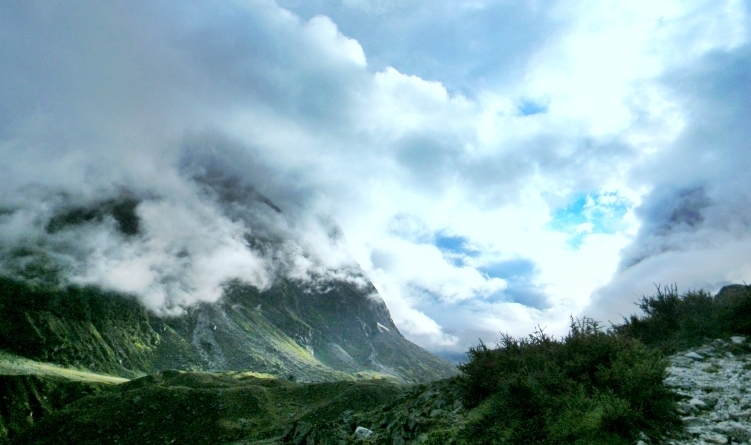
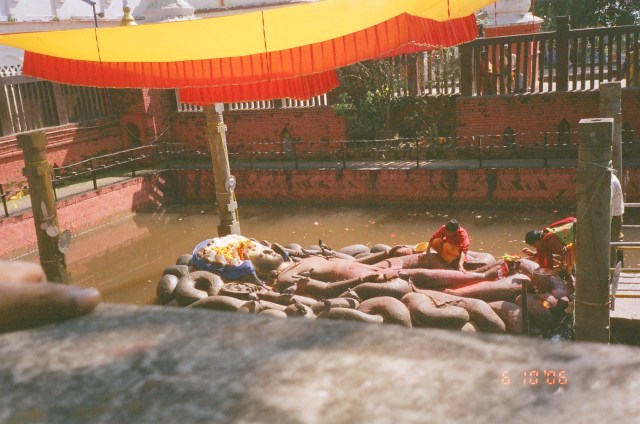
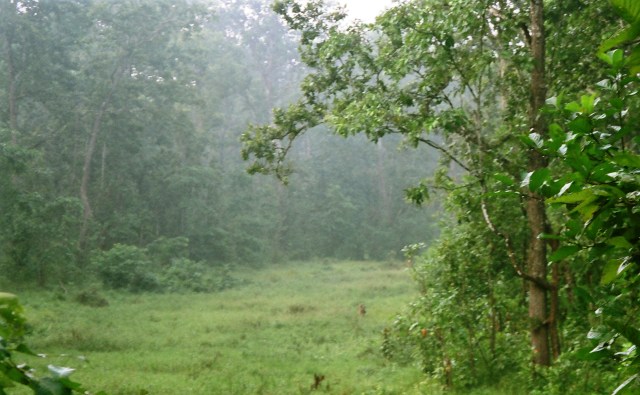
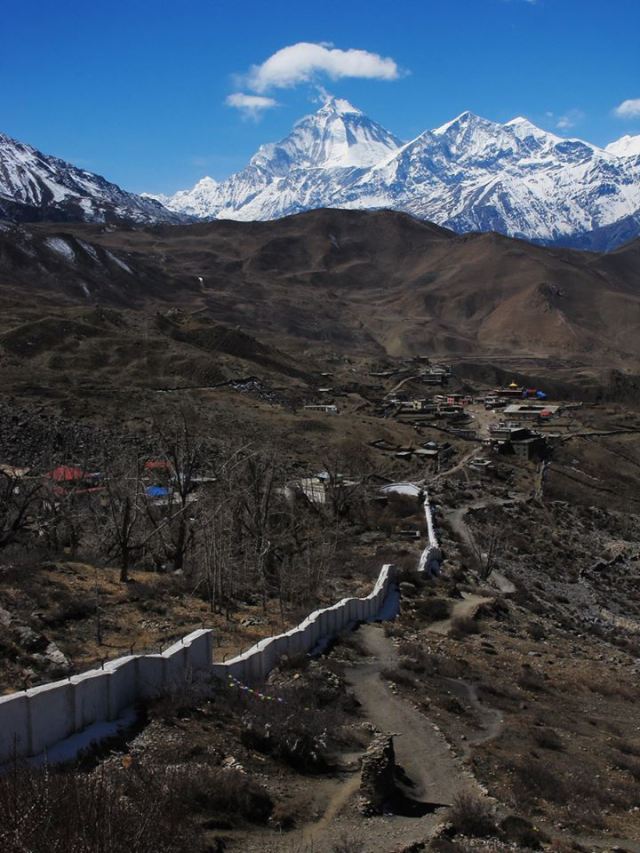 The package for Rs.5,500/- INR which included hotel stay at Jomsom and Muktinath, 2 ponies, overnight stay allowance to pony rider and trekking permits was considered good enough during the year 2006 as we did not have any alternative though we later learnt it was exorbitant.

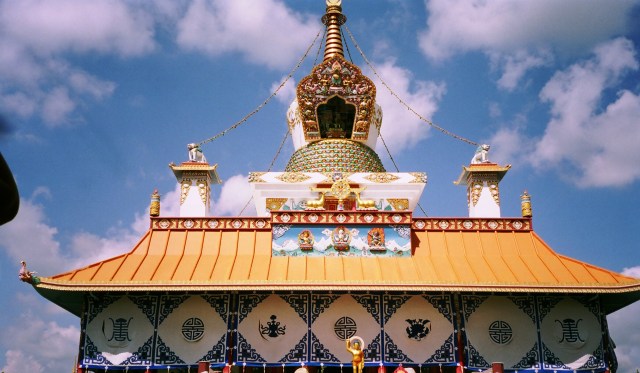
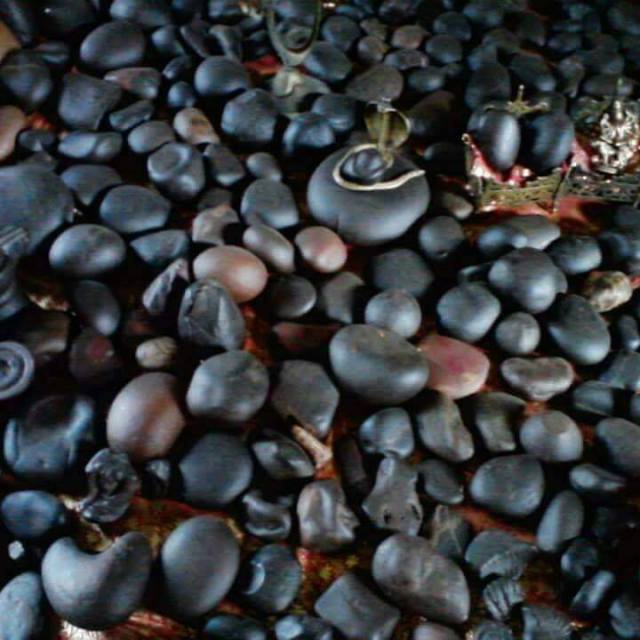
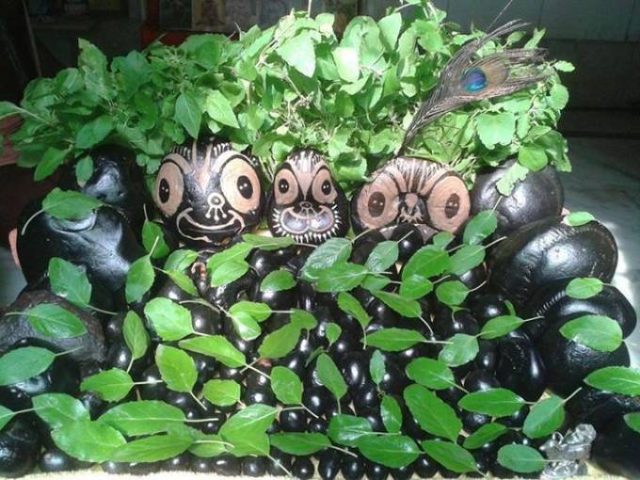
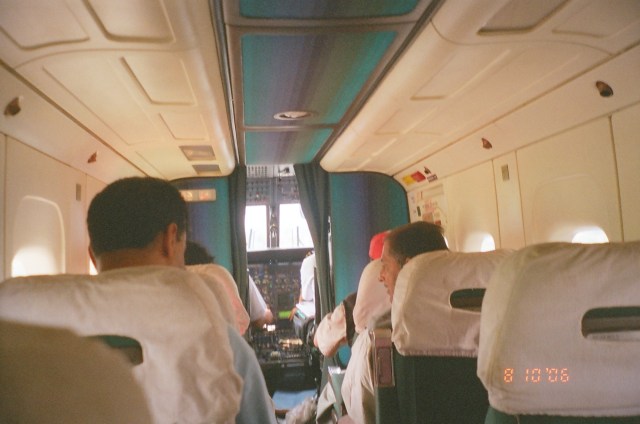
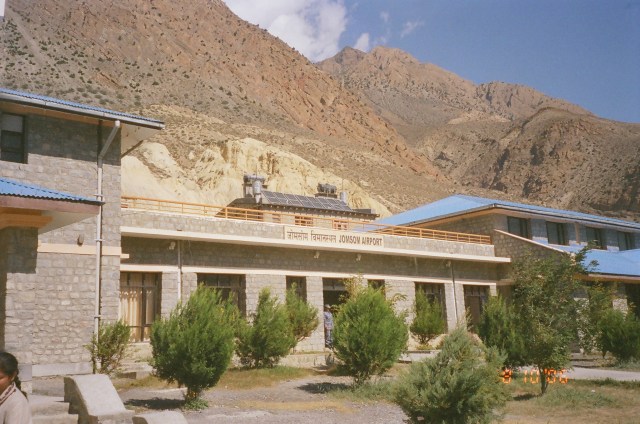
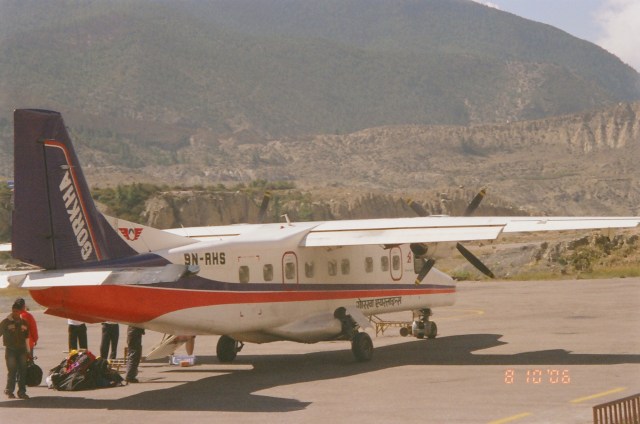 Our turn to board the flight came at 11 A.M. Thanking the Lord, with tears rolling , we boarded the 20 seater propeller flight with window seats for everyone at 11 A.M . We’re now on the plane. It’s moving. 18 passengers plus the flight attendant squeezed into these little seats. No overhead baggage compartment. A different feeling all together …..The flight attendant passed out some sweets and cotton for people to plug their ears. The captain was still checking out the RPMs of the propeller . We are about to take off and we all chanted the juicy name loudly GOVINDA …….GOVINDA ….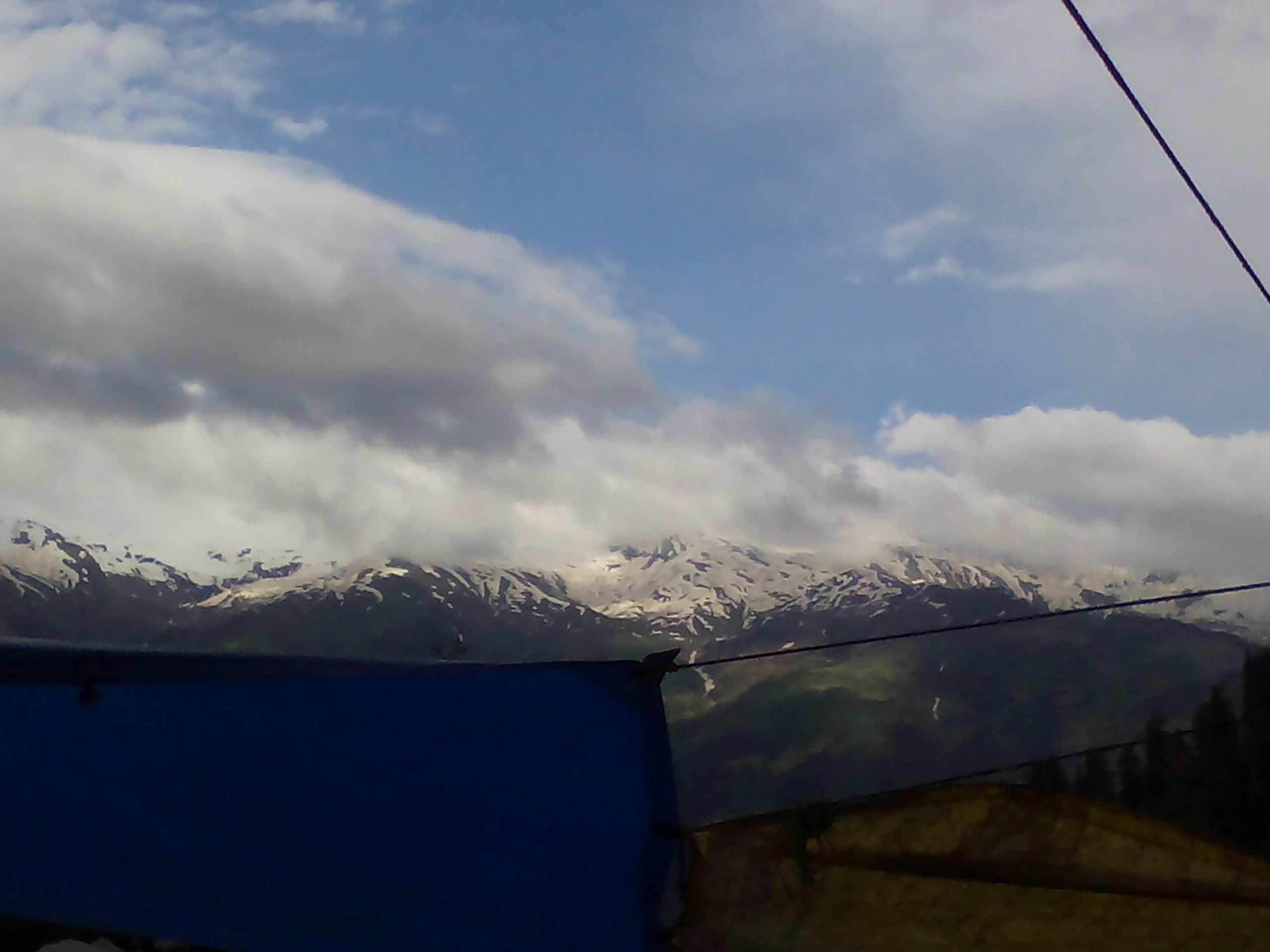
 The recent news of a helicopter crashing added to further fear though my wife and kids were relaxed and surrendered to Lords wish. Just 20 mins from Pokhara flying up the highest-deepest valley in the world, sometimes battling winds of 120 Mph (200 km+) as the clouds lift causing a kind of vacuum effect propelling winds. The flight is moving amidst big mountains, taking sharp turns and is sure to instill fear in everyone but the Lord’s names on our lips drove out the fear in us.
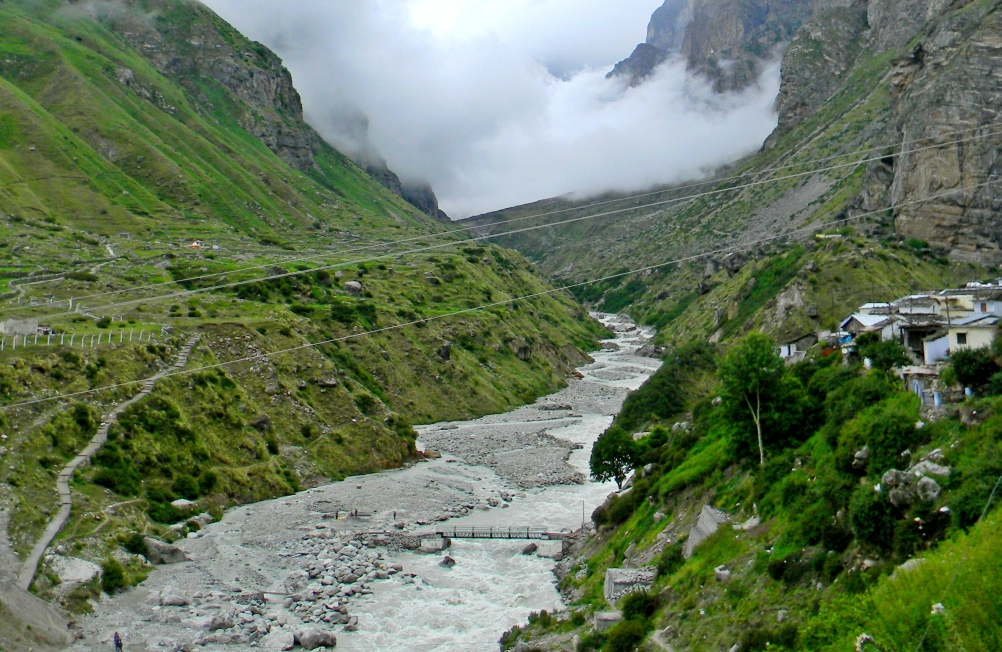
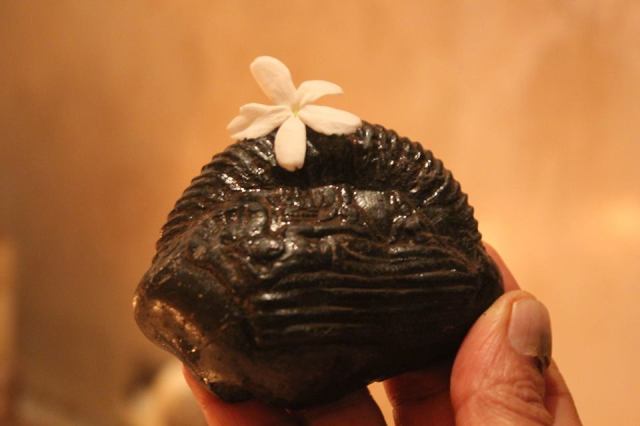
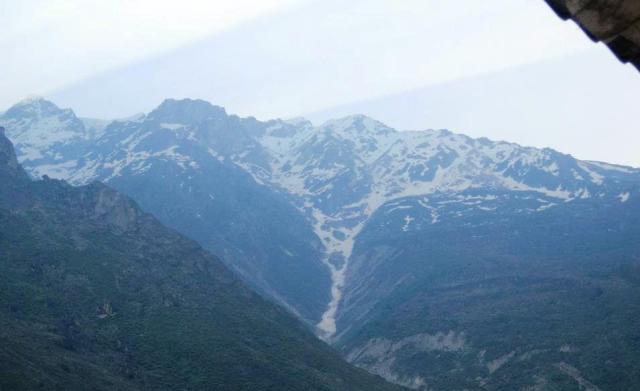
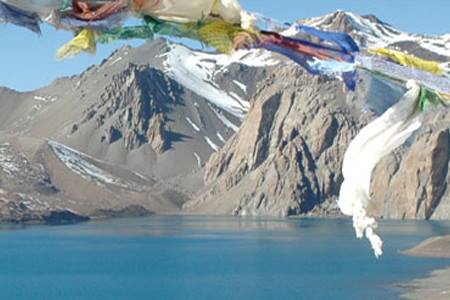


 We are now trekking near the banks of Gandaki river. Which rises beyond the Himalayan ranges, probably in Tibet, and flows (in the north-south direction) into Nepal, There is a lake at the source of the Kali-Gandaki , called Damodar-kunda on the Nepal .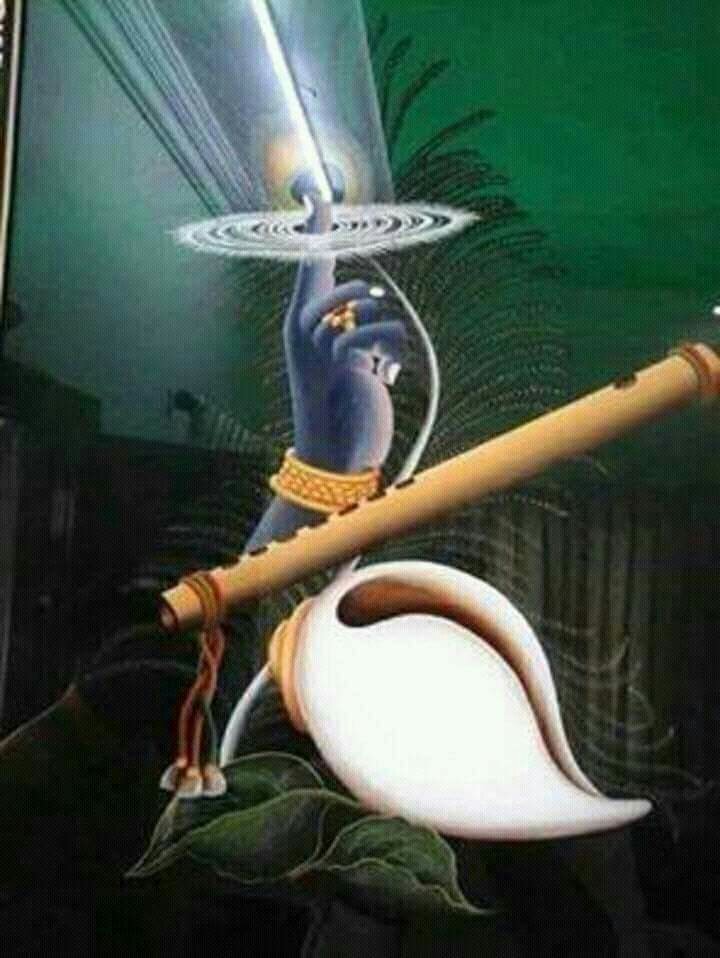
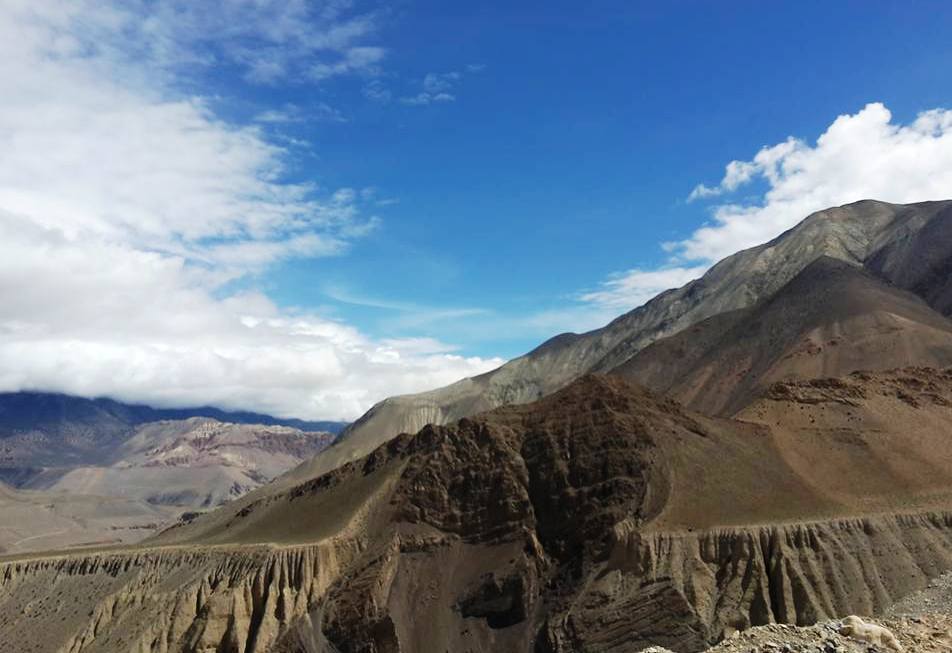
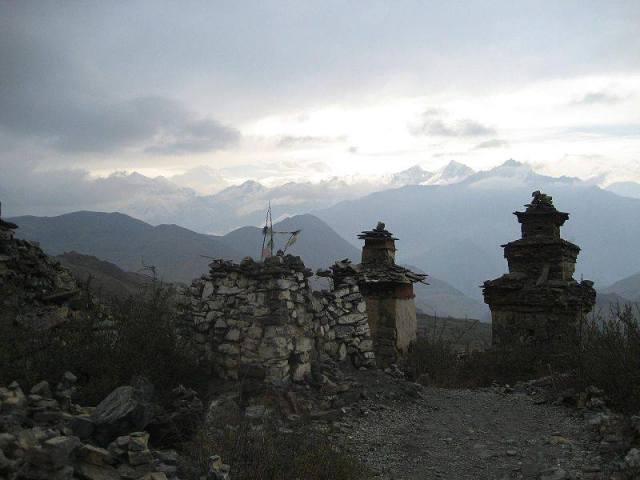 We are now in the Lower Mustang belt as per the Map . Mustang is an Anglicization of the Tibetan Lo Manthang, which is an autonomous region in north-central Nepal that borders on Tibet. The destination of our trek today was to reach Mukthinath by evening . En route there is the village of Kagbeni (“Crow Confluence” in Nepali). The rocky highland stretching from Jomsom to Kagbeni–through which the Gandaki flows–is called Lower Mustang. Upper Mustang is where Damodar Kund is located, a lake that is the root source of all salagram silas. It was told that from here one treks to Damodar kund the source of all the saligrama silas ( Sree Moorthy ).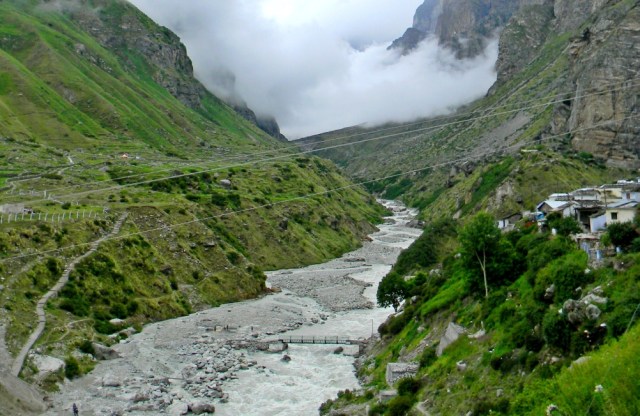

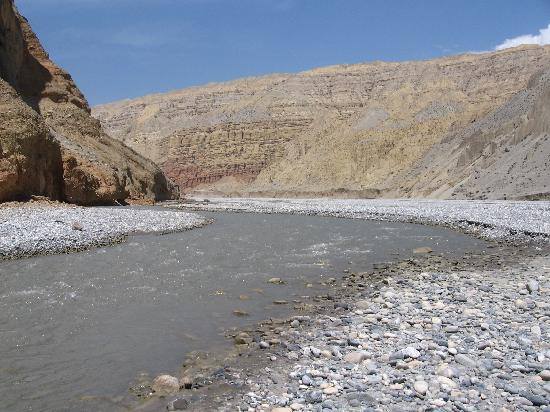
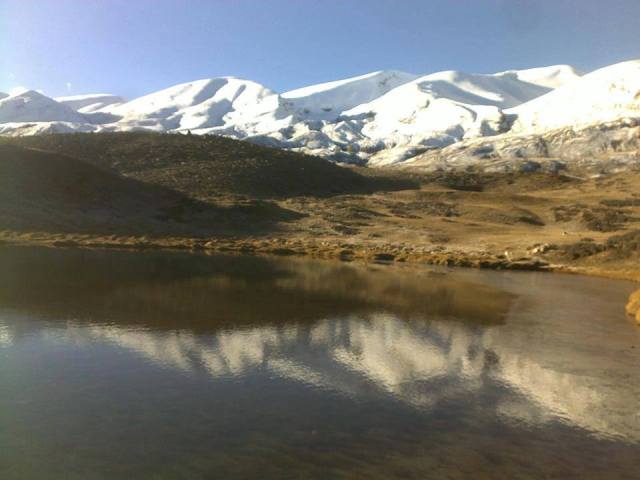 We had to drop the idea of going into Upper Mustang as expensive permits are required from the Nepali authorities . Formerly the Gandaki River Valley was the most important trade route between India and Tibet. It was controlled by the Buddhist kingdom of Lo Manthang, which was of Tibetan culture.
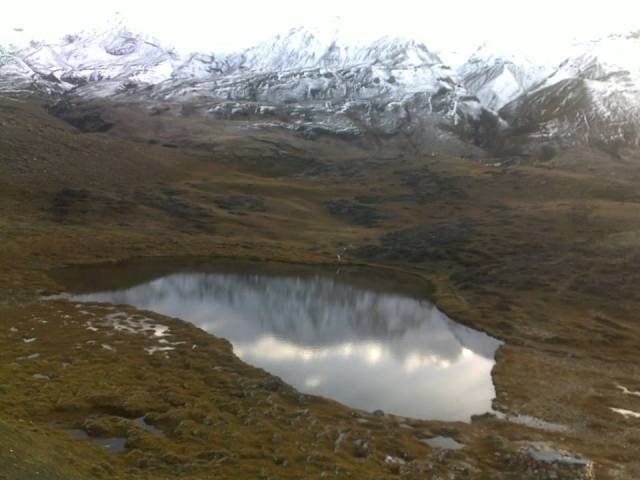 But more than 200 years ago the Buddhist Raja of Lo Manthang allied with the Hindu Raja of Kathmandu in a war against Tibet. This is why the present region of Mustang (Lo Manthang), which is populated mostly by Buddhist people with Mongolian features, is part of Nepal and not Tibet (now fully controlled by Communist China).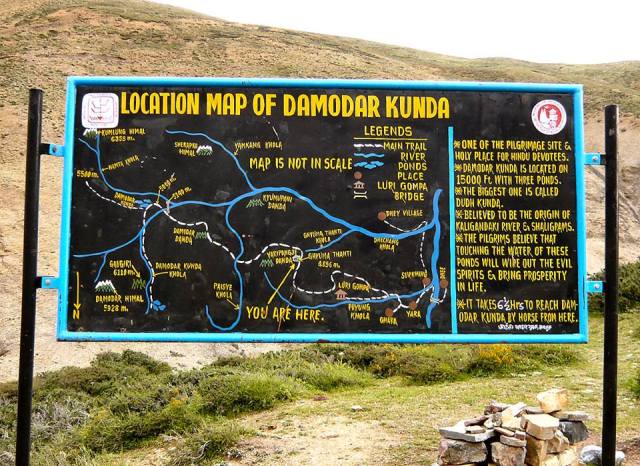
 Now the trekking trail takes us away from the bank of the Gandaki for a while. I along with my wife started chanting Shri Vishnu sahasranaamam , while my eyes were immersed in the beauty of Lords own little world far away from material and karmic vasanas. . Few foreigners along with their guide walk briskly before us cheering NAMASTE … I feel their enthusiasm in trekking the mountains and truly with the protective wind shields, woolen socks, rock boots and body packs they were perfect mountaineers, I avoided the trekking kit to tax my body in reaching Lords abode with a sincere vow as I did for Ahobilam and Tirumala.
 Muktinath is situated at a height of 3,800 metres whereas jomsom is at 2713 metres. The distance to Muktinath from Jomsom by walk is 21 kms (via Kagbeni) whereas now there is another short-cut which involves climbing of a steep mountain but would save about 3-4 kms. To reach Muktinath, we need to cross 3 settlements- Eklabhatti, Khinga, Jharkot (Earlier, piligrims used to go toMuktinath via Eklabhatti, Kagbeni, Jharkot). One can find maps displayed on boards with the name of settlement, no. of hotels,lodges , distance to the next settlement and approximate time-only in these places, one can get drinks/ food etc) I could see my children moving away from us quickly . I wonder whether we can make it today . En route we see the skull of a yak. This classic symbol of desolation accentuates the atmosphere of loneliness that hangs over the Gandaki River Valley. Between Jomsom and Kagbeni one sees evidence of human habitation only rarely. We could see an isolated stone hut of a herdsman. Nobody was home when we passed it .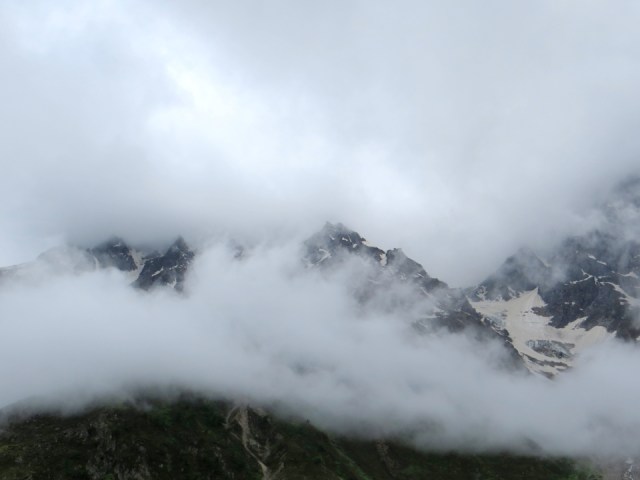
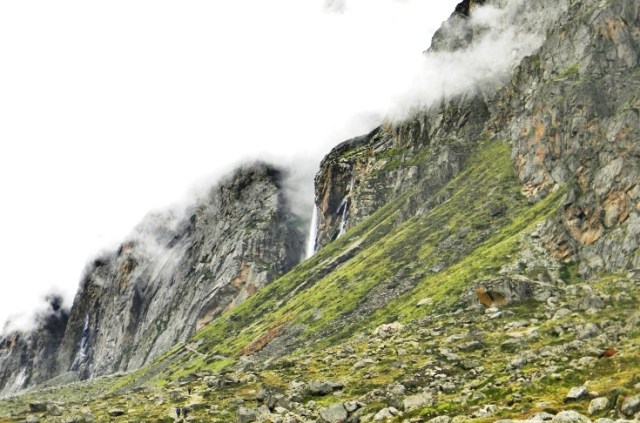
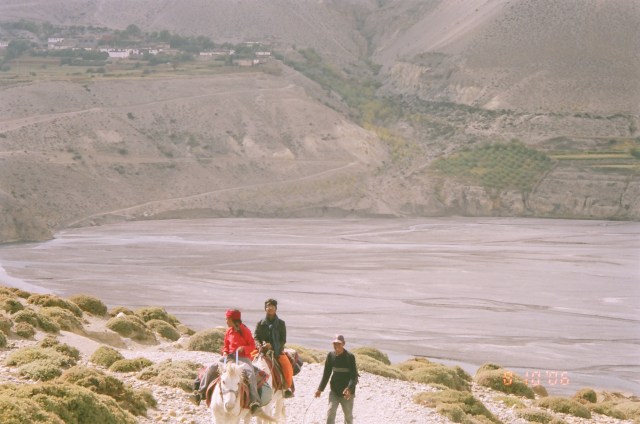

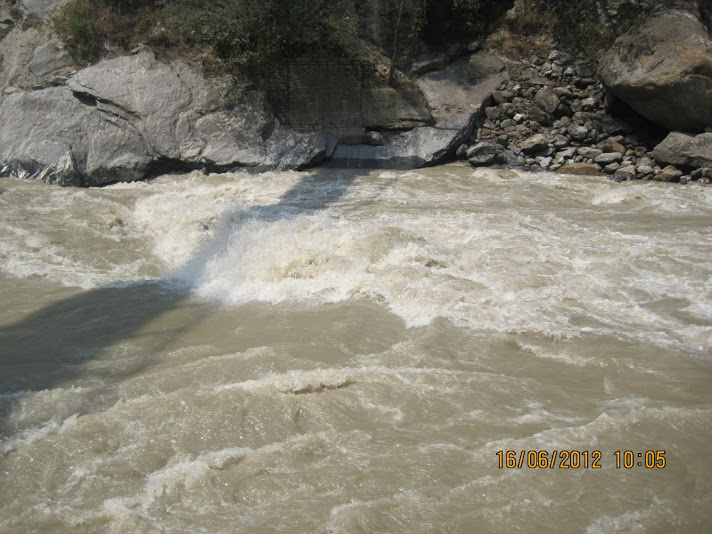
 Next day morning, we woke up at 430 AM and could see the sun rise at 5.30AM . It was calm and serene throughout. We checked out of the inn and continued our journey. It took about an hour for us to approach the village of Jarkot. Looking carefully we can see the dark red Buddhist monastery perched on a hilltop at the edge of this village. It is 500 years old. The Muktinath temple is about an hour’s walk beyond Jarkot.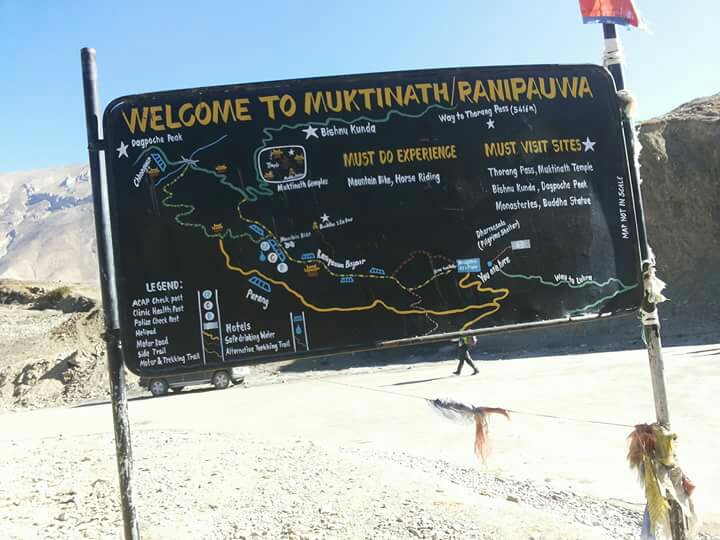
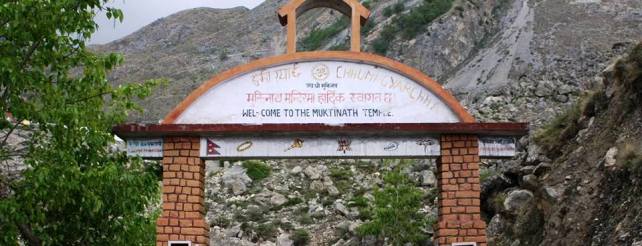
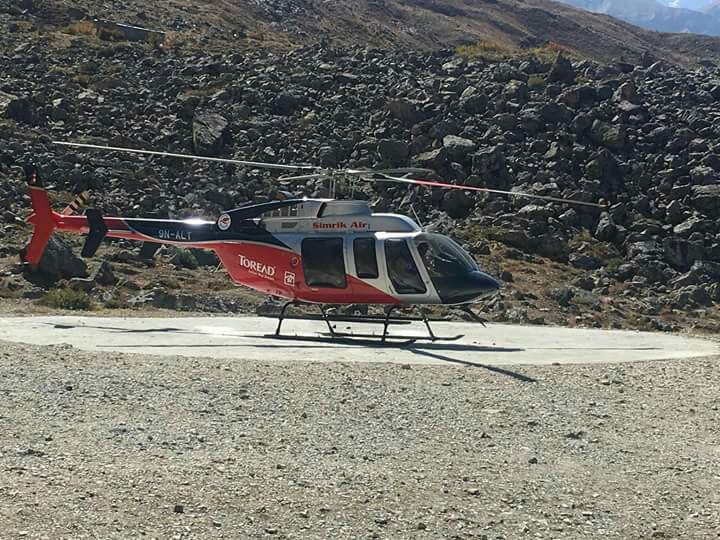
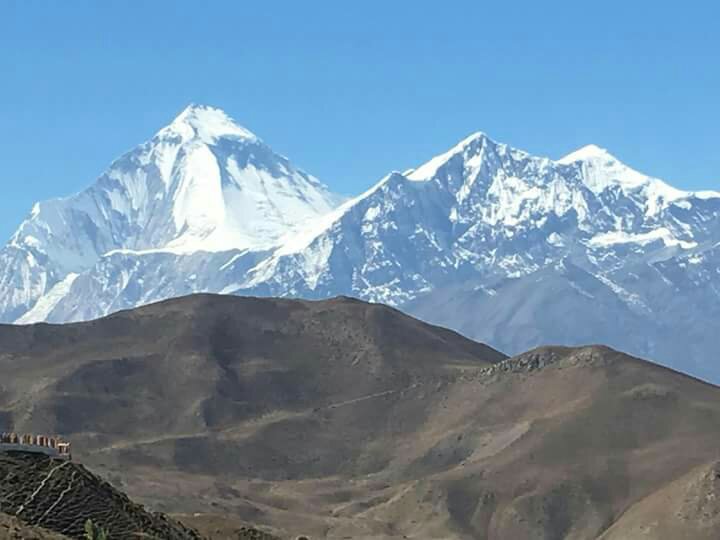
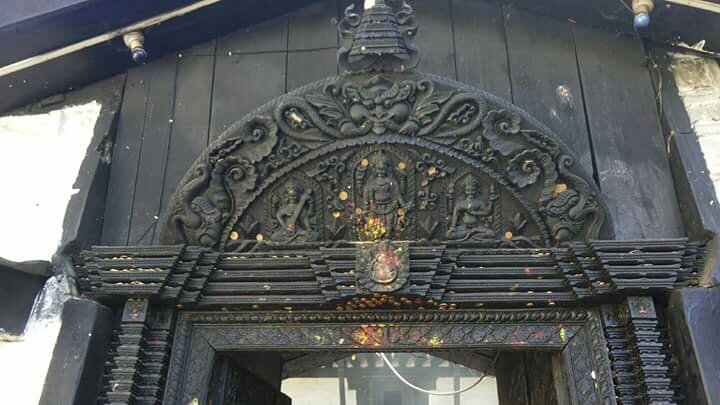
 Having passed through the entrance gate, we proceed to the complex’s first shrine. Muktinath is sacred to both Vaisnavas and Buddhists.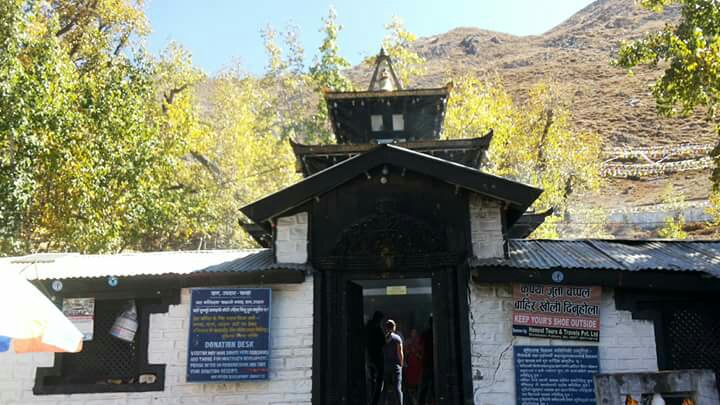
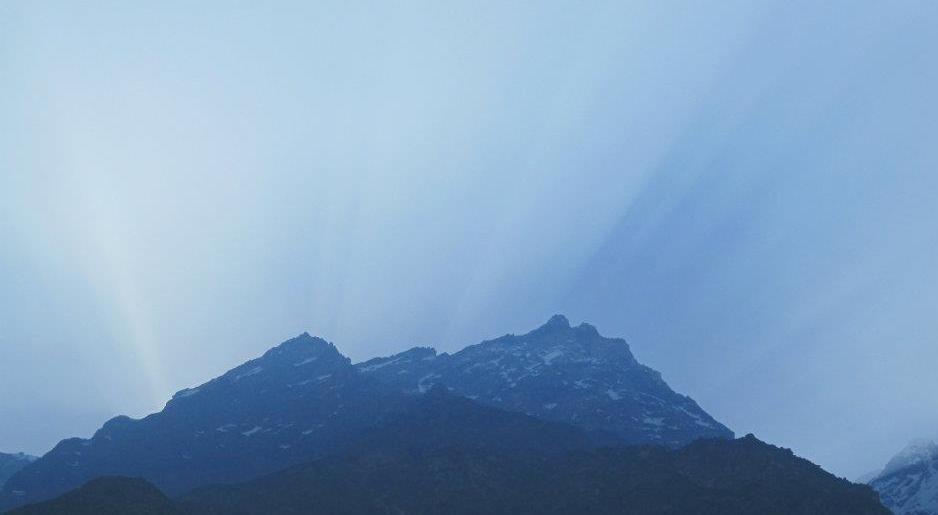
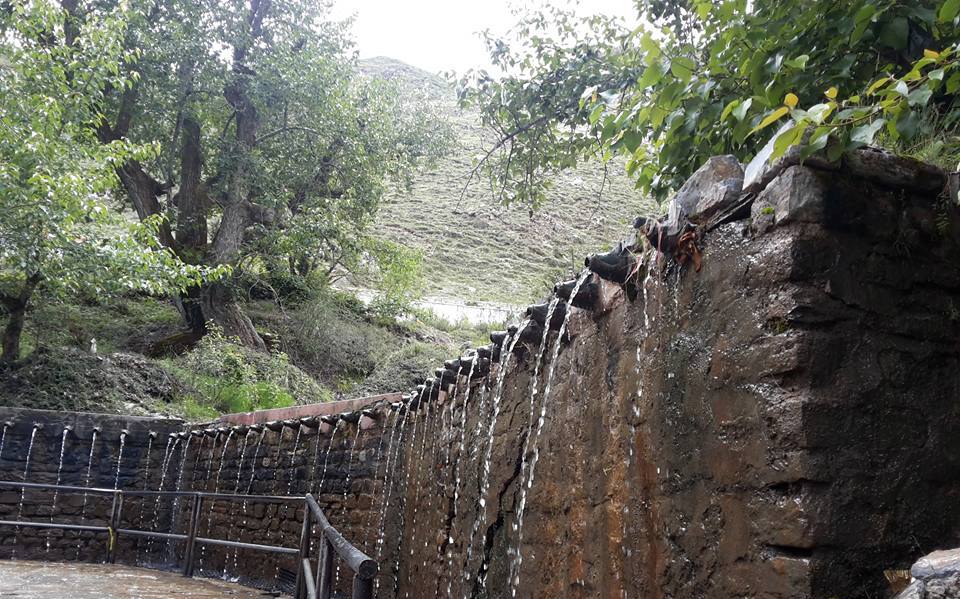
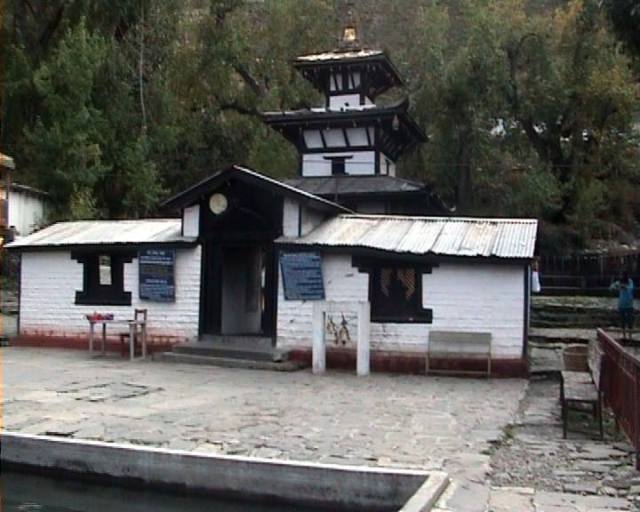 Meanwhile, we did pradakshinam around the temple chanting Harinaam . The temple is very small. In front of the garbagriham, towards our right, there is a deity of our Jagatha Acharyar, Swamy Ramanujar. .
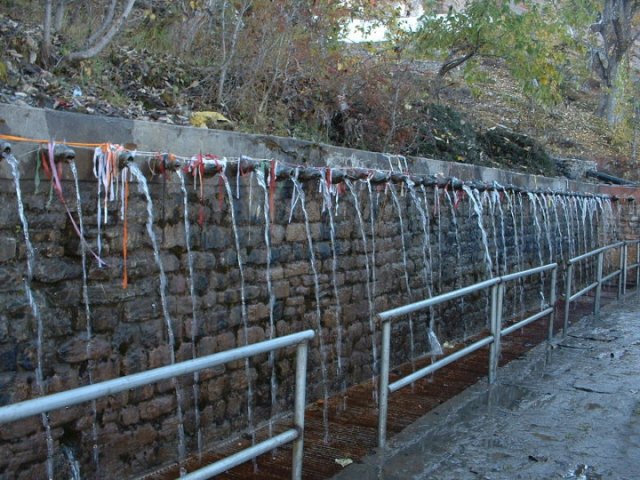 The moment we had darshan of the divya mangala swaroopam of the Lord, Sri Srimoorthi, we forgot the cold and the body pains. The enchanting beauty of the Lord cannot be described in words.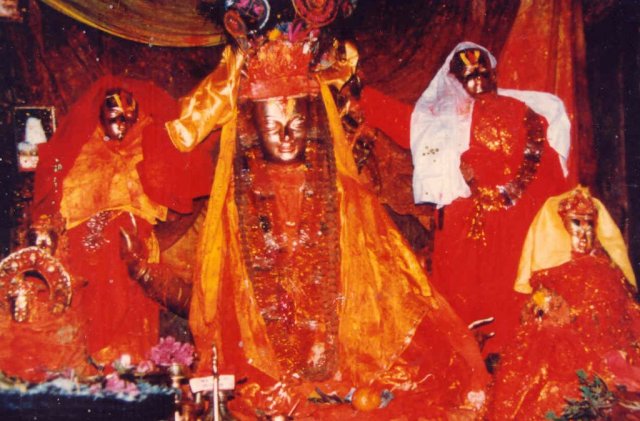
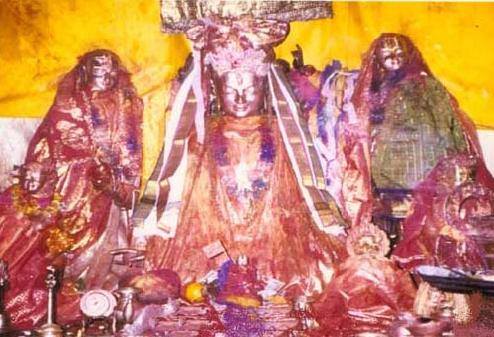
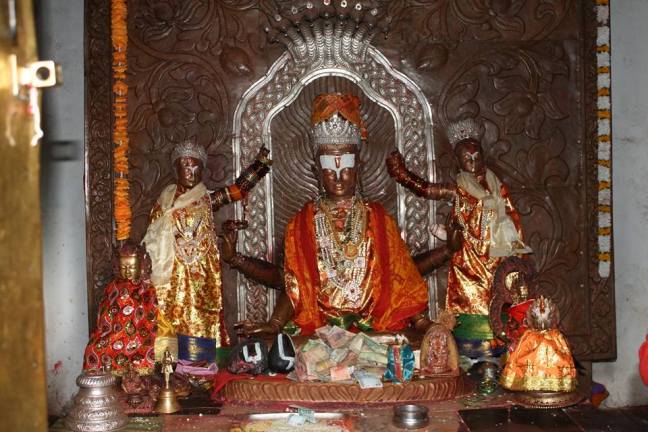

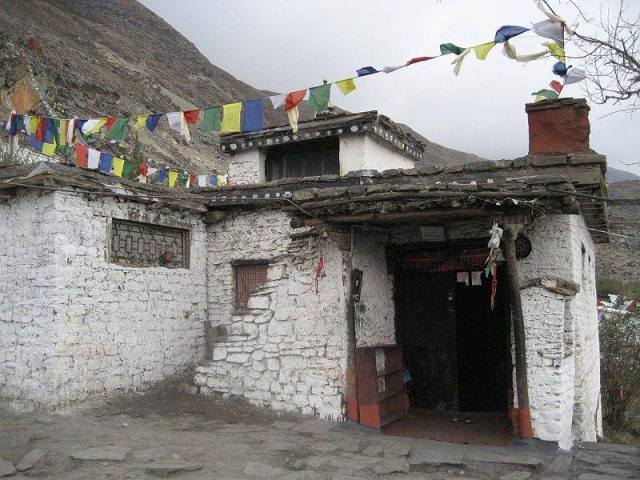 A natural blue fire can be clearly seen from water which is unbelievable. This is a representation of Brahma, Shiva and Vishnu as it was here Brahma and Shiva did penance to obtain Lord Vishnu’s grace. Lord Vishnu appeared before them and as per their desire, continued to reside in this place. This is also considered to be a Buddhist shrine because one Buddhist monk got enlightenment here. As a proof of this, we could find various stupas of Buddhist monks and their dwarapaalakas.


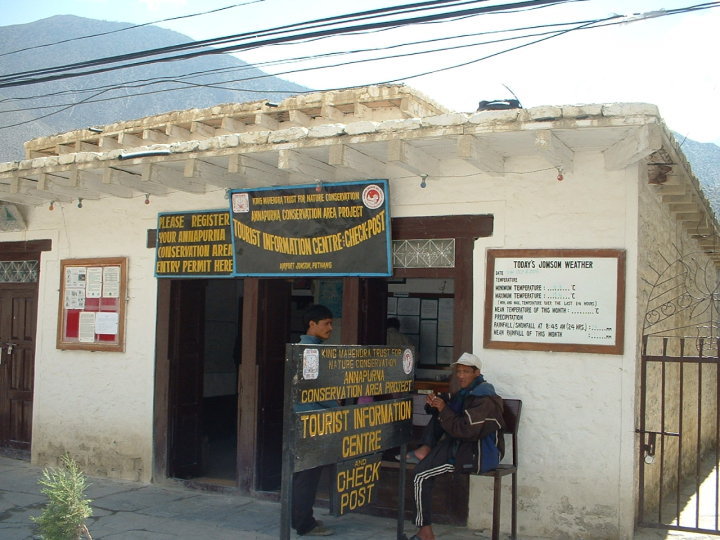
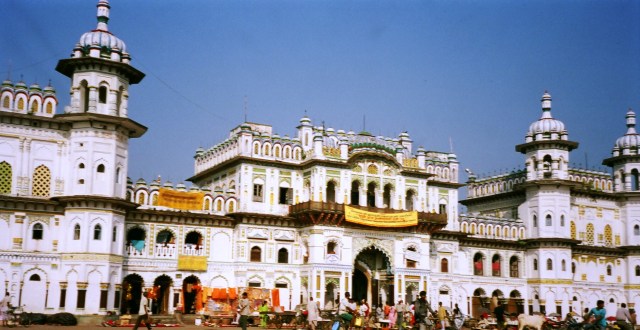
 Arrangements were made to get a helicopter from Katmandu . Though the scheduled departure was at 12 noon as promised by the hotel manager, the helicopter arrived at Jomsom at 1600 hours only. All of us boarded it and reached Pokhara at 1700 hours. The 20 minute journey by helicopter was very inconvenient and fearful. Worst with noise and full of congestion.
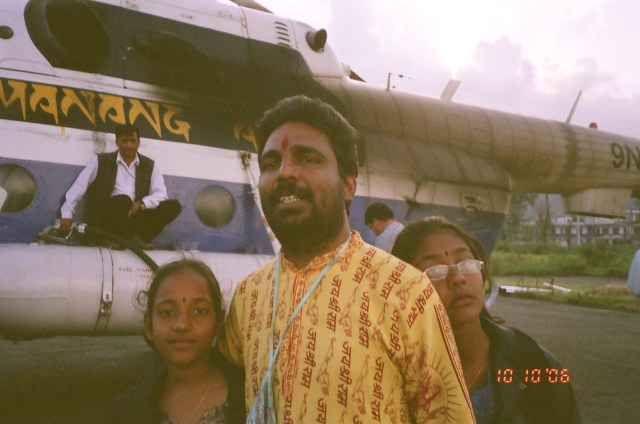 The very rare privelage of travelling in a helicopter was being fullfilled may be I felt. Adiyen was continuously chanting Maha mantra and the moment we left the copter, 2 devotees who hail from England approached me and offered Prasad saying that they had done Pournami pooja at Muktinath, a day before we reached the holy shrine. I was happy to learn that they have migrated to Kashi and having undertaken penance, they are simultaneously doing research on Vedas.
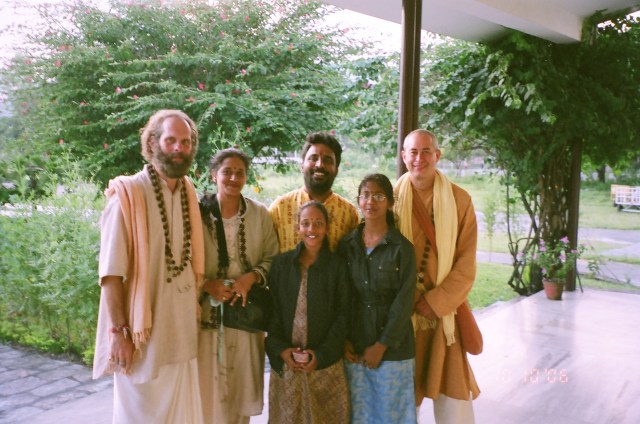 It is only due to the abundant grace of Perumal on this sinner that Adiyen could visit all the divya desams with my wife and children and attribute this to my previous janma wherein adiyen would have been associated with Srivaishnavas by touching the dust of their feet or must have done some petty kainkaryam which yielded this fruit of visiting the divya desams in this janma. May the divine forms of Perumal of all divya desams remain fresh in our memories and may our lips continuously chant the holy myriad names of the Lord. May our visit to the divya desams remain fresh in our minds so that when we leave this human body, we would be qualified to get moksha. The cab driver whom we got used to address as “kaka” was waiting for us at the airport. We rushed to the hotel where we had left our baggages and without losing any time, we left the place to go to Janakpur. We thanked the Hotel manager and his brother-in-law for all his intervention and help. But for him, it would have been impossible for us to go to Muktinath.
 In the sanctum sanctorum, Lord Rama, Sita Devi and King Janaka are seen. During aarthi, prayers on Sita Devi were sung. Apart from this, the palace houses other shrines too. In one of the shrines, we could find full family of Janaka – Lord Rama –Sita, Lakshmana-Urmila, Bharata, Shatruguna –Srutikeerthi, King Janaka, his brother, his queen . Apart from this, this shrine houses 3,000 saaligramama silas which were covered by a satin cloth. We proceeded to Sita Rama Kalyana Mantapam which is situated just outside the palace on the left side. Rs.5/- is charged as entrance fee . A big mantapam in the centre with life –size images .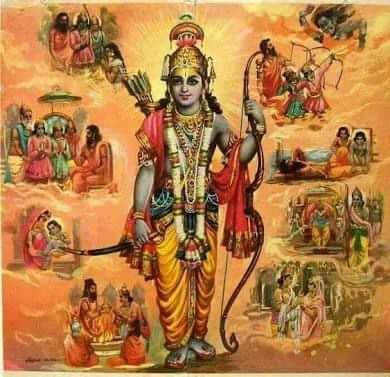
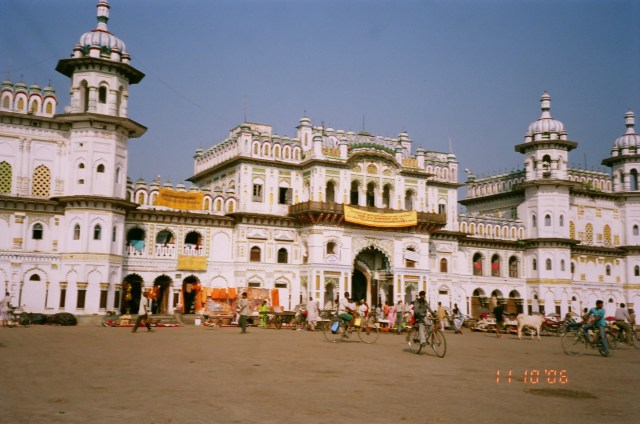 We left Janakpur at 0930 hours and having visited all the places as per our schedule, we continued to reach our final destination, Gorakhpur. We crossed Nepal border at 1500 hours (that was the last day of our permit) in bihar. The highway roads in Bihar is the most horrible one with full of bumps and it took more than an hour to cross the border on the Indian side.
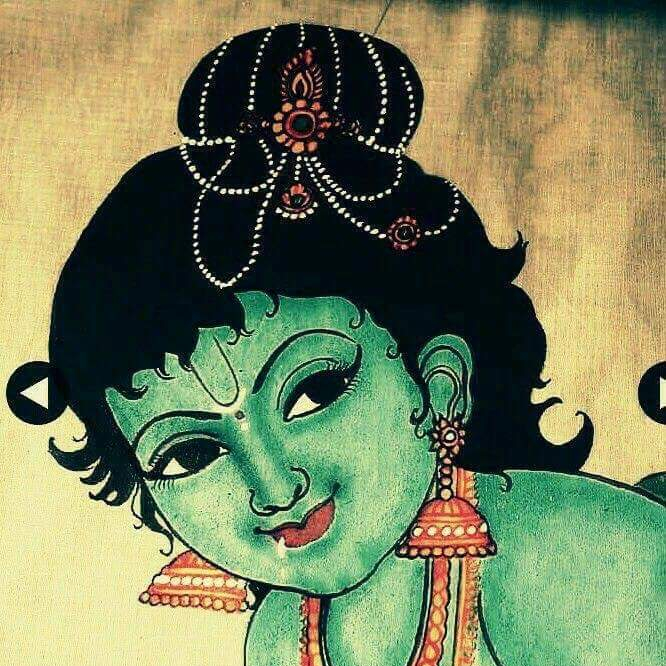
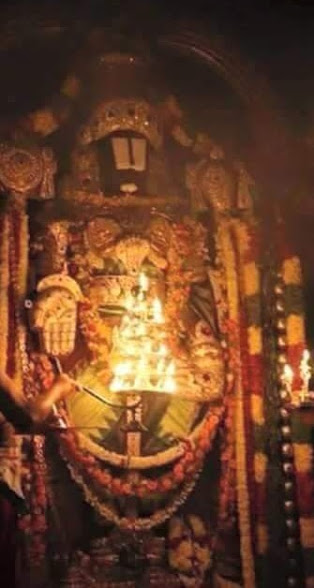
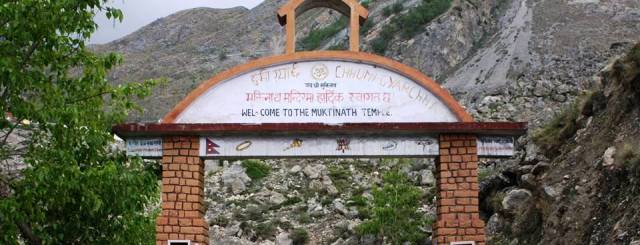
 During this trip, Adiyen’s faith was put to test several times and Adiyen passed this only due to the grace of Lord and His devotees.


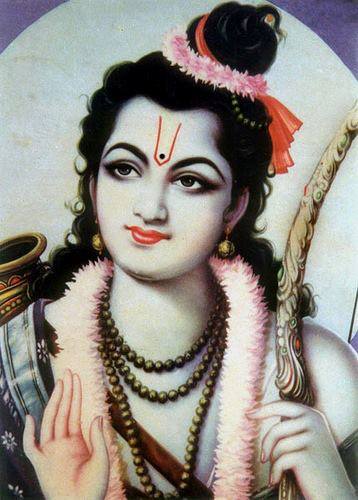



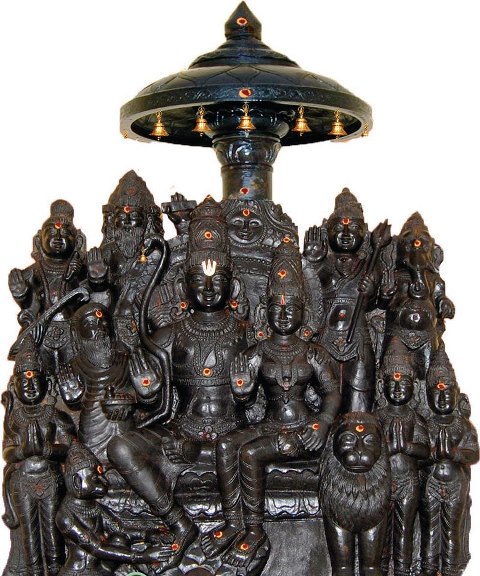
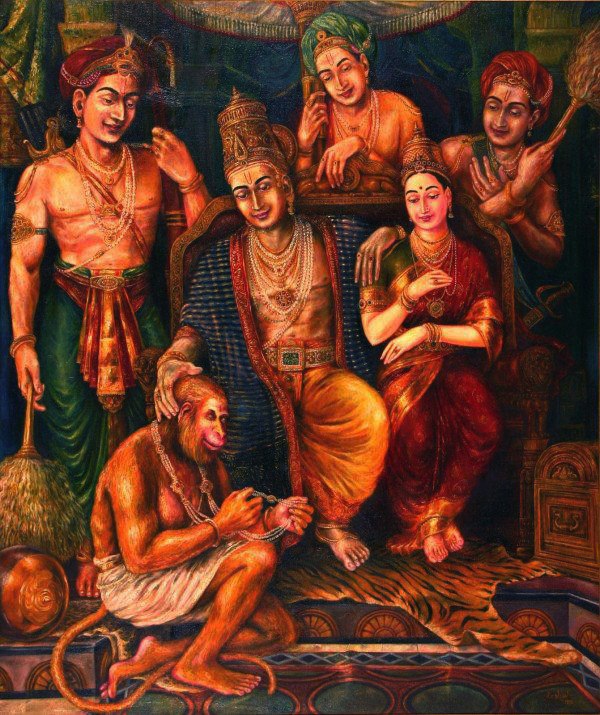
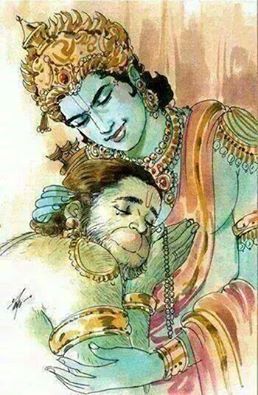

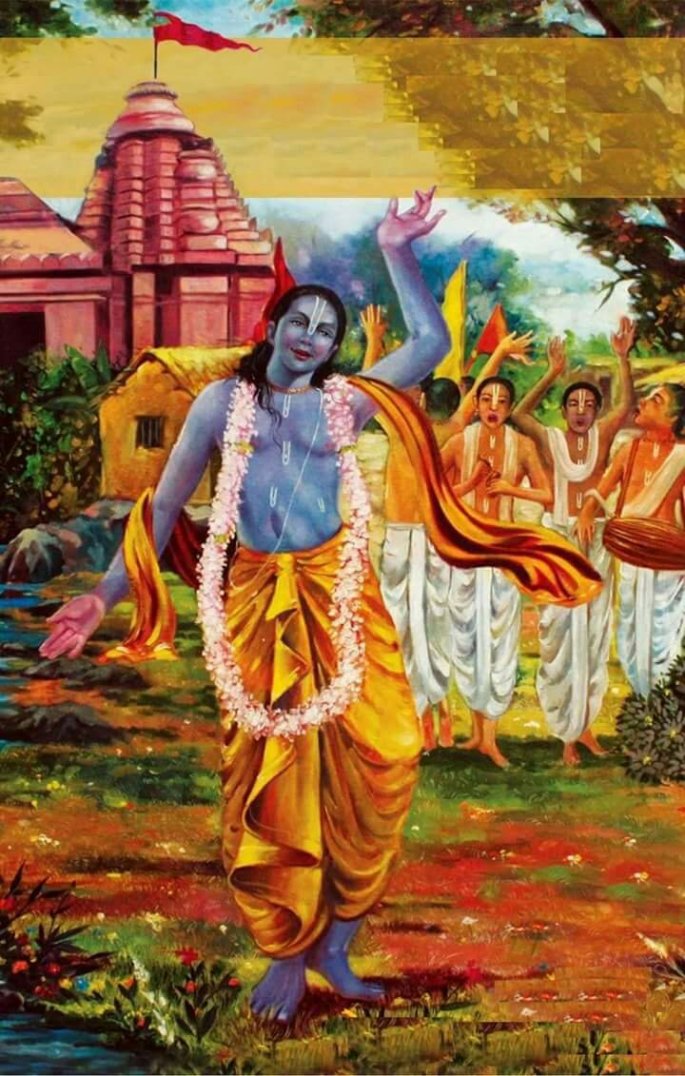

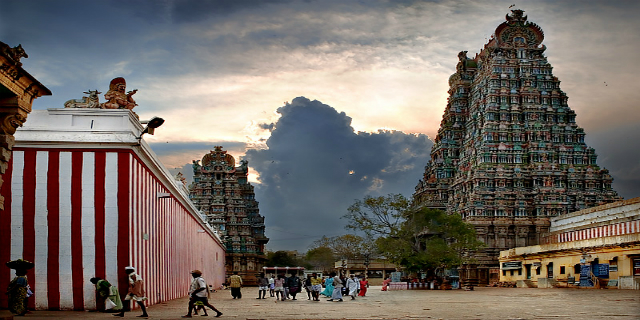





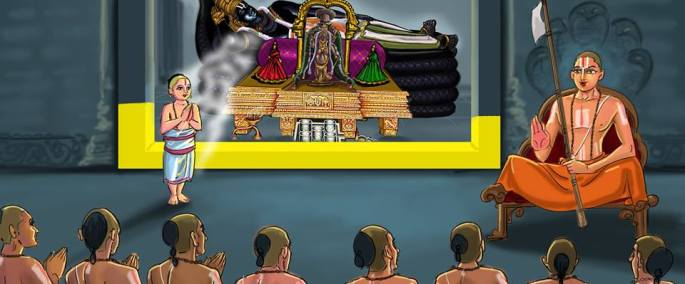
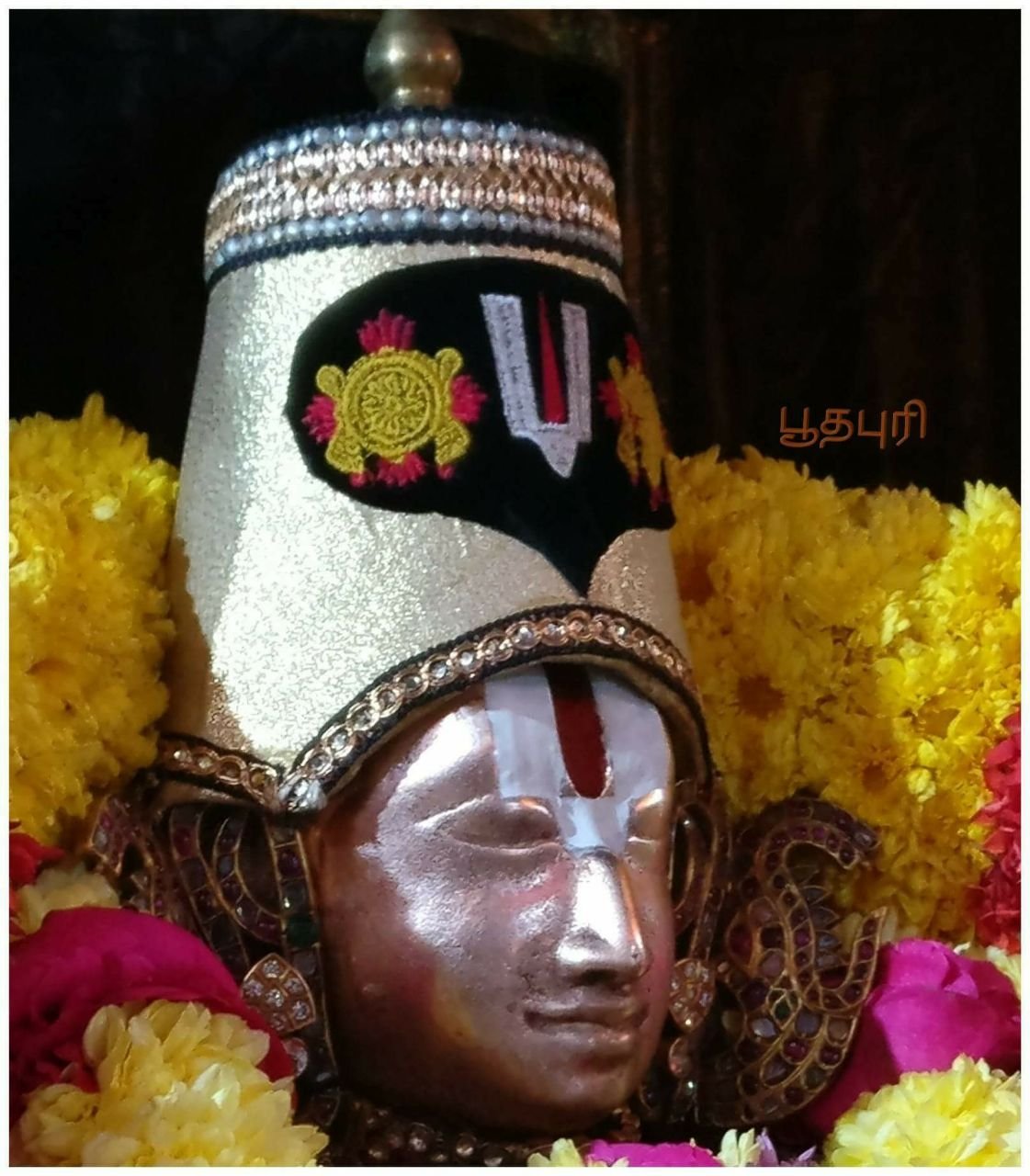
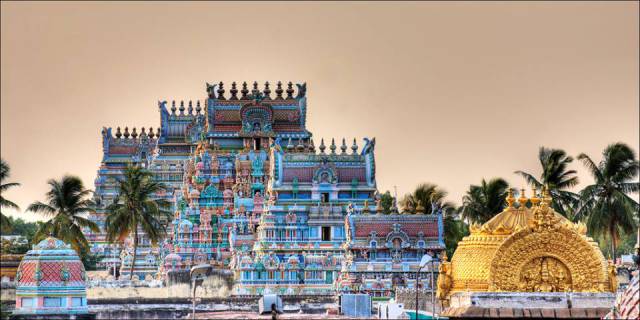


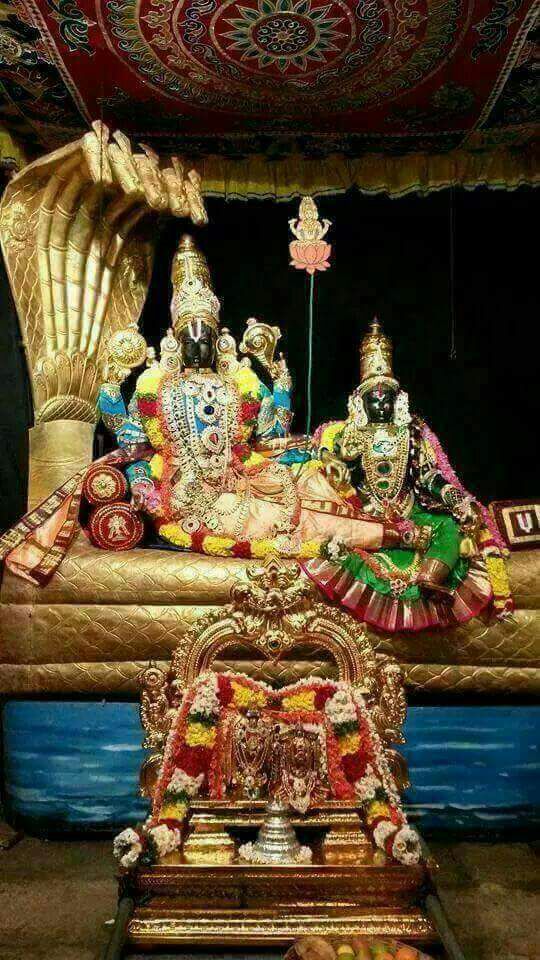
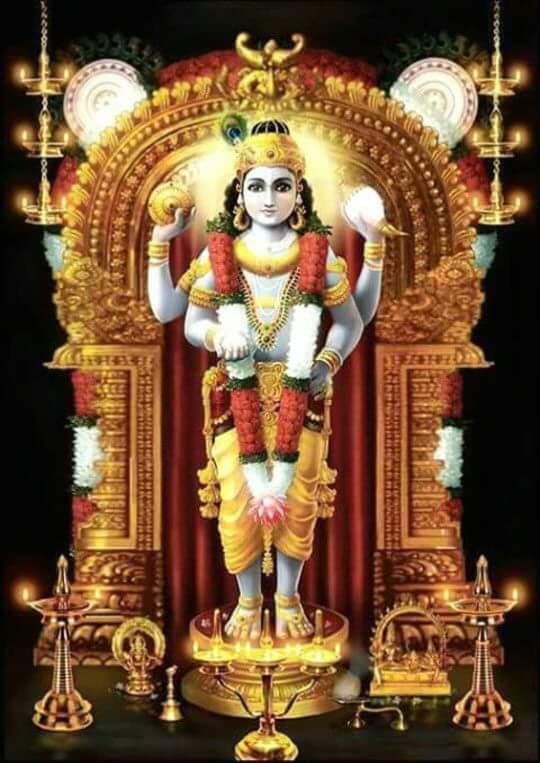

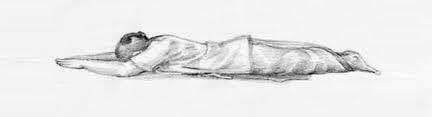

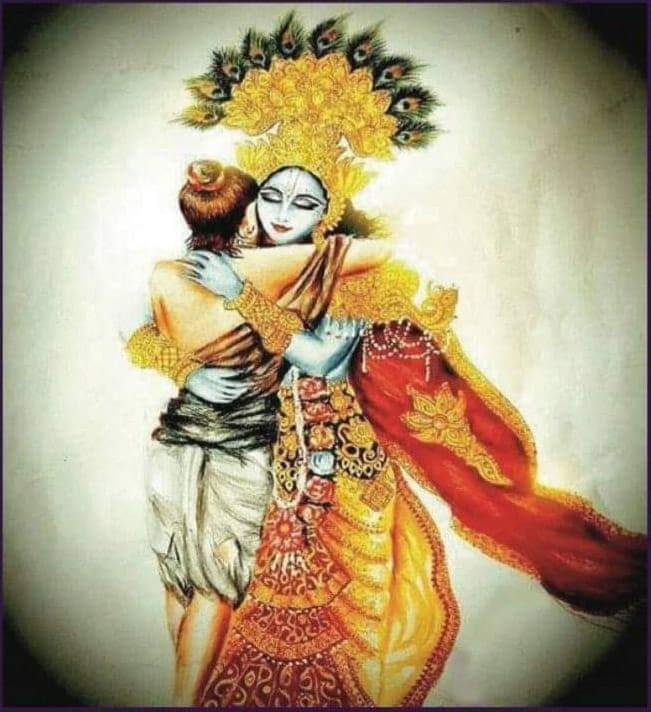
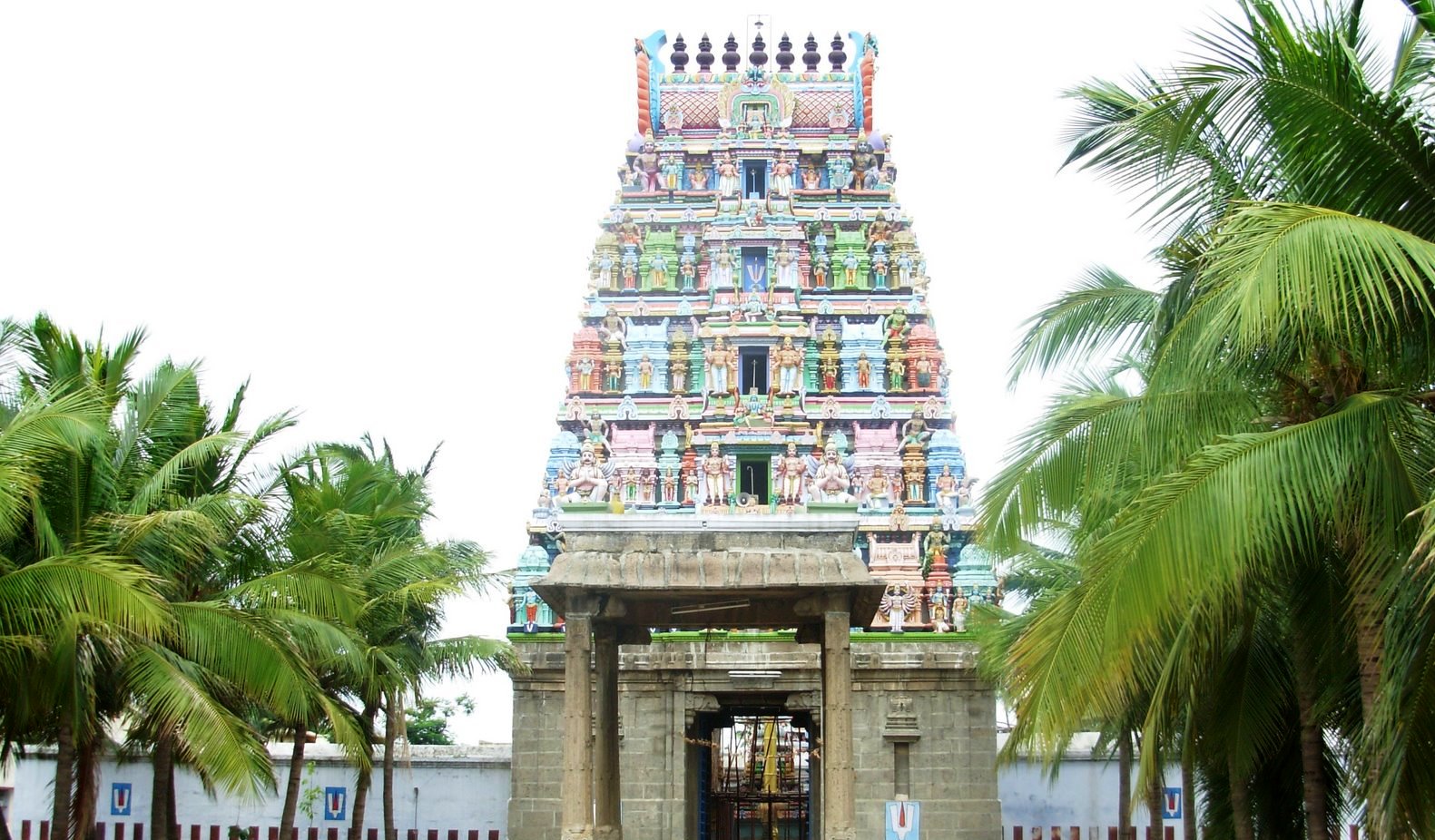
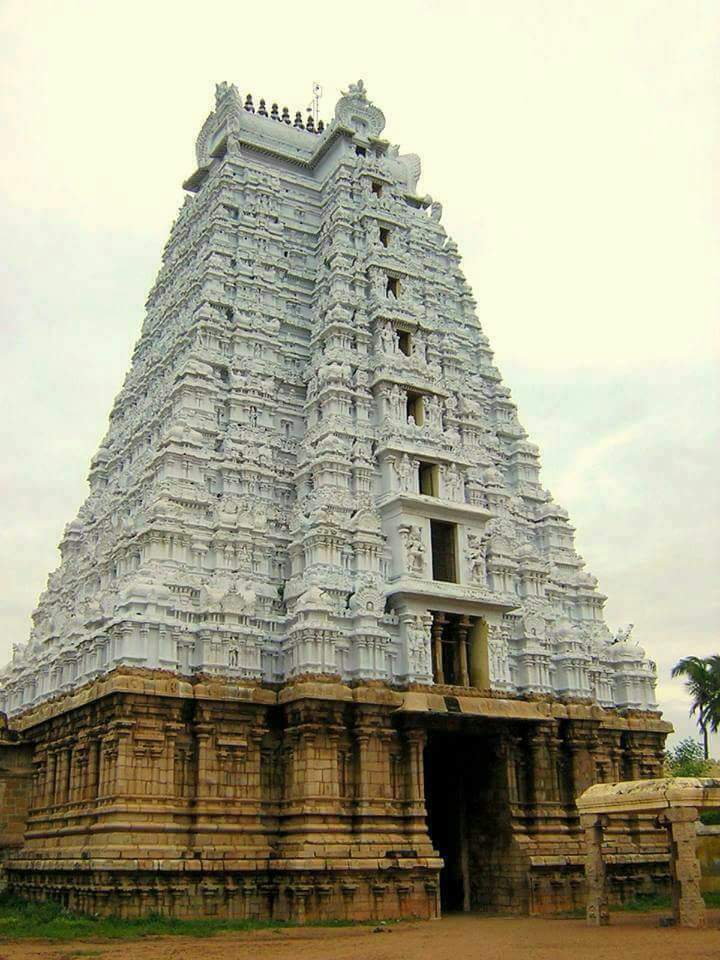


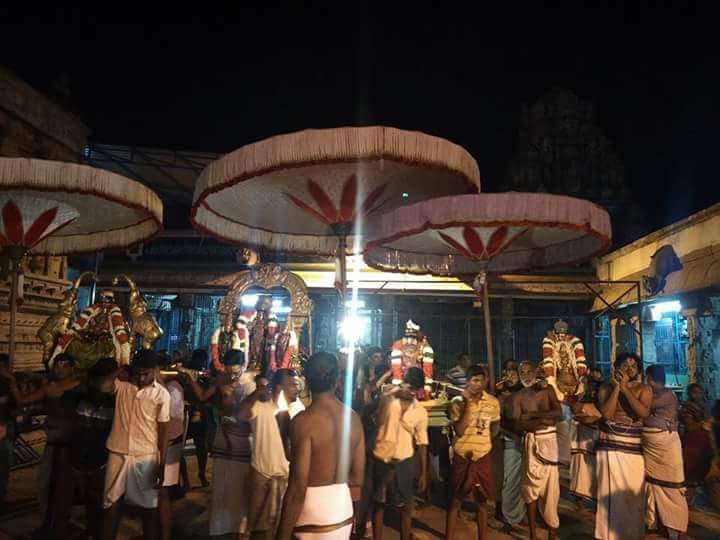


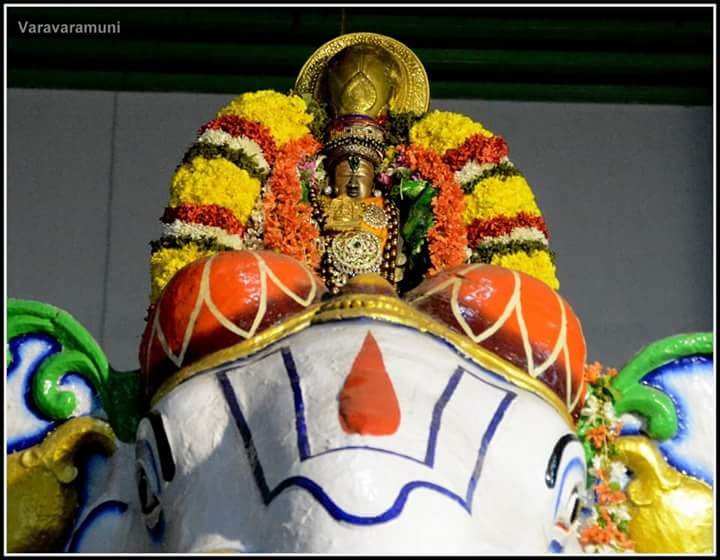





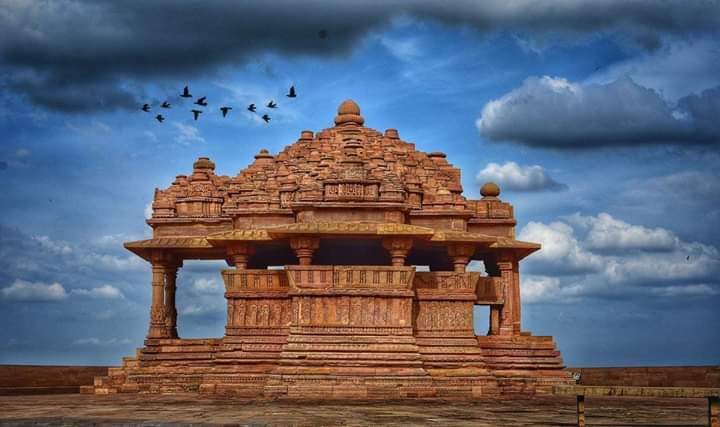


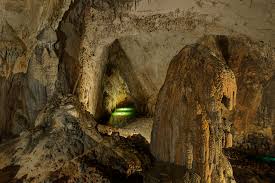
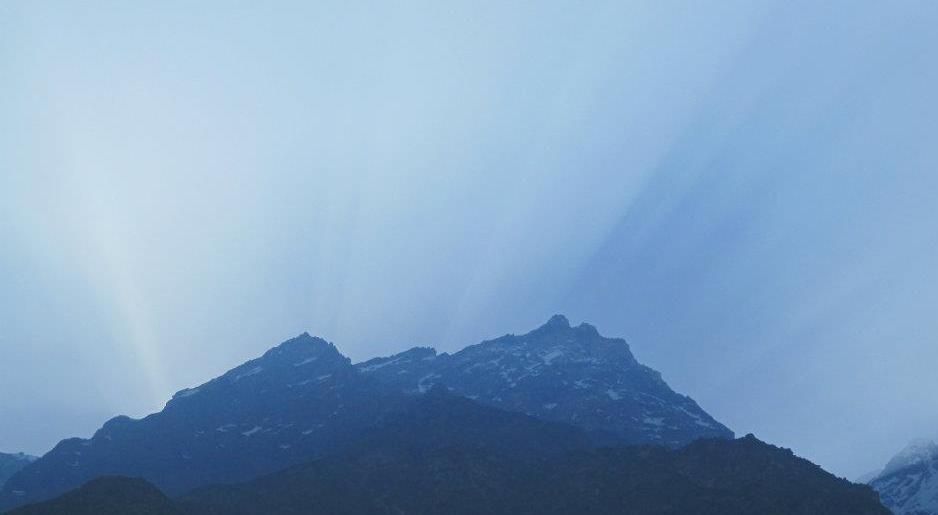
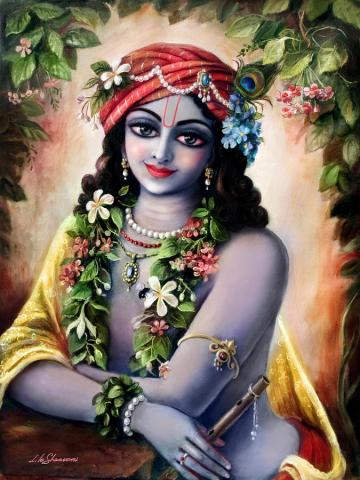

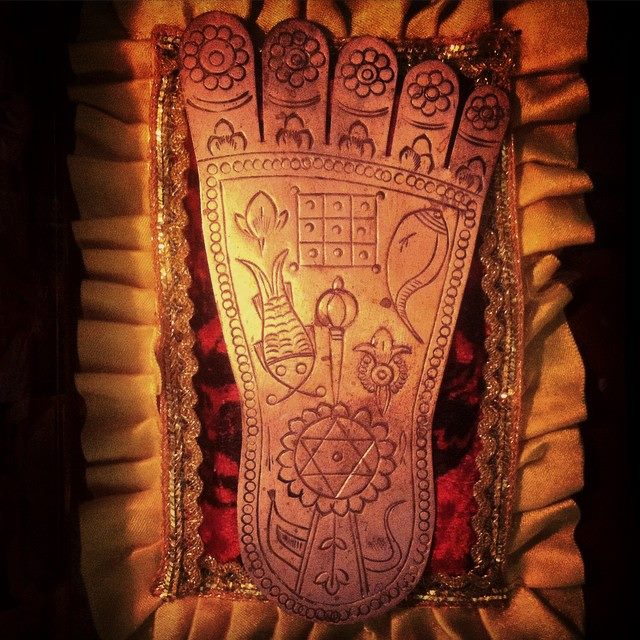

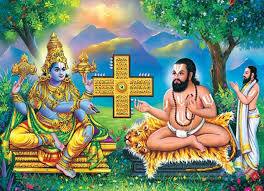
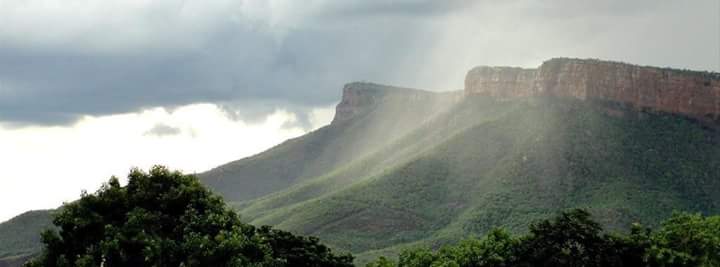
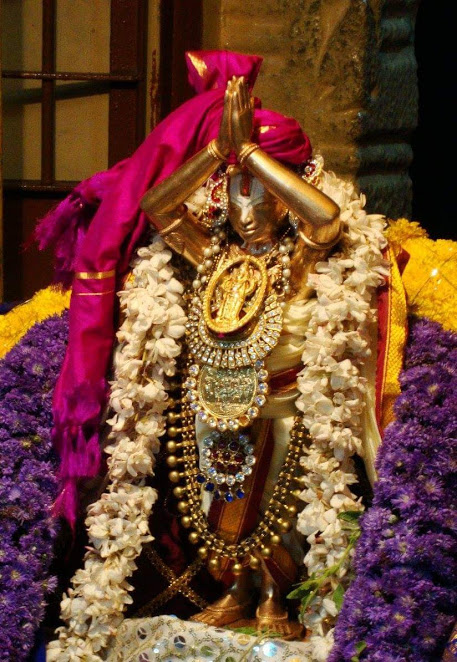
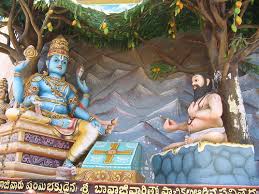
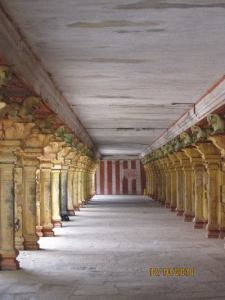
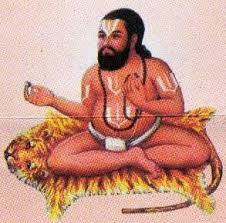
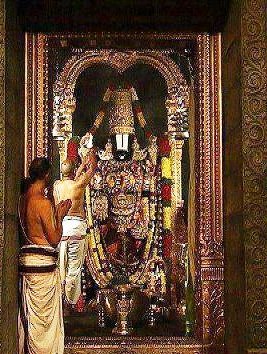
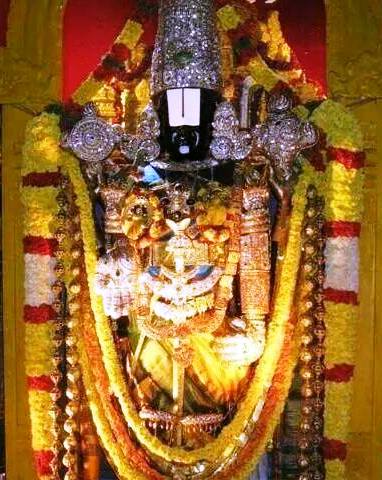

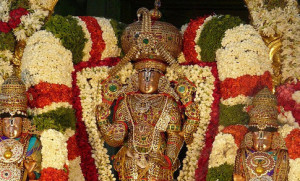


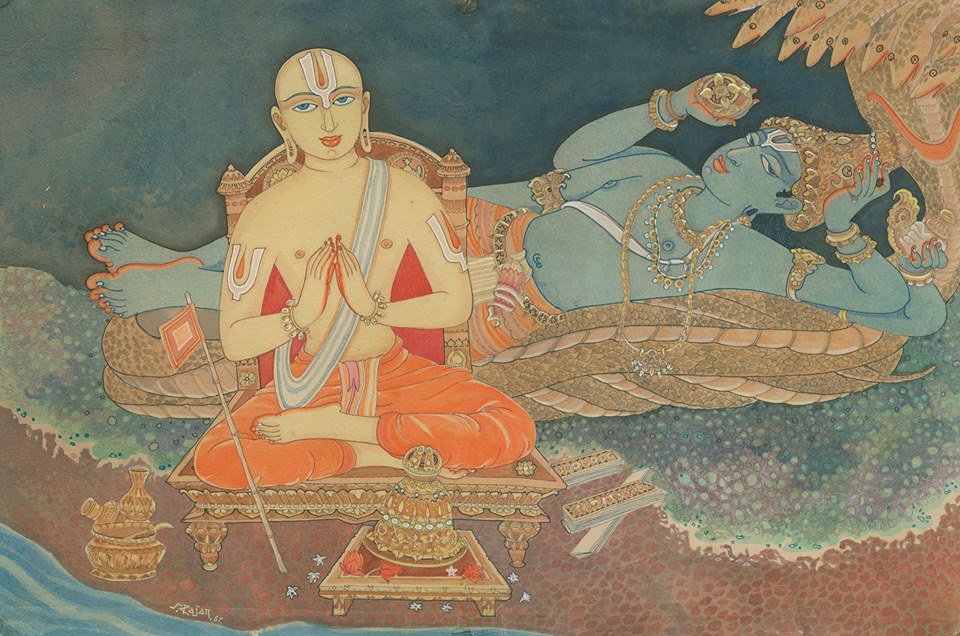
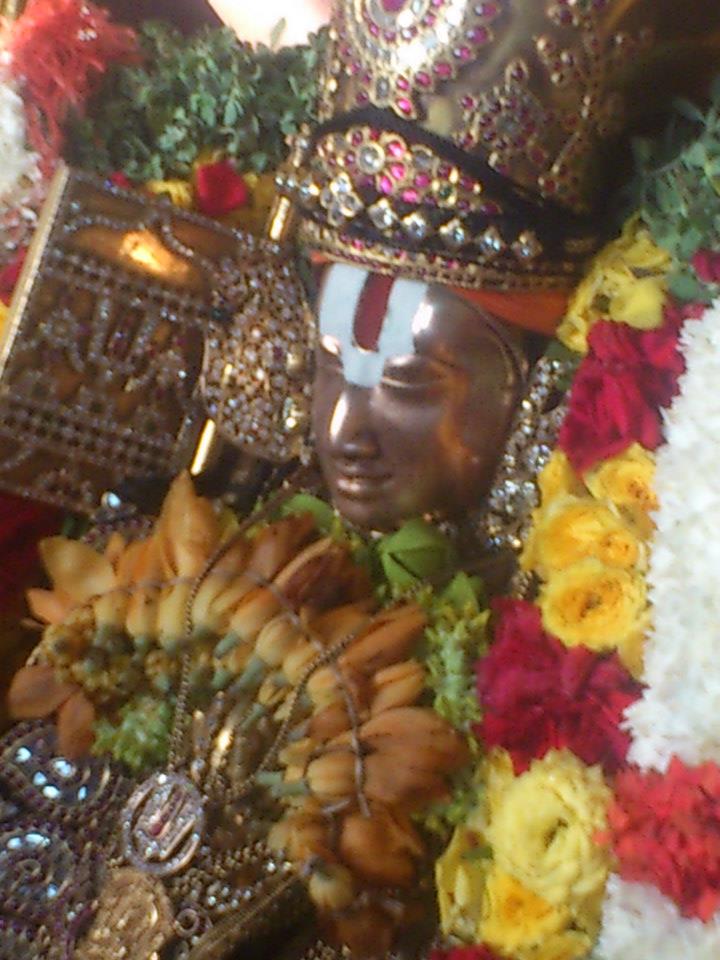
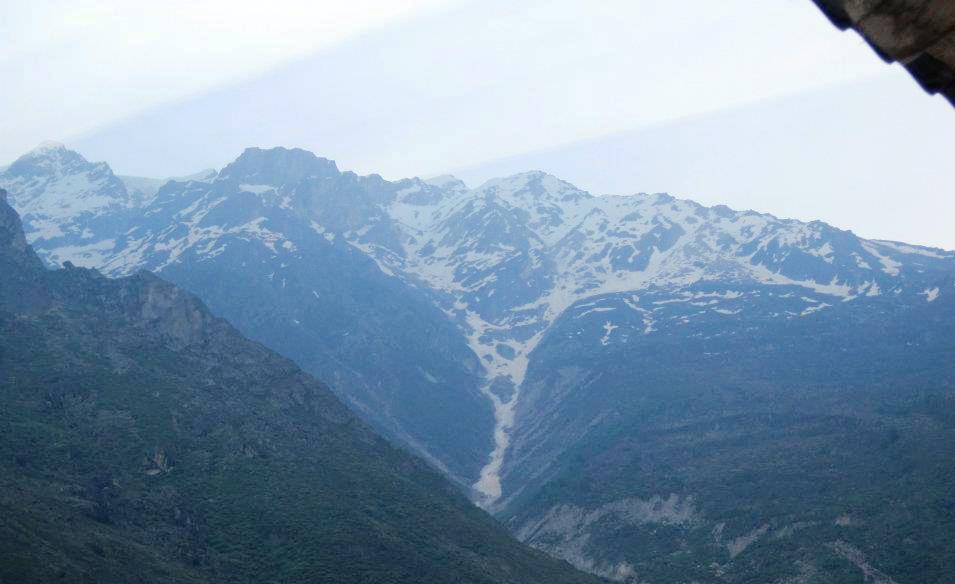
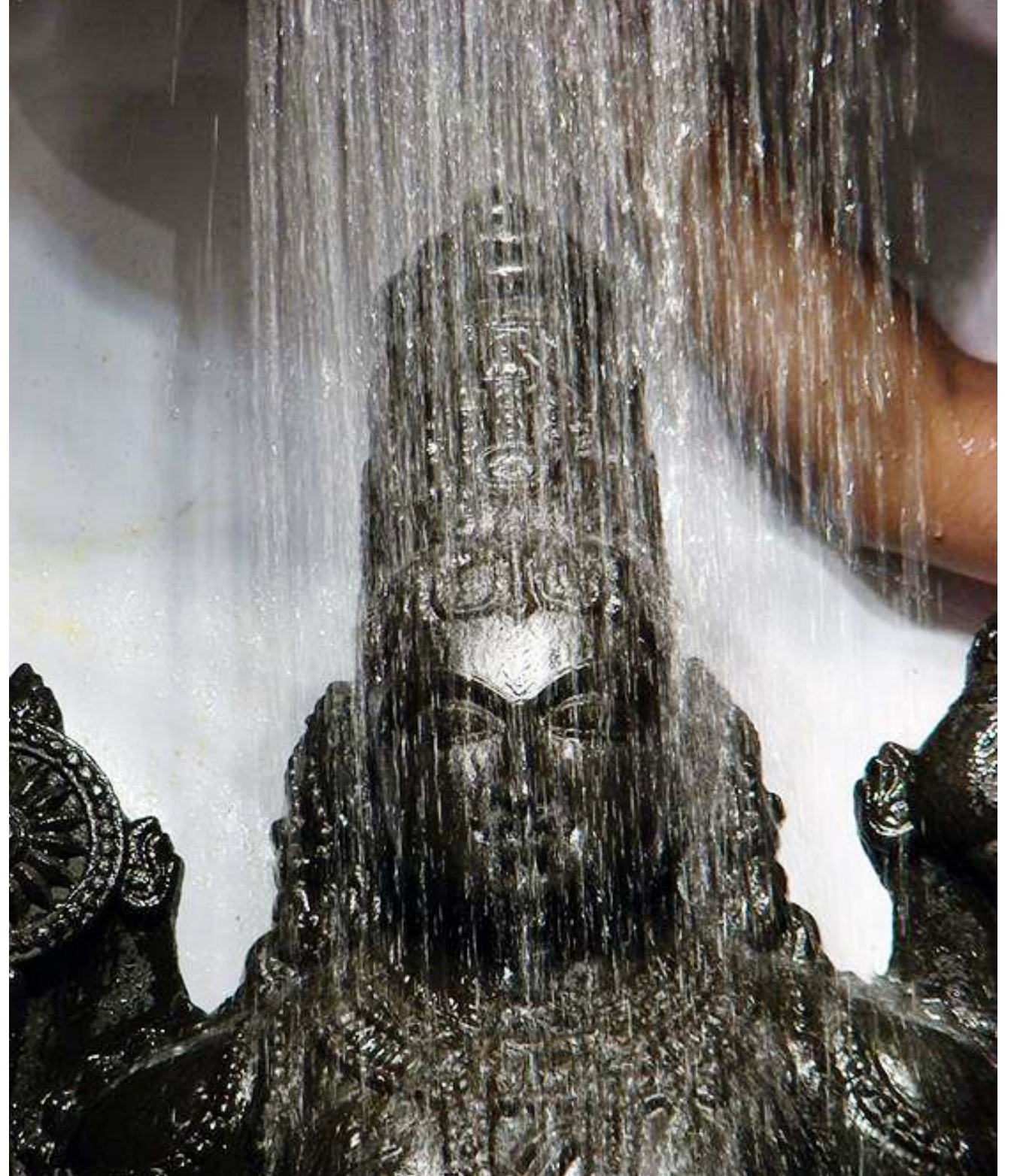
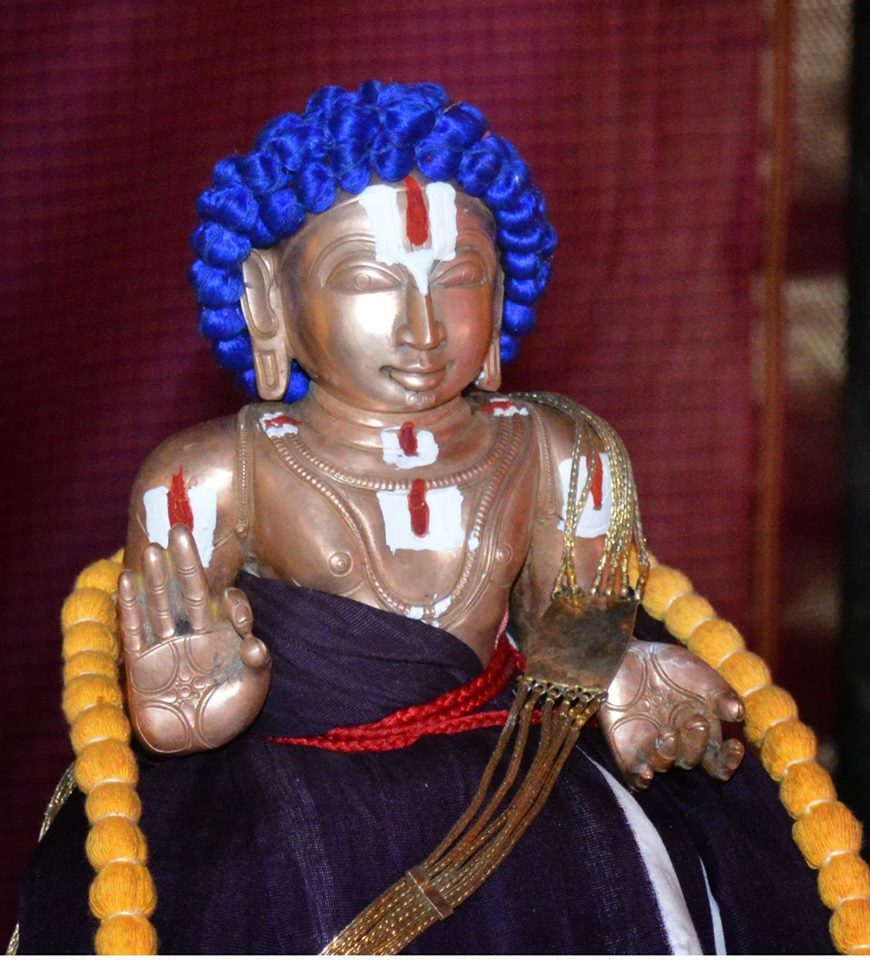
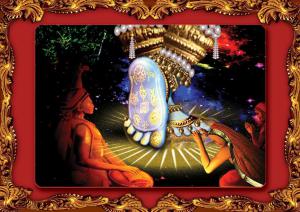
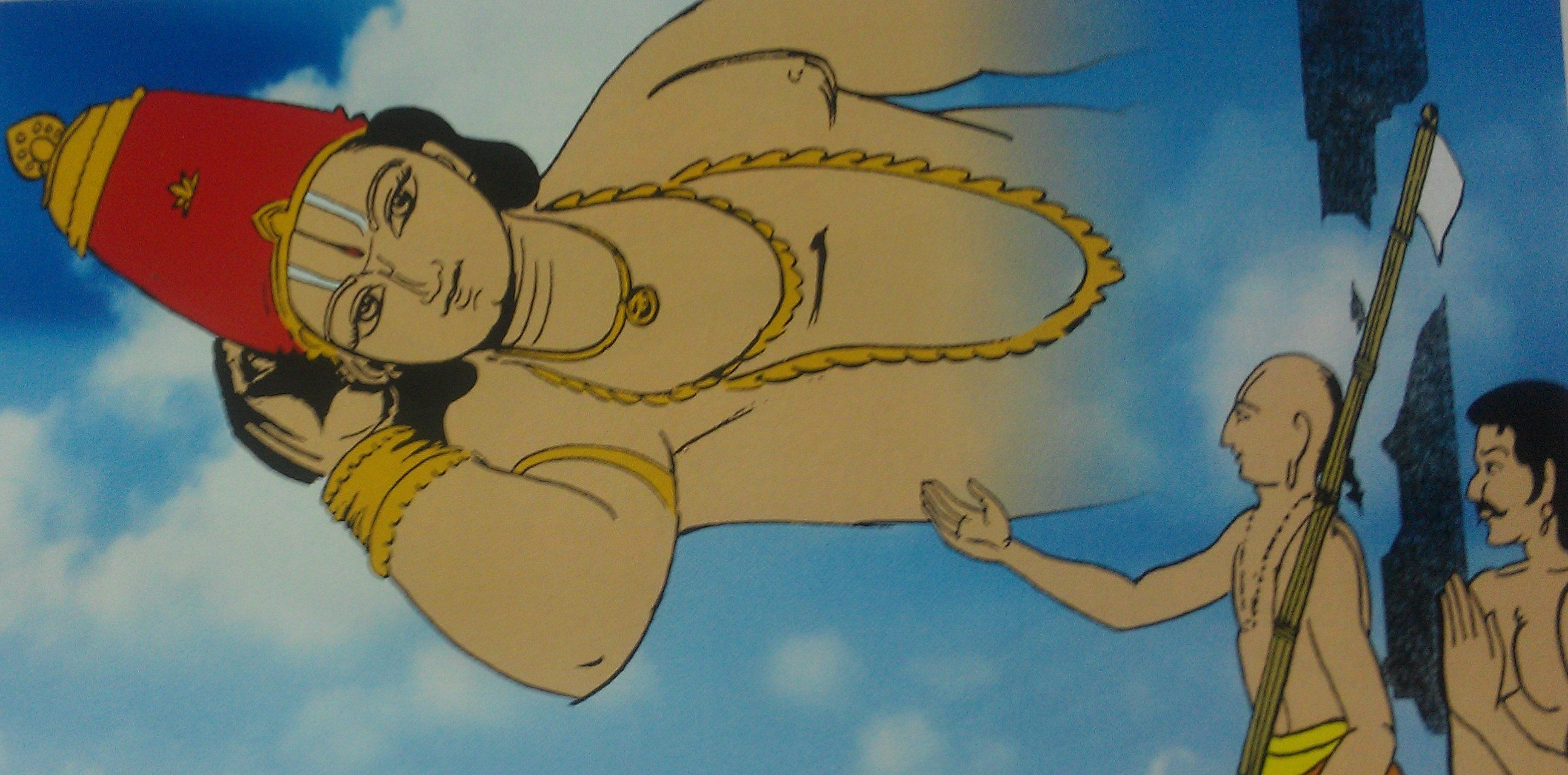
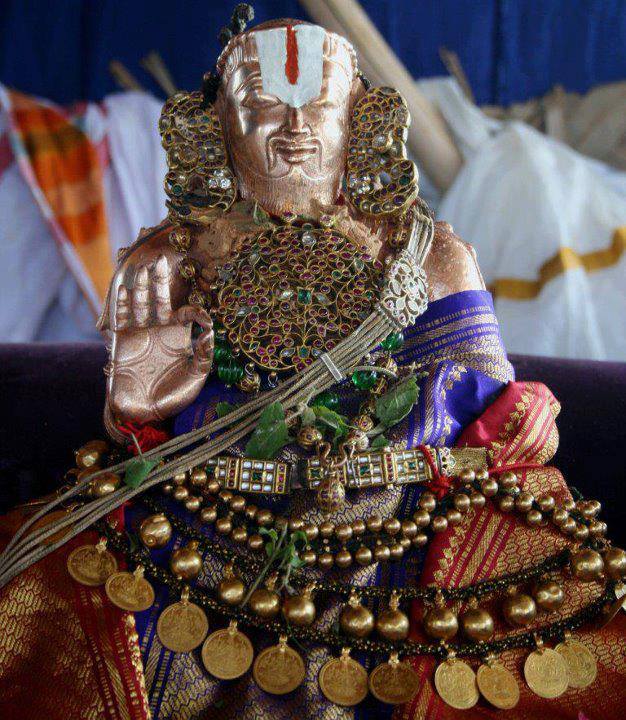
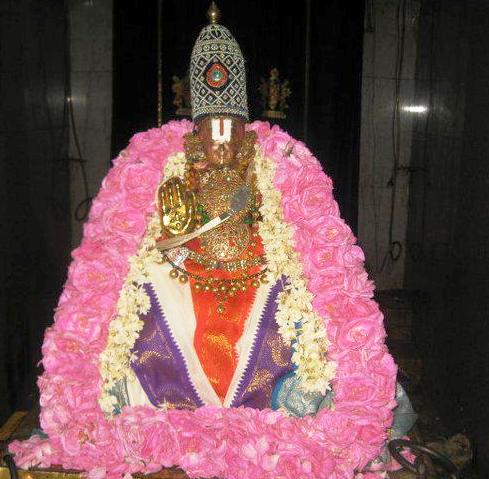
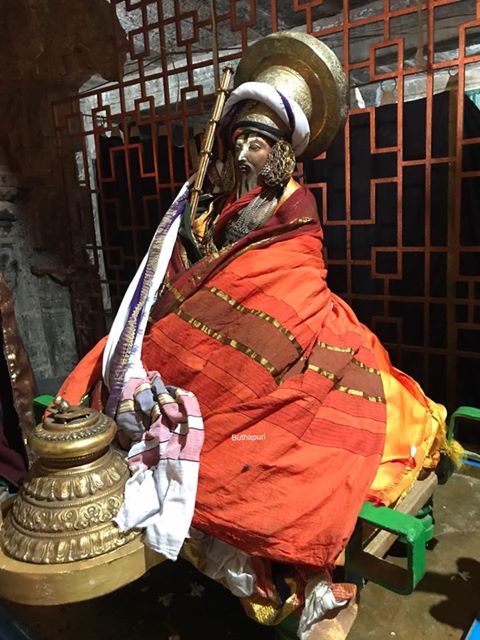
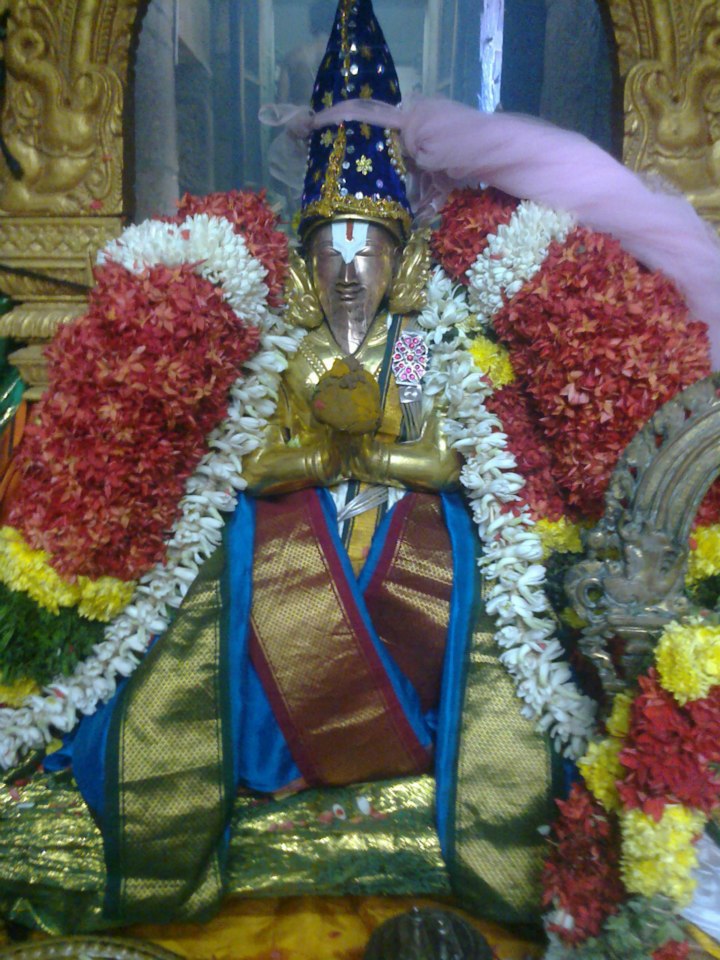

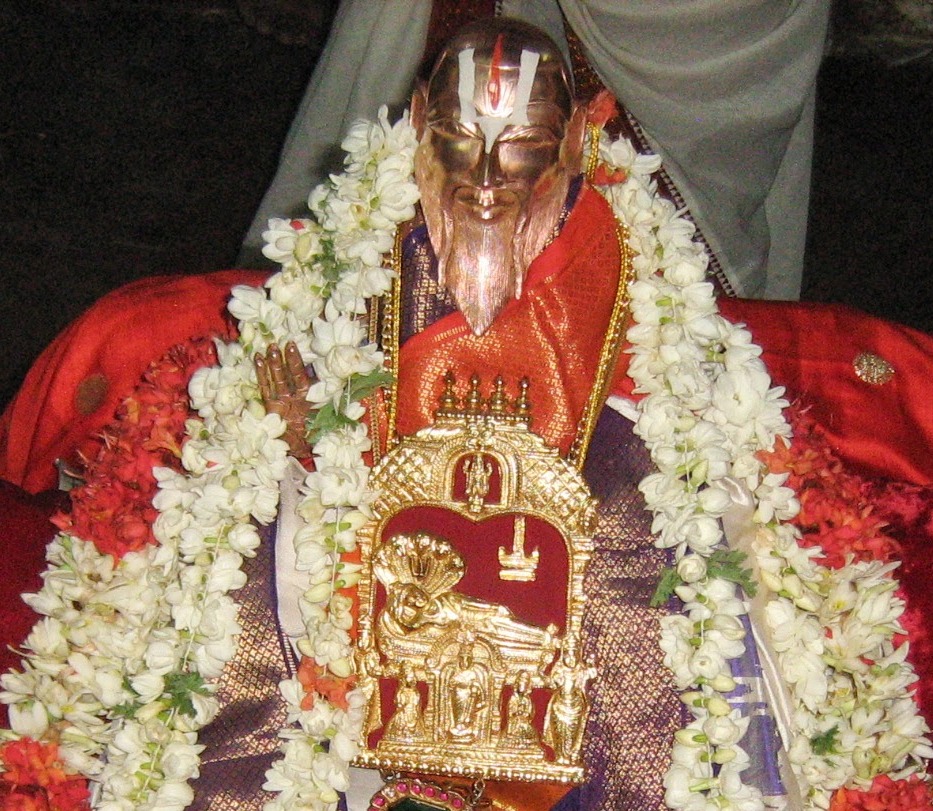
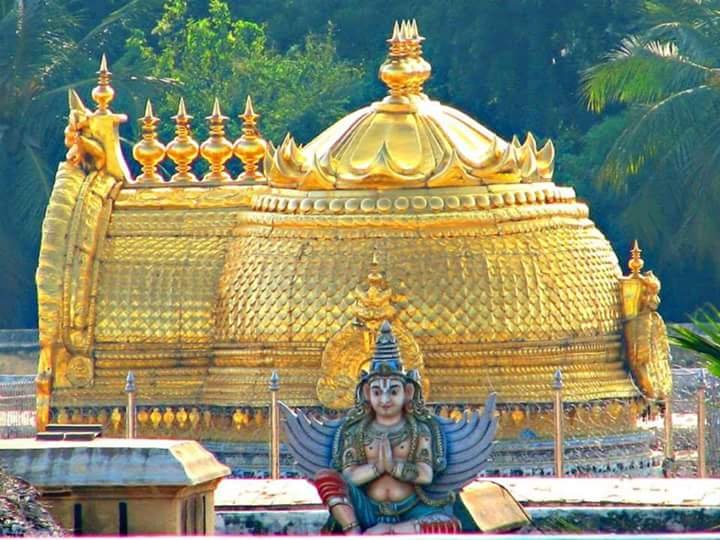
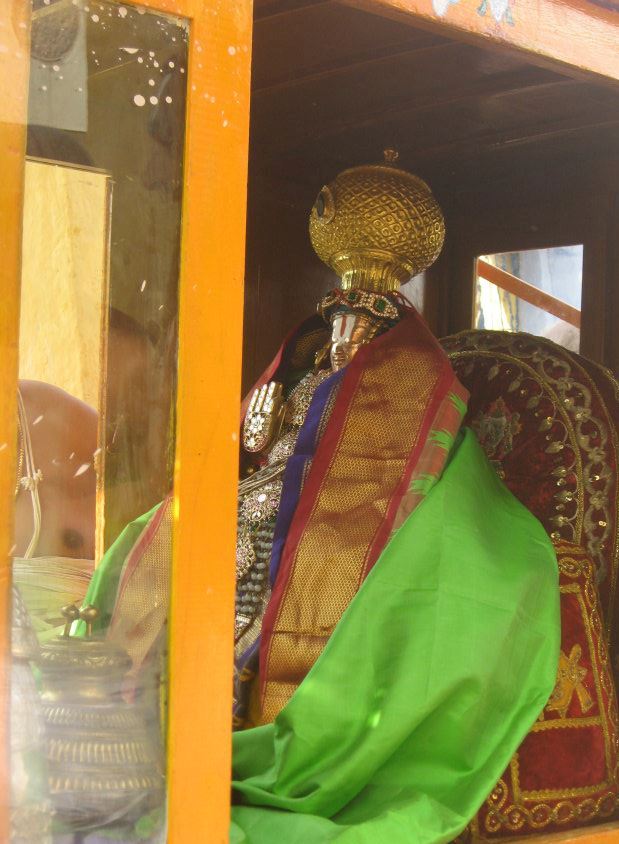
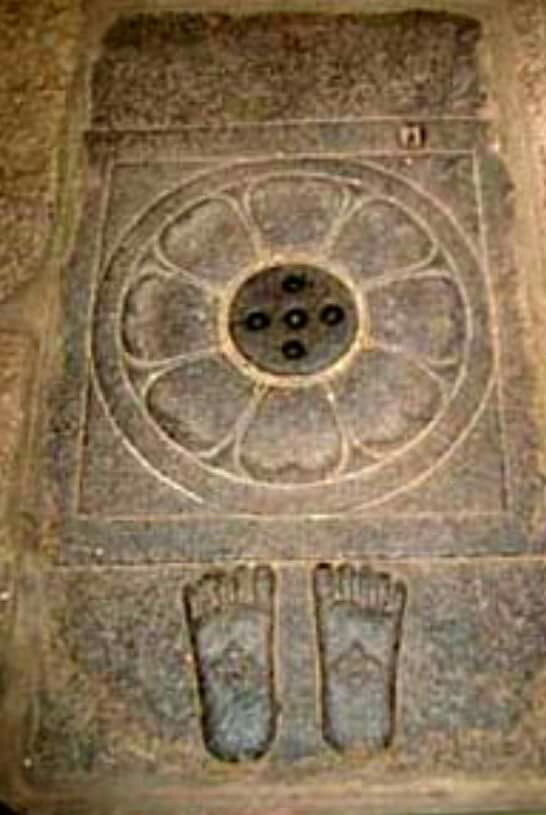
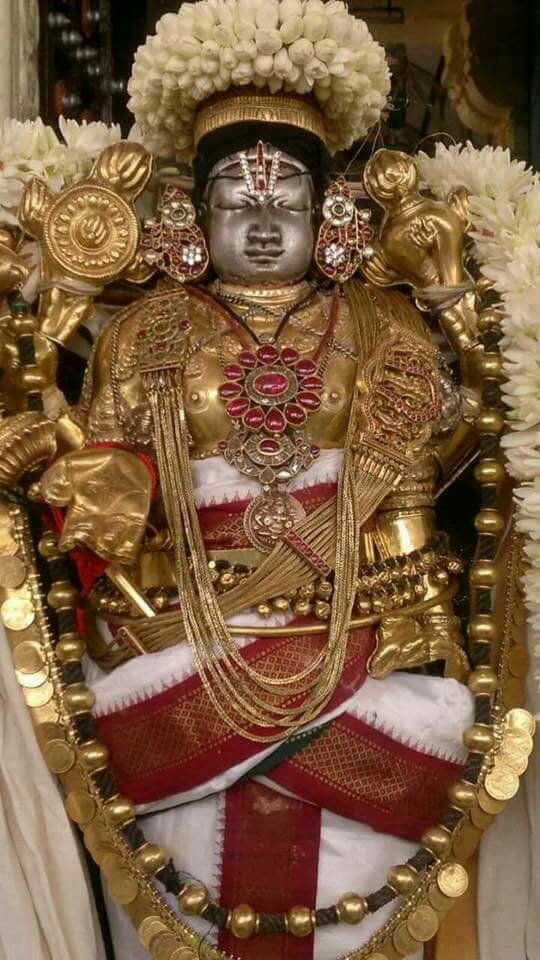
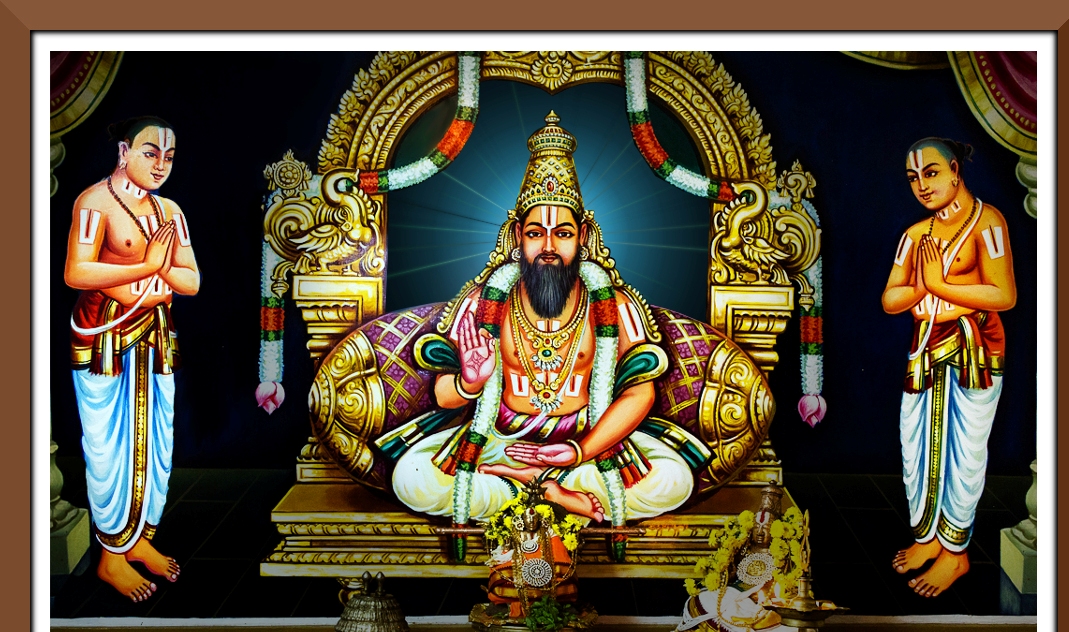
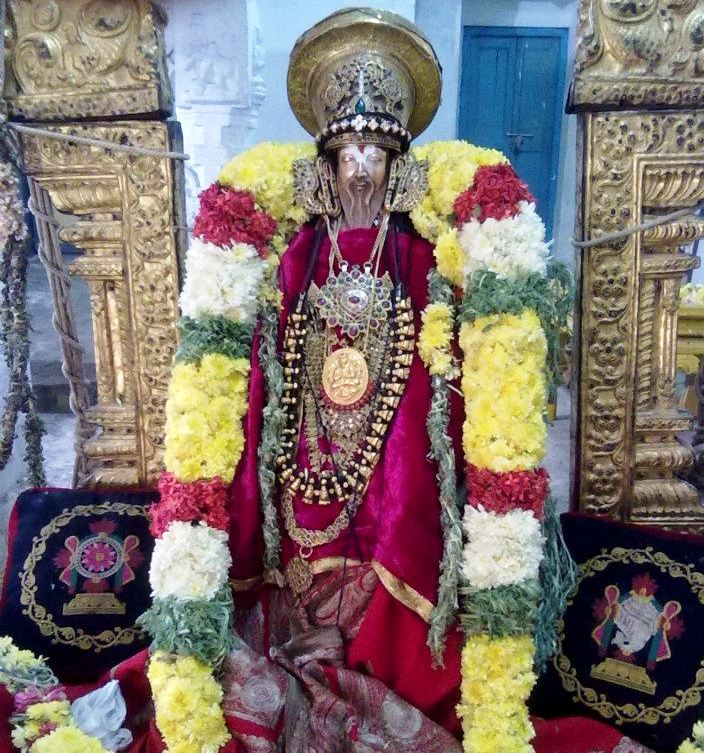
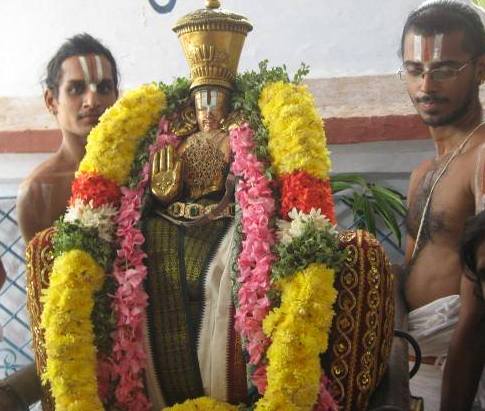


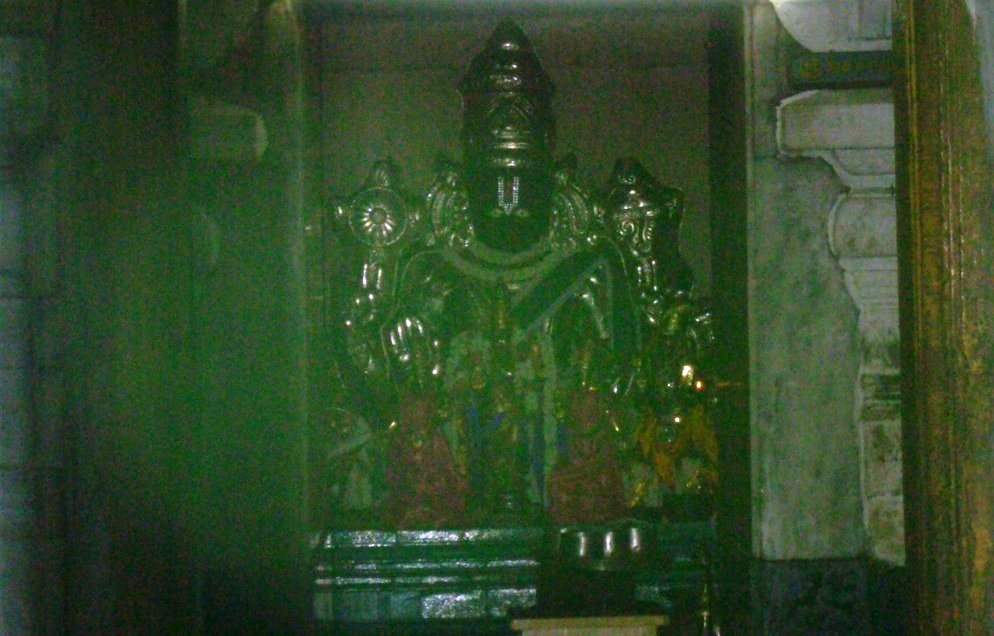
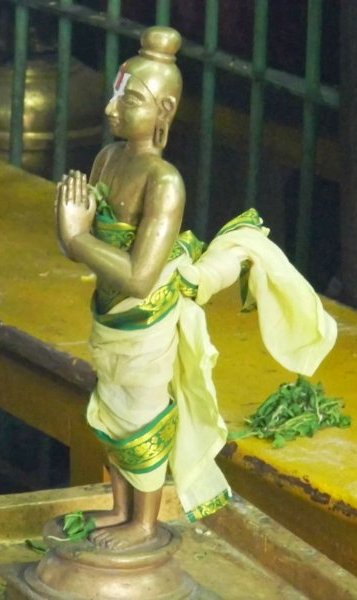

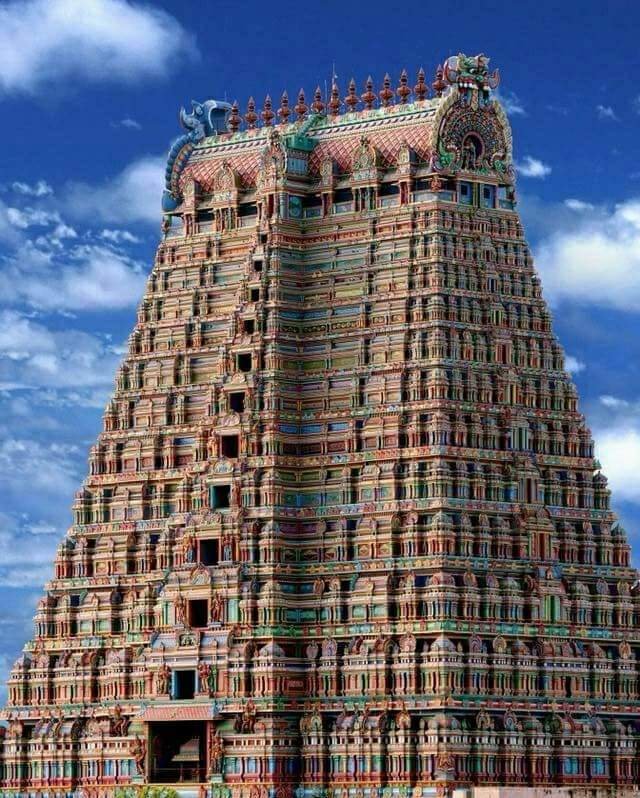
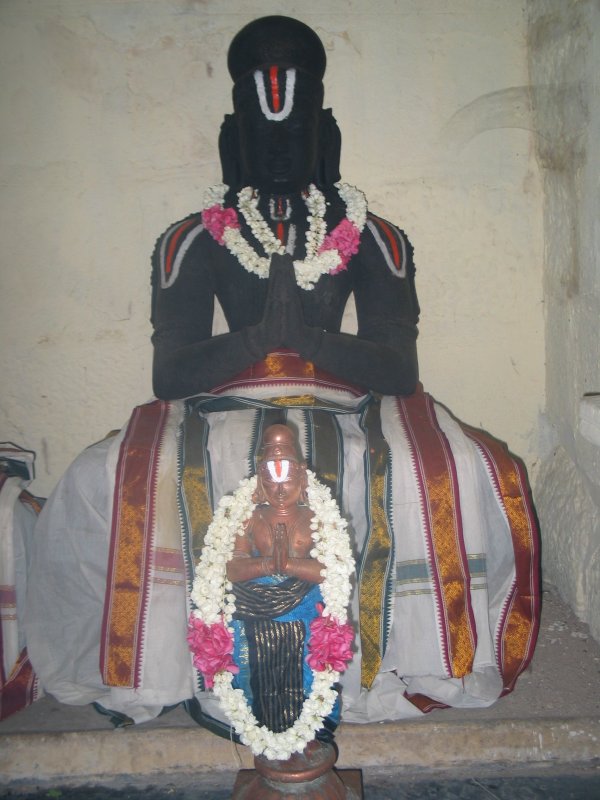

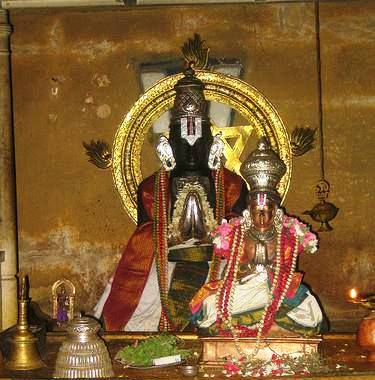
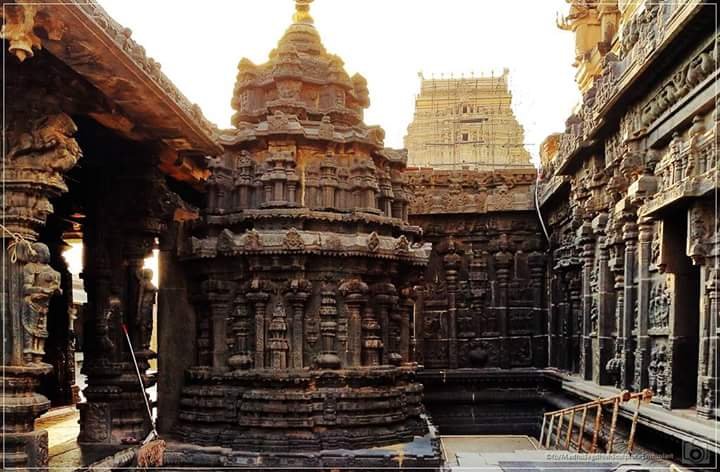

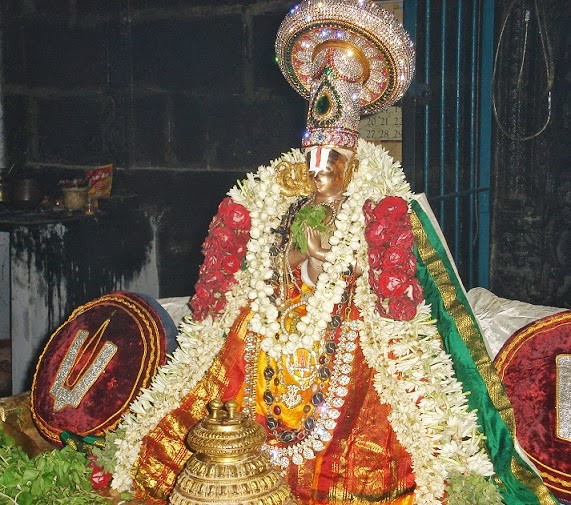
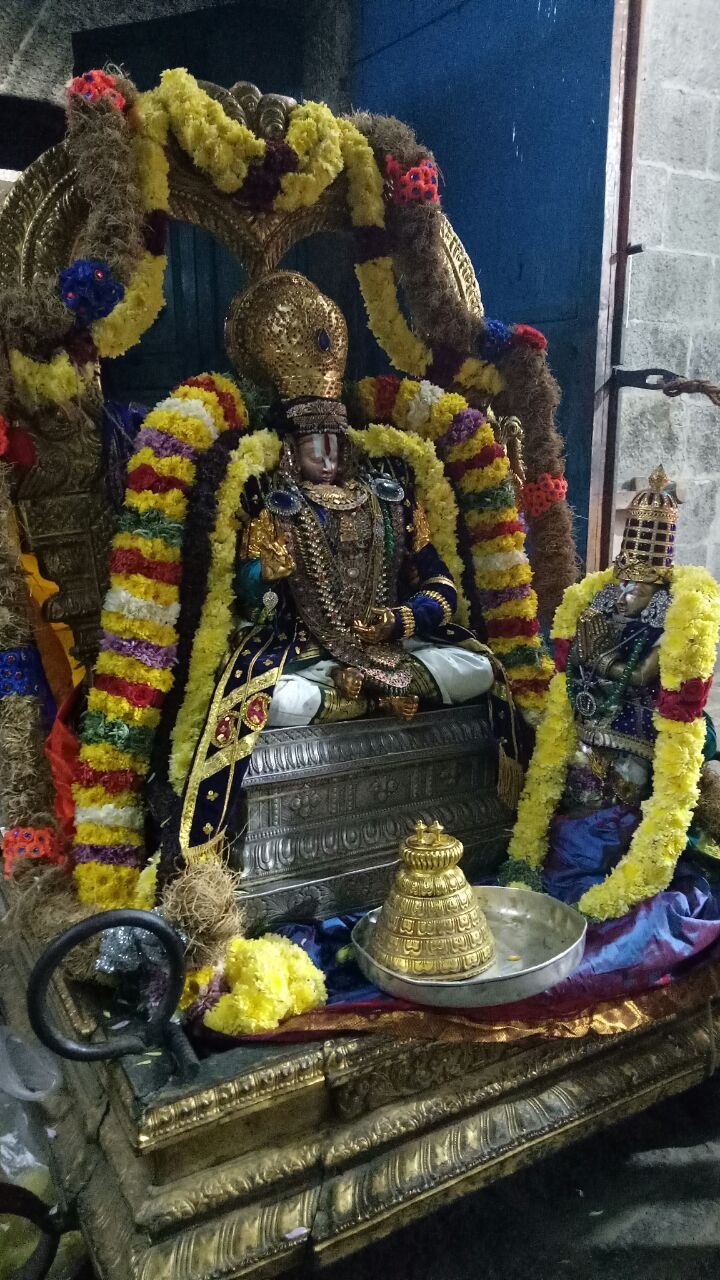
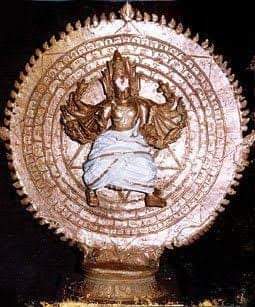
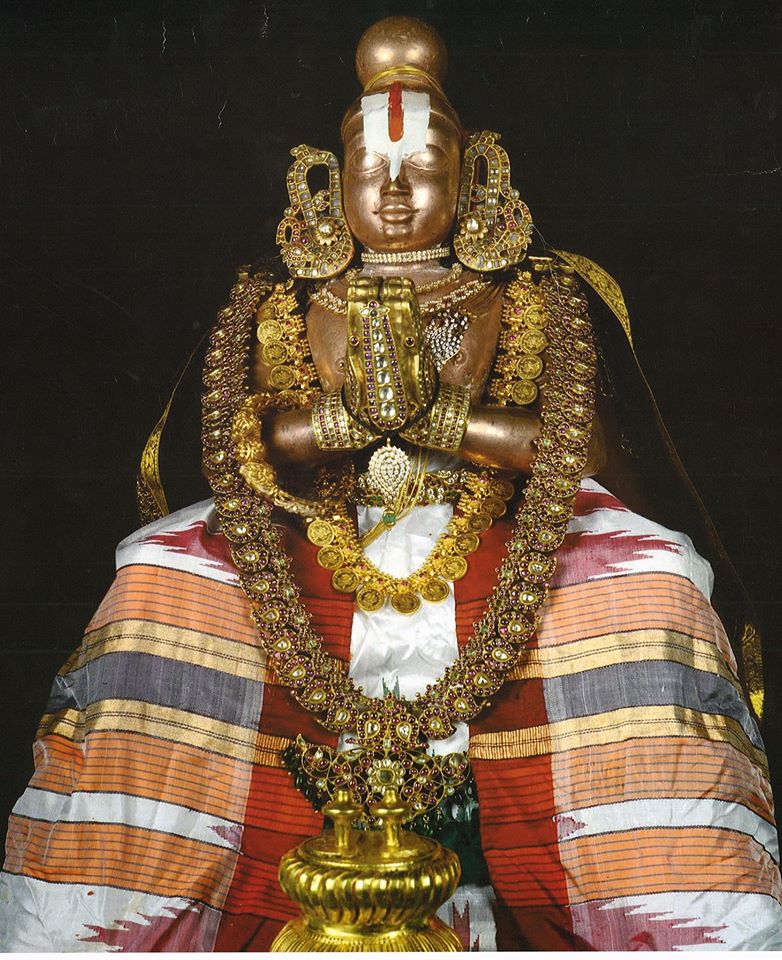
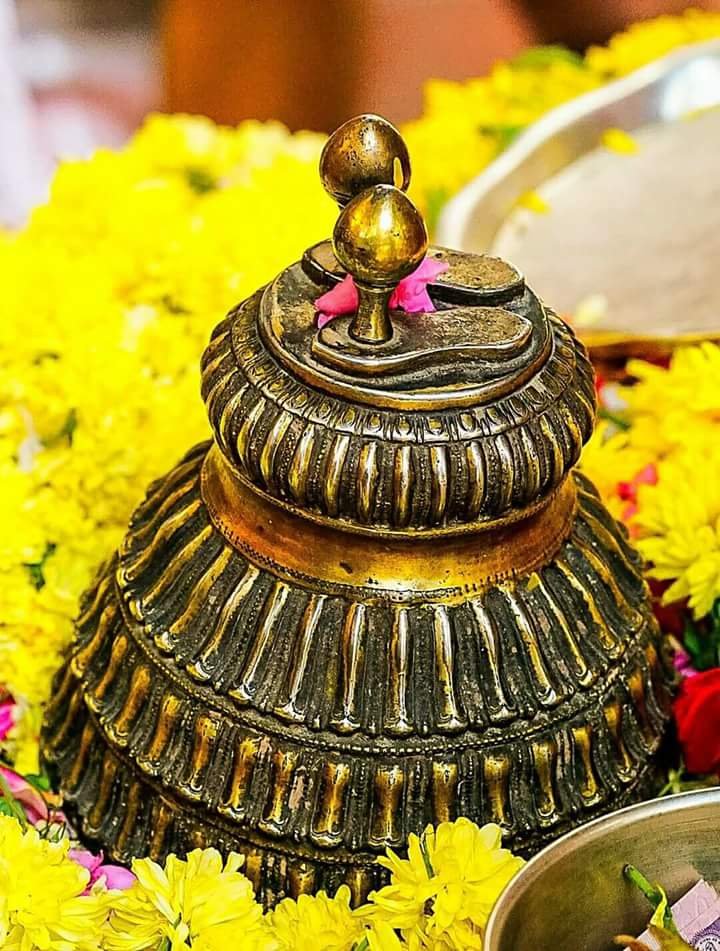
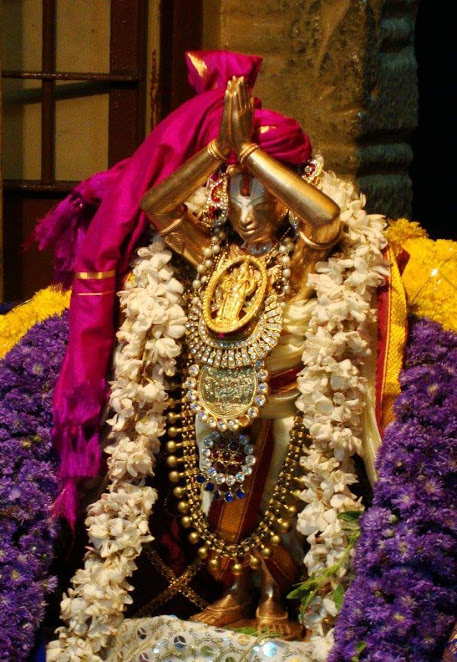
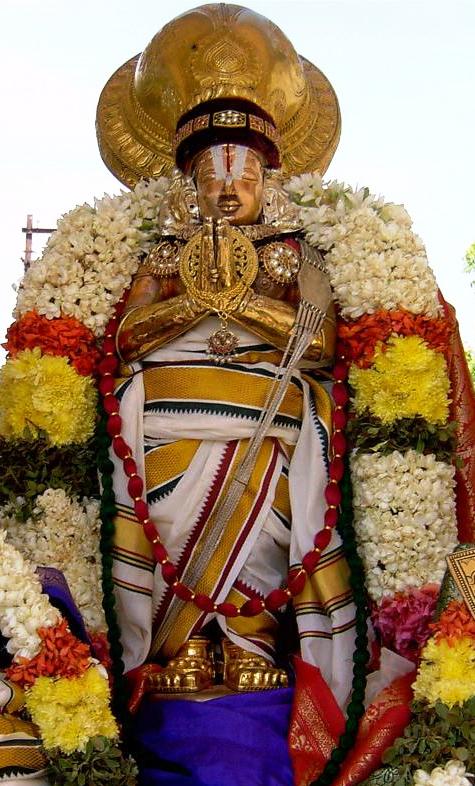
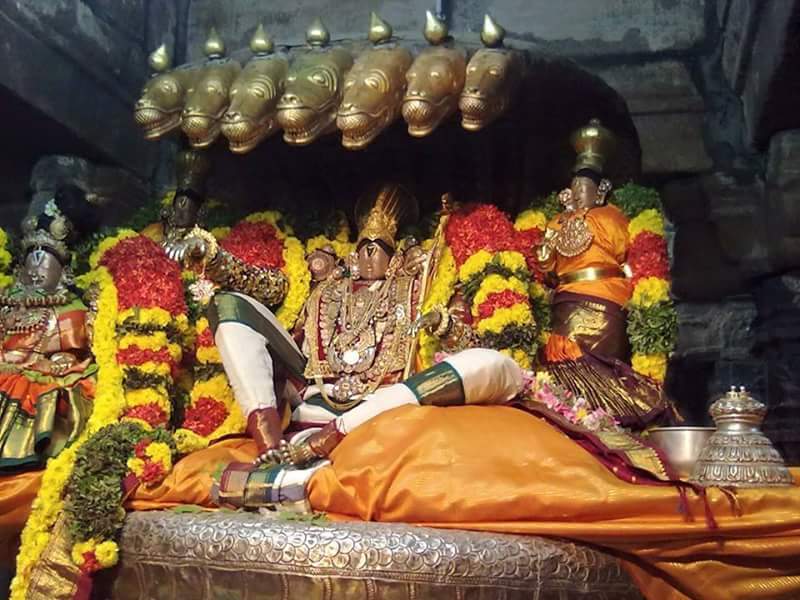
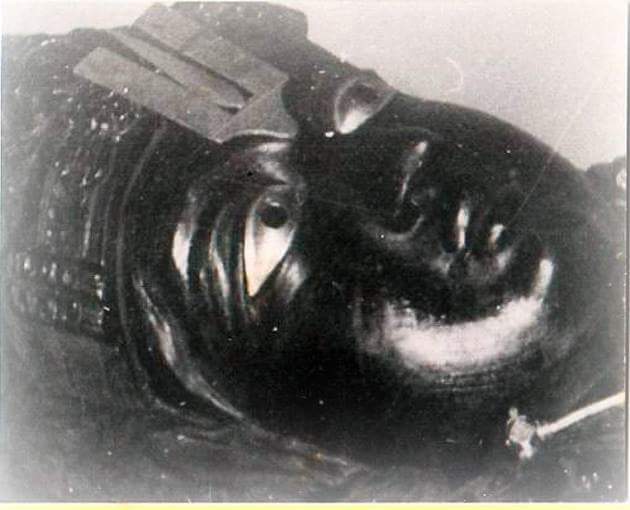
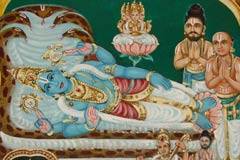
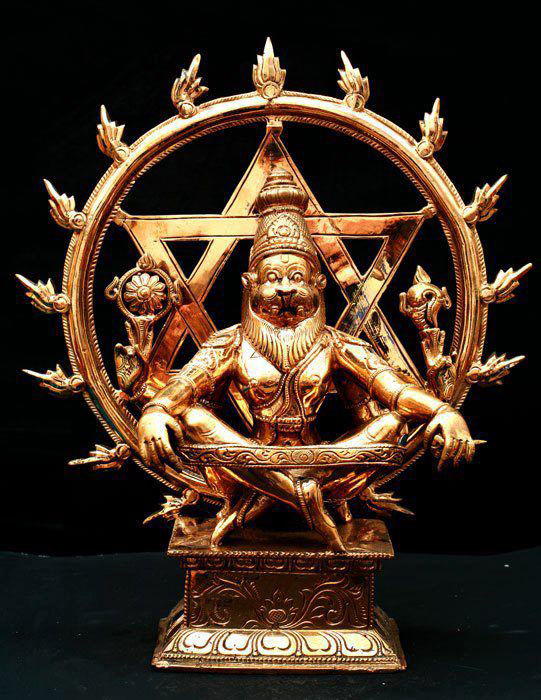
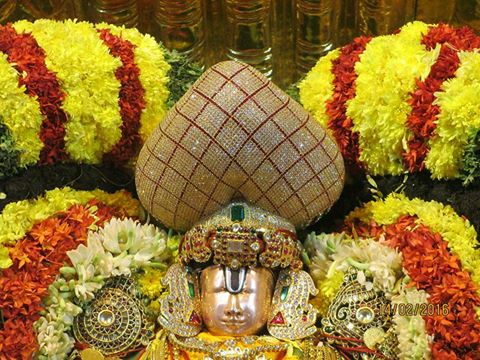
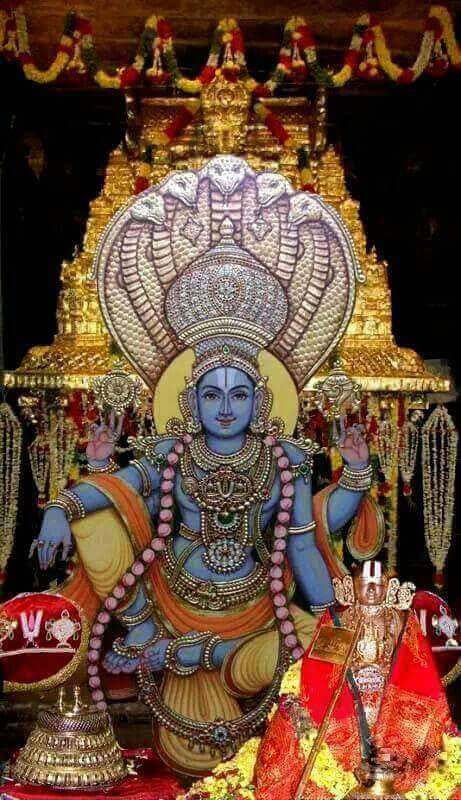
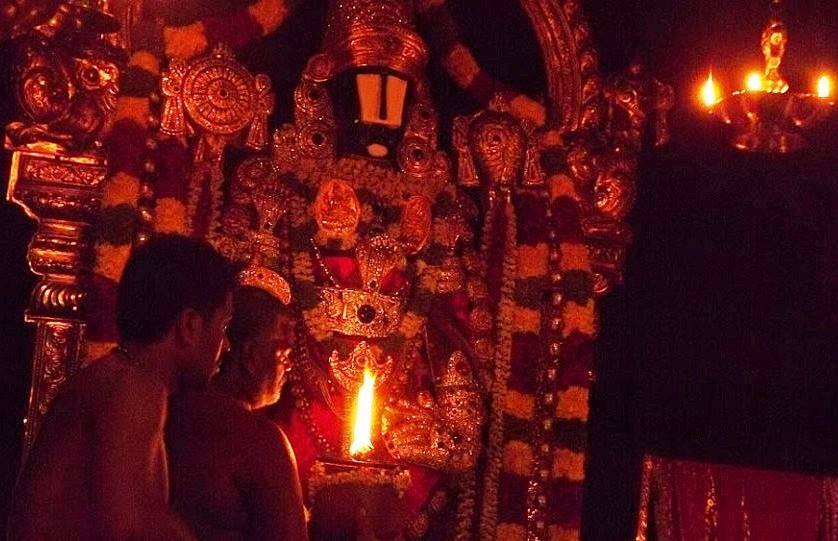 Thirumazhisai Azhwar’s contribution to the Nalayira Divya Prabhandham includes over 200 verses (Naanmugan Thiruvanthaathi and Thiruchandha Viruththam) of praise.
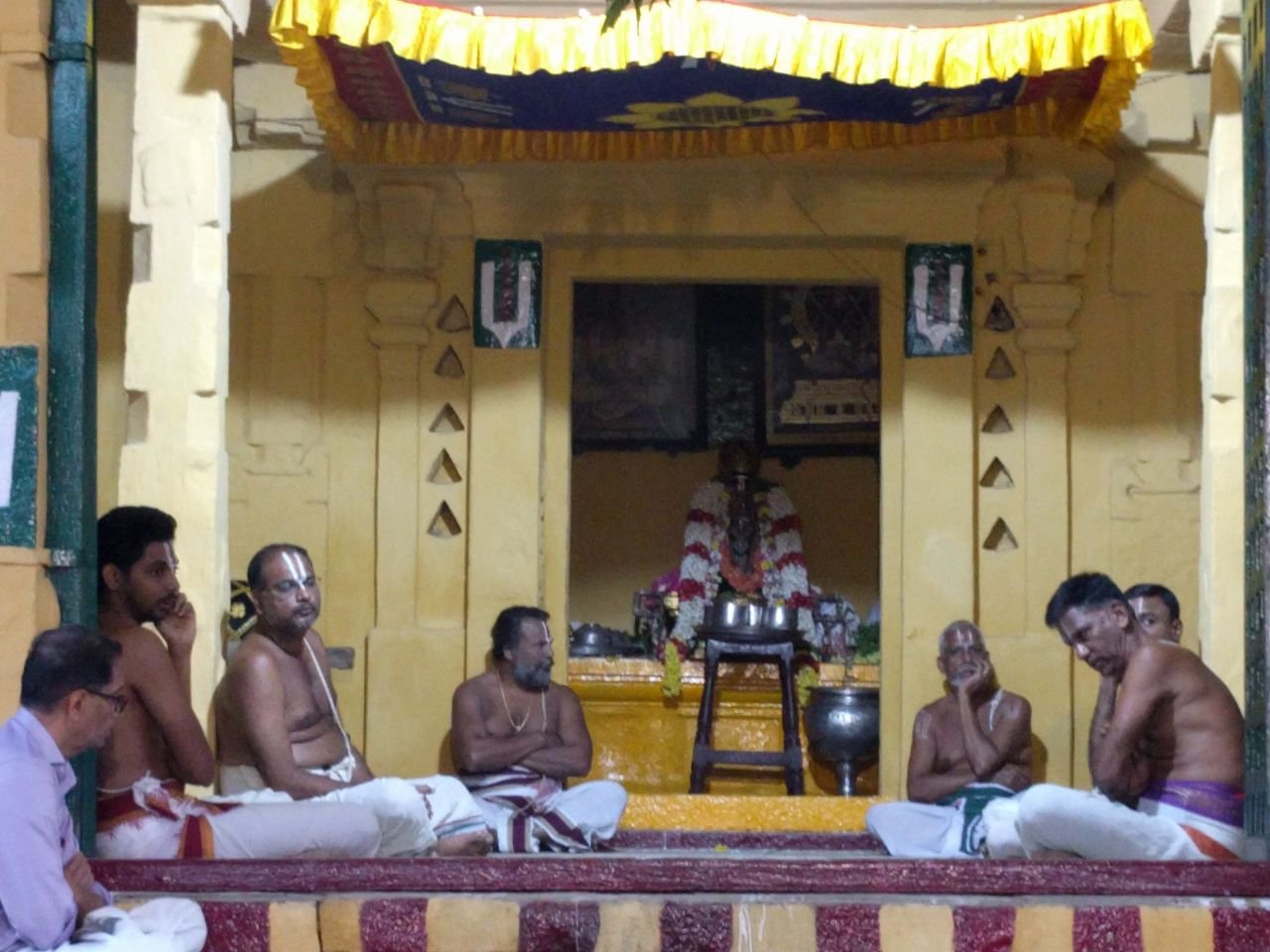
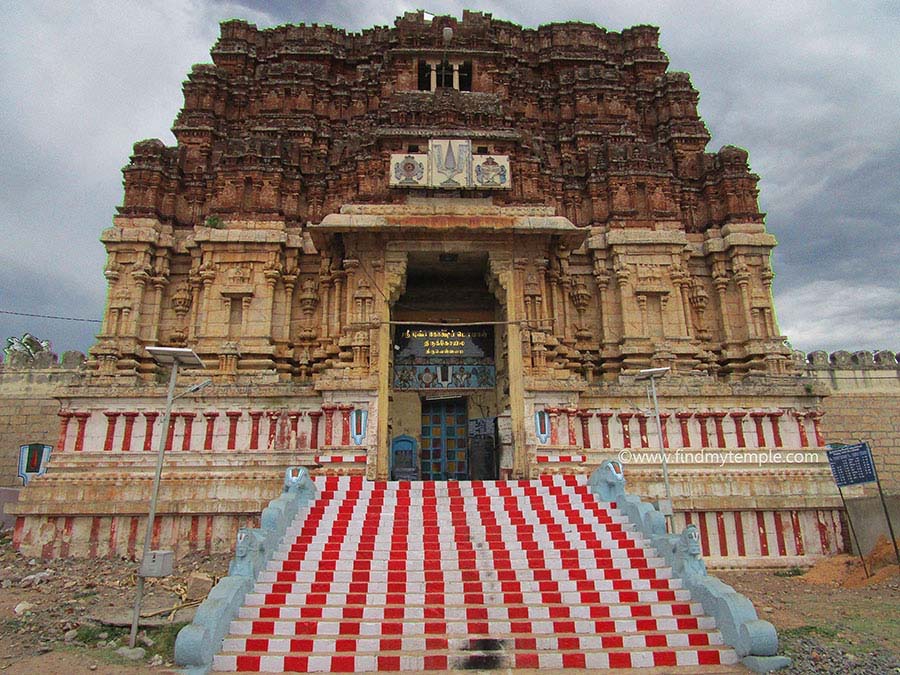
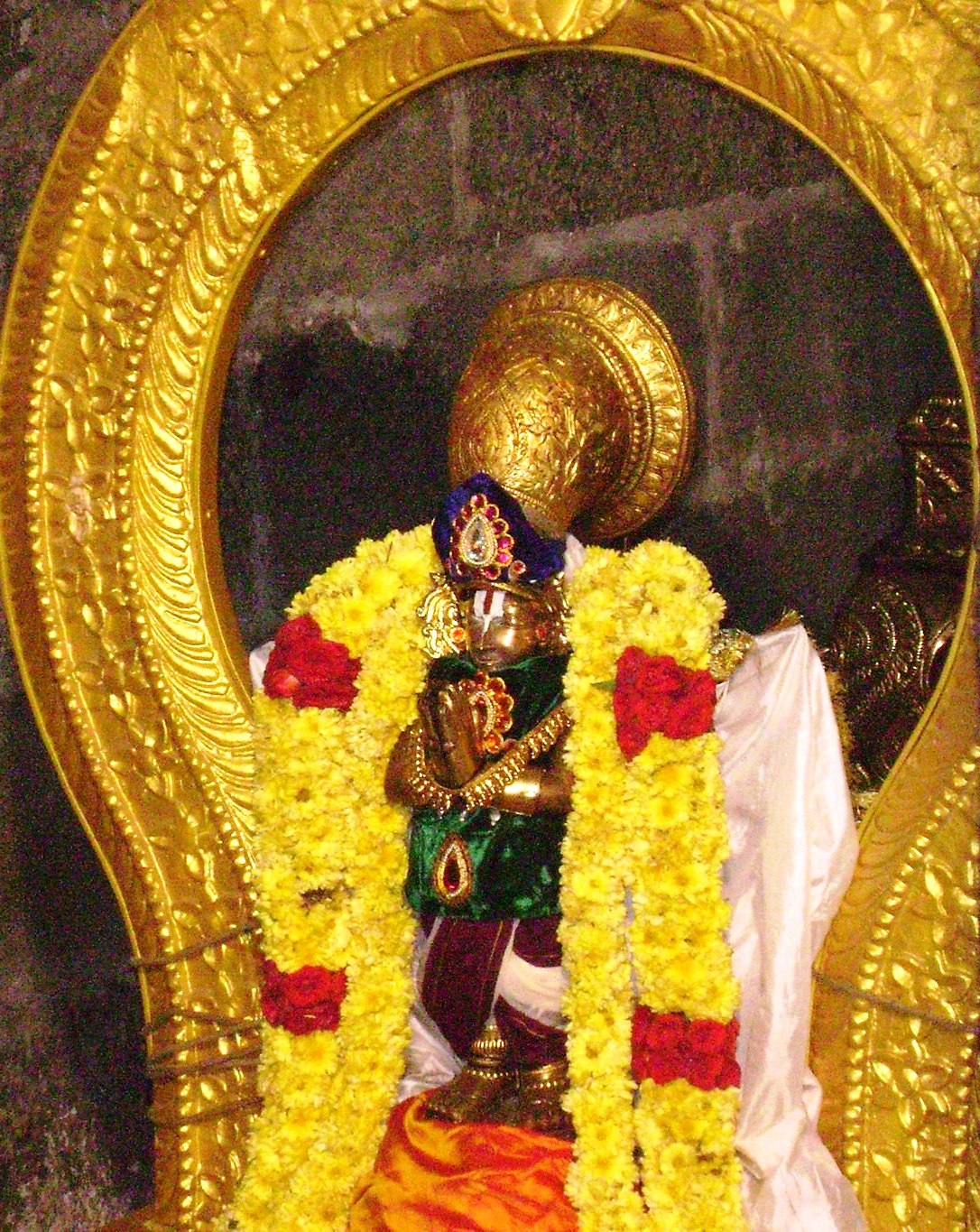
 I the humble devotee of the Universal Lord submit these in my prabhanda Naanmugam Thiruvandhaadhi . In his Prabhanda , Azhwar builds up by stages the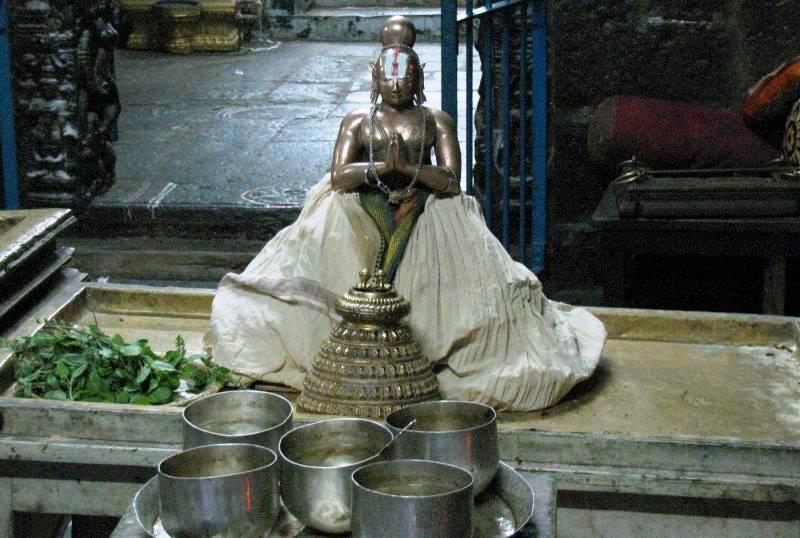
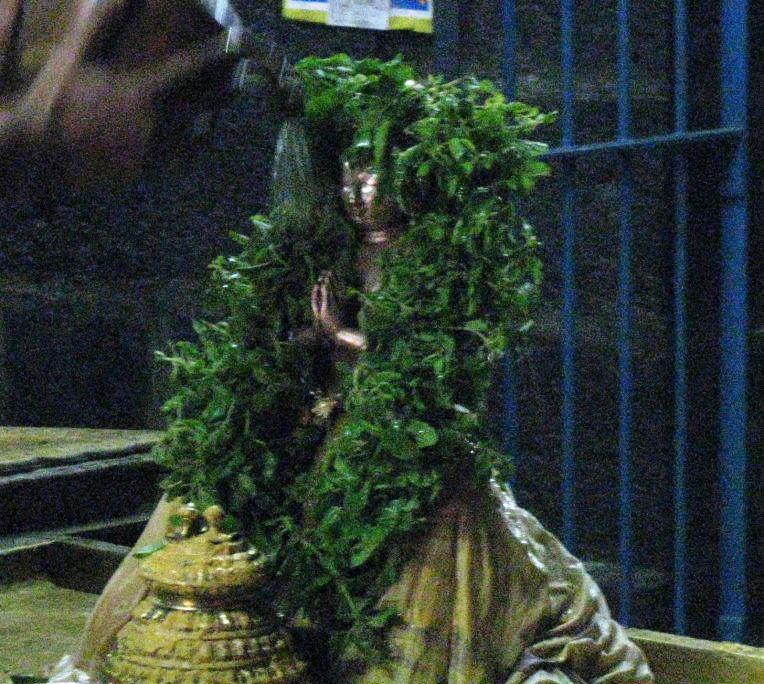
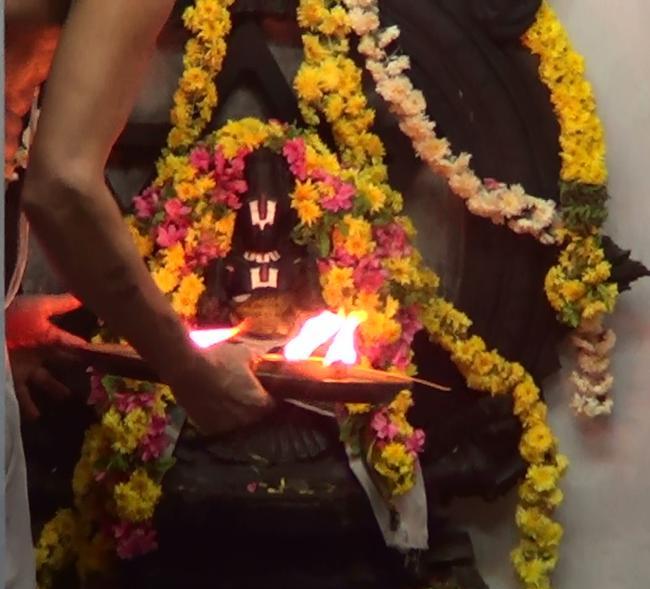
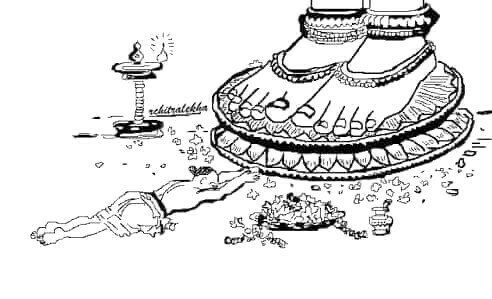

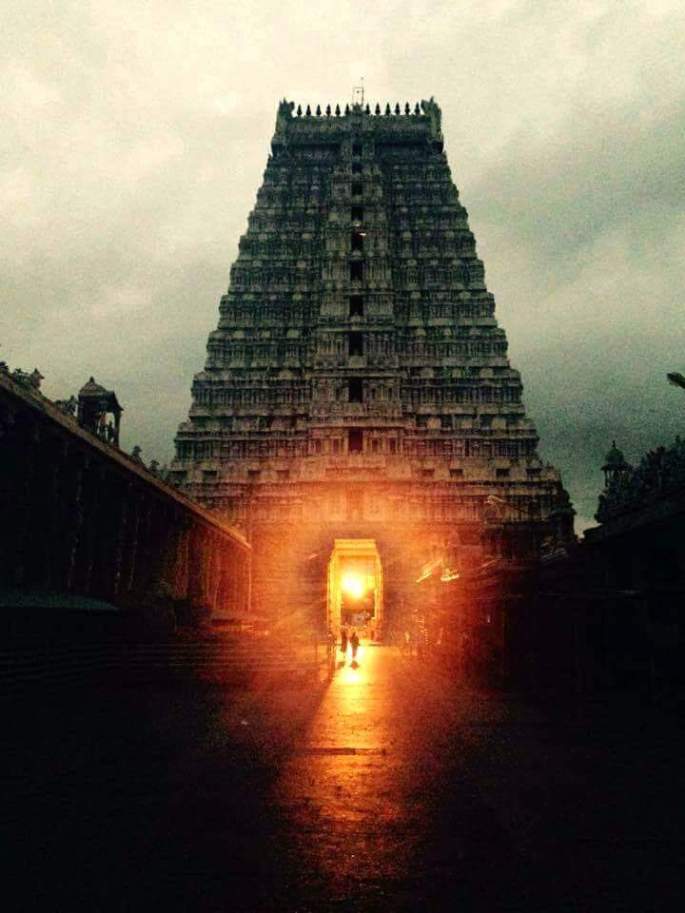
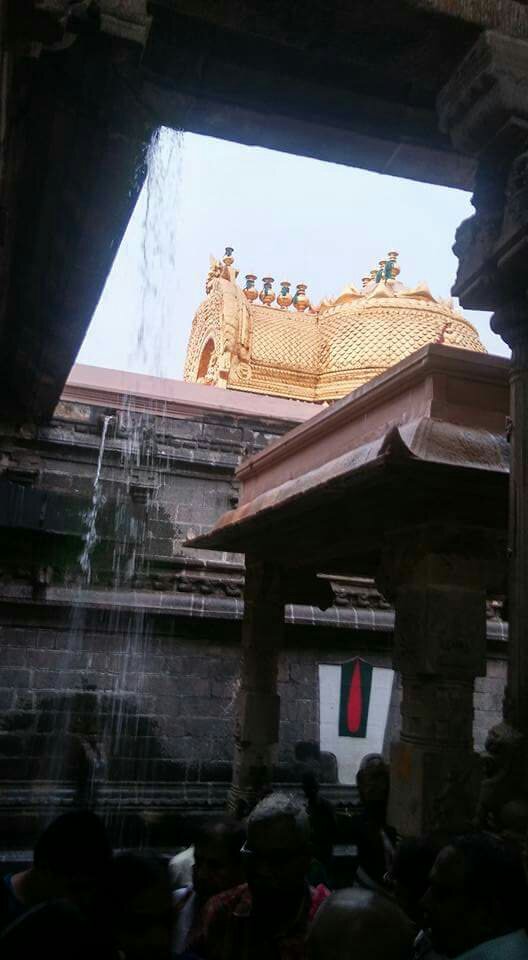
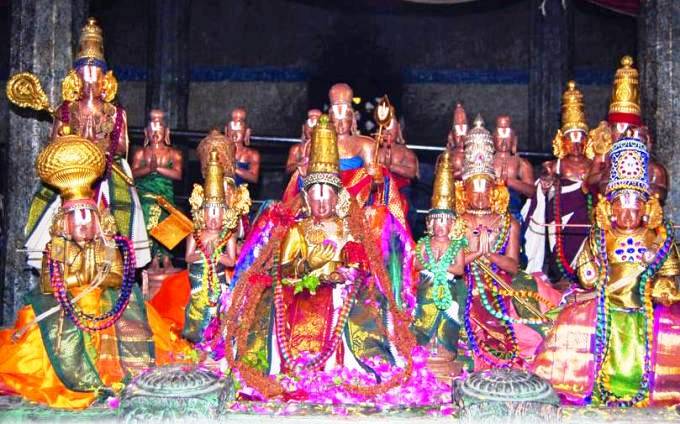
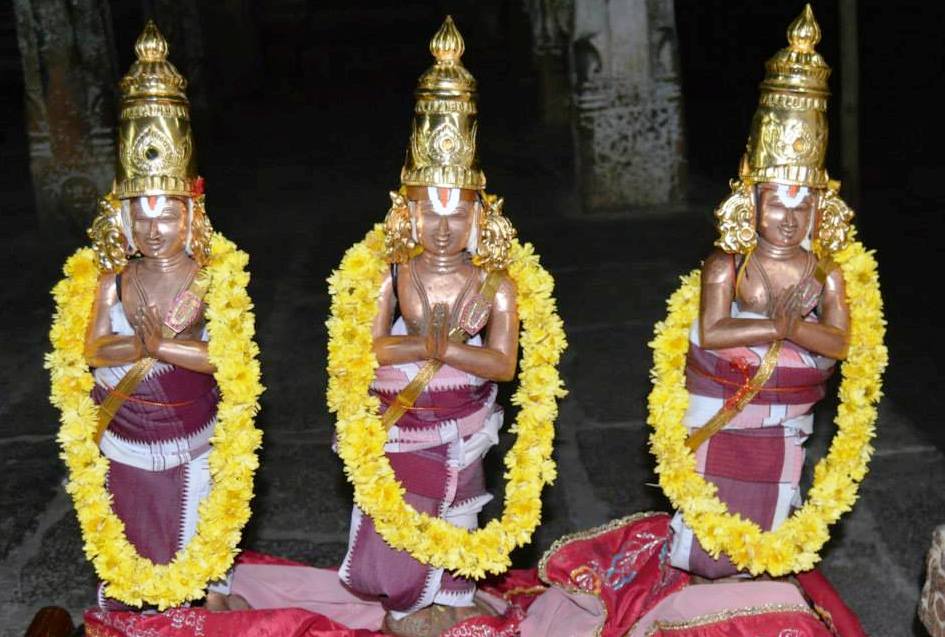


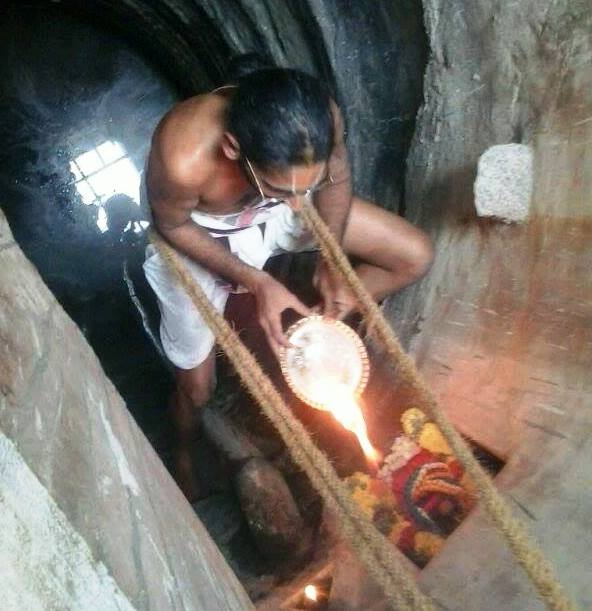
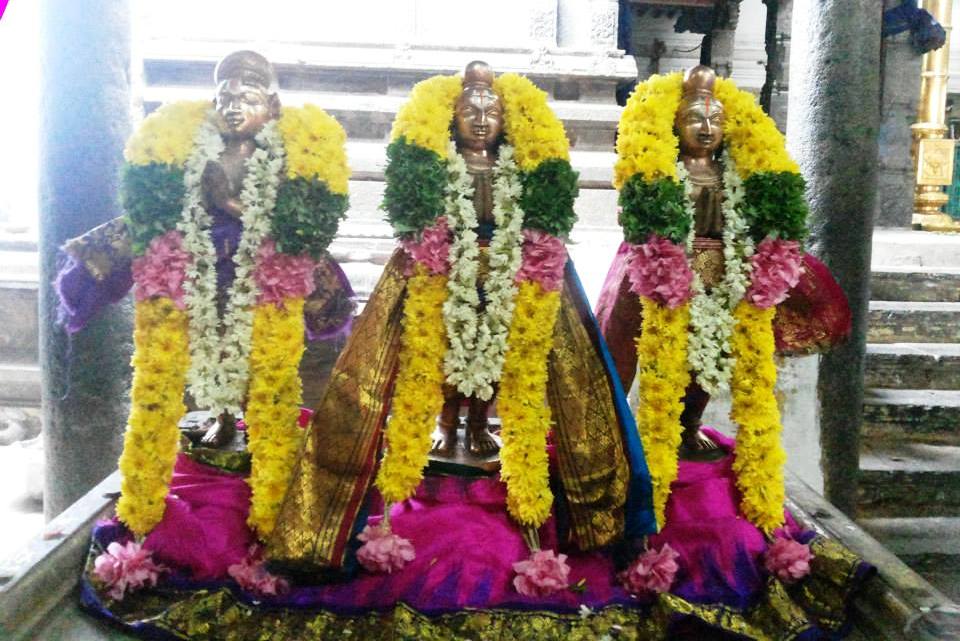
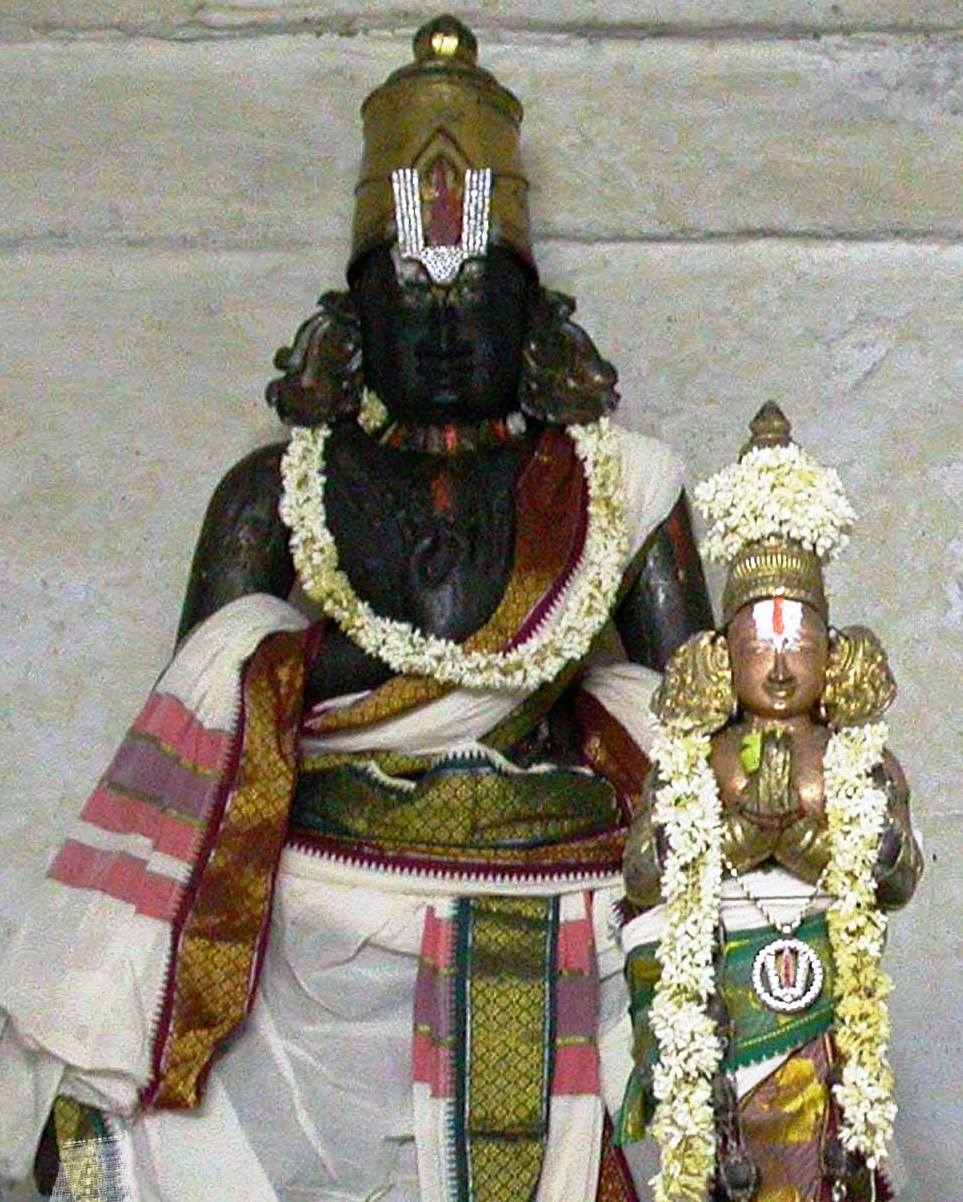


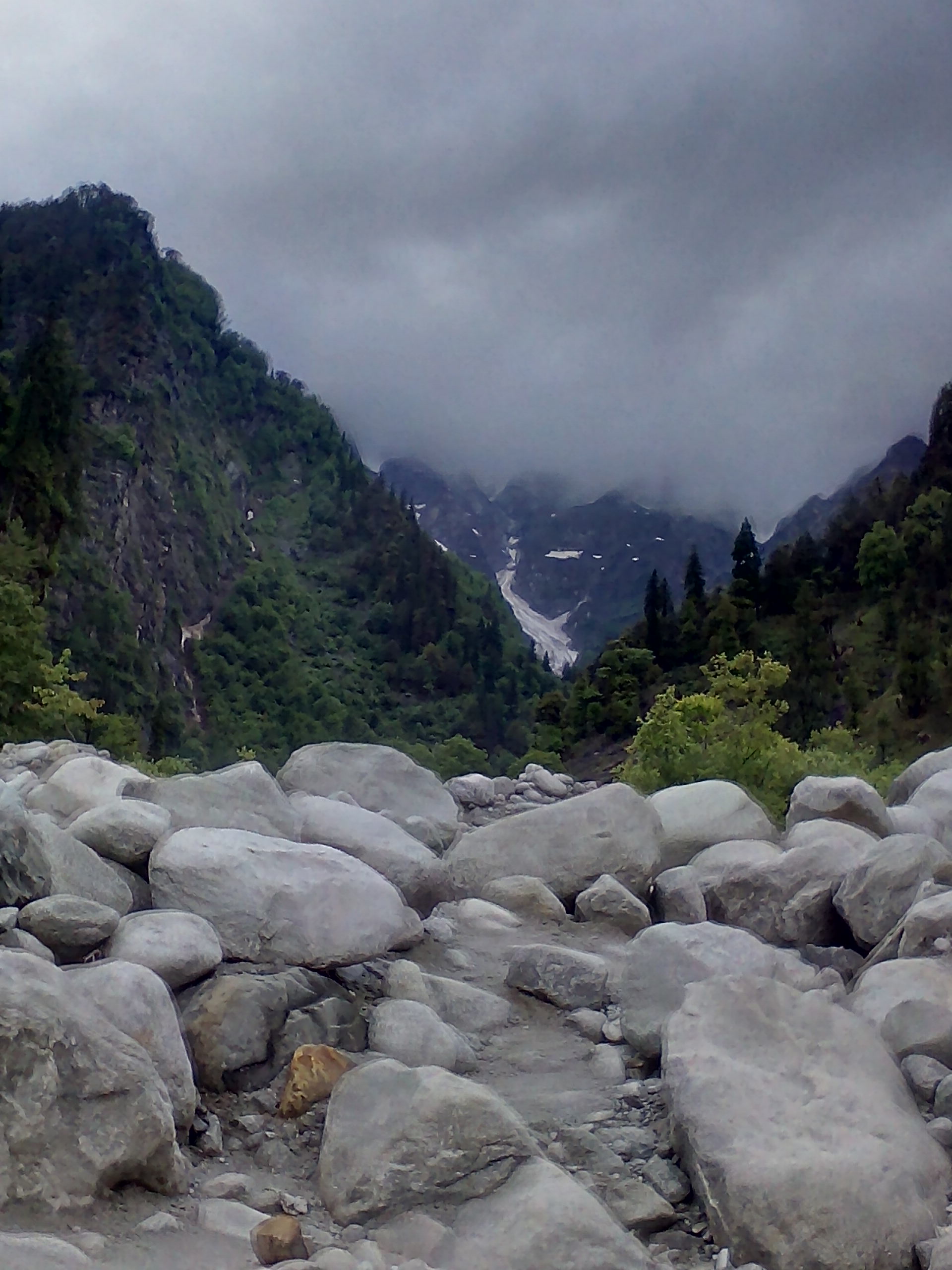


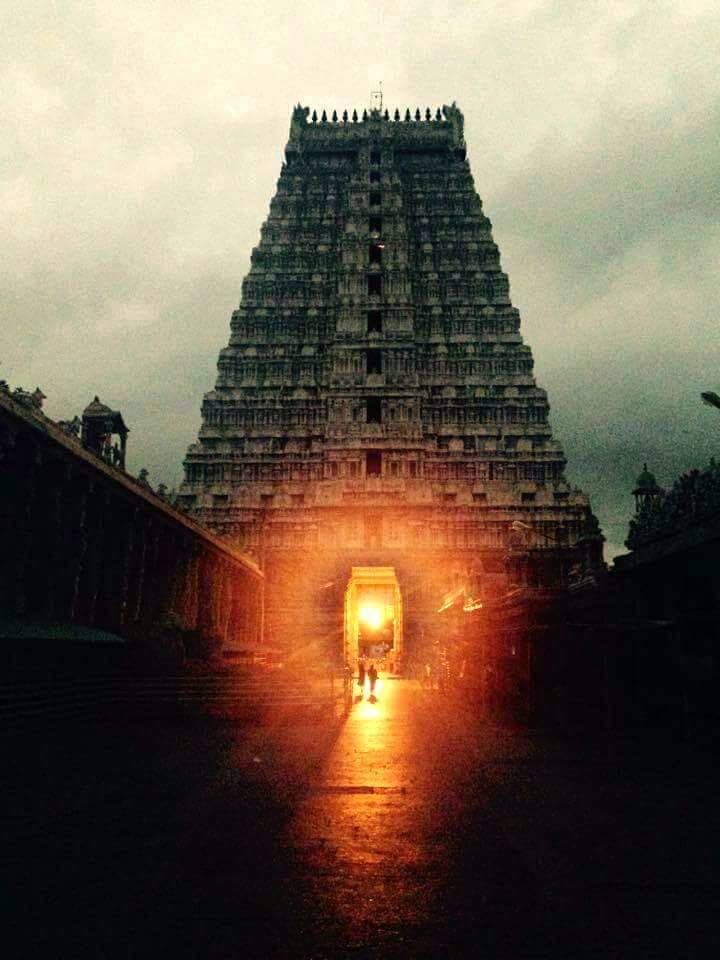
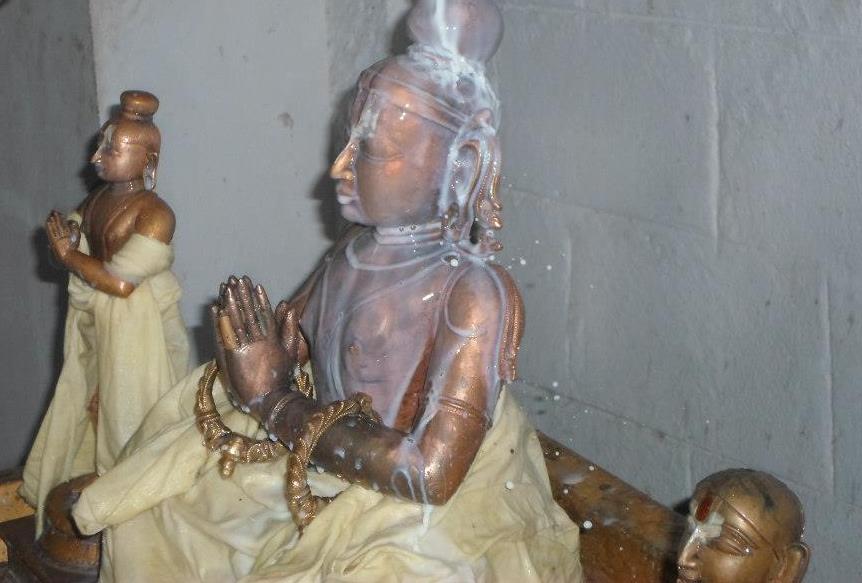
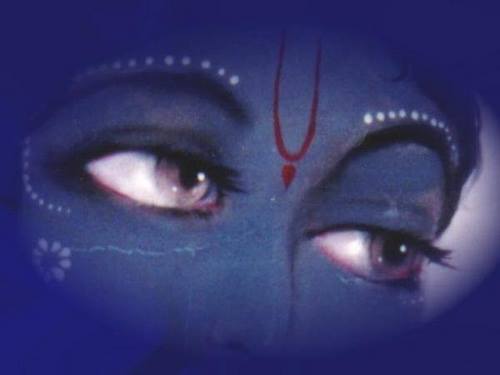
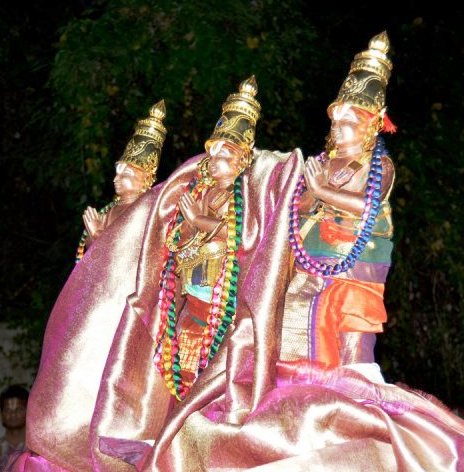
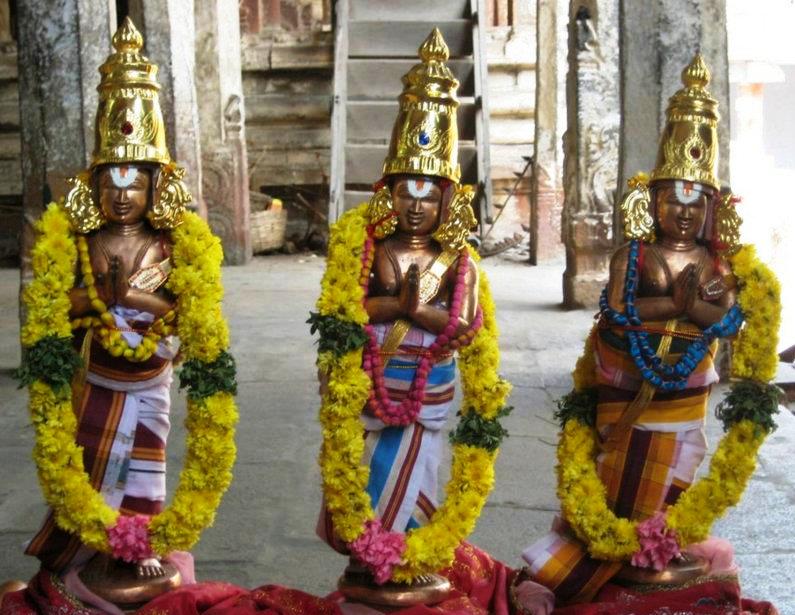
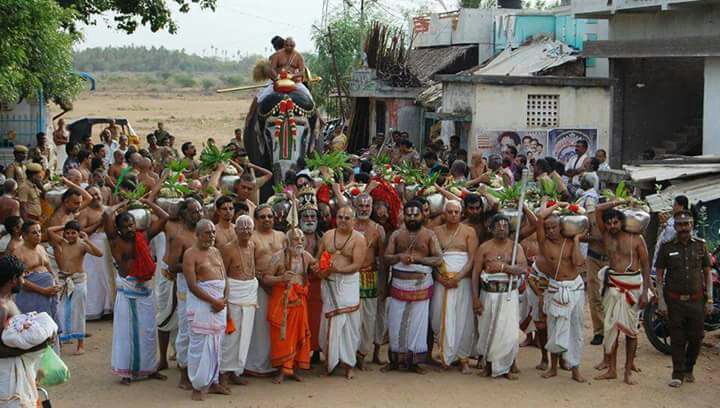

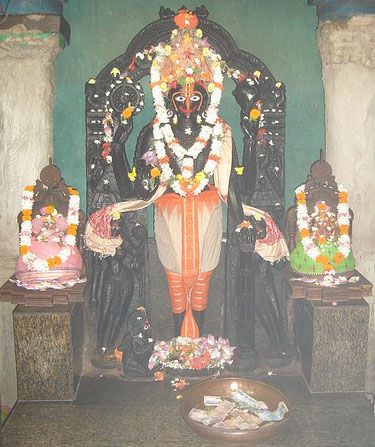

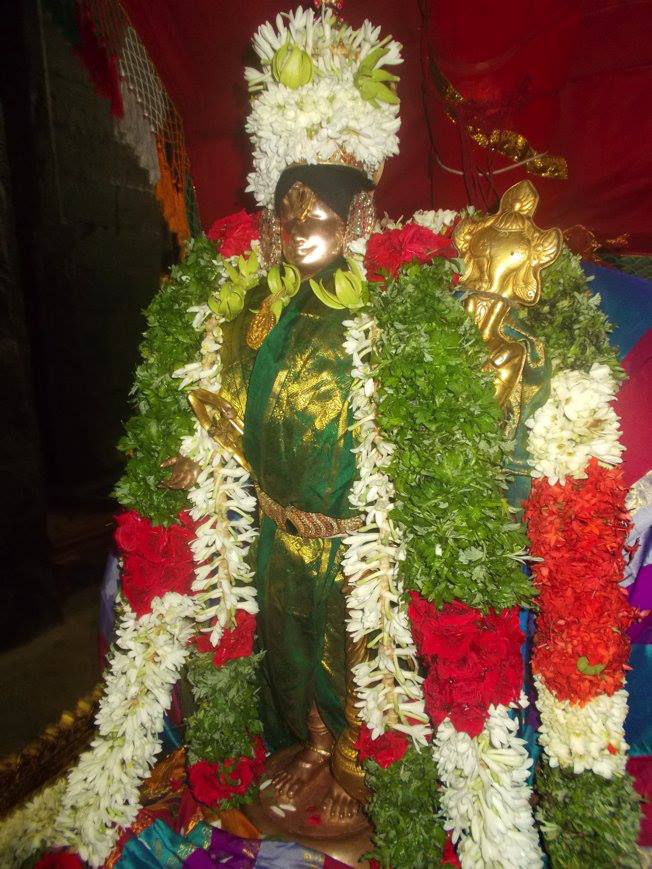
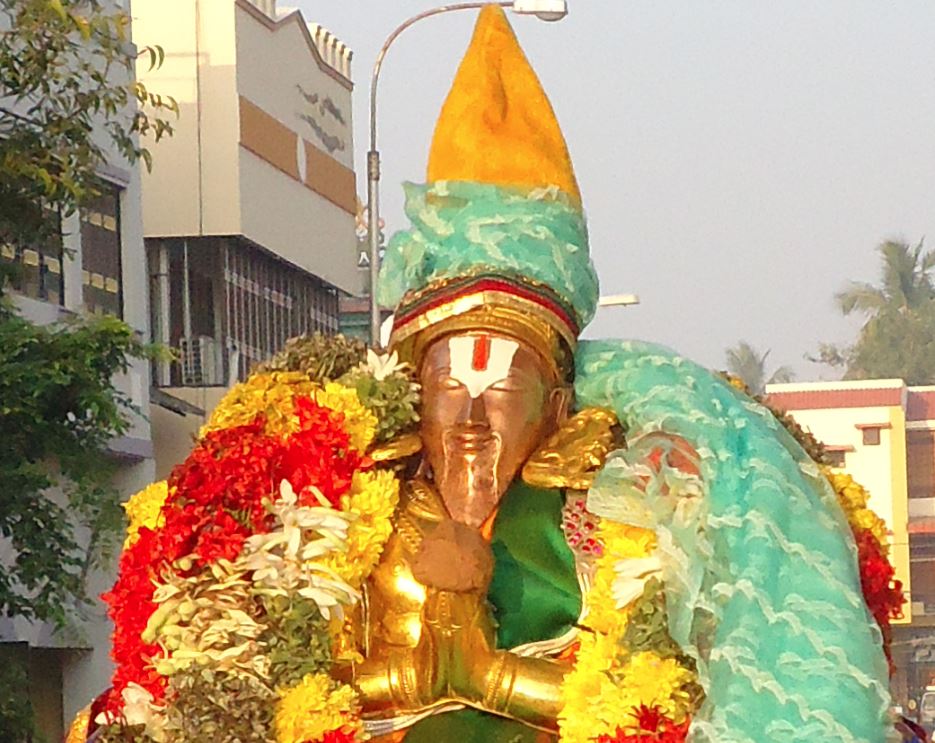


 It is told by elders that once Azhwar sent his disciples to find out where from they could get money for carrying out this huge work listed above in the temple .


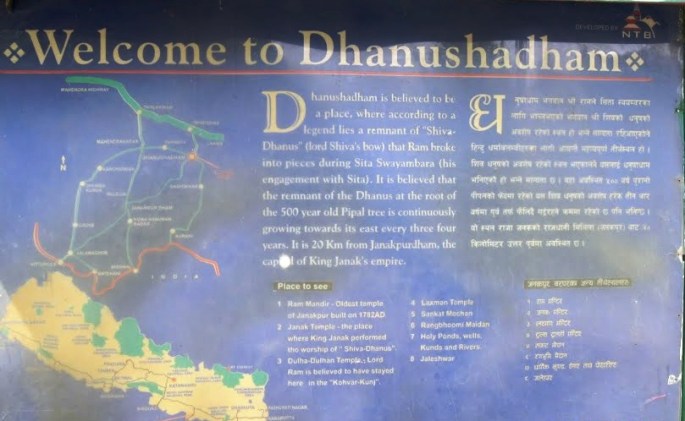
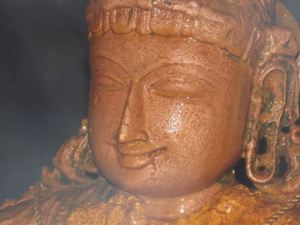
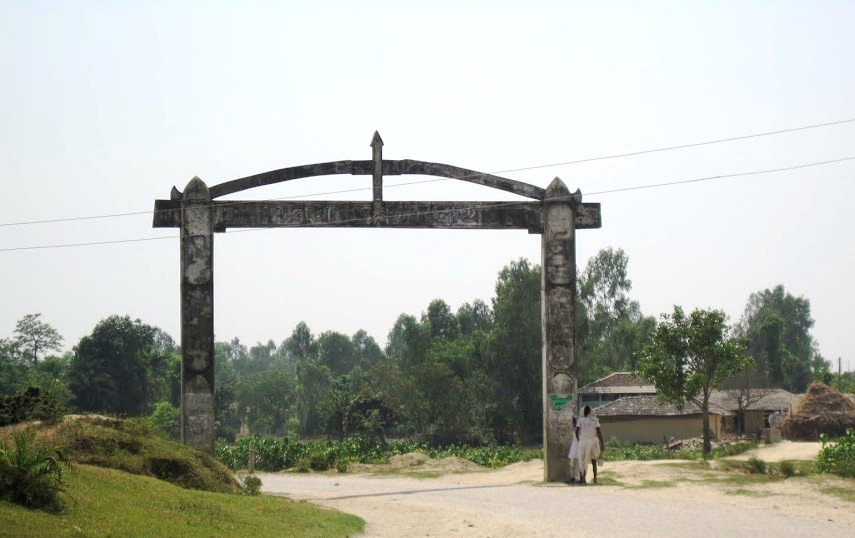
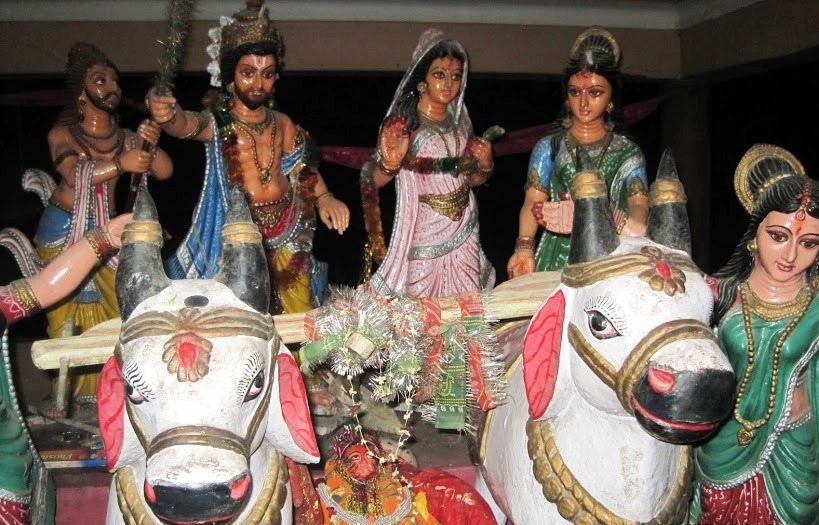
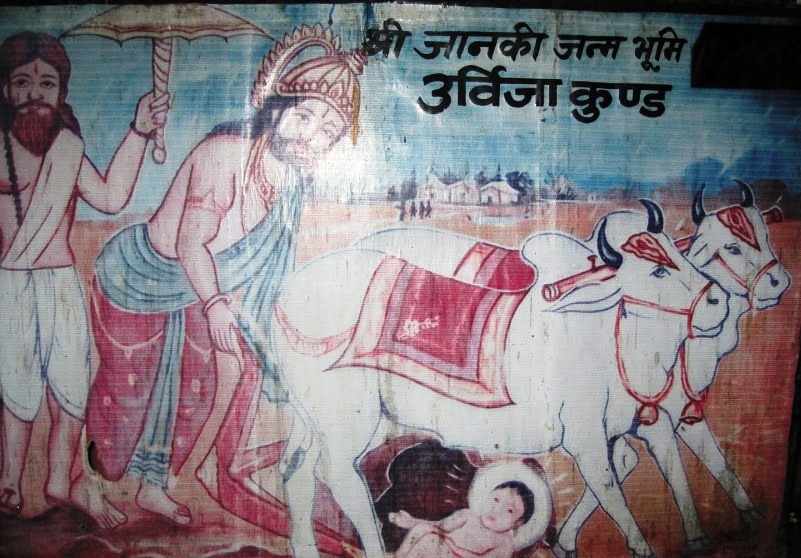
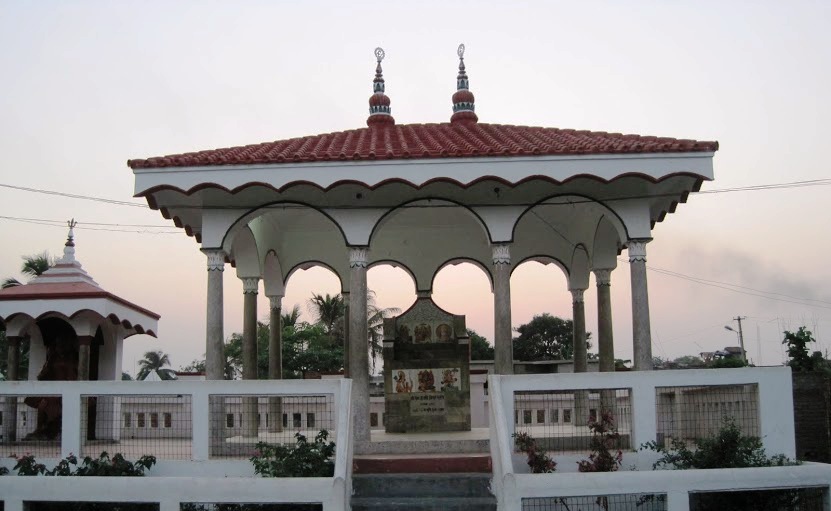
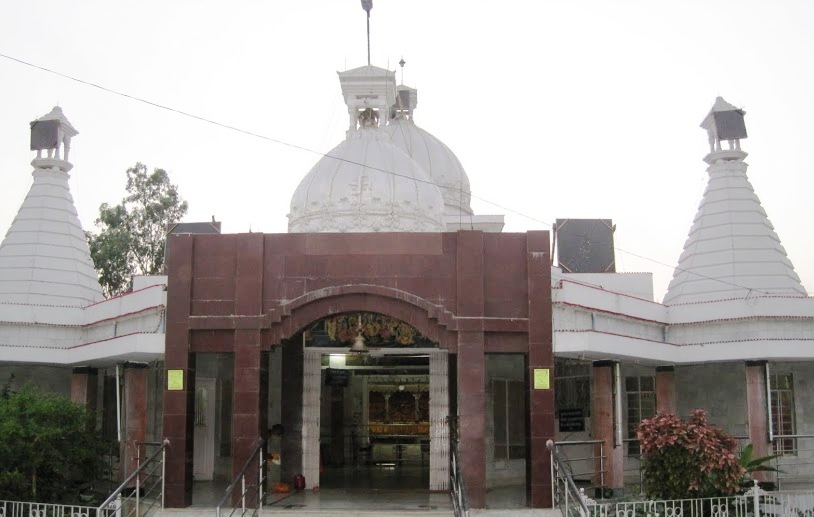
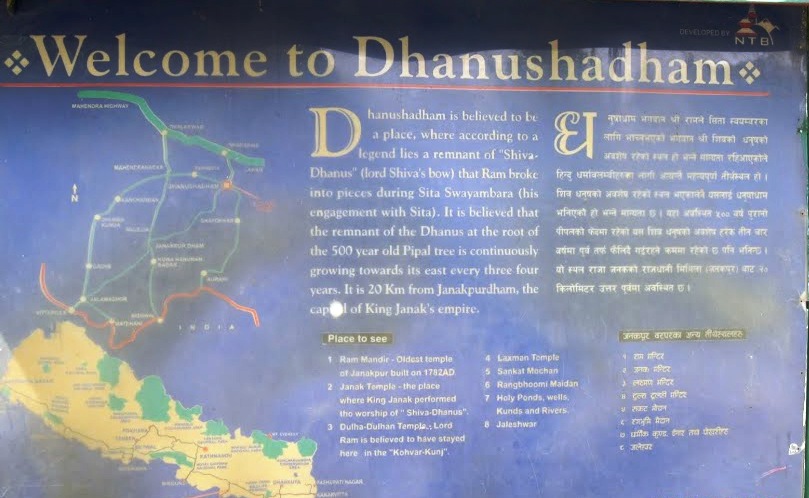
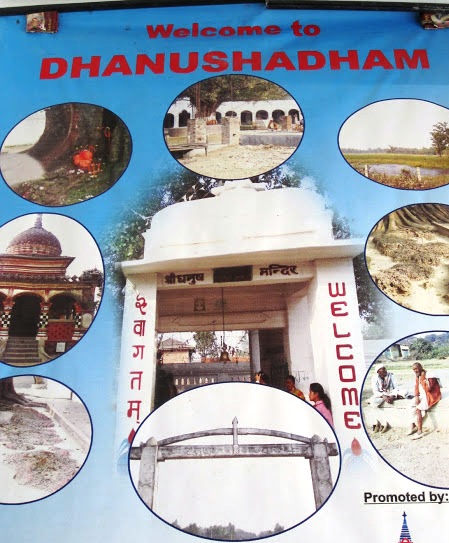
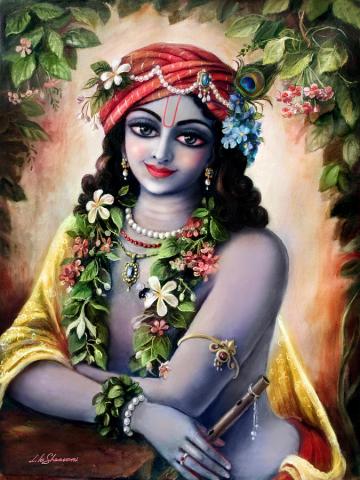
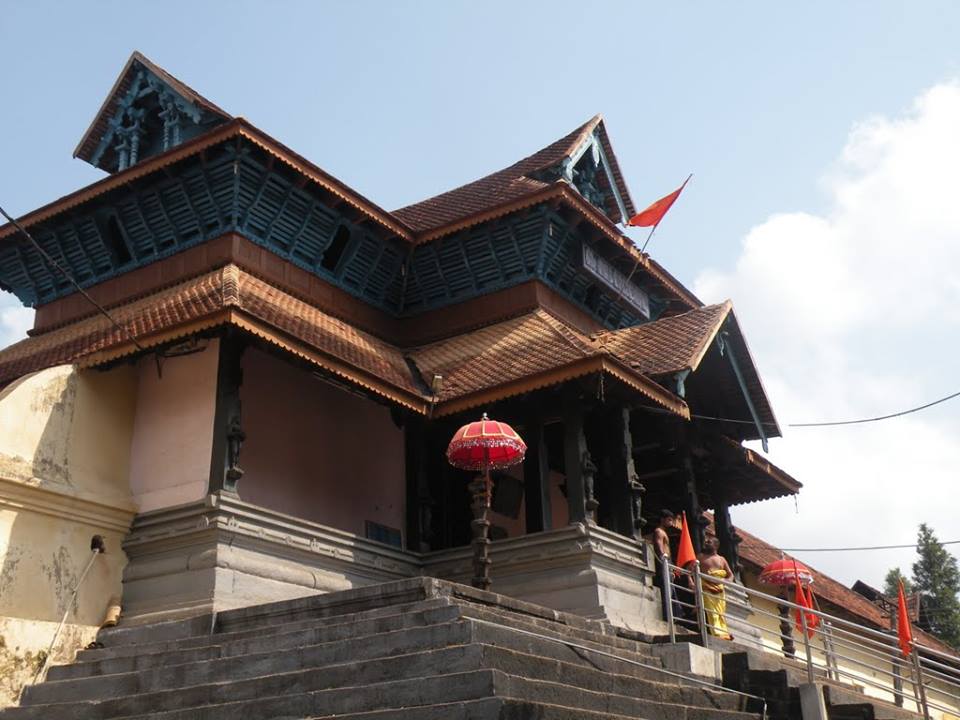
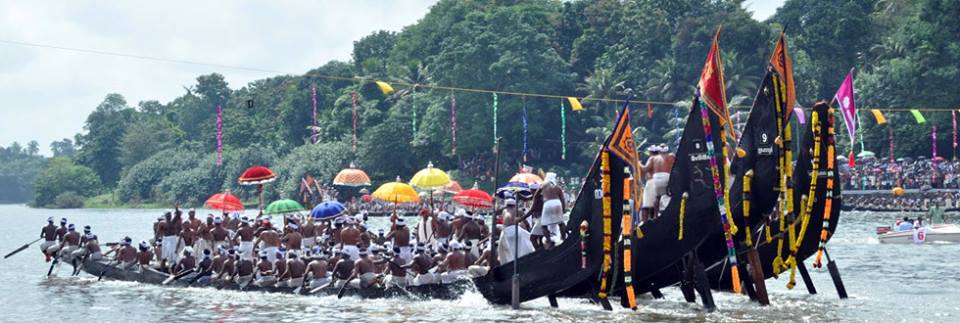
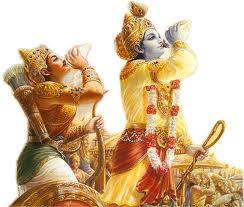

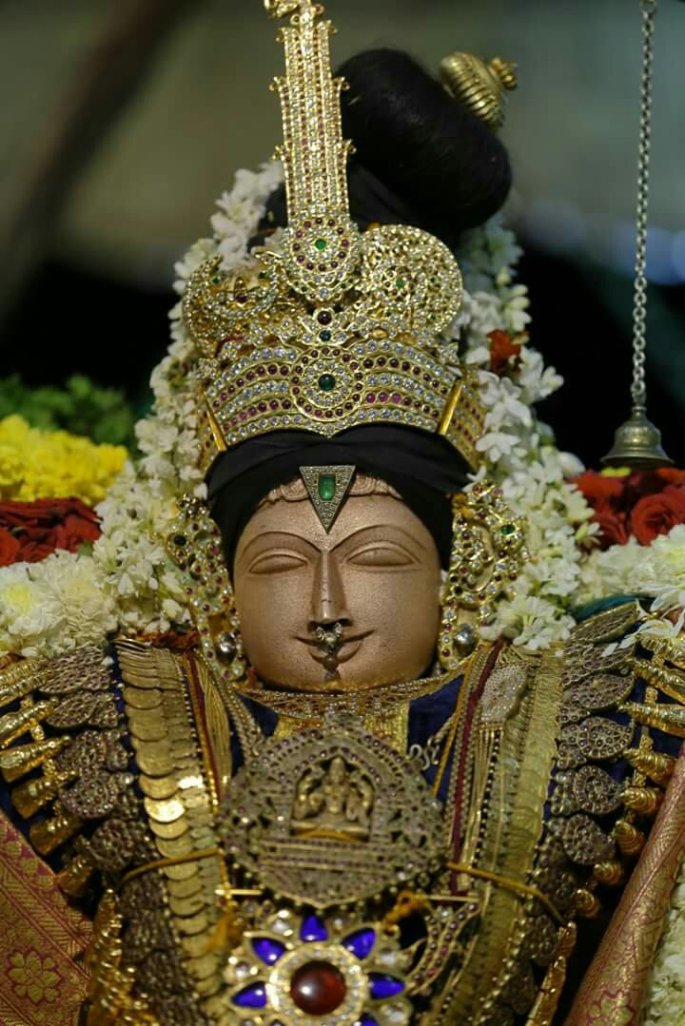
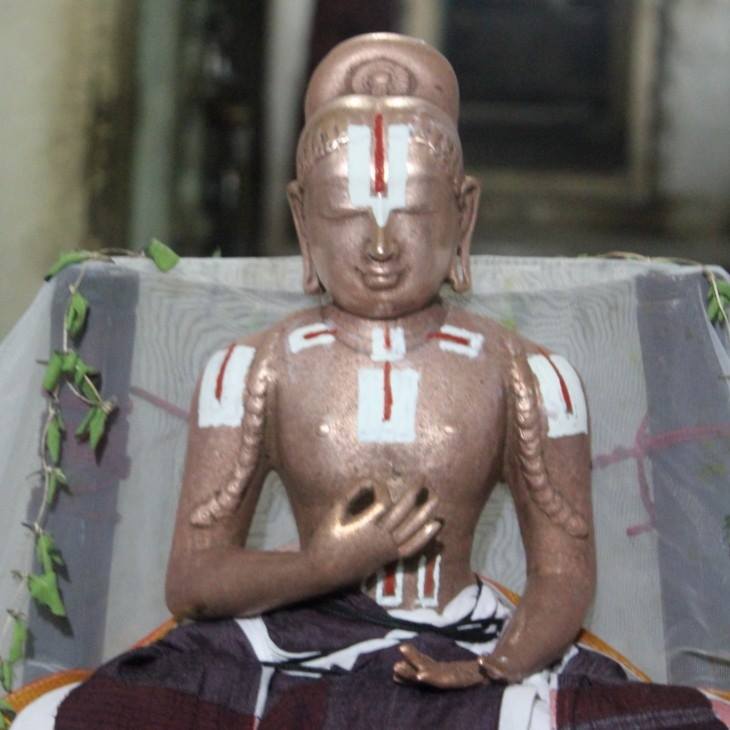
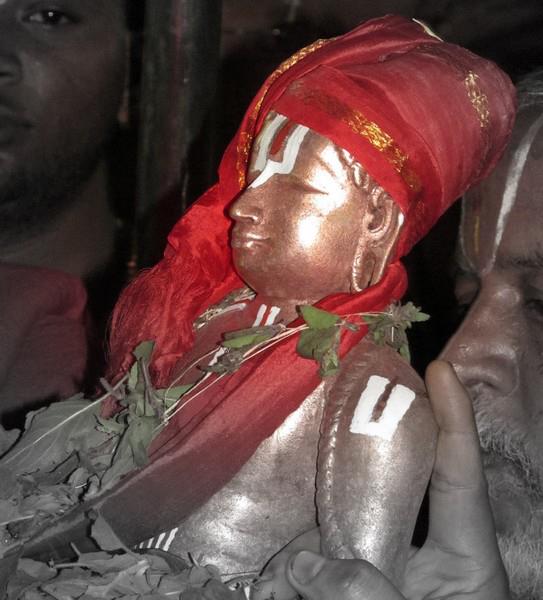
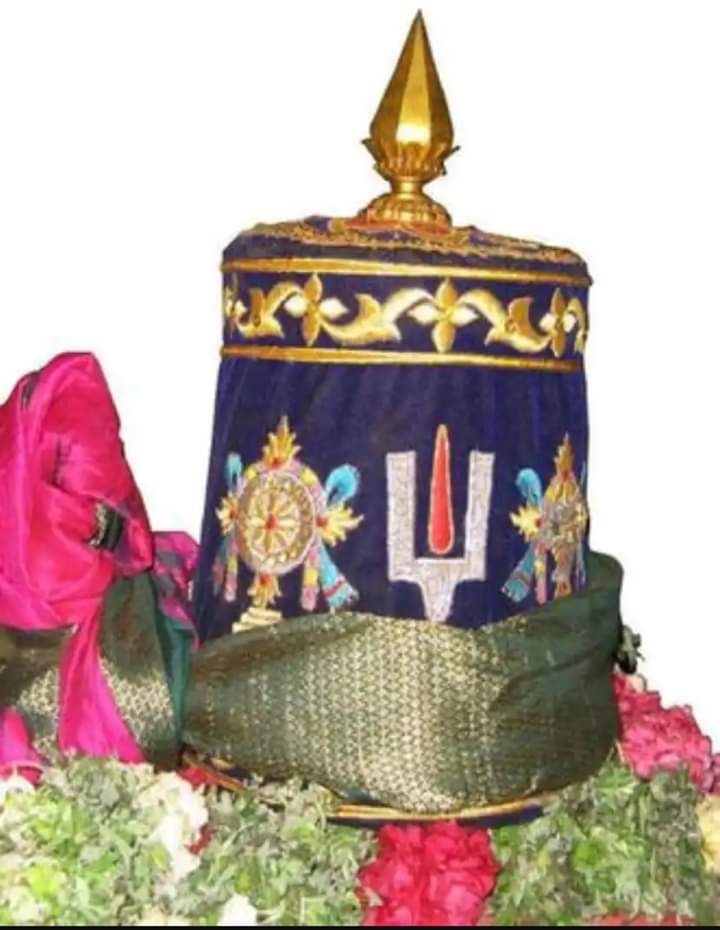
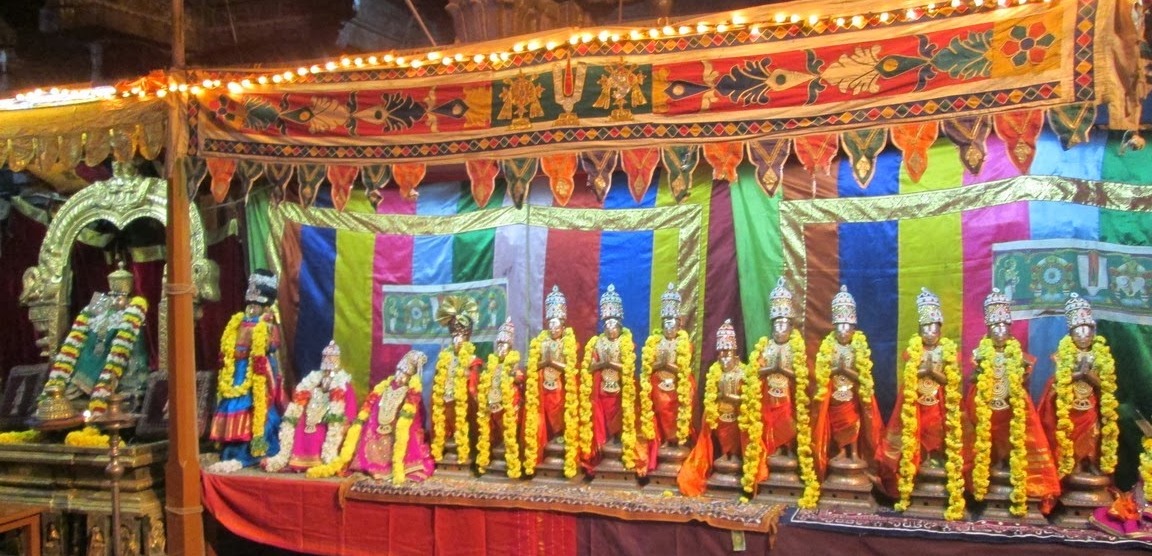
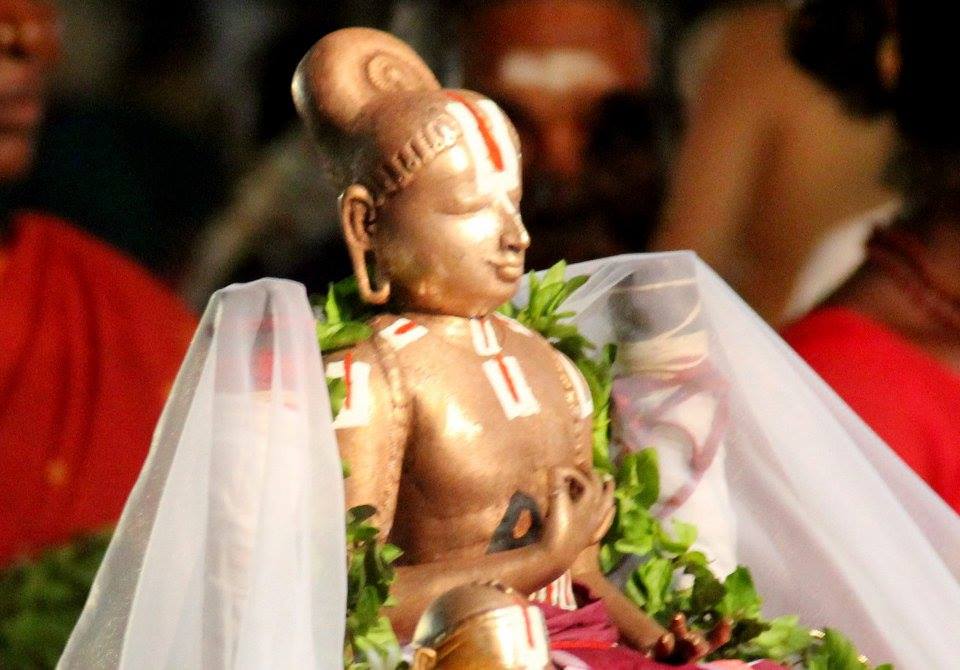
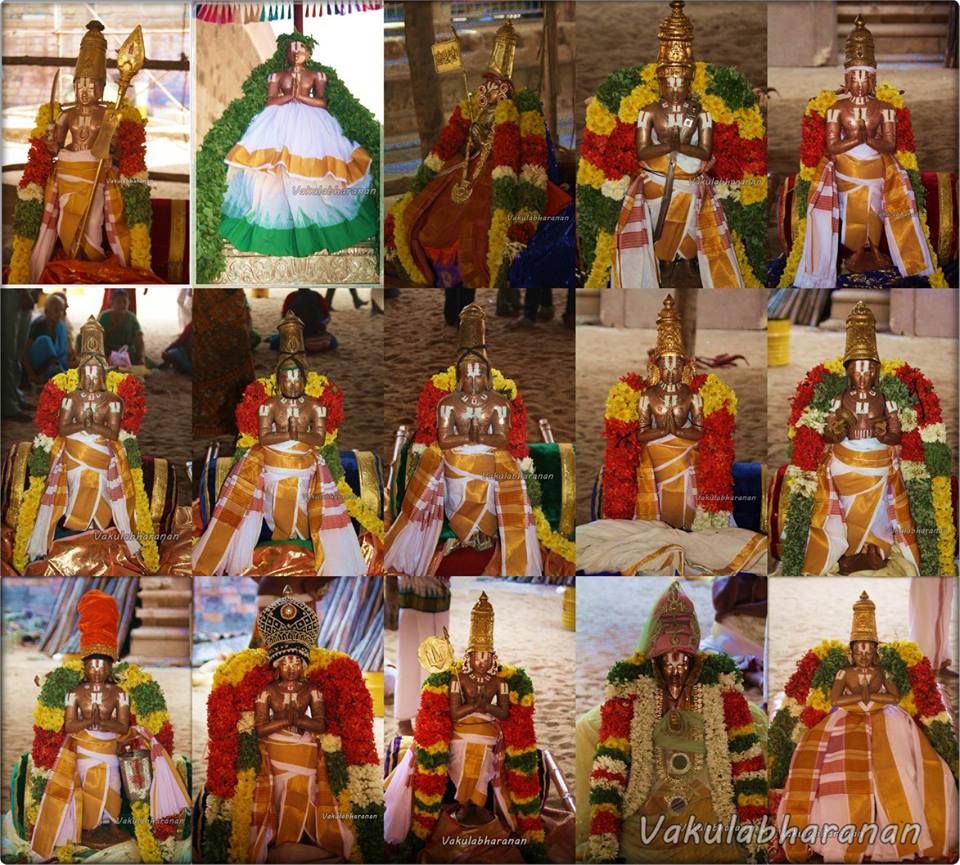
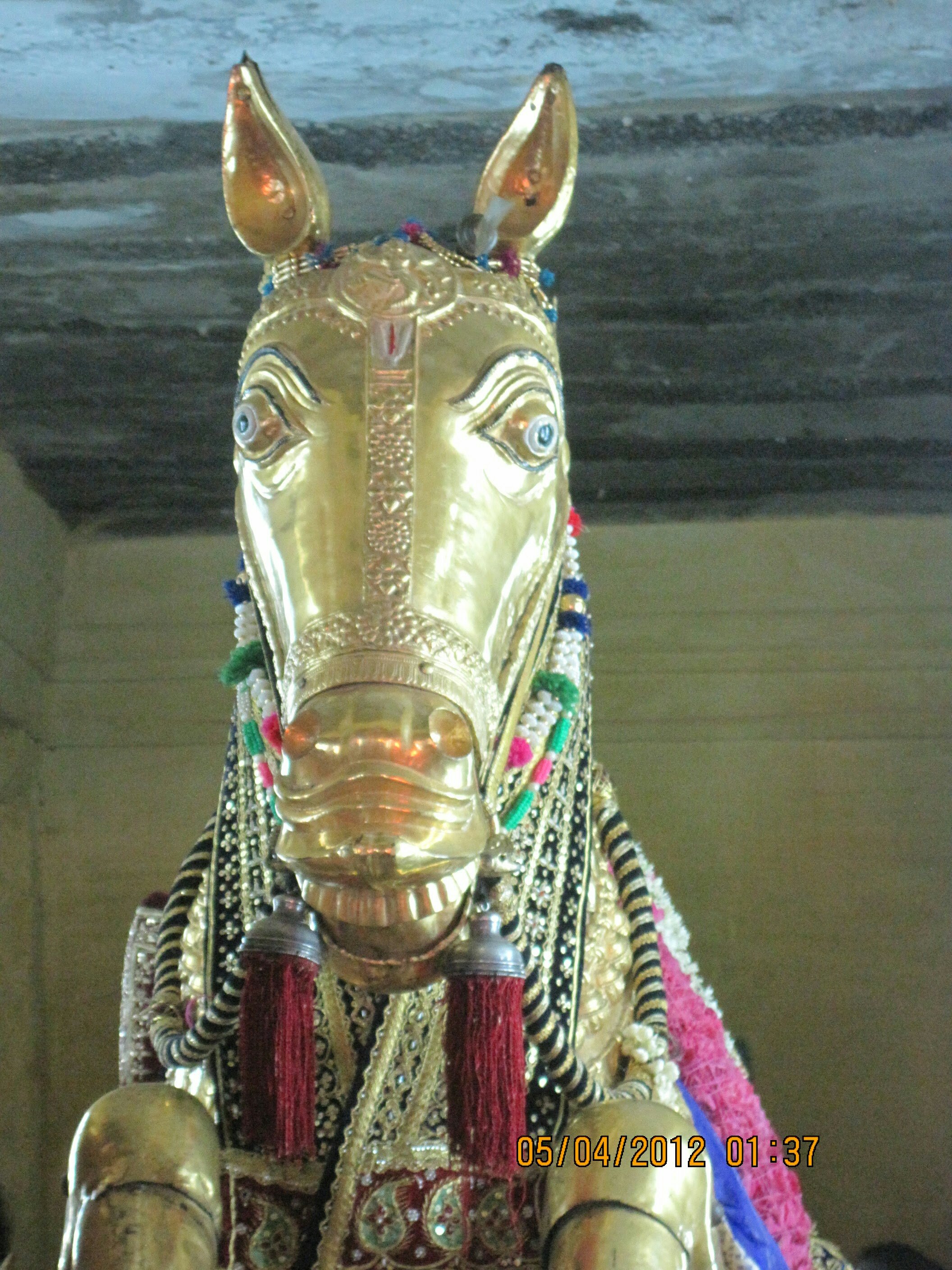
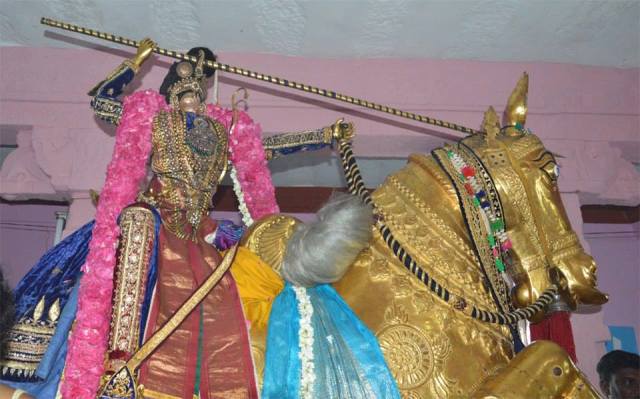
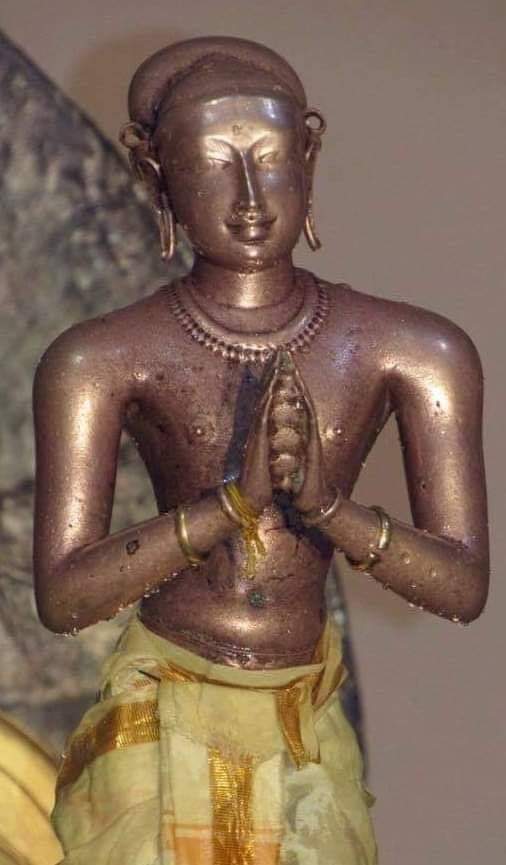
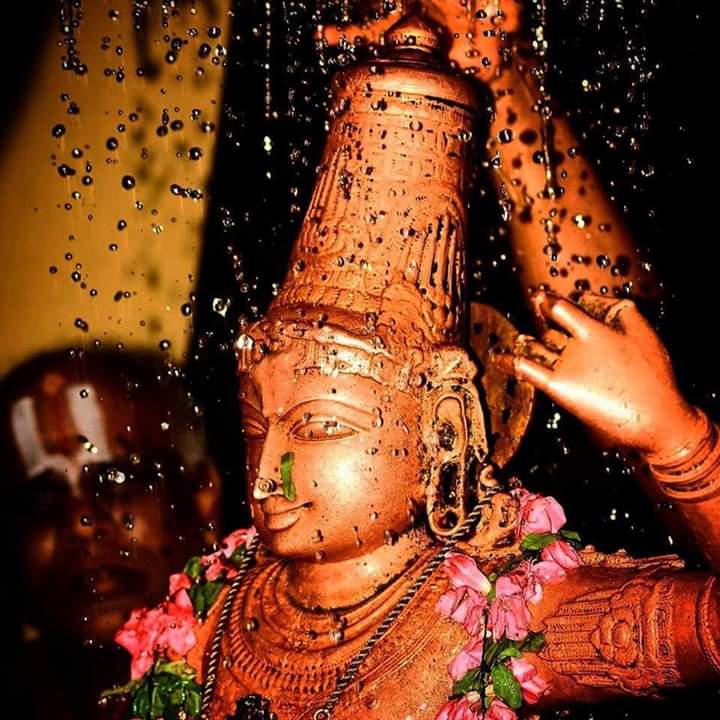

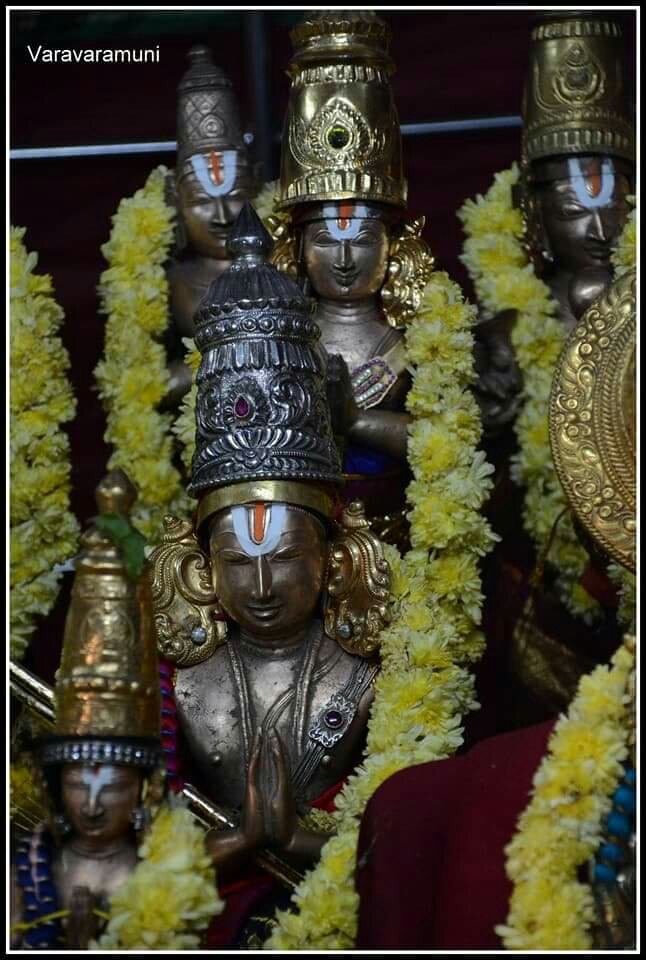
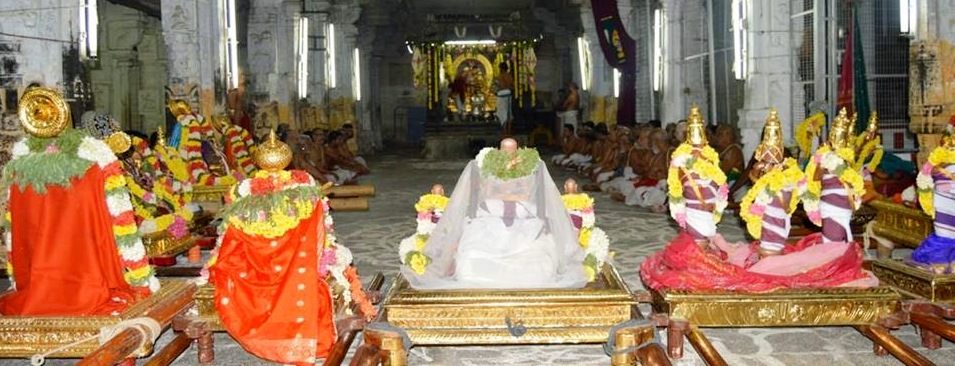
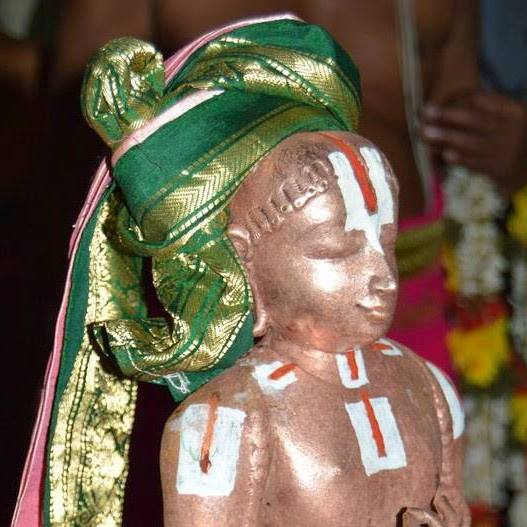
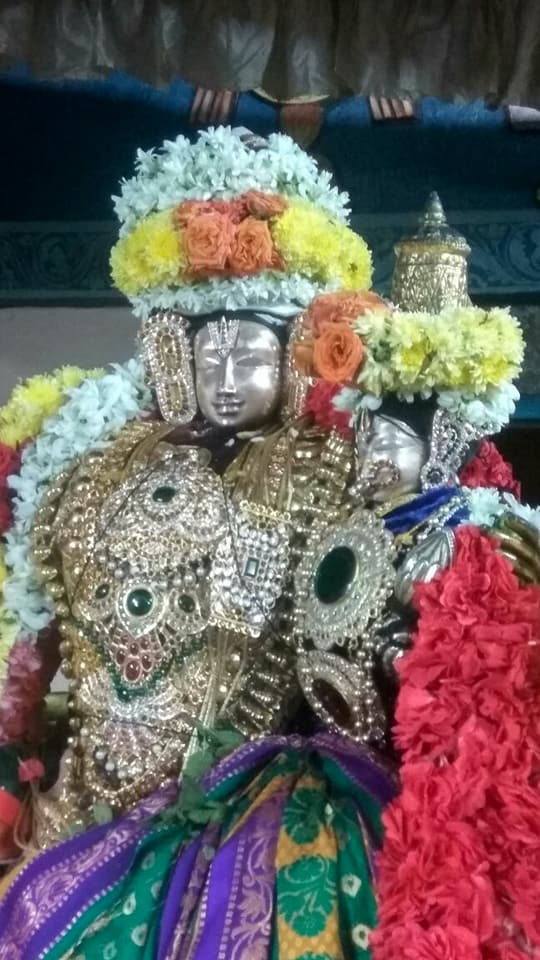
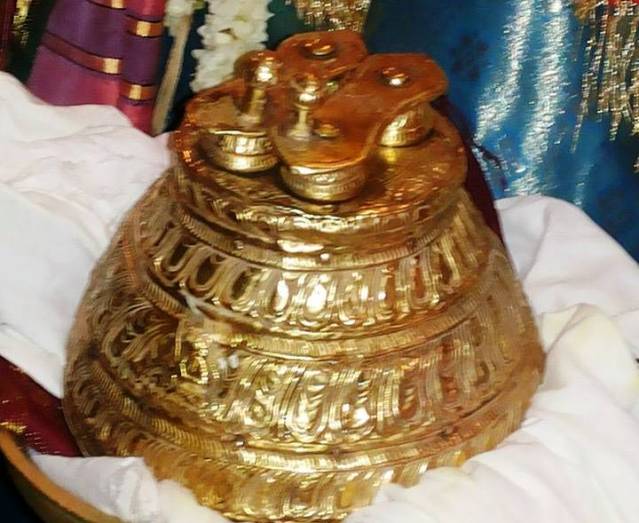
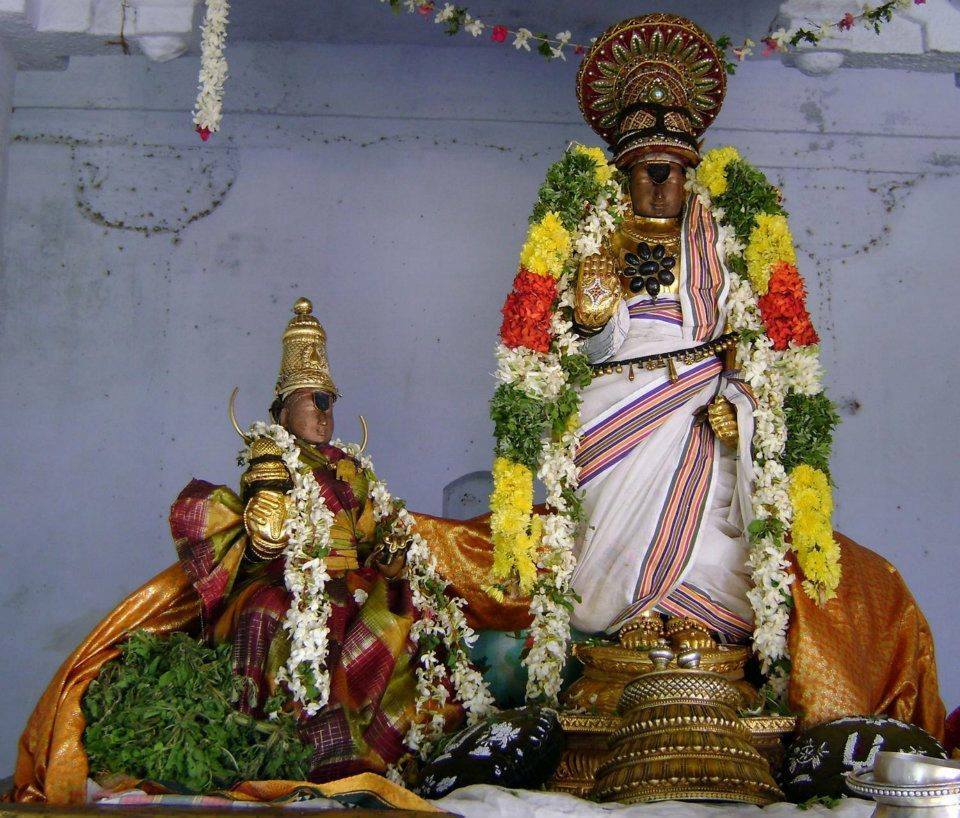

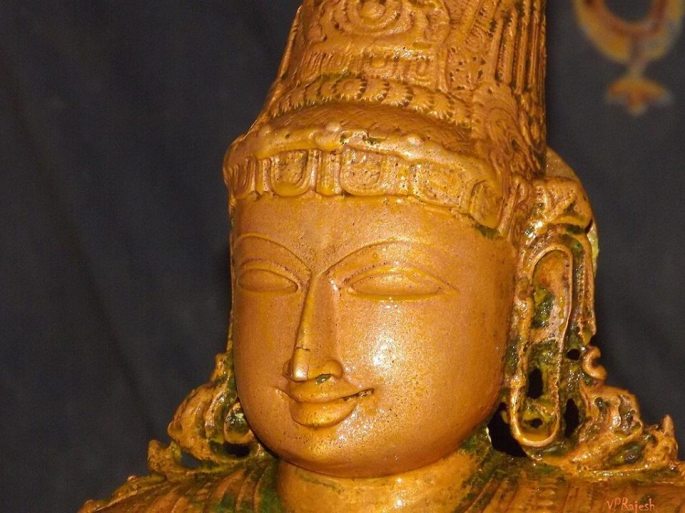
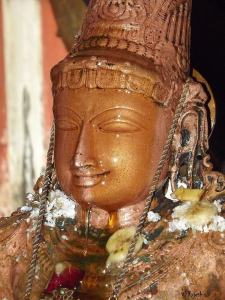


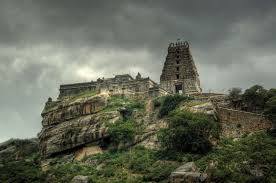

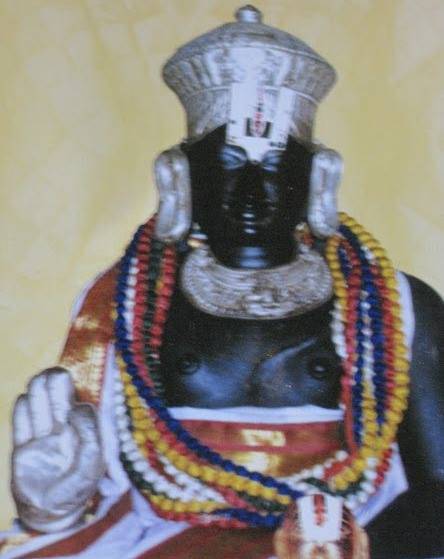


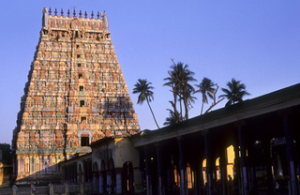

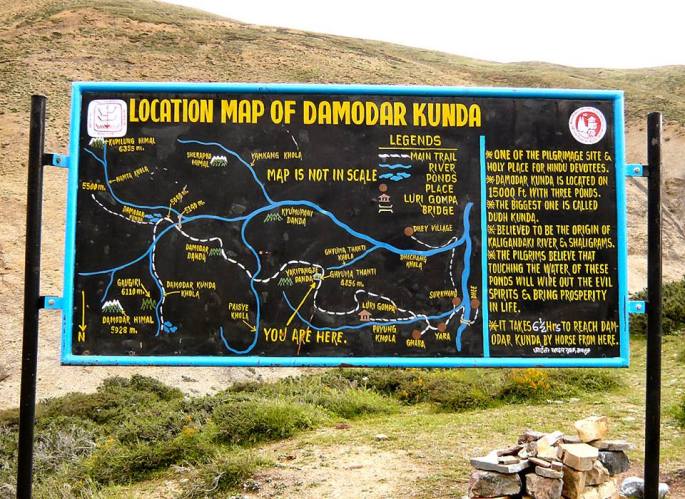

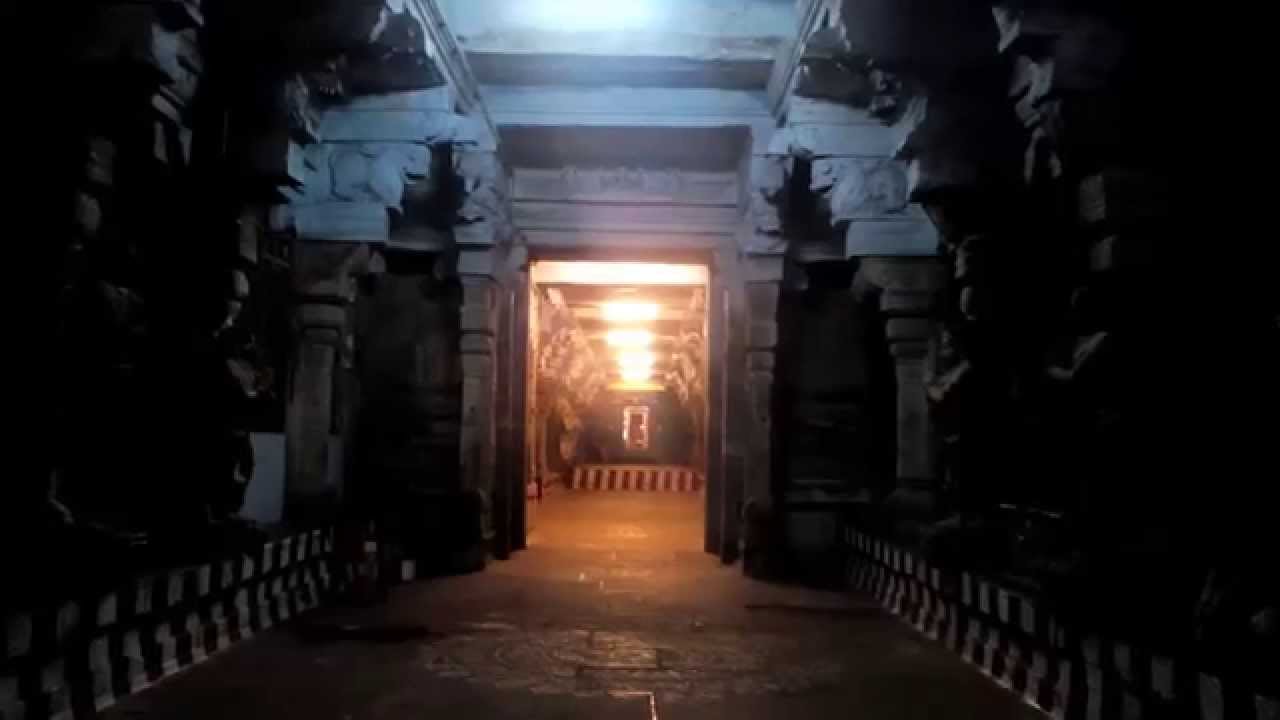
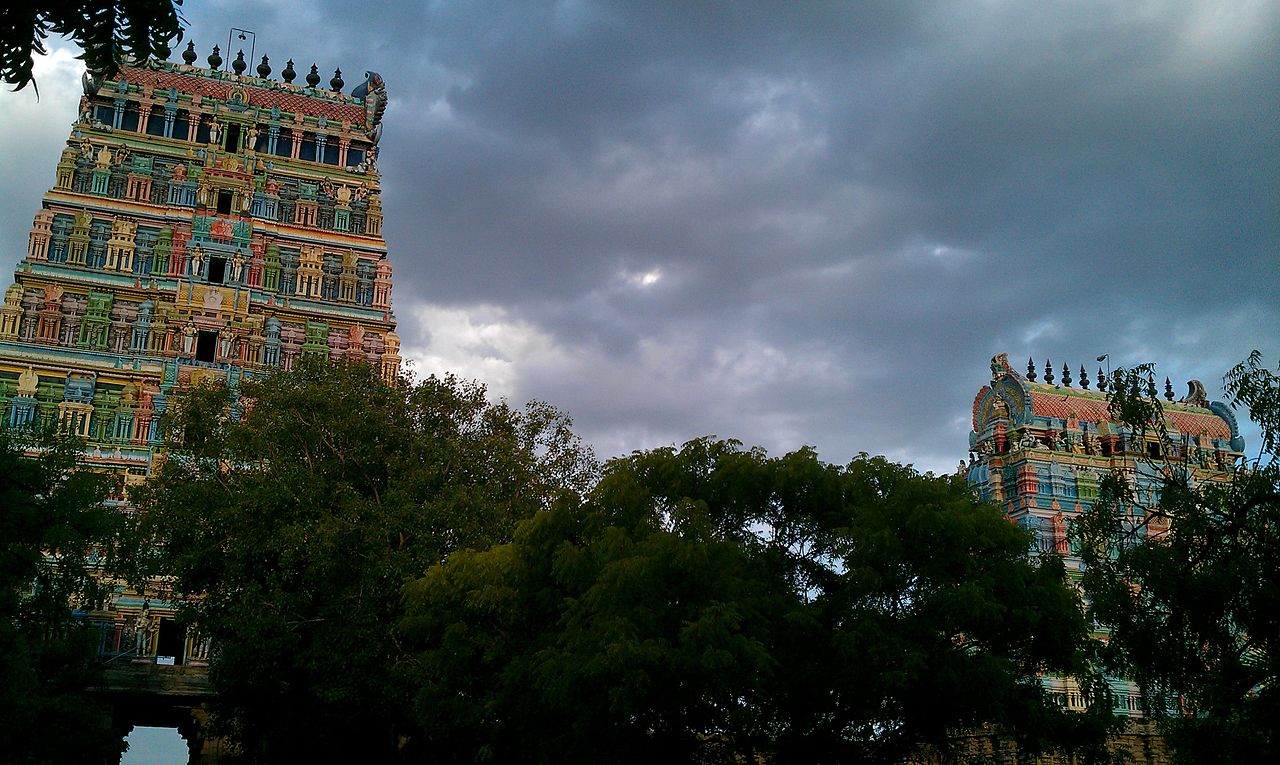
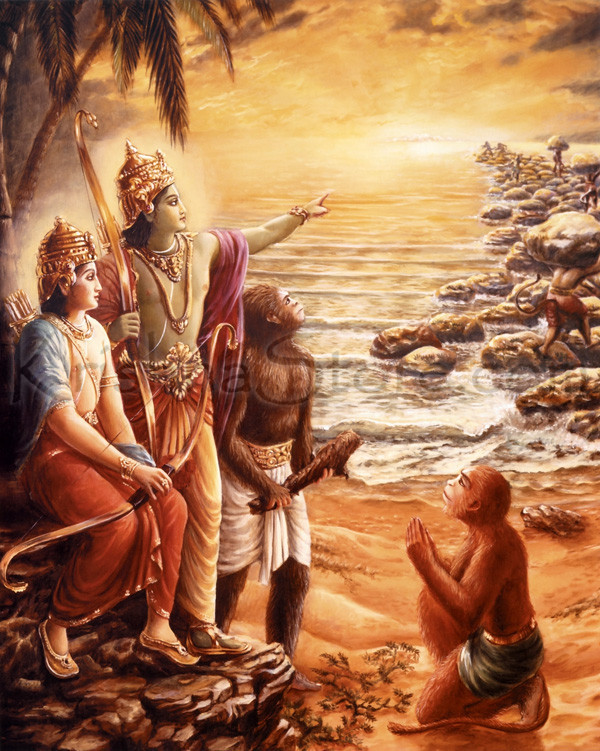

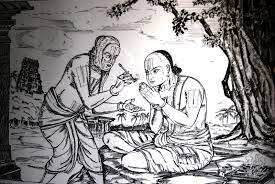
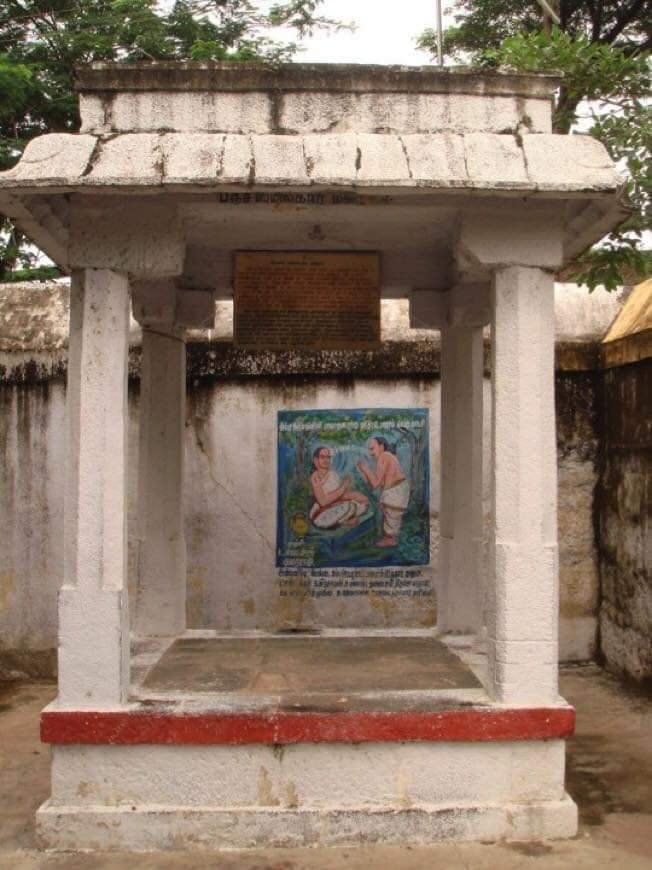
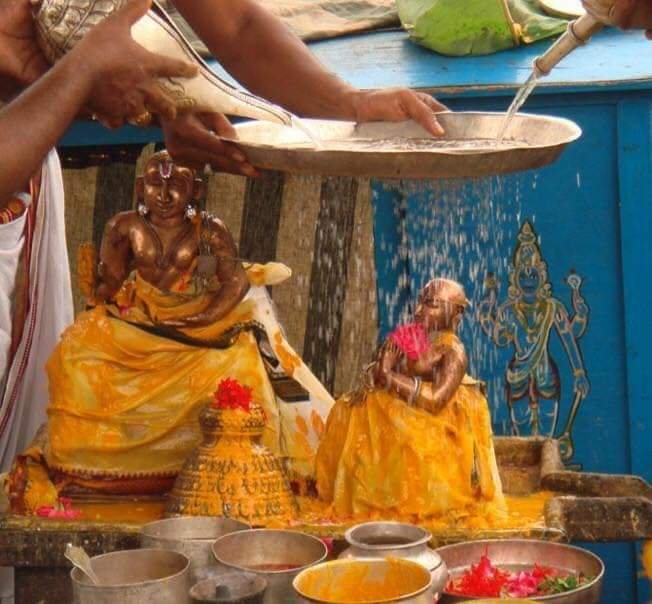
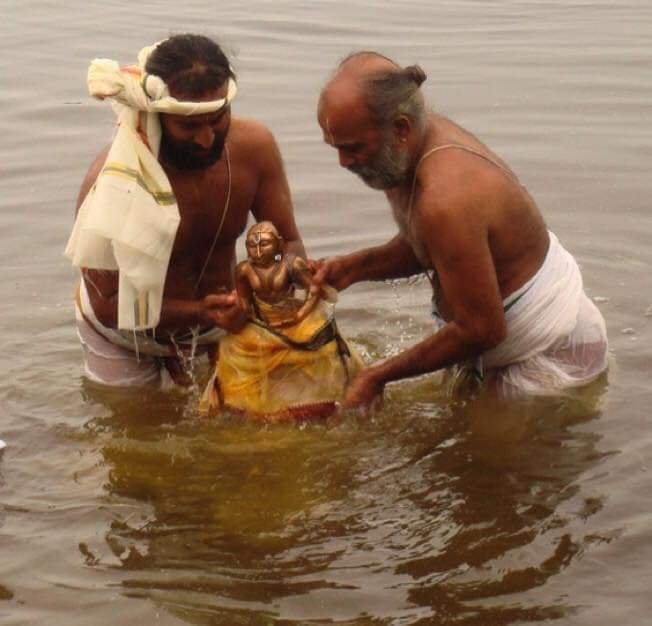

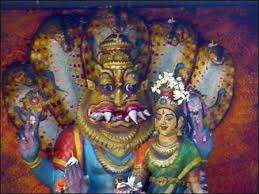

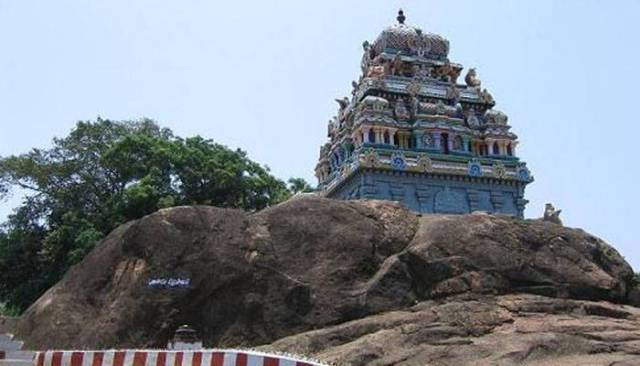

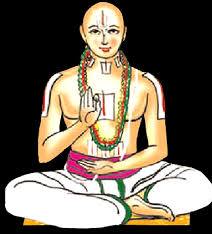
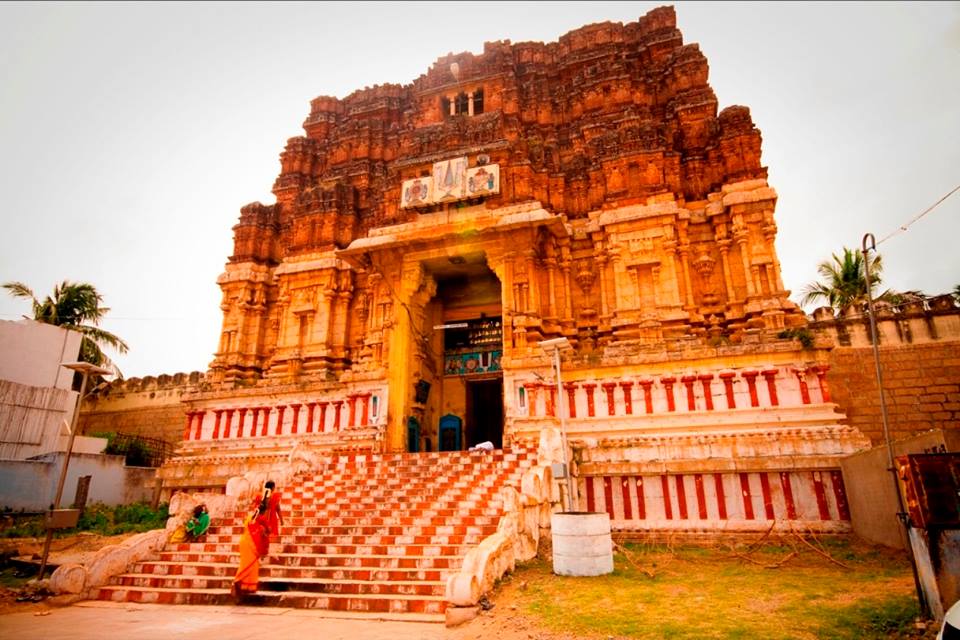
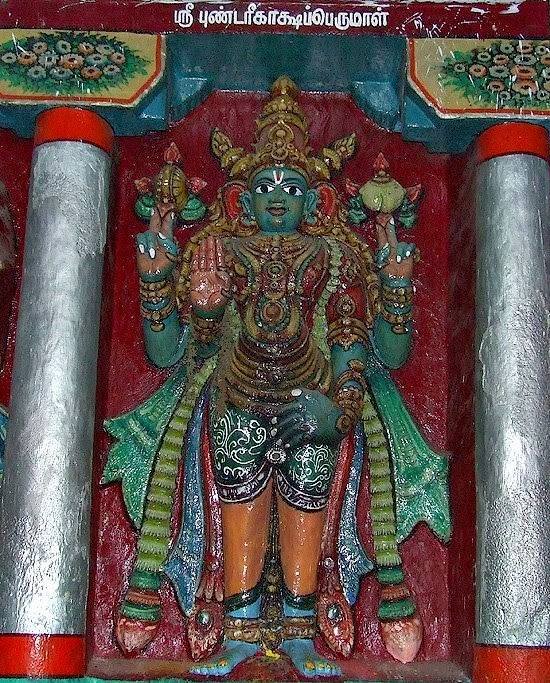


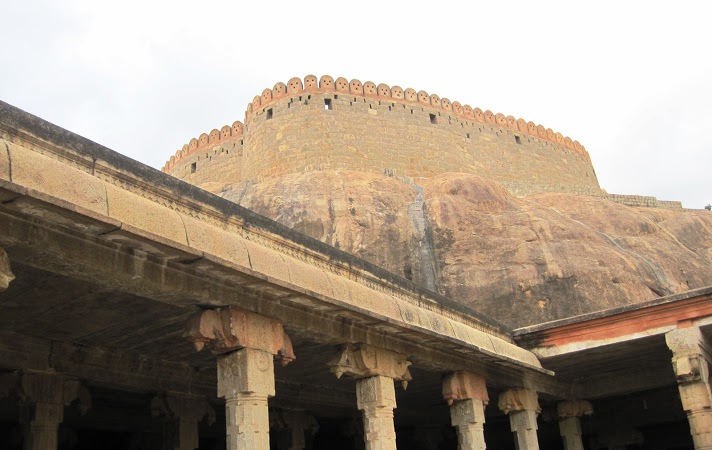

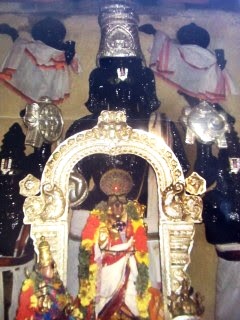
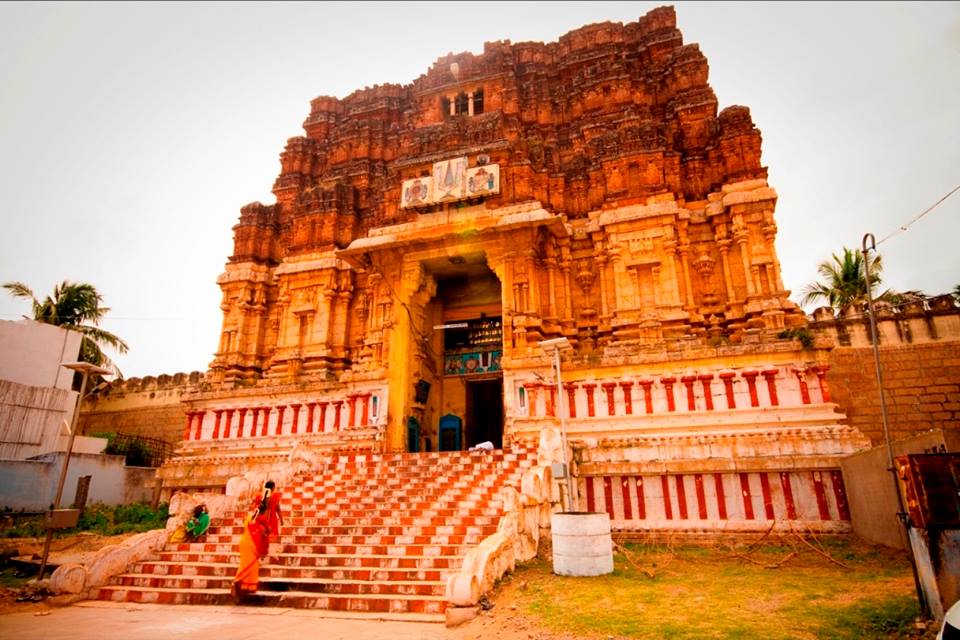
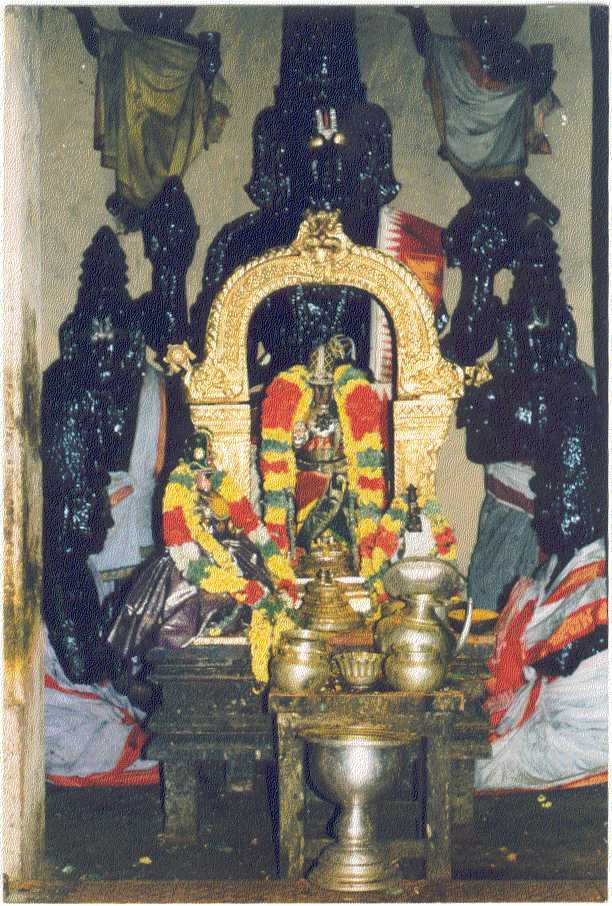
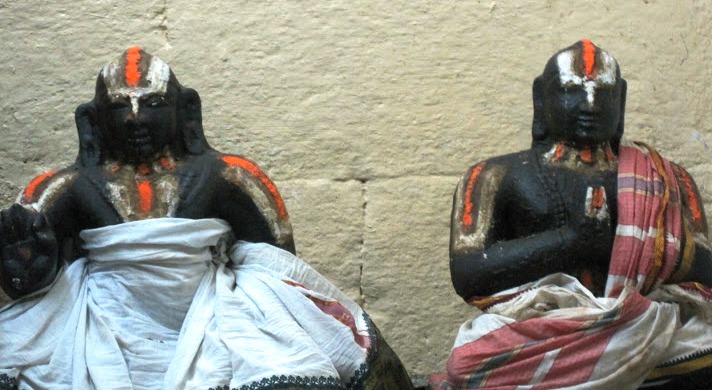


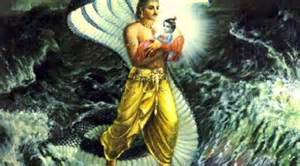
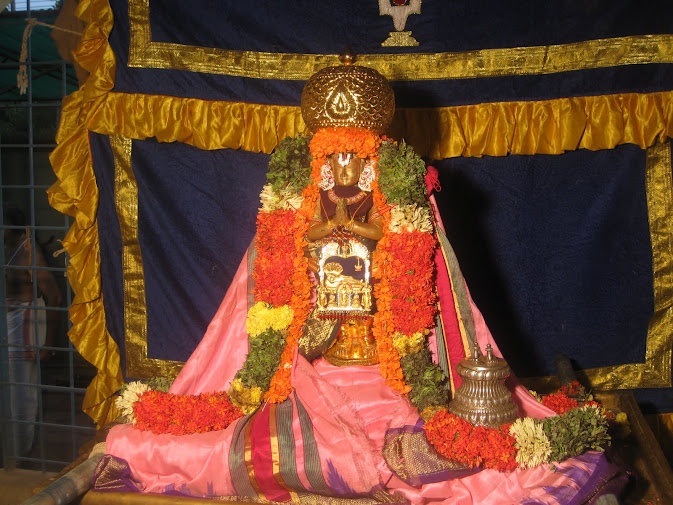
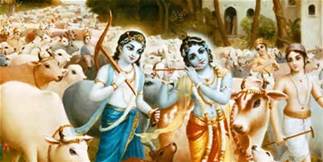
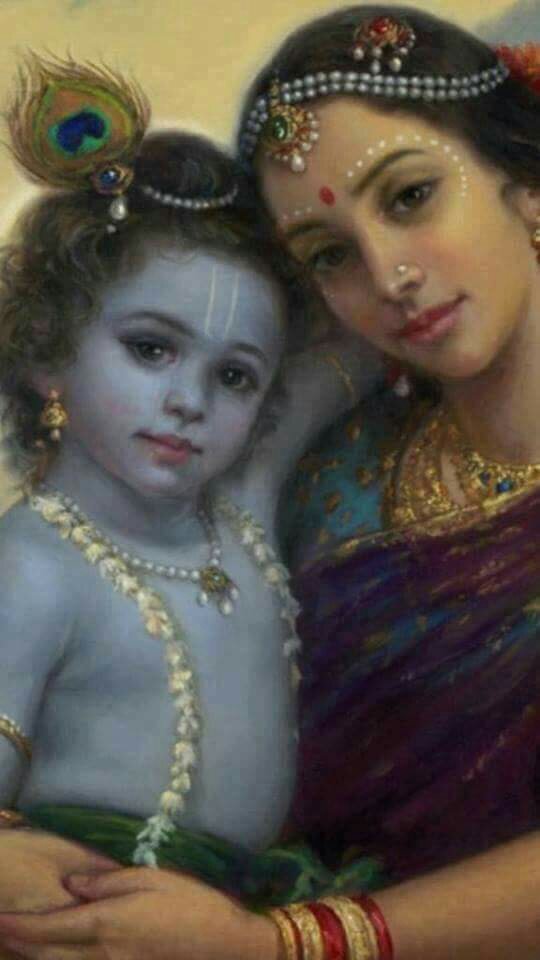
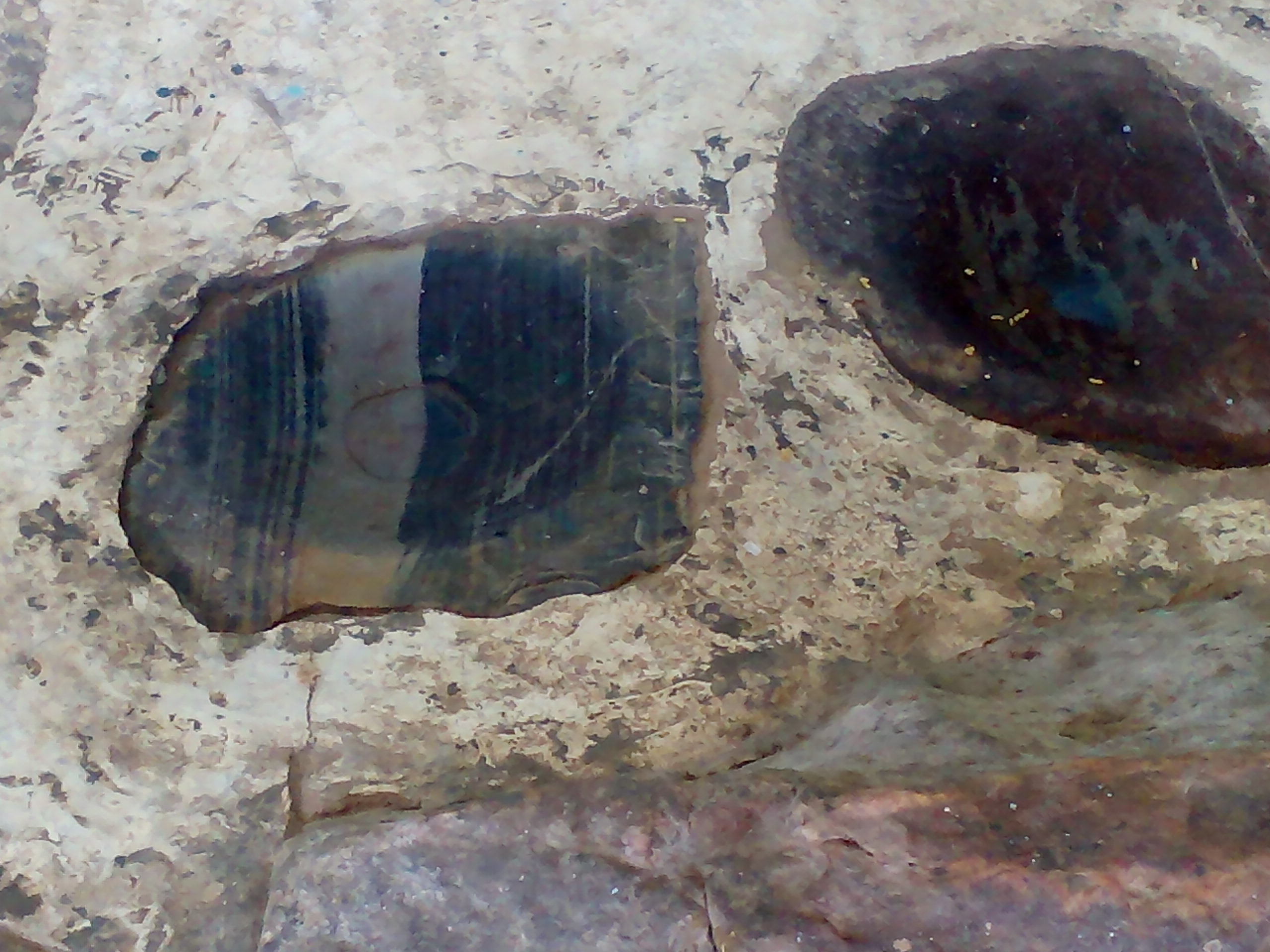
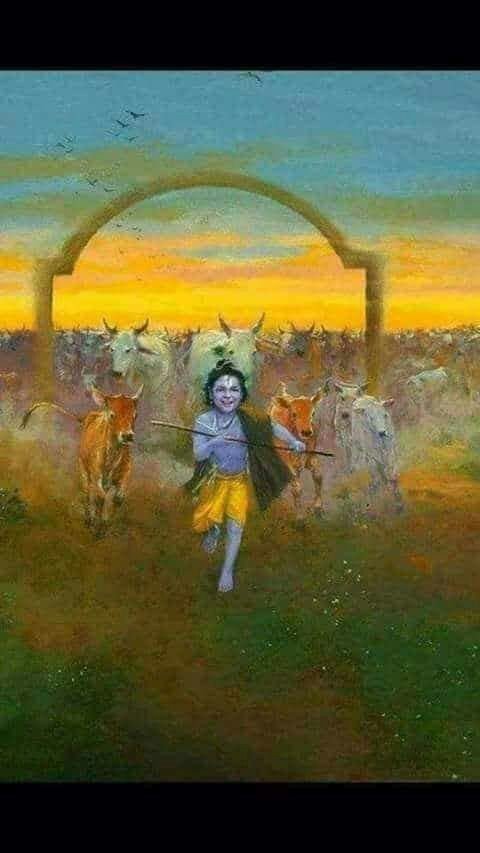
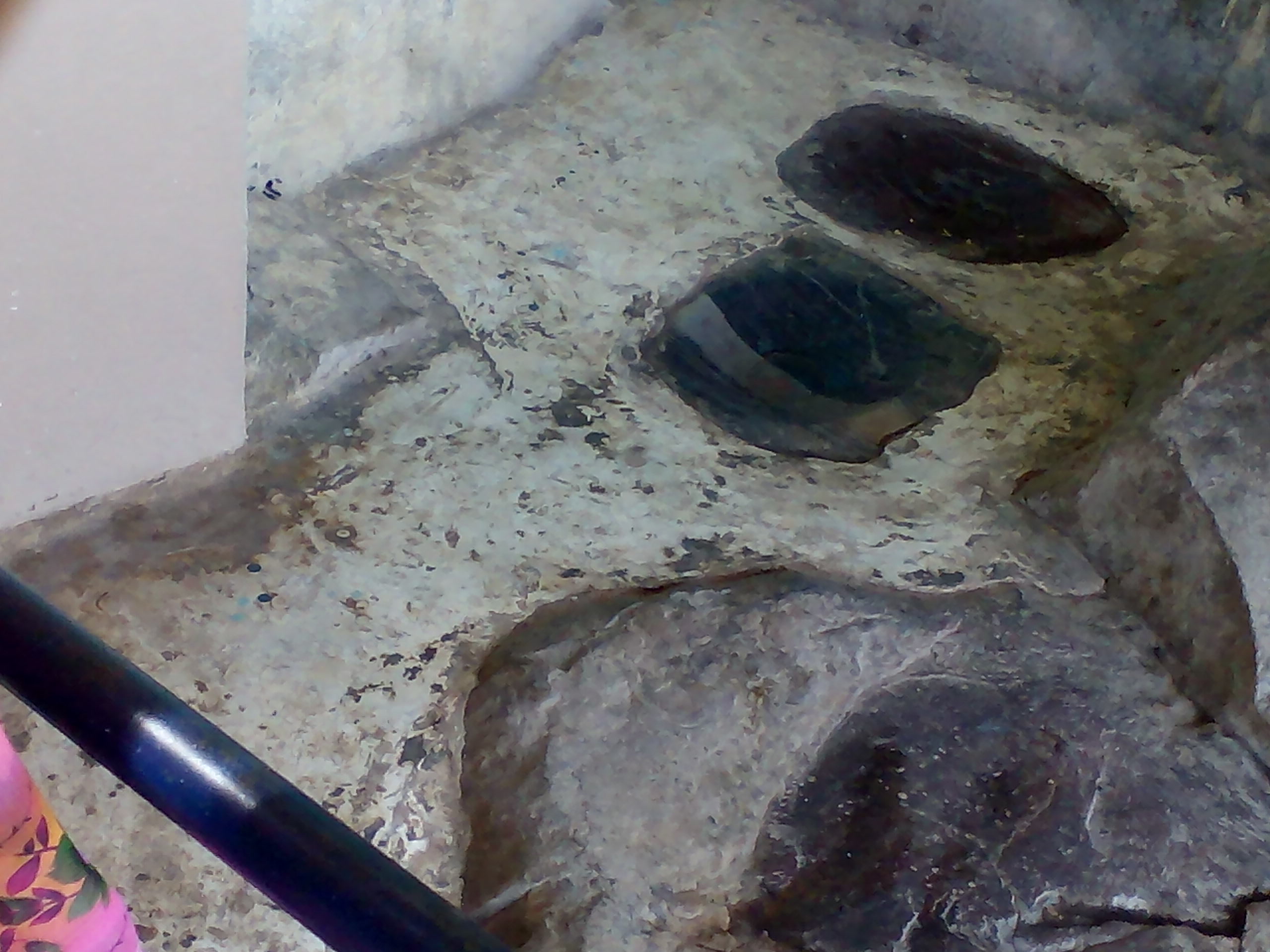


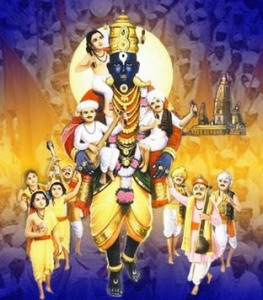

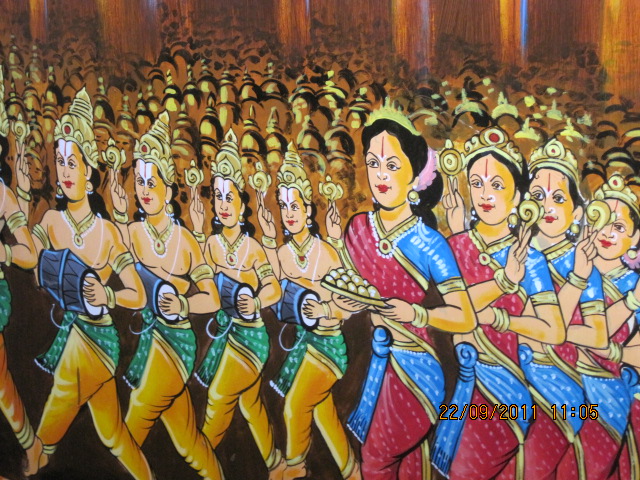
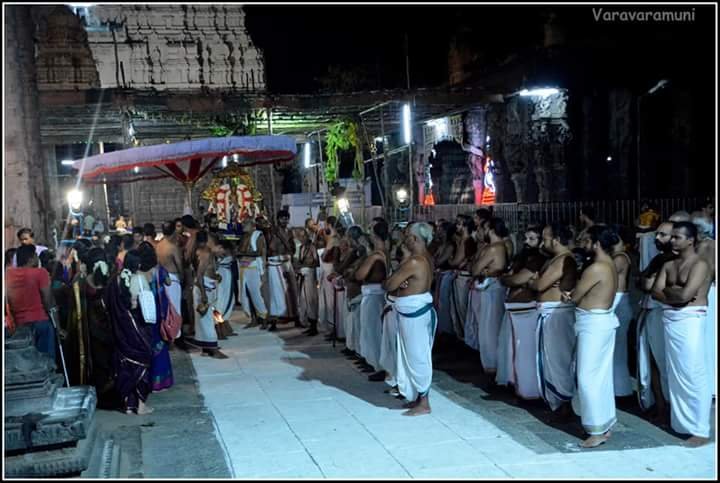

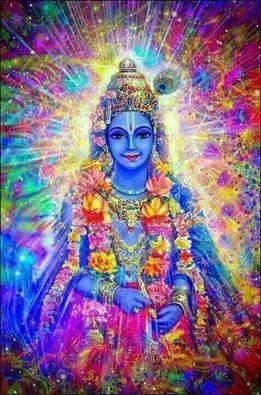

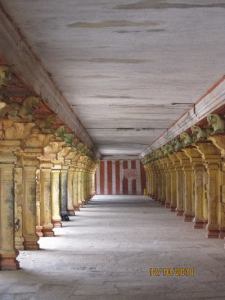


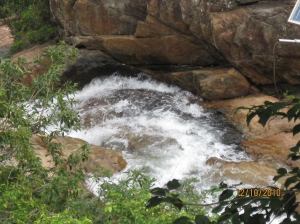
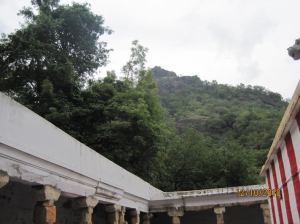

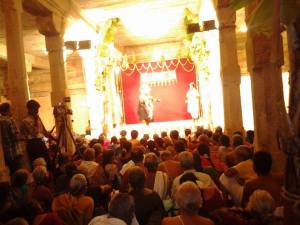

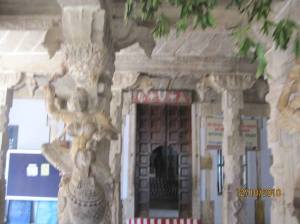

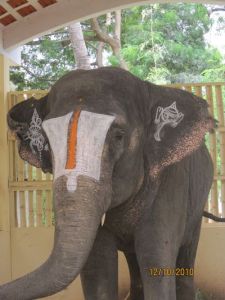
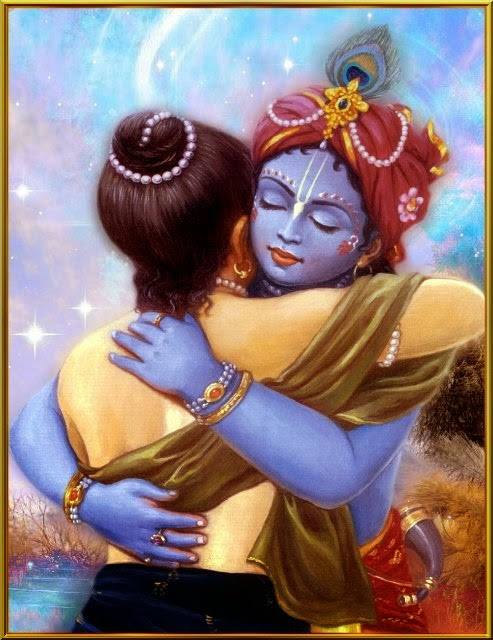
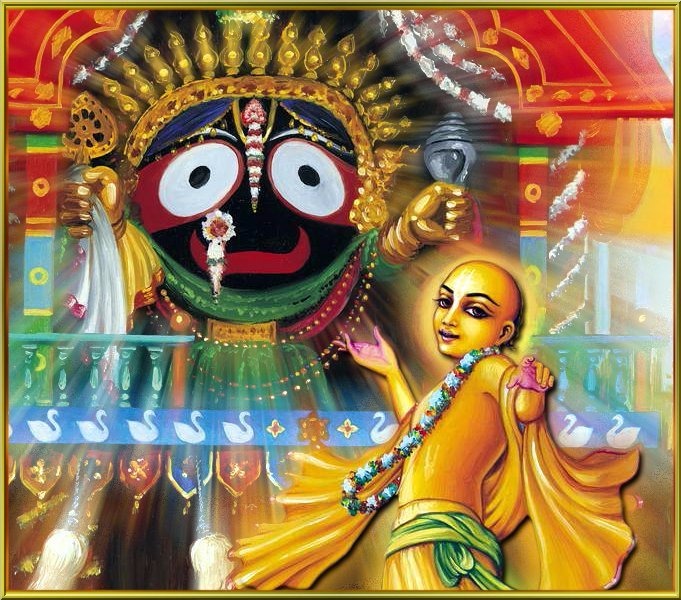
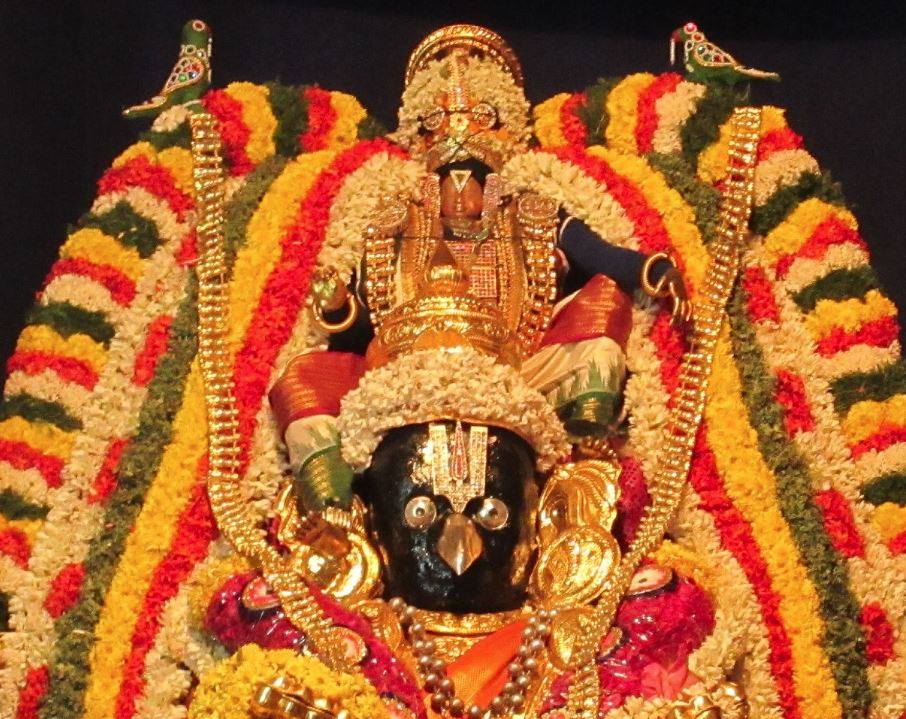
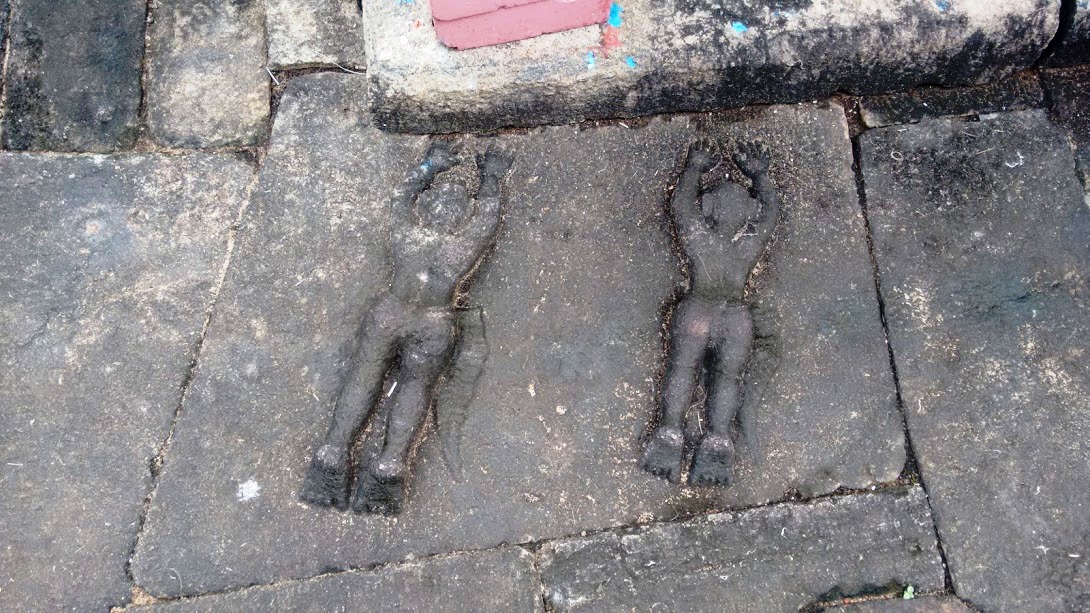
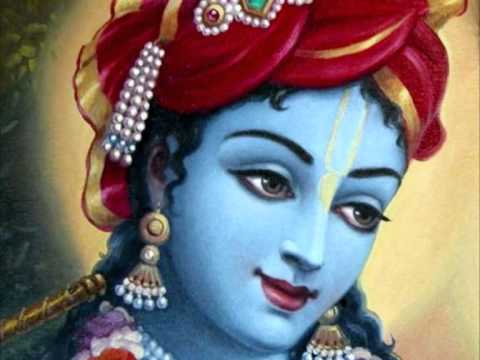
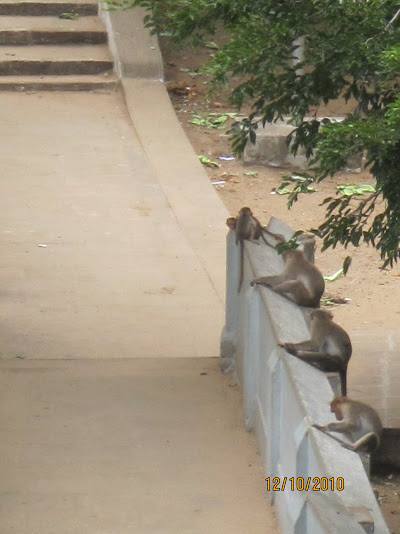
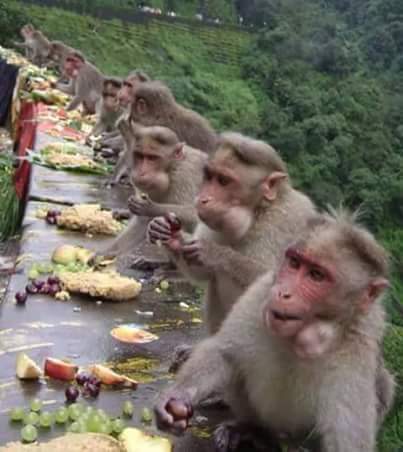

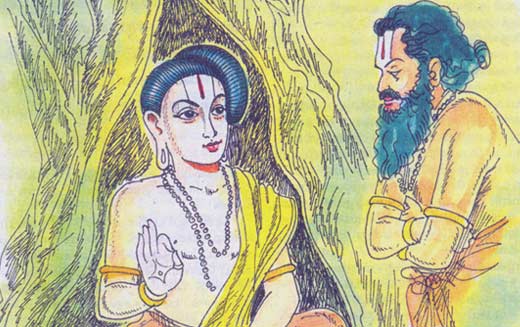



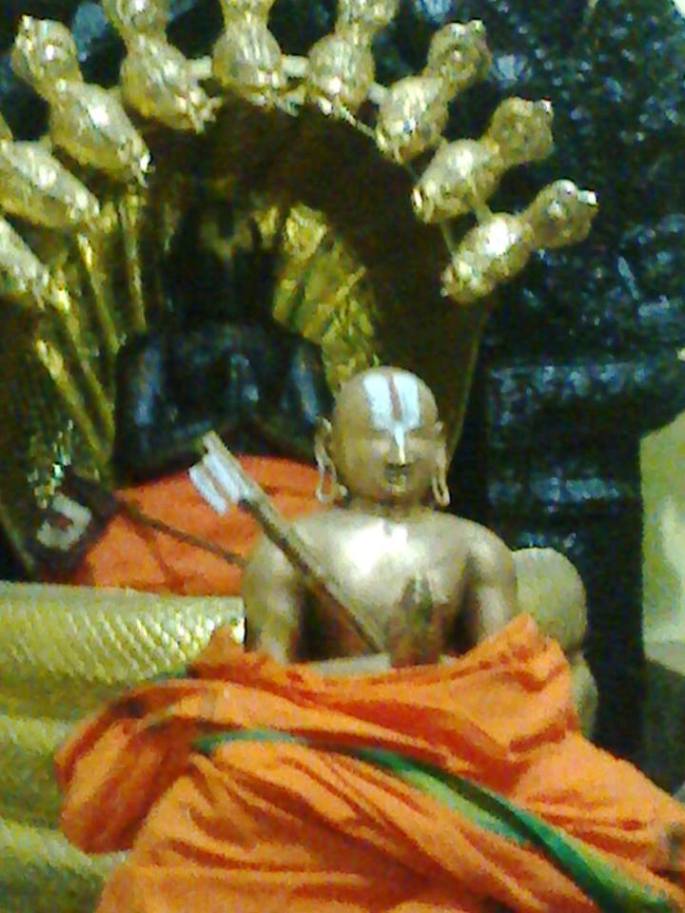
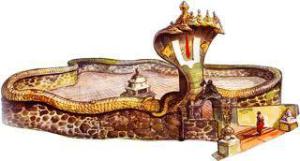
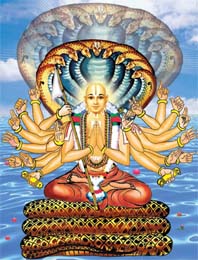
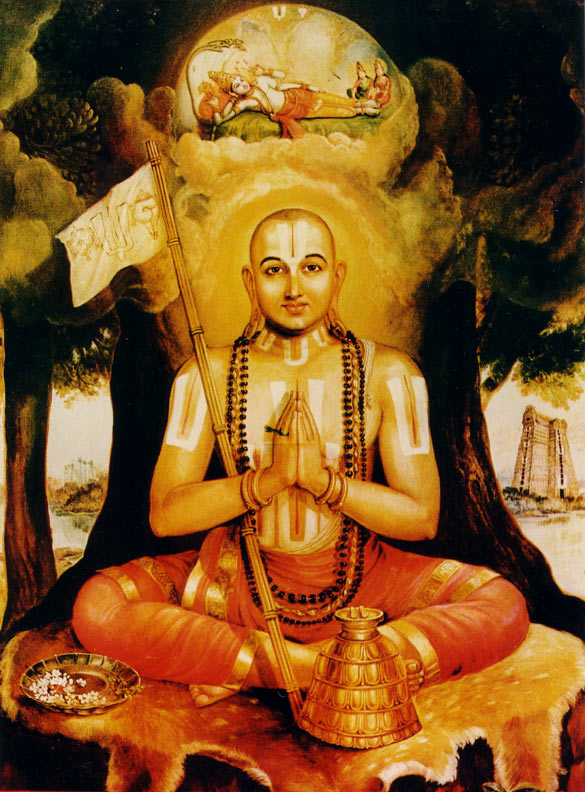


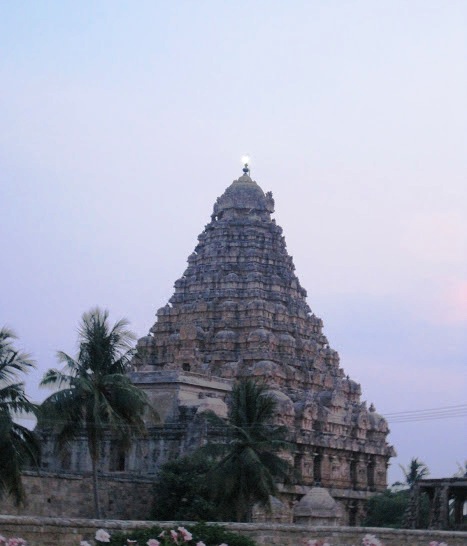
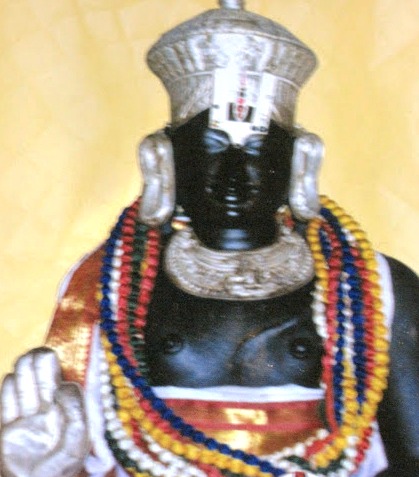
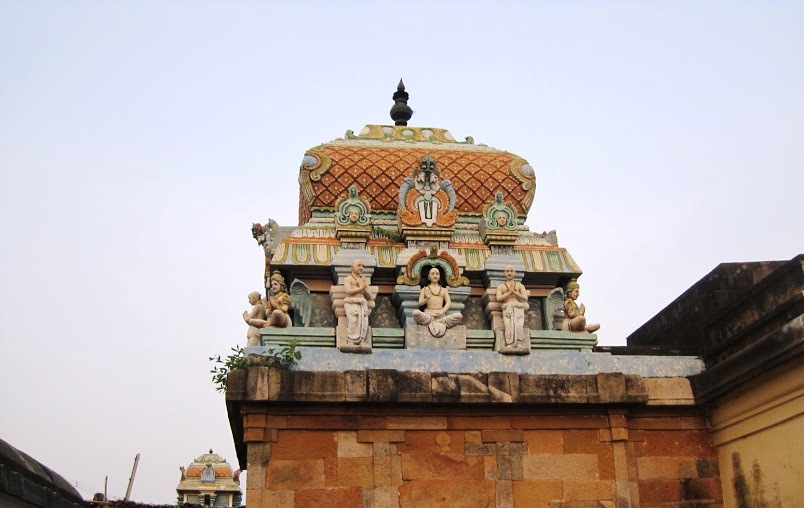
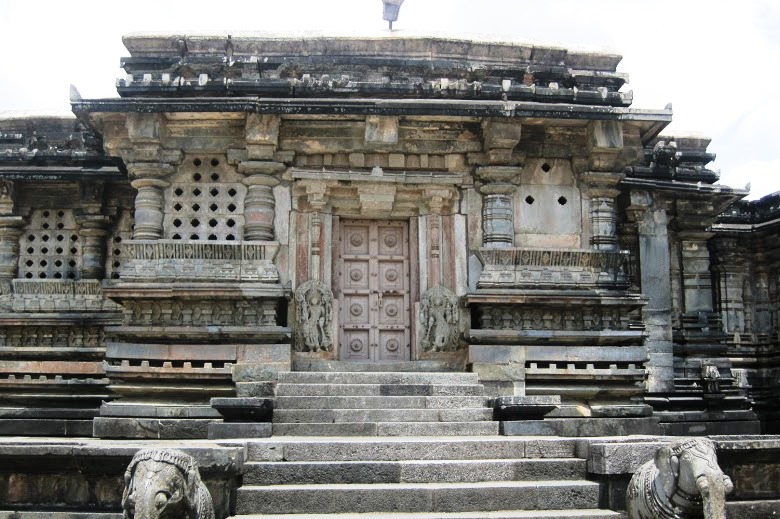

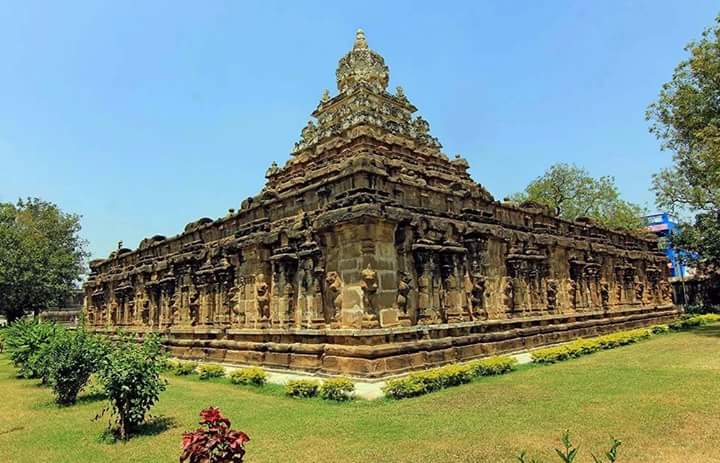
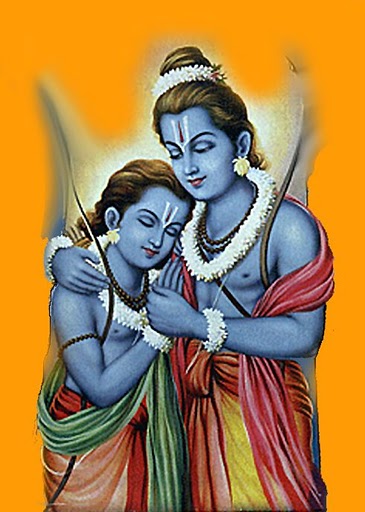
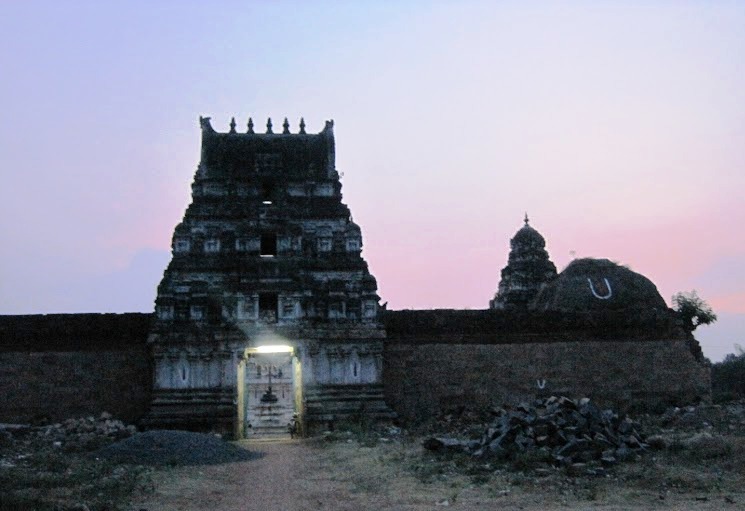
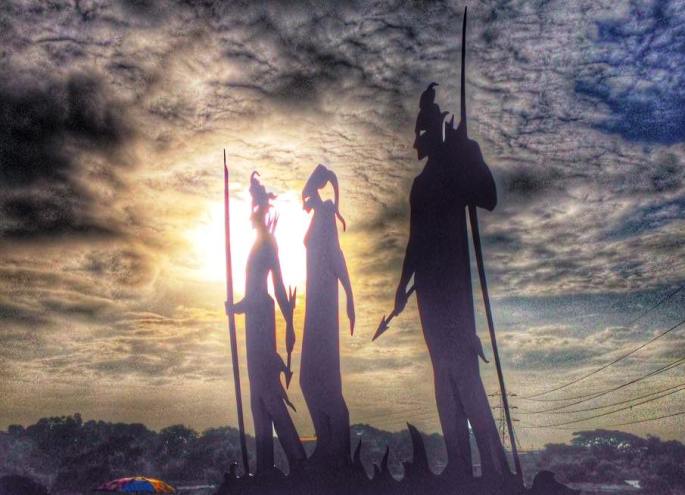
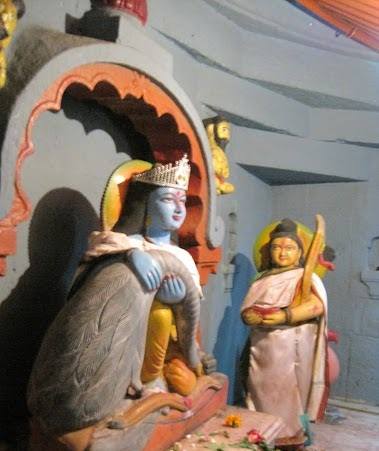

 A unique feature of this temple is Sri Vijaya Raaghava Perumal is seen in a sitting posture, having the bird (Jataayu) on his thigh. Not able to bear the grief caused by the final rites of the cremation of Jaatayu, Sri Devi Thaayar is said to have moved to the other side .
 As a mark of blessing during Ashwa Vahaanam ( Horse ) Lord marches into the street where this devotee lived .
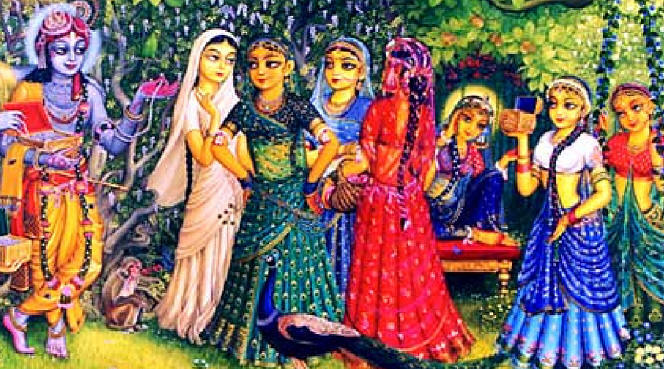
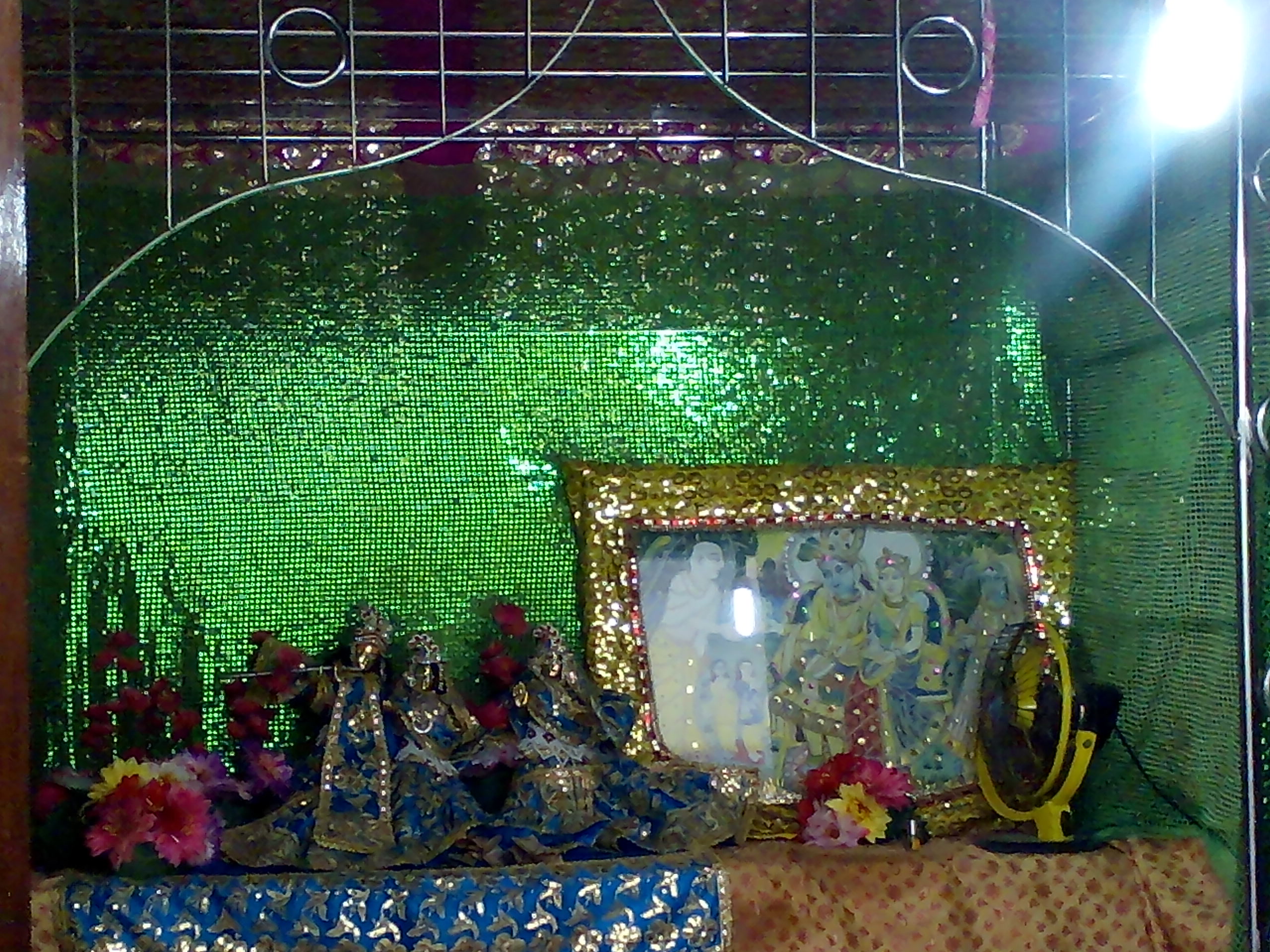
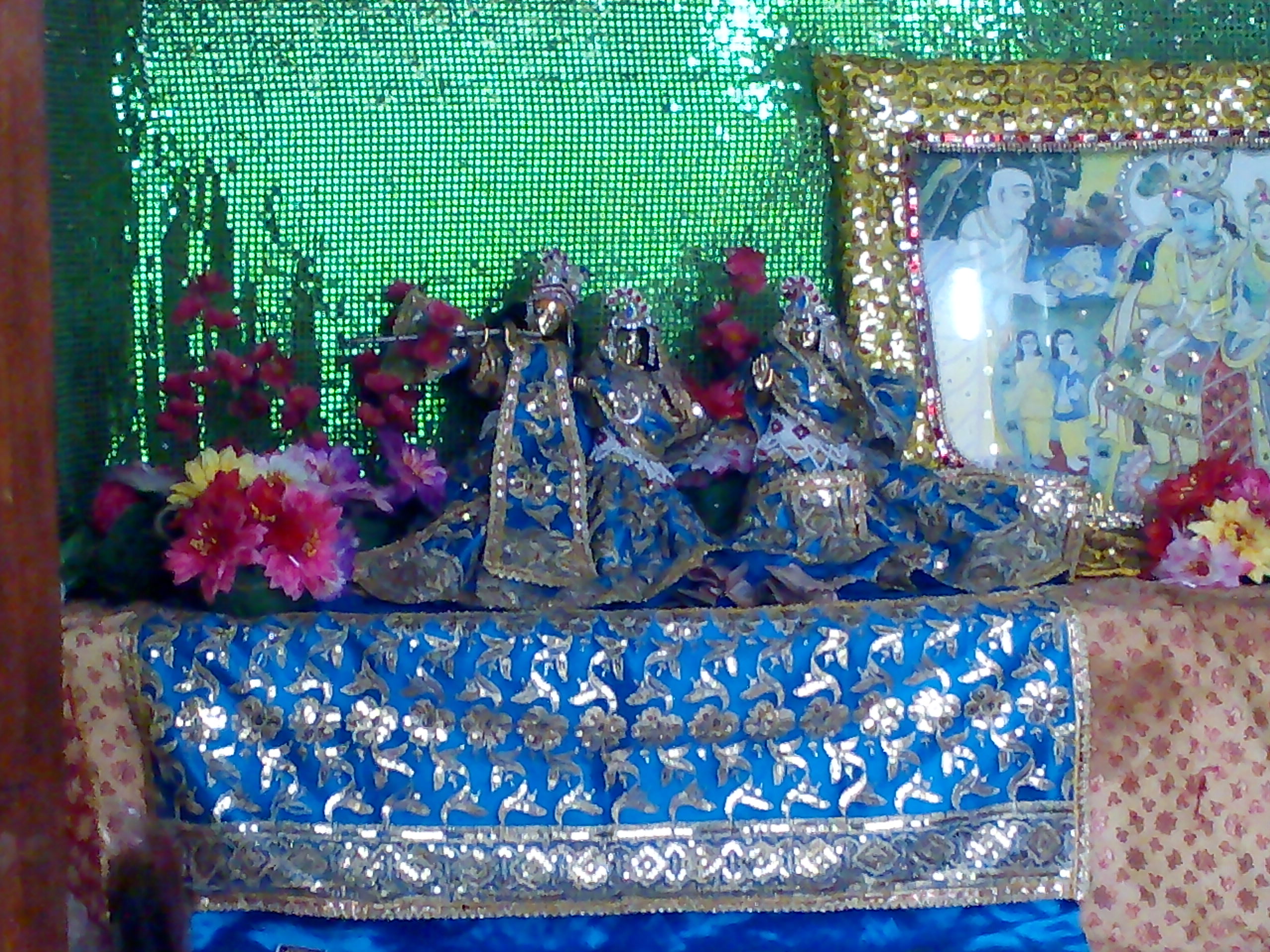
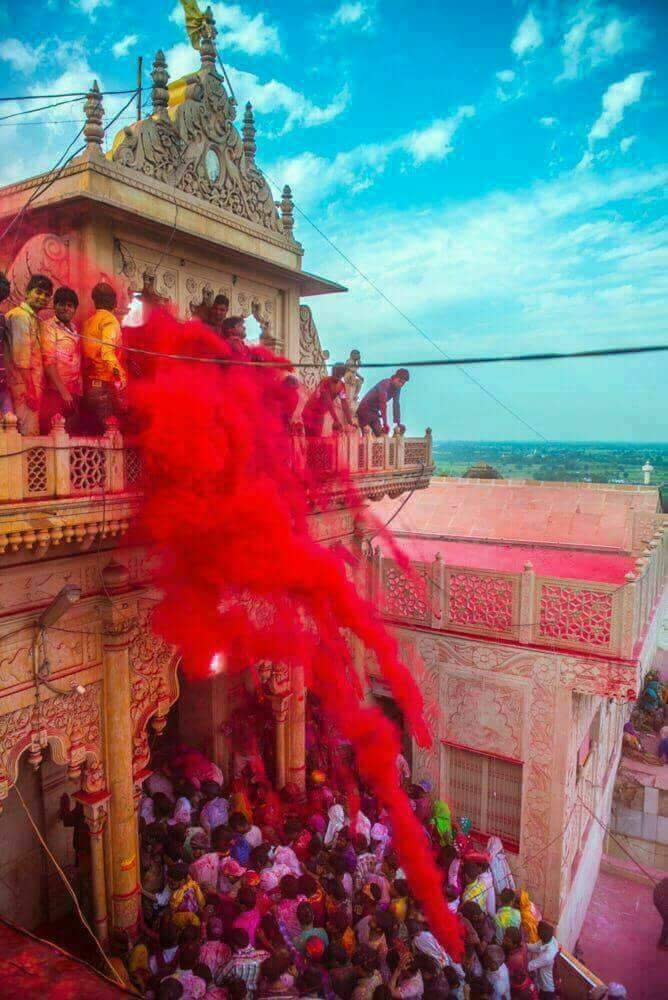
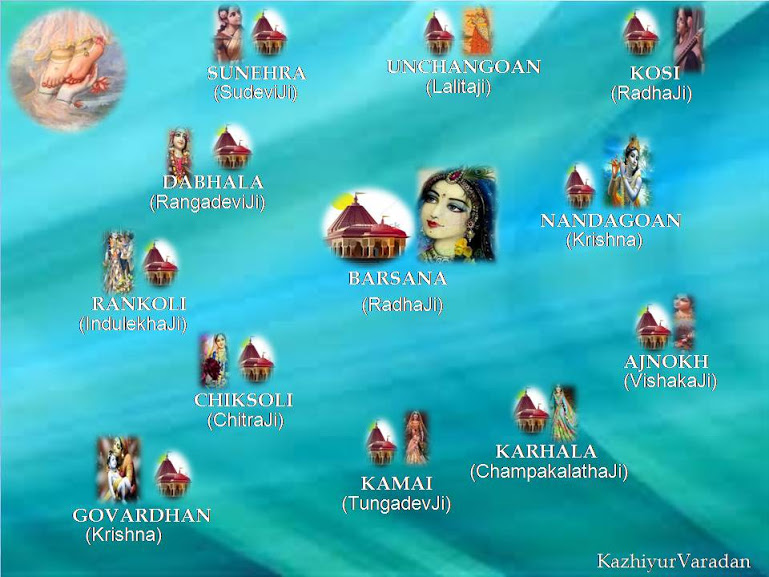
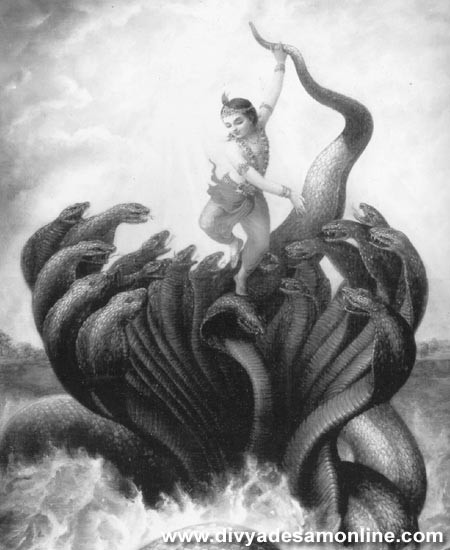
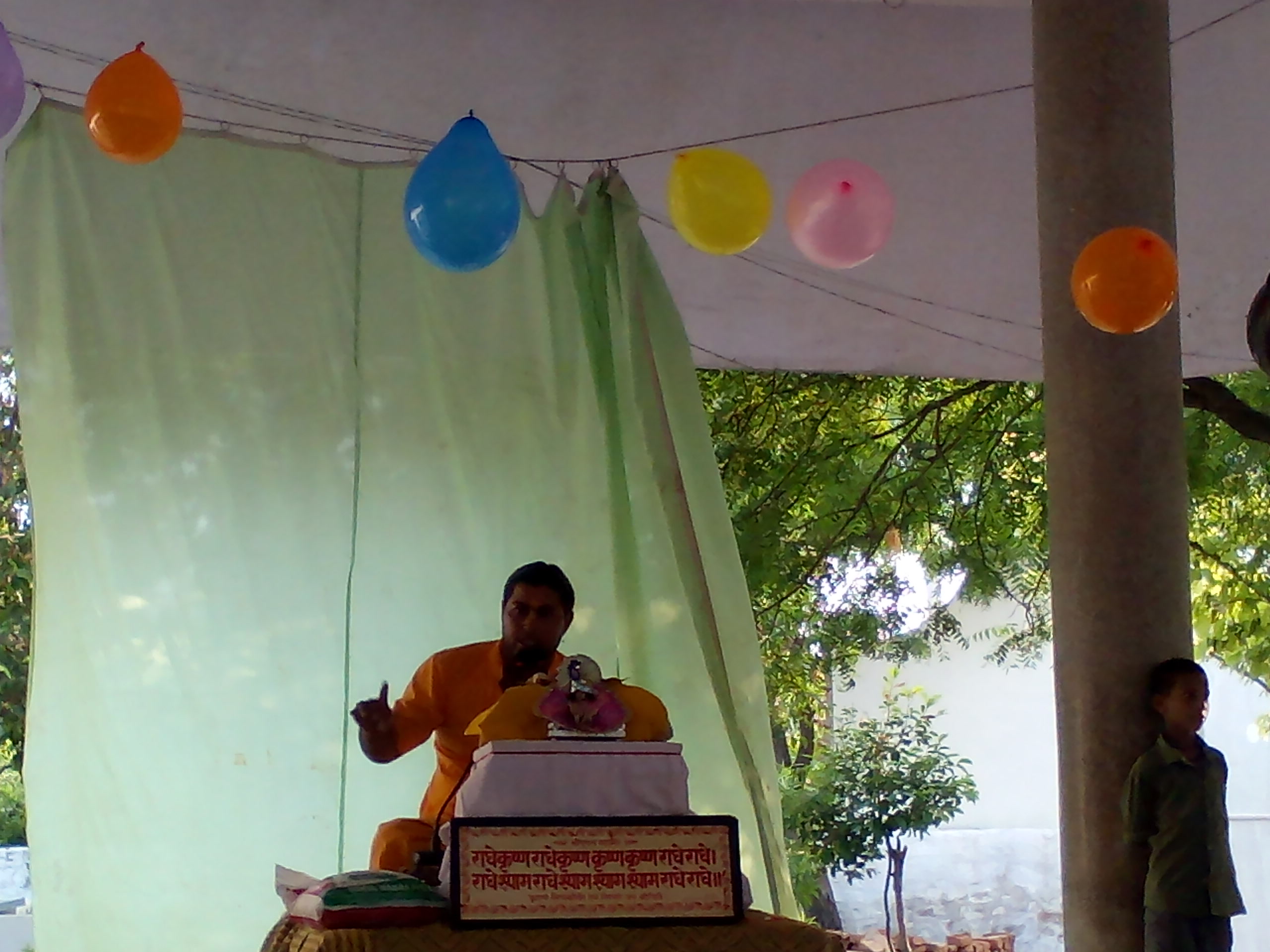

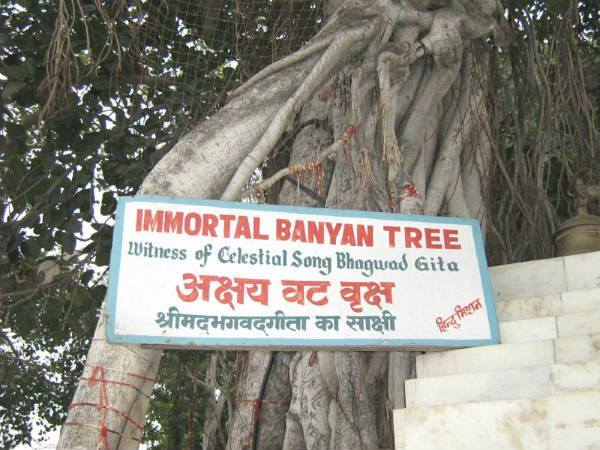
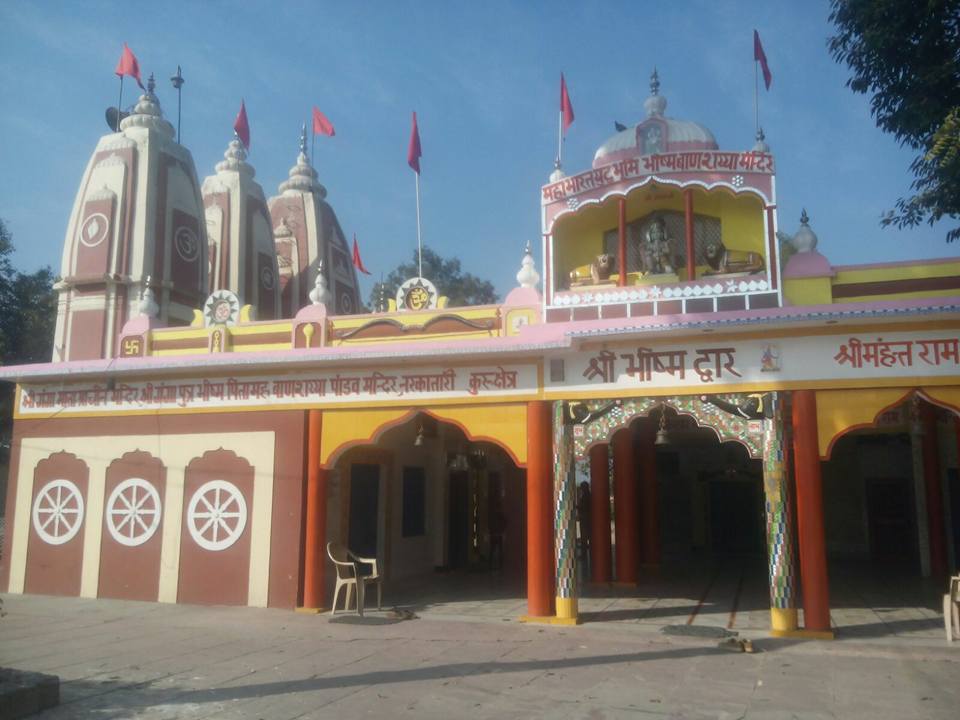
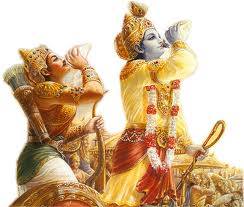
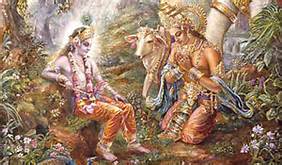
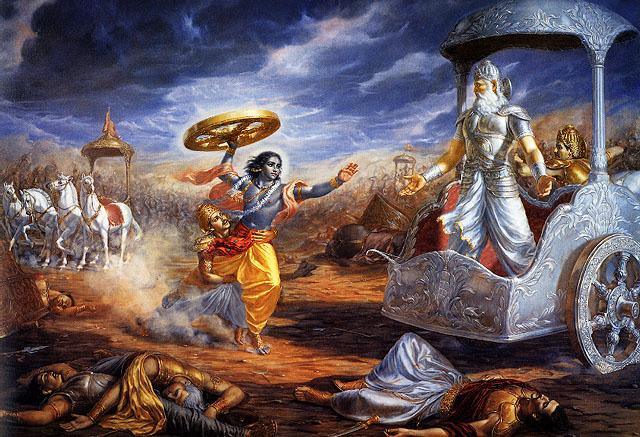
 Once during a total solar eclipse the cowherd community of Vrindavan arrived . This was the time when Lord Krishna met the gopis .

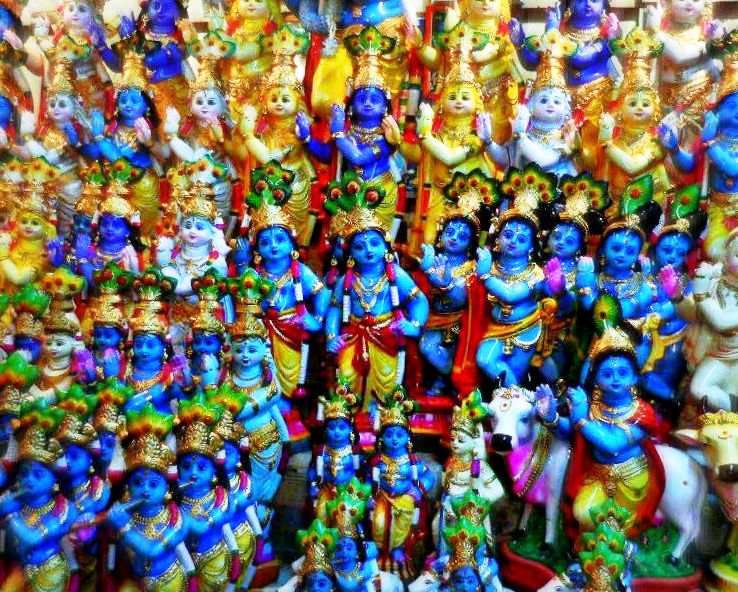
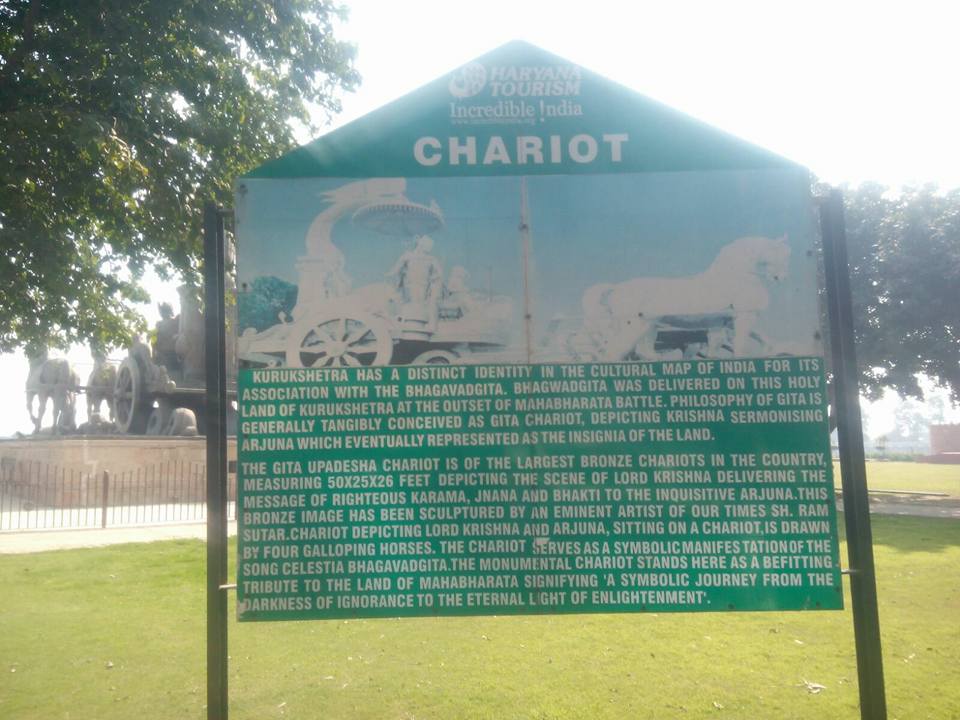
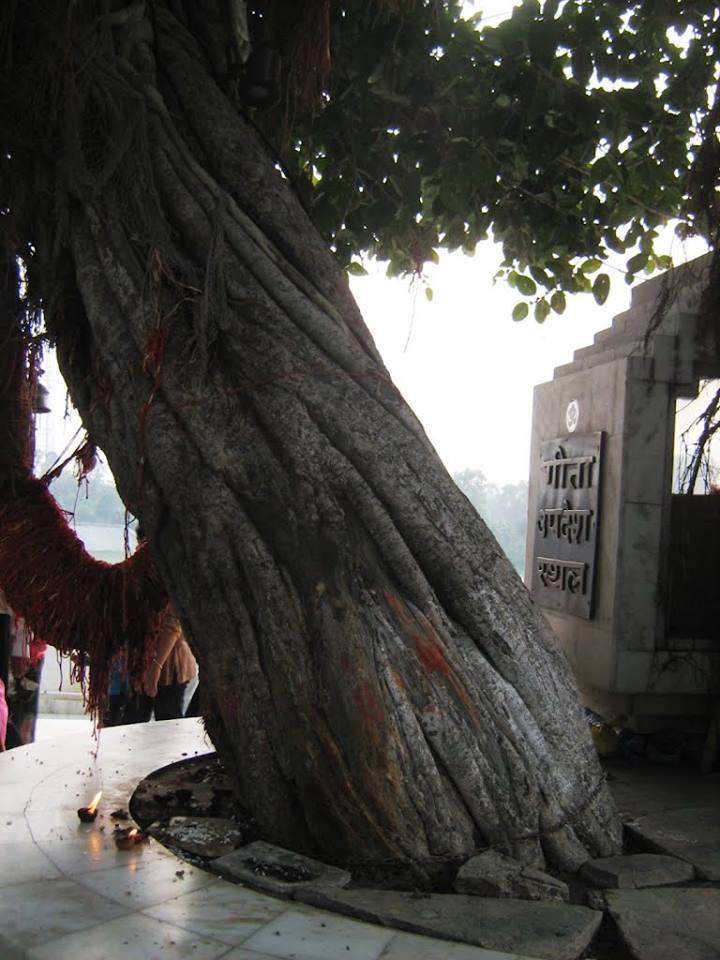
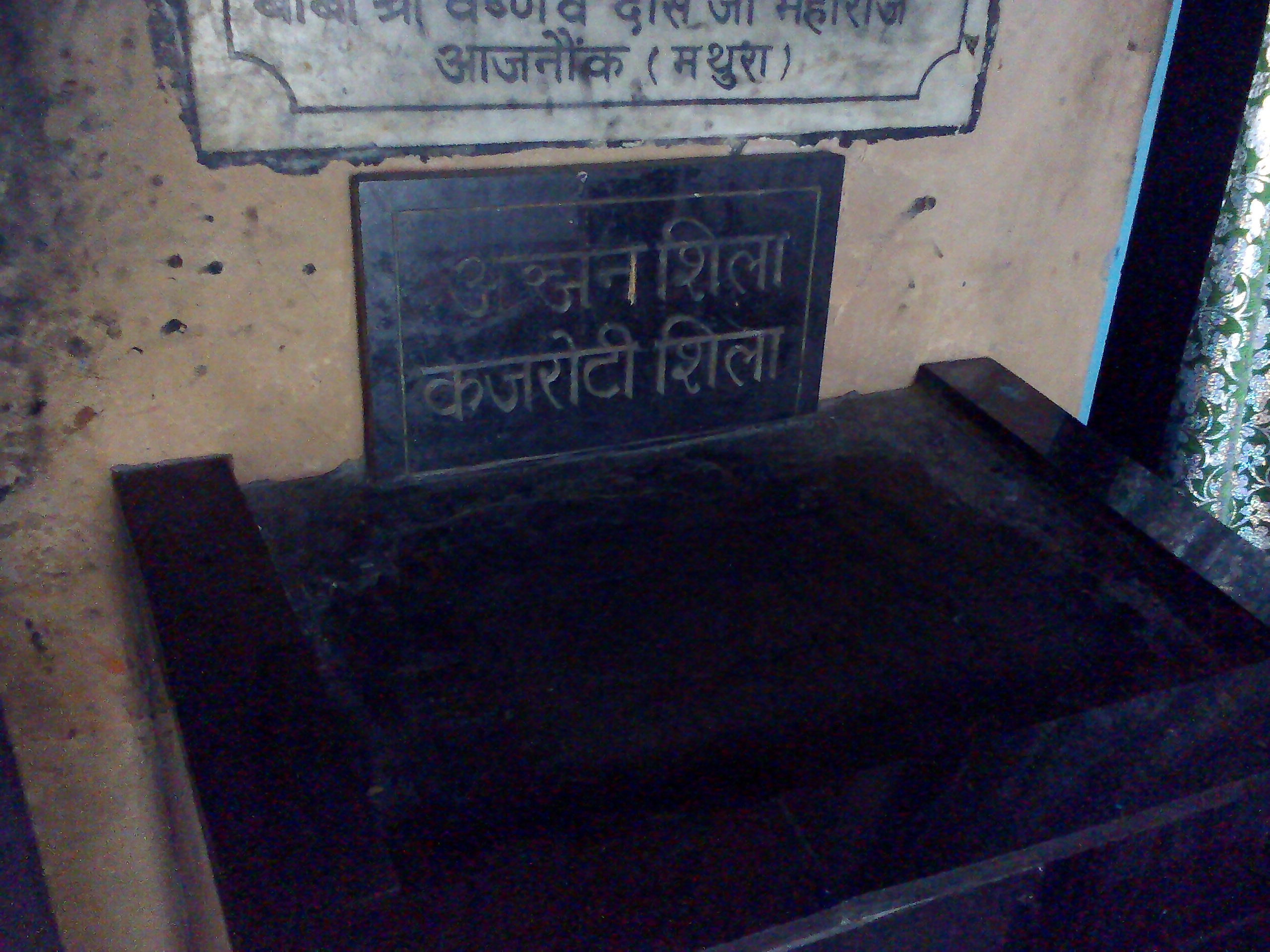

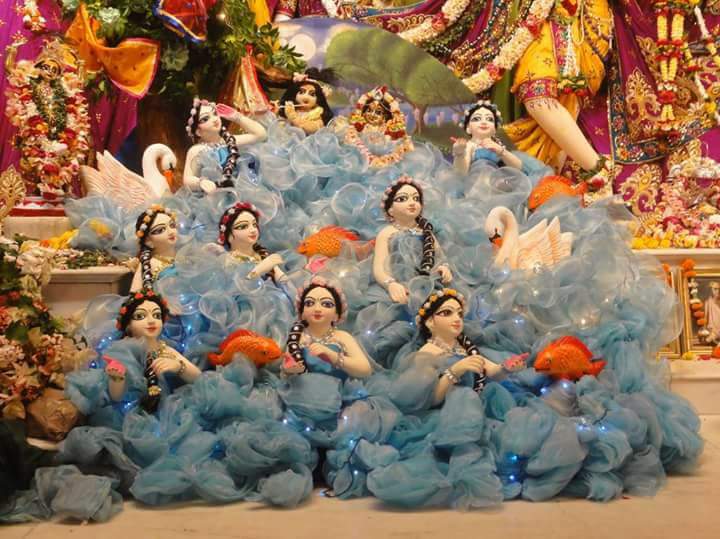
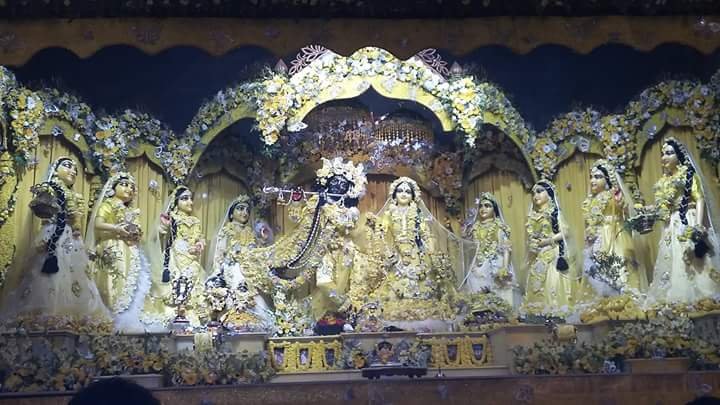 Although these Varishtha Gopis are the leaders of millions of other gopis, because they are very greedy to earn Radha’s love , they always prefer to serve under the command of Radha and try to please her in every way possible. These gopi friends decorate their own dear friend Srimati Radharani and they take Radharani’s side whenever she has a lover’s quarrel with Lord Hari.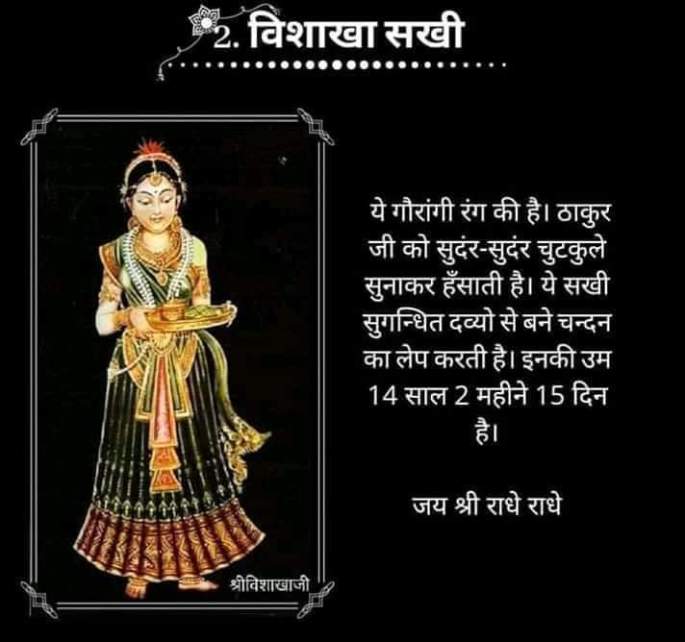



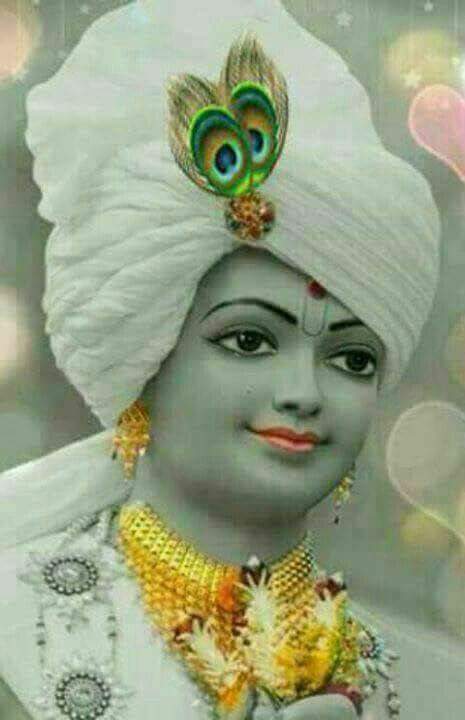
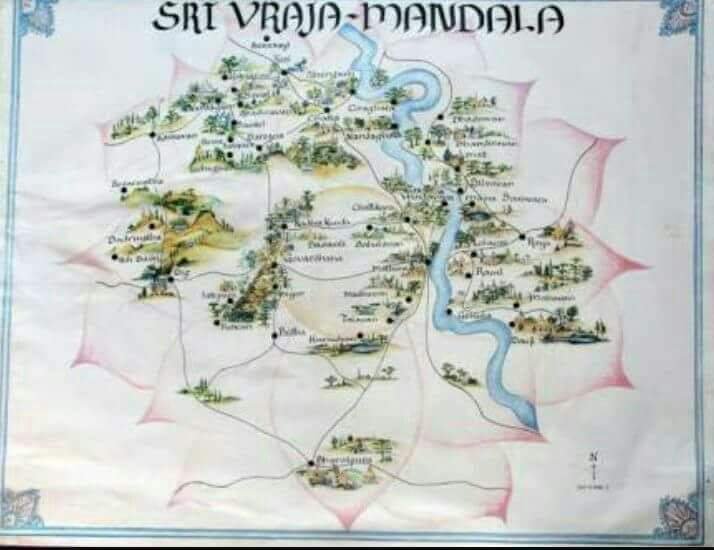
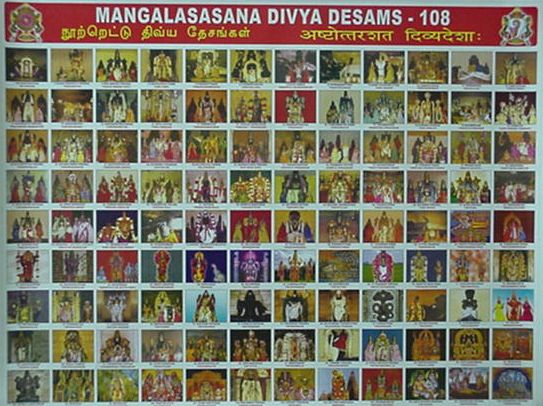


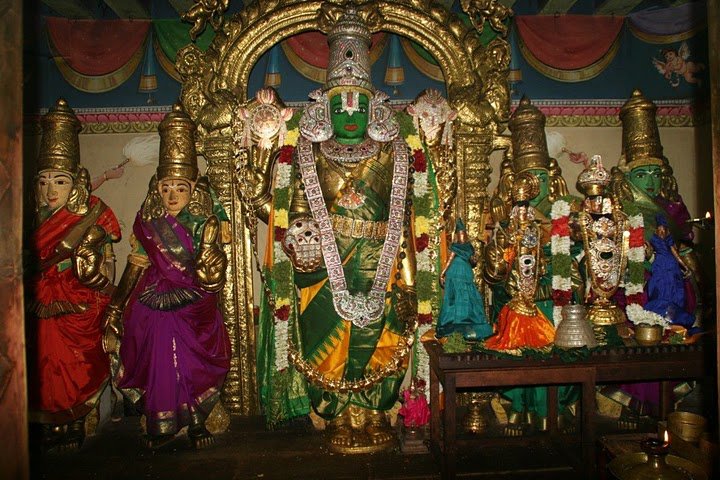
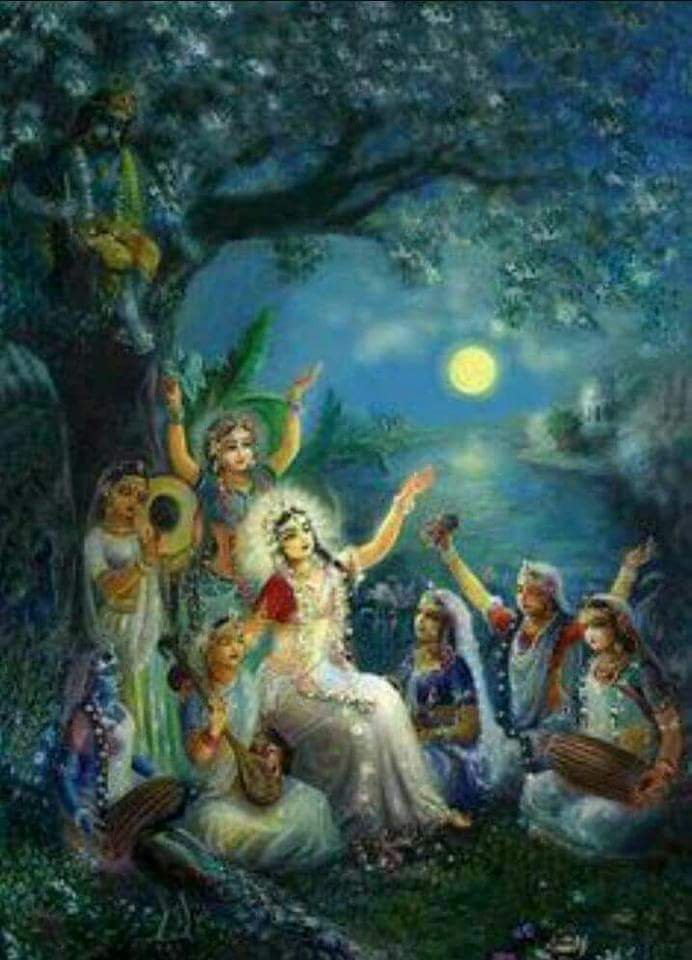
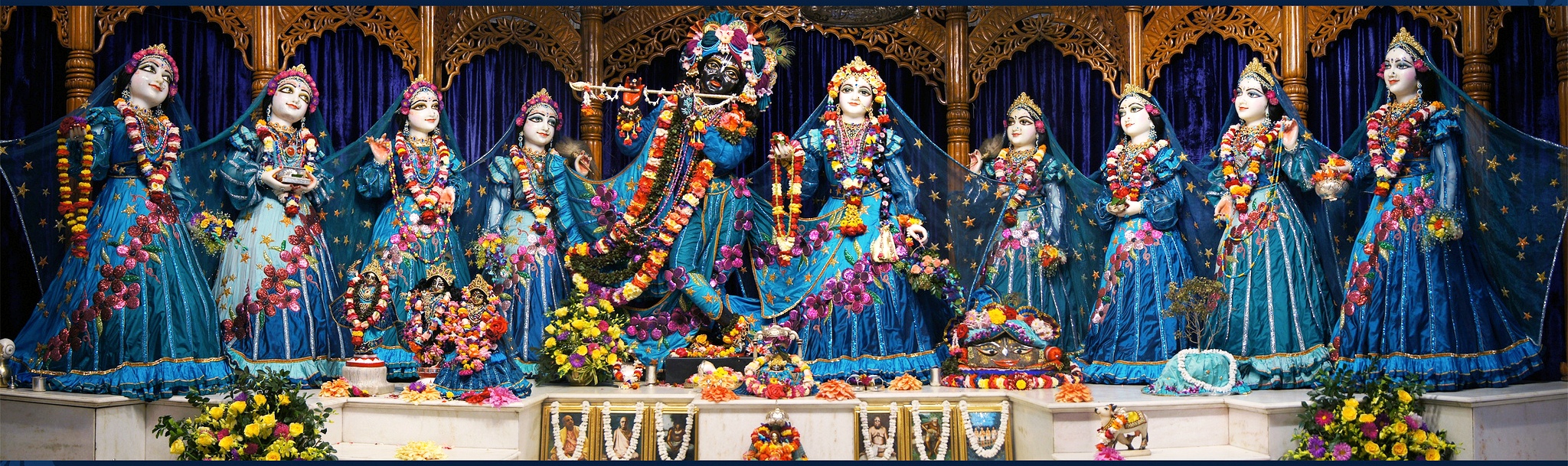

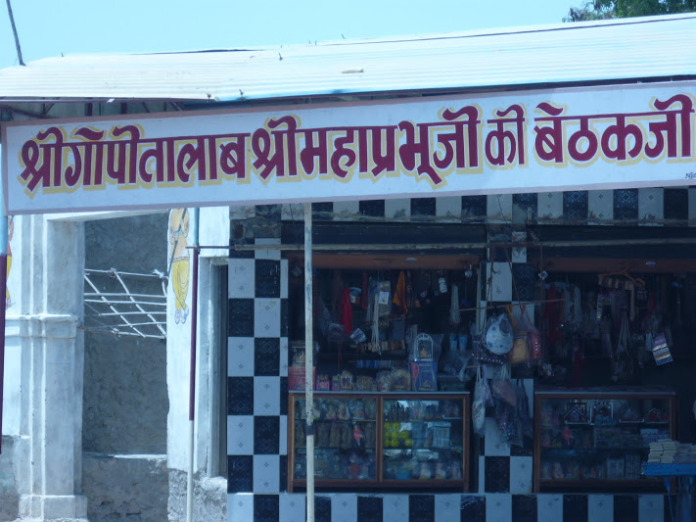
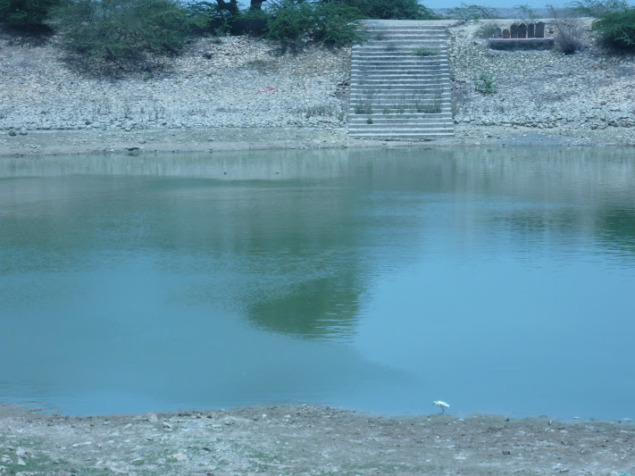
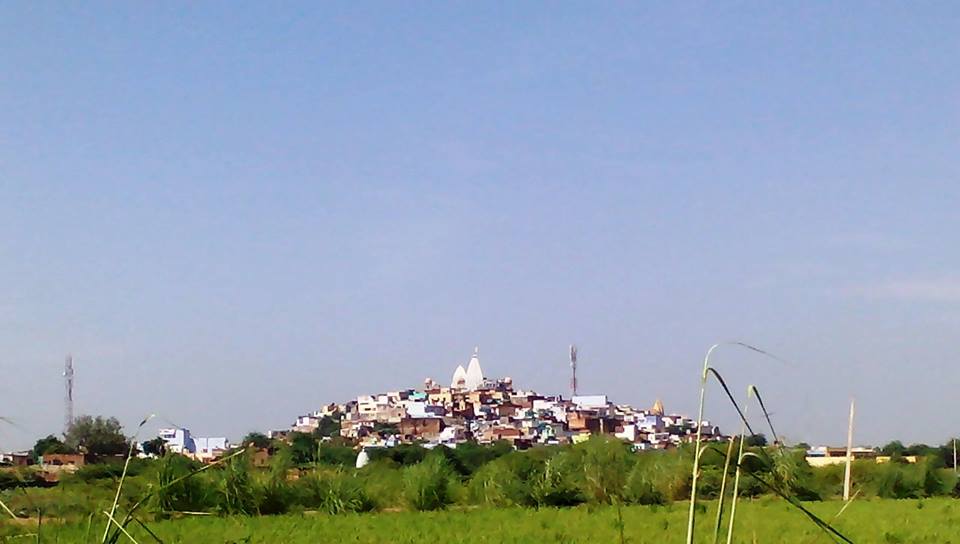



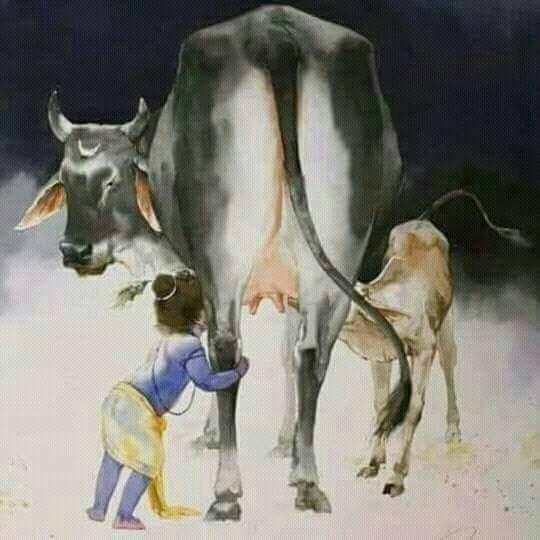
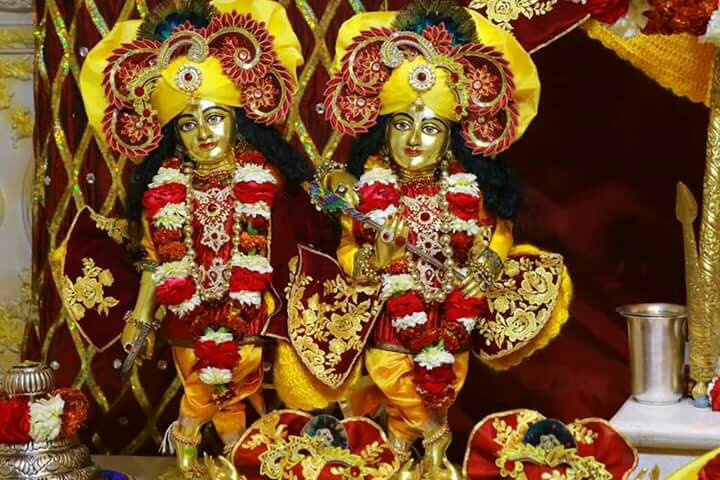
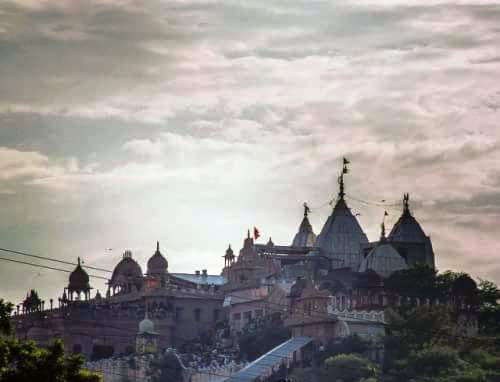
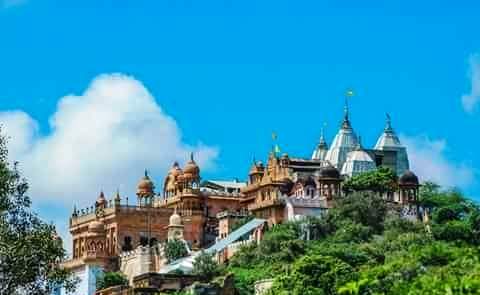
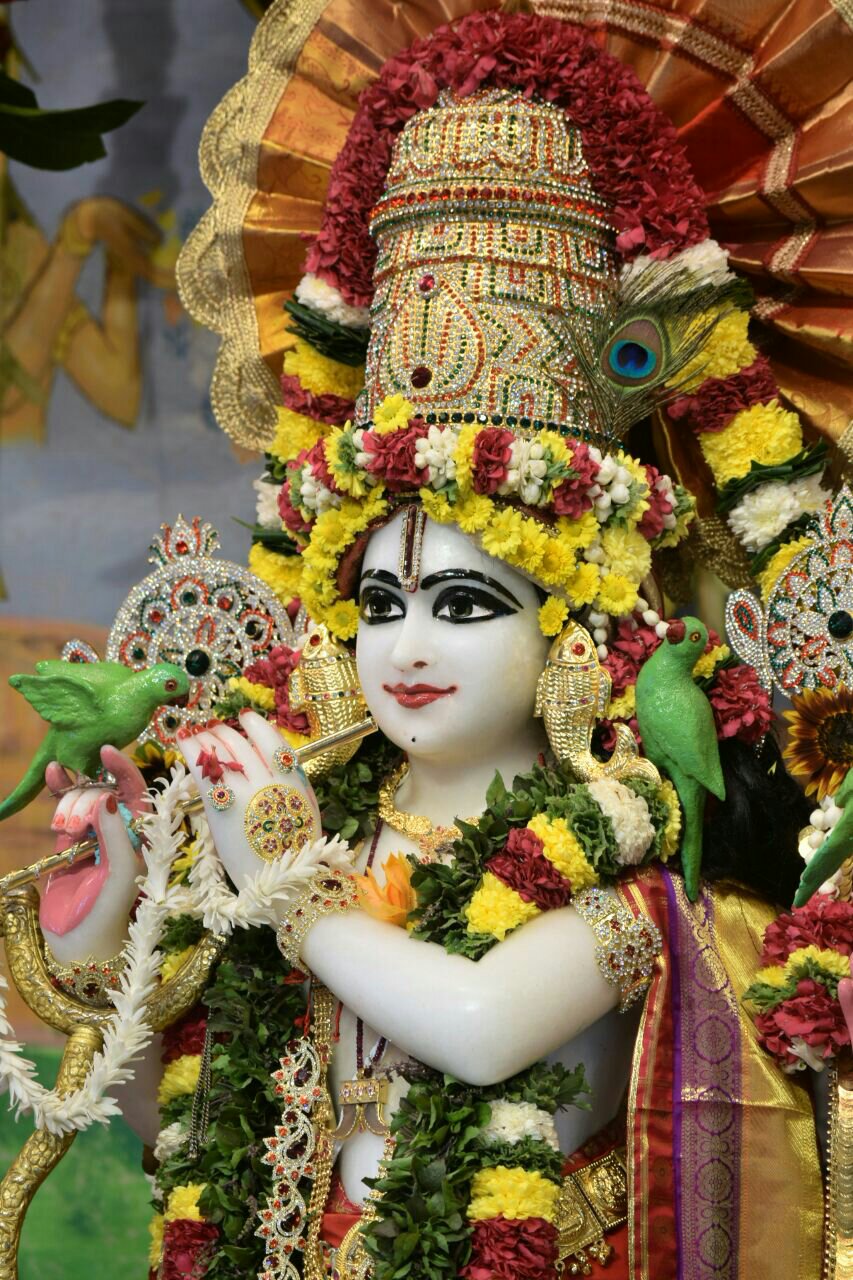
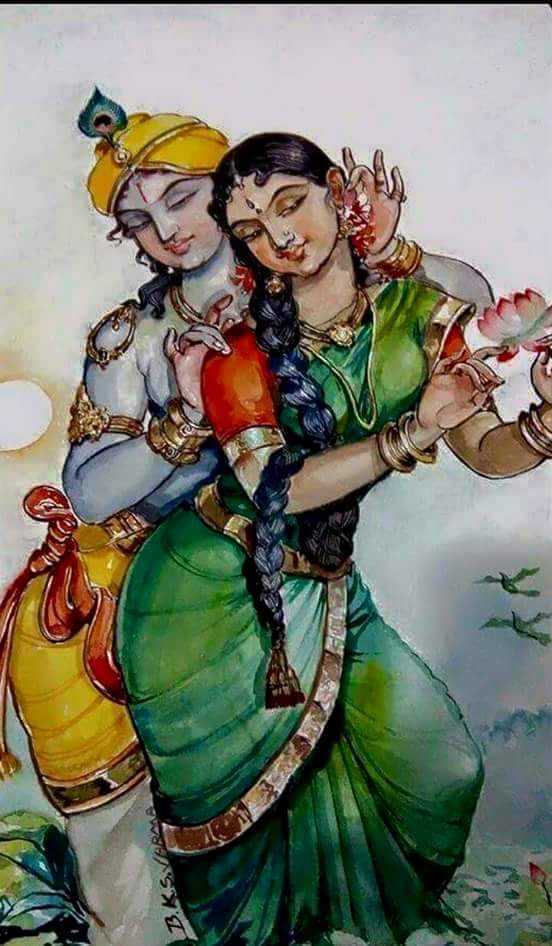
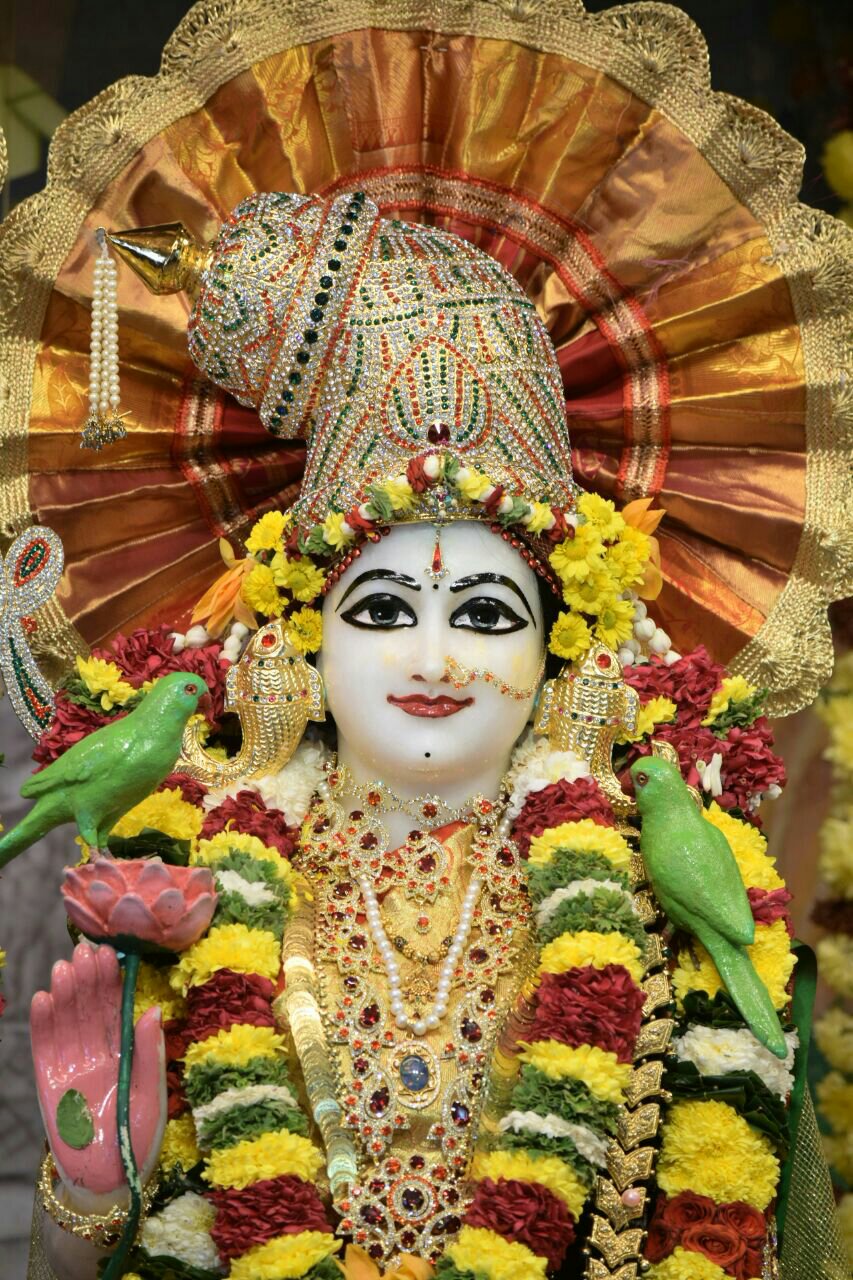
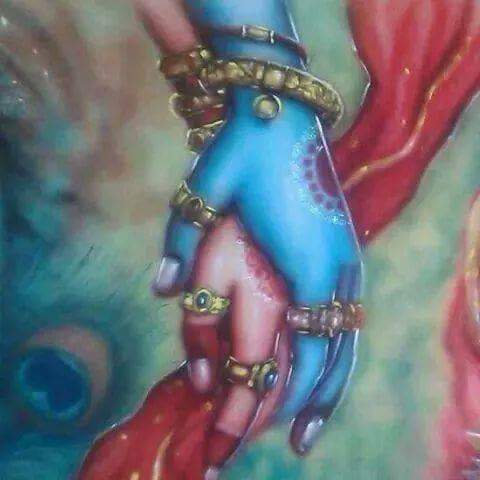


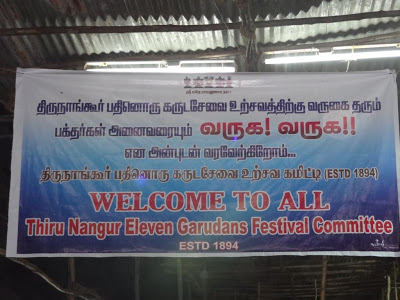

 kazhiyur varadan's blog