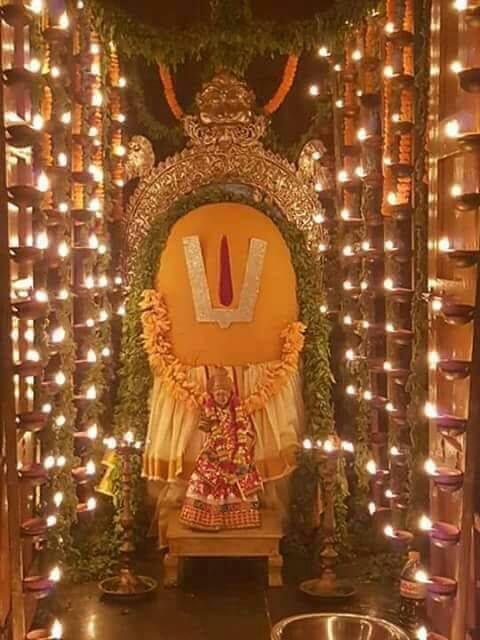
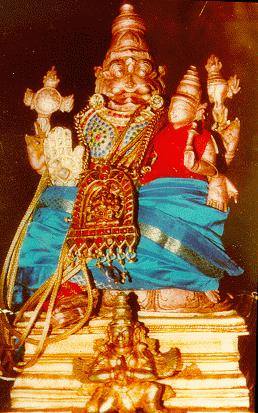
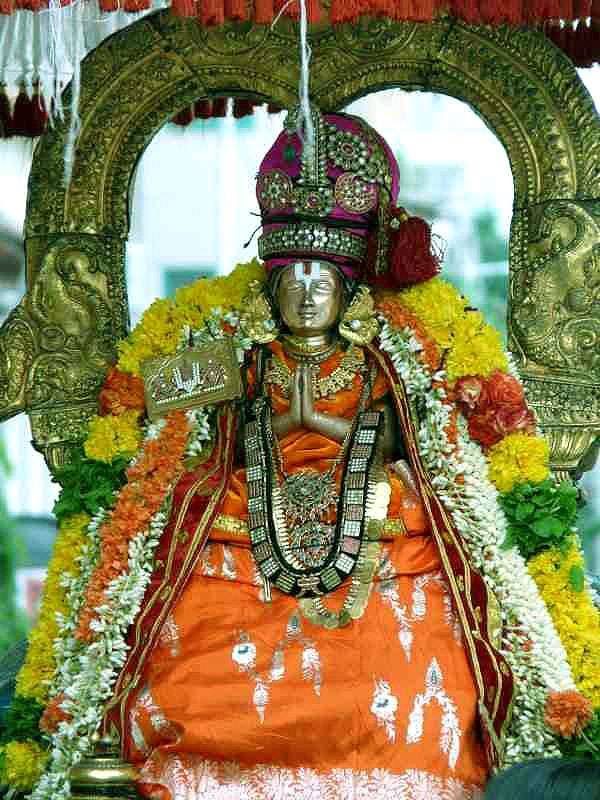
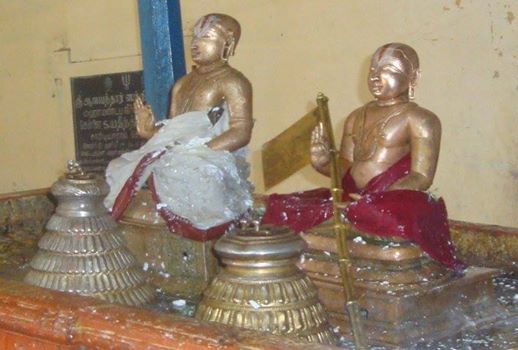
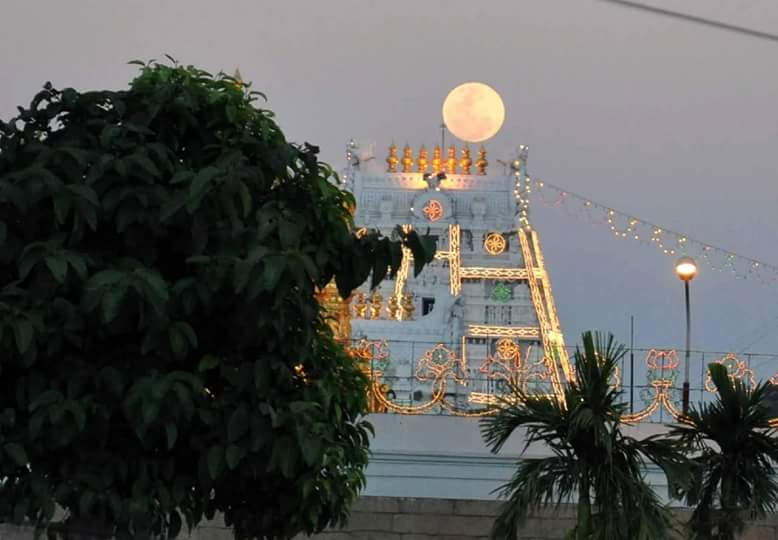
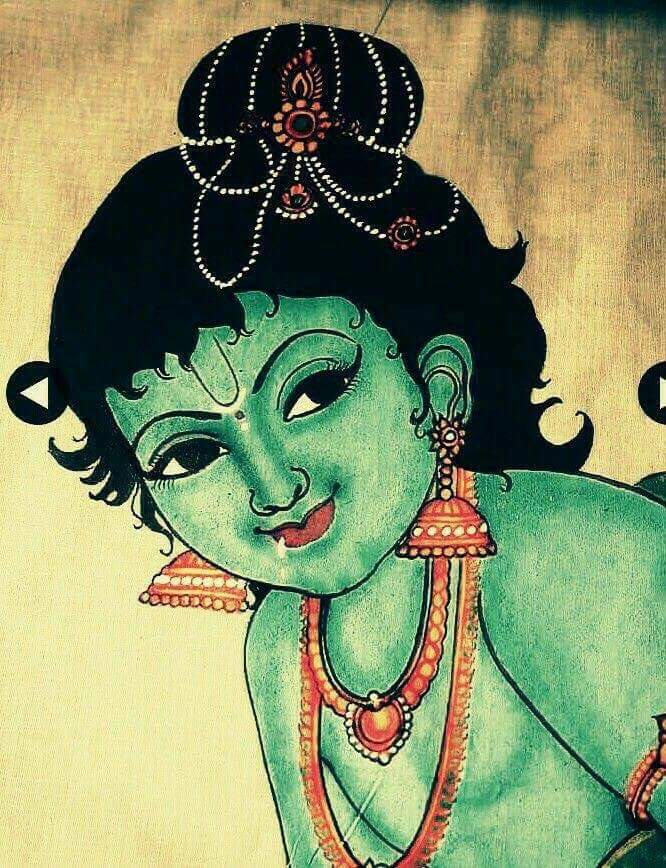
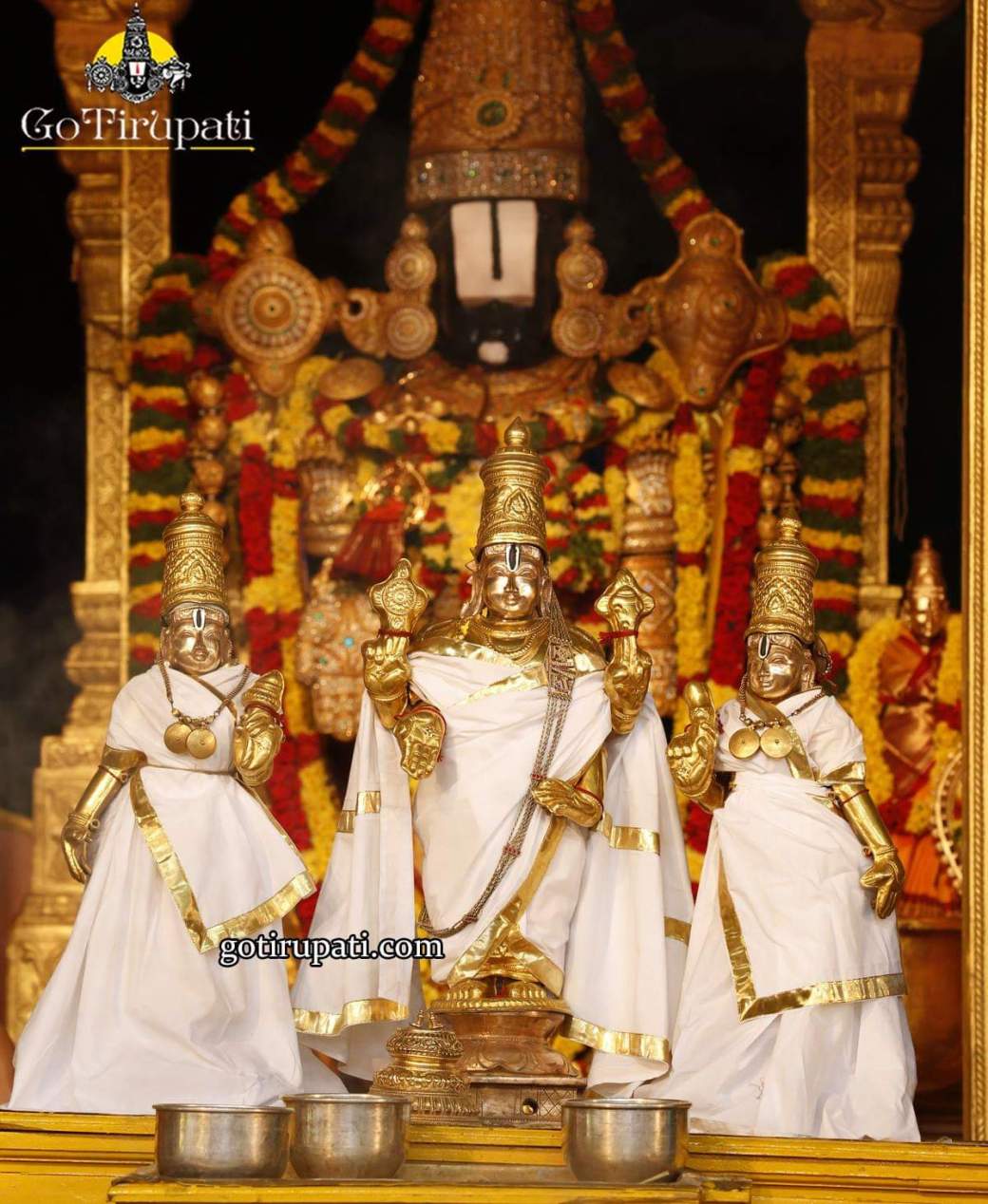
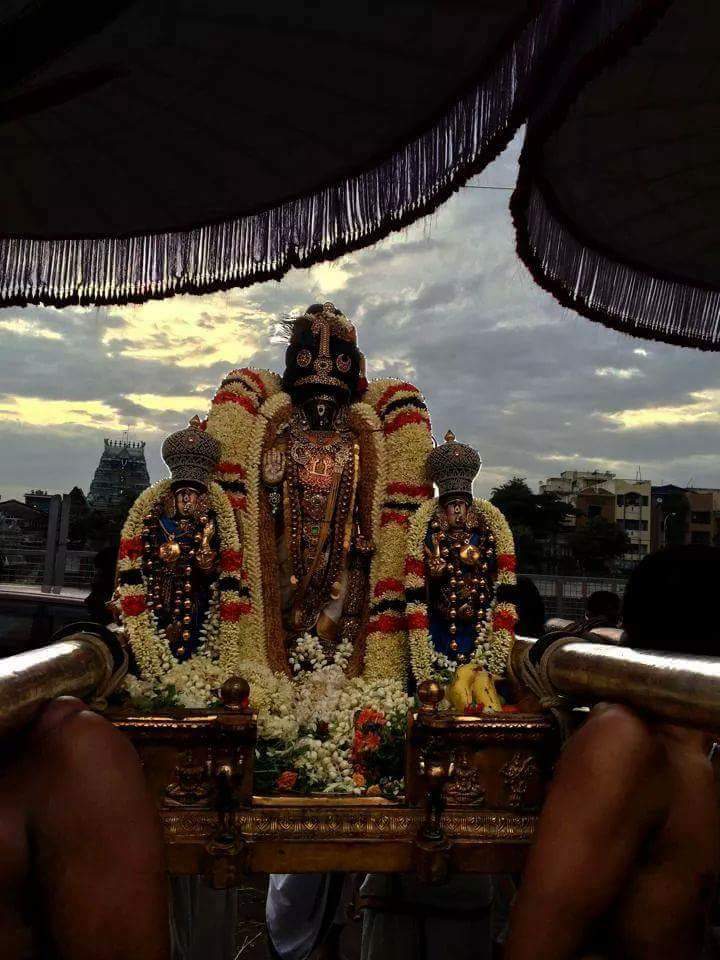
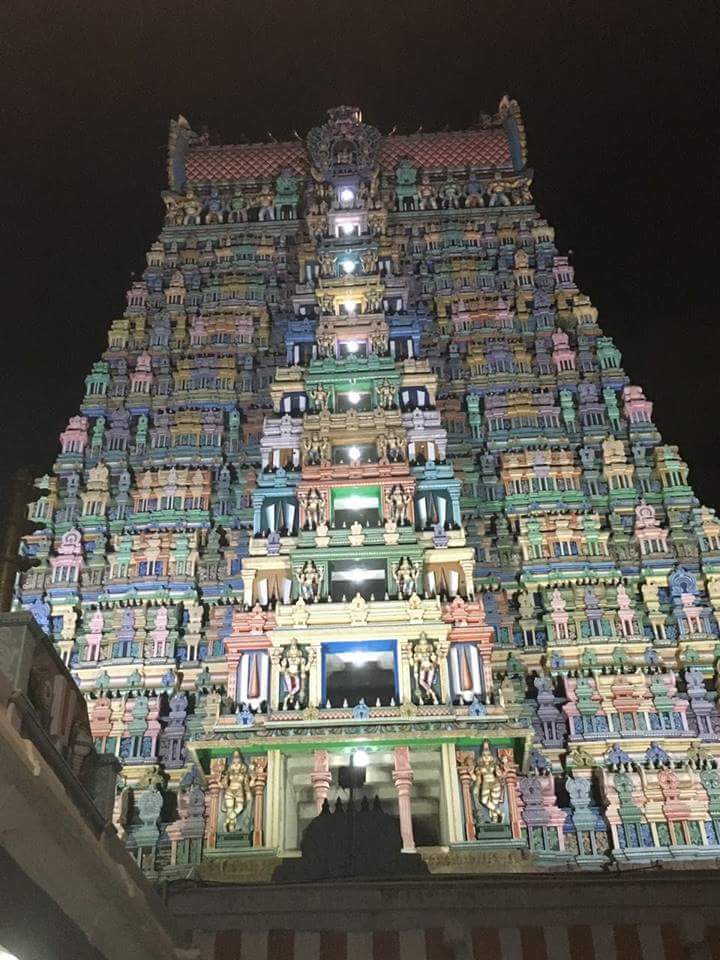
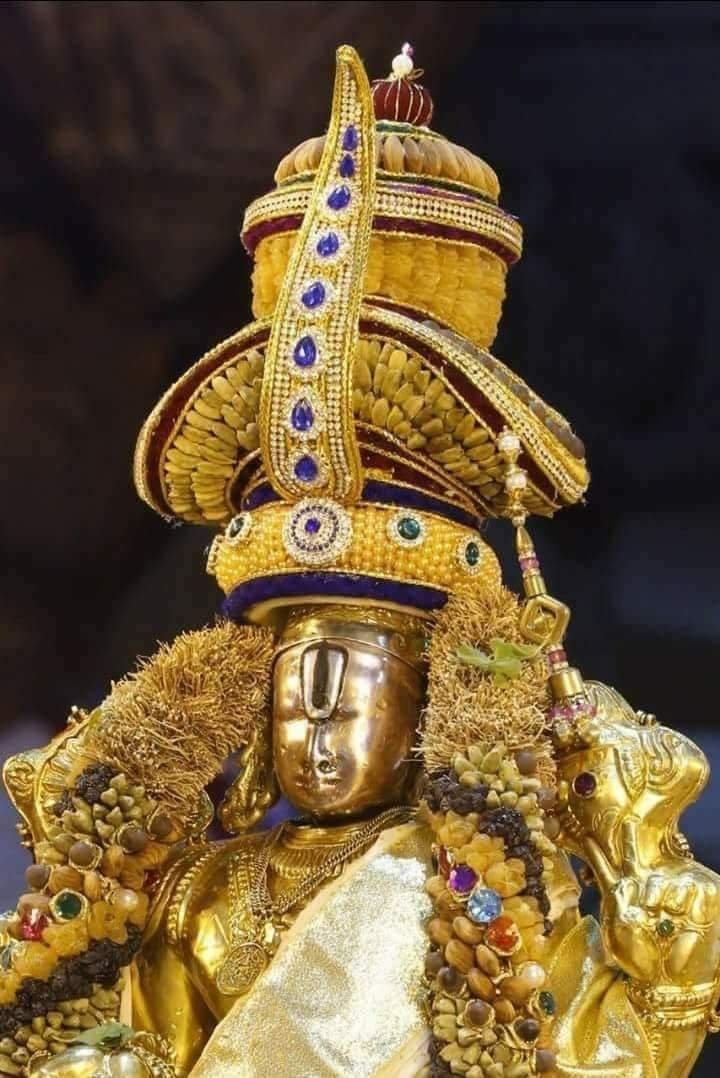
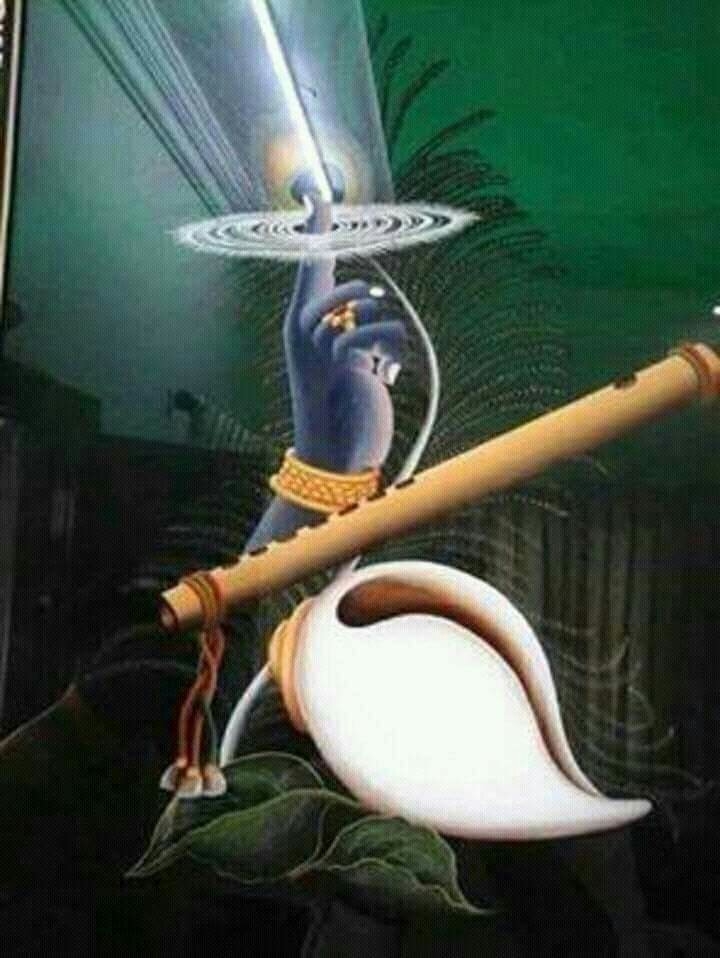
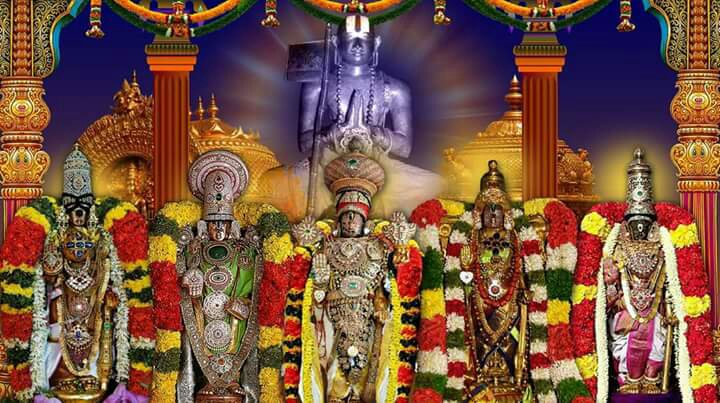
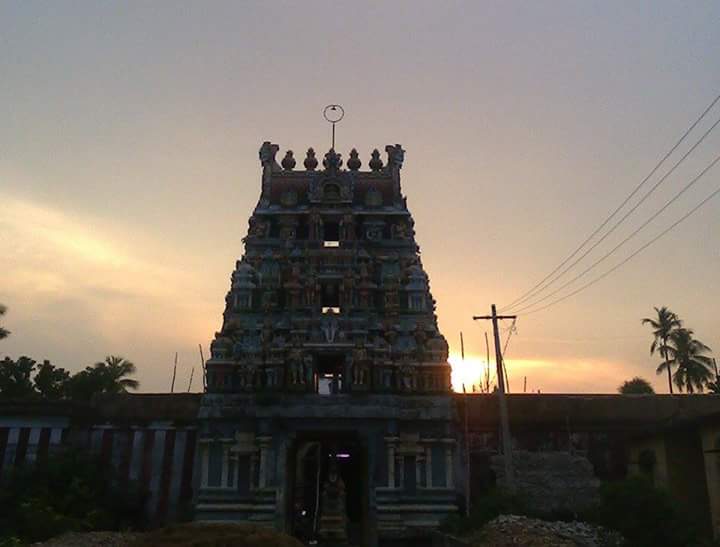
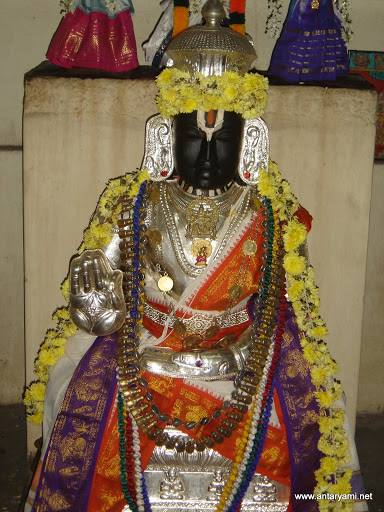
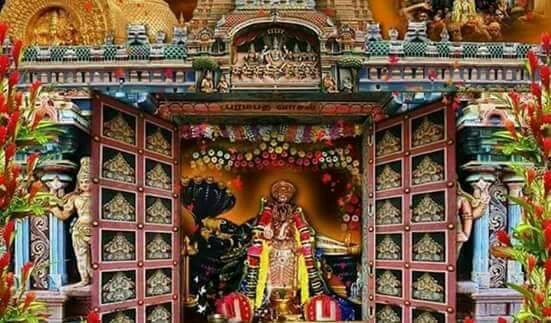
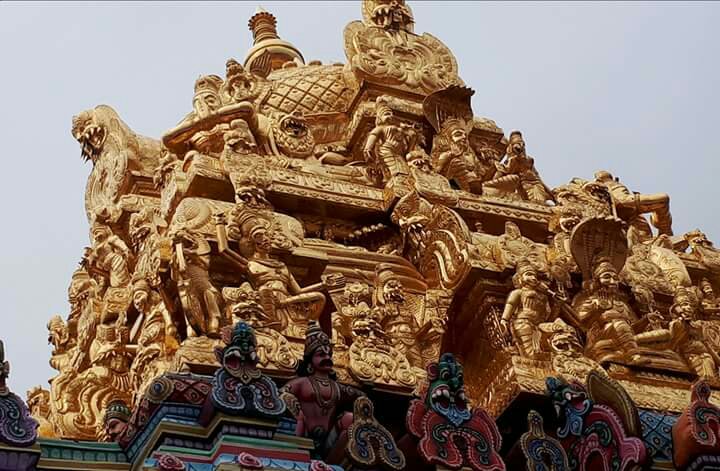
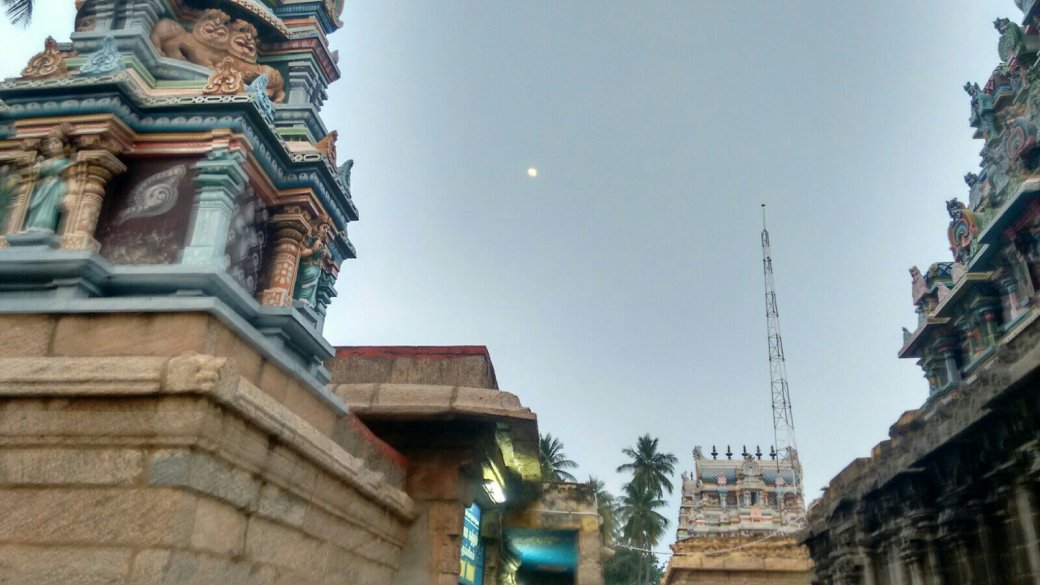
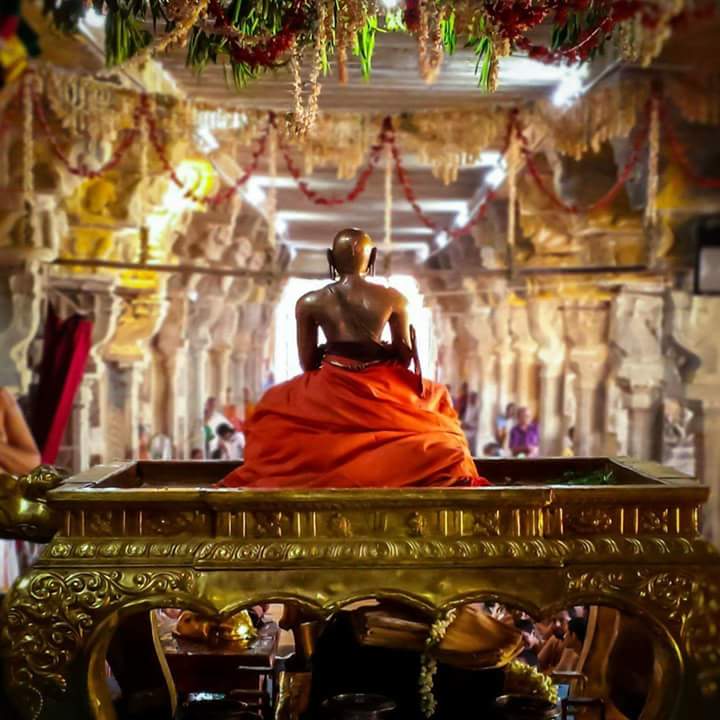
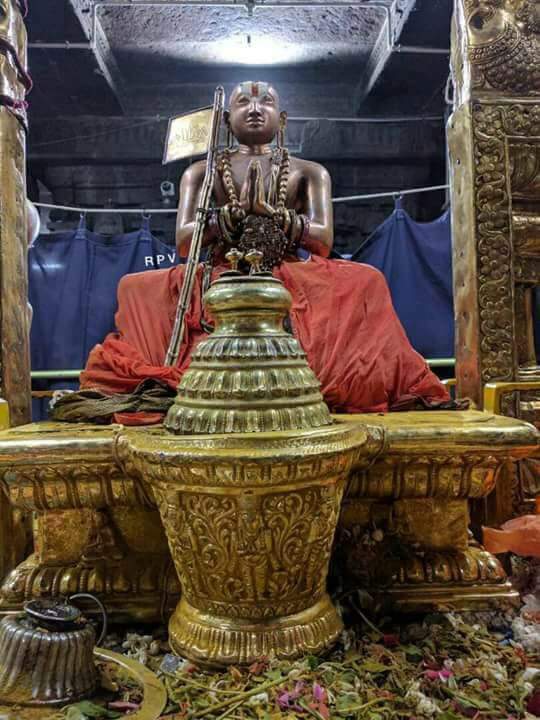
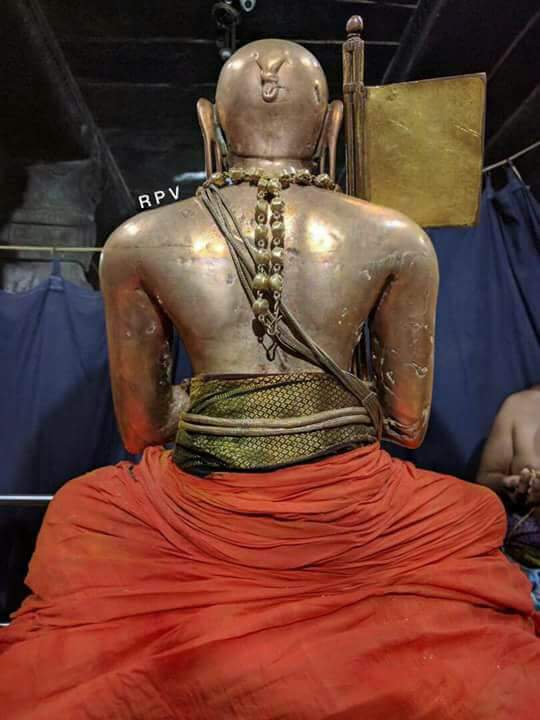
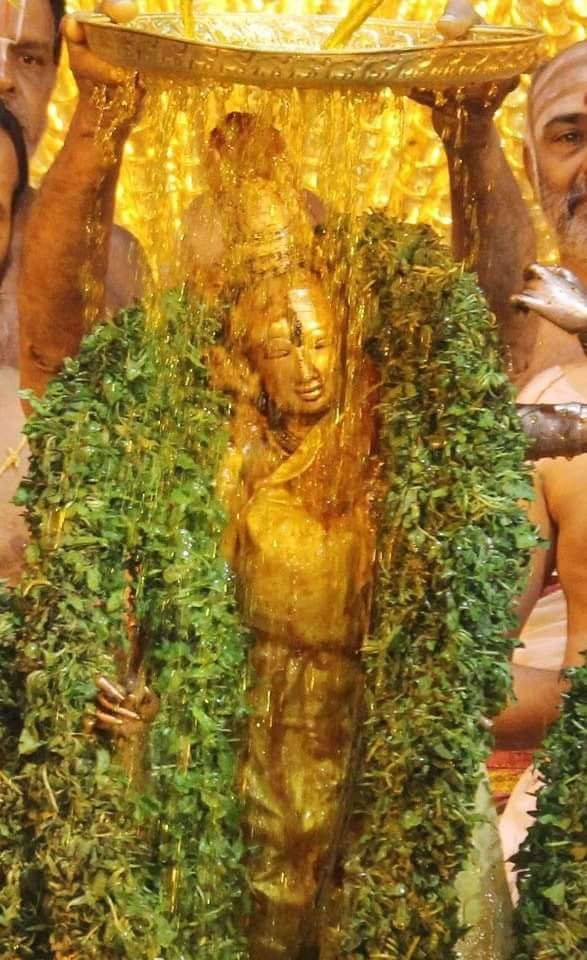
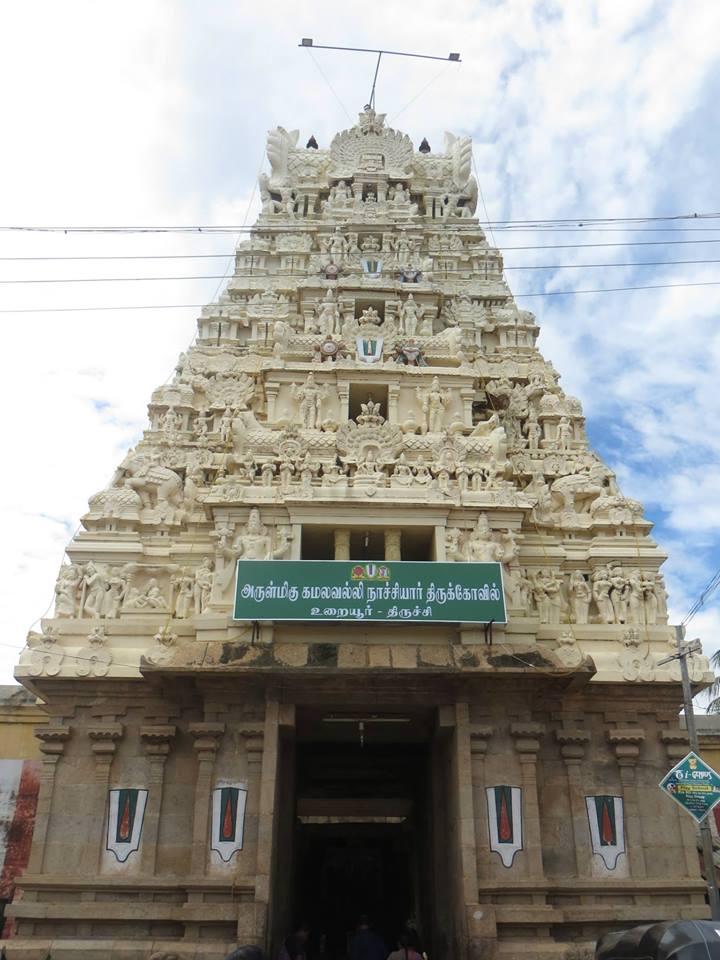
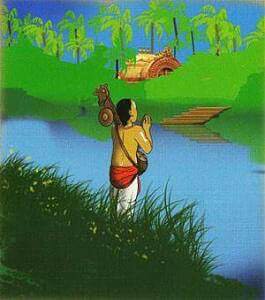
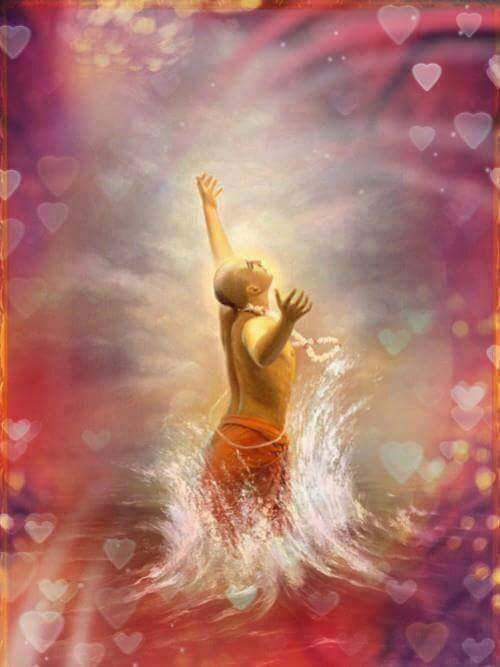
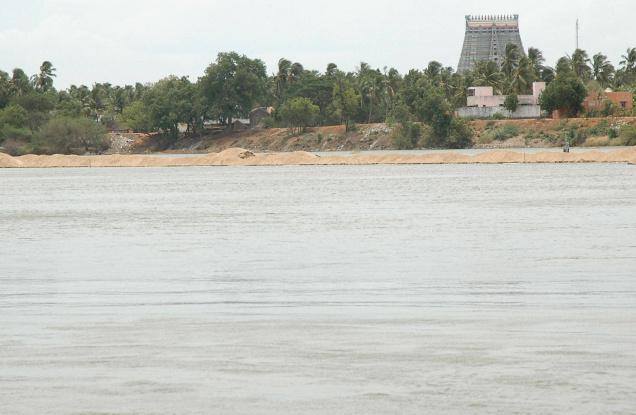
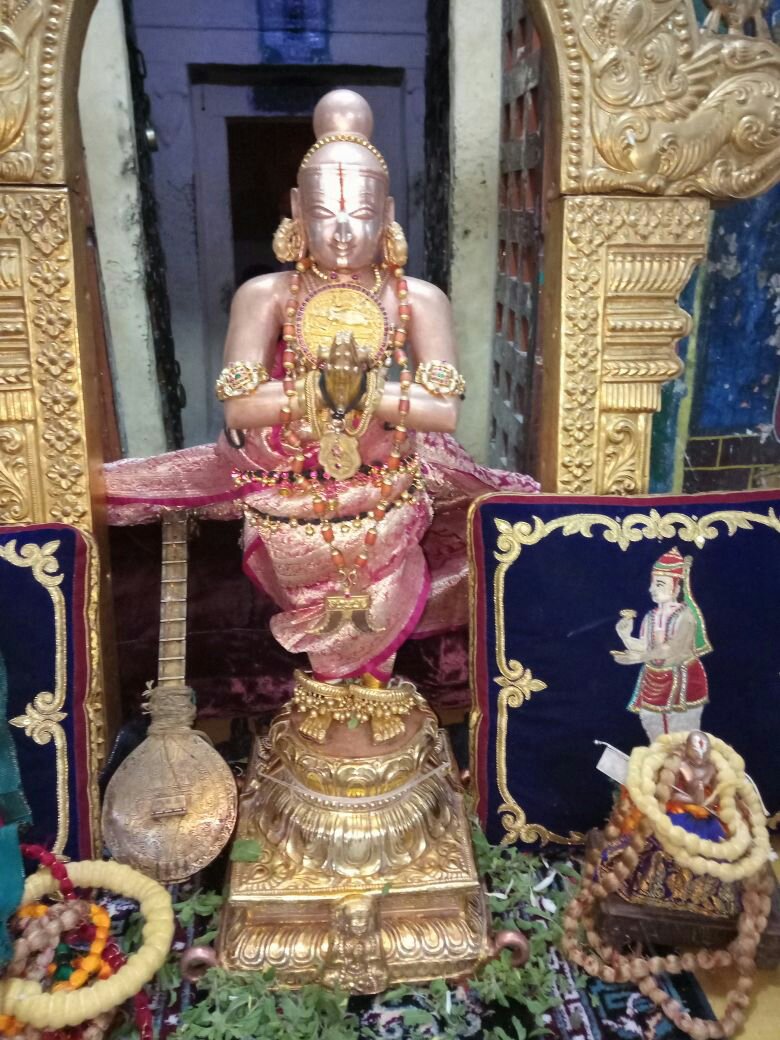
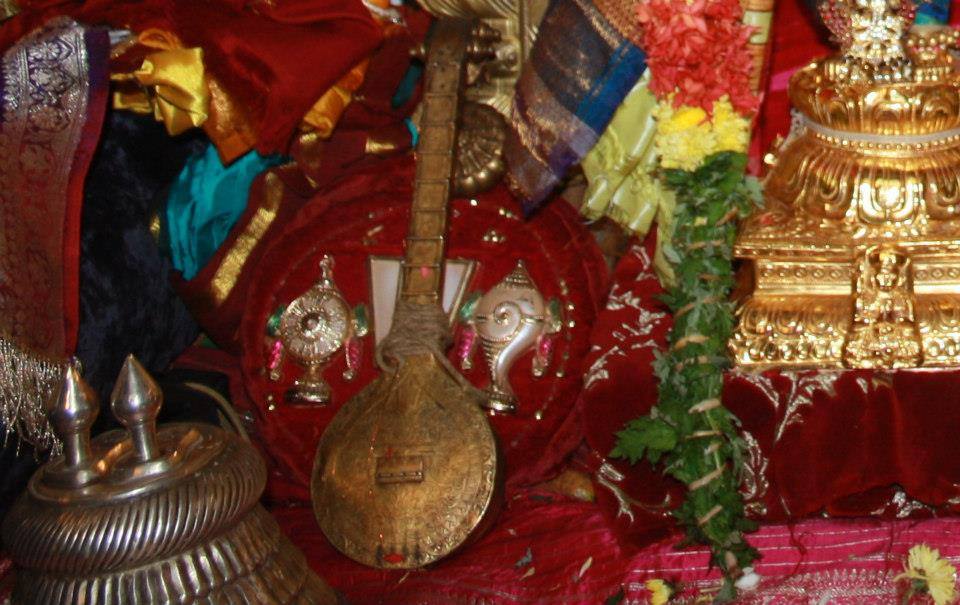
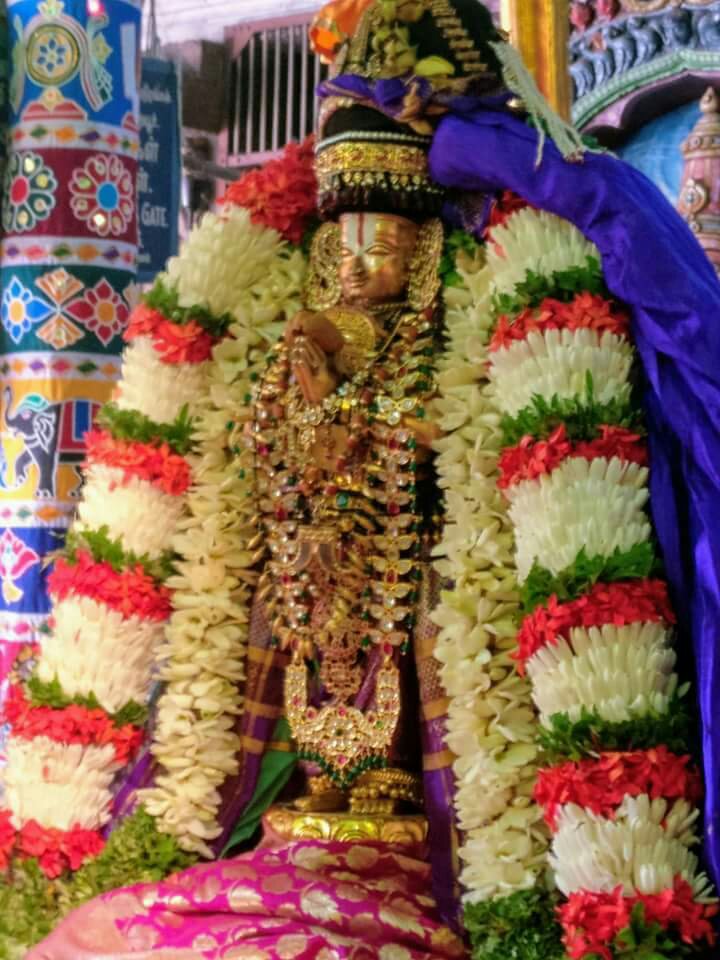
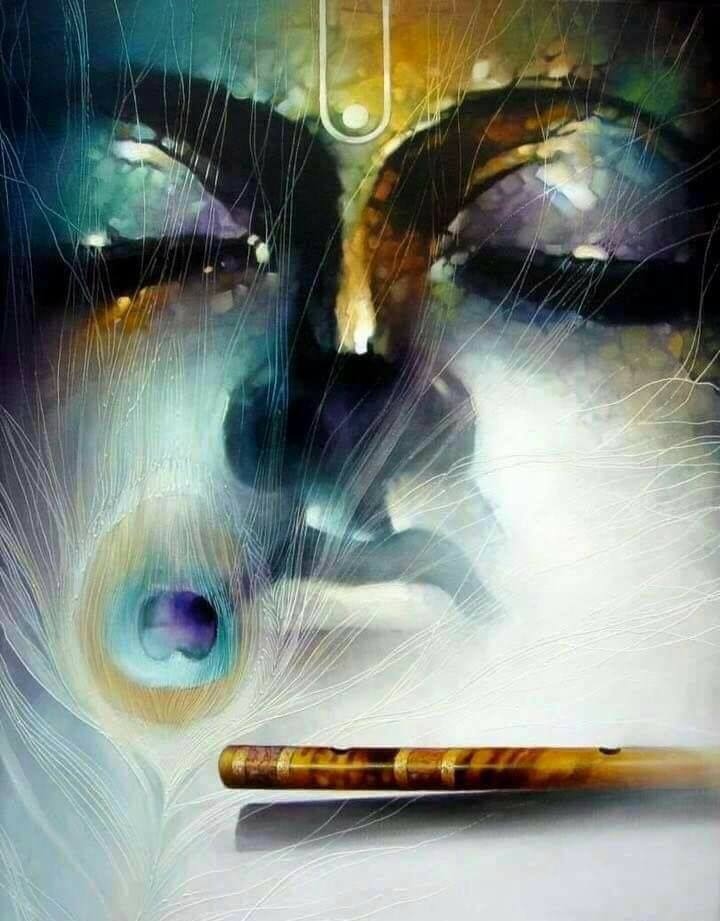
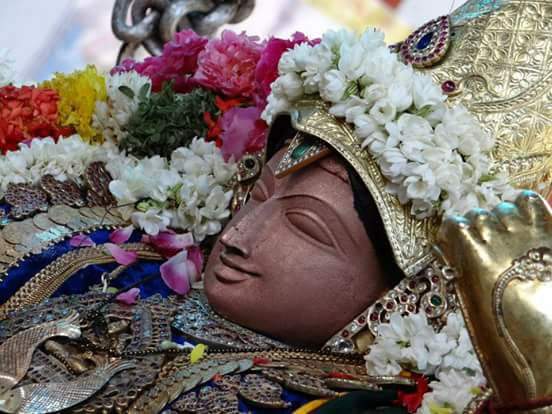
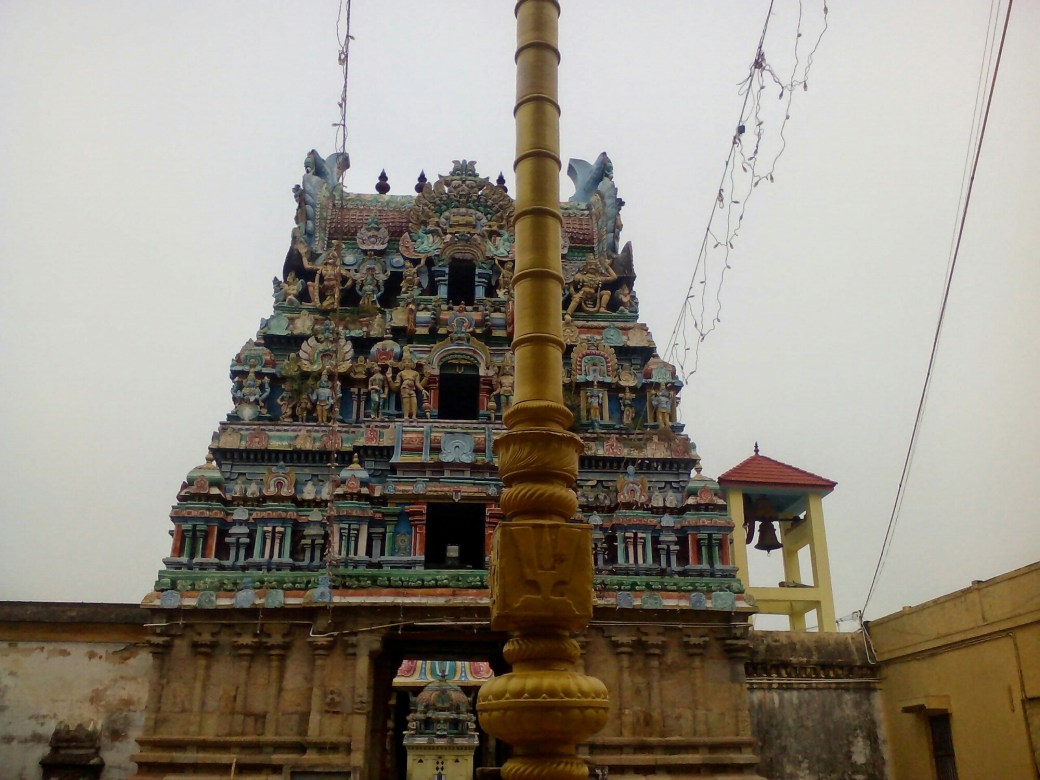
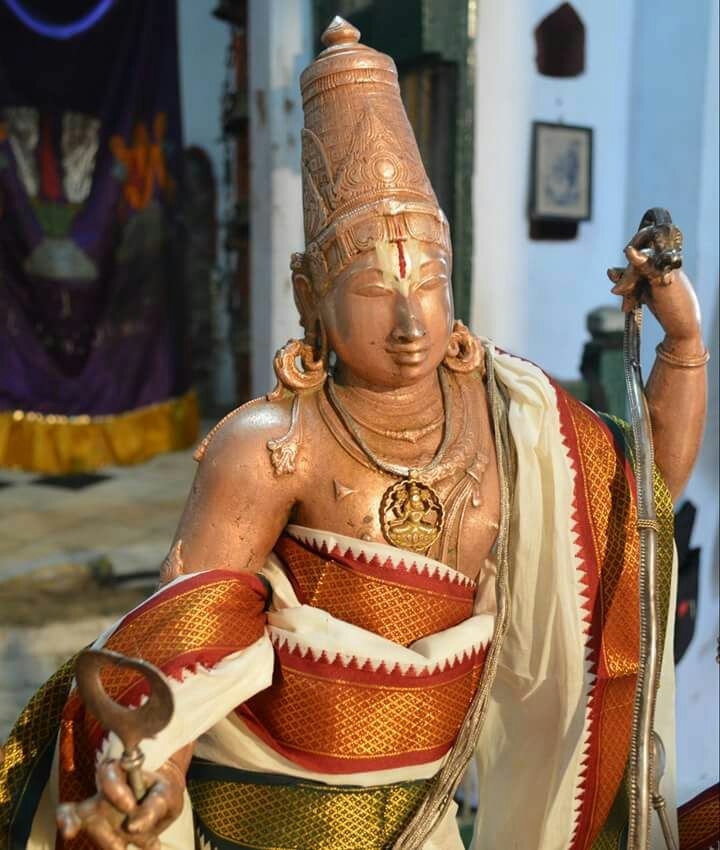
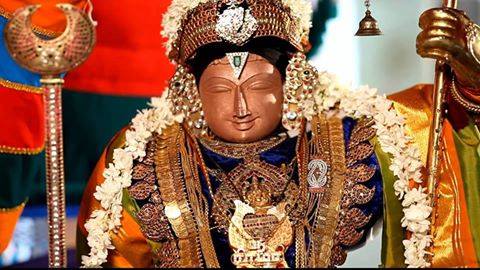
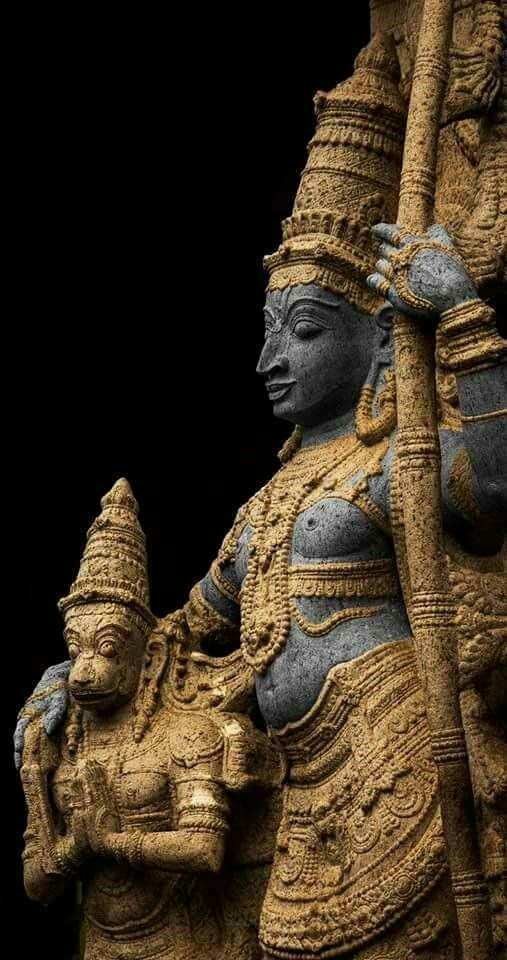
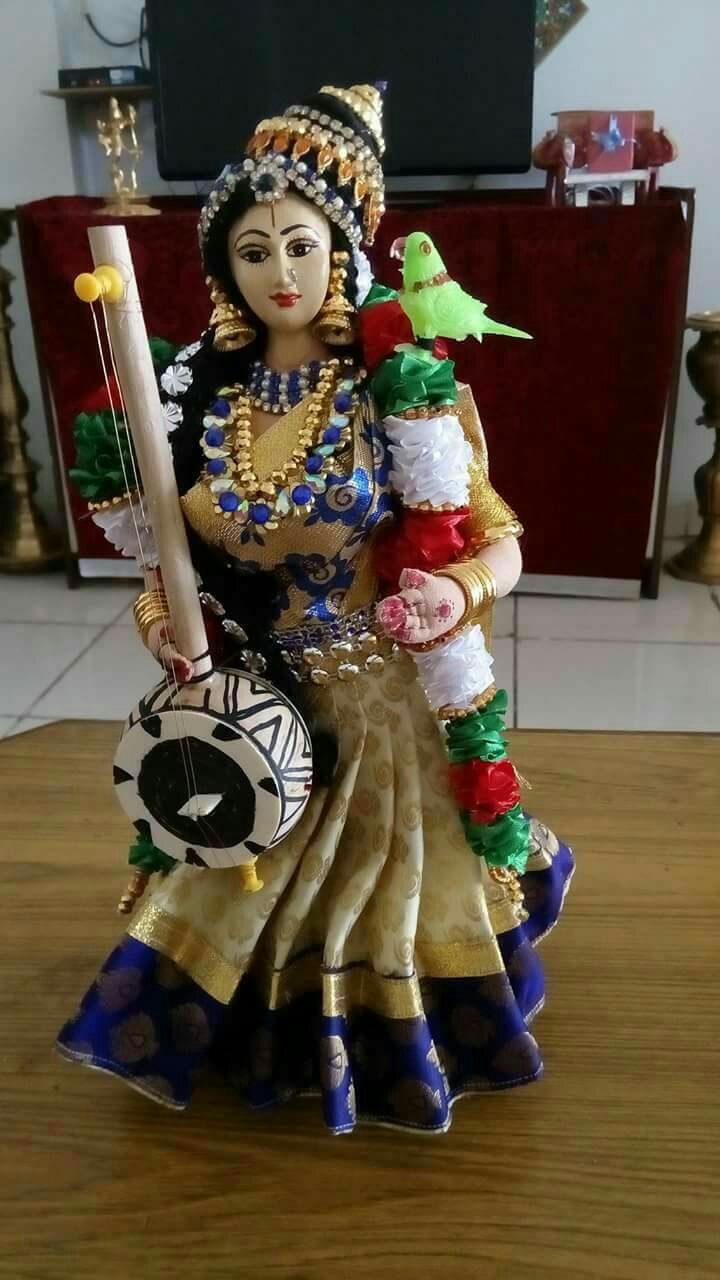
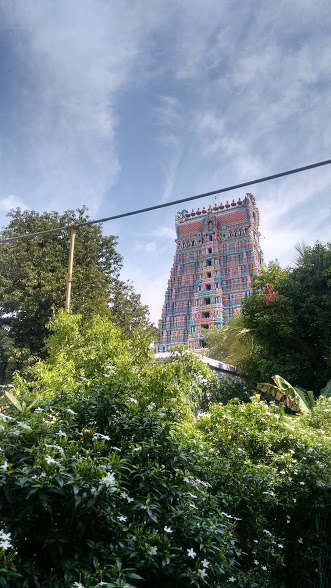
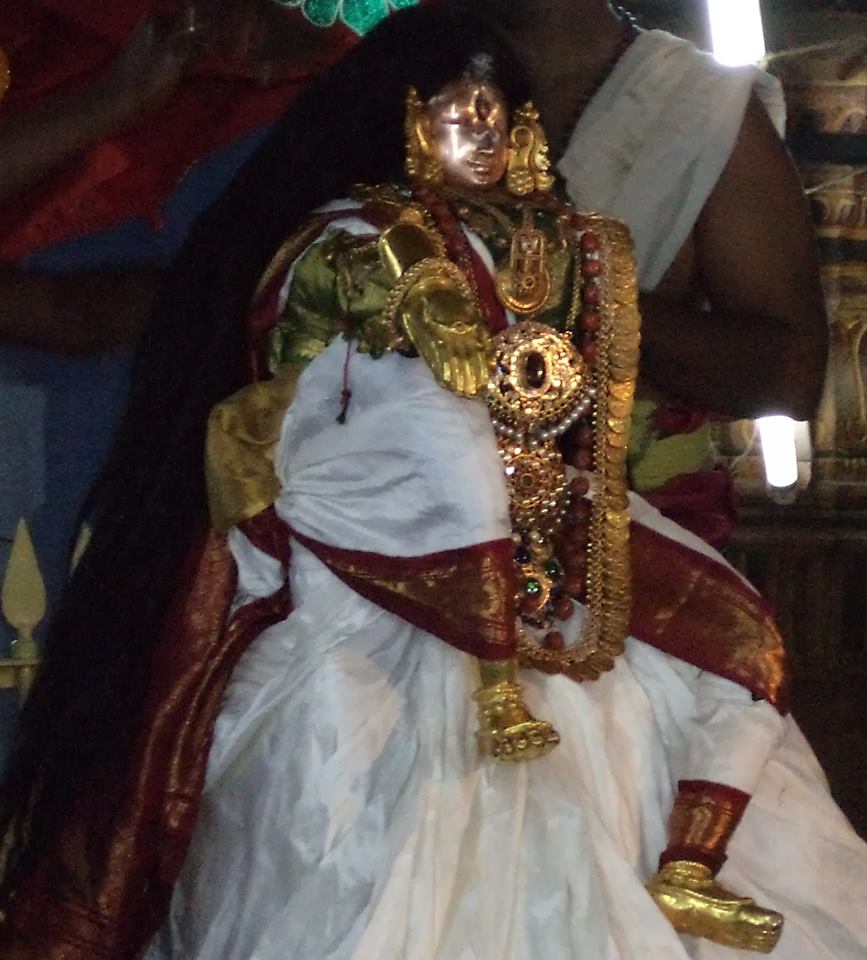
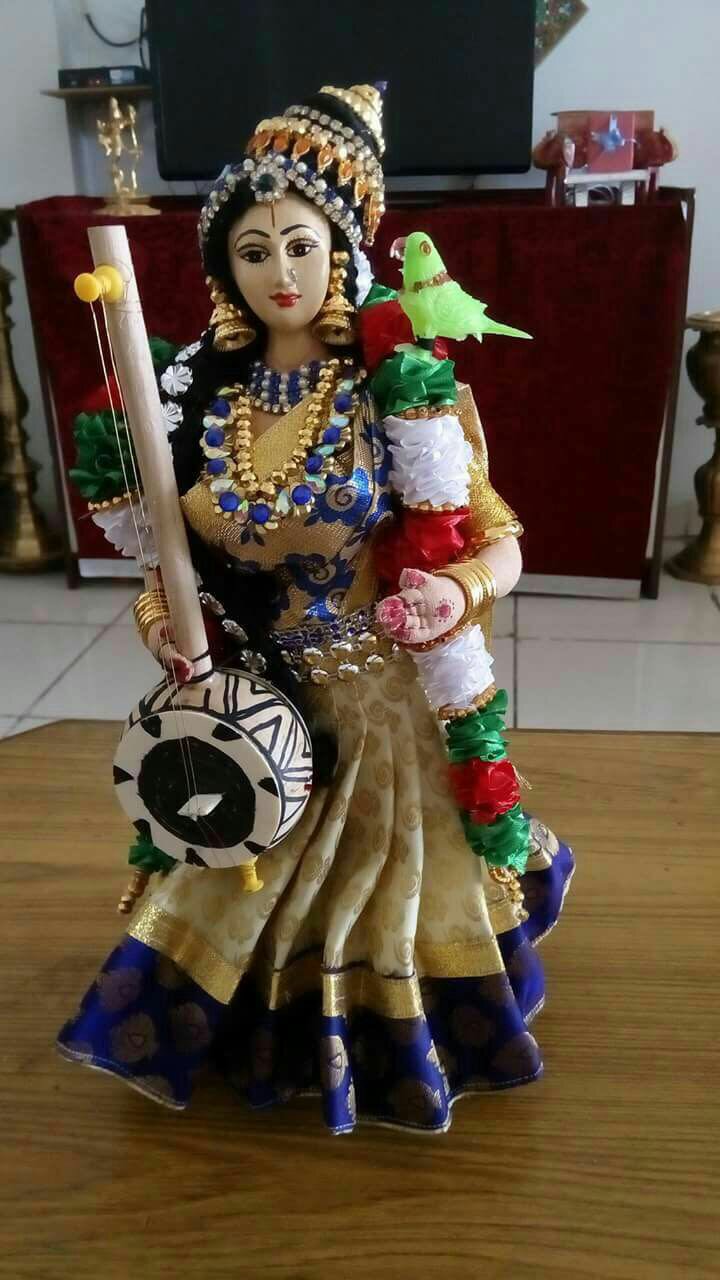
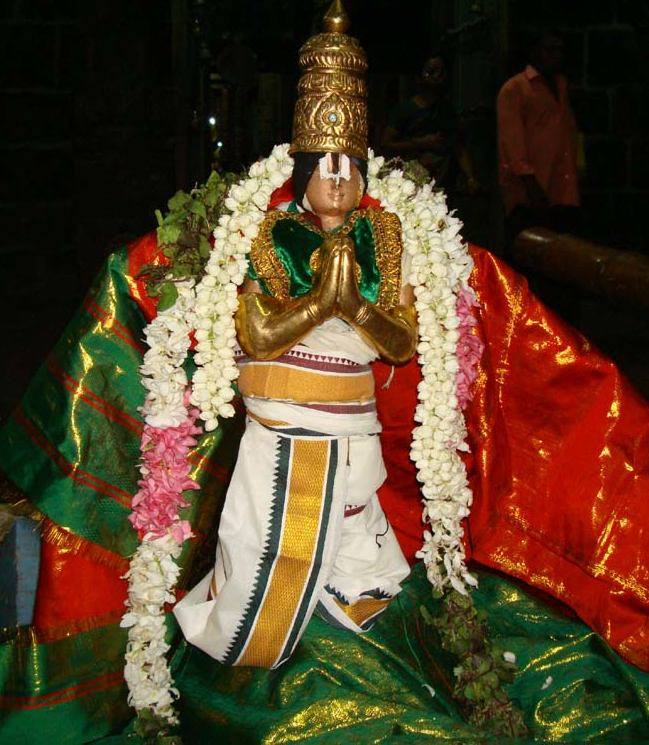
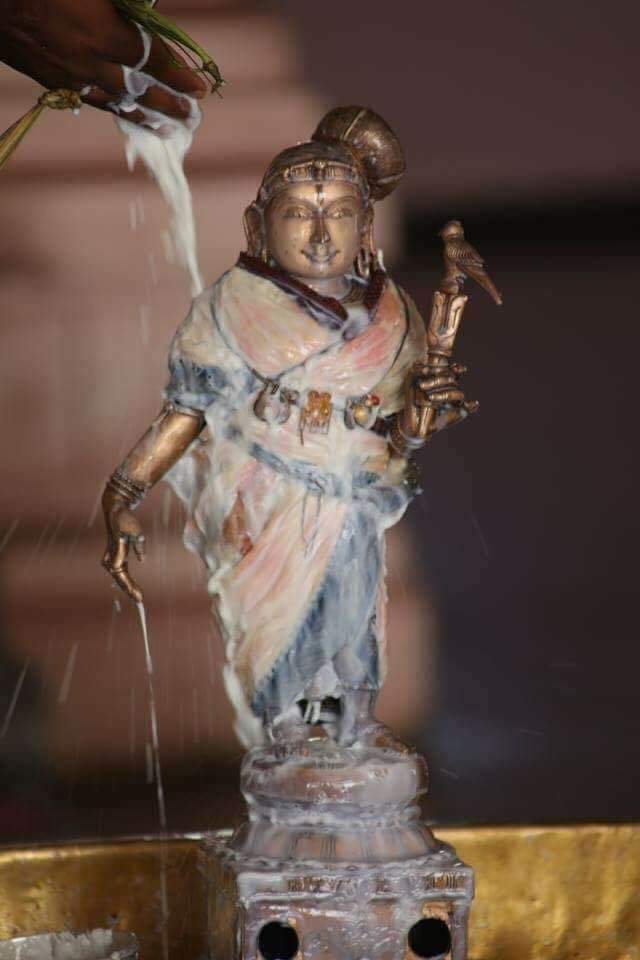
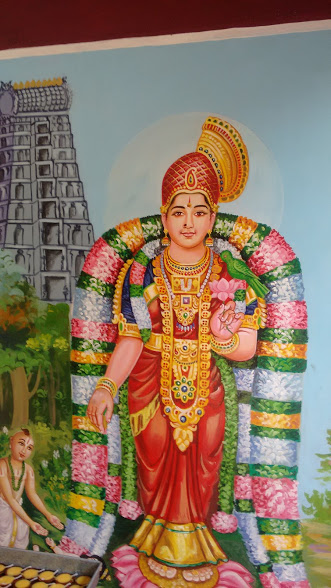
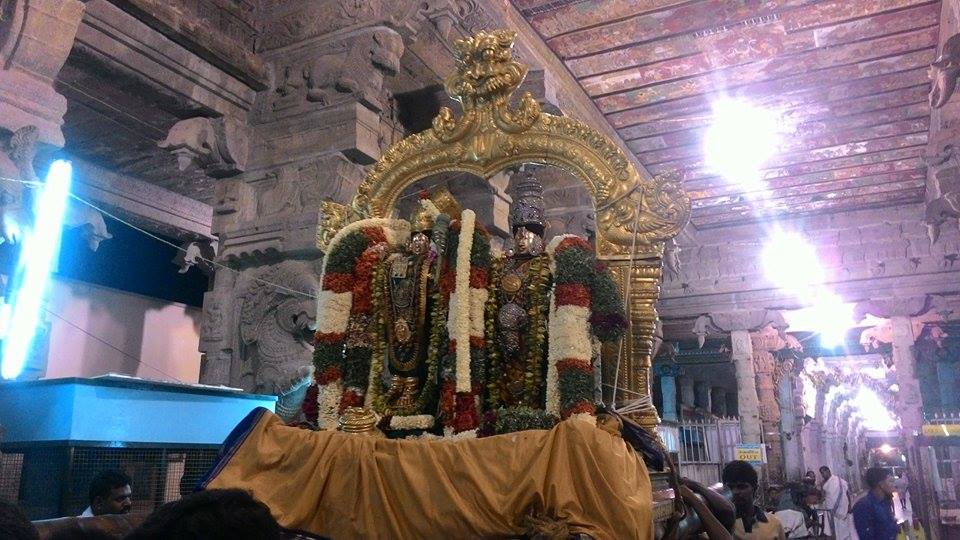
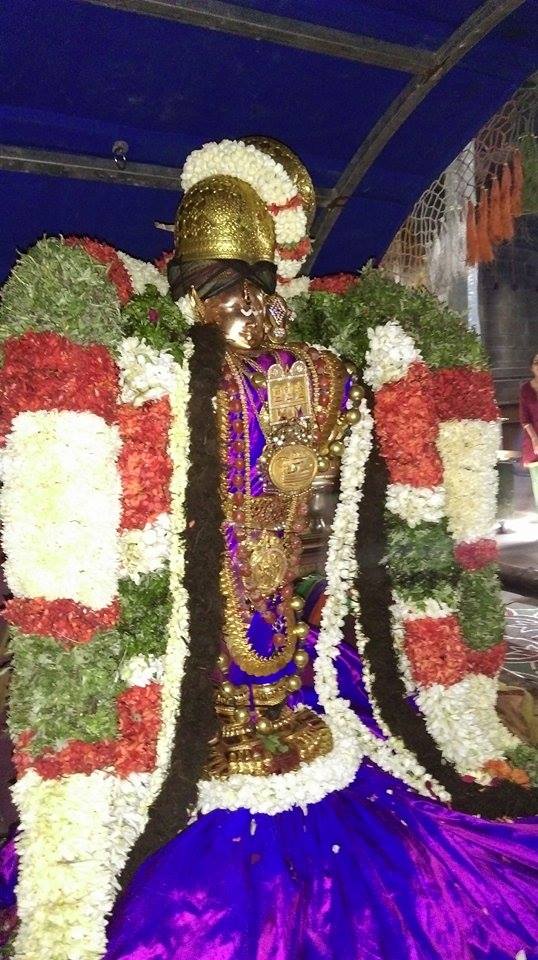
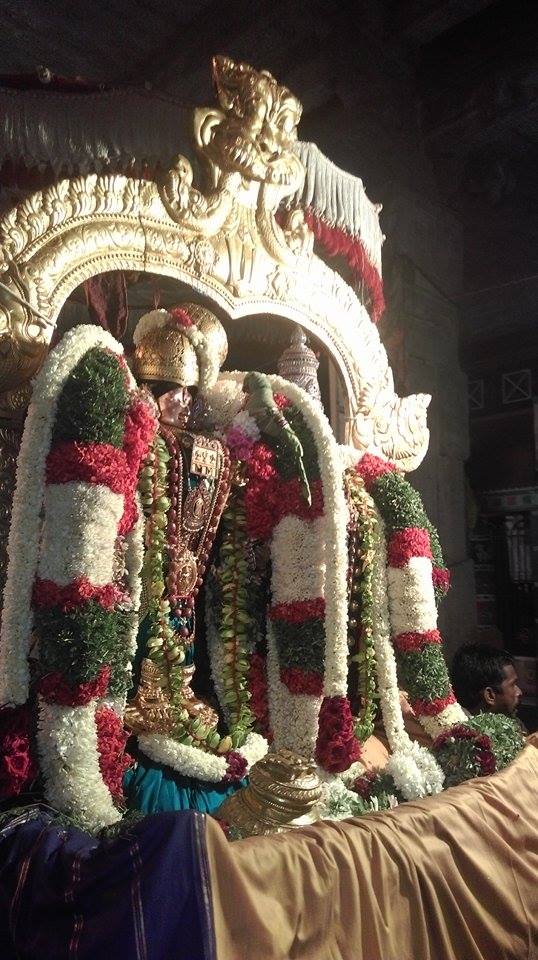
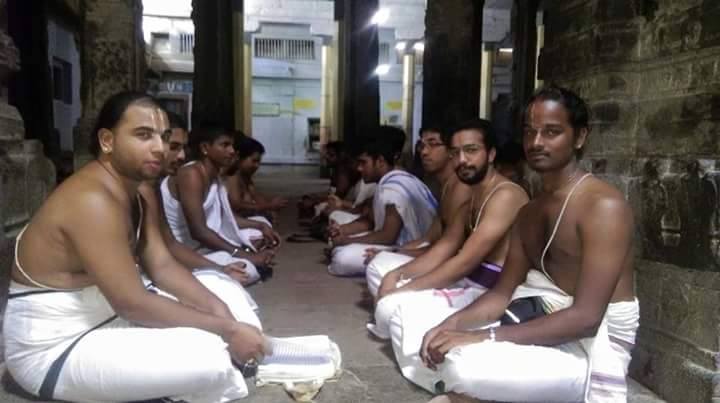
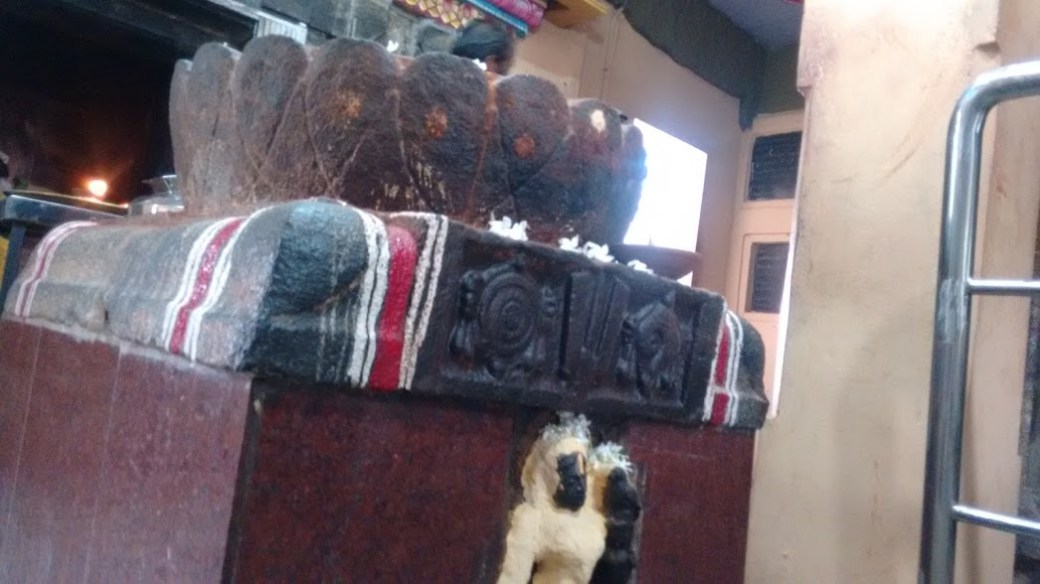
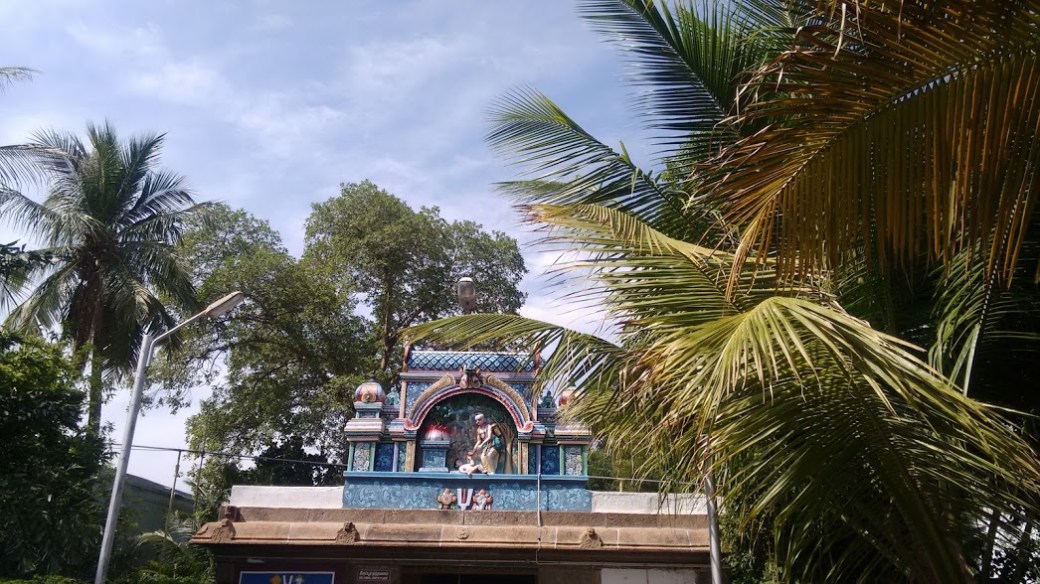
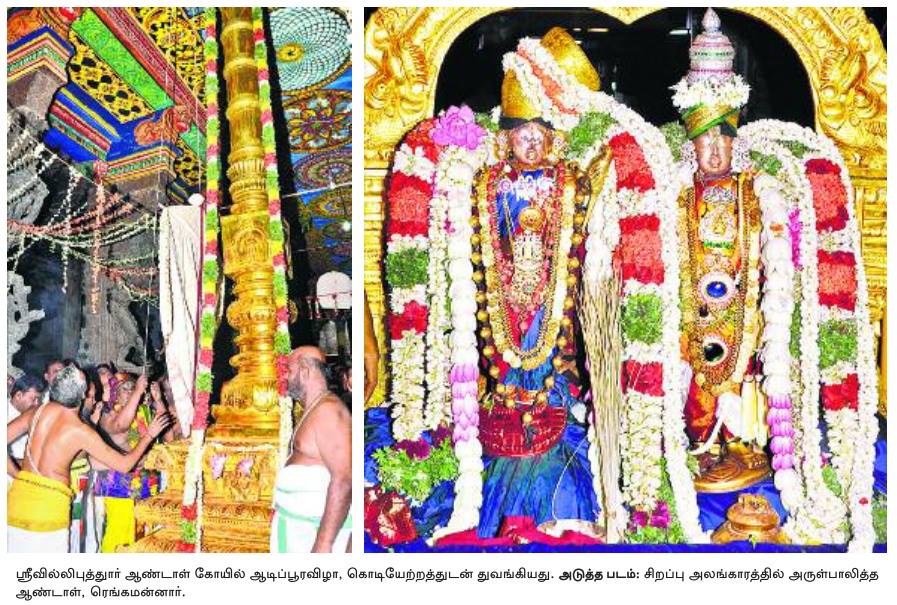
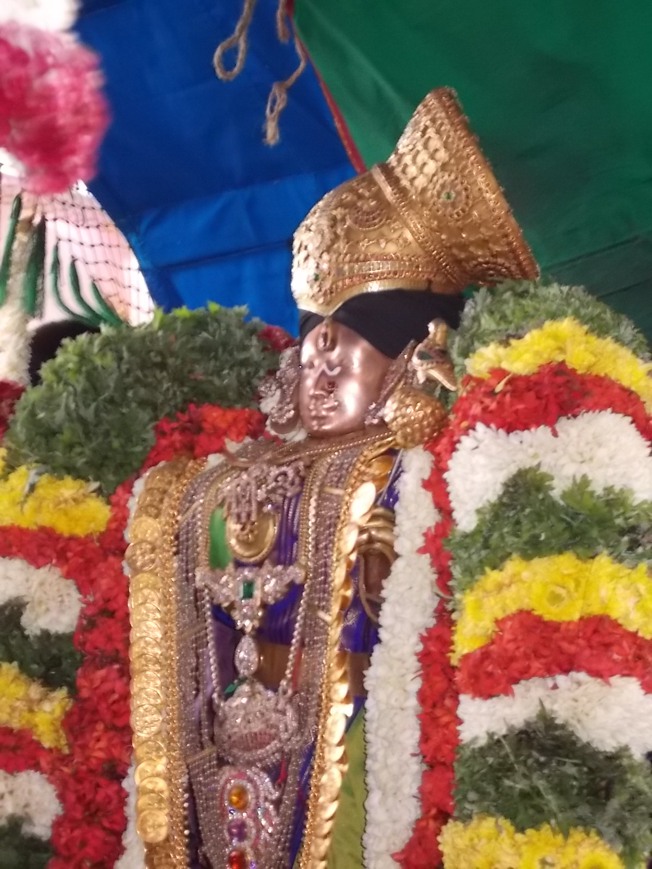
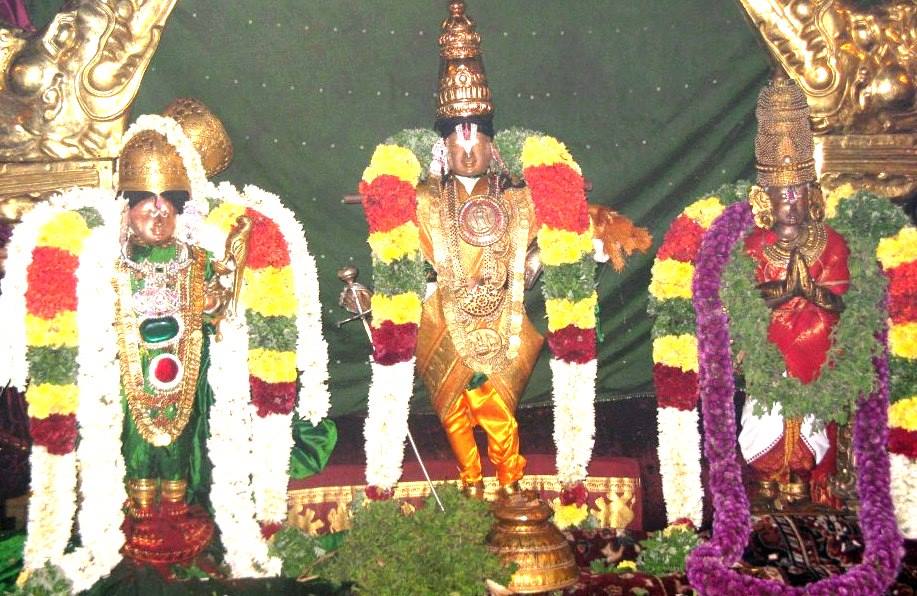
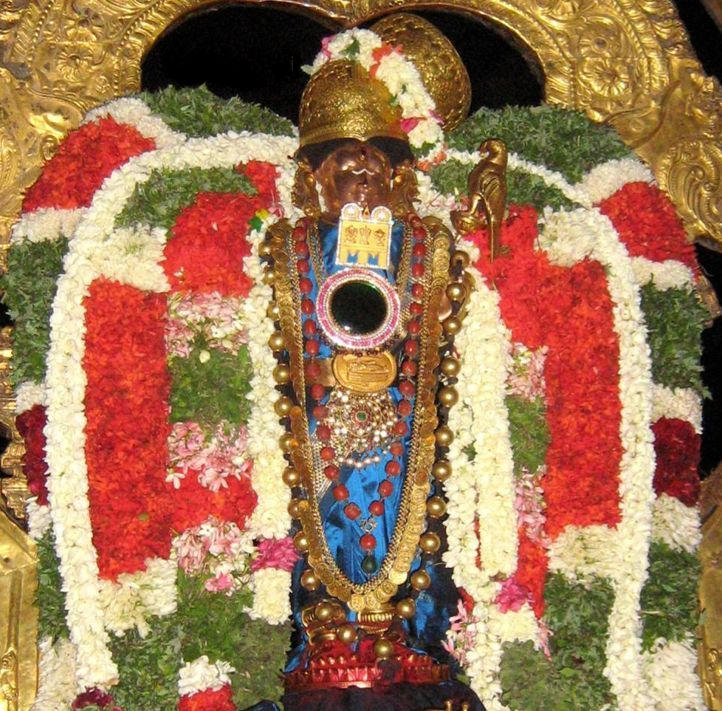
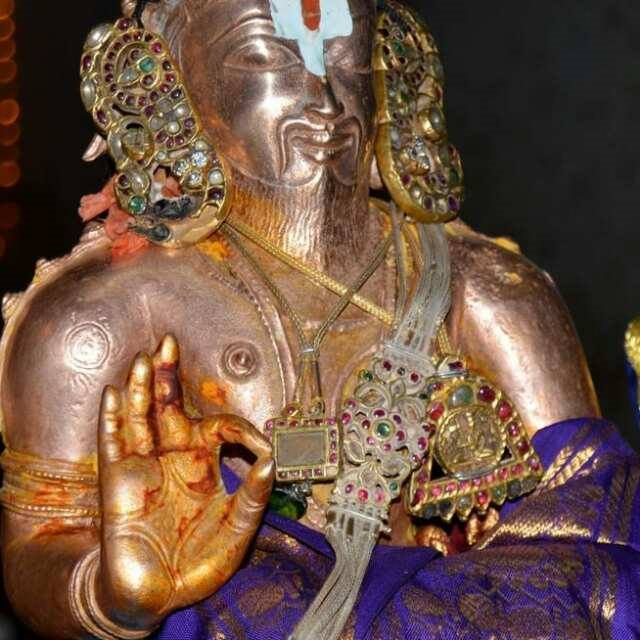
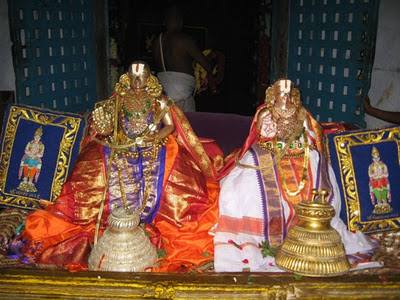
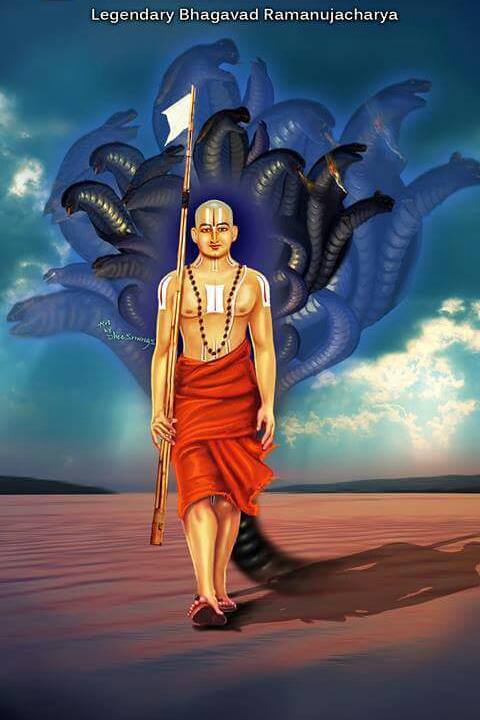
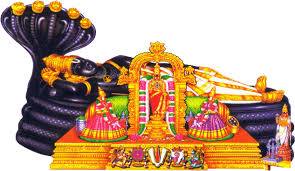
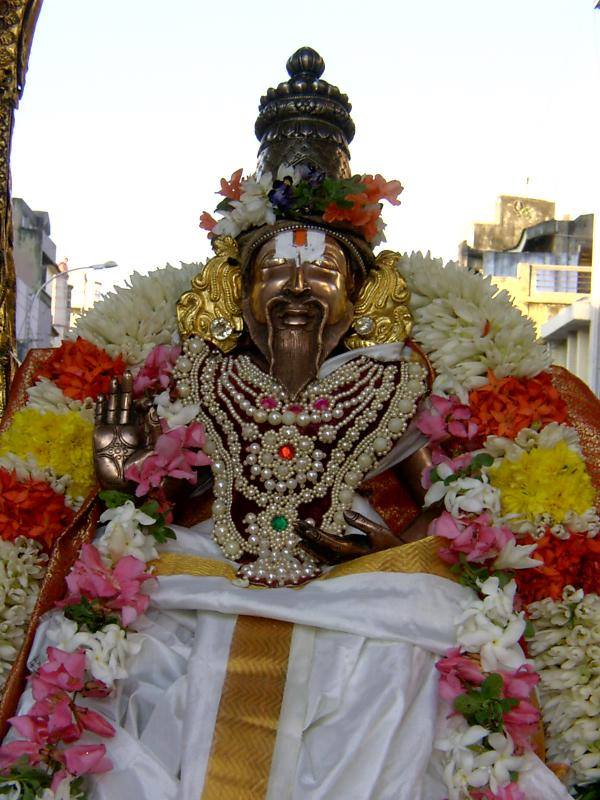
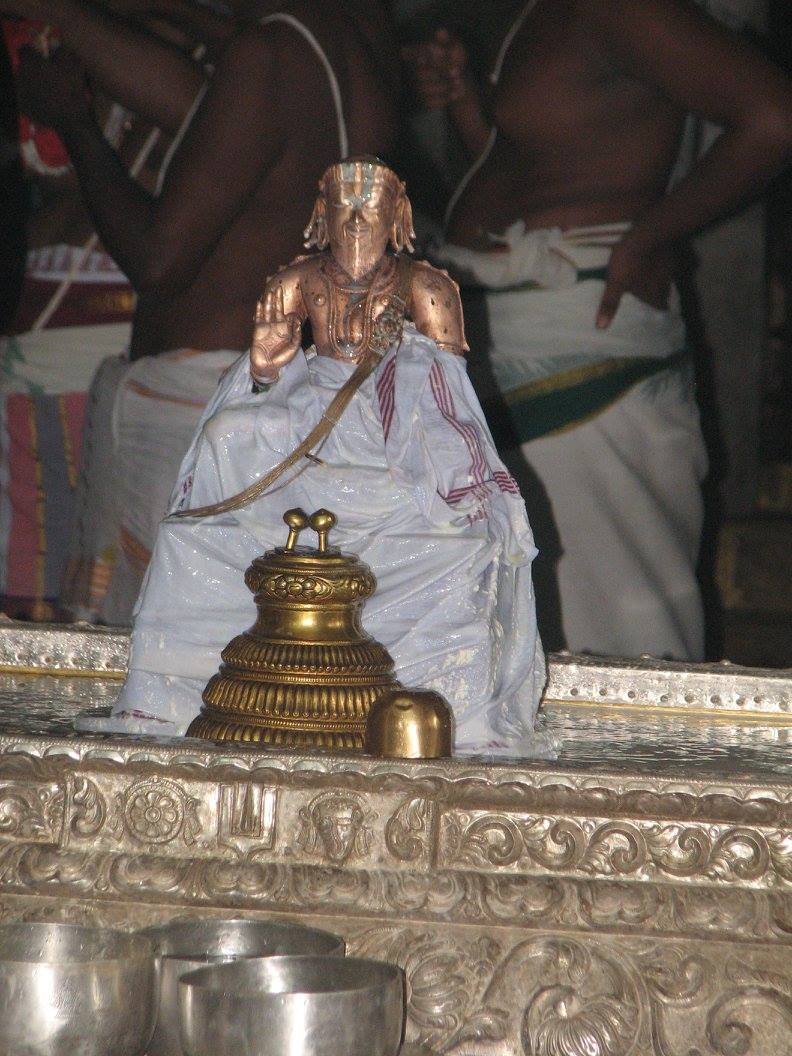
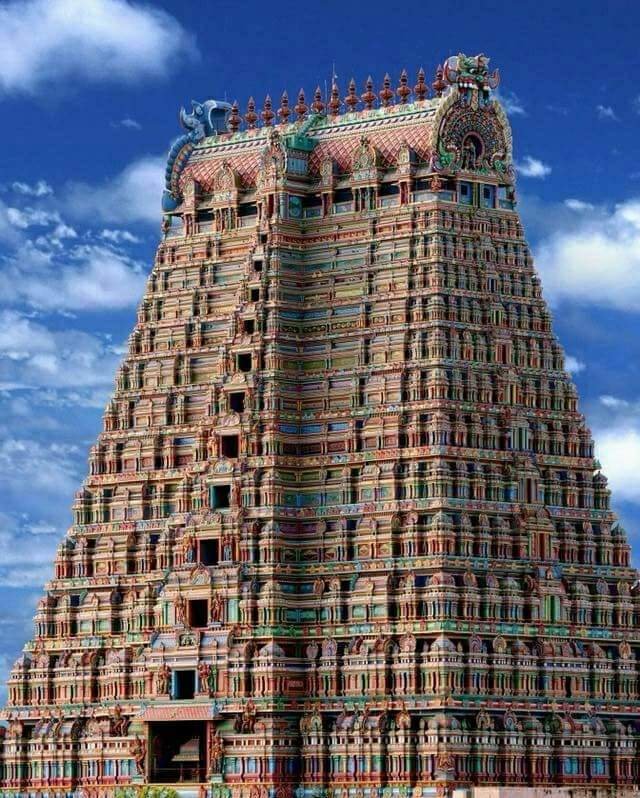
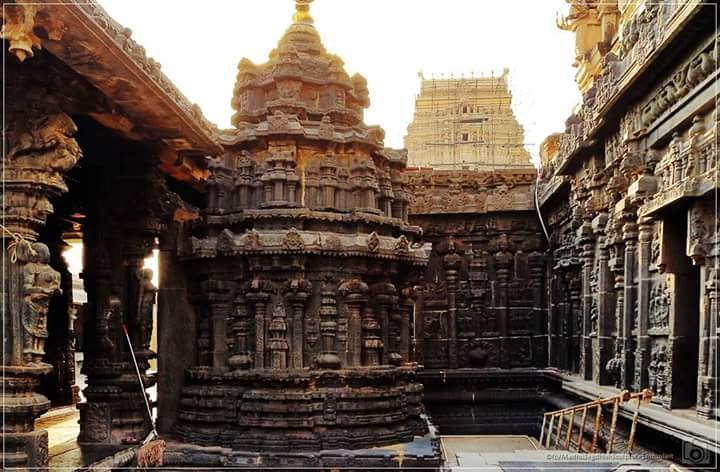
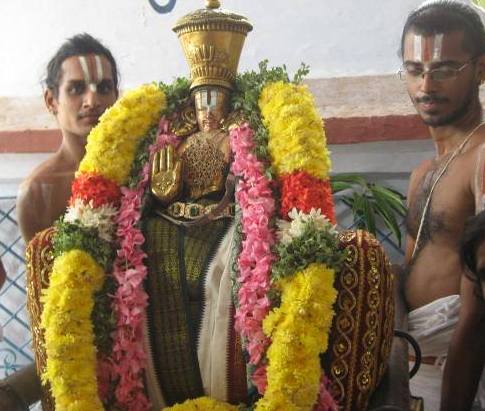
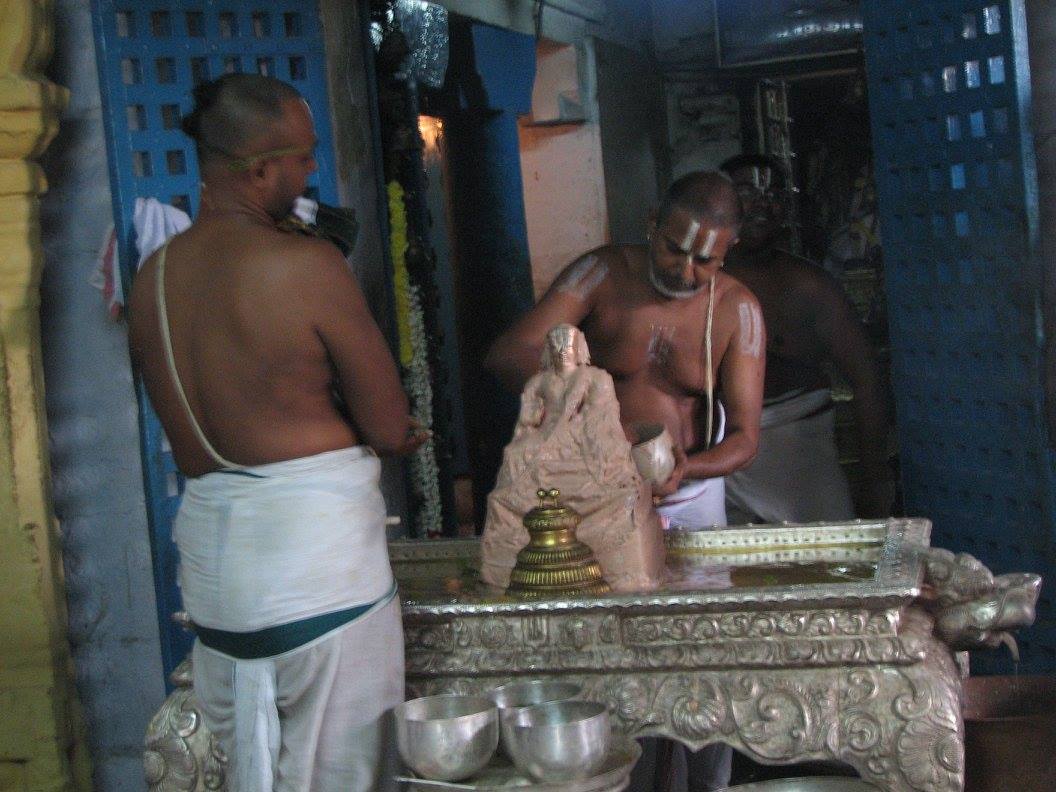
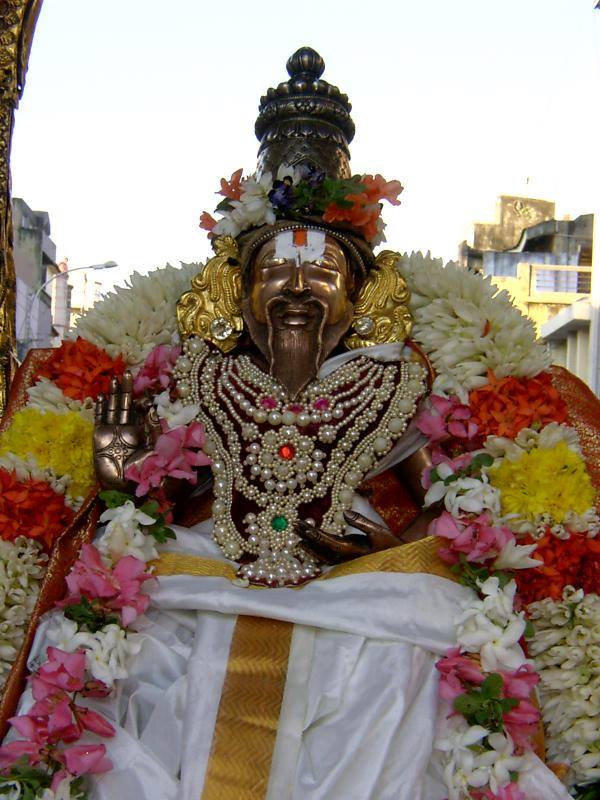
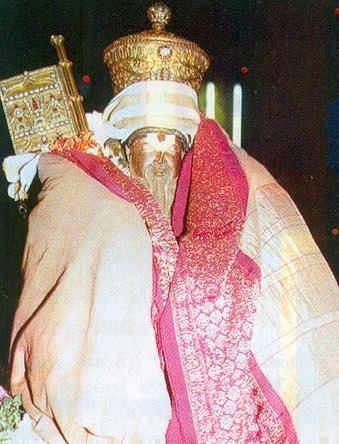
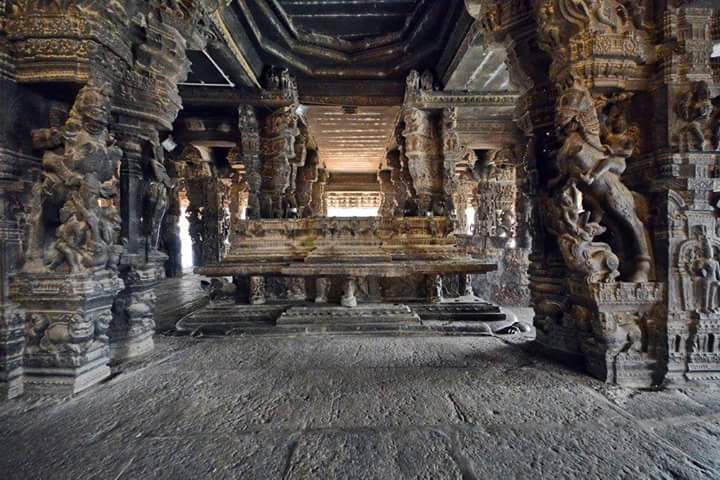
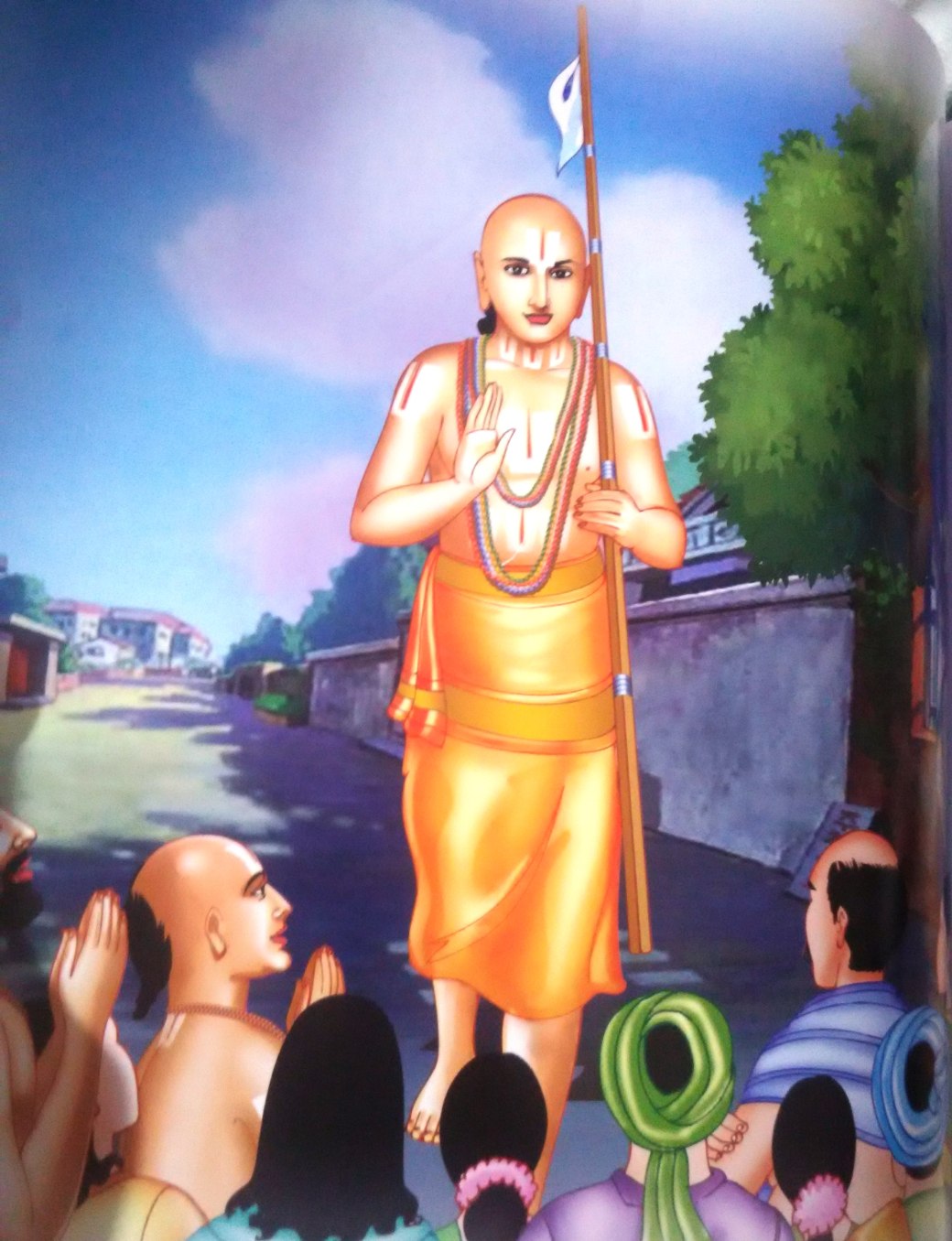
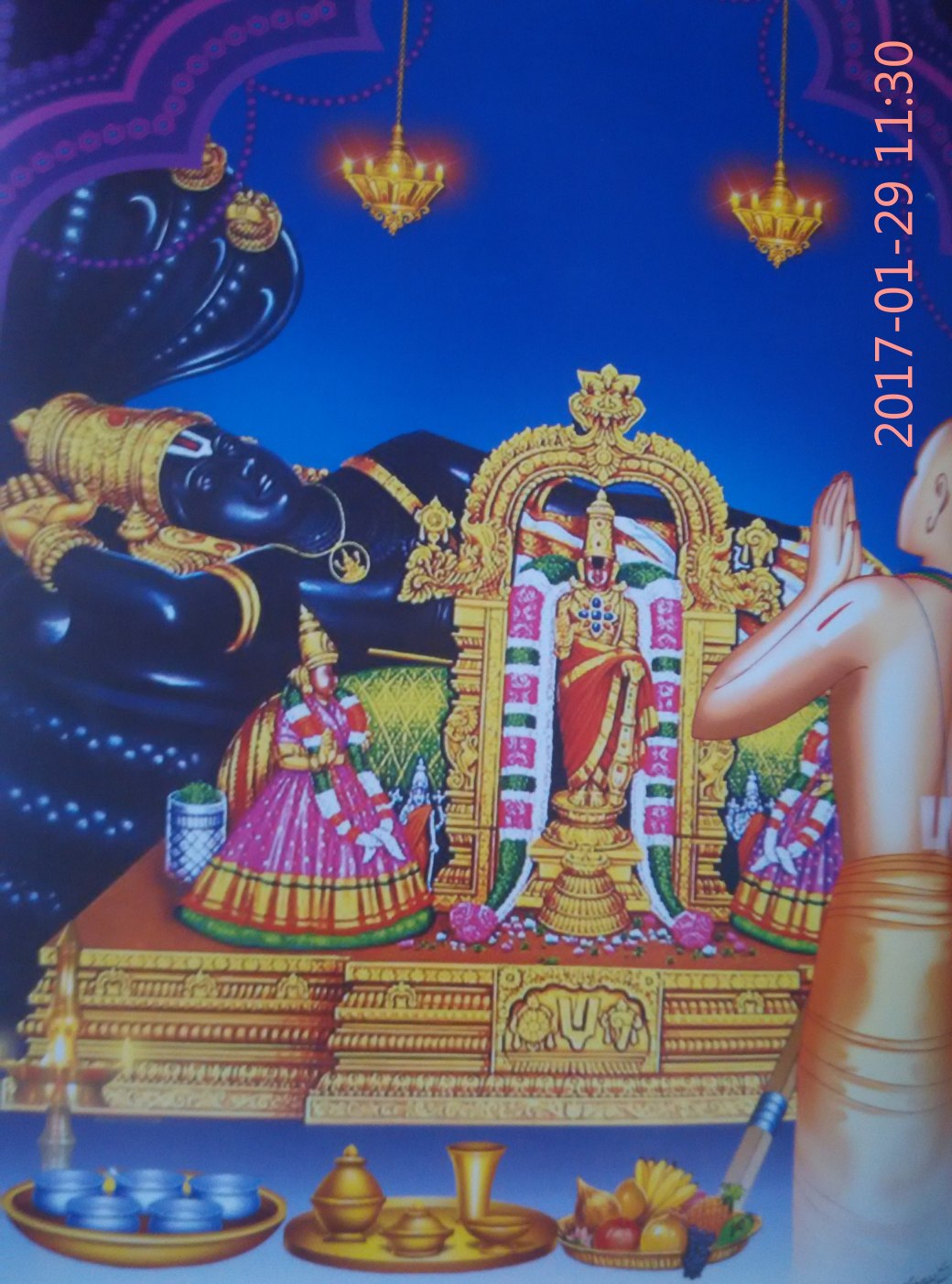
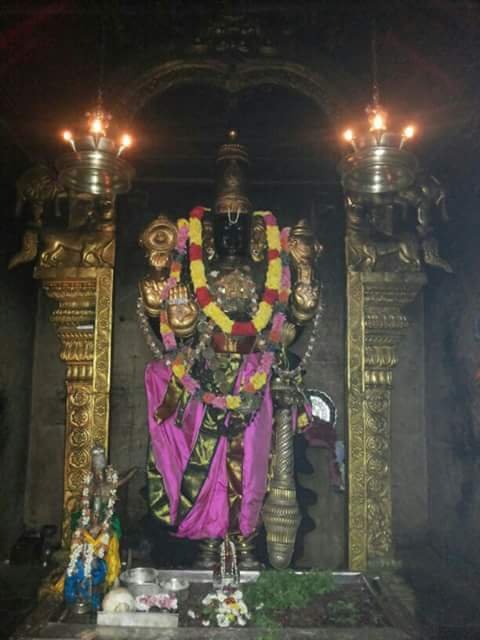
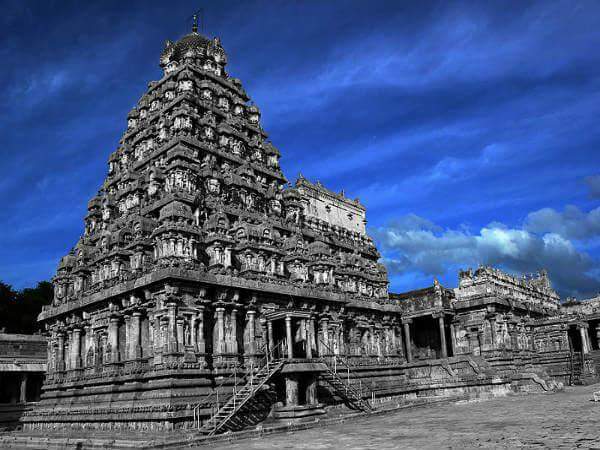
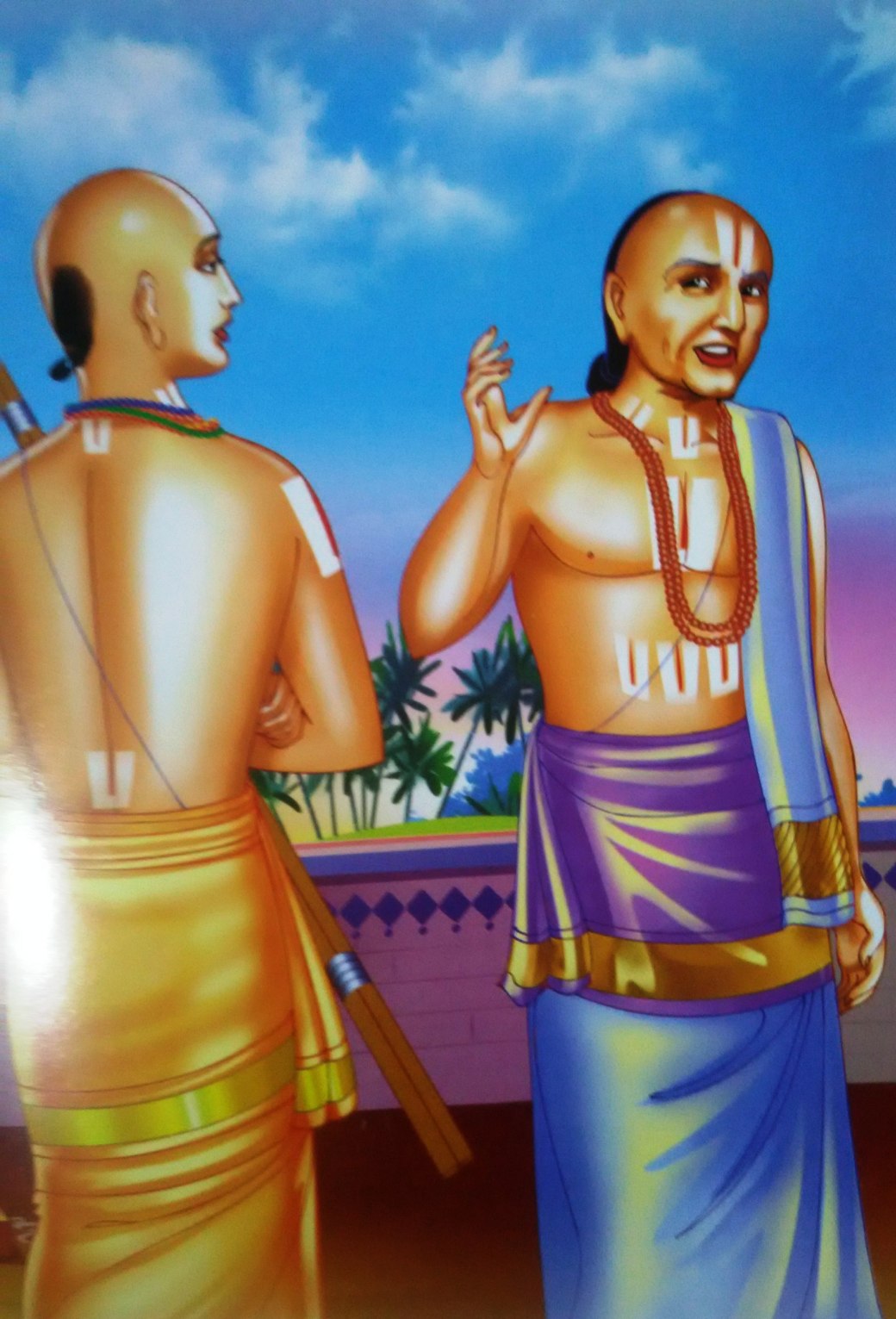
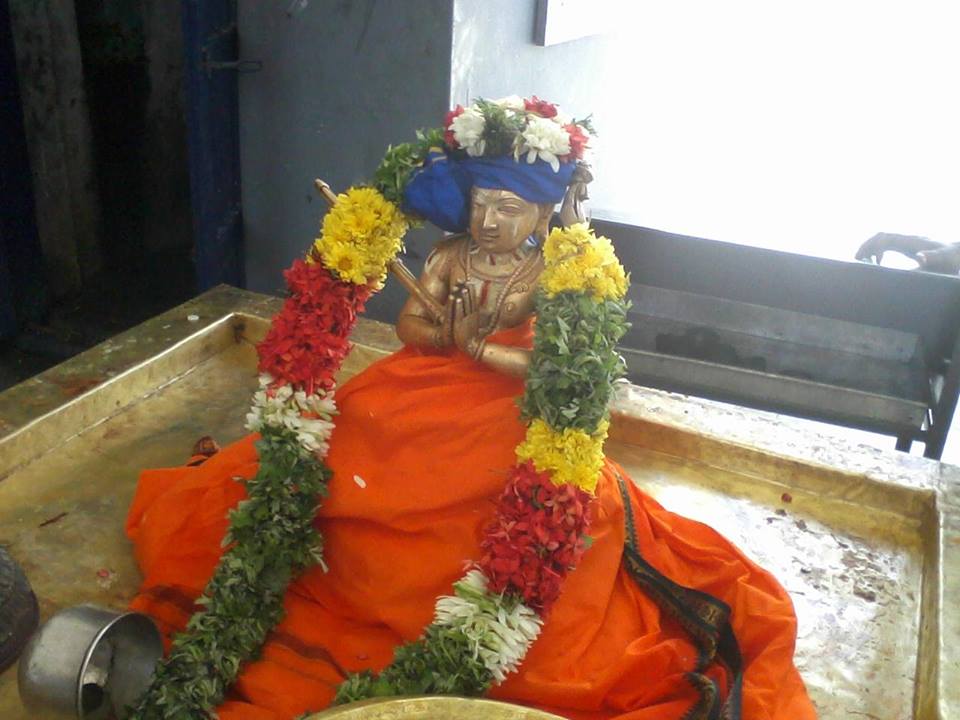
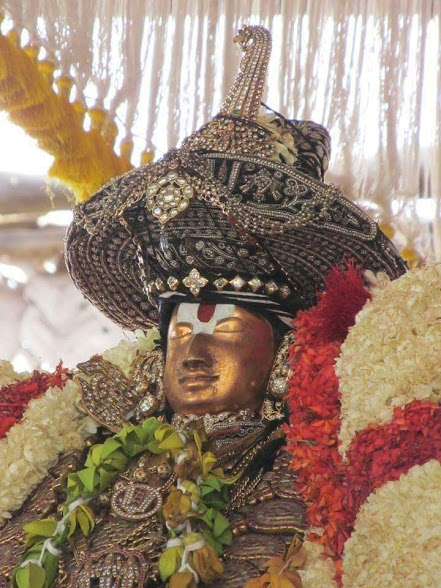
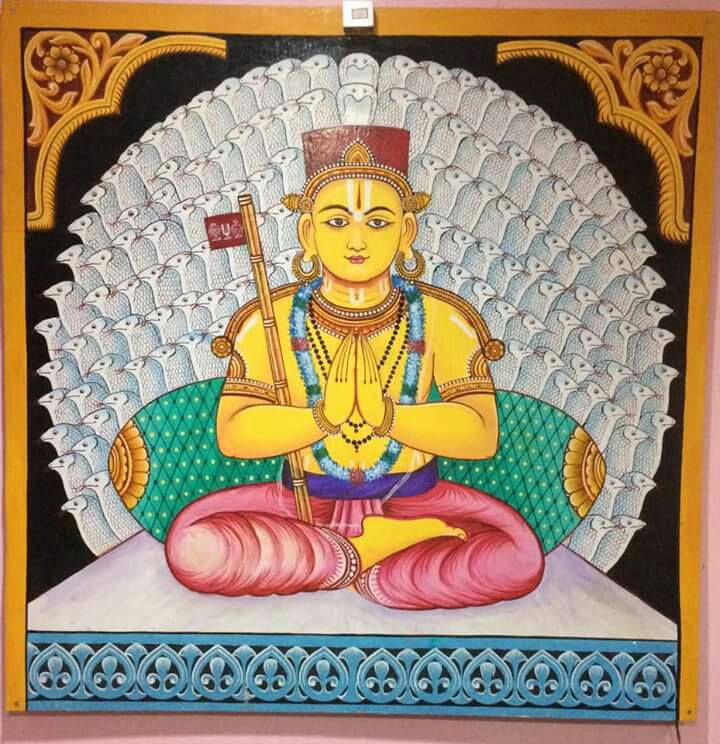
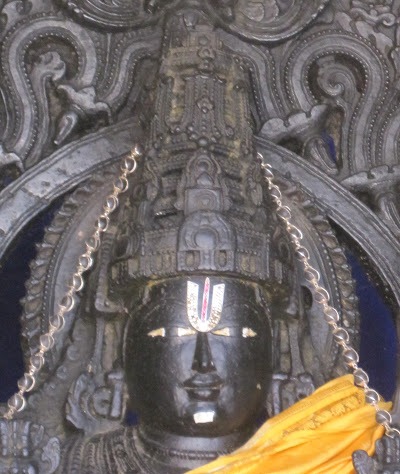
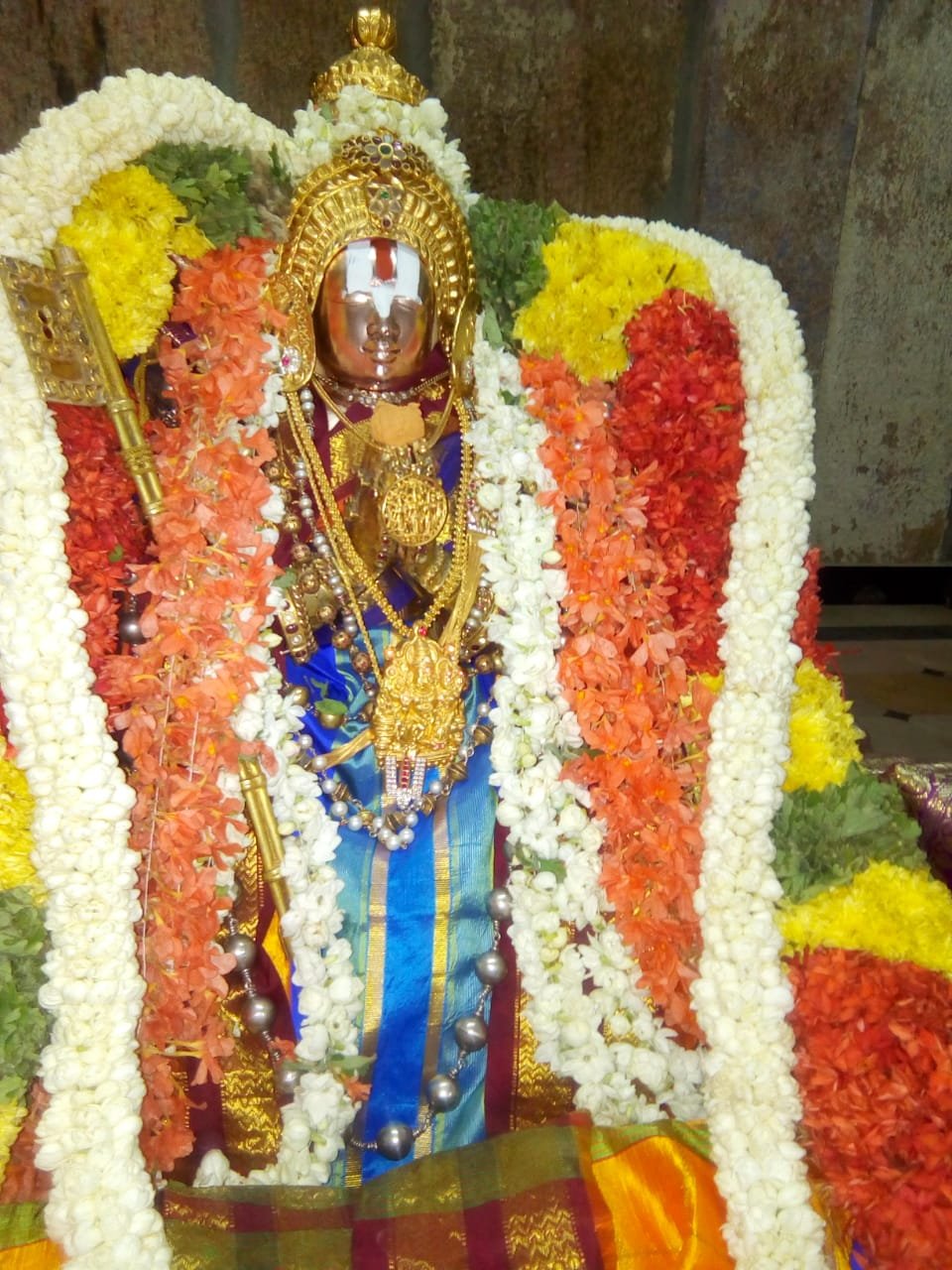
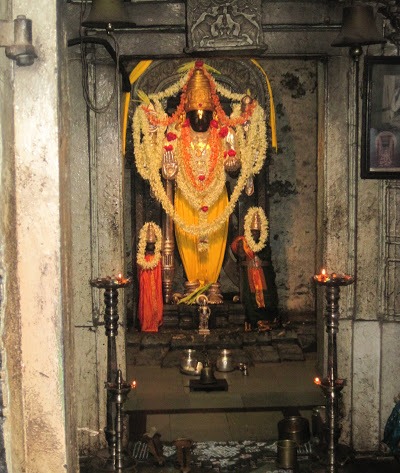
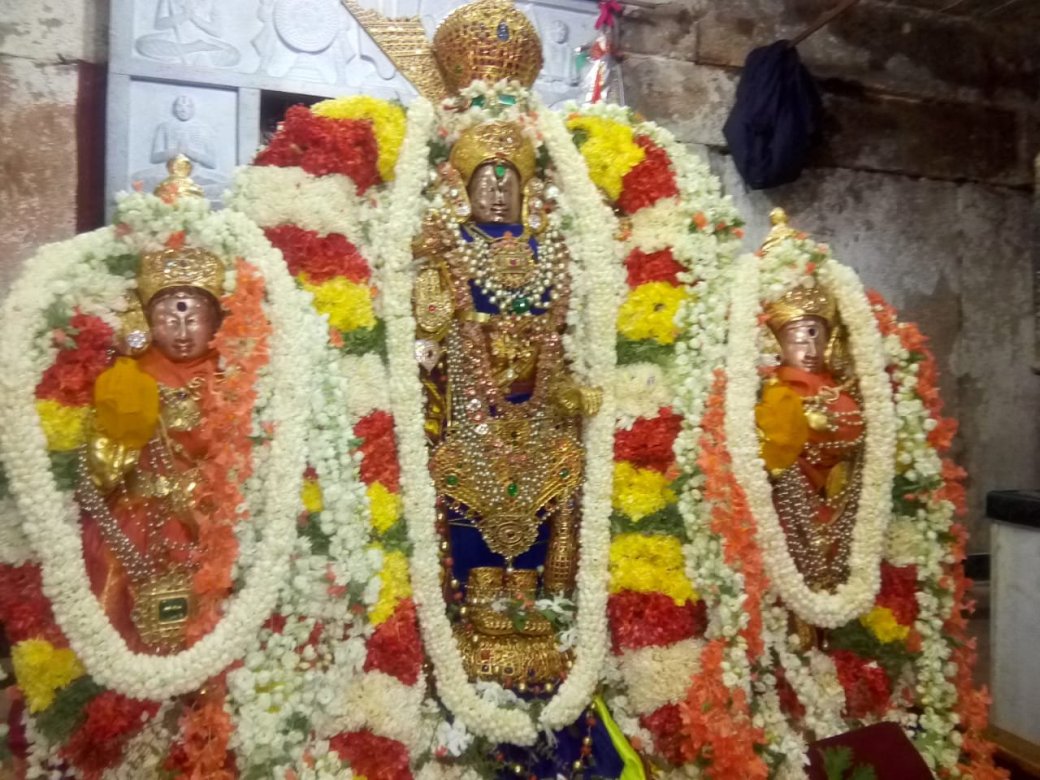
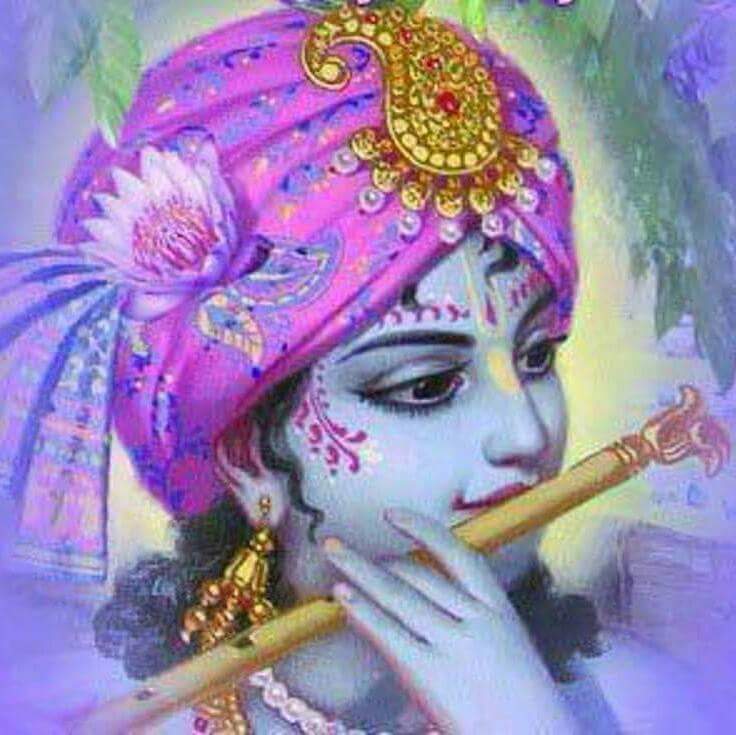
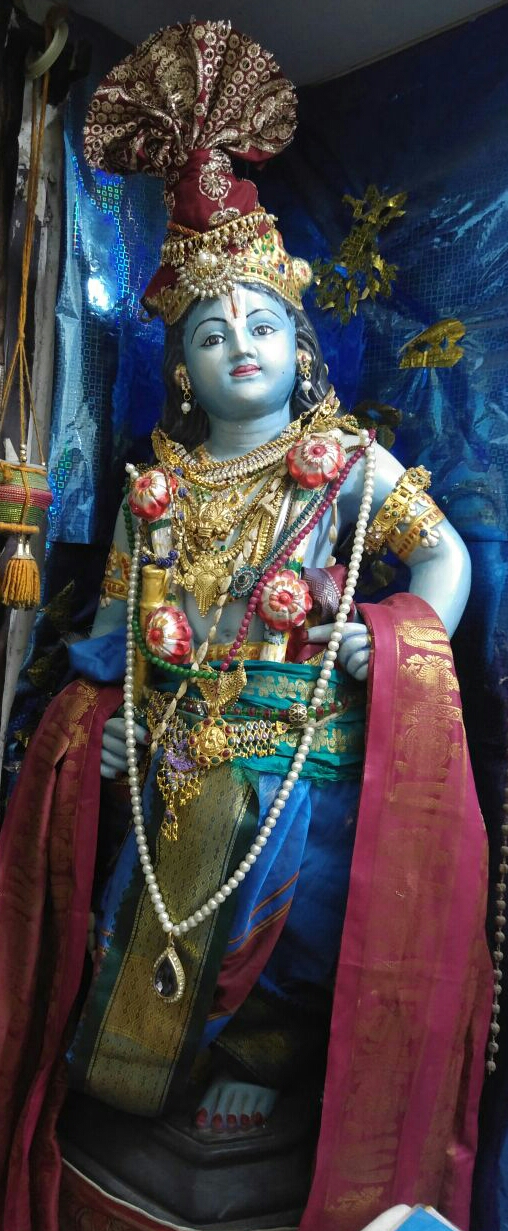
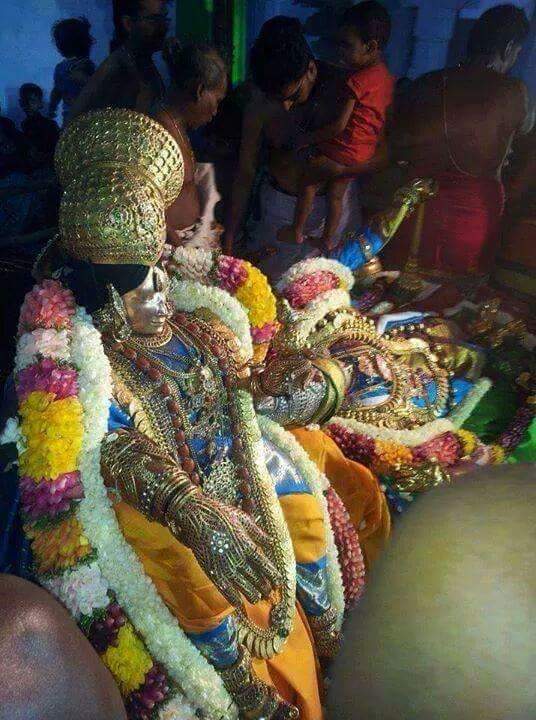
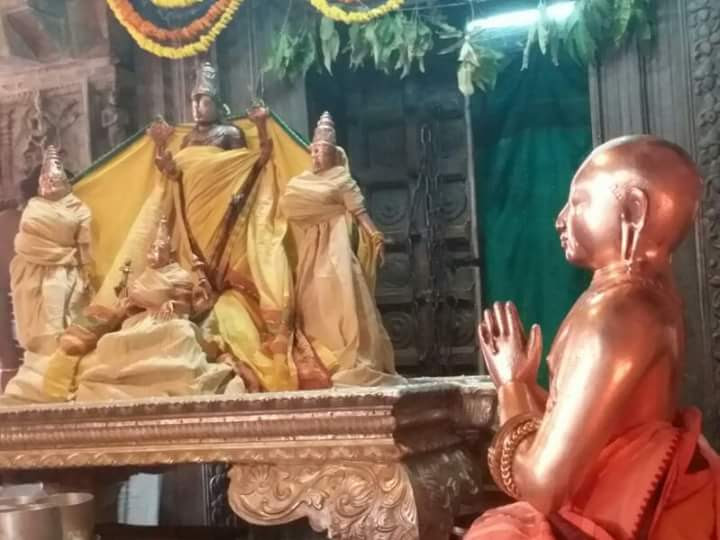
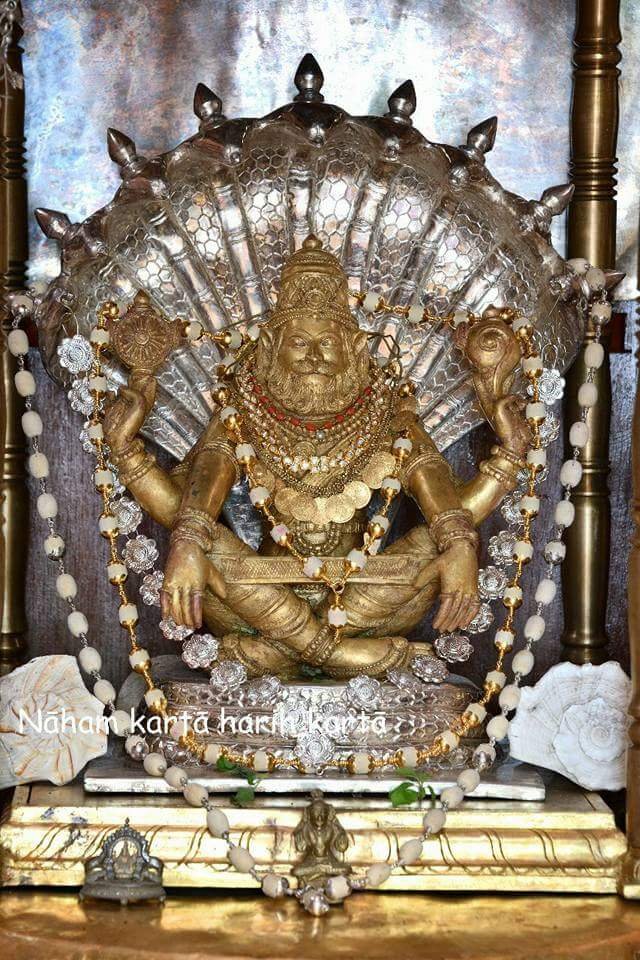
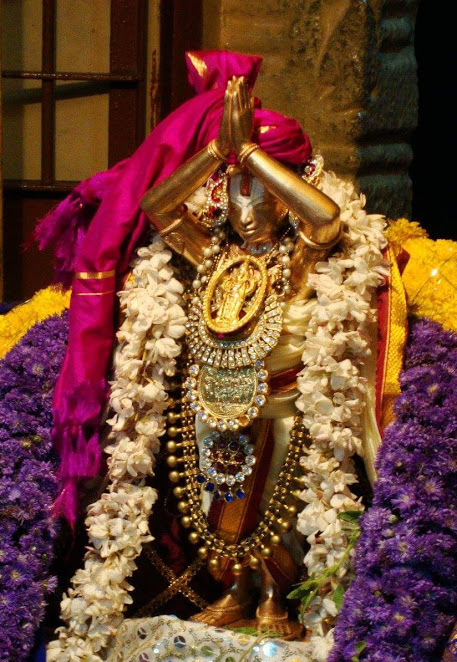
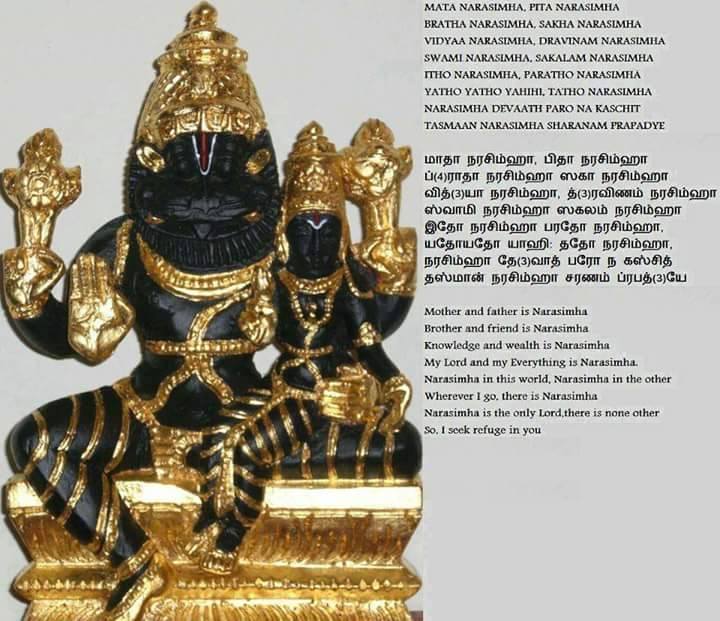
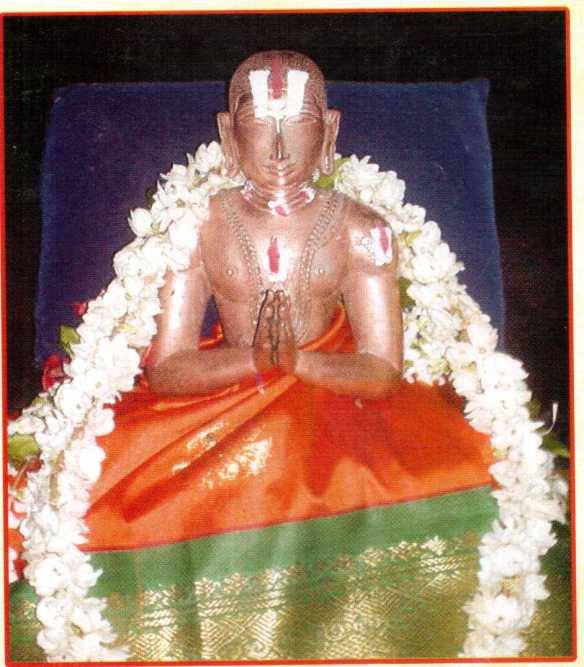
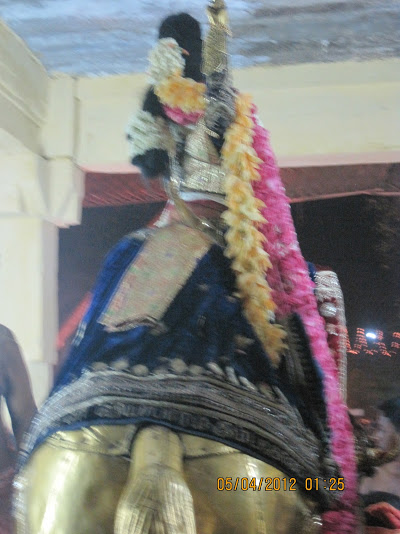
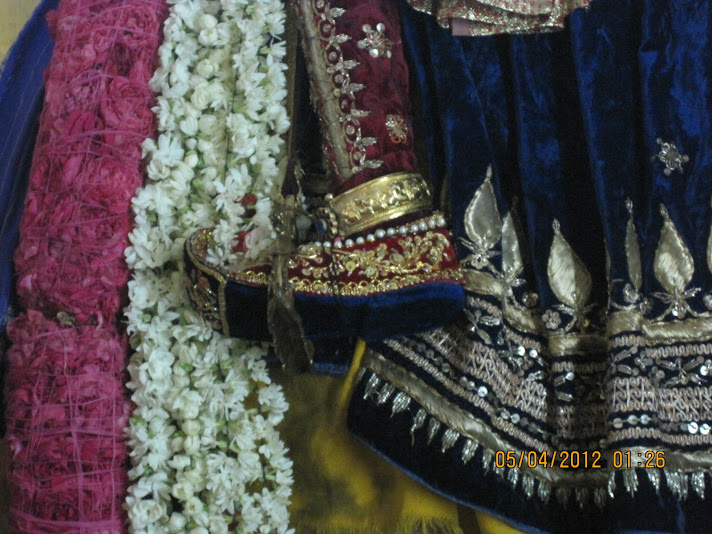
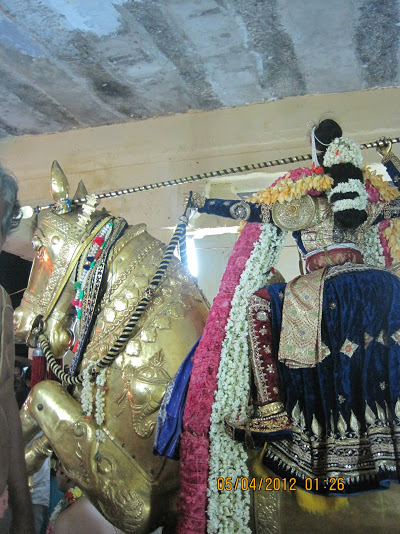
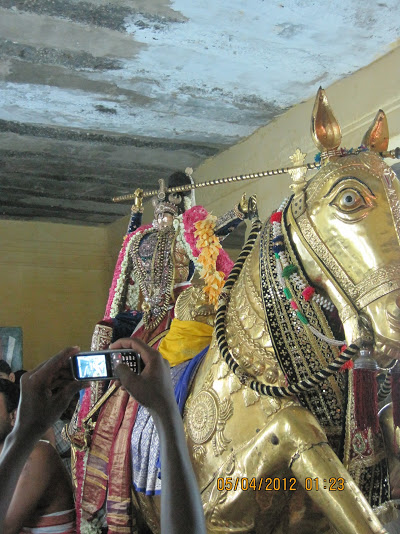
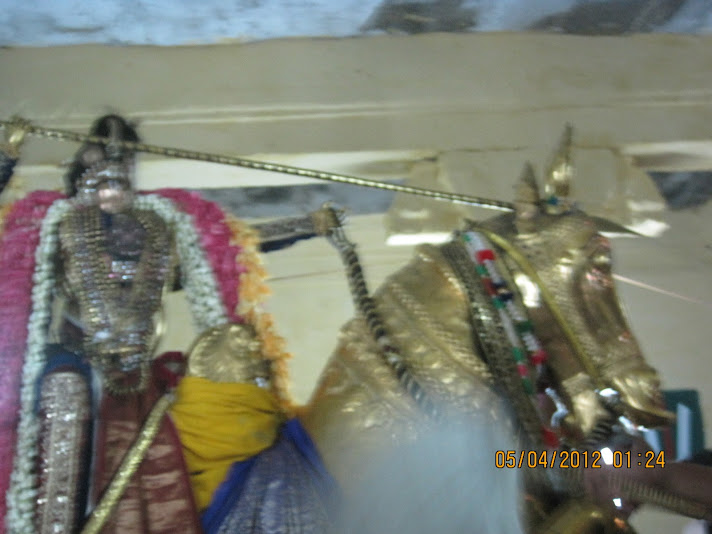
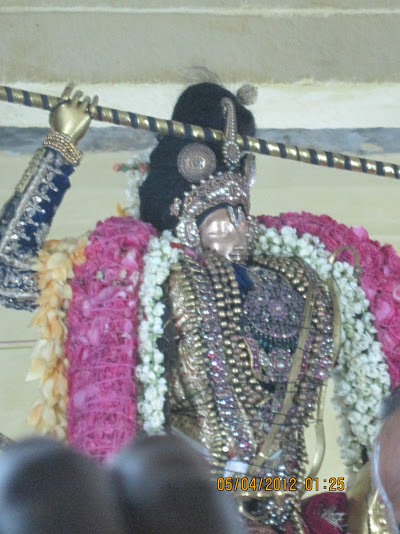
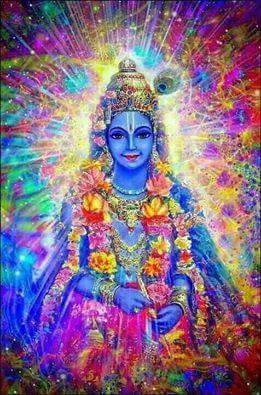
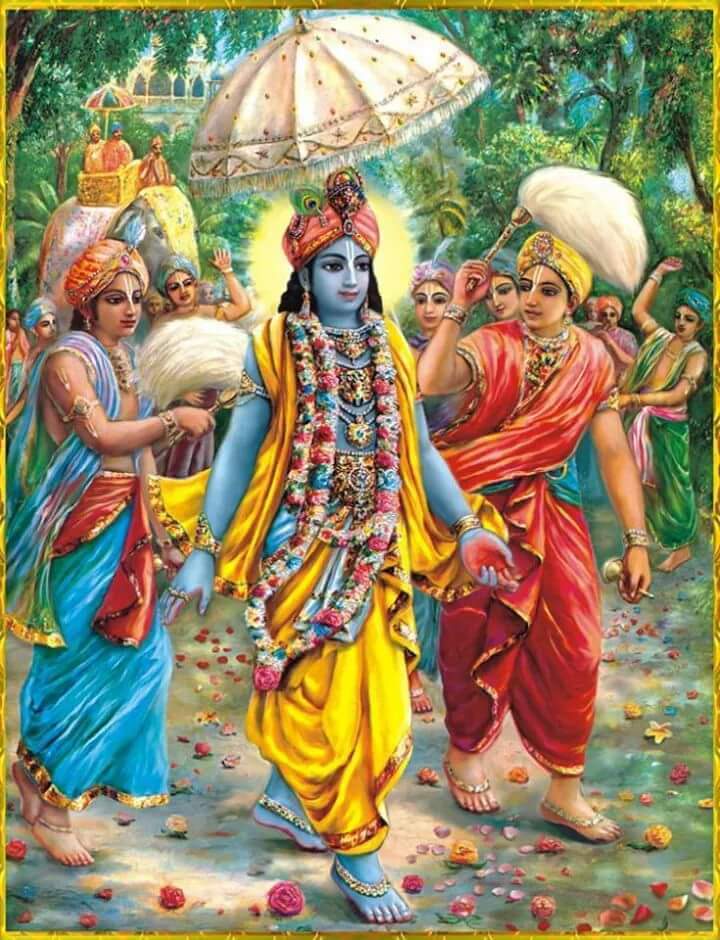
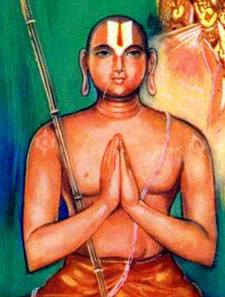
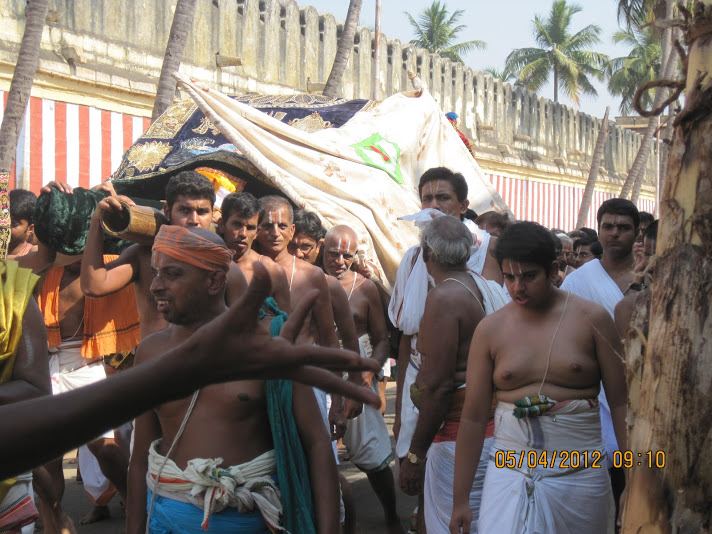
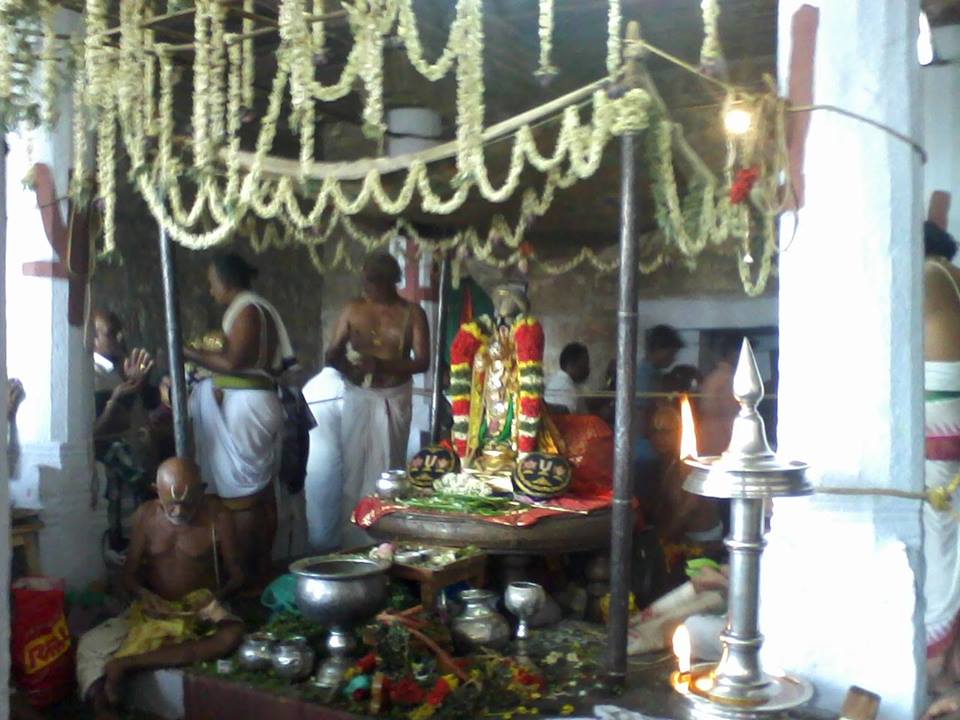
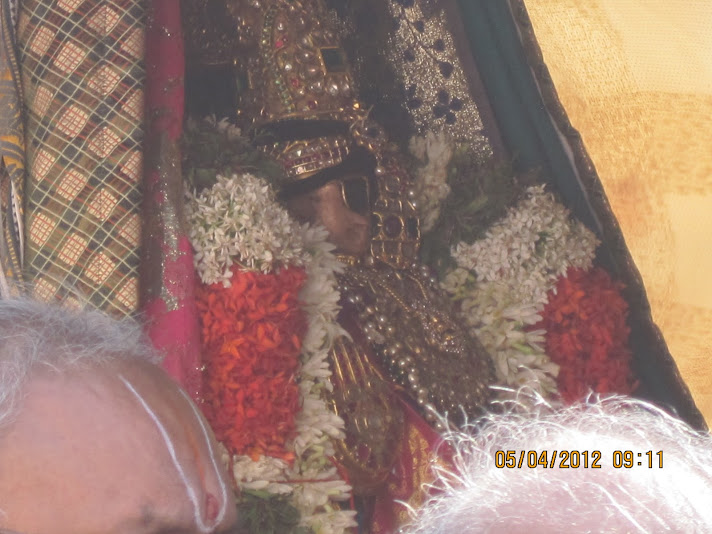
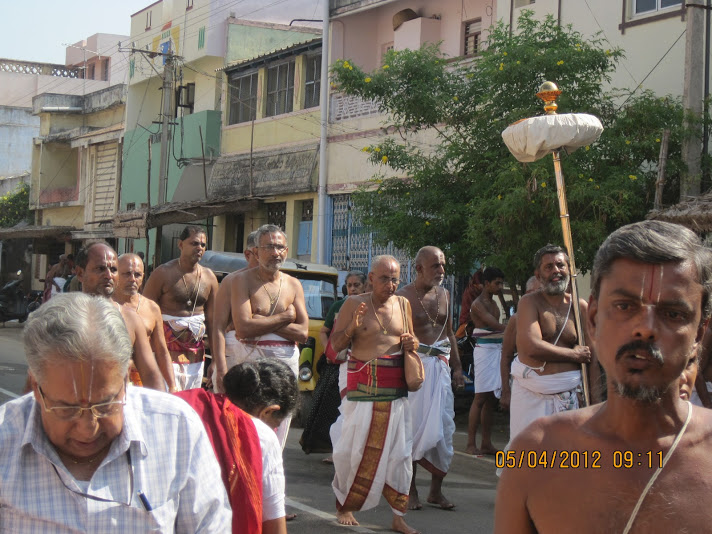
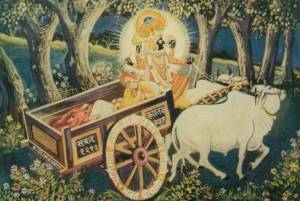
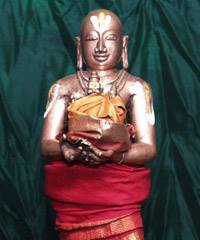
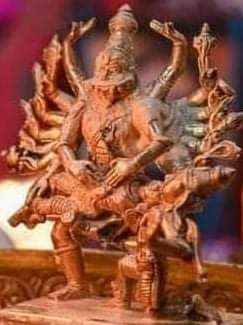
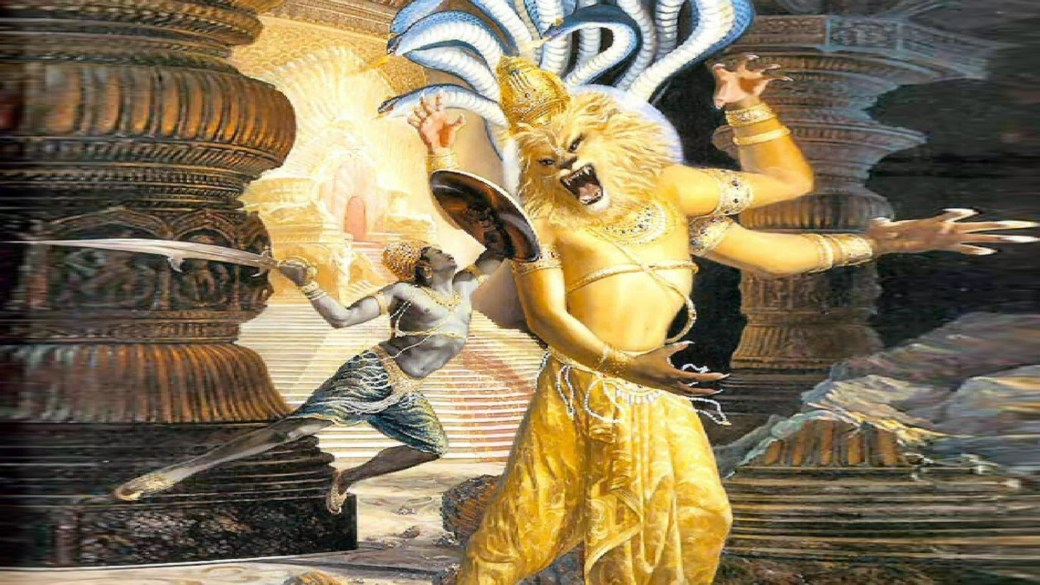
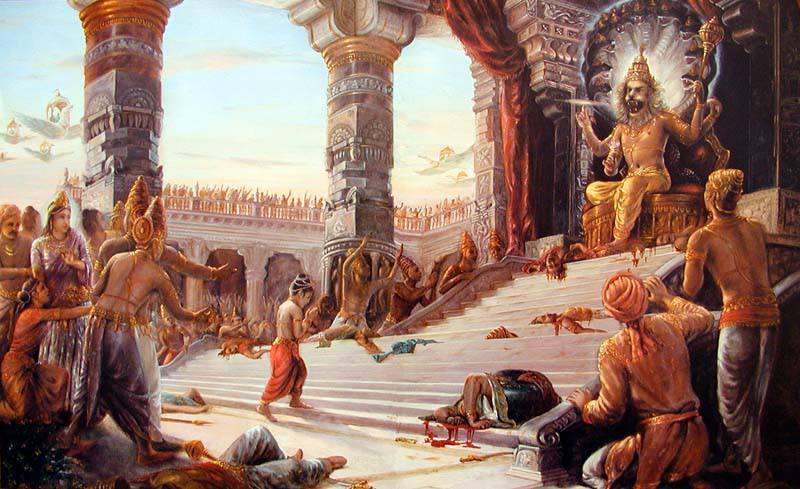
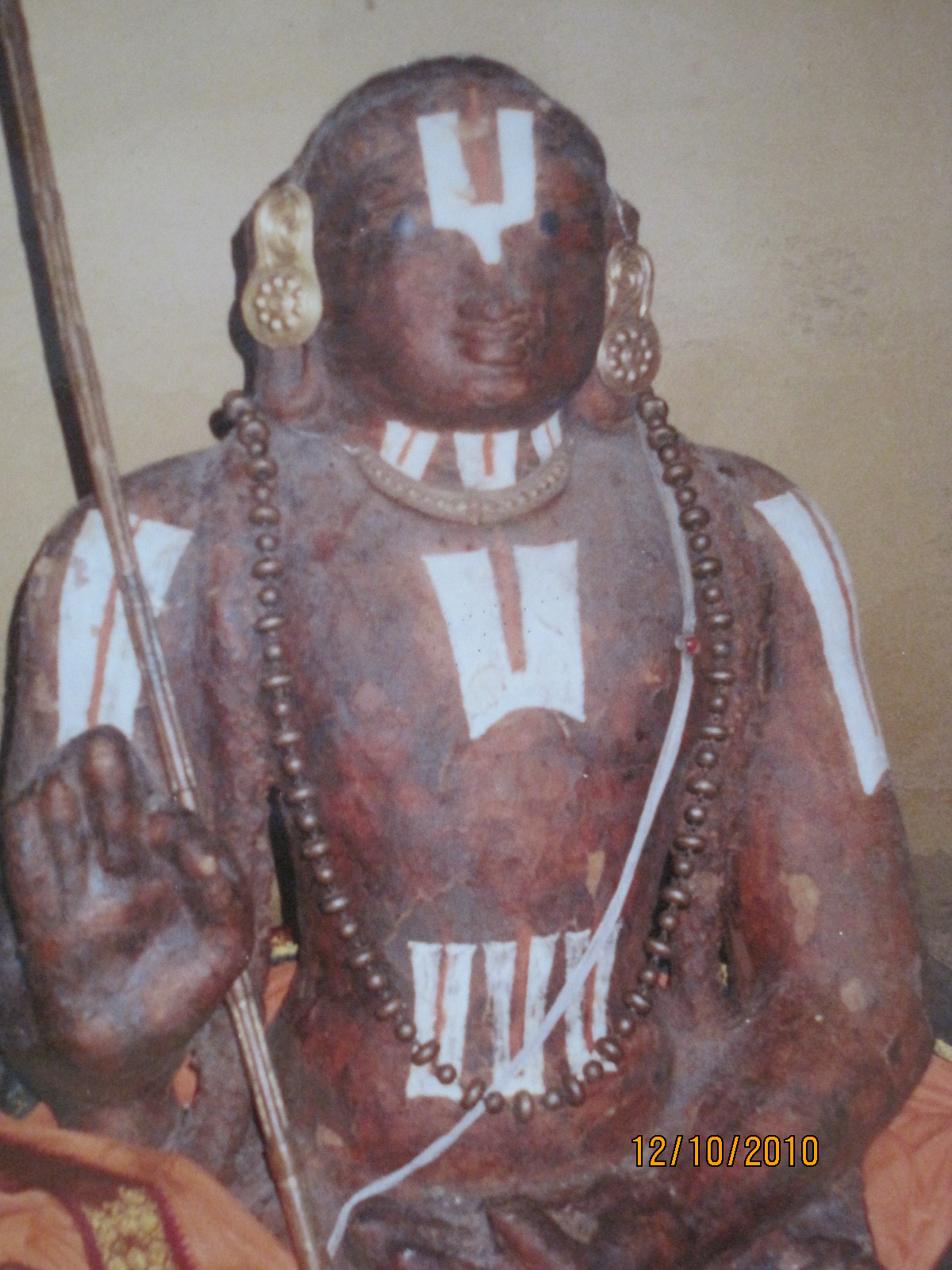
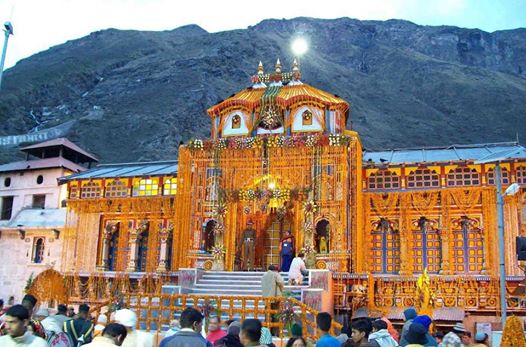
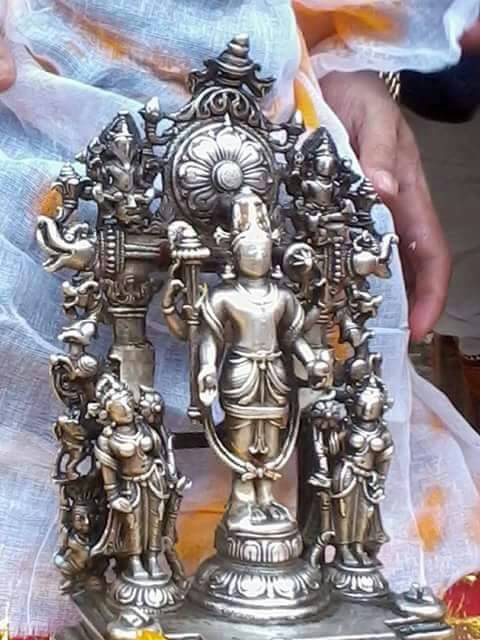
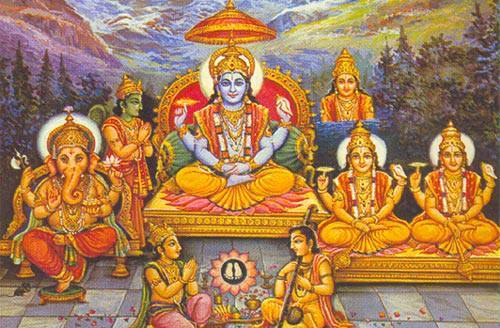
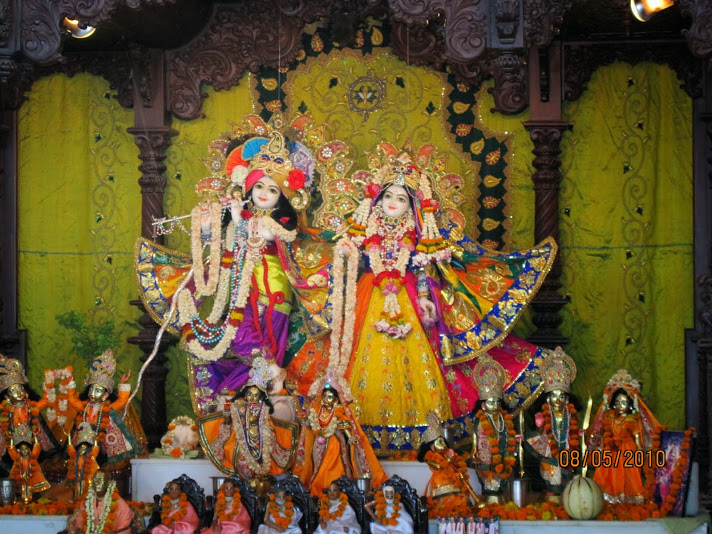
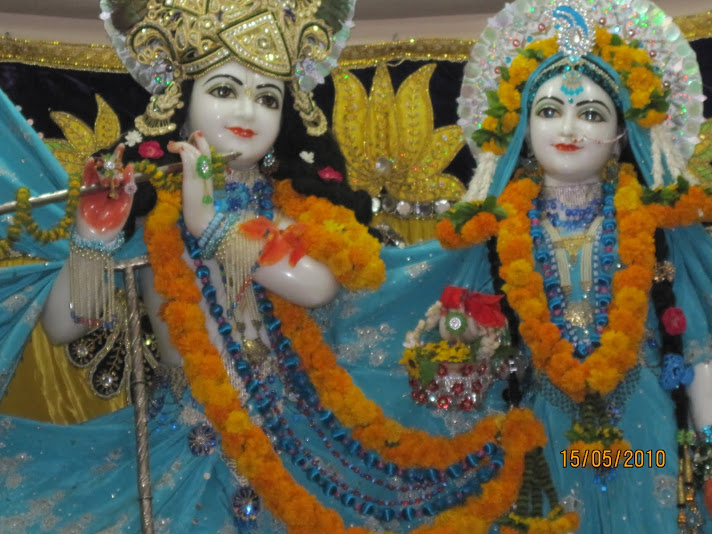
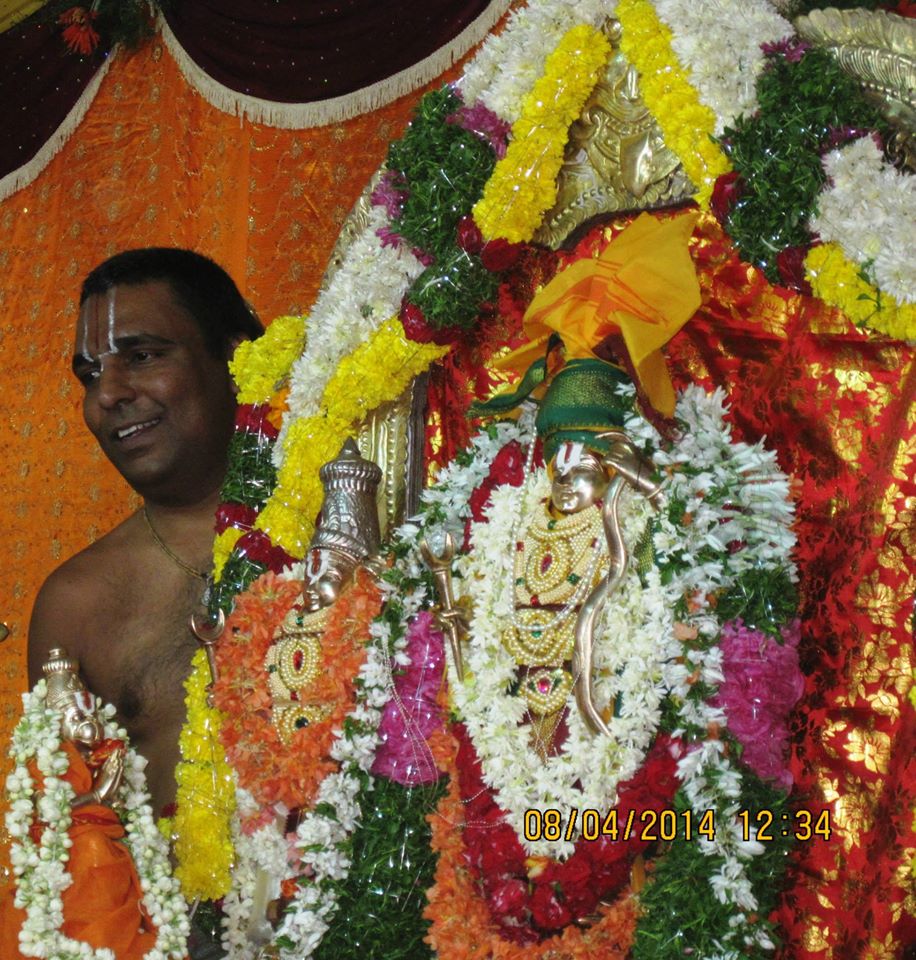
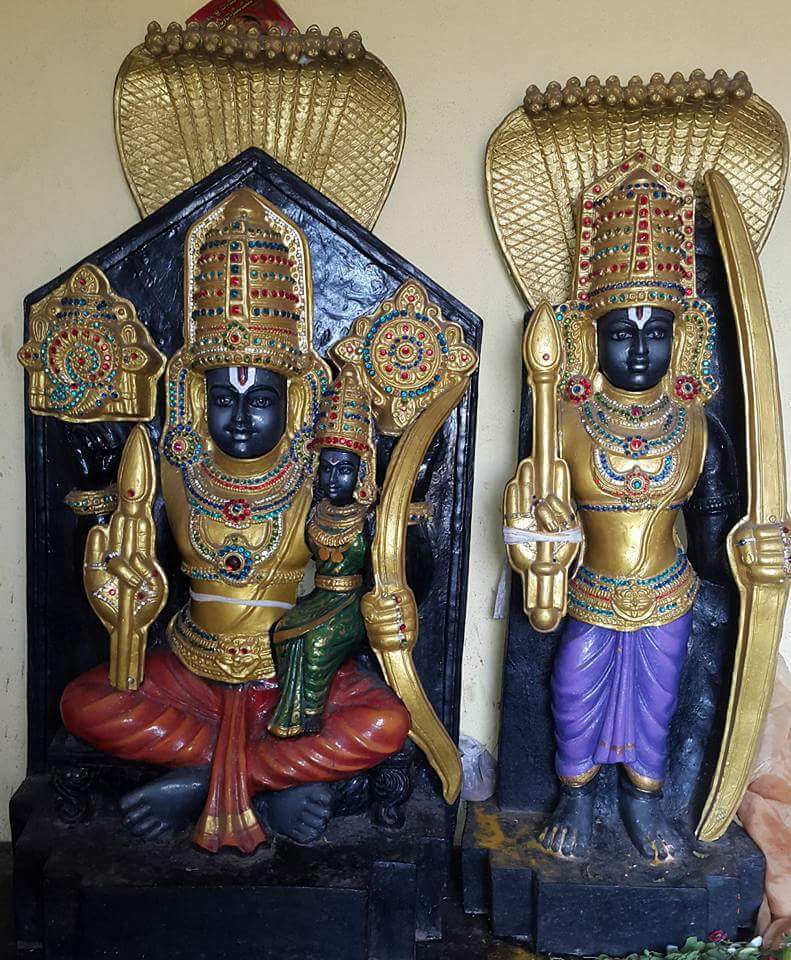
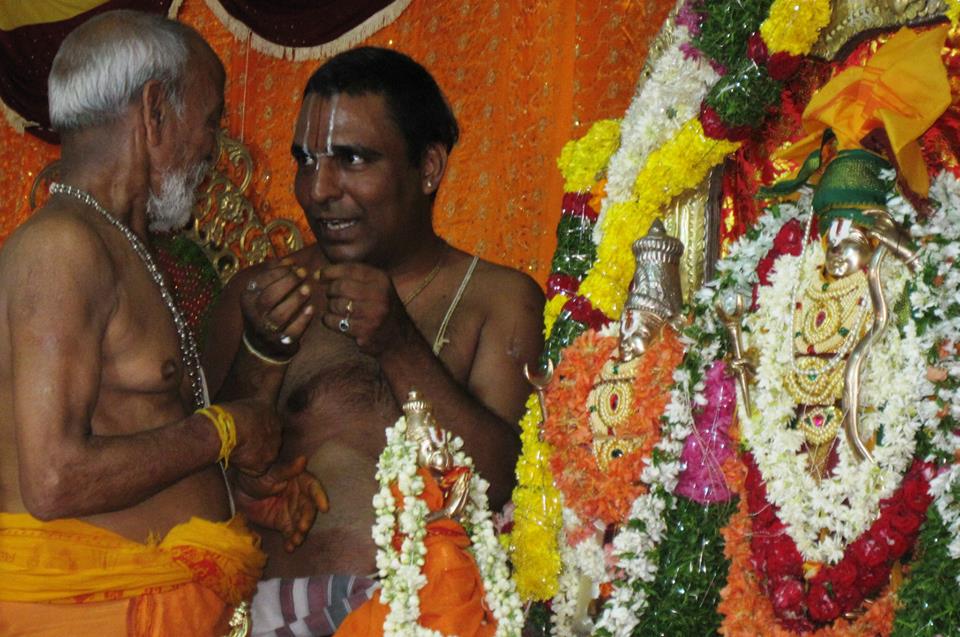
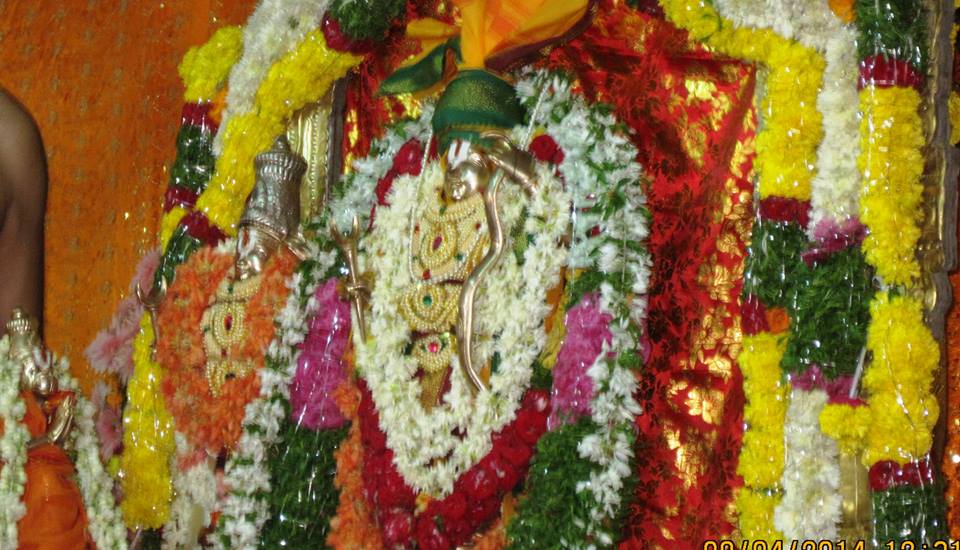
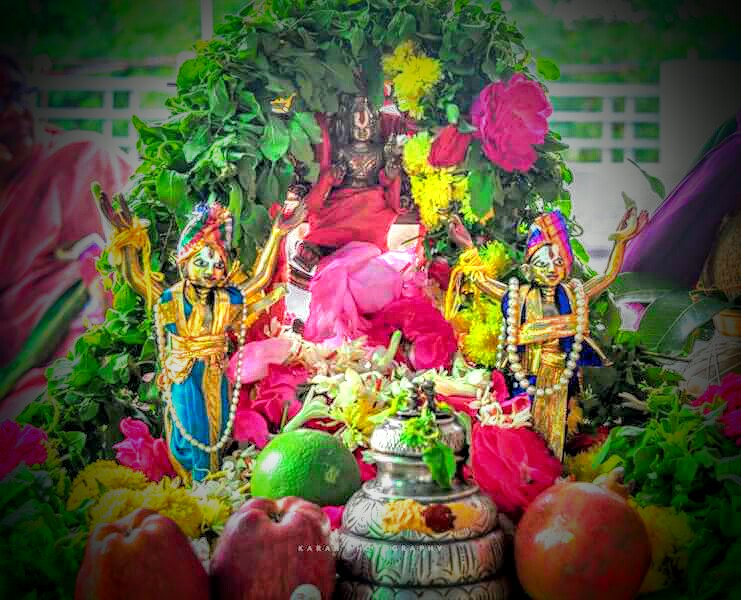
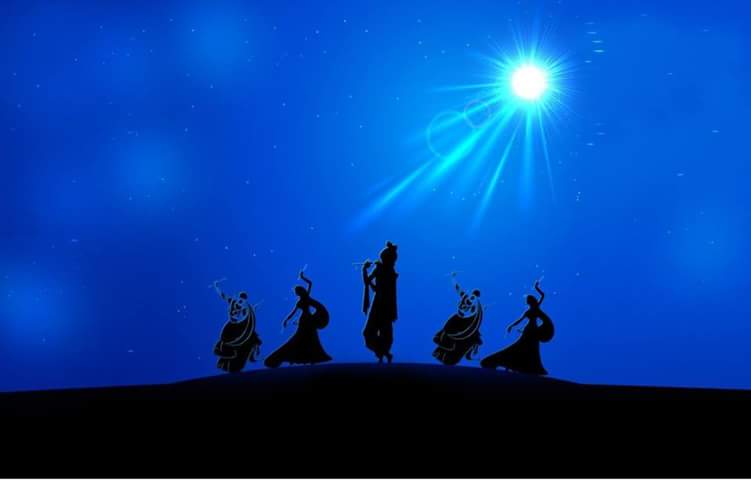
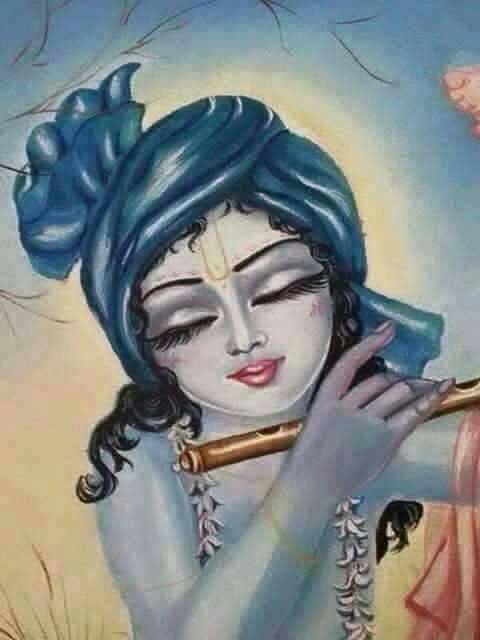
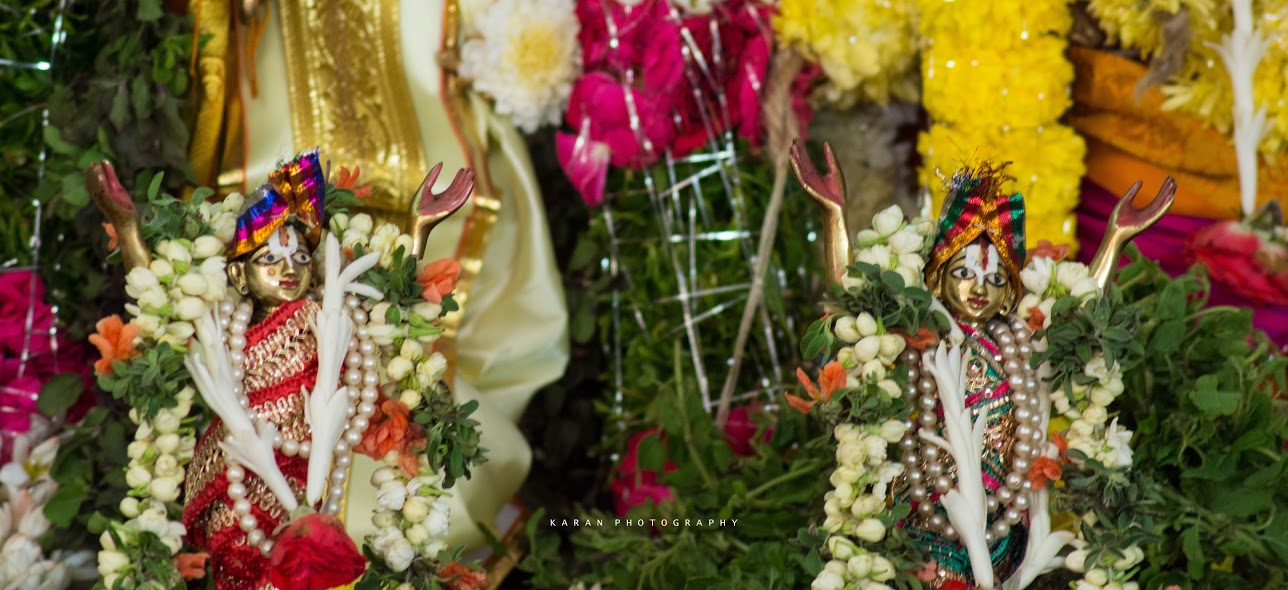
Lord Krishna declares ..” Masanam Margaseershoaham’ literaly meaning ‘Mathangalil naan Margazhi’…and Goddess Andaal shows us how to seek LORD in this auspicious month …


Lord Krishna reveals that he manifests himself as the month of Margazhi, when He describes his Vibhoothi to Arjuna in the 10th chapter of the Srimad Bhagavad Gita

.facebook_1513219884927.jpg-1682246483.jpg

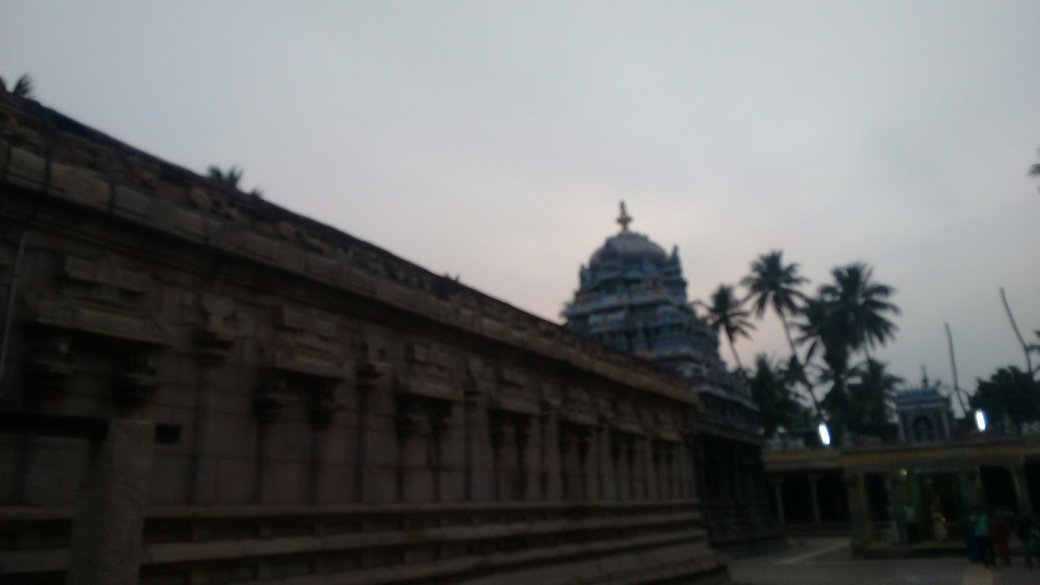
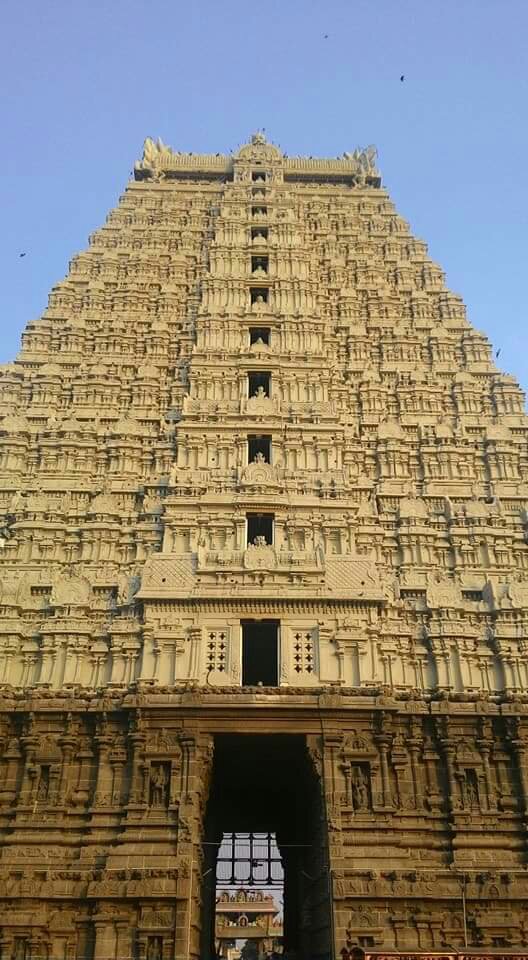
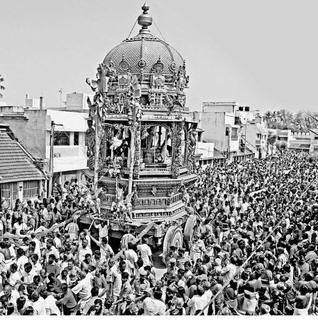
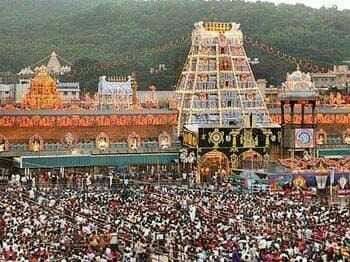
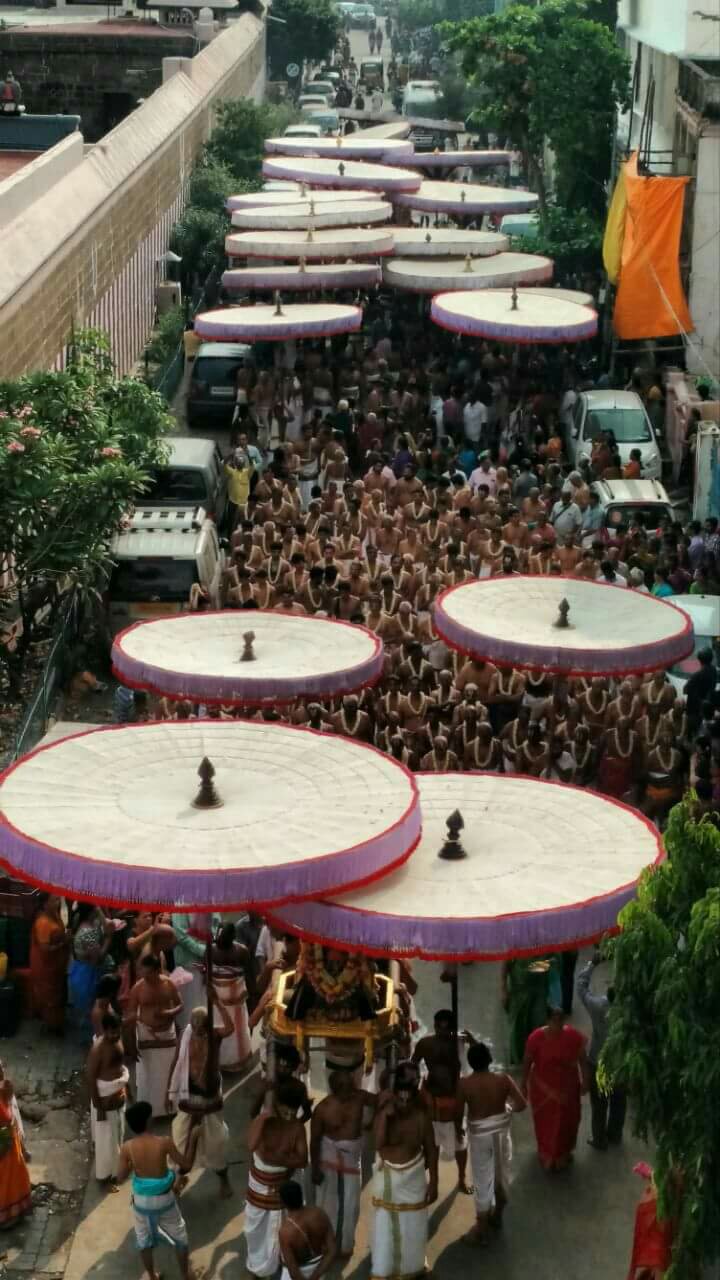
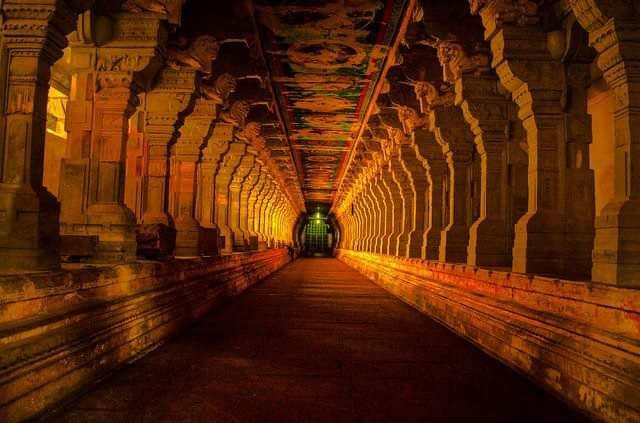
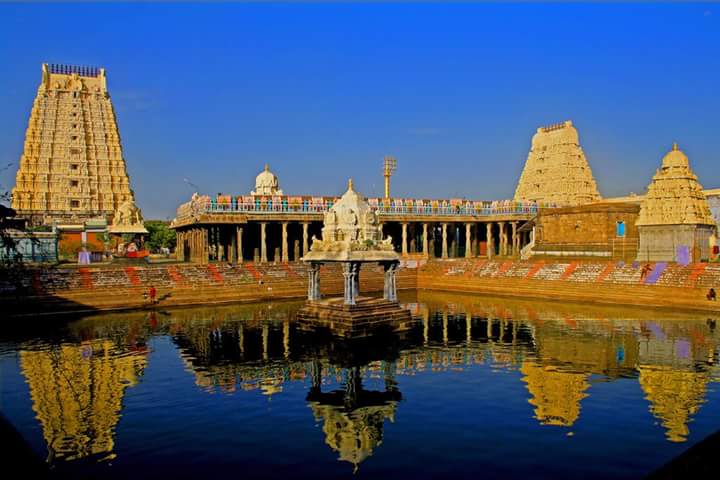
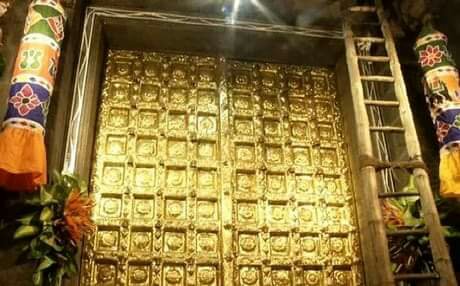
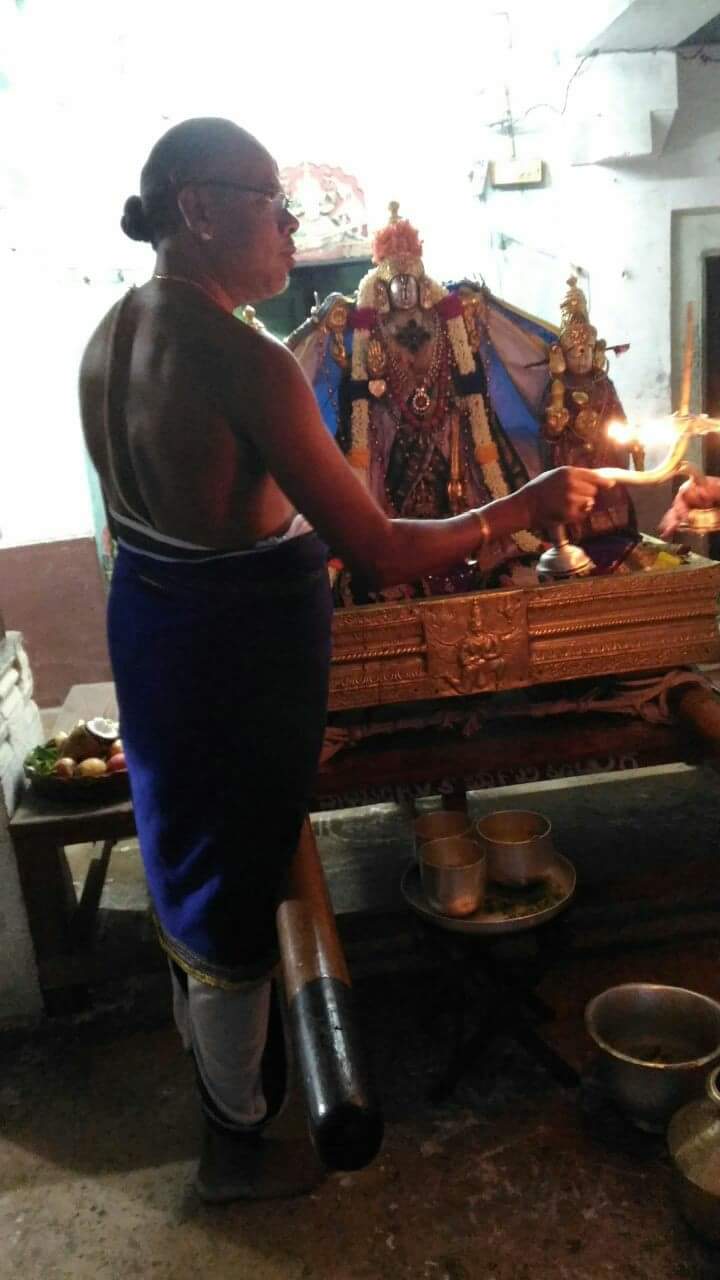
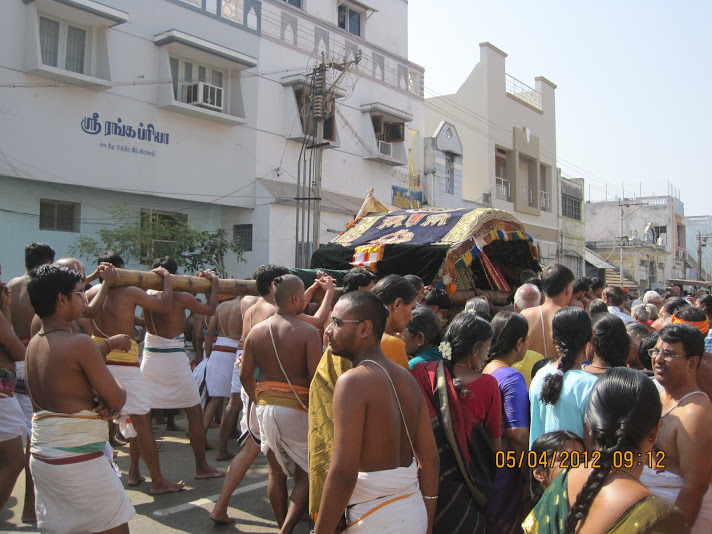
This Tamil month of Margazhi conjures up different experiences . Sanctums in almost all temples open in the small hours blaring songs to wake up people early.wp-1577117884182.jpg

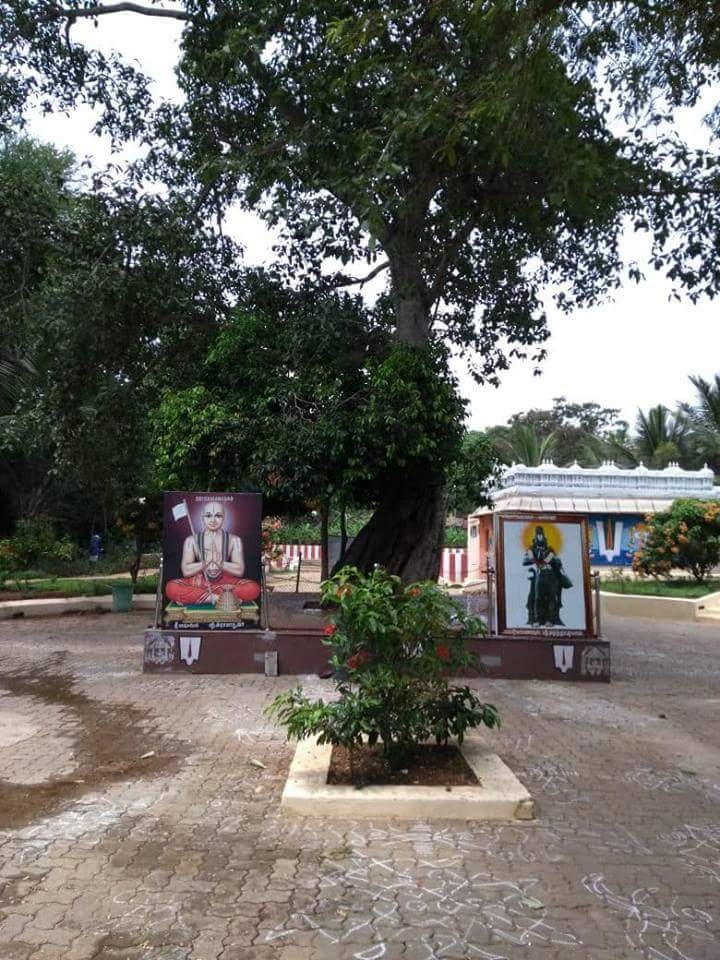
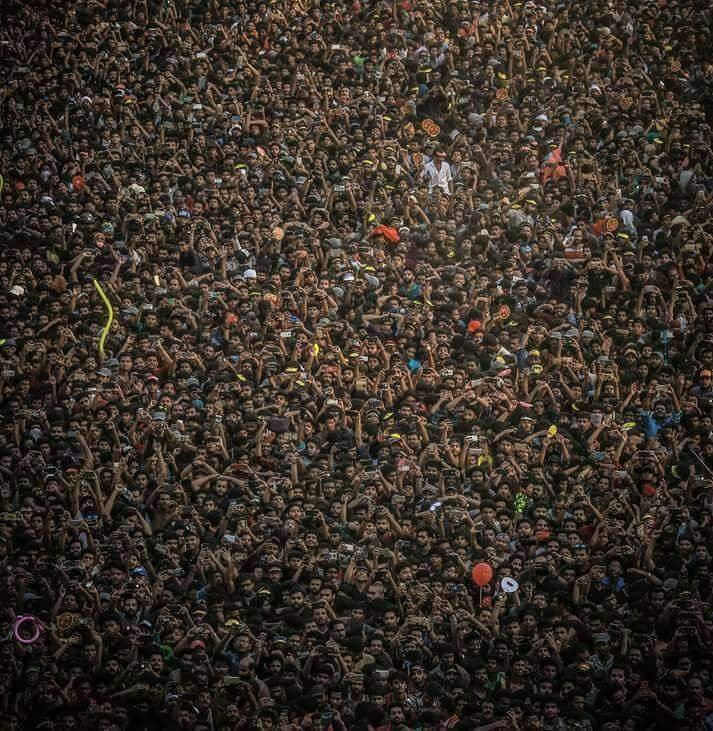
The devotees make pre-dawn visits to have darshan at the temples. The colourful kolams ( rangolis ) at the entrance of the houses and temples before sun rise with flowers adds to the devotional spirit. This month is entirely devoted to devotional and spiritual activities.

.facebook_1513216374585.jpg1322958174.jpg

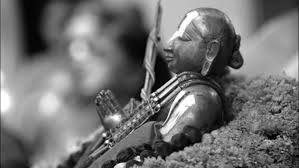
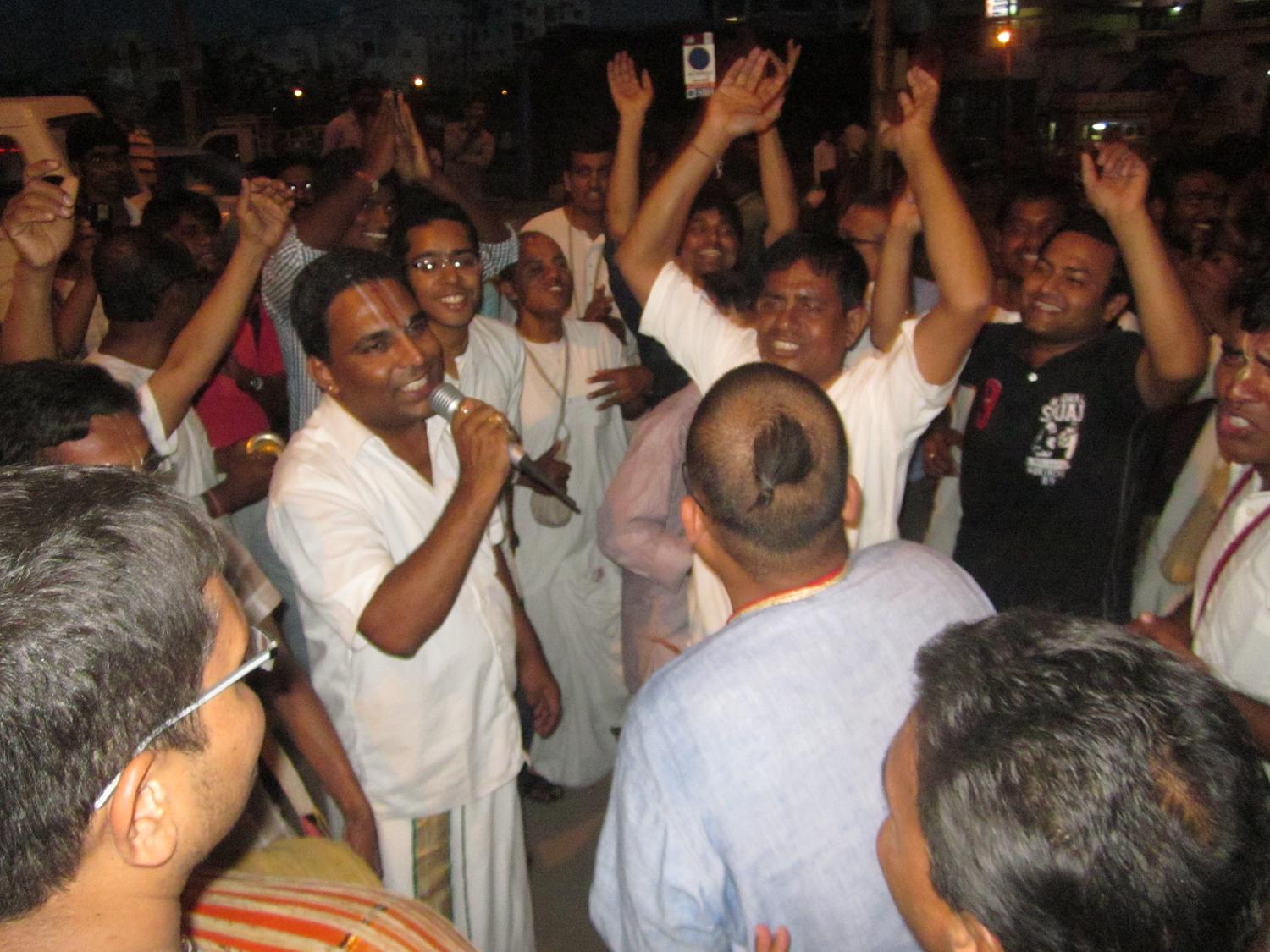
Devotees chant holy names by doing Nama Sangeerthanam and Nagarasangeerthanam .THE 30 pasurams of Thiruppavai sung by Aandal who is reverentially called ‘Soodi Kodutha Sudarkodi’, Mother Andal set the example of showing devotion to God through deep love and total surrender .The appearance of mother Andal during the tamil month Aadee is very special and hence one glorification goes like Thiruvaadi poorathu jagathudithaal vazhiye

andaal

img-20171213-wa0012-496331973.jpg

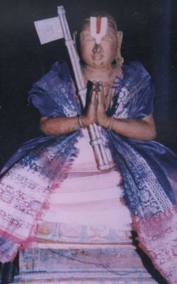
The only divya desams where Perumal, Azhwar and Naachiyar had done thiru avatharam is the holy shrine Srivilliputhur near Madurai . Also our mother Andal came from Moolasthanam to garbagruham to welcome Swami Ramanuja and addresses our JagathAcharyar as Anna and hence during margazhi utsavams, Swamy Ramanujar is welcomed as ” aruLapAdu Koil Annan” ..facebook_1513047282324.jpg1024855952.jpg

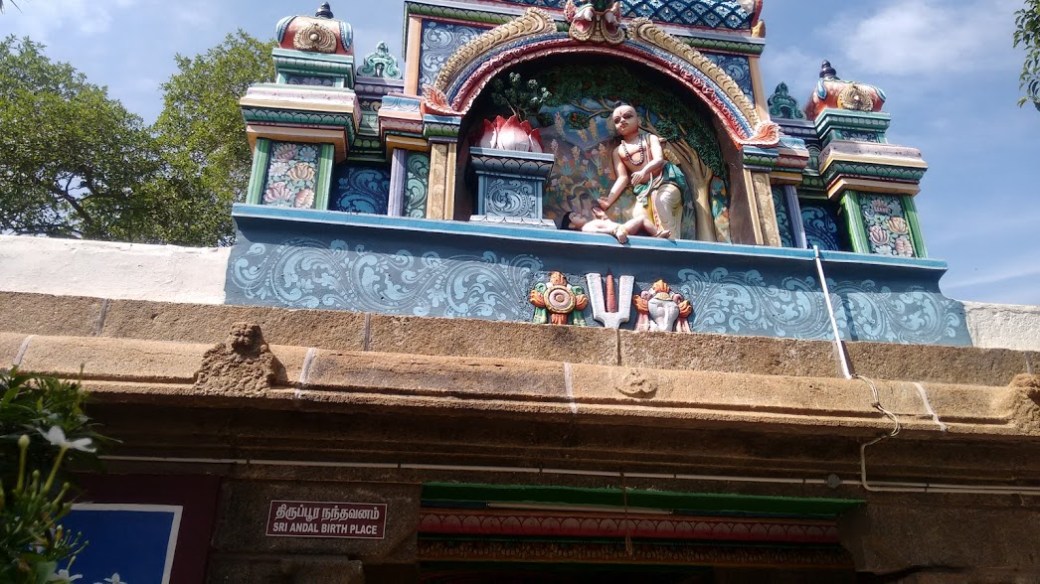
Srivilliputhur has been given to Sri Andal as ‘Sri dhanam’ by Lord Varaha Perumal (Adhipathi of the kshetram), Sri Vada Perunkoviludayan (referred to as ‘Kannan’ by Sri Andal) & ‘oru magal thannai udayavarana’ Sri Periazhwar and hence this is the reason all the houses in Srivilliputhur are glorified as ‘Nachiar Thirumaaligai’ and the Sannidhi is also be called as ‘Nachiar Devasthanam’

gg

And importantly not like other Nachimaars, for whom birth place is different from the husband’s place, Andal has both these places as the same place.

This is another specialty for Sri Andal .

jai jai

Mother Andal has given sama asana, Thiruvaradanam, amudhu seithal together to Peria Thiruvadi ( Sri Garudazhwar ) during the month of July August ….

a4

img-20171213-wa0015-177993453.jpg

By this, She proves the kalayana guna of treating her devotees in par in taking them to the lotus feet of Lord . Another speciality in Srivilliputhur is that,

aa
Sri Periazhwar has done ThiruAradhana kainkaryam to mother Andal here.wp-1577017867133.jpg

This is the a rare specialty compared to other Andal sannidhis.

.facebook_1512284743743.jpg-523521957.jpg

Our Jaganmatha Andal after singing the immortal poem “Thiruppavai,” goes for a well deserved sleep.

ee

Lord appears in her dream.
A pleasant dream of divine wedlock.
It is also a pleasant dream of number of emissaries carrying her message of love to her beloved Lord of Dwaraka.

img-20171213-wa0016201452950.jpg

In the transcendental mood , suddenly . Mother Andal wakes up and recollects the divine experience ….

tttt

She thanks Lord for granting her wish

Lord advises Andaal once again to sing one more song as pleasant as Thiruppavai.

ttt
tt

Andaal is overjoyed …

She replies …Lord !!! Me …

Yes !!! replied the LORD …

.facebook_1513219884927.jpg-1682246483.jpg

Did you not seek the ‘kingdom of service’?

and I want you to continue your song”.

Andaal had no qualms about it.

She decides to sing what she had dreamt.

Thus was born the immortal ‘NACHIYAR THIRUMOZHI ’ of one hundred and forty odd wonderful hymns.

t123

At this holy place ,

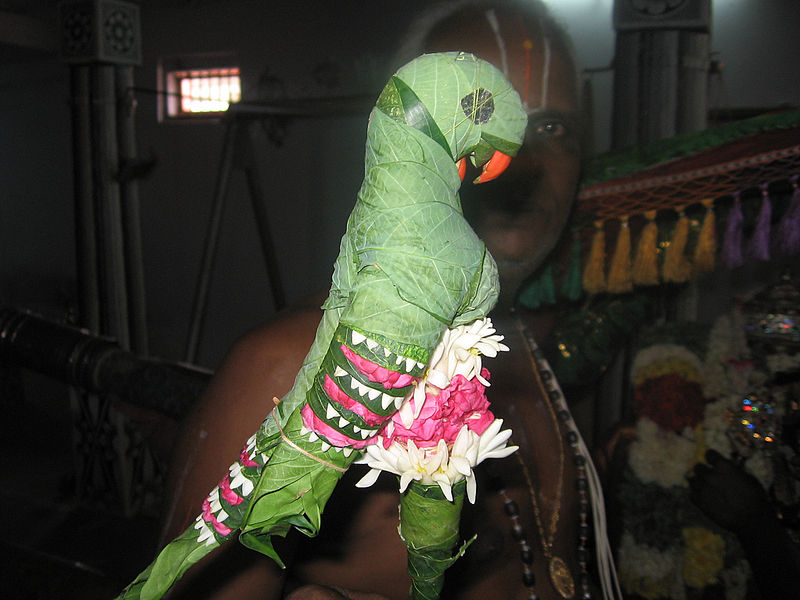
every day a parrot adorns our Thayar which is conducted as a special ritual in this temple

This parrot is made of special leaves every day and presented to the Lordships Presiding Deity , Andal at Srivilliputtur.img-20171213-wa0019-1432317265.jpg

This parrot is made every day with leaves and kept In the left hand of Sri Andal.

c

At the end of the day,wp-1576933862308.jpg

It is given to devotees who seek for blessings ….‘ Kili viDu Thuthu’ is a genre in Tamil.

Andaal is said to have sent the parrot to Lord Sriman Narayana to express the message of her love.

800px-Parrot,_Srivilliputtur
Srivilliputtur_Thiruvaadipooram_2013_21

The Lord listens to her wonderful hymns with utmost interest and enjoys every bit of it.

Lord out of His infinite mercy, grants her wish of ‘service’ and also the grand ‘wedlock’

a

How can we ever know the dream of Andal if she had not chosen to tell us?

Are not dreams in the personal domain of the individual?

Only after Andal had sung the two immortal songs, does the Lord arrange for the marriage retinue to call on her father and urges him to wed his daughter for him at Sri Rangam.

dd

Andaal’s entry into eternity,through the temple of Sri Rangam is a sequence of fascinating events.

Its a constant reminder for jivatmaas to seek Paramatmaa .

Jaganmathas appearance day is celebrated during July /August in ThiruAdipooram star , at all sri vaishnava temples and every day all srivaishnavas recite THIRUPPAVAI which binds us to our Divine parents …

a2
Srivilliputtur_Thiruvaadipooram_2013_29

Forever and forever, in this and the next seven births ,

May we be privileged to have a relationship with YOU and YOU only …..

We surrender to Divya dampathees

Oh ! LORD !!!!
and please shower us this boon that we should be beholden and offer worship to YOU and only YOU and not any other

.

a111

Thiruvaadi poorathu jagath tudithal vazhiyeThiruppavai muppadum cheppinall vazhiyePeriyazhvaar pettreduththa pennpillai vazhiyePerumpoodur maamanikku pinnanall vazhiyeOru nootru narpathu moondr uraiththall vazhiyeUyararangarke kanni ugandhaliththal vazhiyeMaruvarum thirumalli vada nazhi vazhiyeVan puduvai nagar Kodhai malar padangall Vazhiye

andal-srivilliputtur

Adiyen Ramanuja dasan

video credits : Shangu Chakra Gadha Padmam ,

Bombay saradhaPictures : Srman Srinivasa Raghavan , google images uploaded in social media by various groups

Continue reading “Lord Krishna declares ..” Masanam Margaseershoaham’ literaly meaning ‘Mathangalil naan Margazhi’…and Goddess Andaal shows us how to seek LORD in this auspicious month …”

Kooresa ..The most advanced srivaishnava ..


kkk

“yO nItyamachutha padAmbhuja yugmarugma
vyAmOhatas-tadI-tarANI trNAya mEnE
asmath gurOr bhagavatOsya daIyaIyaka sIndOhO
rAmAnujasya charanow sharanam prapadyE !”

ramanuja

—-“The Holy Feet of My Master, Ramanuja, are my sole refuge!     

For He Is an Ocean of Mercy! And for Him. ……

all else Is dross other than the supreme wealth that Is the Holy Feet of God!” ……

SRI
This wonderful prayer was recited by the great saint Swamy Koorath Azhwan on his Acharyar Swami Ramanujar ..

offering obeisances.. and this glorifications is recited by all vaishnavas daily in their prayers and this sloka  is  unconditional  surrender to the lotus feet of Jagath Acharyar Swamy Ramanuja …

kkkkk
kooooo
The story of Swamy Kuresan’s lIfe has been told many times over the centuries. Nonetheless,It Is a lIfe-story of such nobIlIty and InspIratIon that It wIll bear repetition Inumerable tImes tIll the yuga ends.

.facebook_1516803037474.jpg801545870.jpg

Swamy Kuresan appeared at a place called “kooram” near KanchIpuram.

He belonged to the clan of the HarItas and to a well-to-do, land-owning and properties. Kuresan had a gem of a person In hIs young and homely wIfe, AndAlammA.

They lIved a happy and contented lIfe In Kuram near to Kancheepuram

gg

The couple  were both known In KanchI for theIr unstIntIng philanthropy and kindness. They were both ardent devotees of  Lord KanchI Varadarajan the presiding deIty of the holy cIty.

.facebook_1517128738415.jpg738138125.jpg

Under some dIvIne interventIon Kuresan quIckly became a dIscIple of Swamy RamanujAchArya and thus Kuresan started a new chapter In hIs lIfe at the capItal of VaIshnavIsm SrIRangam.

kkkkkkkkHe was one of the closest dIscIples of Swamy SrIRamanuja.

He assIsted Ramanujacharya In all aspects and affaIrs of hIs mInIstry… the temple of Lord SrIRanganatha and the SrIVaIshnava communIty.

He was Ramanuja’s aIde In scrIptural study, dIsputatIons and exegesIs. He was at hIs beck and call.

He tended to hIs mInutest needs.

He was hIs factotum.

HIs amanuensIs.

HIs valet.

HIs eyes and ears.

HIs conscIence keeper.

HIs alter ego….

Kuresan soon became hIs Master’s faithful shadow.

6

Kuresan and Swamy Ramanuja proceeded to compose the great standard works of “srI-sampradAyam” that have come down to posterIty —

“srI-bhAshya”,

“vedanta-deepa”,

“vedanta-sAra”,

“vedArtha-sangraha” and

“gIta-bhAshya”.

jj2

Later after hIs VIjaya YathIraI , Swamy Ramanuja fInIshed hIs Immortal “srI-bhAshyA” with a sense of utter fulfillment thanks to the “vruttI” and even greater thanks to the darIng enterprIse and phenomenal memory of hIs chIef dIscIple, SrI.Kuresan!

Swamy Ramanujas stature as a gIant of an “AchAryA” In the VedantIc galaxy of IndIa became secure.

SrI VaIshnavam had reached Its pInnacle of development around that tIme.

wp-1489722481516.jpg

Amongst some sectIons of the people whIch at that tIme was concentrated around GangaI-konda- sozha-puram… near ChIdambaram … hatred to SrIVaIshnavaIsm and of Swamy Ramanuja began to flare up.


The KIng of ChozhanAd at that time was a tyrant who was also a SaIvIte fanatic.

kkkkooo

HIs name was KrImIkantha Chola of the clan of the Kollutunga kIngs.

He  was hell-bent on rooting out VaIshnavIsm in hIs kIngdom and the best way to do that, he thought, was to destroy Swamy Kuresan then volunteered to go as Ramanuja’s proxy and respond to the royal summons.

.facebook_1515080901165.jpg1766642812.jpg

In the process Kuresan plucks hIs own eyes rebuking their usage that set sights on a sinner like that fanatIc kIng .ThIs Chola tyrant, KIng KrImIkantha, dIed of a deadly tumour that grew InsIde hIs neck in a day or two for the grave sin committed on a ardent devotee of LORD .

kkkkk

After hIs death, the fanatIc frInge of SaIvIsm  lost Its mIlItant edge and the land of the Cholas agaIn reverted to sanIty and Its hIgh cIvIlIzatIon.KrImIkanta Chola’s successor was hIs son who turned out to be a wise kIng utterly unlIke hIs father.

wp-1483450064037.jpg

He dIscouraged relIgIous bIgotry In hIs kIngdom and allowed freedom of faIth and worshIp amongst all hIs subjects. TakIng leave of hIs vast followIng In the Mysore regIons of TIrunarayanapuram, and at the rIpe old age of around 100, Swamy IRamanuja fInally decIded to return In trIumph to  SrIRangam.

HavIng e learnt that his Acharyar  Ramanuja was returnIng to SrIRangam, Kuresan and his famIly, exiled In TIrumalIrunjolaI for several years, returned to the capItal. 

Kuresan worked tIrelessly at SrIrangam all hIs lIfe for hIs Acharyar  Ramanuja who was by then more than 110 years old and also for the cause of SrIVaIshnavaIsm whIch had by then become fIrmly establIshed as a dIstInctIve shool of VedantIc thought and practIce In IndIa.

It so happened , One day blInd Kuresan went all by hImself to vIsIt Lord of Lords  Ranganathar In the temple. After offerIng worshIp Kuresa contInued to lInger behInd In the presence of the Lord.

kkkki

The reclInIng LORD was a lIttle surprised and asked Kuresan,

“You seem to have somethIng to say to Me, Kuresa?”.

Kuresan replIed,

“No my Lord! I am here so that I may sIng your praIse to my hearts content!”.

LORD was pleased and saId,

“Kuresa, you have pleased me today! Ask of me any favour you want!”.

Kuresan quIckly replIed,

.facebook_1517111917672.jpg1872705387.jpg

“O Lord Ranga, you have bestowed me wIth every blessIng and gIft In lIfe!

There Is nothIng that I lack! What can I ask thee further?”.

The LORD however pressed Kuresan,

“No, once more ask, and ask for more, If not for yourself, then ask for the love that I bear towards my beloved spouse, RanganayakI, and towards my Ramanuja!”.

wp-1479438572654.jpeg

Kuresan then prayed LORD that he be released from hIs mortal body and be merged In the Lord’s Feet.

  Lord , however demurred and saId,

“Ask me anythIng but that,

Kuresan! SaId LORD …….

Kuresan saId he had nothIng else to ask. 

LORD Ranganathar fInally relented and saId,

wp-1488286010934.jpg

“Let It be so then! What you have asked of me, Kuresan, shall be boon for not only thee but also a boon conferred upon everyone that has any sort of kInshIp wIth thee!”.

On receIvIng the supreme blessIng from the LORD  of SrIrangam,

Kuresan walked out of the temple wIth hIs head held hIgh In prIde!

He felt lIke a crown-prInce who was about to be coronated In the KIngdom of God!

He went home wIth hIs spIrIt soarIng!

rain

MeanwhIle thIs news of Kuresan’s prayers answered wIth Lord Ranganathan quIckly reached Swamy Ramanuja .

When the old AchArya heard of the divine  IncIdent , He stood up ImmedIately, and throwIng hIs upper garment In the aIr, and  great rejoIces  for the great boon gIven to hIs dIscIple

The old achAryA’s behavIour was so unusual that a dIscIple sIlently questIons their Acharyar .

ramanuja

 Swamy Ramanuja  was immensely pleased and replIes ,

Look my children !!

  When “My faIthful one, do I also not bear kInshIp wIth my Kuresan!

My salvatIon too Is now assured by the boon that Lord Ranga has granted my Kuresan!”

fawn

It was an Ironic but wonderful reversal of roles!

Usually It Is by the guru’s Inter Cession that God’s grace Is fetched for a dIscIple. But here In the case of Kuresan and Ramanuja,

It was the Master who was benefiting from the dIscIple’s stock wIth the AlmIghty!

wp-1489722520024.jpg

The old pontIff then left hIs Mutt and made hIs way to the quarters of Kuresan In the other part of SrIRangam. Kuresan was waItIng for hIs guru. When the Master met Kuresan he questIons hIs dIscIple ,

“What have you done,Kuresan?!

You have gone and done a deed wIthout even consultIng me your guru?”.

Swamy Ramanuja’s tone was a bIt remonstrate and a bIt accusatory too.

So Kuresan kept sIlent.

wp-1488936391269.jpg

“Why do you not speak, Kuresa?

What was your purpose In goIng to our Lord Ranga and beggIng HIm

to let go of thee far In advance of someone lIke me here who Is so far gone In age?

Do you wIsh to be gone ahead of me, my dear Kuresa?

Why?”.

200112_157231214337753_100001526273908_342786_589329_n

Kuresan spoke In soft tones,

“My Master, my most Holy SIre!

wp-1487607859780.jpg

My sole purpose was to preserve the order of precedence In “parama-padam”….

In Lords KIngdom.”.

“Don’t speak to me In rIddles and conundrums, Kuresa!

I am your Acharyan , speak plaInly wIth me!”, gently chIded Ramanuja.

nam

SwamIn !!, In the “pasuram” “muDIyuDaI”

It Is saId that our elders In heaven who preceded us come out of the gates of “parama=padam” to welcome theIr younger brothers when It Is the latter’s turn to arrIve there…. and then the elders usher the young ones Into God’s Presence.

.facebook_1514722627617.jpg-1534600074.jpg

SIre, but thIs I consIder as beIng of Improper order!

It Is the younger ones who should always go fIrst and prepare In Heaven to receIve and welcome theIr elders.

wp-1487607828053.jpg

That Is the order of precedence I wIsh to preserve!

Hence, SIre, I go In advance so that I may welcome my Master when he arrIves there In good tIme!”.

When Ramanuja heard Kuresan’s stIrrIng words hIs whole body shook wIth tremors of emotIon. HIs spIrIt melted.

zcc

“My most beloved Kuresan, you forget the rule In Heaven that all dIfferences and dIstInctIon between elder and young, between wIse and Ignorant, between saInt and sInner sImply dIsappear there! And….

yet you Kuresan, who has served me here so devotedly as a dIscIple, wIsh to perpetuate In Heaven too the same relatIonshIp that exIsted between you and me here on earth!

O, my dearest Kuresa, Is there anybody to match you In thIs world! Kuresa, my beloved chIld!”.

04-alimalai-kkanna

The aged Swamy Ramanuja could not contaIn hIs tears and rushIng forward took hold of hIs dIscIple and embraced hIm.

“Kuresa, my Kuresa, my dearest son, you are my very soul!

How can I part wIth thee?

You say you want to leave thIs old man behInd alone In thIs world!

.facebook_1514516070536.jpg1082676350.jpg

Can you not be kInd-earted to thIs Master of yours of so many years? Take me too wIth you, my son, to the KIngdom of God!

Why do you want to leave me behInd to suffer the pangs of separatIon? WhIle I am yet here upon thIs earth, how can you be so anxIous for Heaven,

O Kuresa? Tell me, how can you enjoy “parama-padam” wIthout me?”

temple

On hearIng hIs old guru’s wrenchIng words, Kuresan heart was torn to shreds by emotIon.

He was stunned Into a poignant sIlence.

After a moment Kuresan meekly replIed….

zxzx

“My Master, my Great SwamIn 

In the depth of my thoughts for the mIserIes of earthly exIstence,

AdIyen completely forgot the poInt that you have raIsed!

.facebook_1517134712509.jpg1590347202.jpg

Pray forgIve me please, SIre, please pardon for me my thoughtlessness even In the presence of God!”. Ramanuja then saId,

“If Lord Ranga can grant you a boon such as that whIch you asked hIm, Kuresa, surely He can grant me one too!

wp-1489672899734.jpg

So I wIll go rIght now to HIs temple and ask hIm to stop you here on earth for my sake!”. So sayIng Ramanuja turned and walked a few paces towards the temple of Lord Rangantha….

but then after a short distance paused abruptly and reflected aloud…

.facebook_1517130780432.jpg1187212127.jpg

“The WIll of God Is unalterable! What audacity on my part to go and force HIm to change it …

No! Let me submIt and be resIgned to the DIvIne Inevitable!”.

So sayIng the old guru retraced hIs steps towards Kuresan.

Ramanuja now faced Kuresan and spoke In a clear voIce: “

Kuresa! When you are gone how shall I lIve wIthout thee?

Alas,

God In “parama-padam” has attracted thee, even though our Ranga here has all attractIons too!

So then yet have you decIded to sever yourself from Lord Ranga here! Happy Is the God In “parama-padam” and happy HIs celestIals to claIm thee as one of theIr own!

wp-1479430299763.jpeg

“But Kuresa, I am an old and fadIng man now, let me not change your mInd and dIsturb thy plans! Be It all as thou wIshest! All HaIl to you, my dearest Kuresa! Go now, go now and proceed to the Blessed KIngdom of God and rule there In eternal Peace and HappIness!”.

So sayIng Ramanuja gathered the blInd Kuresan In hIs arms and smothered hIm wIth love, strokIng hIs head and shoulders as If he were a but mere a chIld.

img-20171225-wa0008-961714720.jpg

“Kuresa, In thIs moment when you have to depart from me, I salute thee now, my son!”.

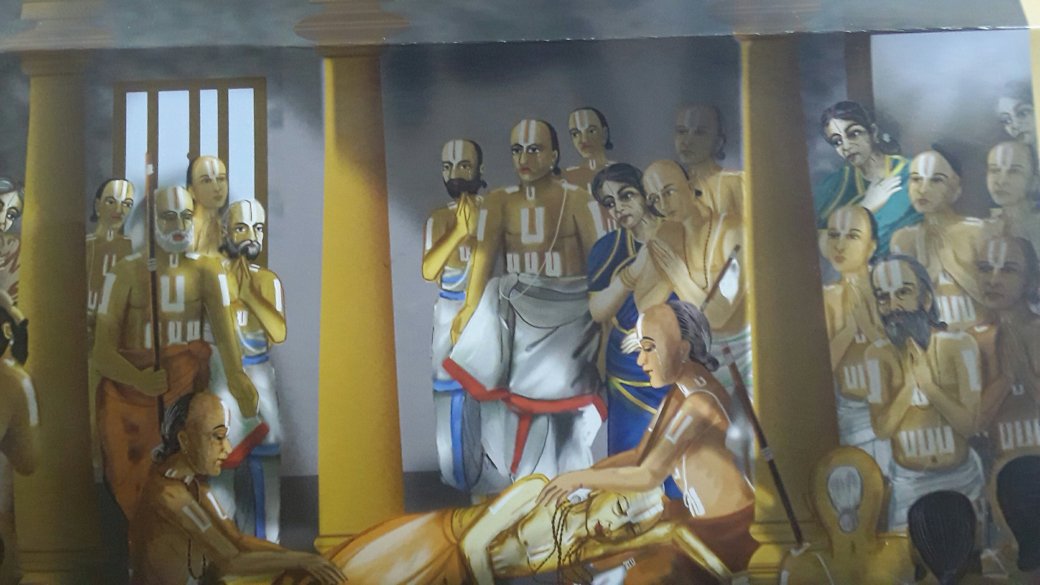
It was moment of dIvIne pathos. Kuresan had no words left In hIm! Such was hIs stupefIed condItIon of beIng that he sImply lay motIonless In the arms of hIs great “achAryA” who clasped hIm In hIs arms as If he were a tIny Infant!

jjjjk

After a whIle Kuresan dIsengaged hImself slowly and sImply fell at Swamy Ramanuja’s lotus  feet lIke a log of senseless wood. The old guru then bent down and raIsed hIs dIscIple and wIped away hIs tears.

raaa

“Go now, my chIld, go now quIckly to the Lord! Thou hast now my leave to depart!”.

So sayIng the aged and venerable  Swamy Ramanuja turned and slowly made hIs way to return to hIs monastery……..

wp-1489673071184.jpg

It was at that moment that a most excellent and poIgnant prayer (“tanIan”)…

In euphonIums SanskrIt sprang spontaneously to Kuresan’s lIps and whIch even to thIs day all devout followers of SrIRamanuja recIte In theIr homes daIly and at all tImes:

“yO nItyamachutha padAmbhuja yugmarugma    vyAmOhatas-tadI-tarANI trNAya mEnEasmath gurOr bhagavatOsya daIyaIyaka sIndOhO rAmAnujasya charanow sharanam prapadyE !”.

Watch the following clips in which the vaibhavam of Kooram and Azhwar is explained by Bhattar


Inspired and adapted from an article shared by a advanced devotee Shri Varalotti Rengasamy

Pics : Courtesy Google images /Social media uploaded by advanced devotees

Adiyen Ramanuja dasan

img-20171201-wa0037-1637645118.jpg

“Manakkal Nambi” (SriRamamishrar) the great saint’s role in Sri vaishnavism


nambeeeeee

 The most revered disciple Swami Rama Misra (Manakkal Nambi) appeared at maNakkAl (a village on the banks of river cauvery, near srirangam). 

facebook_1558707543355.jpg

He lived with his Acharyan UyyakkondAr and served him for 12 years  at the holy place Thiruvellarai. . UyyakkondAr pleased with Swami Rama Mishrar  appoints him  as his successor while leaving to paramapadham  ( srivaikuntam) .

facebook_1558707587333.jpg

He  advises his disciple Rama mishrar ( Nambi)   to train Ishvara muni’s son Swamy Yamunacharya such that he takes over the duty of  spreading the sri vaishnava dharisanam.

thiru

Meanwhile  at Srirangam , Swamy  Yamunar   joins the school of Sri Mahabhashya Bhatta  who is well versed in all the  vaishnava sampradayas . During this period all the Vidwans (scholars) in the Chola Kingdom had to pay annual tribute (prescribed fee) to Aakkialwan, the royal purohit who was close to the King .

facebook_1557795812974.jpg

As it is the case ,one day on receiving the notice for payment  , Mahabhashya Bhatta  became very sad, as he was penny less.

facebook_1558707566386.jpg

Observing his  Acharyars  sad face, and coming to know the difficult situation, Swamy Yamunacharya  took it upon Himself to put an end to the audacity and the atrocity of  Royal  purohit Aakkialwan .   In presence of the gaurds ,Yamauna  tears  the notice to pieces and sends the messenger back.

On hearing the happenings there ,  Aakkialwan send backs   the messenger  to check  whether Yamuna  was a poet or a scholar well versed in Shastras.   The guards  come to know about Yamuna’s  proficiency from the neighbors   and  informs the Purohit about his strong hating to the opponents .

.facebook_1493227526216

 Aakkialwan  ,  astonished at the scholarship of  Yamuna informs the  Chola King.

nam

The King orders  this young Scholar to come to his court immediately.

Yamuna   bluntly refuses……..

facebook_1556967864016.jpg

The King realizing that he wasn¡¯t dealing with an ordinary person, sends a palanquin along with  bearers to bring Swamy Yamuna.

.facebook_1492694070942

As Yamuna reaches the courts, he  passes  a sloka to show his scholarship which stuns the gathering ..

The sloka meaning goes like this ….

.facebook_1518922282871.jpg953769648.jpg


¨ Though you strive hard to find an equal to me ,  mastered both the Meemamsas starting from the slope of the Himalaya mountain (in the north) which is lucky enough to possess the tender foot prints of the mountain girl Parvathi up to the bridge (in the south) which caused the blooming of the Lotus like face of Sita, abducted by the demon Ravana and also beginning from the rising mountain (in the east) of both the luminaries Sun and Moon and ending with the setting mountain (in the west).

wp-1490462084102.jpg

The Purohit  face turned red  and he shouted aloud that he would debate with this young imposter.

Looking at Yamuna, the king orders  him ..

Young man …

You please start the debate with our court pundit, Aakkialwan to prove your scholarship

.facebook_1492393402543

 Yamuna replied, ¡

Well, your Majesty it is hard for you to decide who is  the winner and the loser when we debate and we both may not accept defeat.

Therefore it would be appropriate if we argue in the midst of learned scholars who are assembled here..

.facebook_1495543825704

Having invited all learned men, the King occupying  the royal throne along with his queen at the debating hall looks at the young  man  .

The queen, being very much impressed by the handsome appearance of the young man, drew the attention of the King towards him and exclaimed that he would never sustain defeat in the wordy quarrel.

If at all  Yamuna is defeated, she said that she would become a maid and cook the food for the dogs in the palace.

The King too retorted saying that in case Aakkialwan was the loser, he would part with half of his kingdom by presenting it to  Yamuna.

nambee

The debate started much to the eagerness of the Royal couple . Aakkialwan said to  Yamuna,  Let us start with ordinary worldly affairs. I will negate all your affirmatives and your negative statements will be made affirmatives by me.

facebook_1558707895501.jpg

Agreeing to this proposal, Swamy Yamuna uttered three sentences to Aakkialwan expecting him to counter the statements ..

1) Your mother is a barren woman.

2) The King is righteous one

3) The Queen is a very chaste woman.

Fearing  severe punishment at the hands of the king by the denial of the three statements, Aakkialwan simply blinked and winged his hands.

.facebook_1492694094238

 Yamuna came out with his denial of these three statements and explained from sastras .

1) A single tree cannot become a garden. Similarly one child is not enough to make a mother. As Aakkialwan is the only son of his mother, she is still a barren woman.

2) The sins committed by the subjects will go to the King, as he has not prevented them from doing so. Thus the king loses his righteousness.

3) Normally a girl becomes the wife of some divine personalities like Indra etc. after her marriage. Hence, the husband is not allowed to share her bed immediately after the marriage. Thus the queen has forfeited her claim for chastity.

wp-1489722520024.jpg

These negations earned the approval of all scholars and thus Aakkialwan was put to shame.

The same fate overtook Aakkialwan in the Shastra debate that followed.

Now  Yamuna had acquired the right to strike on the head of Aakkialwan.

But he politely declared his decent decision,

IMG-20190602-WA0004.jpg

Oh gentleman! I will not strike you on your head as per our agreement before the debate.

It is because, I give due respect to your age and the exalted position that you occupy in the royal court.

This proclamation earned the appreciation and approval of all the scholars.

The queen rushing towards  Yamuna embraced him and observed with a slippery tone full of affection You have come to my rescue.

Hence you are  my ruler (Ennai Aalavandeero!).

From that day onwards he came to be called Aalavandar.

.facebook_1491231518900

Having said so, she took him to the palace accompanied by the King.

His Majesty also kept up his promise by offering half of his kingdom to Aalavandar. Enjoying all the royal pleasures in the company of his wife, the young prince ruled over the kingdom happily and peacefully.

rain

Manakkal Nambi got this news that the future Acharyar of Srivaishnavism has become the King .  

Watching silently the eminence which Alavandar had reached so rapidly and       Aakkialwan ’s ignominious defeat  and Alavandar becoming a king, his joy knew no bounds He  wanted to fulfill his promise to his revered Guru Uyyakkondar in bringing him back to the Sampradaya .

zaz

He  thought of his Acharyar’s instructions in  making Alavandar the future Apostle of the Faith. So, he went to the palace, but the guards obstructed his entrance.

He found his way however into the kitchen where contracting friendship with the cooks, had ascertained from them the potherbs that pleased Alavandar most.

IMG-20190602-WA0003.jpg

He took that herb Thoodhuvalai, a kind of spinach, daily to the kitchen for a period of six months and yet no notice was taken of it.

Wearied, he stopped away for a few days. Alavandar finding his favourite dish missing from his dinner so suddenly enquired of the cooks the reason.

They informed him of an old Brahmana having, for six months uninterruptedly, brought the green herb and having stopped the supply for a few days.

“If he should return again,” commanded the king, after chiding them, “inform me at once.” Rama Misra thought he would try again, and so put in his appearance with the favourite vegetable, after some interval.

The king was immediately informed; and he ordered the venerable man being conducted into his presence.

When he duly arrived, the king rose, and making obeisance, seated him with every mark of respect; and asked how he may reward him for his services, -by money or by lands.

.facebook_1492566300794

Our Misra said: “Good king, these riches I do not need from thee; for I have precious riches, amassed by your ancestors, to give thee; and I shall show thee where they lie treasured up. Till I put thee in possession of these, let me be admitted to thy presence without hindrance by the guards at thy gates.”

Alavandar was taken out of himself by this unexpected revelation, and placed his men under instructions to admit the worthy visitant freely without caring for ceremony.

Swamy Rama Misra now began to teach Alavandar the Bhagavad Gita, the essence of all the Upanishads.

As Alavandar listened attentively through the eighteen books of this Sublime Poem, his spiritual sense was awakened, and a craving caused in his heart to realize God, as is spoken therein.

“How shall I realize Him?” asked he of his Acharya.

“That is taught in the Great Charama Sloka”, promptly responded the teacher and taught its significant Mysteries.

The more Alavandar meditated on these, the more they entered deep into his heart.

wp-1489280203596.jpg

The saving grace taught therein made him more and more inclined to surrender himself to God, and more and more to cultivate the sense of resignation to His will.

His soul bent more and more to Him with the nourishment the teachings gave, just as the ripening grain-stalks bend as they receive more milk.

As days passed, his love for the Merciful grew warmer and warmer; and as this love increased, his attachment to other things; became weaker and weaker.

wp-1488936391269.jpg

The Teacher watched the spiritual progress of his disciple, and thought the time was ripe for leading him to where his promised patrimonial wealth lay hidden.

He led him therefore to the Holy Shrine of Srirangam, where, pointing to God reposing therein in the serene glory of His presence, to all worshippers accessible, he said: “Who will not worship Rangam, the most Holy, – if he be wise?

For doth not wisdom blossom here and keep Yama (death) out of sight?”

This is your trove, your heritage, and my trust, which I here discharge on this auspicious day.

”Alavandar, with the spiritual vision which was endowed to him by God’s Grace, saw in the Holy Image of Ranga the Treasure of the Universe enshrined; and exclaimed, with  a feelings of remorse in his heart for past days, which had been spent without this Blessed Vision, and  feelings of bliss overflowing in streams of loving tears, at the fascinating sight he enjoyed

“O Blissful God”, he exclaimed,

“Many days have I lost in the vain pursuits of the world. I mourn for this. Now I have seen Thee reclining on Thy Sesha.

I serve Thee for evermore.

I find myself reclaimed from the death of worldly enjoyments, and initiated into the life of Thy service.”

wp-1490410892208.jpg

Lord! lands and friends and riches,
Sons and wives, cattle and houses,-
To him who has thy service tasted,
Hateful objects become they.

After this, a determination came to him to renounce the world, and don the robes of the Sanyasin, in as much as the love of the world and of God were incompatible with each other.

Hence forward he devoted himself to divine contemplation and service.

xcvb

Swami Manakkal Nambee was binding force for srivaishnavam to progress.
All glories to Swami Manakkal Nambee

naanmb

Adiyen Ramanuja dasan

IMG-20170713-WA0012

Pics : Google images


MUKTHINAATH DARSHAN ( A travel diary )


                          MUKTHINAATH  DARSHAN 

02280019

Muktinath Kshetram is located  in Nepal  and is an important pilgrimage site for  Sri Vaishnavites and Buddhists. It is one of the eight swayam vyakta kshetrams-out of this 4 are in southern India and 4 in Northern India. In Northern India,  LORD has manifested Himself in the form of forest at Naimisaranyam, as  divine water in Pushkar, as mountain in Badrinath  and as Fossils in Saalagramam kshetram whereas in rest of India, Perumal is in Archa form (Tirumala, Srirangam) .

.facebook_1514382890874.jpg-2057895837.jpg

The best season to visit  ( Mukthinaath) “saalagramam” is during March-April and during September to 1s week of October. May to August is rainy season and is not advisable as per locals . As a visit to this place bestows liberation, this kshetram is known as Mukthi kshetram and Perumal as MUKTHI NARAYANAN.

1915805_106655146031726_2922780_n
With the blessings of Almighty, Adiyen  had darshan of  LORD   at Mukthinath ” Saaligrama divya desam” one among the 108  Srivaishnava Divya desam  with  my family who accompanied me in paying obeisance’s for all the  105 divyadesams since past 6 years .  This was our 106 divya desa yaatrai and it took 3 years for Adiyen to undertake this. My sincere  prayers to  LORD VENKATESHWARA ” ( Thiruvengadamudaiyan)  during my regular  visits to Tirumala sowed the seed of desire deeply in my heart to visit this divya desam and  feel blessed by his abundant mercy for making this yathirai memorable and a milestone in our  divyadesam piligrimage.  The pilgrimage to Shalagram was definitely  ecstatic.  This piligrimage was undertaken during 2006 and was posted in www.srivaishnavam.com . Was keen to share the pictures and video clips as requested by few devotee friends . The present  situation  as per the experiences of piligrims is   roads are good and  transport arrangements are available right from Jomson to Mukthinath .Also the road to Pokara to Mukthinath is approachable and made motorable with some  good experiences .Before I continue with my travel diary done during 2006 , Adiyen  offer my sincere obeisance’s to Sri Rangasri group members , ISCKON Maharajs and several great devotees of LORD who played a pivotal role in making this trip possible with whatever information they could give me.

1915805_106655152698392_4018377_nWith humble obeisance’s to  my parents and elders’ , we left to  Gorakhpur by Secunderabad-Gorakhpur Express  train and reached Gorakhpur  next day in the evening in the evening .  We checked into one of the many hotels, Hotel Standard (room rent 350/-) though the plan was to retire in Railway retiring room. Gorakhpur, a busy city, wore a festive look on the eve of Durga ashtami.  Durga Ashtami and Vijayadasami are the major festivals in Uttar Pradesh apart from Deepavali. We  strolled into the streets to have a glance of the celebrations in the busy city.

1915805_106655119365062_3734633_n

1915805_106655116031729_4802782_n

As we did not really plan any package trip we took a chance to enquire about the facilities en route  from Gorakpur. We happened to peep into one of the tourist offices near  to the hotel opposite to Railway station. There are many travel agents near the station who arrange for pilgrimage, mountaineering and sight seeing trips to Nepal. Out of inquisitiveness, we contacted Sai Baba Travels and finalized the  tour package for Rs.45,000/- including  the cab (Bolero hire charges) for 9 days, border permit and other road permits, room accommodation at Pokhara for 3 days, at Jomsom for 1 day, at Chitwan for a day, at Katmandu for a day , at Janakpur for a day  and flight tickets from Pokhara to Jomsom for 4 persons  to and fro with a vegetarian driver who respects our values .The agent  obliged and handed over letters to be given at the various hotels we were to check in. He had taken Rs.25,000 as advance and assured us  that we don’t have to pay anywhere.  Presumed  that they had tie up in several places in Nepal.

jaayaaa

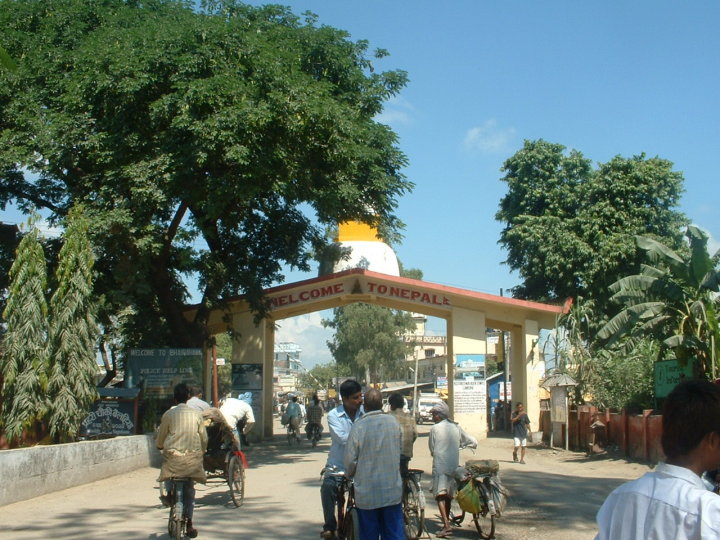
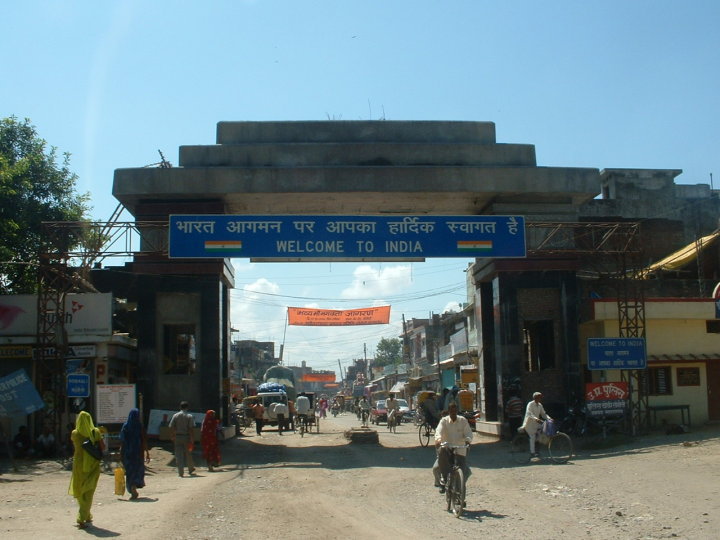
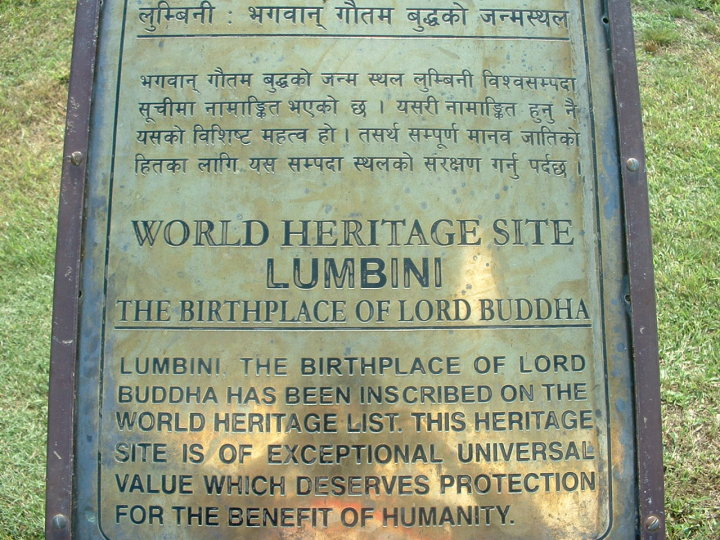
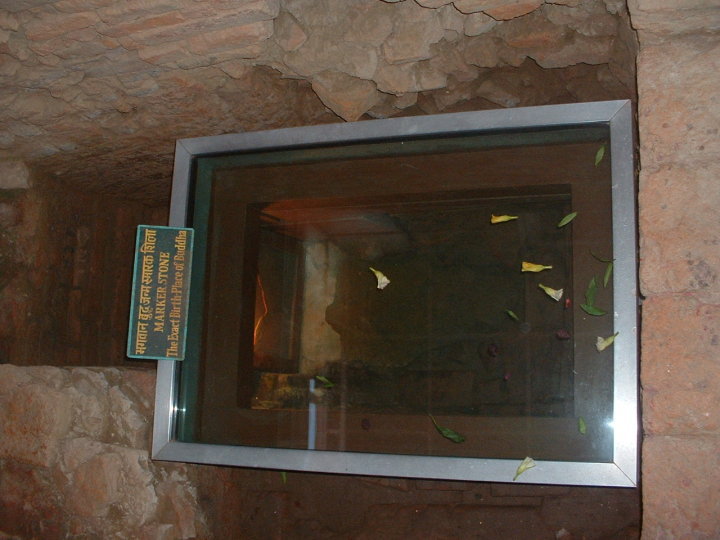
We left Gorakhpur  the next day early morning i.e: by  a four wheeler “BOLERO” around 9 A.M.  After 90 kms , 2 hours drive, we reached Sunouli, the last village on the Indian border.  It took about an hour to finish all the formalities in the border by the agent who accompanied us upto Sunouli .  For Indians, the immigration is very simple. The  temperature was a bit hot .  It was 12 noon by the time we crossed the Nepali border. As children were very keen to visit Lumbini and other picnic spots Adiyen had to compromise the yathirai out of academic interest. We reached Lumbini  in the afternoon .  Lumbini, the birth place of Lord Buddha, is one hour drive from India-Nepal border and is situated 250 kms south-west of Katmandu.

1915805_106654979365076_825007_n

This is recognized as one of World’s Heritage Centre and covers a vast area of over 970 sq. kms .   We visited the holy tank in which Mayadevi,  Buddha’s mother had a holy dip and the Asoka pillar, several  monastries built by Chinese, Japanese, Koreans, Nepalese , Germans  and our own Vipaasana centres.

1915805_106654999365074_1783756_n

1915805_106655086031732_1250379_n

1915805_106655092698398_20420_n

02260002

02240010

From Lumbini we drove to Pokra ,Almost 95 % of the land area is covered by mountains and as one has to travel thru ghat roads, night journey is not advisable.  Also, it is not advisable to give lift to any stranger .  Intoxicants are freely available and as the country is economically poor, wayside robbery is very common.

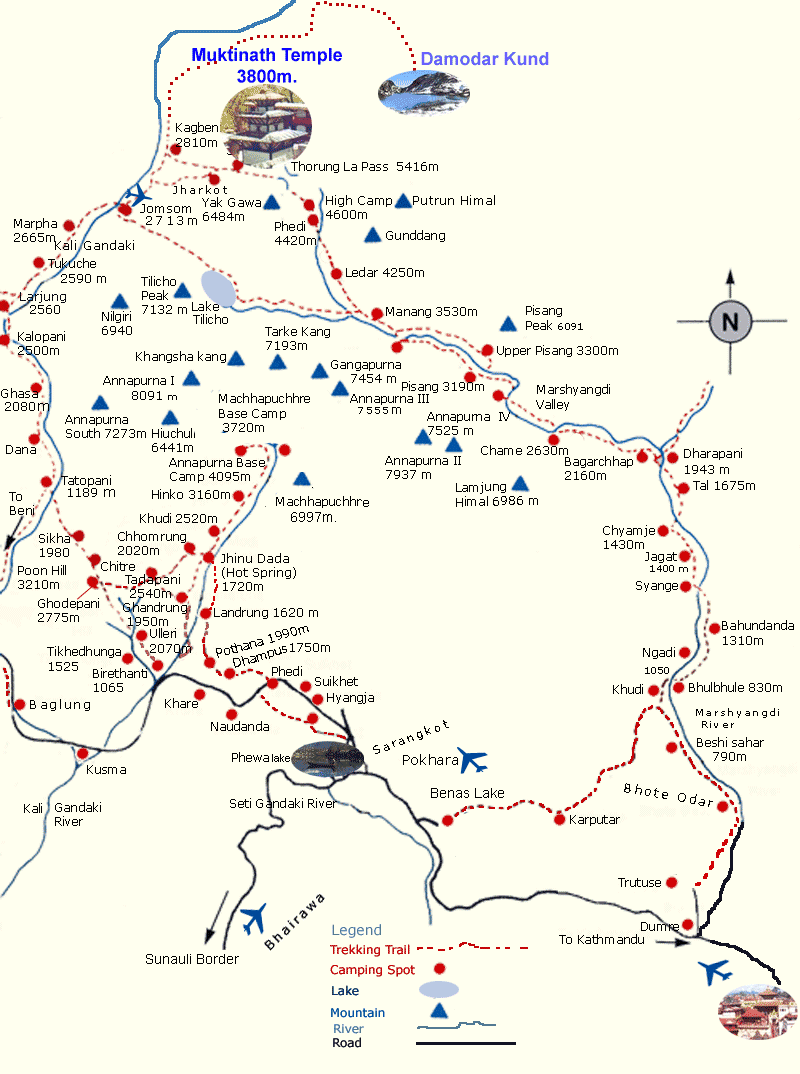
muktinath-map

Our trip started driving around mountains .It was a pleasant drive .Continuously Harinaam sankirtan was our breath through the ears . The ride to Pokhara is a dangerous one. The Machapuchare Peak of the Annapurna range,is  seen from Pokhara. The Machapuchare {“Fishtail”} peak is 6696 meters high and has never been climbed. The government forbids mountaineers from trekking it because Nepalis consider it holy. Though one of the most magnificent of Himalayan mountains, Machapuchare is a small compared to Mt. Everest (Sagarmata),.

holy gandakee river

Pokhara valley (3000 feet above sea level)  is one of the most picturesque spots in Nepal situated amidst lovely lakes – Phewa, Begnas and Rupa which have their source in Annapurna ranges of the Himalayas. Pokra , a small but busy town is the travel base for all trekkers and is situated 200 kms from Katmandu. It has a floating population of foreign tourists in thousands.  There are innumerable hotels/lodges and shops selling mountaineering equipments and also few Vegetarian restaurants like Marwadi Hotel, Punjabi Dhabas where only vegetarian food is served. Almost all the hotels are situated around Phewa lake and offers fantastic view of the lake with mountains as back-drops.  Though there were few  browsing centres, the charges are costly- 100/- per hour and the speed is very slow.  STD call charges are also high. We checked in Hotel Blue Heaven  at Pokhara  for the night.

10152040_820998511264049_2190283347755851665_n

It was   shocking  to note  that no arrangement for flight booking was  done upto Jomson as the agent had not even informed them regarding this.  We were totally upset about this as we intended to be at  ” Mukthinaath “Saaligramam on Ekadasi day.  The attempts by the  hotel owner by contacting travel agents for flight tickets continued . Our anxiety increased as no one was able to provide us with a confirmed ticket.  Festival  being Dussera, all the tourist offices remain closed and we were left with no other choice other than sight seeing . Being a holiday, we could not even get a guide but a shop-keeper accepted our request and accompanied us.

1915805_106655009365073_7624930_n

First, we visited Gupteshwar temple, which is in  a natural cave descending around 100 steps, shrine dedicated to ParamaShiva .  A sage by name, Gupteshwar did penance at this place and had darshan of Lord Shiva, the presiding diety of Nepal.  The rocks have taken the shape of a huge snake and it looks as if the snake is protecting the deity.  This natural formation is admirable.  The entry fee for Indians is Rs.20/- and for Nepalese , it is FREE.  Few saaligrama shilas were also placed near the shivalingam.  It may be noted that saaligramams are available  everywhere in Nepal.  From there, we proceeded to DEVI’S FALLS on the other side of the road.

1915805_106655016031739_1901168_n

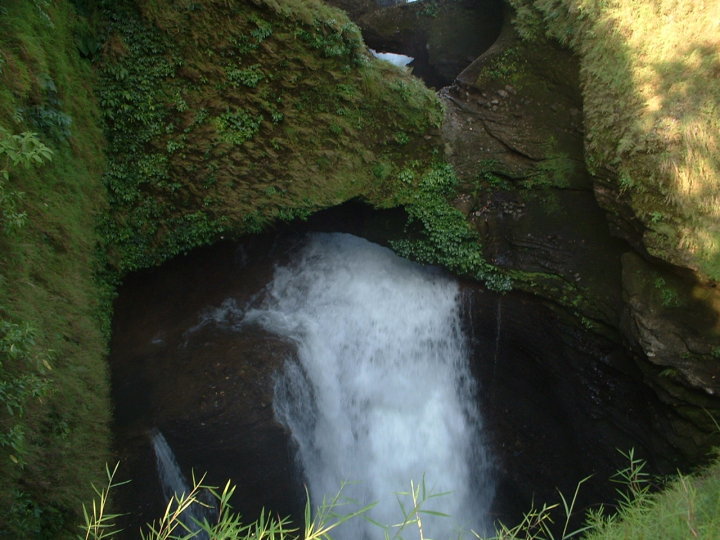
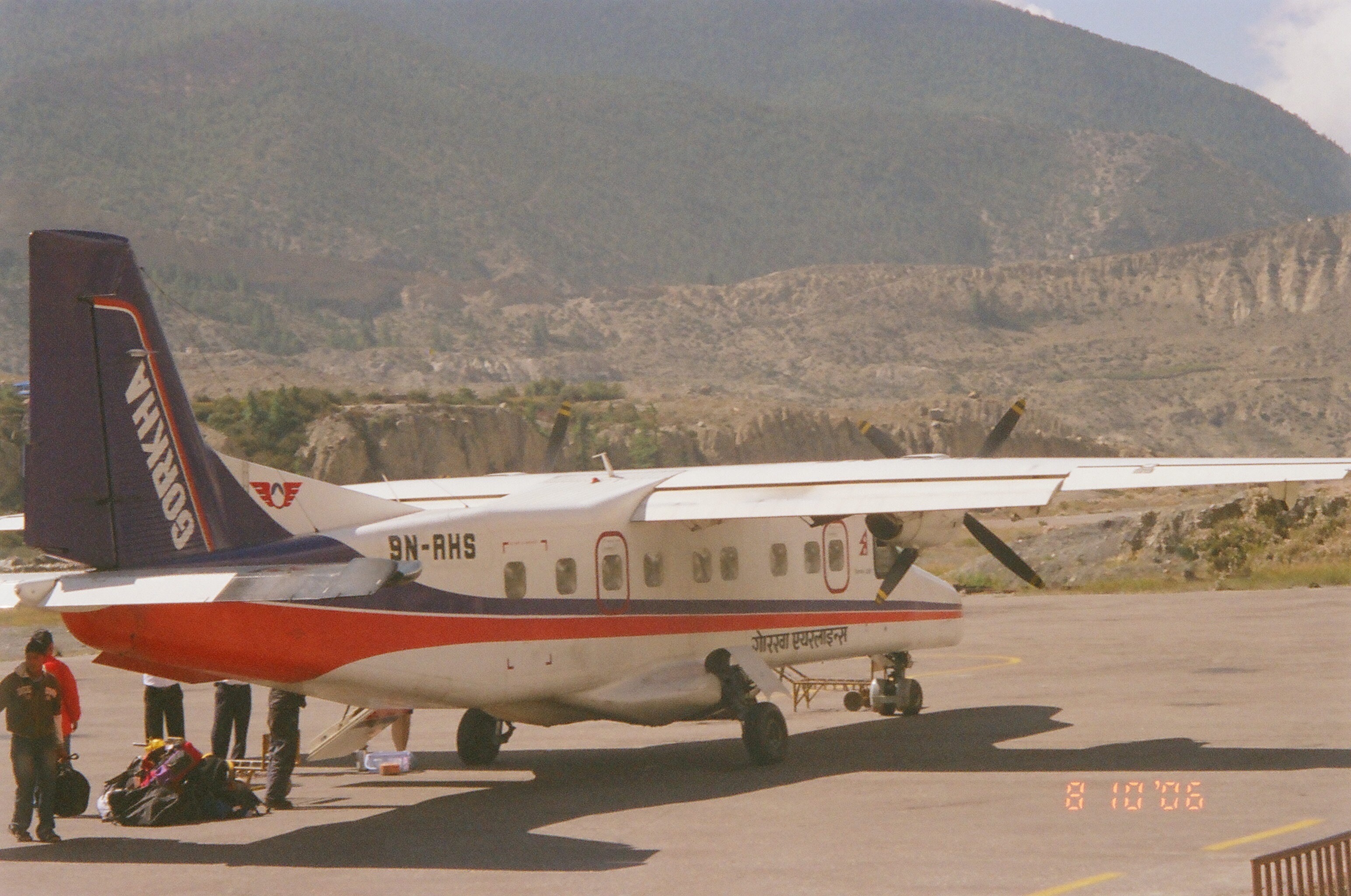
The water from these  falls joins the Phewa river.  This was discovered few decades ago  during a sudden gushing of water into the town. Bhairavi temple situated on the other side of Phewa lake has to be reached  by boat.  The charges for the boat ride is 20/- NR. It is a common practice in Nepal to apply Kumkum mixed with rice on the forehead during Dussera.  The tradition of kumkum with which Goddess Durga was worshipped for 8 days would be applied on brothers’ and sisters’ forehead for their longevity is practiced with pomp and show.  Every sister ensures to visit her brother and apply tikka.  After viewing sunset from the temple, we retired for the day. “WORLD PEACE” centre ‘s  Buddha Stupa situated on a hillock could not be visited  as we had to rush back to the travel agent for confirming ourtickets  for Saaligrama yaatrai  To our dismay, the tickets were not confirmed.  None of the agent could help us and we finally decided to approach Gorkha Airlines office itself with the request and sadly   the office  situated opposite to Pokhara airport was closed. Dussera is celebrated grandly all over the country and it is very common for offices to remain closed for at least a week in Nepal similar to West Bengal.  Only Gorka Airlines provides service from Pokara to Jomsom. Added to this, due to bad weather conditions, all the flights to Jomsom were cancelled for more than a week.  Hence, there was no room for reservation.  All the efforts to contact travel agents proved futile.  Finally we drove to  Gorkha Airlines office  next day which is 7 kms from Pokra and after hours of pleading, we could finally get our tickets to Jomsom but  the return journey  could not be confirmed as that would be decided at Jomsom and added that our journey  of Lord Muktinarayanan  ..

.facebook_1513216554662.jpg-989942415.jpg

The ticket costs Rs.15,000/- INR to and fro for 4 Persons. As 3 more days were  left for our trip to Saaligramam, we decided to visit the remaining places as per our package.  We checked out in the afternoon and proceeded towards Katmandu bypass road   to Chitwan.  Chitwan jungle is 195 kms from Pokara and it took about 5 hours for us to reach the place.  Chitwan jungle is famous for its rare species of animals including one horn rhinos, kingfishers, elephants etc.  Chitwan is located on Nepal-Bihar highway. The package tour to Chitwan offered by all the travel agents include to and fro to Chitwan, night stay in one of the resorts, elephant ride, Nepali lunch, viewing cultural programmes in the jungle, and a visit to Tharu museum.

1915805_106655039365070_670958_n

1915805_106655029365071_7227098_n

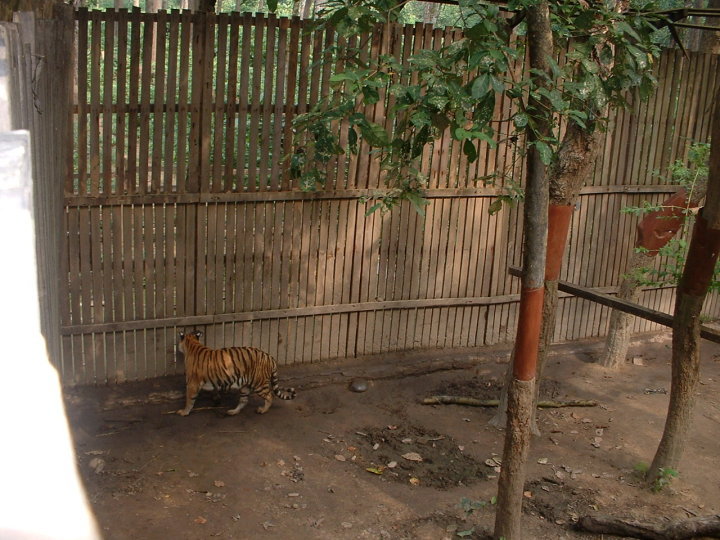
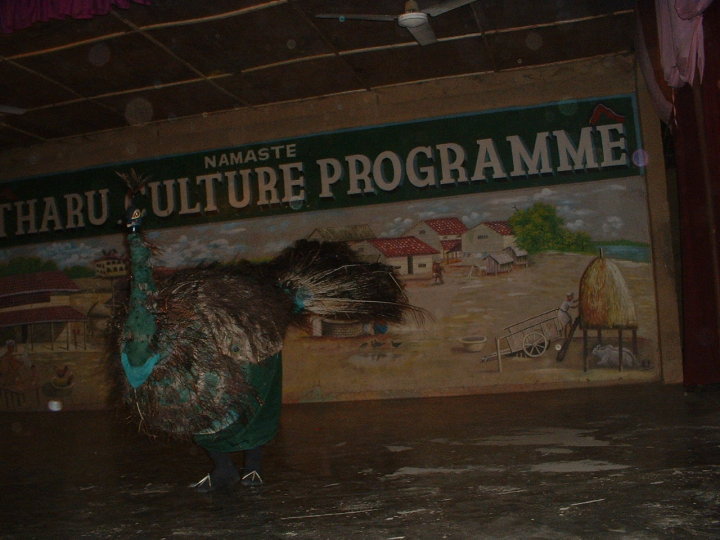
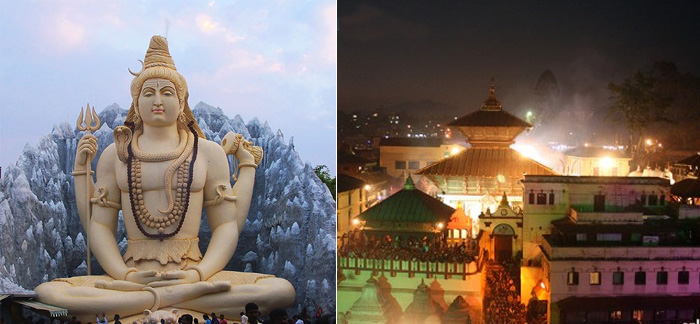
The cost for the same is Rs.3,500/- for 4 PAX which is not  really much worth . However, having paid, we went to view Tharu Cultural Programme organized by the local tribes, The next day we left early in the morning  in a  open top gypsy accompanied by 2 guides and a driver deep into the forest, though we could not spot any rare animal except deers and monkeys , we happened  to see  crocodile breeding centres, and also saw a man-eating tiger which was in a cage.  Not preparing  for further exploitation,  except surrendering to our  LORD ,we left for Katmandu, which was another 5 hours drive. reached Katmandu at 7P.M. shiva-pashupatinath-templeKathmandu, the capital of Nepal, is also called as Kantipur. Kathmandu is full of temples. It lies in a valley surrounded by high hills. Magnificent snow peaks are visible in the north. This city is situated to the north of Patan and the west of Bhaktapur. The altitude of Kathmandu is 4500 ft from sea level .Though we  had intended to stay in ISKCON guest house at Katmandu but as there was no accommodation, we were forced to check in Hotel Taj (as recommended by the travel agent) and retired for the night. On 5th, we went for local sight seeing in Katmandu.  And covered various temples including the famous Pashupathinath temple. The temple of ParamaShivan one of the Jyothir Linga  is situated at the bank of the sacred Bagmati river. It is 5 Kilometers for east from the Kathmandu city. This pagoda style temple built with golden roofs and silver doors is where thousands of devotees come to pay homage to God Pashupati Nath. Shivaratri is the holy day of religious festival of Hindu people. Pashupati Nath ia the patron deity of Nepal. It was noon and midday abhishekam was going on.  Lord Shiva’s face with matted locks and Ganges escaping from the locks is beautifully carved on all five sides of the deity .  The  main sanctorum  (garbagriham) has doors on all four sides which enables the devotees to have darshan from all the four sides. 

.facebook_1512284743743.jpg-523521957.jpg


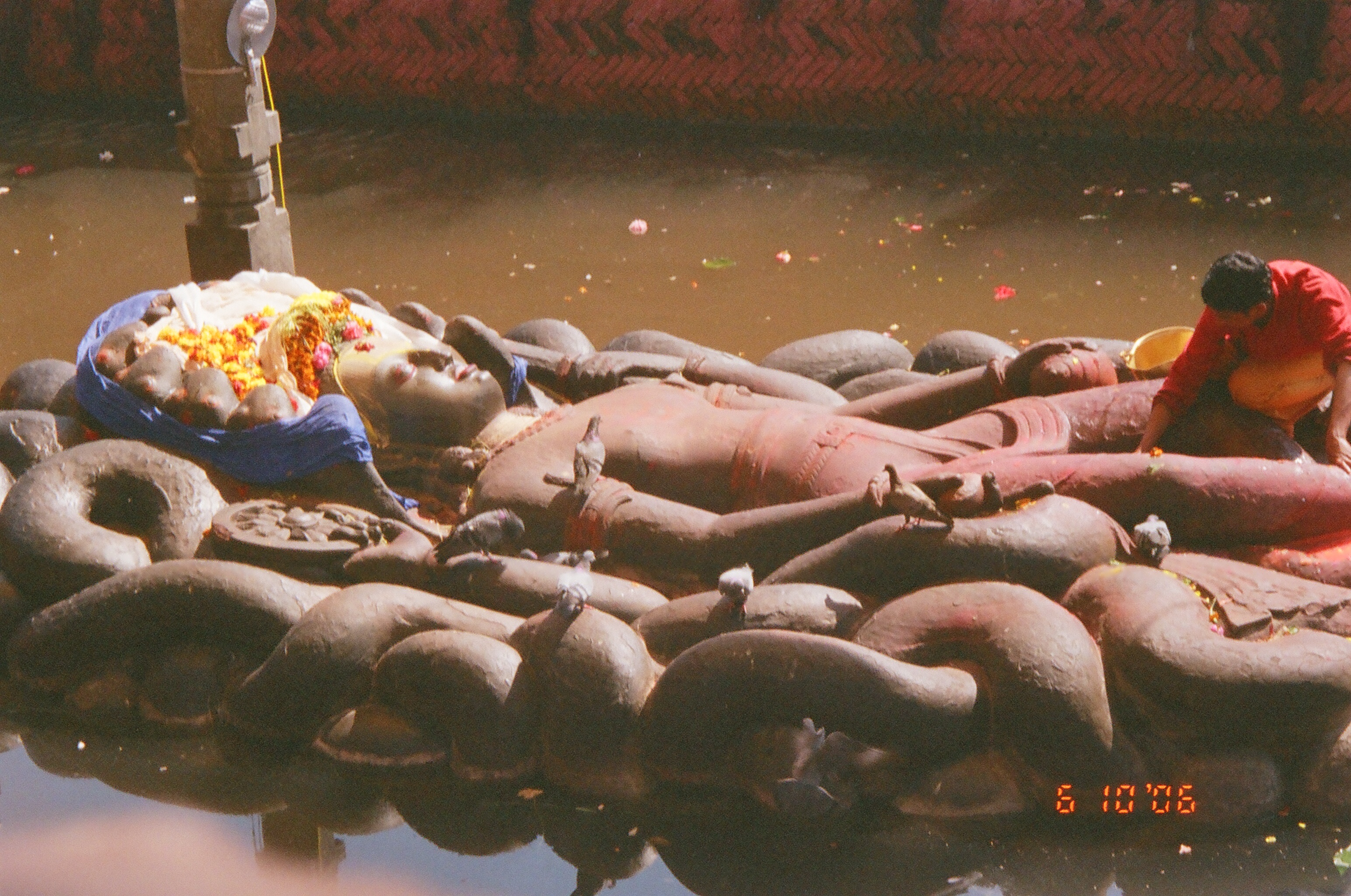
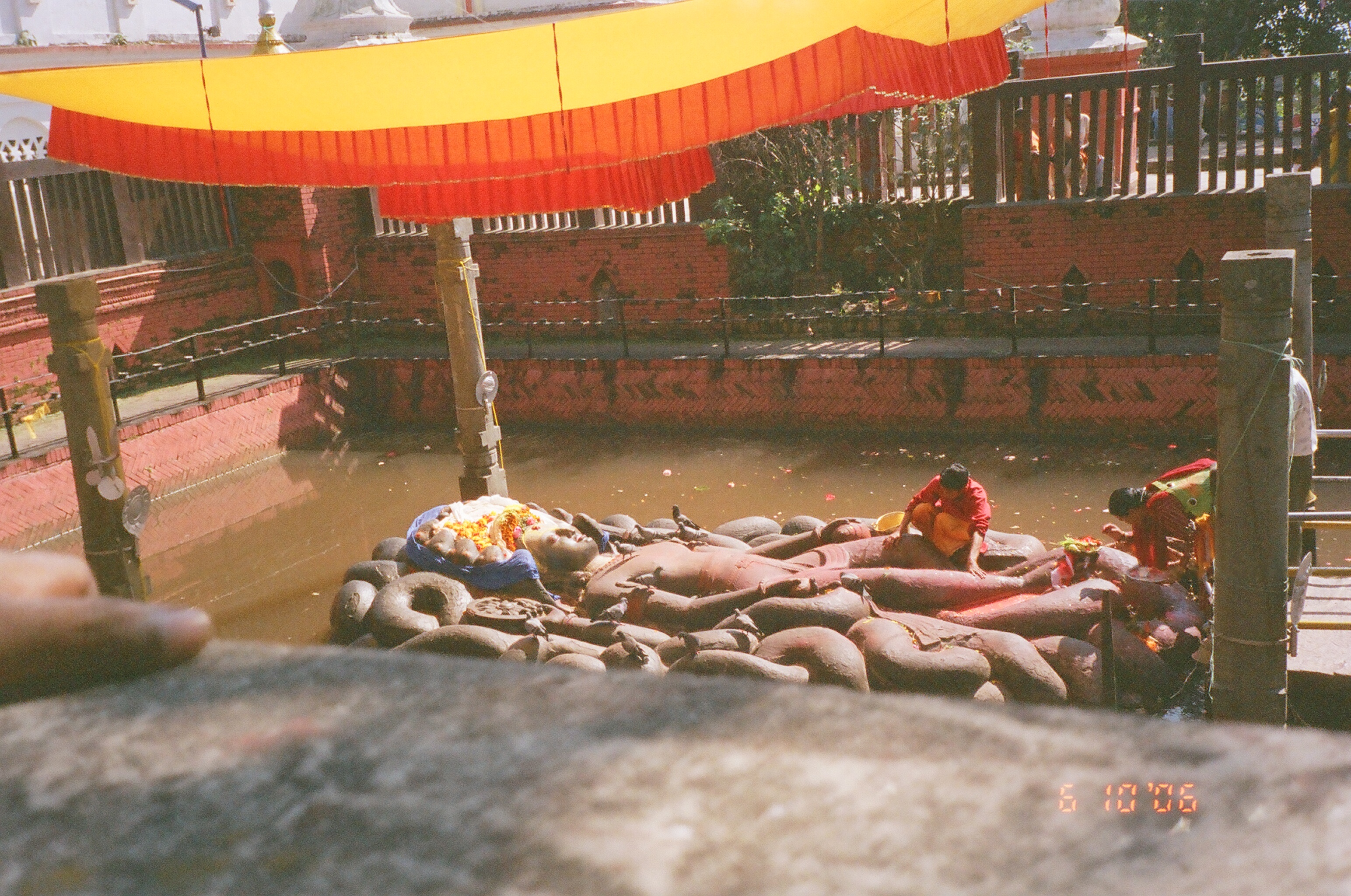
 Offering humble prayers seeking a wonderful  darshan and satsangh at Mukthinath  we proceeded to Buddhanilkantha temple  which is 9 km from Kathmandu city. The temple consists of a pond in which lies a diety  of Lord Vishnu reclining on the coils of a cosmic serpent. The huge deity  of sleeping Vishnu lying on Ananta Sesa, in the cosmic ocean is very attractive . The Deity is over 1,000 years old. Lord Vishnu is about 5m (17 ft) and is lying in a 13m (43 ft) long tank, as if floating, with His legs crossed. His four hands hold the four symbols of Vishnu: the chakra (disc), club, and conch-shell and lotus flower. Budhanilkantha literally means “old blue-throat.”

.facebook_1512284689713.jpg-2103280458.jpg

Ananta has 11-hooded heads. It is believed that the deity was carved in the 7th or 8th century during the Licchavi period.  It is carved from the single block of black stone of a type not found in the valley. The main festival of the year is when Lord Vishnu, who sleeps on the cosmic ocean during Chaturmasya period wakes up on the Haribondhini Ekadashi day in late October or early November. Many thousands of people come on this day. Three other images of Lord Vishnu were carved at the same time.

.facebook_1512525497512.jpg-962877016.jpg


One is here at Budhanilkantha and is considered the most important and original, one is at Balaju Gardens, and one is at the old Royal Palace in Kathmandu, but can not be viewed by tourist.  It was told that The king of Nepal is not allowed to see the deity at Budhanilkantha, but he can see the other two deities.. This is the  deity of Budhanilkantha was lost for a while and was later rediscovered by a farmer. It is believed that the farmers struck the buried deity with his plough and that blood came out from the ground. The morning puja between 9 and 10 am is interesting. Budhanilkantha is about 8km northeast of Kathmandu and 15km from Thamel, at the base of Shivapuri hill. Buses to Budhanilkantha depart every half-hour from Rani Pokhari or the City bus stand (1 hr, bus #5, Rs 7) inKathmandu. From where the bus stops the temple is around 100m away. Tempos depart from Jamal on the north side of Rani Pokhari to here. Iskcon took over the maintainence of the temple and grounds from about 1986-87. there is now even a guest house  Hindus can walk down the steps and touch His  lotus feet, but foreigners cannot.The ISKCON Temple is located about a ten-minute walk from the Budhanilkantha Temple, in a beautiful rural setting. Buses to Budhanilkantha (8 km) depart from Rani Pokhri in Kathmandu, every half-hour.

02240005

02240006

The next point was Boudhanath temple constructed by Tibetans, and Swayambhunath temple .  This temple is also dedicated to Buddha and is one of the oldest Buddhist monastries. .  We returned back in the evening and after a bit of last minute purchase like bags etc. for our Muktinath trip, retired for the night.The next day  we checked out around 8 A.M to visit few more tourist places in Katmandu .  Hanuman Dhoka is the Durbar Square of the ancient city of Kathmandu. King Pratap Malla, the lover of art and architecture, established the image of  Bhaktha Hanuman  in the main gate of his palace. The Durbar (palace) Square, itself is named as Hanuman Dhoka (meaning  Hanuman gate). Within the Durbar Square, there is a three tiered pagoda style temple built by King Mahendra Malla in 1549 A.D.

.facebook_1511362295084.jpg1466842571.jpg

This temple of goddess, Talejubhawani, is on a big platform which is considered as one of the most magnificent temples in Nepal. In Hanuman Dhoka, there are plenty of things to be seen, as the dreaded figure of Kal Bhairab, (God of Destruction), coronation platform, statue of King Pratap Malla, Big Bell and drum. Within the Durbar Square, there is a three tiered pagoda style temple built by King Mahendra Malla in 1549 A.D. This temple of goddess, Talejubhawani, is on a big platform which is considered as one of the most magnificent temples in Nepal. In Hanuman Dhoka, there are plenty of things to be seen, as the dreaded figure of Kal Bhairab, (God of Destruction), coronation platform, statue of King Pratap Malla, Big Bell and drum. Within a short walking distance from Durbar Square, the temple of Akash Bhairab lies at Indra Chowk, the main market avenue of the Kathmandu city. The image of Akash Bhairab is displayed outside the temple for a week during the festival of  Indra Jatra. We then moved to  to BOUDH NATH TEMPLE ,This  classical stupa located at Boudha in the north east of the Kathmandu city. This is considered to be one of the biggest stupas in the World. The stupa having four eyes in four directions is symbolized as watch for welfare and behaviour of human beings. It is said that the stupa was built by King Man Dev as per the advice given by goddess Main ogini. The Lamas of Nepal who are real devotees of Lord Buddha always dwell at the surrounding of the stupa.  Further moved to Soyambhu NathTemple   situated at the hill side of Kathmandu city. It is at a distance of two miles from city. This stupa is made of a solid hemisphere of brick and earth. From this stupa one can see a beautiful view of Kathmanducity.  Bhaktapur, also known as Patan which has old monuments.  Earlier, this was the capital of the Nepali kings.  This place with all its monuments is worth seeing including “PACHPAN(55) WINDOW PALACE. This place also houses a temple dedicated to Lord Krishna which is opened for public only once in a year on Janmashtami.  All the monuments are in red colour. We resumed our journey to Pokhara in the evening after leisure purchases .  The route  to Pokhara from Katmandu is tough and the driver has to be careful as the locals in the dark are very tough to convince. En route , there is a famous temple known as “MANOKAAMNA MANDIR” – a temple dedicated to an amsam of Parvati. This temple is situated on top of a hill and has to be approached by ropeway. Similar temple is found in Rishikesh too.  As it was getting dark we didn’t alight  here and continued our journey to Pokara. On reaching Pokhara, we approached Gorkha Airlines office regarding our return journey confirmation but got a negative reply. However, the manager Mr Rane  spoke to his counterpart in Jomsom and issued us REQUEST ticket.  We were delighted to see few south Indians in a nearby hotel . With sigh of relief , we checked into this hotel run by a Punjabi HOTEL DEGCHEE.  The hotel incharge who seemed to have contact with Jomsom hotels, made arrangement for our hotel stay in Jomsom  and trekking permits, horse ride for children.   We learnt from him that there are different modes of transport to reach Muktinath from Jomsom.

  • By walk
  • By pony ride
  • By motor cycle (charge 2200 NR with 2 hours stay in Muktinath)
  • By tractor (depends upon the no. of passengers)

10606360_804437686253465_6970303031190894149_n

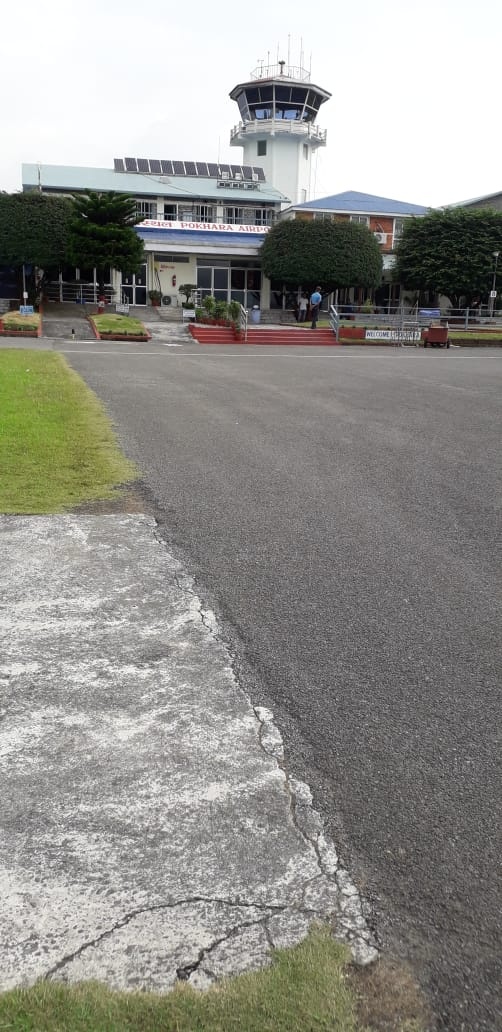
The package for Rs.5,500/- INR which included hotel stay at Jomsom and Muktinath, 2 ponies, overnight stay allowance to pony rider and trekking permits  was considered good enough as we did not have any alternative though  we later learnt  it was exorbitant.  The climate in Pokhara valley is unpredictable.  To add to our tension, there was a heavy downpour in the evening and we had our apprehensions regarding next day’s flight to Jomsom.  However, the hotel owner assured us that this was very common and it would return to normalcy by morning.  By this time, we lost all our confidence and  sincerely chanted Sri Vishnu sahsranamam. We shed our pride , surrendered  and prayed Perumal with devotion and sincerity  for our safe  journey and a darshan.  We knew that it was “NOW or NEVER” for us.  We had to go to Muktinath at any cost and reach Gorakpur as planned ,because there is only one train to Secunderabad from Gorakpur and we had to leave for Tirupati on 15th.  All the tickets were confirmed and we were in total confusion.  We realized that whatever information which we gathered and were confident about was NOTHING and only HIS GRACE could make us visit MUKTINATH. Our sole intention was to go to Muktinath and all other sight seeing were only to kill the time usefully.  The day finally arrived .It was   Pournami ( Full moon day )  , the auspicious month of Purattasi.  Submitting to LORD and with  our morning prayers, we left for airport which is a 10 minute drive from the hotel. 

img-20180928-wa00261921489168.jpg


 Our flight was scheduled to depart at 8.30 A.M. (fifth flight). As mentioned earlier, Gorkha Airlines and Royal Nepal Air lines  operates service for POKHARA-JOMSOM-POKHARA sector presently . For the record, Royal Nepal Airlines,  have only 1 or 2 flights operating ( Depending on their moods) is known to be the most unreliable airline in Nepal. There are many other airlines flying to Pokhara and Jomsom, such as Nikon Air, Buddha Air and Cosmic Air, and they  are presently not operating for losses incurred. These others are private airlines, while the government runs Royal Nepal Airlines. The private airlines are more reliable in Nepal.  Out of their 2 flights, only one was operational and this has to make atleast 5 trips every day to clear the traffic.  As mentioned earlier, the services resumed only 2 days earlier after a gap of 10 days.   To our dismay, we learnt that though it was nearly 9 A.M., the first trip itself did not take off due to fog.  Boarding pass were not issued to us because our names were in the 5th trip.  The officials were doubtful because after 11 AM , flights cannot reach Jomsom due to heavy winds and if the wind doesn’t subside the flight will be cancelled . Our hearts beat fast chanting Dwayam. There’s a light breeze, which is chilly.The sky is blue and the tops of the mountains  are slowly becoming clear. We started reciting  Sri Vishnu Sahasranaamam in the airport  and prayed ardently to Periya Thiruvadi   ( Garuda bhagavan )and Siriya Thiruvadi  ( Bhaktha hanuman )  for their intervention in reaching Lords abode . The children were excited when  The sky became clear and the flights resumed. Chanting Vishnu Sahasranaamam was mandatory for all of us  .

02240026 02240029 02240030

jai mukthinath

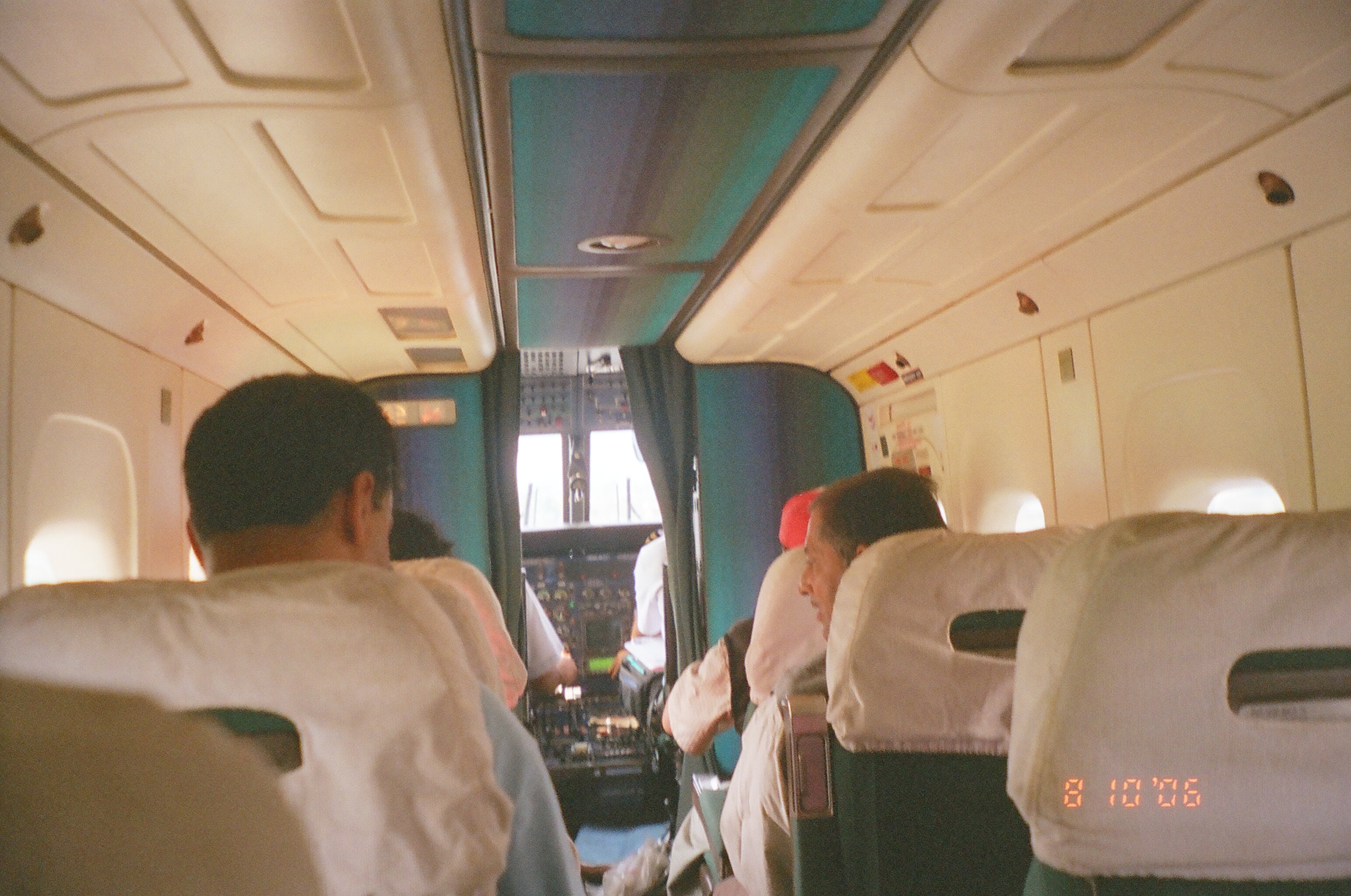
Our turn to board the flight came at 11 A.M. Thanking the Lord, with tears rolling , we boarded the 20 seater propeller flight with window seats for everyone at 11 A.M . We’re on the plane. It’s moving. 18 passengers plus the flight attendant squeezed into these little seats. No overhead baggage compartment. The flight attendant passed out some sweets and cotton for people to plug their ears. The captain is still checking out the RPMs. We are about to take off and we chant loudly GOVINDA …….We’re in the air now. It’s a smooth flight.

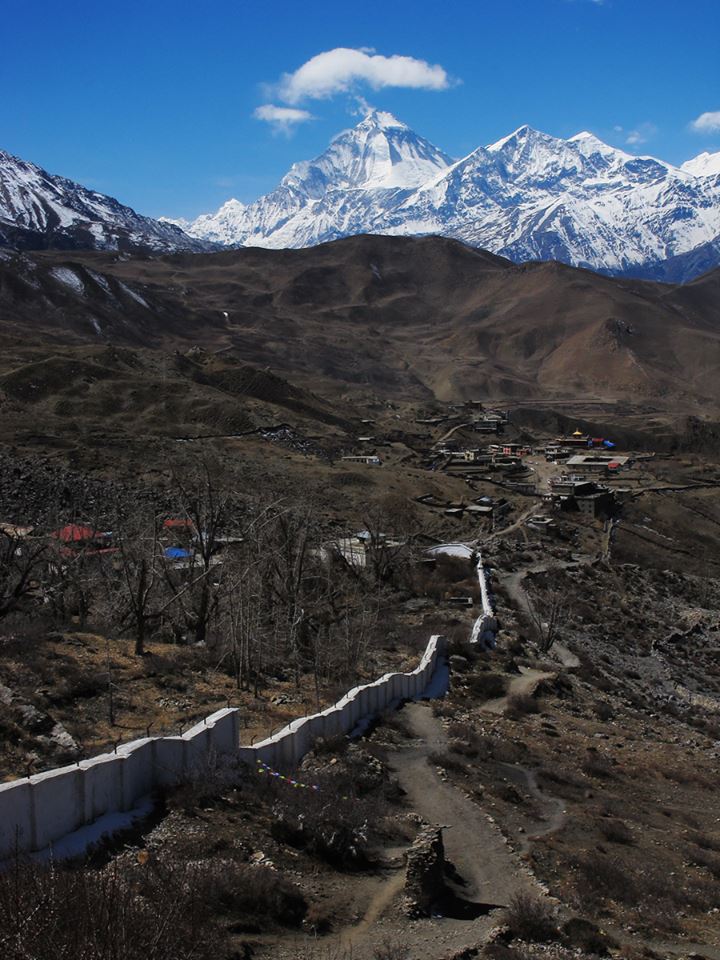
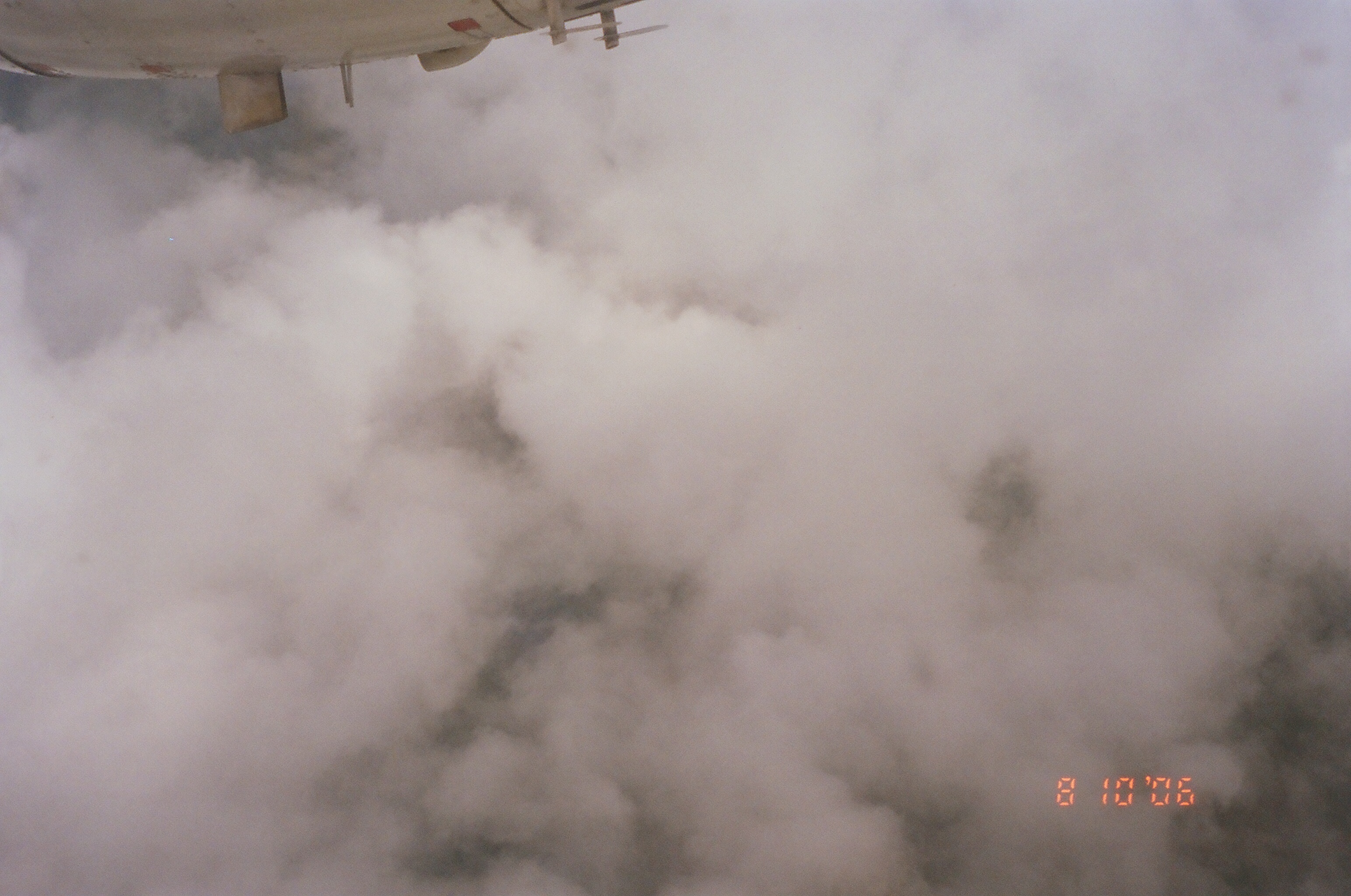
On the right of the aircraft I can see the white Himalayas, which stand like a great wall between Nepal and China. On the left are high mountains, but no snow. Below us are valleys and a holy river. The weather is good. It is clear. We can even feel some heat on my feet. The plane flies between the Himalayas, not over them! The flight takes only 20 minutes but seems a lot longer. We are in this  little Dornier aircraft, skims craggy ridge tops and is often buffeted by mountain winds. Chanting Lords name continuously I slowly dare to see the propellers from the window panes ..When an airplane flies to Jomsom they are very close to the mountains on either side of the valley. Strong winds come off the mountains at times, making it difficult or impossible to fly. A few years ago a flight crashed into the side of one of the mountains and it took them several days to find it. There were no survivors.

02240027

The recent news of a helicopter crashing added to further fear though my wife and kids were relaxed and surrendered to Lords wish. Just 20 mins from Pokhara flying up the highest-deepest valley in the world, sometimes battling winds of 120 Mph (200 km+) as the clouds lift causing a kind of vacuum effect propelling winds.  The flight is moving amidst big mountains, taking sharp turns and is sure to instill fear in everyone but the Lord’s names on our lips drove out the fear in us.

We  are now flying  between Annapurna and Dhaulagiri, two immense glacier covered peaks towering well above the airplane as we flew up the Gandaki river valley. We were longing for our lifetime mission to be completed and were enthusiastic and prepared to face the worst situation, if any.

https://www.youtube.com/watch?v=VCUU6Yyccpw&list=UUVHO71sgzy_GE5PIMJu0lPA

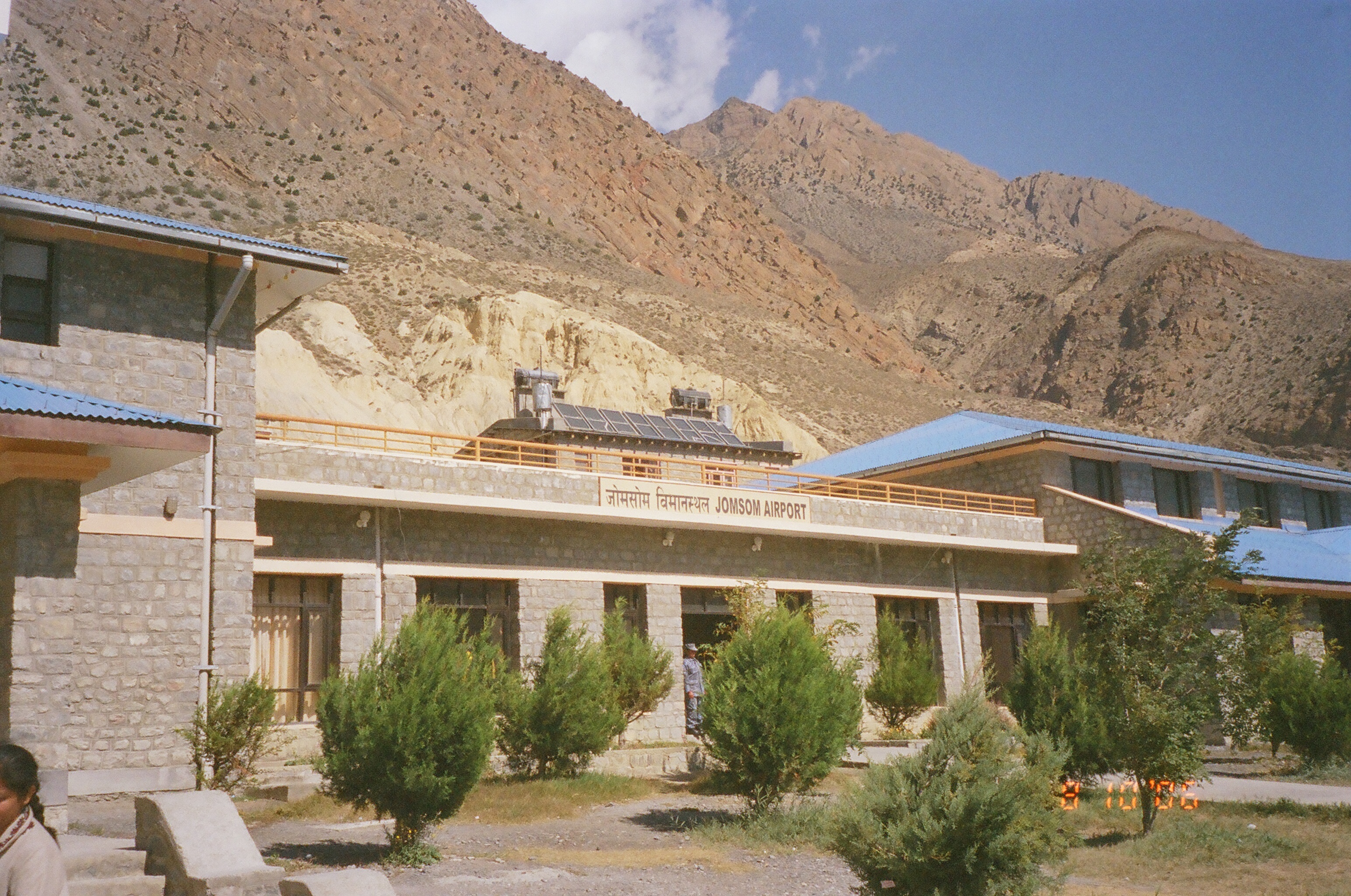
We landed at Jomsom airport in about 20 mins  . We look around the small airport  surrounded by mountains . Quickly coming out we see plenty of foreigners accompanying us .

02240029

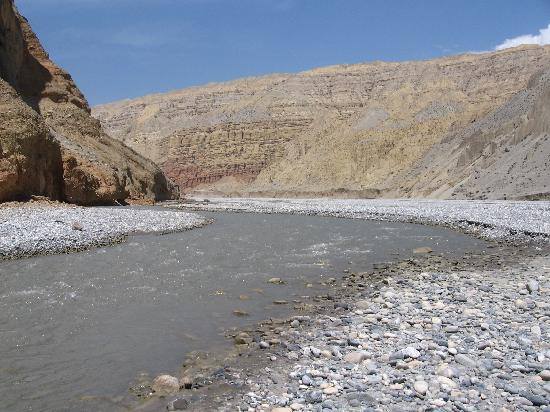
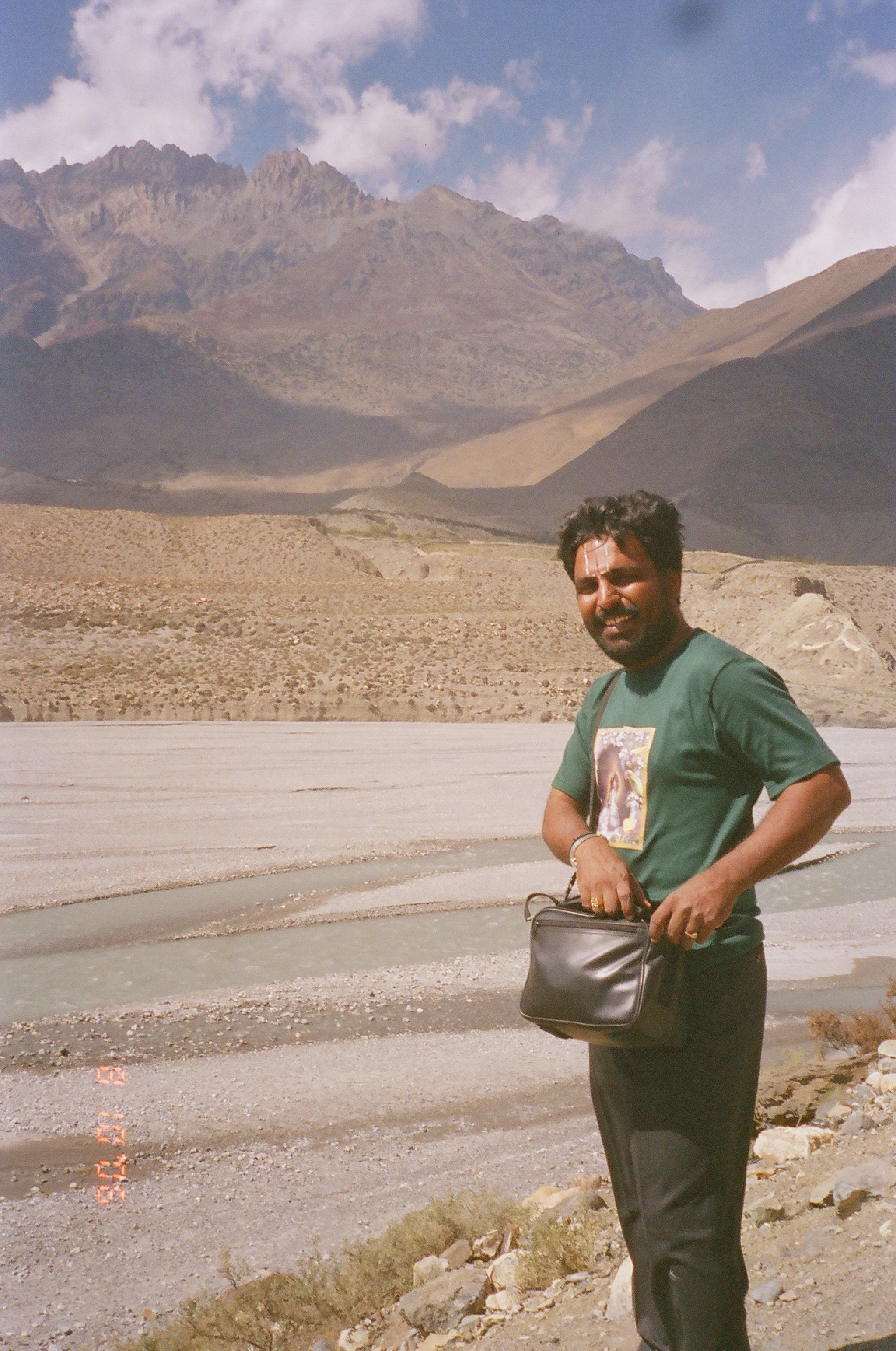
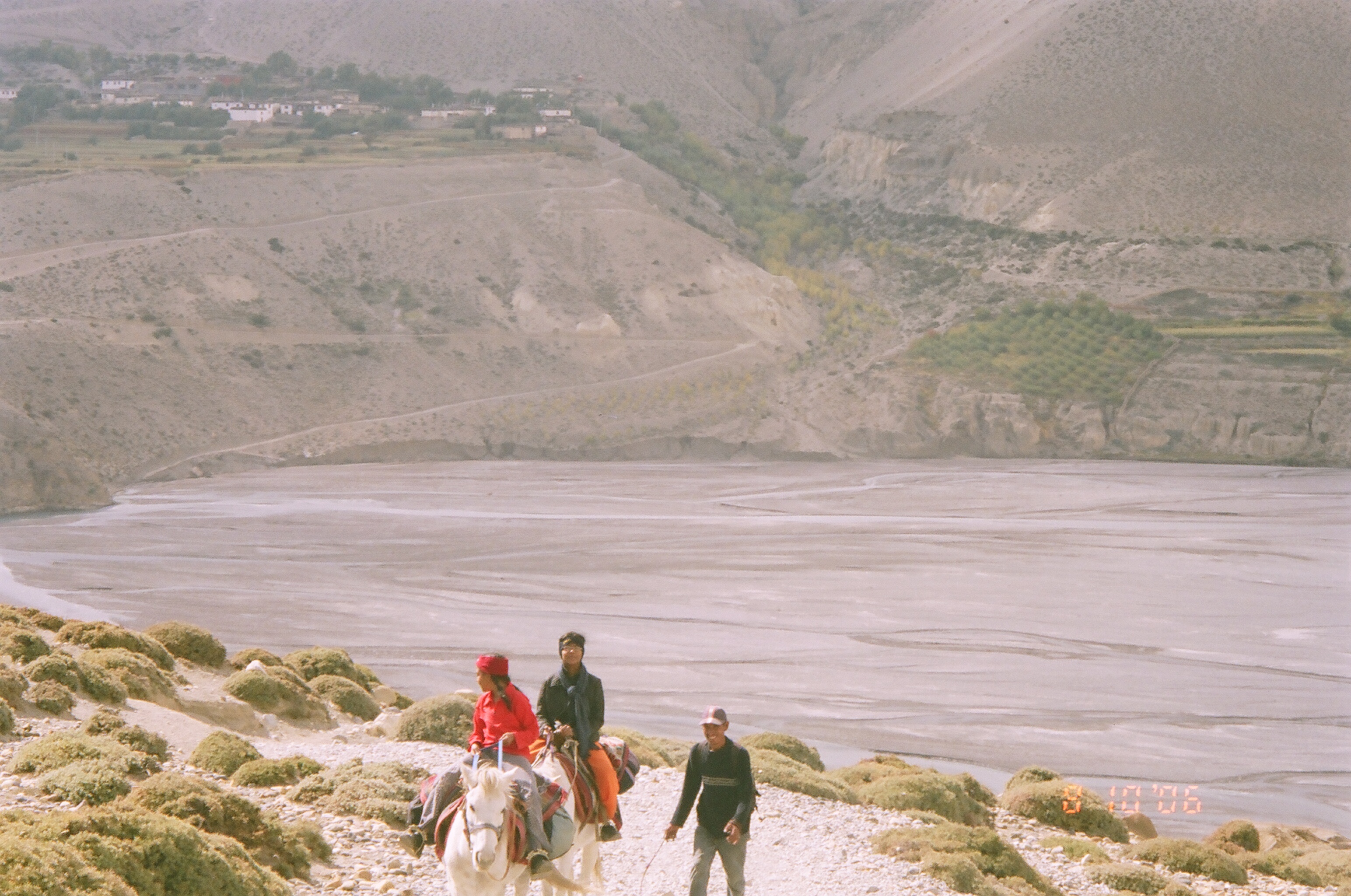
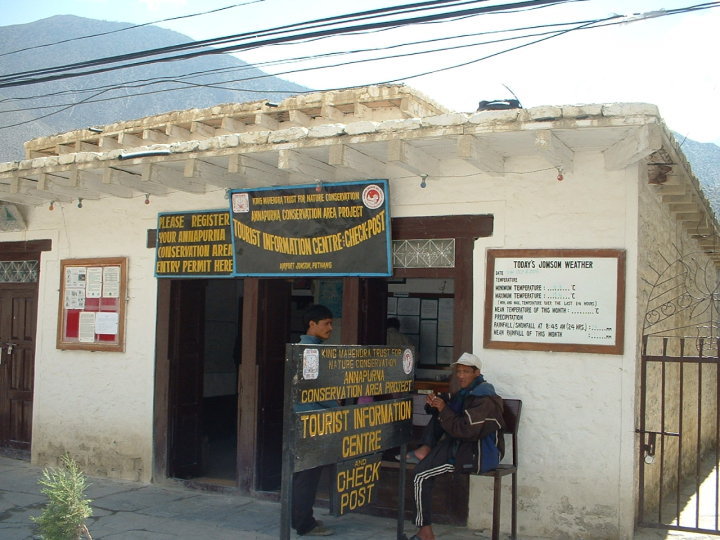
Jomsom is so modern that there’s even an Internet Cafe here.  This is apple country. Apples like cold weather, We took 3 kgs of apples Thanking Lord very much we briskly moved  and  located the hotel .  As assured the incharge , had made all arrangements for our trip to Muktinath.  Annapurna trekking permit is a must and we had taken our pass port photographs with NR as fees for the same . 2 ponies with a guide were provided.  Baggages were tied to children’s ponies and myself accompanied by my wife started the holy trek to Muktinath at 12 noon While my wife and children were chanting I quickly  procured the Conversation Permit to go trekking in the area surrounding Annapurna Mountain  and understood the ponies were booked no doubt but are awaiting at the banks of gandaki river which is 20 mins trek . After clearing the town of Jomsom which is modern , we headed out over the stony riverbed. . I was enthusiastic in revealing the legendary stories about this punya stala to my kids who are distinguished  as they also joined in the 106 Divya desam yathirai effortlessly.

Gandakyamcha uttare teere Girirajasya dakshine Dasayojana vistheernaam Mahakshetra Vasundharaa

Salagramo Mahadevo
devi Dwaravati bhaved
Ubhayossangamo yatra
Muktisttattra na samsaya.”

“To the north of the river, Gandaki (also called Narayani), and south of the Himalayas, there is the holy region of Salagrama, which is ten yojanas extent, where Dwaravati merges into Salagrama. Undoubtedly such a place is capable of vouchsafing Moksha.” Actually, about 140 miles from Khatmandu is situated Muktimati or Muktikshetra, also called “Salagrama-kshetra. Legend has it that once Bramha was exasperated at the rate of increase of the sinners among his creation. Then drops of sweat rolled down his cheeks (Ganda), ultimately collecting themselves into the form of a female child called “Gandaki.” She took it into her head to do a severe penance which became so overwhelming that the Devas started trembling before her. As usual they offered her the bait of a boon on return for her stopping her penance, but they met a Tartar in her, for she wanted to mother all the Devas. Not having the power to grant such a boon, the Devas pleaded their inability, at which Gandaki became furious and cursed all the devas to be born as worms on the earth below. The Devas in their turn placed a counter curse on her head that she should become “Jada” or inert matter. Naturally Bramha was concerned with this unexpected development. Unable to find a way out, he consulted Indra and Rudra. With them also he drew a blank. Finally, all the three turned to Vishnu, who said: “In as much as the curses have been already pronounced, they cannot be revoked, and both parties affected must suffer them. The problem is how to make them work to their mutual and ultimately universal benefit.” After consideration, Vishnu said: ” I shall take up my abode in the Chakra Teertha near Salagramakshetra. You, Devas, shall migrate to this hallowed region as “Vajrakitas” eating into the pebbles. Gandaki shall in the form of a river fill the universe enveloping the shilas hallowed by me.” Salagrama stones are obtained only from the river Gandaki, which is a Himalayan stream, celebrated since antiquity as Narayani, Saligrami, Hiranvati and Hiranyavati. The epic Mahabharata speaks of its sanctity (Bhishma-parva) . The puranas also describe it as a sacred stream in which all the gods and titans abide . By merely looking at it, one would eliminate all his mental defilement’s, by touching it his bodily sins are burnt up, and by sipping its water the verbal demerits are thrown out: One who comes into contact with this sacred stream will be liberated from the cycle of birth and deaths, even if he be a sinner.

img-20180925-wa0003447693745.jpg

And for the reason, the river Gandaki became among all the rivers extraordinarily sacred Being a mystic river, looking at it, touching it, bathing in it and sipping its waters will be conductive to eliminate all sins, even the greatest of sins pertaining to the body, speech and mind. Adiyen recollected  them there  are many aspects of this pilgrimage right from   going to the Holy Tirtha of Shalagram high in the Himalayas; the challenge of one’s faith, to be there and to find one’s worshippful Lord; the material elements, and other various hardships – walking many miles/kilometres, high altitude, no food, the weather, the constant wind, wild animals, dacoits and theives, mundane trekkers, so many things.

1915805_106655139365060_3423599_n

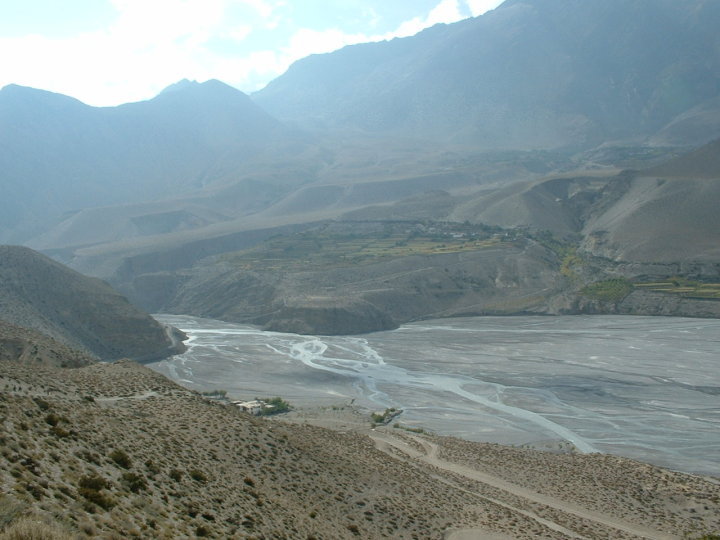
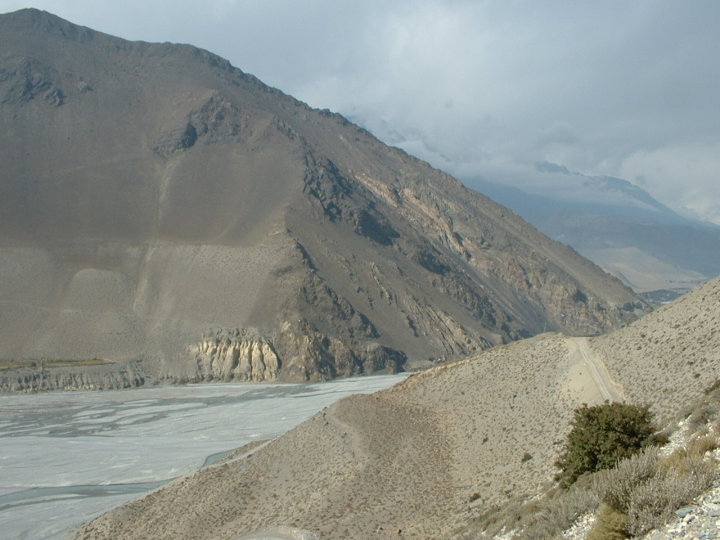
We are now trekking near the banks of Gandaki river. Which  rises beyond the Himalayan ranges, probably in Tibet, and flows (in the north-south direction) into Nepal, There is a lake at the source of the Kali-Gandaki , called Damodar-kunda on the Nepal . The lower Gandaki is well known as Mukti-natha-kshetra, also called Saligrama-kshetra. The sacred stones are largely found on the banks of Kali-gandaki near Tukche, between the two mountains Dhavala-giri and Annapurana. Damodara-Kunda is  considered as  Saivite place of pilgrimage by Nepalis. This is the punya kshetram where saligrama deities  are found within the Nepal territory to the fortunate souls . As advised by my father the children learnt the sloka  by heart  supposed to be chanted while we trek the route .The sloka  goes like this with meaning explained below

dheya sada savitra mandala madhya-varti—  naryanah sarasijasana sannivistah

keyuravan makara kundalavan kiriti   –hari hiranmaya vapuh dhrita sankha cakrah

Narayana is the Supreme Personality of Godhead to be meditated upon in the center of the sun globe. He is situated on a lotus flower and seated in the lotus posture. He is adorned with beautiful golden bracelets, amulets, earrings, necklace and a crown. He has the golden effulgence and is seen holding the pure white conch and Sudarshana cakra in His lotus hands. Oh wielder of the conch, disc, club, and other natural weapons, You are the Lord and resident of the spiritual realm. Oh indestructible one, protector of the worlds, oh lotus eyed Lord, please save all of us who have taken shelter of you and appear before us .We found there was a path that skirted the riverbed, but we preferred to walk along the riverbed. The children were delighted to see the horseman and the horses at the river bank. As we walked along we started to notice the wind was picking up and the clouds were closing in from the mountains on either side of us. My children happily rode the horses chanting the Dhyana sloka as I advised them to sincerely pray and look in the river for holy salagrama silas .En route after offering oblations and sincere  obeisancesto the holy   gandaki river I requested the horse man to help the children in looking for the salagrama  which he readily obliged. The river Gandaki is a very ancient river; and the geologists say that it existed even before the formation of the Himalayan ranges. It rises beyond the Himalayan ranges, probably in Tibet, and flows (in the north-south direction) into Nepal. And for the reason, the river Gandaki became among all the rivers extraordinarily sacred Being a mystic river, looking at it, touching it, bathing in it and sipping its waters will be conductive to eliminate all sins, even the greatest of sins pertaining to the body, speech and mind. My soul danced with joy looking at the nature and being in Gods own world.

10557429_804437459586821_7890910220749951336_n

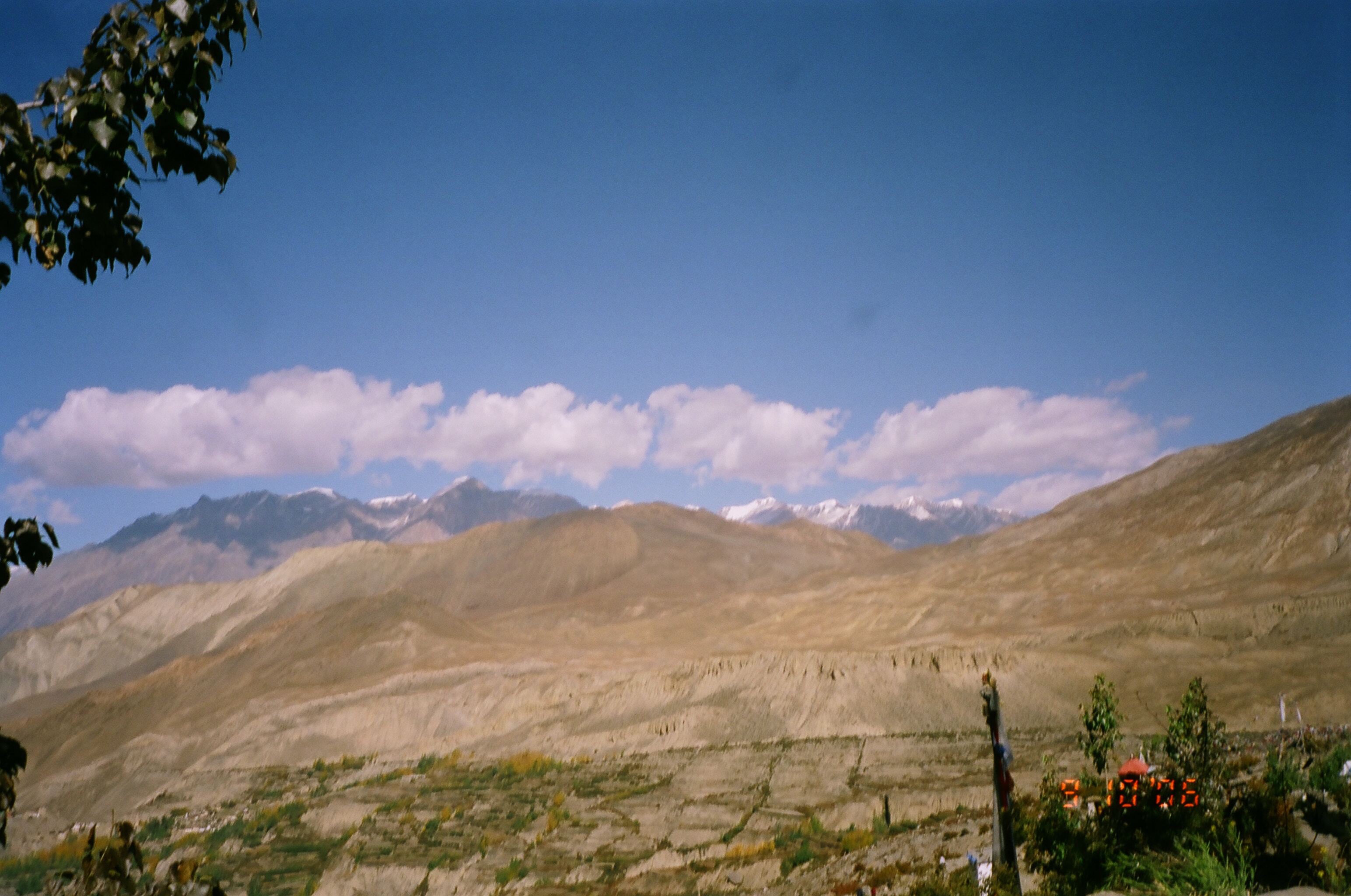
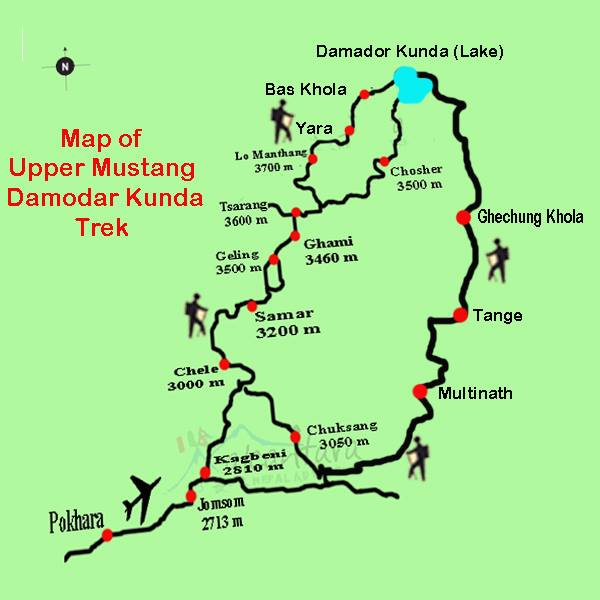
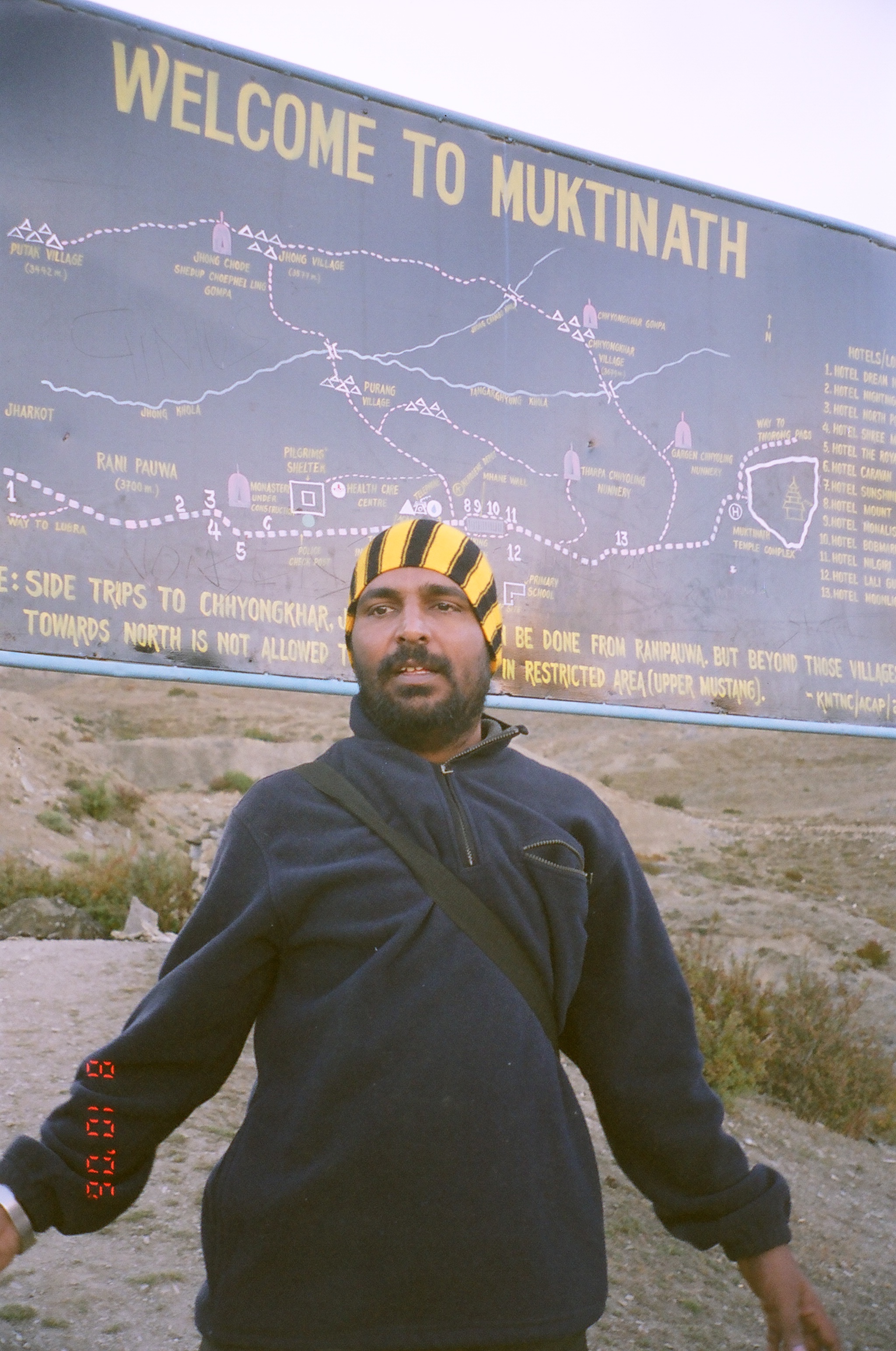
We are now in the Lower Mustang belt as per the Map . Mustang is an Anglicization of the Tibetan Lo Manthang, which is an autonomous region in north-central Nepal that borders on Tibet. The destination of our trek today was to reach Mukthinath by evening  . En route there is the village of Kagbeni (“Crow Confluence” in Nepali). The rocky highland stretching from Jomsom to Kagbeni–through which the Gandaki flows–is called Lower Mustang. Upper Mustang is where Damodar Kund is located, a lake that is the root source of all salagram silas.  It was told that from here one treks to Damodar kund the source of all the saligrama silas ( Sree Moorthy ) According to one version, the Salagramam Divya Desam is just the bank/bed of River Gandaki and not the Mukthinath temple. Few also claim Its Damodar kund .River Kaligandaki has its source in Damodar Kund and throughout its flow to south right up to Indian border carries a manifestation of lying lord Vishnu with Damodarkund jeweled as His auspicious Head and with Muktinath as the mouth, Shaligram Chakra as chest Kuru Kshetra as the waist, Devaghatam as the Knee and lastly the auspicious feet of lord Vishnu goes to the credit of Gajendra Moksha devadham,. Such a beautiful elaboration of the lord, one may find starting from the auspicious lakes of Damodar Kund. The Damodar Kunda (lake) is situated rain shadow of High Himalayas north of Annapurna range. The elevation of the Damodar Kunda is 4890 meters and it is a cold and windy place. According to another version, the Mukthinath temple is very much the Divya Desam of Salagramam. It is difficult to establish which of the two versions is right. Either way, there is no question that our  great  saint Thirumangai Azhwar visited at least the banks of the Gandaki River, as did Swamy Ramanuja. And no matter which version is accurate, there is no taking away from the beauty of this Divya Desam and its surroundings. and one of the pAsuram, Tirumangai AzhwAr exhorts his mind to attain the Lord of Salagrama. It was this Lord who, armed with bow and arrow, crossed forests inhabited by wild deer, elephants and horses, and then built a bridge of boulders to reach the high-walled fortress of Lanka and severed the ten heads of Ravana- the king of the RakshasAs glorifying LORD RAMAs avataram . The route to Damodar lake is three days walk north east from the main Mustang trekking route & very close to Tibetan border.

10653603_820995247931042_1696112585965994563_n

We had to drop the idea  of going into Upper Mustang as expensive permits are required from the Nepali authorities . Formerly the Gandaki River Valley was the most important trade route between India and Tibet. It was controlled by the Buddhist kingdom of Lo Manthang, which was of Tibetan culture.

10624931_820995231264377_5250910012466824858_n

But more than 200 years ago the Buddhist Raja of Lo Manthang allied with the Hindu Raja of Kathmandu in a war against Tibet. This is why the present region of Mustang (Lo Manthang), which is populated mostly by Buddhist people with Mongolian features, is part of Nepal and not Tibet (now fully controlled by Communist China).

10152040_820998507930716_4987882577752276729_n

02240036

Now the trekking trail takes us away from the bank of the Gandaki for a while. I along with my wife started chanting  Shri Vishnu sahasranaamam , while my eyes were immersed in the beauty of Lords own little world far away from material and karmic vasanas. .   Few foreigners along with their guide walk briskly before us cheering NAMASTE … I feel their enthusiasm in trekking the mountains and truly with the protective wind shields, woolen socks, rock boots and body packs they were perfect mountaineers,  I avoided the trekking kit to tax my body in reaching Lords abode with a sincere vow as I did for Ahobilam and Tirumala.

holy gandakee river

Muktinath is situated at a height of 3,800 metres whereas jomsom is at 2713 metres.  The distance to Muktinath from Jomsom by walk is 21 kms (via Kagbeni) whereas now there is another short-cut which involves  climbing of a steep mountain but would save about 3-4 kms.   To reach Muktinath, we need to cross 3 settlements- Eklabhatti, Khinga, Jharkot (Earlier, piligrims used to go toMuktinath via Eklabhatti, Kagbeni, Jharkot).  One can find maps displayed on boards with the name of settlement, no. of hotels,lodges , distance to the next settlement and approximate time-only in these places, one can get drinks/ food etc) I could see my children moving away from us  quickly . I wonder whether we can make it today . En route we see the skull of a yak. This classic symbol of desolation accentuates the atmosphere of loneliness that hangs over the Gandaki River Valley. Between Jomsom and Kagbeni one sees evidence of human habitation only rarely. We could see an   isolated stone hut of a herdsman. Nobody was home when we passed it . A  metal suspension bridge  en route spans the Gandaki River Valley. What adds a cultural mystique to the mountain paths and the flat areas of the Kali Gandaki are the teams of yaks and mules that would traverse the steep slopes carrying supplies back and forth from each area. The owner would be behind a team of 6 or more animals that methodically climb and descend (they could probably have done it blindfolded), stepping out of the way of persons who would approach from the opposite way. Each would wear an enchanting bell (like one of those wind chimes) which would create a sattvic atmosphere, especially needed when you round a sharp corner on a narrow path and if without the bell… without a warning…well you tell me…you are quietly rounding a blind corner bend over a 500 meter canyon and suddenly you come nose to nose with a large personality with long horns…how would you react? So the bells do provide tranquility and safe travels. On the pan of the Gandaki you will note on the bottom right-hand side of the picture a tiny line of such a team sauntering along. This gives you an appreciation for the vastness of the area. Incredibly strong winds often blow through the valley, and if you are crossing this bridge when such a wind comes up, you truly fear you’ll be blown off into the valley below . My wife pauses for rest on the east end of the bridge. Where I quickly take few pictures and shoot from my camcorder . As we continued our trek, we moved away from Kali Gandaki river  ,we could view her only from a distance.  Initially, the way was broad enough but it was a stony path. Though one doesn’t feel thirsty due to the chillness , it is advisable to carry a bottle of  water, some glucose, few apples etc on the way . Some  foreign tourists were  cycling on the steep mountains. They are fortunate to be there as It was sure Its HIS blessings they were there and who knows destined to get emancipation too.

02280003

We were surrounded by Annapurna mountains on one side and Dhaulagiri mountains on the other sides. With mountains all around, a pleasant chilly breeze and Kali Gandaki flowing below, the picturesque beauty was feast to the body mind and soul.   Visualizing the Viraata Purusha in our mind’s eye  moving upwards, the path was narrowing and in some places, we came to the edge of the cliff. We had to slowly walk forward by holding hands. This was becoming more adventurous.  Crossing  many mountains on the way and the connecting path is  usually narrow.  It took about 2 hours for us to reach the first settlement EKLABHATTI. At this point we are thankfully within sight of the town of Kagbeni. The trek through the valley involves is mostly flat and level. But the valley itself is some 2000 meters above sea level! Thus catching your breath is a problem, since there is less oxygen in the air than normal. As we descend from the bridge to the valley floor we meet a herd of incredibly nimble mountain goats. At the upper edgey we  can see Ekla Bhatti, the southern “suburb” of Kagbeni. Behind , the holy Gandaki flows on her way from Kagbeni, visible in the distance As the sun shines  over the Himalayan horizon, we see the blackish waters of the Gandaki from a higher altitude. I finally locate the sign board of Eklabatti where my children and the horseman are awaiting. The pony rider told us that from this place, there are 2 routes  – one towards Kagbeni and the other towards Khinga.  Kagbeni is a small developing village with staying facilities and people with sufficient time stay at kagbeni.    But as we were running short of time, we decided to go via Khinga.  Further  trail to Muktinath carries us out of the Gandaki River Valley into the soaring mountain heights. This is not easy going. The air was thin to begin with, but now as we trudge ever-higher in the hot sun  and the decreasing oxygen becomes more and more of a problem. In less than half and hour, we look down upon Kagbeni as if from an airplane. We met a good number of trekkers along the Jomsom-Kagbeni-Muktinath path. Americans, Australians, Britishers, Europeans, and local Nepalese were moving in scattered numbers. The trail winds along the side of a steep valley formed by a white-water tributary that rushes down to meet the Gandaki at Kagbeni. In the cliffside opposite are many caves. The local Tibetan Buddhist monks and nuns sometimes retire to these caves for meditation and austerity. Chanting loudly Lords names and the mahamantra , We   climb the steep slippery mountain for about half an hour .  The pony rider advised us  not to look up or look down as it would instill fear in us we trek like sheeps..  There is a very narrow path where one can put only one foot carefully .  Children were frightened to sit on the pony but having come half the way, they had no other choice but to keep their eyes tightly closed and pray to Lord. We were passing thru a deserted place where there was no vegetation but only few mountain shrubs. WE were literally gasping for breath.  Added to this, wind started blowing and it was becoming even more difficult to trek.  After climbing the steep mountain, we kept on walking on the narrow way for nearly an hour .  Suddenly the weather changed and it started drizzling.  We were unable to put a step further because it was slippery and the rains would make the road worse.  Added to that, there was no one in sight to help us in any adverse condition. Once again, our prayers to Lord did not go in vain. It stopped drizzling and there was only cool soft breeze. Prayed to Bhaktha Hanuman for His intervention and all of a sudden  It stopped drizzling.  Soft cool breeze was blowing .  WE felt as if Vayu Bhagavan was being kind to us as we are on the way to have darshan of Lord Vishnu.  It was 4 PM in the evening.  Rested for a while at one of the way side restaurants and with the ingredients like milk powder, sugar, which we had taken  with us, prepared some hot drink and we are charged up once again.  It may be mentioned that enroute at the settlements, the hotels provide limited variety of fast food like rotis/ noodles and hot water.   The pony rider asked us to walk fast as it was getting dark  at 5 PM itself ,but as we are not used to walking, we could not do so.  The trek from Khinga was not very difficult. In and around Khinga, we came across rich vegetation, and the dwellers in these places, polite by nature,  were seen knitting mufflers and other woolen products.  Apples were available in plenty , though a bit costly compared to Jomsom, we could get them for Rs.10/- per kg.  On the way, we had to cross few mountain streams while trekking which was refreshing.  It was becoming dark at 5 itself and by 6 P.M., we could not see anything.  Exhausted, we decided to stay overnight in the nearest settlement.  The inn-keeper charged Rs.300/- INR for 4 beds.  After finishing our dinner, we retired for the night.  It was very very cold. Although short of breath, and having to stop every few hundred feet and rest, and although it took me 6 hours to get up there, we made it. Practically it was a miracle. Although sore tonight, I am not at all sorry that I went there and I’d gladly go again in the future

1915805_106655169365057_7852432_n

Next day  morning,  we woke up at 430 AM and could see the sun rise at 5.30AM . It was calm and serene throughout. We checked out of  the inn and continued our journey.  It took about an hour for us to approach the village of Jarkot.  Looking  carefully we  can see the dark red Buddhist monastery perched on a hilltop at the edge of this village. It is 500 years old. The Muktinath temple is about an hour’s walk beyond Jarkot. On the top of the mountain is the white lip of a glacier that feeds the Gandaki with its icy waters. Having left Jarkot behind, we are approaching the Dreamland Hotel, which is the first building visible as one enters the village clustered at the foot of the hill of Muktinath. The trek is really tough as the altitude is beginning to increase steadily. This is the last settlement enroute to Muktinath.  The temperature was almost 3 degree and due to the numbness in our feet and hands, we could not walk further.  (Usually, trekking shoes are worn by piligrims  which was overseen by us as a part of our vow ).  Jharkot has many lodges with staying facilities etc and usually pilgrims/trekkers who visit Muktinath stay in Jharkot.  Though a room was booked in Hotel Muktinath at Jharkot, we could not make it the previous day as we could not proceed further. We could have a clear glimpse of Muktinath from Jharkot itself.  After walking few yards, we started climbing few stone steps (may be 700 or so)  laid in an improper way with  no  proper finishing etc. The pony drive, motor drive is only upto Jharkot. From Jharkot  , everyone invariably has to climb these steps. It took about half an hour or so for us to reach the temple. Total trekking time taken by us is  9 hours. Usually, people who are used to regular walks, jogging, trekking etc can  finish within 6 hours. The dark red structure behind is the entrance gate. As one ascends you reach plateau after plateau where you think that you have reached the summit, but it just keeps on going. Because of the altitude and our physical state you are forced to rest on the way up (sometimes after every 100 steps) The large stone stairs at the closing intervals (almost like a malicious test) takes you to the final test of patience in seeing GOD . Well! Soul stirring experiences at the cost of trimming the body ..and that is what is LIFE ….Realizations streaming ….This body ..mind and spirit in equilibrium is what is good quality of self realisation …The MIND understands and the body too ..as the soul is going to meet the supersoul ( PARAMATMAN)

02280011

Finally you do reach the town of Muktinath and above the town (another 45 minutes) is the  temple built in a glacier (from where the mountain pan is taken).. En route  we happened to see helipads.  Helicopters from Pokhara/Jomsom upto Muktinath  and back fly daily. During  peak season, the copter flies many times . Also, we were told that the weather conditions do not affect the copters much.  We happened to meet few  South Indians  who had come in package tours organized by travel agents in Chennai . It takes about 40 minutes to reach Muktinath from Pokara and  half an hour’s stay at Muktinath.   The package would cost 21000 INR . They however miss the thrill of trekking the holiest mountains.   This is safe for physically unfit and aged people.  We are entering the entrance of the temple now. A  few  Buddhist prayer wheels at the entrance to the Muktinath complex is visible  These rotatable  cylinders are a common sight in Nepal. They are inscribed with the Tibetan Buddhist mahamantra Om Mani Padme Hum–“Aum! The jewel in the lotus! Hail!” The jewel is the pure spirit soul and the lotus is the purified body of the true follower of Buddha’s way. Tibetan Buddhist turn these prayer wheels to earn merit. Simply pushing on them to get them revolving is supposed to be as good as chanting the mantra as many times as the wheel then revolves.

1915805_106655099365064_789728_n

Having passed through the entrance gate, we proceed to the complex’s first shrine. Muktinath is sacred to both Vaisnavas and Buddhists.  My dream comes true. Adiyen along with my family members are very much in the 106th  Divyadesam  This is the Muktinath Temple proper. Lord Muktinath is, for Vaisnavas, Sri Padmapani (the form of Lord Visnu from whose lotus feet sacred waters flow). Tibetan Buddhists worship Him as Adi-Buddha. Lord Muktinath’s form is manifest in brass. In bodily shape and posture He resembles the Yoga Narayana Deity Atop the hill behind the Muktinath Temple is a Buddhist shrine.  Its  9 A.M. A huge bell is hung in front of the gate. There are 108 shower spouts coming from the glacier on the back wall of the shrine with the best water that makes the journey a complete success.

02280014

Since the water is ice cold and due to limited time allowed for darshan, most of them sprinkled water from the 108 gomukhis behind the temple  .Thanking Lord profusely tears rolling I brave to take  a bath  under the gomukhs. My children run under the gomukhs  reciting Dwayam. Atop the hill behind the  Muktinath Temple is a Buddhist shrine. Incredibly, some Buddhist nuns who serve at Muktinath daily climb this hill to also perform worship up there Jutting from the stone wall that encloses Muktinath Temple on three sides are 108 gomukhs or cows’ mouths. From each mouth icy glacial water flows. The water is considered as pure as the Ganges, which flows from Gomukh in the Indian Himalayas. ! The tremendous Nilgiri peak overlooking Jomsom.  The Water from Gandaki is routed through these man-made gomukhis which are closely built ,the distance between the gomukhis may be hardly a foot .   WE felt as if a hammer had struck our heads after passing thru these gomukhis. Added to this, we were asked to have a dip in 2 small tanks situated in front of the temple.  The temperature for the day was recorded at 3 degrees and the chilly water was almost in a frozen condition . Unlike in  Vishaal Badri  in Bhadrinath , where we are greeted with steaming hot water, here it was icy cold . After changing into dry clothes in separate rooms provided for ladies and gents, we went inside the temple.  The garbagriham was closed and we were asked to wait for few mintues.

10403167_804437552920145_7760930898980688630_n

Meanwhile, we did pradakshinam around the temple chanting Harinaam . The temple is very small.  In front of the garbagriham, towards our right, there is a deity of our  Jagatha Acharyar, Swamy  Ramanujar.  . After taking acharyar’s blessings, we approached the Thiruma mani mantapam to have darshan of Perumal.

1915805_106655179365056_2585604_n (1)

The moment we   had darshan of the divya mangala swaroopam of the Lord, Sri Srimoorthi, we forgot the cold and the  body pains.  The enchanting beauty of the Lord cannot be described in words.

mukti6

The deity at Muktinath has a large brass kavach ( armour) with a very transcendental smile. On His left and right are Bhu and Sri, two  divine energies of the Lord manifested in their female forms Though in the divya desa naamavali, Perumal is known as “SRIDEVI NAYIKA SAMETHA SRI SRIMOORTHI”, we found ubhaya naachiyaars, Sridevi and Bhoodevi Thayar on either sides of Perumal flanking Him. Perumal is seen in sitting posture while Ubhaya Naachiyars are in Nindra Thirukolam. As it is often mentioned  that Adisesha always performs various kainkaryams to Perumal, here Adisesha is seen spreading hoods like an umbrella.

jai mukthinath

Garudazhwar and other saaligramams are also worshipped. Inside the garbagriham, near the entrance on the right side, there is a small deity  of Buddha. Muktinath is holy place both for Hindus and Buddhists. Even foreigners enter the temple and have a darshan of the Lord even though they do not know the significance of the place, they offer their respects to the Lord.  It must be only due to their poorva janma sukrutam. I could relate the darshan exactly with THIRUVENGADAMUDAIYANS darshanam.

1959265_804437426253491_6815295123809277758_n

A Buddhist lady accepted our offerings to Perumal- vastrams for Perumal and Thayar, dry fruits, honey, sandal paste, rose water etc. which we had carried with us for offering it to Lord.  This lady gives theertha prasadam and offers neivedyam and is restrained from doing Thirumanjanam to the Lord.  Unfortunately, the male priest was not available in the temple and hence we could not perform Thirumanjanam.  However, the lady offered us to take one saaligramam outside the garbagriham and perform Thirumanjanam but Adiyen felt that Adiyen  was incompetent, hence did not accept the offer.  There was no rush and we were able to have darshan to our heart’s content.

1915805_106655189365055_877772_n

Perumal’s smiling Thirumugam is very enchanting and we could not take our eyes off .  We recited 108 divya desa naamavali in front of Perumal and recited Thirumangai Azhwar’s pasurams on this divya desam.  In ecstasy, I remembered Thirumangai mannan’s pasurams on Naimisaaranyam which is full of repentance and started reciting the same in the temple.  My children braved to sing Annamaya Kirtans amidst the few piligrims.  Adiyen thought of everyone associated with me and prayed the Lord to bestow moksham and best devotional service  on them .  Adiyen prayed to the Lord to give me another chance to visit this shrine  again and give another opportunity to visit all the divya desams . The  Nepali security emphasized  that the temple was 500 years old and it would be closed during severe winter (i.e. from October to February) every year.  Due to time constraint, we left the temple reluctantly after taking few photographs.  I had heard that Westerners aren’t allowed in the temple of Muktinath, but that’s not true. It is said that Badrinath sent Muktinath to this place, high up in the mountains.  I overhear a foreigner saying  that anyone who takes the trouble to visit that place will get liberation. Adiyen , however, did not pray for liberation. Rather, Adiyen  prayed for pure devotional service.  A five minute walk down the temple towards left led us to a place where we can see 2 wonders :- First, fire coming from water and fire coming from stone.  This fire is emitted continuously and has to peep into a small opening to see the same.

10353546_804437476253486_817238989884455880_n

A natural blue fire can be clearly seen from water which is unbelievable. This is a representation of Brahma, Shiva and Vishnu as it was here Brahma and Shiva did penance to obtain Lord Vishnu’s grace.  Lord Vishnu appeared before them and as per their desire, continued to reside in this place.  This is also considered to be a  Buddhist shrine because one Buddhist monk got enlightenment here.  As a proof of this, we could find various stupas of Buddhist monks and their dwarapaalakas.   After thanking Perumal, we left the place at 1100 hours.  On the way back, we happened to visit a  small thirumaligai  run by  a Srivaishnava, a disciple of Chinna Jeeyarswamy.  He greeted us warmly and offered us some herbal drink which would act as an anecdote against the  biting cold weather.  Infact, despite our bath in icy cold water, none of us fell sick . When Adiyen  was expressing my desire to collect saaligramams silas for worshipping , swamy was kind , he immediately gave me 5 saaligramams murthys worshipped by the mutt  , out of which 2 were collected from Damodar Kund and one moorthi was receiving his upacharams daily reciting Acharyar dhaniyan and Thirupallandu. Was blessed indeed .LORD was very kind to come along with us to our home to be with us .Tears rolling chanting dwayam adiyen offered humble pranaams to all .Felt my purpose of birth was fulfilled.

1915805_106655129365061_5713693_n

After  settling down , we started our return journey to Jomsom. We were told that it would take 4 hours for us to reach Jomsom as it is easier to walk down the mountains. My children had already left on the ponies with the horse man  along with our luggage and PERUMAL  ( Lordships ) . We were lagging behind.  Added to this, we missed our route.  Though we were doubtful about the route, we could not get clarification as there was no one around us.  Guessing our way, we climbed down the hill and reached a cliff which was the dead end. Below the cliff,  as we saw Gandaki  river flowing, we guessed that it should be the route and while trying to get down, we nearly had  almost a fall.  Clinging to each other both of us were totally perplexed, frightened and chanted loudly Hanuman Chalisa.  Luckily we spotted few farmers who were working in a far away field and waived a cloth towards them .  Immediately a young lad of about 15 years came to our rescue.  After saving us from this fall, he accompanied us for half an hour or so and led us to the correct path.  He told that we had come near Kagbeni village and that particular place was the route to Domodar kund where the origin of saaligramam begins  and that Eklabhatti was far off. Silently prayed LORD for a darshan at Daamodar kund soon.  Added to this, due to heavy winds, we were finding it very difficult to put even a step further..  By straying on the wrong path, we had to walk for another 2 hours. Finally, we reached Eklabhatti at 1700 hours.  Meanwhile, children were worried and were enquiring about our whereabouts.  As we had gone on the wrong side, they only got negative reply which added to their worry.  Meanwhile, they went to the banks of Kali Gandaki river and while reciting the sloka told by my father , they were able to collect some saaligramama moorthies right from the  holy river.  Out of these, one murthi was that of  Lord Sri Rama, one Sri Srinivasar, Varahar, Matsya murthi and few Hiranya garbhams.  They also collected 2 big saaligramams which we wanted to worship at our Kushaiguda Sri Venkateshwara temple.  But maybe it was  Perumal’s will  to stay back in Jomsom itself as  the airport authorities did not allow us to take the bigger silas. It was already dark when we reached Eklabhatti and as we had another 1 hour trekking, the pony rider advised my wife to ride on pony.  My younger daughter trekked with me for more than  one and half hour amidst chanting bhajans and maha mantra  We reached Jomsom at 19 hours.  We were pleased to hear about our ticket confirmation from the hotel owner.  Our flight was scheduled to leave Jomsom at 9 A.M. the following morning. Thanked LORD for all His grace and retired for the night.  We called home from the satellite telephone and informed Lords grace in giving us a darshan .After all any SriVaishnavaite desires he vist all the Divya desams and take to spirituality .Our Elders were very pleased for our children braving to reach the holy dhaam..It was a pleasant experience. Next day, the hotel manager approached us and informed that the flight to Pokhara was cancelled due to technical failure of the aircraft. On hearing this, we were totally shattered .  He advised us to either take a helicopter (a private one) which he would be arranging for others by paying for the tickets in  dollars (INR 30,000)  or either go by jeep upto 20 kms, walk for about 15 hours to reach Thathopani, take a bus to Pokhra which would take about 20 hours.  As the second option was impossible, we decided to opt for the first one and gave our consent.

02280021

Arrangements were made to get a helicopter from Katmandu .  Though the scheduled departure was at 12 noon as promised by the hotel manager, the helicopter arrived at Jomsom at 1600 hours only.  All of us boarded it and reached Pokhara at 1700 hours. The 20 minute journey by helicopter was  very inconvenient and fearful. Worst with noise and full of congestion.

02280022

The very rare privelage of travelling in a helicopter was being fullfilled may be I felt.   Adiyen was continuously chanting Maha mantra and the moment we left the copter, 2 devotees who hail from England  approached me and offered Prasad saying that they had done Pournami pooja at Muktinath, a day before we reached the holy shrine. I was happy to learn that they have migrated to Kashi and having undertaken penance, they are simultaneously doing research on Vedas.

02280023
It is only due to the abundant grace of Perumal on this sinner that Adiyen could visit all the divya desams with my wife and children  and attribute this to my previous janma wherein  adiyen would have been associated with Srivaishnavas by touching the dust of their feet or  must have done some petty kainkaryam which yielded this fruit of visiting the divya desams in this janma.  May the divine forms of Perumal of all divya desams remain fresh in our memories and may our lips continuously chant the holy myriad names of the Lord.  May our visit to the divya desams remain fresh in our minds so that when we leave this human body, we would be qualified to get moksha. The cab driver whom we got used to address as “kaka” was waiting for us at the airport.  We rushed to the hotel where we had left our baggages and without losing any time, we left the place to go to Janakpur.  We thanked  the Hotel manager and his brother-in-law for all his intervention and help. But for him, it would have been impossible for us to go to Muktinath.  We decided that we offer our prayers to Sita Piratti .Taking clue from the fellow Nepalis we dashed into the cab with the available 24 hrs left . We traveled whole night and at 01.00 hrs we alighted at a thickly populated area and rested. At 5AM we resumed our journey to Janakpur which is located near Bihar border in Nepal is one of the most attractive tourist spots.  This is the place where Goddess Sita was born and the place where the famous “SITA RAAMA KALYANAM “ took place.  So, we didn’t want to miss this.  It takes about 8 hours to reach from Pokhara  and we had to cross Chitwan jungle.  We reached Janakpur at 0800 hours in the morning .  The driver informed us that it would take another 10 hours for us to reach Gorakhpur provided there was no traffic jam. We had to hasten ourselves as we had to be in Gorakpur at any cost that night. We quickly went inside the palace –converted into temple.  Prayers on Goddess sita was written in Hindi on display boards.  Morning abhishekam was just over and we had to wait for few minutes to have darshan of Thayar.

02280028

In the  sanctum sanctorum, Lord Rama, Sita Devi and King Janaka are seen.  During aarthi, prayers on  Sita Devi were sung. Apart from this, the palace houses other shrines too.  In one of the shrines, we could find full family of Janaka – Lord Rama –Sita, Lakshmana-Urmila, Bharata, Shatruguna –Srutikeerthi, King Janaka, his brother, his queen .  Apart from this, this shrine houses 3,000 saaligramama silas which were covered by a satin  cloth. We proceeded to Sita Rama Kalyana Mantapam which is situated just outside the palace on the left side. Rs.5/- is charged as  entrance fee . A big mantapam in the centre with life –size images . Lord Rama, and  Sita in Kalyana Thirukolam in sitting posture,Lakshmana, Bharata and Shatruguna also in Kalyana Thirukolam, King Janaka and his brother in standing posture, Dasaratha,his queens, Sage  Vasishta and other rishi in sitting postures, Brahma, Shiva and other devas blessing. The sight was a real feast to the eyes.  Around the mantapam, on 4 sides, there are 4 sannidhis for all the 4 brothers with their wives.

02280024

We left Janakpur at 0930 hours and having visited all the places as per our schedule, we continued to reach our final destination, Gorakhpur.   We crossed Nepal border at 1500 hours (that was the last day of our permit) in bihar.  The highway roads in Bihar is the most horrible one with full of bumps and it took more than an hour to cross the border on the Indian side. There is absolutely no cleanliness, no hygiene, no traffic rule, no proper roads.  Uttar Pradesh which we entered around 6 P.M. was more horrible with traffic jams. We were stuck in traffic jam for more than 5 hours. No police to regularize the traffic.  We learnt that it was very common and most of the truck drivers had left their trucks on the road itself and were loitering.  Once again , our sincere prayers to Lord Hanuman was answered.  After hours of pleading the truck drivers, we somehow got way to move . But the way was not sufficient for a car to pass through. the the driver literally tilted the car because of muddy road on his left and drove only on 2 wheels carefully .  With great difficulty, the impossible task was made possible by the grace of Lord.  We reached Gorakhpur at 2300 hours in the night.  We checked into one of the hotels near the station, and retired for the night.  Thanked God profusely for the successful, though was seeming  impossible adventurous trip to Nepal. We boarded Secunderabad-Gorakhpur Express at 0600 hours on the following morning and reached Secunderabad at 1830 hours the following day.  Thus ended our trip to Saaligramam ( MUKTHINAATH KSHETRAM)   After a short break of 2 days, we went to Tirumala with our parents and thanked God for His abundant Grace on us all over  . As part of our VIMSATI DARSHANAM scheme, we participated in Suprabhata seva, Unjal seva, Archana Anantara seva for 2 days and also performed Thirukalyana utsavam to Malayappa swamy ( our parents performed the same). WE also visited Thiruvellikeni and thanked Sri Parthasarathy Perumal for successful completion of divya desa yaatrai as way back in 1998, we had prayed to this Perumal for visiting  all the srivaishnava divya desams. Unfortunately, our desire to perform   ( Abhishekam) Thirumanjanam to utsavar could not be fulfilled as the temple authorities do not permit outsiders for performing Thirumanjanam.  However, one could offer milk during Brahmotsavam for Lord’s Thirumanjanam .

jaiDuring this trip, Adiyen’s faith was put to test  several times and Adiyen passed this only due to the grace of Lord and His devotees. Adiyen may be contacted for any guidance while planning for this yathirai. I can be contacted on 9849635903 any time

e mail  details

varadhan_k@yahoo.com

tirumaladasan@gmail.com

varadhan_k@yahoo.com

jai mukthinath

JAI SRIMAN NARAYANA

SWAMY RAMANUJAS “PANCHANARAYANA KSHETRAM ” IN KARNATAKA


                            SRI  MUDALIANDAN SWAMY VAIBHAVAM mudaliandaan Sri Mudaliandan Swamy-Belur.

All Glories to Swami  Mudaliandan Swamy the first disciple of  Jagath Guru Swamy Ramanujar ( to whose Thirumaligai adiyongal belong to).

4

Elders reveal that LORD  Rama incarnated HIMSELF as Dasarathi, nephew of Swamy Ramanujar at Purusha mangalam (presently known as Nazrath Pettai in Chennai). Lakshmana’s servitude was incomprehensible and to repay this gratitude,  Lord Sri Rama  appeared as  as Dasarathi and served Swamy Ramanujar in Kaliyugam.

1

  • Swamy Ramanujar appointed 74 simhadipatis (disciples) to propagate Srivaishnavam and  our Dasarathi was their leader.  Hence Dasarathi came to be known as
  • “Mudali “”Andan”.  ( The foremost)
  • Sri Mudaliandan Swamy was entrusted with the job of managing Srirangam temple affairs.
  • Swami Mudaliandan is  also  glorified  as the “paaduka” and “Tridandi” of Swamy Ramanujar.  When Swamy Ramanujar embraced Sanyasasramam, he did not leave Mudaliandan and Kooratazhwan whom he considered as his Tridandam and Pavitram respectively.
  • When Thirugoshtiyur nambi instructed Swamy Ramanujar to come alone to learn about Tirumantra rahasyam, Swamy Ramanujar took Mudaliandan along with him. When questioned, Swamy replied that a Sanyasi should  always carry Tridandam with him .Such was the intimacy between Swamy Ramanujar and Mudaliandan.
  • Kooratazhwan says that he has only “Atma sambandham”with Swamy Ramanujar whereas Mudaliandan has both “deha sambandham” and “atma sambandham”.

Swamy Ramanujar established Vishistidadvaitam with Srirangam as his base and was becoming very popular.

8

It was Namperumal’s  divine plan  to make  Swamy Ramanujar leave Srirangam  for a short time , and purify other places by placing his holy feet in Melnadu  and retrieve Thirunarayanan who was worshipped by  Lord SriRamar and Sri Krishna during Tretha and Dwapara yugas  .

wp-1480341427054.jpeg

Peria Perumal thus created a difficult situation by which   Swamy Ramanujar had to leave Srirangam after taking Peria Perumal’s consent and thus    proceeded towards north accompanied by Sri Mudaliandan Swamy.

wp-1483450064037.jpg

3

After many days of travel and undergoing various hardships following the course of Kaveri, Swamy  Ramanuja finally arrived in Karnataka where the local tribals served them. An interesting divine pastime is appended in the below post where Swamy Ramanuja meets Kongi Piratee his  disciple

path-taken-by-swami-ramanuja


More details in the below link

https://atomic-temporary-2692795.wpcomstaging.com/2015/05/08/kongil-piratti-worships-swamy-ramanuja-padukas/

This place is near Srirangapatinam. The local people who were averse to Swamy Ramanujar conspired a plan to do away with him.  Swamy Ramanujar learning their evil intentions ordered Mudaliandan Swamy to place his feet in the drinking water pond in that area  now called saligrama near Thondanur , which he  politely obeyed.

11 12 13 14 15 16 17 18 19 20

At  salagrama  ,by  partaking this Sripada theertham, the minds of the evildoers changed and they fell at Swamy Ramanujar lotus feet  seeking forgiveness.  Such was the greatness of our Mudaliandan Swamy .

Ramanujar named this place as “Saligramam” which is near Melkote.  Even today this pond is maintained by the archakar who ensures that no intruder pollutes the pond by locking the gate.  There is a small temple opposite to this pond in which Swamy Ramanujar’s Thiruvadi chuvadugal are worshipped.

ramanujaa

  There is also a deity  of Swamy Ramanujar in Sesharoopam near the garbagriham. At that time, Jainism was prominent in Mel nadu which was ruled by King Bittideva who was a staunch follower of Jainism. 

The king’s daughter was possessed by an evil spirit and no one could cure her.  Vaduga Nambi, a disciple of Swamy Ramanujar suggested to the queen that his spiritual master was capable of restoring the princess to normalcy. 

The Jain king invited Ramanujar to his palace to cure the princess but Swamy was initially reluctant to enter a palace.

2

Vaduga nambi persuaded Swamy Ramanujar to resent to the king’s plea which could help in establishing faith in Srivaishanvism. . 

Swamy Ramanujar consented and sanctified the place , and drove away the evil spirit by placing a dhastamam (stick) on her head uttering a  mantra and splashed some water and immediately the princess became normal.(This  divine stick is at Yoga Narasimhar sannidhi in Thondanur .  The archakar places the dhastamam on the visitors head and sprinkles water on the face..)

swamy ramanujaa

King Bittideva, true to his word, became Swamy Ramanujar’s disciple  and embraced Srivaishnavism and was  named  “Vishnu vardhana” and thus the entire kingdom became RAmanujar’s followers.  It is told that about 1000 Jain pandits who could not bear this challenged Ramanujar for an argument .

ramanuja

To defeat them, Ramanujar advised a curtain to be drawn in between and taking his original form of Adisesha with 1000 hoods, he answered and defeated all the 1000 Jains at a time.

23

This incident happened at Narasimhar sannidhi in  Bhakta nagari (presently known as Thondanur).  Sri Mudaliandan Swamy rendered “Dhaati Panchakam”in praise of Ramanujar at this place.

This place is on the way to Melkote(about 16 kms)  from Srirangapatinam . It is important to remember that our AchArya personages did not give room to wasting emotions when their protocol and place of worship suffered disturbance and, instead, concentrated on alternative positive programmes.

10

Thus, during his ‘exile’ to Tirunarayanapuram, Ramanuja got the ‘pancha nArAyaNa pratishThA’ executed by  swamy mudali-ANDAn, with the support of the hoySaLa ruler vishNu-vardhana.

IMG-20170729-WA0000


The wonderful opportunity  given by Swamy Ramanuja to  Mudaliandaan is remembered even today . “Dhati Panchakam” speaks of the victory of  Swamy Ramanuja over other philosophies – both those that accept Vedas and those that don’t – and his establishing the Visishtadvaita philosohpy that was built by Azhvars and Purvacharyas.

As the name suggests, it comprises of five slokas The word  “DHATI” means “attacking” – as this work shows the attack that Ramanuja carried over the other philosophies that were widespread at that time, it is an appropriate name for it. 


 Swamy out of his love composed a wonderful composition on Swamy Ramanuja called “DHATEE PANCHAKAM” which starts with the introductory sloka ..

wp-1503755772005.The Varthamana swamy descendant of Swamy MudaliAndaan was kind to recite this sloka at our residence during his recent visit , a clip presented below

wp-1503755447754.

Yath Chakrey Bhakta Nagare Dhaati Panchaka Uthamam

Ramanujaya Sath chaathram vandhey Dasarathim gurum

beloor1   Swamy Ramanujar instructed Mudaliandan Swamy to establish Pancha Narayana kshetrams(5 temples dedicated to Narayana)with the help of King Vishnuvardhana who provided everything required. 

  All these five temples were consecrated at almost the same time.  These pancha Narayana kshetrams are

:- keerthinarayana PANCHANARAYANA KSHETRAM

Sri Keerthi Naryan Kshetra Talakad

Sri Nambi Narayana , Thondanur

Sri Thirunarayana ,Melkote

Sri Kesava Narayana Temple , Belur

Sri Sowmya Narayana , Nagamangala

Sri Veera Narayana Temple ,Gadag,

Srirangam  and Salagrama

The below picture is of Swamy MudaliAndaan both Moolavar and Utsavar being worshipped at Belur…

. Sri Mudaliandan Swamy-Belur.

(Pl. Note: Some consider  Melkote to be one of the Pancha Narayana kshetrams whereas some archakars with whom we interacted opined that as this temple was renovated by  Swamy Ramanujar and not Mudaliandan and hence is not Pancha Naryana kshetram.

the rock on which Rama slept

Gundulpet which is about 2 hours drive from Talakad is considered as Pancha Narayana kshetram.)


The places purified by Sri Mudaliandan Swamy’s thiruvadigal during his stay in Mel nadu are

Srirangapatinam(entry into Mel nadu),

Nagamangala(Vijaya sthambam erected here),

Saligramam(Sripada theertham-water pond sanctified by  Mudaliandan Swamy),

Dodda mallur ,

Melkote and

Pancha Narayana temples.

wp-1503755465300.Having assigned Swami Mudaliandan with the job of constructing temples, Swamy Ramanujar focused on the spread of  Sri Vaishnavism. 

During his stay, Perumal appeared in his dream and informed him 1) about the availability of Thiruman kaapu on the banks of Kalyani Pushkarini,

IMG_0549Kalyani Pushkarini-another view. 2) the place where HE lay hidden by sand dunes . 

Swamy Ramanujar with the help of the king retrieved the Moolavar idol of Thirunarayanan and constructed a temple for him and arranged for all utsavams to be performed.

cauvvv 3) When Swamy Ramanujar wanted to have an utsavar deity  , Perumal appeared in his dream and informed that HE was with Delhi Sultan. 

At a ripe age of 90 plus , Swamy Ramanujar undertook this journey and brought back the Utsavar Chella pillai-the utsava murthy literally walked towards  Swamy Ramunujar and sat on his lap along with the Delhi princess (Thuluka naachiyar)

10404325_863850000312233_7909175280309770075_n

Swamy Ramanujar stayed for 12 years in Melkote and  laid down the system of worship and assigned jobs to specific persons which is being followed even today.

1

A divine pastime is shared below

https://atomic-temporary-2692795.wpcomstaging.com/2015/07/06/sri-vishnu-loka-mani-mandapa-margadhyayee-ramanujo-vijayate-yathiraja-raja/

PANCHANARAYANA KSHETRAM YATIRAI DETAILS 

 This yatra was done few years ago and the latest details have not been updated .

The Pancha Narayana kshetrams in Karnataka along with important places visited by Swami Mudaliandan can be covered in 4-5 days. Necessary arrangements for our trip like engaging a car for two days, accommodation and food arrangements at Melkote, prashad arrangement at ISKCON ,Mysore were already made. 

.facebook_1510017968098.jpg-1967848373.jpg

The cab driver Ramu  can be contacted on 09964387174 is aware of all these places.

Reaching Sri Keerthi Naryan Kshetra Talakad

1keerthinarayana  From Mysore station, we drove to Talakad which is about 62 kms from Mysore(as per our car reading) and takes about 2 hours.  The driver went to the archakar’s house and requested for the temple to be opened for which he consented.  We then went to River Cauvery for  a holy dip in the holy waters  which is about 2 kms from the temple and then returned to the temple.  On the way, we saw sign boards leading to Pancha Linga temples.  Talakad is famous as one of the Pancha Narayana kshetrams and also as Pancha Linga kshetrams.

The archakar, Sri.Lakshmipathy  can be contacted on

08227-273415


wp-1503755348141.

The kind bhattar  opened the doors of the make shift temple.  WE were amazed looking at the divya mangala Thirumeni of Perumal Keerthi Narayanan.  The moolavar in Nindra Thirukolam clad in green dress is about 10 feet height with ubhaya nachiyars on  either side whose height is about 3 feet.

img-20180402-wa00041704428064.jpg


The vigraham is carved in Hoysala style which is a wonder. Performed archanai and offered fruits to the Lord.  The archakar informed that as the original temple built by Mudaliandan Swamy collapsed, the deities were kept in this place. This place is declared as a heritage site by Archaeological Department. 

wp-1480341473937.jpeg

The ruins of the temple have been collected and numbered accordingly for which ASI needs appreciation.  Hopefully, the temple would be renovated soon.In this place, the moolavar vigraham of Sri KeerthiNarayana Perumal with ubhaya nachiyars is in the centre, the moolavar vigraham of Sri Sundaravalli Thayar is kept on the left side and on the right side, we can  have darshan  of Swamy Ramanujar, Mudaliandan and Desikar.

8

Brahmotsavam is performed for 7 days during Chithirai culminating on Utharam (Perumal’s star).  Thiru aadi pooram which is Thayar’s thirunakshitiram and acharyar’s thirunakshitrams are performed here.

.facebook_1525705642066.jpg761334949.jpg

The utsava vigrahams which are replica of the Moolavar are housed in a nearby temple.  Perumal seen with chathur bhujam(4 hastams) holding Padmam and Gadam on the upper right and left Thirukaigal (hastams) respectively.  The lower 2 hastams hold sankhu and Chakram on the left and right side respectively.

wp-1478749885117.jpeg

Sri Lakshmipathi archakar informed that Melkote is not a Pancha Narayana kshetram and Gundulpet which is about 2 hours drive from this place is considered as Pancha Narayana kshetram.  He advised us drive to  Gundulpet via Narsipur, Nanjangud.  As it was already half past 1, we skipped visting gundulpet as it was not advised by our acharyar and we had to rush back to ISKCON ,Mysore where Sri.Jagjeevandasa, in-charge of ISKCON Mysore (09972096996) had arranged prashad for us.  .

Proceeding to Sri Nambi Narayana Temple  , Thondanur

veera narayana temple gadag We proceeded to Thondanur and reached Nambi Narayanan temple at 5.15 P.M.

This Pancha Narayana kshetram located amidst greenery was closed and the archakar who stays nearby refused to open the temple doors.  We were dejected as it would not be possible to stay for a day and have darshan of Perumal.  The watchman took pity on us and opened the temple door and took us inside which was pitch dark.  We had to satisfy ourselves by standing in front of the locked garbagriham of Nambi Narayana Perumal.  However, the watchman pointed a sculpture and said that it was the replica of the Lord inside. 

4

Offered humble obeisances to Swamy Ramanujar and thanking the watchman came out of the temple. When we were about to get into the car, we met a Srivaishnava who is the archakar in the nearby Yoga Narasimhar sannidhi  was driving towards  Lord Narasimhar temple and instructed us to follow him. 

img-20180402-wa00001586561459.jpg


A small board displaying Swamy Ramanujar’s temple and Yoga Narasimhar temple welcomed us.  The temple is situated on a small hillock near Nambi Naryanan temple is a revered place.  The archakar showed us the divya mangala thirumeni of Sri Yoga Narasimhar and placed the dhastamam used by Swami Ramanujar for driving off evil spirits on our heads.  Then he splashed some holy water on us and gave us theertha prasadam and was narrating Swamy Ramanujar’s pastimes. 

wp-1503756128414.

We were then taken to another sannidhi in the temple precincts towards right of Narasimhar sannidhi where Swamy Ramanujar is seen is Sesharoopam. 

1


It was here Swamy Ramanujar defeated 1000 Jain pandits by assuming his original form of Adisesha with 1000 hoods

wp-1503755871179.

 https://www.youtube.com/watch?v=p0le8xsh2Dg

  sree

The archakar showed us the Thirumeni of Udayavar which is made of swadhai (made from herbs- similar to Thirukurungudi, Thiruthankaal Perumals) pointing to the eyes which were similar to that of a snake, abdomen and the hoods.  Another interesting feature is here Swamy Ramanujar seated in Padmasana  shows Jnana mudhra and does not have Tridandam. This thirumeni of Sri Ramanujar is unique which must be seen by everyone.

The archakar informed that Swamy Ramanujar is in Sookshma roopam here.

veera narayana temple utsavarr   Devotees whose wishes are fulfilled by praying here , offer white veshti to Lord Narasimhar and kaashayam vastram (orange robe) to Swamy Ramanujar. The archakar who preferred to remain anonymous informed that Perumal can be seen in 3 forms:-Nambi Narayanan,Yoga Narasimhar,  Parthasarathy, Venugopalan out of which we were not fortunate to have Nambi Narayanan’s darshan.  We visited  Sri Venugopalaswamy Temple.  The moolavar is Sri Parthasarathy in sitting posture with chathur  bhujam holding sankhu, chakram in his upper arms, right lower hastam in abhaya hastam and left hastam placed on HIS lap.  Sri, Bhudevi nachiyars are also in veetruirundha thirukolam. 

wp-1503755995824.

Utsavar Krishnar is in dancing style.  The uniqueness about this idol is Perumal’s right foot is in front and left foot behind.  The archakar informed that this temple was about 5500 years old built by Yudhisitra.  The  vigrahams of Chakaratazhwar, Nammazhwar and Ramanujar  are placed outside the garbagriham.  Thanking the archakar profusely, we left the temple at about 7 P.M. and drove to Melkote.

MELKOTE

THE PLACE WHERE SWAMY RAMANUJAR STAYED FOR ABOUT 12 YEARS

yoga narasimhar Vijaya sthambam at Nagamangala

After about an hour’s drive, we reached Melkote- the place close to Swamy Ramanujar’s heart. Archakar Sri Narsiraj Bhattar, whom we contacted earlier on 094487 54696 had arranged for our stay in Belur chathiram  which is on the way to the temple.  We dumped our baggages in the room and rushed to the temple which was about to close.

As Bhogam was being offered to Lord Thirunarayanan, the curtains were drawn and we were asked to wait for some time for participating in Sahasranama archana, the last seva of the day.Meantime, we went to obtain the grace of Kalyani Thayar and Swamy Ramanujar.  The archakars in Thayar sannidhi who are related to Narsiraj Bhattar stated that Melkote is not Pancha Narayana kshetram and endorsed Talakad archakar’s views.  They informed that from Talakad one can reach Melkote via Maddur and Srirangapatinam and need not pass thru Mysore.

   thondanur lake

Just as we reached Perumal sannidhi, the curtains were drawn out and mangala aarthi was being shown to Perumal.  Had a wonderful darshanam of  Moolavar amidst chanting of Prabhandam pasurams.

We then followed the archakar to utsavar sannidhi which is on the left side in the same precincts and had a wonderful darshan of Sampathkumaran /Chellapillai with ubhaya nachiyars.  We were informed that only in this temple, there is a separate sannidhi for utsavar.  We participated in  Sahasranama archanai and relished Perumal’s soundhariyam..  We were recapitulating how this Perumal showered grace on our Udayavar who is our saviour.

fb_img_1474598935499.jpg

  After archanai and shodasa upachaarams, Perumal was singing lullaby for taking rest.. A priest came and gave about 6 dosas as prasadam in our hastams.  The priest in Thayar sannidhi with whom we intereacted introduced himself as Sri Narsiraj Bhattar’s brother and took us to their Thirumaligai for honouring prasadam.  The Lord was gracing us with huge quantities of prasadam that we didn’t have appetitive for another meal. At the same time, we could not refuse the archakar’s hospitality. Learning about our next day’s program to visit Nagamangala, Saligramam and Belur, they advised us to to have darshan at  Belur first as it was very far off and then go to Saligrama via Valiya Narsipur, K.R.Nagar and proceed to Srirangapatinam via K.R.Pettai, Bogadhi, Nagamangala.

wp-1503755317599.

  They called up Sri Krishnaraj Bhattar, their brother who is the chief priest in Belur and informed about our visit.  The bhattar was glad to host us on the following day as it was Amavasya.  .   After taking their blessings and thanking them profusely for their guidance , we retired for the night. We were fortunate to visit  our Thirumaligai  ( MUDALIANDAAN) which is adjacent to the bhattar’s house .

KALYANAI PUSHKARINI DARSHANAM

sriranga patnam

We  drove to Kalyani Pushkarini which is nearby.  Sprinkled some water and after purchasing Thiruman kaapu etc., we started off on our journey to Nagamangala and reached at about 9.15 A.M.  The temple doors were closed.  By this time , we got accustomed to this closures.  We tried to enquire from some passerby regarding the temple but unfortunately we just came across a single person with whom we could not communicate properly.  We waited for about 15 minutes and decided to leave.  Meantime, we peeped into the Hanuman shrine nearby which was deserted.  Adiyongal tried to contact  Sri Narayana Bhattar, the temple priest on his mobile no. 094487 50603 but there was no response.

20170827_072809

Circumbulated the Vijaya sthambam erected in front of the temple  by Swamy Ramanujar and left the place.  After about an hour’s drive, to our utter dismay, we realized that the diary in which we were jotting out details and which contained imp. information was missing.  WE were guessing that we would have left it at the temple entrance where we had kept our belongings and again contacted bhattar. 

wp-1503713391791.


Luckily he responded informing that as he was in Bangalore and asked his son to take care of the temple in his absence.  Knowing our plight, he helped us by giving their landline number and asked us to contact his family who would go to the temple and check whether the diary was available or not. 

wp-1503755662104.

By Perumal’s grace, we got the reply in affirmative and informed the bhattar about the same.  The bhattar opined that this leela was enacted by Perumal to ensure that we visit him again and take HIS blessings as the Perumal is Sowmya Kesavan (Kesavan who is Klesha naasaaya) and suggested us to go back to Nagamangala.  The driver said that it would be impossible to travel so far as we had to board the night train to Bangalore. Hence we decided to visit this place from Bangalore.


 nambi narayana temple REACHING BELUR TO HAVE

DARSHINAM OF LORD KESAVA NARAYANA TEMPLE

Closer view of the temple gopuram in Belur. We reached Belur at about 11.30 A.M. The magnificent Belur Chenna Kesava temple also known as Vijaya Narayanan temple is one of the Pancha Narayana kshetrams and attracts many tourists and is a heritage site.  WE proceeded to Chenna Kesava Perumal sannidhi and met Sri.Krishnaraj Bhattar and gave his brother’s reference.  We were asked to come closer to Perumal’s sannidhi and had a good darshanam.  The Lord ,true to HIS name, is very beautiful and enchanting.

wp-1482242874980.jpg

The Lord is seen sporting a nose ring and anklets as HE had taken the form of Mohini.  Since the Lord gives darshan as Mohini, the Thayar is Padithaanda pathini-she doesn’t compete with Perumal by coming outside  due to HER surpassing beauty.  We were wonderstruck at the beautiful sculptures.  The big hall outside the garbagriham was crowded with tourists who were assisted by the local guides in explaining about the sculptures.  Marvellous indeed.  We then visited a nearby shrine which houses replica of Chenna Kesava Perumal.

  This sannidhi was not crowded .  the archakar informed that this replica of Perumal was engraved and shown to Mudaliandan Swamy and King Vishnuvardhana who gave their consent to go ahead with the original vigraham.  This sannidhi and the expenses related to it were borne by Queen Shantala Devi, wife of King Vishnuvardhana.  Pointing to a cenre place in front of the garbagriham, the priest said that the queen would dance in front of this Perumal.  He took us to other shrines in the temple.  When we expressed our desire to have darsanam of Swamy Ramanujar, he informed that it would not be possible as the temple authorities open the sannidhis only twice daily for offering food. 

go


The rest of the day, the shrines remain closed.  We were saddened to know this and decided to atleast stand in front of the sannidhis and pray for our upliftment.  When  two archakars came with the keys to open the sannidhi, our joy knew no bounds.  It was like a thirsty man getting water to drink.   We thanked Swamy Ramanujar for casting his glance on us.  They offered the fruits and gave karpoora aarthi.  We first had darshan of Swamy Ramanujar and then of Sri Mudaliandan whose sannidhi is on the left.  Even the aged archakar who accompanied us was shocked. Thanked the Lord profusely. Now our return journey  was to reach Mysore via Saligramam.

THE HOLY WATER THAT PURIFIED A KINGDOM

sripada theertham sri paadam

We reached Saligram at about 5 P.M.  On reaching Saligramam, while we were enquiring route to temple, the local residents informed that the temple would be closed and directed us to archakar’s house.  The archakar along with his little son accompanied us to the temple which is about 2 kms from his residence. 


The small temple  situated in serene surroundings has Swamy Ramanujar’s Thiruvadigal.  Pooja and all upacharaams are done to the Thiruvadigal.  The archakar removed the copper covering and we could have NIja Paada darsanam of Swamy Ramanujar. 

wp-1503756191954.


Below RAmanujar’s Thiruvadigal, the figures of Mudaliandan Swamy, Embar and Vaduga Nambi are engraved.  Near the entrance on the left side, we were captivated by a beautiful figure of Swamy Ramanujar as Sesharoopam (similar to the one in Thondanur).  After circumbulating the temple, the priest took us to “Sripada Theertham”- a small pond sanctified by Sri Mudaliandan’s Thiruvadigal.  The archakar ensures that this place is not polluted by locking the gate. The archakar collected some water and sprinkled the holy water on us .  We felt blessed to be purified by the most sacred water.  We were constantly remembering asmath acharyan glorifying the importance of Sripada Theertham.  Only in our Thirumaligai, Sripada theertham is given to everyone..

The photos and videos can be viewed here:

nagamangala temple2

It took about an hour for us to reach Srirangapatinam .  As there was heavy rush in the evening, we paid our obeisances from outside and boarded Bangalore express from Srirangapatinam.

Worshipping Lord Sowmya Kesava  at Nagamangala temple finally

soumya keshava temple soumya keshava temple2   After reaching Bangalore ,  we visited Dodda mallur, the place visited by Sri Mudaliandan Swamy.  Had darsanam of the Lord Navaneetha Krishnan in “Vennai kaapu” and visited shrines of our acharyars.  Proceeded to Nagamangala which took about 3 hours .  Luckily the temple was open and we had darsanam of Sri Sowmya Kesava Perumal along with our ubhaya nachiyars and utsava murthis ,Narasimhar and Venugopalan.  The priest pointed a sculpture on the ceiling explaining that a nagam has coiled itself in such a way that the head (considered to be Rahu) and tail(considered to be Keshu) meet.  Hence this kshetram is famous as Raghu-Kethu kshetram and all malefic effects caused by these two planets get cured by visiting this place.   The priest has returned  our diary saying that the watchman had kept it safely.  The Vijaya sthambam was inaugurated by Swami Ramanujar and later this temple was built.  

On the way to Gadag , Hubli to have darshan of Lord Veera Narayana:

En route to Belur-Mangalore Highway   Vijaya Narayana Perumal popularly known as Chenna Kesava Swamy( We reached Hubli  from Bangalore and took a connecting train to Gadag which is about 60 kms from Hubli and reached the temple at 10A.M. Gadag known as Kruthapuram is one of the pancha Narayana kshetram. The presiding Perumal is Sri Veera Narayanan  is adorned in yellow pithambaram holding chakram on the upper hastam and sankhu on the lower side.  The lower right hastam is in abhaya mudra and the Lord holds blossomed Padmam in lower left hastam (like Guruvayurappan).  A gadam is placed on the right side.

Ubhaya nachiyars-Sridevi and Bhudevi grace us  on either sides.  The utsava murthi is Krishnar . As the moolavar is Saligrama thirumeni, every day thirumanjanam is performed to Perumal. The dasa avataaras of Perumal are beautifully engraved on the arch covering Perumal.

4

He said that Perumal here is “Darshana Murthi”-we had Thiruvadi darsanam referring to Lord Srinivasar in Tirumala as Kanchana Murthi, Lord Panduranga as Bhajana murthi and Lord Jagannath in  Puri as “Bhoga murthi”.   As Kruthu muni did penance here, this place is known after him as Kruthapuram” .  While circumbulating the sannidhi, we visited Narasimhar sannidhi which is behind Sri Veera Narayanan’s sannidhi. 

jai narasinghak
Jai Jai Narasimha

Opposite to Narasimhar sannidhi, we can find a small brindavan (tulasi pot) with Raghavendra Swamy.  We were told that saint Raghavendra Swamy visited this place and after he attained Samadhi, as per his instructions, little mud from his Brindavan at Mantralayam was brought and kept in this place. 


During Sravan month (Aavani), 3days pooja is performed here. Navaratiri utsavam for 10 days and Gokulasthami are celebrated grandly.  They celebrate Sri Krishna Janmashtami when Rohini is ascendant and decorate the Lord with floral garlands..

wp-1503756209430.

Sri Krishnachari gudi who is incharge of temple affairs can be contacted on 099019 15561 and the priest Sri Rameshachargudi on 099457 18229

The temple timings are 5A.M.-12 and 5P.M. -8.30 P.M.

Thus by acharyar’s anugraham , adiyongal could visit all the sacred places.  With a prayer to enhance our bhakti and enlighten us more about our Poorvacharyars and Ramanuja darsanam , adiyen humbly offers this write up at the feet of asmath acharyar and seeks forgiveness from the bhagavatas for this agnani’s mistakes and correct adiyen.

Asmath Acharyar His Holiness Swami Sri U. Ve. K. K. V. A.Kumara Ramanujachaaryar

Adiyen offers humble obesiances to asmath present Acharya Swami MudaliAndaan swami for the mercy on this insignificant servant

Adiyen   Kazhiyur varadan Ramanuja dasan

Photographs : Courtesy MudaliAndaan.com

IMG-20170713-WA0012


AHOBILAM TRAVEL DIARY… “Aho Veeryam ahho sowryam aho bahu parakramaha Naarasimham param daivam Ahobalam Ahobalam”


NAMO NARAYANAYA
SRIMAN NARAYANAYA CHARANAU SARANAM PRAPATHYE
SRIMATHE NARAYANAYA NAMAH
SRIMATHE RAMANUJAYA NAMAH
SRI MUDALIAANDAN SWAMY THIRUVADIGALEY SARANAM
SRI AMRITHAVALLI NAYIKA SAMETHA SRI LAKSHMI NARASIMHA PARABRAHMANE NAMAH
jai jai jai


Prostrating at LORD LAKSHMI NARASIMHARS LOTUS FEET , Adiyen feels honoured to share the divine experiences of our  yaathirai to Ahobilam Divya desam. Every darshan is special .

.facebook_1512273883733.jpg-1117434764.jpg

Our first trip was 20 years back and later we  had darshan every 2-3 years .

Ahobila Mutt authorities had taken the holy initiative to develop this kshetram on war footing and made it convenient for the piligrims to have darshanam of  all the Nava Narasimhar temples over a period of time thus making it easier to approach compared to 20 years back.

jai jai

We offer humble obeisances to his holiness  Jeeyar and the Mutt followers as this holy initiative from HIS HOLINESS has really made pilgrims journey more simple .. Presently nine archakas ( priests ) have been appointed who perform Nityathiruvaaradhanai  ( worship) to all the Nava Narasimhars .They travel by Cycles/ Mopeds /Walk  to the temples and are very cooperative with the pilgrims explaining the importance of the temples .

xcvb

Adiyens sincere acknowledgements to Ms.Ramesh , the author of “108 DIVYA DESAMS”and members of Sri Rangasri group ,who helped us to undertake this pilgrimage  a decade back .

.facebook_1528393126554.jpg1047451133.jpg

Adiyens recent visit  five years ago  was most memorable . Out of the 108 Sri Vaishnava divya desams, two are in Andhra Pradesh, Tirumala and Ahobilam. Both the divya desams are situated in the Nallamalai Hills in Chittoor districts respectively.

Ahobilam is  about 68 KM from Nandyal Station . As per the Puranas, Nallamalai Hills is the personification of Adisesha, the great serpent bed of Perumal.

Srisailam, one of the famous ParamaShiva sthalams is the tail end, Ahobilam is the middle portion, Tirumala is the head and Srikalahasti, another Shiva kshetram is the mouth of Adisesha.

jai

Thus, the sacred hills houses two Vishnu and two Shiva kshetrams.

Ahobilam, the great Narasimha kshetram is also known as

Ahobalam,

SingavelKundram,

Vedachalam,

Garudachalam,

Veera kshetram, and finally  pancha kosa kshetram etc.for the following reasons.
AhobilamRoute

AHOBALAM :- means “great strength”. Since Lord manifested Himself here for
rescuing His devotee by killing the asura, Hiranyakasapu, the devas praised Him
saying “AHO BALAM” (Oh! What a strength)

VEDACHALAM :-Perumal restored the Vedas to Brahma by killing Somuka, an asura.

GARUDACHALAM:-Perumal blessed Garuda who was doing penance here.

VEERA KSHETRAM :- Lord exercised one of His gunas “VEERYAM”

NAVA NARASIMHA KSHETRAM 

There are nine temples dedicated to  Lord Narasimhar at  Ahobilam
???????????????????????????????
This Holy dhaam is called as PANCHA KROSA KSHETRAM

All the nine temples are situated within a radius of  5 krosas or 10 miles or 16 kilometres.

Ahobilam is situated 25 Km from Arlagadda a small town  in Kurnool district and can also be approached via Cuddapah district. It is situated on hills amidst thick jungles. The local tribals are very kind .

wp-1503936078256.

jai7  Earlier , almost all the temples were  scattered on the hills with no direct route , one was forced to walk back the way he came and then go to the next temple ,but now the scene is different .

b

Great care has to be taken while trekking especially when we trek the holy hills . Added to this, the place is inhabited by wild animals and monkeys. Due to monkey’s menace, even eatables have to be taken with utmost care. It is always advised to take help of local guide.

jai

 Thirumangai Azhwar’s mangalasaasanam comprising of 10 pasurams describes the divya desam beautifully.

Azhwar  describes Perumal’s ugra swaroopam and the scenic beauty of this place. In the first 8 pasurams,  Azhwar  describes how difficult it is to reach this place which is inhabited by wild elephants, tigers, lions and  the tribals .

jjaayya

 Azhwar quotes  that even tigers and lions offer their prey to Perumal before eating them. But in the 9th pasuram Azhwar says that these difficulties would be faced only by the enemies and demons and the bhaktas need not have any fear because here Perumal residing along with  goddesss (Thayar)  would always protect the devotees. This pasuram boosts  our confidence level and  take refuge in Him.

Every nucleus in Ahobilam reverberates with Lord Narasimha’s holy name.

navanarasimha-route-map-on-ahobilam-300x235

???????????????????????????????
As per sthalapurana , Jaya and Vijaya, the dwarapaalakas gate keepers of Sri Vaikuntam were puffed up with ego  due to their proximity to Perumal. They  were cursed by Sanathakumara brothers (who were the Manasaputras of Brahma ) to get separated from Lord (Perumal).

11009201_10204163131458111_2074492673923287358_n

The repentant dwarapaalakas were given the option of either living a pious life for 100 births or become demons for 3 janmas ,develop enmity towards the Lord and finally get  liberated by Perumal. They opted for the latter and hence were born thrice.

In their first janma, they were born as Hiranyaaksha and Hiranyakasipu,they took their second birth as Ravana and Kumbakarna and in their third birth, they were born as Kamsa and Sisupaala.

ttt

LORD  declares in Bhagavad Gita that He will appear to protect His devotees and destroy the  enemies. So whenever the earth becomes overburdened with sinners,the Lord manifests Himself to protect His devotees. Narasimha Avataaram is one such avataaram where the Lord appeared to protect the great child-devotee, Prahalada by killing his father, Hiranyakasipu.

jaya jay jaya

 The Narasimha avataaram is the only avataaram where the Lord appeared as “half beast half man “ a rare combination. It is only in this avataaram that Lord depicts contrasting feelings of “sowlabhyam”and “krodham” i.e. love and hatred with the same organ, “eyes” at the same time. The Lord was full of compassion and love to the child devotee , Prahalada and at the same time was fierce and angry with Hiranyakasipu. Hiranyakasipu with his severe austerities had wittingly acquired a boon from Brahma that he should not get killed by any of Brahma’s creation, he shouldn’t die either during day or night, he shouldn’t die either on earth or in the sky, he shouldn’t be killed by using any weapon or astram. Puffed up with the confidence that he couldn’t be killed as fulfilling as the above conditions would be impossible, he had become notorious and tortured pious people. He developed hatred towards Lord Vishnu.

11

But his son, Prahalada was a born Vishnu Bhakta. All his advises to realise the soul and seek Narayanan’s Holy feet became invain. The wicked rakshasa started torturing his son by throwing him from top of hill, administering poison, throwing him in sea, fire etc. All the efforts of the rakshasa became futile as his son was protected by Lord. He realised the purpose of birth and had absolute faith on the Ultimate. Sri Mukkur Swamy gives a wonderful explanation to the incident when Prahalada was thrown from top of the hill.

Narasimha-Swamy

He says that when Prahalada was thrown by the asuras from top of the hill, he held his hands close to his heart to ensure that Perumal who was residing in his heart as ANTARYAAMI” shouldn’t get hurt. Seeing this act of Prahalada,Bhoomidevi overwhelmed with pity protected the child by taking him in her alms on a bed of flowers. When Prahalada was thrown in the fire, Agni deva protected the child and it was his aunt,Holika , who got burnt. This incident is celebrated even today as “Holi “ festival in India.

zxswer

The asura could not accept the concept of “OMNIPRESENCE OF THE LORD” propagated by Prahalada and as a challenge, he kicked a nearby pillar in his palace and asked the boy to show him the Lord. The asura was fully confident that as he himself had constructed the palace, he was sure that the Lord could not be present. Even before he could complete his sentence, an extraordinary being emerged out of the pillar.


The being had a body like a human and a face like that of a lion’s. He had sharp nails like the paws of a lion.

jai naraasimha

This was the most prominent avataaram of the Lord “NARA-SIMHA “ . The Lord with His wonderful form of half-beast and half-man (he was neither a man nor a beast but at the same time, he was the combination of the two) and 10 hands placed the asura on His lap (it was neither earth nor sky), he was holding the asura with two of his hands; pierced the asura’s intestine with his nails, (thus not using any astram or weapon), it was evening when the incident occurred , (thus fulfilling the condition that he should neither be killed in the morning nor night).

jai

Thus the Lord killed the asura and lessened the burden of the earth . Even after the samhaaram, the Lord was furious . Thayar and the demigods were afraid to go near him and pacify. It was Prahalada who sang the praise of the Lord known as “PRAHALADA STHUTHI” and pleased the Lord.

.facebook_1525948514286.jpg776409786.jpg

This sthuthi comprising of 43 slokas contains the essence of Vedanta philosophy difficult to grasp even by mature minds. Prahalada was able to recite this slokam only due to the grace and touch of the Lord. This incident is mentioned in the seventh chapter of Srimad Bhagavatham.

jaii

The Lord took him on His lap and blessed him to rule the kingdom and finally reach His abode. He also granted the boon that no one belonging to his dynasty would be killed by Him. (This was the reason why Perumal didn’t kill Bali Chakravarthy, the demon-king who was Prahalada’s grandson when Perumal assumed Vamana avataaram , Dhenukaasuran and Banaasuran during his Krishnaavataaram. With His touch, the sins of Hiranyakasipu got wiped off .

.facebook_1525948476854.jpg746236842.jpg


The Lord conceded the request of the devas to stay back in earth and protect His devotees. He later married Chenchulakshmi, a partial manifestation of Thayar and continues to reside in this holy place even today.

jai

To this day, this tribe enjoys special privileges and they get offerings for Perumal’s Thirukalyaanam which is celebrated in a grand way. It was only after obtaining the grace of Narasimhar, Sri Ramar got the information that Ravana had kidnapped Sita Devi. It was after having darshan of Narasimhar,Lord Srinivasar met Padmavathi Thayar and married Her.

jai jai naarasimha

The presence of the Lord can be experienced even today. To quote few instances, itmay be mentioned that Perumal appeared as a sanyasi to Srinivasachariyar around 500 years ago to the first Jeeyar of Ahobila Mutt and initiated him into Sanyasam and prompted him to propogate Srivaishnavism.

jai narasimha1

The Lord gave the Jeeyar the utsava vigraham of Malola Narasimhar and the deity  is in the custody of the Ahobila Mutt Jeeyars for Nityathiruvaaradhanai. The Lord also protected the 33rdJeeyar of Ahobila Mutt from wayside dacoits. The Lord saved Annamacharyar , the great saint who attained the Lotus feet of the Lord by singing His praises, from the harassment of the local king and he got initiated into Srivaishnavism by the then Ahobila Mutt Jeeyar.

jai-nrsimha

The Lord blessed King Pratapa rudra by enlightening him about true knowledge. This king contributed to a great extent for the welfare of this place.The present Ahobila Mutt Jeeyar has contributed to a great extent by spending few lakhs of rupees for the renovation of old temples and constructed new temples. The way to these temples has become accessible. As mentioned earlier, there are 9 shrines dedicated to nine forms of Narasimhar.

jai jai narasimha

Out of this Prahalada varada Narasimhar is in Lower Ahobilam, Ugra Narasimhar,who is a swayambhu and is treated as the divya desa Perumal is seen in Upper Ahobilam. The other shrines are scattered all over the hills.

jaiii

Apart from the navaNarasimha shrines, “Prahalada padi” where Prahalada studied and “Ugra Sthambam”from where Perumal emerged are usually visited by pilgrims. There are number of Theerthas in this shrine. A few like konneru near Bhargava Narasimhar , Ramatheertha near Lower Ahobilam and Raktha Kundam near Jwala Narasimhar ,Bhavanaasini near Ugra Narasimhar which flows through both the mountains are a few to name.

???????????????????????????????
MOOLAVAR : SRI LAKSHMI NARASIMHA SWAMY
THAYAR : SRI AMRITHAVALLI THAYAR
VIMANAM : Gugai (Cave)
THEERTHAM : BHAVANAASINI
PRATHYEKSHAM : PRAHALADA, GARUDAR ,HANUMAR
MANGALASAASANAM: THIRUMANGAI AZHWAR (1008-1017)

???????????????????????????????
Adiyen wishes to briefly give the details of the nava narasimhars.

1) PRAHALADA VARADA NARASIMHA SWAMY:

Situated at the foot of the hills known as Lower Ahobilam, this temple can be visited by one and all. Usually all homams and yagams are performed here. Here Perumal is seen along with Thayar blessing Prahalada. Hence, Perumal is known as “Prahalada Varadar”.The utsava vigrahams of all the Narasimhars except Malola Narasimhar are offered nitya thiruvaadhanai here. To the left of Perumal, utsava vigraham of Pavana Narasimhar can be seen majestically .

Sri Jwala Narasimhar - Ahobilam

In front of the Lord, the utsavaiodls of Prahalada varada Narasimhar along with Sridevi and Bhoodevi grace us . The processional deity of Jwala Narasimhar along with His consorts is also seen inthe garbagriham . The vigraham is superbly carved and on request , thearchakar removes the alankaranam and performs Aaarathi to the idol. This idol has 10 arms and Hiranya vadham (killing) is beautifully depicted. There is also a small vigraham of the first Ahobila Mutt Jeeyar facing south. The temple is a huge  and many monkeys can be seen here. The walls of the temple depict the sthala puranam briefly. There is a Thayar Sannidhi to the right of the temple.

2) BHARGAVA NARASIMHA SWAMi:

This temple is situated two kilometres from Lower Ahobilam on a small hillock and can be approached by foot. As Bhargava(Parasurama) did penance here, the Lord is thus known. It is easily approachable.

???????????????????????????????

3) YOGANANDA NARASIMHA SWAMI:  Situated at a distance of 3 kilometres from Lower Ahobilam, this can be approached by foot. It was here that Prahalada mastered the art of yoga from Perumal Himself. The divya mangala swaroopam of the Lord is eye captivating. Perumal is seen alone in Yogaasanam.
???????????????????????????????
4) CHATRAVATA NARASIMHA SWAMI:- This  temple is situated at a distance of nearly 3 kms from Ahobilam on a different route also reachable on foot . As Perumal is seated alone under a peepul tree which protects Perumal like an umbrella, He is known as Chatravata Narasimhar. This Perumal is fond of music played by Gandharvas. It looks as if the Lord is deeply engrossed in music by clasping His hands. We were told that He is fond of Adi Thalam. Reptiles keep moving in this place but they don’t harm the devotees. One has to take care of these.
???????????????????????????????
5) UGRA NARASIMHAR SANNIDHI:- This  temple is in Upper Ahobilam. There is a narrow bus route and it takes about 40 minutes to reach this place from Lower Ahobilam. This is considered as the divya desa temple. Usually, pilgrims have bath in Bhavanaasini or Paavanaasini (a spring which flows from the top of the hill) and then have Perumal’s darsanam. A dip in Paavanaasini absolves all the sins committed. Though there are no proper bathing ghats, still we can see hundreds of devotees having holy dip unmindful of their surroundings.

narasimhaaaaaa

The sannidhi is located inside a cave . Perumal along with Thayar is seen in Veetruirundha Thirukkolam . Opposite to Perumal, there is an idol of Prahalada. There is a dark room on the other side of the cave which is believed to be the place where Chenchulakshmi resides . Recently, under the supervision of Jeer, a bridge across Paavanasini river has been constructed which facilitates the pilgrims to go to Varahanarasimhar temple (Krodha Narasimhar)
???????????????????????????????
KRODHA NARASIMHAR: One kilometer further from Upper Ahobilam leads to the shrine of Krodha Narasimhar. He is also known as Varaha Narasimhar as His Thirumukam resembles a varaham (a boar). Any japam done here elevates one spirtually. Especially, Narayana  Sadakshara Japam from Varaha Kanda bestows manifold benefits as told by Archakar Swamin. He is the Maha varahan , who lifted the Earth from the nether-world with His tusk and emerged as a great blue mountain . He is the One , who gave us the Maha Varaha Prapatthi slokam asuring that He will come to the rescue of his devotees

???????????????????????????????

KARANJA NARASIMHAR SHRINE :

This temple is situated between Upper Ahobilam and Lower Ahobilam.. As the divya mangala moorthi is installed under Karanja vruksham, the deity has been named so. Perumal is seen in VeetruirundhaKolam and is holding Sarngam (bow), dhanus (arrow) and chakram . As usual,Adisesha acts as “Kudai”(refer Irundhal Kudaiyam…) and isprotecting. The theertham here is known as Bhairava kundam. Hanumar who visited this place was astaunch Rama bhakta . Lord Narasimhar appeared to Hanumar, who was a staunchRamabhakta, with bow and arrow thus showing that He is Rama Himself. This Lord is in Padmasaanam pose. One can have darshan of Hanumar also. We are reminded of Sholangur .

???????????????????????????????

6) MALOLA NARASIMHAR:

a1

This  holy shrine is situated two kilometres away from Upper Ahobilam. Perumal came in search of Mahalakshmi Thayar who was doing  penance here and placed Her on His lap. Hence, Perumal seen along with Thayarhas a somya (graceful) form. Due to Thayar’s presence, Perumal graces even the worst sinner . Azhwar refers to this Perumal in pasuram no. 1016 (Peria Thirumozhi) when he says that bhaktas are always protected by Perumal andonly the wicked have to fear . This Lord gives abhayam to His devotees and Thayar bestows Asthaaiswaryam and grants the wishes of the devotees. There is a vigraham of Thirumangai Azhwar in the sanctum . Outside the temple, there is a small pillar with murthis. Those who are not able to go to Ugra sthambamcan prostrate this pillar.

IMG_2056

7)     JWALA NARASIMHAR:-

This temple is located at a higher altitude called AchalAchaya Meru that is four kilometers from Ugra Narasimha Swamy and may bear around 2800 feet. And can be approached from Malola Narasimhar shrine. It takes about 2 hours to reach this temple from Upper Ahobilam. The path is slippery and as mentioned care has to be taken. It was here that Lord  killed Hiranyakasipu by tearing his stomach with his spear like nails. The deity with 10 hands which is approximately 3 feet high and is scaring to look at.

jai jai narasimhaaa

This is the spot, where Lord NarasimhA’s anger grew to the highest level during and after the tearing apart of HiraNyan . There are three mUrthams at this sannidhi . At the center is the JwAlA Narasimhan with Garudan at His feet . He is holding HiraNyan’s head and ankles with one set of hands ; with the third and fourth hands , He is tearing apart the stomach of HiraNyan ; with the fifth and the sixth hands , He is holding Chakram and Sankham ; with the seventh and the eighth hands , he is pulling the two strands of HiraNyan”s intestines up and wearing them as a garland around His neck .The Uthsava mUrthy of JwAlA Narasimhan is at the  Lower AhObilam temple with 10 hands.
jai jai jai
Beside this shrine, there is a small pond known as “Raktha Kundam” where the Lord is believed to have washed His blood-stained hands . The water is reddish in colour and this was the explanation given by the guide to us. Recently, a temple has been constructed for this Lord and a archakar is appointed to perform Nitya Thiruvaaradhanai.

???????????????????????????????

???????????????????????????????

8) PAVANA NARASIMHAR:  This temple is situated six kilometres away from Upper Ahobilam towards north east on the banks of River Pavana. It is difficult to approach this temple as wild animals keep roaming earlier If one wishes to visit this temple, he must do so during daytime with the help of a guide.

Thirukurungudi Narasimharhh

The path is too narrow, the trek amidst cluster of rocks is strenuous . It takes about 45 minutes for trekking.One can view Malola Narasimhar shrine and few water falls on the way on the other side of the mountain. Forest fire is very common in this place and this helps in one way to ward off wild animals. It is believed that devas offer worship to this Lord.

???????????????????????????????

The Lord is seen along with Thayar . The local tribals usually observe fast on Saturdays and offer flowers, honey, fruits, rice, jaggery etc. to the Lord.The general notion that “bali” (sacrifice) is done here was rebuked by the priest. He said that the sacrifice would be done elsewhere in the jungles . He also added that wild animals do not roam near the temple and only during severe summer,they come to the river bank to quench their thirst.

IMG_2019

They usually do not hurt anyone.Besides the above shrines, other places of interest are Prahalada Padi or PrahaladaMettu (Mettu in Telugu and Padi in Tamil means “step”) and Ukku sthambam.

???????????????????????????????
PRAHALADA PADI is the place where Prahalada had his vidyabhyaasam from Sukracharya’s sons. The way to Prahalada padi though tough is breathtakingly beautiful with river flowing on one side and with various water falls amidst a huge valley. This reminds me of the route to Badrinath.

Thirukoshtiyur-Sri-Sowmiyanarayana-Perumal_081

The temple is in a small cave and one has to crawl to enter inside the cave. Only 4 persons can be accomodated insideat a time. Mountain lizards and bats move freely here.It was here that the child started propogating Lord’s qualities.

img-20180418-wa00071460886760.jpg

Prahalada used to resort to this place for meditating upon the Lord. There is a vigraham of Narasimhar in centre . to its right, there is an idol of Chakaratazhwar and to the left , there is a vigraham of Lord Vishnu.

???????????????????????????????
UKKU STHAMBAM


IMG_1980

More brief details can be had from this link
http://wp.me/pbiwb-2x
which is situated at a distance of 8 kms from Upper Ahobilam isthe pillar from which the Lord emerged . The pillar which is situated at the edge of the cliff is split into two as a proof that Lord appeared from this pillar. Ahobilam usually give their offerings here.

narasimhaaa

It is very difficult to reach this place which is at a highest altitude .Doing pradakshinam around this pillar is even more difficult as it isin the cliff. Near the ukku sthambham (iron pillar) as the Telugus call, there is Perumal’s Thiruvadi. The climb is very difficult . Only with His grace can one visit this place.

jai narasingha

One has to have a sharp vision and a flexible body to bend, crawl etc.This can be approached from Prahalada padi on the way to Jwala Narasimhar shrine.While describing this pillar, Sri Mukkur Swamy says that the entire world is still pregnant with Narasimhar inside except this because Perumal has come out of it.The symbols of Vishnu, namely, Sankhu, Chakram, Naamam are carved on the face of the hill.

jaya jaya narasimhaaa

One can have a bird’s eye view of the entire Ahobilam from this place. Theatmosphere is calm and serene . Various waterfalls all around looking like thin streams makes us wonder and appreciate the nature and Lord’s creation. It’s a best place to meditate.

IMG_1978

“Aho Veryam aho sowryam aho bahu parakramaha
Naarasimham param deivam Ahobalam Ahobalam”

IMG_1977

IMG_1980

???????????????????????????????

JwAlA Ahobila MaalOla Krodha Kaarancha Bhaargava..
YogAnanda Kshathravata Paavana Nava MUrthaya…..
wp-image-1991555062
 

Adiyen will feel honoured for being a small instrument in devotees wishing to have darsanam of LORD by guiding with route and other details .

jai narasinghak
With humble pranams
Adiyen Ramanuja dasan

IMG-20170713-WA0012

SRI RAMA JAYA RAMA JAYA JAYA RAMA


valmiki writing RAmayanasapta rishis at Valmiki rishibrahma sannidhi at bittoorkrounja birds on the banks of river tamasa
SRI RAMA ANU YATRA- A PILGRIMS’ DIARY

SRI YATHIRAJA VALLI NAYIKA SAMETHA SRI ADIKESAVAYA NAMAH
SRI SEETHA RAMAR THIRUVADIGALEY SARANAM
SRIMAN NARAYANAYA CHARANAU SARANAM PRAPATHEY!!
SRIMATHEY NARAYANAYA NAMAH!!
SRI RAMBHAKTH ANJANEYAR DIVYA THIRUVADIGALEY SARANAM
SRIMATHEY RAMANUJAYA NAMAH!!
SRI MUDALIAANDAN SWAMI DIVYA THIRUVADIGALEY SARANAM
ACHARYAR DIVYA THIRUVADIGALEY SHARANAM

Prostrating at the holy feet of acharyars, azhwars and Divya Dampadhigal, Adiyen makes an attempt in penning down my recent “SRI RAMA ANU YAATIRAI” experiences to share the same with the SriRama devotees and bhagavatas and earnestly requesting to forgive my shortcomings and enlighten me with more facts and information.

ACKNOWLEDGMENT:-

Adiyen offers sincere obeisance’s and prostrate at the feet of Sri Velukudi Swamin and all the devotees who were sniors who had inspired in taking this pilgrimage to the holy places where Lord spent HIS pastimes . It is well known that Swami had conducted the first Sri Rama Anu Yaatirai in mid-September 2006, mostly traveling by bus, in which around 350 bhagavatas had participated and their travelogues and experiences boosted my spirits. Adiyen did not have the bhaagyam to participate in Swami’s yaatirai as I visited Salagramam(Muktinath) during that time. (I wish and pray that I get an opportunity to participate in Swami’s yaatirai along with my family in the near future because getting associated with such an exalted bhagavata like Sri Velukudi Swami is considered as the greatest punyam by me. With my Acharyans kripa, Adiyen made attempts in gathering information about the holy places scattered all around Northern India . the Internet was of a very good use in the form of Antaryami .Browsing with minute search words of the places related to Srimad Ramyana many great devotees of Lord Rama have already made their contributions in making fallen soul like me to get information . Though Adiyen could get a fair idea about the location of these holy places by going thru their travelogues , but was apprehensive whether I would be able to visit the places . As the bhagavatas had gone in a conducted tour, their knowledge about how to reach the place was limited and was not sure whether local people would be able to identify these places .

Adiyen surrendered to the feet of Sri Rama Bhaktha Hanuman and booked tickets 3 months in advance but was apprehensive about the holy places and the present names. On SriRama Navami Adiyen brought silver idol of SriSeeta Rama Lakshamana and hanuman vigraha after purificatory rites at temple and started worshipping Lord daily chanting Taraka mantra daily after performing Thirumanjanam to the deities along with NityaThiruvaraadhanai . The prayers were simple .LORD we wish to have darsanam at all the holy places with satsang association and leave the phalam ti you .

Lord had HIS own plans. During a darsanam at SriHanuman temple in Skandagiri , Adiyen happened to meet a devotee in Hyderabad , Sri Raghunathan Swamy, who participated in the Sri Rama Anu yaatirai conducted by Sri Velukudi Krishnan swami . He shared his experiences and showed the photographs he had taken. These photographs helped us in identifying some temples. I profusely thank him and other devotees who made this possible and shall remain deeply indebted to them forever

OUR LORD SRI RAMA
(in a nutshell)
Avathara Details:
• Moola Roopa: Sri ManNarayana (Sri Maha Vishnu)
• Avathara: Sri Ramaavathara (Paripoorna Manushya Avathara)
• Number in Dasavathara: 7th among Dasavatharas of Lord Vishnu
• Purpose of Avathara: Dharma Samsthapana, Dusta Sikshana, Sista Rakshana
• Yuga period: 24th Thretha Yuga in Vaivasvatha Manvanthara (approx, 20 millions years back)
• Contemporary Avathara: Lord Parashurama
• Longevity of Sri Ramaavathara: 11000 years(approx)
Birth Details:
• Date of Birth (Lunar calendar): Chaitra Masa, Sukla Paksha, Navami thithi
• Birth Star: Punarvasu (4th charanam), Karkataka Raasi
• Place of birth: Ayodhya (on the banks of Sarayu River)
Lineage in Ramaavathara:
• Varna: Kshatriya
• Dynasty: Surya Vamsam – Ikshvaku Dynasty
• Moola Purusha: Manuvu
• Key persons in the Lineage: King Harischandra, Sagara Chakravarthi, Bhagiratha (responsible for the descent of River Ganges)
• Grand Parents (Paternal):
• Great Grand Father: Raghu (Raghu Vamsa)
• Grand father: King Ajha
• Parents: King Dasaratha & Kausalya Devi
• Step Mothers: Kaikeyi and Sumithra
• Name of the Yagna performed
by King Dasaratha for progeny: Sri Puthra Kaameshti Yagam
• Brothers: Bharatha (born to Kaikeyi)
Lakshmana & Sathrughna (twins born to Sumithra)
• Avatharas of Brothers: Lakshmana (Aadi Sesha Avathara)
Bharatha (Sudarshana Chakra)
Sathrughna (Panchajanya Shanku)
• Vidya Guru: Sage Vasista and Sage Viswamithra
• Number of wives: Only one (Eka Pathni Vratha)
• Name of his consort: Goddess Sita Devi (foster daughter of Janaka Maharaja) – Avathara of Goddess Sri Maha Lakshmi also known as Janaki, Vaidehi. Found in the earth while ploughing.
• Mode of marriage: Swayamvara, by breaking theShiva Dhanus
• Consorts of his brothers: Lakshmana (Urmila), Bharatha (Mandavi) and Sathrughna (Sruthakeerthi)
• Progeny of Sri Rama: Two sons (born in Sri Valmiki Ashram)
• Names of sons: Lava and Kusha (Twins)
• Capital of his Kingdom: Ayodhya (currently in Uttar Pradesh)
• Name of the Kingdom: Koshala Desam
• Key weapon (Aayudha): Bow and Arrow(Dhanurbhana)
• Sri Rama’s exile: 14 years spent in exile to fulfill his father’s boon given to his step Mother. During which period moved in Dandakaranya, Kishkindha etc… met Lord Hanuman, went to Lanka crossing the Ocean to kill Ravanasura and to bring back Goddess Sita Devi.
• Person responsible for his exile: Kaikeyi (Step Mother) provoked by the preachings of her maid servant Manthara
• Enemies (important): Ravanasura, Kumbhakarna
• Sri Rama met Hanuman: For the first time on Rishyamooka Hills in Kishkindha (currently said to be Pampa Kshetra near Hampi)
• Name of the bridge constructed by Sri Rama to cross the ocean: Rama Sethu (constructed with the help of of Vanaras led by Nala) near Rameswaram
• Close friends of Sri Rama: Sugreeva, Vibheeshana, & Lord Hanuman
• Other key names associated with: Vedavathi, Vibheeshana, Jambavantha, Vali, Angada, Jatayu, (Sages): Gautama, Bharadwaja, Agasthya and Valmiki to name a few
• Prominent devotees of Sri Rama: Lord Shiva, Lord Hanuman,
Bhadra, Sabari, Saint Tulsidas, Bhakta Sri Ramadas to name a few
• Ending of Avathara: After a long rule of 11000 (approx) years, Lord Sri Rama ended his Avatara in Ayodhya and returned to his abode Vaikunta on a request by Brahmaadi Devathas
• Pouranic references to Sri Rama:

Lord Sri Rama’s story we find in an Epic called Ramayana (Rama + Ayana). Aayana means journey. Ramayana means the journey of Lord Sri Rama. Originally the story of Sri Rama is said to have been a composition of 100 crores of slokas.Charitam Raghunathasysa Sathakoti Pravistharam(Sri Rama Raksha Sthothram by Sage Budha Kousika). We also find reference to the story of Lord Sri Rama in Vishnu Purana and Srimad Bhagavatham. Popularly we find Sri Rama’s story from the works of Sage Valmiki which was a Sanskrit version comprising of Six Kaandas.

• Primary source: Sri Valmiki Ramayana (24000 slokas)
• Other Literary sources: Ananda Ramayana, Aadhyatma Ramayana,
Sri Tulsi Ramayana also known as Sri Rama Charita Manas (Hindi), Kamba Ramayana (Tamil), Sri Ramayana Darshanam (Kannada) Molla Ramayana and Sri Ramayana Kalpa Vruksham (Telugu)
• Sri Rama known by other names: Sri Ramachandra, Kausalya Nandana, Daasarathi, Maryada Purushottama, Raghu Rama, Raghava, Kodanda Rama to name a few
• Festivals related to Sri Rama: Sri Rama Navarathri starting from Ugadi and ending with Sri Rama Navami (Nine day festival)
• Famous Temples & places associated with Sri Rama: Ayodhya, Nasik, Bhadrachalam, Rameswaram, Sri Rangam, Hampi, Kasi, Gaya, Prayaga, Srisailam, Naimisharanya, Tirupathi, Lanka
• Popular Prayers of Sri Rama:
• Sri Rama Jaya Rama Jaya Jaya Rama
• Sri Rama Raksha Sthothram
Rama Nama = Taraka Manthram

Due to the abundant mercy of Sriyapathi ,Adiyen desire to visit the places connected with Srirama during HIS avatar in this punya bhoomi , SRI RAMA ANU YAATIRAI was fulfilled this year 2010 . Adiyen undertook this yaatirai of having “ Sri Rama anubhavam” and sharing the bliss with many advanced devotees. In this yatra, adiyen had the bhagyam to be associated with many saints and devotees who shared their spiritual knowledge thus enhancing my desire to submit to LORD for whatever is there and will be there . Sri Rama is “Maryadha Purushothaman” full of virtuous qualities. Adiyen made an attempt in visiting the various places sanctified by Sri Rama by association of which Adiyen attempts to follow Sri Rama atleast to some extent in this materialistic world.

Keeping in view children’s academic coaching and due to time constraint, we decided to split Sri Rama Anu Yaatirai into two phases- first phase covering North and Central India(Bala kandam, Ayodhya kandam, Aranya kandam, Uttara kandam) during summer and second phase covering South India (Kishkinda kandam, part of Yudha kandam) during Dasera holidays.

Adiyen planned our journey by booking circular ticket with maximum 8 break journeys three months in advance.  Our long distance journeys were by train. We stayed at the nearest town and hired car for visiting the surrounding holy places.

Our Train Route:- Secunderabad-Kanpur-Ayodhya-Buxar-Hajipur-Sitamarhi-allahabad-Satna-Nagpur-Nasik-Secunderabad

A route map is furnished below for ready reference .This was downloaded from Saagar web site for which I am thankful to the owners of the site as being SriRama devotees the abundant information will be of immense help from the map .

OUR TRAVELOGUE

Compared to our Sri Krishna Anu Yaatirai covering Mathura,Vrindavan and Nava Dwarakas, done during 2009 , this one was more challenging because the holy places are scattered all over India and Nepal. Repeated enquiries about these places which though have old names have got corrupted due to the civilization around

We surrendered to the lotus feet of the Lord and HIS foremost devotee, Sri Hanuman to make this trip successful. Undertook to recite 41st and 67th sargams from Sundarakandam daily and recited Valmiki Ramayanam starting on Sri Rama Navami and finishing it off with Sri Rama Pattabhishekam before we took up the yathirai . Sri Seetha ,Lakshmana, Hanumath sametha Sri Ramar graced us by entering our altar on the most auspicious day, SRI RAMA NAVAMI. We carried this Perumal to all the temples during our yaatirai, adorned them in all the sannidhis, offered dry fruits as prasadam to the presiding dieties and shared with devotees back home. All of us were regularly chanting Taraka mantra and there was always a surprise in this trip with association of LORDs devotees …

After taking the blessings of our Thirumaligai Perumal and elders, we started our journey on 7th May,2010. Boarded Secunderabad-Gorakhpur Express at 0720 A.M. and the whole day was spent in the train listening to kirtans/ Sri Velukudi Swamin’s discourse on “Kamba Ramayanam/ reading Ramayanam and other spiritual books. The train was scheduled to reach Kanpur located in UP at 0815 hrs the next day but was late by 90 minutes . We could reach Kanpur at 1030 A.M only In the train, we happened to meet some devotees from Hyderabad who were going to Muktinath . On enquiry about the train s delay etc we conversed about the holy dhams . It was suprising to see them reading our Travelogue to Salagram . On noticing that we were right in front of them describing our another trip to Sri Rama Yathirai , they were overjoyed and discussed in detail .When they shared their experience of reading our travelogue, and appreciated our kainkaryam , with tears I submitted to LORD who was kind enough to use this fallen soul for some bhagavatha service .

Our experience to these holy places marked in bold letters is followed by the details of the place and sthalavaralaaru(significance of the places)

DAY 1

Reached Kanpur Central at 1030 hours . Fortunately the status of our onward journey ticket from Kanpur to Ayodhya which was waitlisted since 3 months. had got confirmed.
We quickly refreshed in the AC waiting room and hired a cab Wagon R for Rs.800/- (including petrol charges) to visit Bittoor and return to Kanpur.

We wanted to start our yatra by purifying ourselves in the sacred Tamasa River where Valmiki rishi cursed the hunter which became the introductory sloka of Ramayana and hence proceeded to Bittoor. Due to geographical changes, presently River Tamasa has dried up .

River Ganges sanctifies this place, Brahmavrat theerth being the most holy bathing spot in Bittoor. Brahma started creation starting from Swayambhu Manu at this place which is mentioned on a board. This place is supposed to be the centre of the earth.

Brahmavrat theerth
After parking the car, we went past small shops selling various items like water cans, bangles, pooja items and reached the archway entrance to the theerth. Pilgrims were offering special puja amidst recitation of some mantras by the local pundas (priests) . As the banks of Ganges was crowded, we decided to take a boat for Rs.20/- to cross over and go to the other bank which was less crowded. Ganges was in full flow at Brahmavrat theerth.

Returned to Brahma mandir to offer prayers to the Creator who emerged from the Lotus navel of Perumal which is located on the main bank. Brahma’s footprints covered with copper plate are worshipped here . Brahma placed his foot on earth for the first time at this place.  There are only 2 temples for Brahma-one is at Pushkar where the four faced Brahma seated in meditative posture is worshipped, the other temple is at Bittoor where his footprints are worshipped.

The priest made us do sankalpam by touching Brahma’s toe and performed a small puja offering incense and flowers to the feet. Like in Pushkar, bees were buzzing around distracting us from the ritual. It was informed that this place is the centre of the world where Brahma started creation

DHRUVA TEELA.

On enquiry we were told to visit Dhruva teela . Driving past narrow and steep road for about 2 kms, we reached Dhruva Teela –the birthplace of the child-devotee Dhruva.  The place where he mediated is at Mathura). He did intense tapas controlling all his senses and attained Perumal’s grace within six months. He glorified Perumal with hymns known as “Dhruva Sthuthi” which enhances bhakti. There is a small sannidhi for Dhruva and few saalagramams. We visited the Jeeva Samadhi of a North Indian saint who chanted Taraka Mantram for 30 years continuously at this place.

Lava-Kusha Mandir

Later we visited Lava-Kusha Janmasthal- Lava-Kusha Mandir. The temple houses 3 shrines- In the centre is the sannidhi for” Vandevi Sita devi with her sons Lava and Kusha”(Sitadevi was known as Vana devata to the residents of Valmiki ashram at this place),; to its right is the actual place of birth of Lava and Kusha. Here the idols of Sita, Ramar,Lakshmana and Hanuman along with Lava and Kusha are worshipped. Opposite to this sannidhi, is Bandhey Hanuman’s sannidi. As Hanuman was “tied” by Lava and Kusha, he is thus known.
Recited the introductory chapter in Ramayanam describing the origin of Valmiki Ramayanam and did kirtan of 108 Nama Ramayanam. The Hanuman temple priest gave us kankanams which we tied around our wrists praying for successful completion of the yaatirai. With the support of other devotees we performed bhajan chanting Taraka mantra well received by the crowd .

Visited Valmiki ashram which is on the right side. The priest narrated Valmiki rishi’s story.- his life as a hunter and dacoit , how his life was transformed due to saptarishi’s grace, how he meditated on the Lord, how he composed Ramayanam and taught Lava and Kusha who spread its fame throughout.

With a prayer to make us understand the deeper meanings of the great epic as expounded by our Azhwars and Purvacharyars, we left the place. Opposite to this sannidhi is Sita Rasoi (sita devi’s kitchen) and nearby is Sita Paatal Pravesh(from where Goddess Sita disappeared into the bowels of the earth). A hollow place laid by 1 X 1 stone with Kusha grass grown near it is the spot from where Sitadevi disappeared . Sri Rama tried to stop this act by pulling her hair which has now grown as Kusha grass.
Ram Stupa( a pillar in which important slokas from Valmiki Ramayanam are inscribed in Hindi) is beside Paatal Pravesh sthal. Took a photograph of the aswamedha horse and Hanuman bound by Lava and Kusha in the nearby garden. To recapitulate Lava-Kusha’ prowess who tied the Aswamedha horse which was let loose freely and defeating Rama’s army including Hanuman, Bharata ,Shatruguna and Lakshmana , the temple authorities have built a mural with fountain in the middle in the garden adjacent to the temple.

Having visited all the important places in Bittoor, we left the place around 1400 hours. On the way, the driver took us to Sai Baba Temple which is very famous in Bittoor. Considering SaiBaba as one of the Lord’s messengers in Kaliyuga, we visited the temple though we were not very keen in visiting the temple


While proceeding to Kanpur, a signboard “ISKCON KANPUR” attracted us. This Ashram is located on Bittoor road and is exactly in the midway from Kanpur to Bittoor.. The temple authorities wer kind to offered us “Raj Bhog” prasadam –the one that is offered to the Lord-a variety of dishes and sweets. After partaking the prashad, the chief priest took us to “GOSHAALA”(cow shed). We were surprised to find the priest addressing each cow by its name and enquiring affectionately. He demonstrated that only Krishna Conscious people can extend the same affection towards humans and animals. Remarkable indeed

Meantime, H.H.Sarvabhauma Swami entered the temple and was about to start his discourse on Srimad Bhagavatam. We used to watch him on Star TV delivering discourses few years back and today we got the opportunity to see him directly. We felt ourselves blessed . Offering our pranaams , we introduced ourselves. He was glad to know about our yatra and blessed us.

When the temple curtains were drawn open ,we had darshan of the enchanting form of the presiding diety RADHA-MADHAV . We were delighted to see the utsava murthis of Sri Rama,Sita,Lakshmana and Hanuman along with other regular utsava murthis of Radha-Krishna. We felt that Lord was giving darshan in both the forms as Rama and Krishna. This aarthi and kirtan was followed by Sarvabhauma Prabhu’s lecture on Srimad Bhagavatam. After having darshan of the Lordships to our heart’s content, we left the place resolving to revisit Bittoor and stay at ISKCON guest house.

We reached Kanpur by 1800 hours and awaiting for our connecting train to Ayodhya. Boarded Sabarmati Exprss at 0015 hours (the train was late by 45 minutes. Reached Ayodhya at 0500 hours on 09/05/10.

DAY 2

We reached Ayodhya from Kanpur by Sabarmati express at 0500 hours on 09th May,2010. We were greeted by hordes of monkeys which kept us on check and vigilant. The little monkeys are mischievous and snatch away eatables from us.

Checked in one of the AC rooms at Hotel Saket run by U.P.Tourism for Rs.650/-which is very near to station.(Tariff –for AC rooms-Rs.650/-; For air cooled rooms –Rs.350/-; for ordinary triple bed rooms-Rs.300/– As only AC rooms have inverter provision, it is preferable to go for the same as during power cuts which is very common, the fan works. With the help of the local receptionist, finalised a seven seater auto to visit all the holy places in and around Ayodhya for Rs.1,200/- .

Carrying a set of clothes, we proceeded   to Gupthar Ghat at 0630 for a holy dip. Adiyen wanted to start the yatra from Ram Janma bhoomi, the birth place of Sri Rama . But the auto driver opined that it would be crowded during morning hours and would take minimum 2 hours to have darshan. As we had to cover distant places within our planned time frame and as we wanted to purify ourselves in River Sarayu, he suggested us to visit Guptar Ghat, Nandigram, Purva Chakiya so that the remaining local temples can be visited in the evening till late in the night. Adiyen had to compromise on this. Instead of visiting the birth place, Adiyen started with the place of Sri Rama’s disappearance .

Driving past the military areas in Faizabad roads  , we reached Gupthar Ghat in half an hour’s time. River Saruyu also known as River Gargha and Vaasishti (As she  is considered as Sage Vasishta’s daughter) was in full flow and calm. The bathing ghats at River Saruyu are meaningfully constructed and are well maintained. After purifying ourselves in the sacred waters and offering morning oblations, Adiyen was engaged in routine morning rituals when a group of devotees headed by Sri Gomadam Swami of Sri Rangam reached the banks of Sarayu . Looking at us near the ghat, they chose to have bath in the same place. Sri Gomadam Swami , a descendant of Manavala maamunigal, was heading a group of about 100 devotees on a pilgrimage to Muktinath halted at Ayodhya for a day. Swami conducts package tours to divya desams and can be contacted on 09047090590. Swami was addressing the assembled devotees mentioning the importance of Gupthar Ghat in which Adiyen had the bhagyam to listen.

SARAYU RIVER AT GUPTHAR GHAT

When we approached Swami to pay our respects, he was delighted to know about our trip and blessed us. He said that it was due to the divine will of the Lord that we drove all the way from Ayodhya to have holy bath in Saruyu at this place because usually devotees have bath in Ayodhya itself . Citing Nammazhwar’s pasuram,”Karpaar Ramapiraaan…..”(Thiruvaimozhi 7-5-1). , the Swami mentioned about the greatness of Gupthar Ghat and appreciated us for having chosen this place for purifying ourselves.Gupt means secret..  As Srirama ascended to Vaikuntam from this place, this place is known as Gupthar Ghat.  Srirama walked into Sarayu river with his physical form and disappeared.  Sri rama took along with him the entire animate and inanimate things to Vaikuntam.  That is why , Srirama is considered as the Lord who bestows Moksha which every entity aspires to achieve.

The Sarayu flowed beside the ancient city of Ayodhya, It was a tributary of the Gogra. According to a sub-story within the Ramayana, the banks of the River Sarayu is also the place where King Dashratha accidentally killed Shravan Kumar.It is also called the only river flowing beneath the earth.

LISTENING TO SWAMIS ADDRESS AT BANKS OF SARAYU

Nearby there is a Ramar temple where we kept our dieties and offered dry fruits as neivedyam. We recited our daily parayanam of Sundara kaandam. Many devotees from the group joined us in singing ‘”108 Nama Ramayanam” and it was a memorable experience. We were invited to listen to Swami’s discourse on Srimad Ramayana in the evening. As we had to visit far off places, we skipped Gupt Harji and Chakra Harji temples near the ghat.

On the way, had breakfast and proceeded to Nandigram, the place from where Bharata ruled the kingdom on Sri Rama’s behalf. Nandigram is situated 20 kms south east of Ayodhya and 16 kms from Guptar Ghat.

Visited old Bharatha temple and new temple. In the old temple, there are separate shrines for Bharata, Hanuman, Bharat Gufa , Bharat-Hanuman milap mandir, , When we visited the old temple, Bharata was being glorified by recitation of verses from Ram Charitra Manas. The priest placed our Perumal in the altar and offered prashad to the deities . We then entered a small cave , known as “Bharat Gufa” in the old temple premises. we stepped down about 5 steps and found a small vigraham of Bharata beside which Rama’s padukas were placed.

Bharat mandir

From there we went to the new Bharat mandir located nearby. Abhishekam (Thirumanjanam-holy bath) was being performed for Bharata. This idol is bigger than the one in the old temple. An old priest , who is a disciple of Sri HathiRam Bhabha(the devotee who played dice with Lord Venkateswara in Tirumala) was performing abhishekam while adiyen had the opportunity to recite Pancha Sukthams. The priest showed us Sri Rama paduka, rare salagrama murthis and Rama bhaktha Hanuman. Switching off the lights, he asked us to observe Sri Bharatar’s thiru mukham. We can see crescent on his forehead (calm and poised Bharata resembles Shiva in meditation). Likewise , Hanuman looks ferocious when the lights are off and looks very calm and poised when there is light. Also, there is a mark on Hanuman’s knee caused by Bharata’s arrow when he wounded Hanuman. The priest showed us rare salagramams. At Nandigram, Hanuman is known as “Lagey Hanuman”(one who was hurt).

After having theertha prasadam, the priest took us to the ground floor in which “Bharat Milap mandir” is constructed. The vigrahams of Bharata and Hanuman hugging each other was a feast to the eyes. After having thirumanjana theertham (5 types) of all the deities, we took few photographs with the priest who looks ever jubilant and is in bliss. We wondered at the dedication of the old priest in performing elaborate thirumanjanam to all the deities daily. He requested us to print some pamphlets in Telugu to be given to the visiting devotees . ( Adiyen took it as an opportunity to do SriRama kainkaryam and got around 2000 pamphlets printed and sent the same to Nandigram). We then visited Purva Chakiya.

Adiyen was interested to know about Lords Sri Rama’s first night stay during exile at a place known as “Purva Chakiya” about 20 kms south of Ayodhya ( as per Srimad Ramayana ) but the exact location could not be known. Adiyen could not gather any other info because this place was not visited by Rama anu yathirai Bhagavatas earlier. Even the local residents were not aware about the place.

Luckily, to our surprsie, outside the temple, a person whom he introduced himself as watch-man said that he knew the location and agreed to take us there. From Nandigram, there is a short cut to this place. Walking through the paddy fields through a narrow pathway for about 7 minutes, we reached the spot. A stone is laid in remembrance of Sri Rama’s stay on the banks of Tamasa. There is no temple. River Tamasa has almost dried up . it is only like a small stream. Vehicles cannot go to that place. Anyway, the adventure was worth it. The auto driver was surprised to know about this place as he was not aware of it.

We thanked the guide profusely, bought 2 Vyjayanthi maalas which he was selling and paying some money for his help and left the place with the contentment that it was Sri Anjaneyar who guided us. We visited Bharat Kund, the place where Bharata used to have bath during his stay at Nandigram. Bharata felt so ashamed of himself to face the citizens as he felt responsible for Sri Rama’s troubles and used to have bath in Saruyu even before sunrise to avoid contact with the citizens. The pond was full of innumerable fully blossomed lotus flowers

.

We visited the nearby Bharat Ram milap mandir. The temple was closed. Here, Sri Rama, Lakshmana,Bharata and Shatruguna shaved off their jada-mudi after 14 years, changed their ascetic costumes and dressed in royal costumes reached Ayodhya along with their mothers and friends. Sri Rama seated in the royal chariot along with Sita Devi and flanked by Lakshmana and Shatruguna while Bharata along with Sumantara drove the chariot reached Ayodhya. The countless vanaras assumed human forms and headed by Sugriva and Hanuman along with Vibhishana reached Ayodhya for Sri Rama’s coronation.
The driver took us to Bharata’s garden nearby saying that Bharata used to do meditate at this place. Nearby there is a well where 27 kinds of theerthas from holy rivers are present. The priest who was present there, drew some water and asked us to drink it citing its significance (it removes malefic effects). Collected the water in a bottle to share it with everyone.

After relaxing for about 2 hours, we resumed our journey at 4 P.M. The driver took us to Sri Ram Janma bhoomi. Due to security reasons, the auto stopped near Birla Dharmashaala , about 2 kms to Ram Janma bhoomi. The entire area of 2 kms is surrounded by six check posts with security and fencing all around. On the way, we visited Dasaratha bhavan . As we had visited this place during our previous trip, we gave a skip .

Ram Janma Bhoomi area is still in ruins and is highly protected by army, security and monkeys. Compared to our last visit, we found that security has been tightened manifold due to increase in terrosits activities . We were informed that 3 years ago, few anti-social elements entered the city with grenades but the monkeys who are ever alert in Ayodhya spoiled their attempts. We were frisked at 6 places. We cannot carry anything except money purse which is also checked. Mobiles and camera are strictly prohibited. Not even offerings!!! The only offering that we can take along is “OUR HEART”. Adiyen was stopped by security for carrying my japa maala bag with me. After convincing the security, I entered with the bag but the kumkum packet which was in the bag, was removed. I prayed to Lord that I wanted to have HIS darshan with the bead bag as I had placed the worshipping deities also in the bag along with my chanting beads Seeing my attire and continuous chanting, I was let in. Lord was kind to see this fallen soul enter with my own dictums .( I just said LORD the chanting beads have been a part of my journey with YOU and do you want them to be away .In fact I still presume that it was the deities and the japa malai made me enter to HIS place . The monkeys were staring at my bead bag ,probably they mistook it to be some eatable. Passing through the strong fencing, we finally reached the place. We could have darshan of the small vigrahams of Sita , Rama along with Lakshmana and Hanuman from about 100 metres and not even supposed to stand for long. After having theertha prasadam, we left the place immediately. It was pathetic to see the birth place of the Supreme Lord in that condition.

On our way to darshan, we saw a holy cow doing pradakshinam (going about in circular path), near the fencing lifting its head facing the temple and continuing to do the rounds. One of the security persons pointed towards the cow and informed that every day the cow does 108 parikramas , lifts its head when it faces the shrine of the Lord and continues with the rounds. It has been doing this daily thrice for the past 8 years. This person keeps track of the parikramas and how the cow stops after 108 is amazing. All were attracted to this miracle and many devotees were staring at the holy cow . (While referring to this incident in Chitrakoot, our guide informed that in Chitrakut too, there is a cow which does parikrama round Kamadgiri hill continuously for 22 hours daily for the past 10 years).

It took more than one hour for us to return. We drove to Ram Ghat , Sri Rama’s bathing spot in River Saruyu which is about 1 km from RamJanma bhoomi. After completing prokshanam and sandhya vandanam , offered lamp and flowers to Saruyu as evening aarthi was going on and left the place. As it was getting late for attending kalakshepam, we didn’t visit Lakshman Ghat, the bathing spot of Lakshmana which is near Ram Ghat.

We proceeded to Kanak Bhavan, the palace of Sita-Ramar. There are 3 murthis of Sita-Ramar. As the sanctum is decorated with gold, it is known as “Kanak” bhavan. The place from where Sri Rama left for forest is marked by marble footprints. Circumbulated it and went to Hanuman Gaddi, a famous temple for Hanuman in Ayodhya. This temple is situated on a hillock . There are about 79 steps to reach the temple. Evening aarthi was going on.

The driver dropped us at Manas Bhavan where Sri Gomadam Swami( whom we met in the morning at Gupthar Ghat was giving kalakshepam on Ramayanam. The discourse lasted for about 2 hours after which we left at 10 P.M. Returned to Hotel Saket and retired for the night.

DAY 3:

We checked out at 08.30 A.M. to board Mathura-Patna Express to reach Buxar. The scheduled arrival of the train was 0912 hours but as usual was late by more than one hour. Reached Buxar finally at 1800 hours.

The entire day was wasted waiting for the train and then in journey. We visited Rama Rekha Ghat -Sri Rama’s footprints are imbibed and a temple is constructed on the banks of Ganges.  Srirama had crossed Ganges at this place to go to Siddhasram along with Lakshmana and Sage Viswamitra.  Did evening aarthi along with other devotees to Ganges .

DAY 4
Buxar is a typical small under developed town in Bihar . The moment “Buxar” is mentioned, we remember “Battle of Buxar” but even prior to this , it had historical importance as this was known as “Tataka Vanam”. Staying in Bihar and visiting the temples was the challenging part of our journey as we didn’t have any information about these places. We were not even sure whether the locals would be able to help us out. As we had to spend nearly three days in Bihar, was totally perplexed about the stay facilities. Tensed because of the wayside robberies, and worst roads which was common Adiyen was worried . We remembered traveling through worst roads in 2006.

While working on my program, I gathered information that Hajipur is near Patna and thought it safe to stay in the State capital and access the holy places. So, Adiyen contacted ISKCON Patna for booking an accommodation for us for 12th May and during my conversation, I informed him about our tour requesting him to provide me some info about Buxar. That Prabhu referred a devotee’s name in Buxar who contacted me immediately. I was taken aback when I got a call from Buxar. The person introduced himself as Anil Kumar, an ISKCON devotee and was referring to his close association with our Hyderabad DGP and some politicians. He assured that he would take care of all arrangements like accommodation and arranging vehicle and asked us to contact him as soon as we reach Buxar. Thanked him profusely . This incident renewed our tremendous faith in the Lord who is ever protective. Elders say that if we put one foot towards Lord, HE puts forth 100 steps to rescue us. This has been proved in our case many times. Also, our experience at Sitamarhi is the most memorable one which Adiyen would like to share later

We reached Buxar around 1800 hours- the train was about 2 hours late which is very common. Mr.Anil Kumar had booked an accommodation at Hotel Gitanjali which is located behind Platform no. 1 in a narrow lane. There is a way out from the place where we got down. But as we didn’t know, we came out of the station and went walking thru the narrow lane to the hotel. The hotel owner greeted us warmly when we referred Sri.Anil kumar’s name and provided us with a double bedded non-AC room for Rs.200/-. Strangely we have not seen Mr Anil kumar but the hospitality in a unknown place among strangers infused tremendous faith in LORD for coming days . This was supposed to be the best room in the hotel. On enquiry, we learnt that none of the hotels have either AC or air cooler as there is no power for atleast 20 hours a day. Luckily, the hotel had generator and inverter which didn’t make much of a difference. It was the worst part of our journey with mosquitoes biting, no power, fan running at the lowest speed , sweltering heat and added to this was the noise from railway station. The day’s temperature was recorded at 48˚ c . As this was the best hotel in the city we had no option . On enquiring about Kamasram, no one knew about this place. Hence , Adiyen had to mention Balliya (I learnt that Kamasram is in Balliya district). They informed me that share autos would be available to go to Balliya and it would take about an hour to reach. As there are no street lights and as it was getting dark, they suggested me to avoid going there in the evening and I was thankful for not adventuring at that time.

Adiyen and family took 2 rickshaws to go to the banks of Ganges and spend the evening leisurely. We paid Rs.20/- for each rickshaw . Ganges is about 1.5 kms from station. When we went there, evening aarthi was going on. The place was not clean enough to have bath. So we just sprinkled some water and participated in the aarthi. I learnt that Tataka Vanam , locally known as “TADKA” is about a kilometer from this place. As it was dark, we decided to go in the morning. Returned to the hotel and had rotis with some veggies for supper . Meanwhile, we tried to contact Sri.Anil Kumar for arranging AC vehicle for the next day to visit places in Buxar-Kamasram- Chapra- Sonepur-Hajipur-Patna as we wanted to leave early in the morning but could not get network.

We waited upto 8 A.M. the next morning and as there was no response from Mr.Anil, we requested the hotel owner to help us out. He immediately arranged a Cab , Bolero for Rs.3,000/- to visit the above places and drop us at ISKCON, Patna. Adiyen was trying to gather info about the route to visit the places connected to Sri Rama from the hotel owner. He too didn’t know much about it. While waiting at the reception, a gentleman named Shri.Punit Kumar Singh passed by the hotel. The hotel owner immediately called him and spoke to him in Bihari about the places which we wanted to visit. He immediately started telling the location of the places and when requested , he gladly consented to accompany us.. Once again thanked LORD for this timely intervention by a devotee. During my interatction with him, I learnt that this devotee is the distributor for Bisleri water in Buxar. He can be contacted on 09939816488 for any help. First, he took us to Vedashira Ashram.

Had darshan of a mural of Maharishi Vedashira and prayed him to make us visit all the places connected to Sri Rama. The inmates were very cordial and informed how Sri Rama protected the seven days yagnam conducted by Sage Viswamitra. We took theertha prasadam . They offered us to have lunch in their ashram. They were referring to a particular dish which Sri Rama had and wanted us to taste the same. The ashram also provides accommodation to devotees who visit Buxar. They have around 2-3 rooms where the devotees can stay. Adiyen felt that this is a better option rather than staying in a hotel because we can have satsang of these humble devotees. The love for Sri Rama bound us together. Their hospitality was indescribable. Their address is:-

Shri Shyam Narayan Patak
Vedashira Ashram, Buxar
Mobile no. 09006461415

VEDASHIRA ASHRAM
:-

Later he accompanied us to Siddhasramam which is located about 3 kms from railway station. This is inside central jail, the only one of its kind in Bihar. We didn’t have any problem in getting inside. Siddhasramam is the place where Lord took avatar as “Vamana murthy” . We expected to see the Lord as Vamanamurthy(We had in my mind the gigantic Trivikrama Perumal and Vamanamurthy as seen in Seerkazhi )and imagined to see one such idol but found a small Shiva linga . The priest endorsed the sthalapuranam that it was the birth place of Vamana murthy . Amidst the beautiful surroundings , prayed LORD for more satsangh .

INSIDE BAUXAR JAIL VAMANA TEMPLE

Later we proceeded to VAIKUNTANATHAR KOVIL .This South Indian temple , popularly known as “Nuv Lakh mandir”was constructed some 30 years ago by a Marwadi family who presently reside in Mumbai. There are shrines for Perumal, Thayar, Andal,Azhwars and Acharyars. A young preist placed our Perumal in the sannidhi and after archanai and neivedyam returned to us with some Tulasi leaves. While we were enquiring about the temple, an elderly person who is the incharge of the temple met us. He was kind enough to offer pongal and nellikaay thogaiyal(amla thogaiyal) on this auspicious Dwadasi . During our conversation, we learnt that he hails from Srirangam and is related to my second brother –in-law . This temple can be approached for accommodation and food arrangements .

VAIKUNTANATHAR KOVIL
Later , Tridandi Jeeyar Temple which is at a walkable distance from Vaikuntanathar temple. A Vaishnavite who was a great Rama bhakta, took jeeva Samadhi at this place. We had darshan of the saint through grilled doors.

LAKSHMI NARAYANAN MANDIR:- this temple is beside Jeeyar Samadhi. Ram Charitra Manas was being recited by a priest. We requested him to place our Ramar vigraham and offer neivedyam to our Lordships. He glorified Sri Rama’s pastimes and was happy to hear about our trip. After taking his blessings, we left for Ram Rekha ghat.

Leaving Kamasram, Sri Rama reached Tataka vanam after crossing Ganges at this place. Hence it is known as “Ram Rekha ghat”- the most important ghat in Buxar. On the way to Ghat, he took us to 2 temples situated opposite to each other. In one temple , there are many forms of Shiva linga and akanda Rama japam is being chanted here. Opposite to this is Rameswar Mandir- Sri Rama offering puja to Shiva and Sri Rama’s paadukas carved in marble are worshipped. Water cans and puja materials are sold on the way to the ghat.

Thanking him profusely who spent more than three hours showing us all the temples, we proceeded to Kamasram. Mr.Punit gave the necessary instructions to the driver and left . The driver somehow forgot to take us to Tadka which is about one kilometer from Ram Rekha Ghat and proceeded to Kamashram. Later when we questioned him for not taking us to Tadka, he reasoned that some maintenance work was going on there which we simply had to believe. Offered obesiances to the holy dham we proceeded .

No one in the town at Buxar could exactly tell us the location of this place. Zeroing that the place has to be in Baliya district attempted to mine the info further speaking in delicate hindi ,asked the driver to take us to Balliya which is about 35-40 kms from Buxar. He stopped at BRIGHU MUNI ASHRAM which is situated near the police chowk claiming this to be Kamashram. Luckily, Adiyen’s wife remembered the photo taken by Sri Raghunathan at Kamashram and was sure that this was not the place. The arch was clear in her memory and the place seemed to be big.. Arguing with the driver that this was not the place, Adiyen decided to go inside the temple and find out the details. The important sannidhi is that of Bhrigu muni’s. A priest extolled the greatness of Brhigu rishi-how he tested the Trinities, etc . adding that Sri Rama visited this place while he was guarding Viswamitra’s yagnam(Rama guarded 5 yojanas on all sides ) in Siddhasram. This is mentioned in Valmiki Ramayanam too. Thanking Sri Brigu Muni for gracing us we moved to locate Kamasram though the head priest was not able to help us out in locating Kamasram We were disappointed and confused and decided to leave the place convincing that we could atleast place ourselves in the place visited by Rama. But Adiyen’s wife was determined to find out the location . We were worn out , dejected, verge on losing our patience due to hunger and the peak summer . Luckily we came across an elderly pundit who knew about the place. We were excited when he mentioned about the arch and were convinced that this was the place which we saw in the photograph adding that we had come far about 20 kms. We requested him to give driving directions to the driver. Initially, the driver was reluctant to go back as it would cost him extra 40 kms but finally consented to take us to the temple. The priest informed that we should ask for “KARON village near “CHITPADA GAON” and take the immediate right turn after crossing the bridge if we come from Buxar. It is about 36 kms from Buxar. Finally we reached the temple around 1 P,M. Yes, it was indeed worth driving. A big arch displaying “Kameshwar dham ” welcomed us.

“Kameshwar dham

Near the arch, is a small Hanuman temple. After about 3 minutes drive, we reached this temple . There were many devotees in the temple premises but the main shrine of Shiva was closed. A devotee pointed out to a tree in front of the sannidhi with dark marks on the trunk. He referred to the incident of Siva burning Manmatha and said that these were the marks which fell on the tree as Manmatha stood at that place. We had to satisfy ourselves with the lovely photographs displayed on the outer walls of the temple-photo showing Sri Rama and Lakshmana pressing Viswamitra’s feet is still vivid in our memory.

Rama and Lakshmana pressing Viswamitra’s feet

From Kamasram, we drove for about two hours and reached Ahroli. A very small sannidhi houses the marble sculpture of Ahalya offering obeisances to Sri Rama while Lakshmana and Sage Viswamitra look upon. Drove to Gautamasthan located in Chapra district near Rewalkunj . This is easily identifiable. The temple was closed but we could have darshan of Sita-Ramar in the main sannidhi through the grill gate. Opposite to this sannidi is the sannidhi for Hanumar near which there is Ram Paduka. On the right side, we had darshan of Gautama rishi, Ahalya, Sadanandar, Anjana Devi. The confluence of Saruyu with Ganges is located nearby. As it was summer, the river had dried up and now it was about 2 kms from this temple. Due to time constraint, we didn’t visit the place and looking at the direction , offered our obeisances from the temple itself .

Gautamasthan located in Chapra

Driving past Chapra, we reached Sonepur in the evening . Compared to other places we visited, Sonepur seemed to be a bigger town . On reaching, we enquired the location of Harharnath temple. Our driver didn’t know the location. We followed the directions and reached the temple at 7 P.M. This temple is dedicated to Shiva. Had darshan of the deities. In the temple premises, in a mantapam, we found Gajendra Moksham beautifully depicted. There are many shops on either side of the lane leading to the temple. As it was dark, we did not see the confluence of River Sona with Ganges which is about half a kilometer from the temple. The famous Sonepur Mela where cattle is traded takes place at this place.

Ahalya offering obeisances to Sri Rama while Lakshmana

WE reached Hajipur at 8 P.M. As it was not possible to go to Ram Chauda at that time, we proceeded to Patna. As it was late, we decided to visit Ram Chauda at Hajipur the next morning. Hajipur is about 6 kms from Sonepur. Patna is about 15 kms from Hajipur. Some trains which do not touch Patna pass through Hajipur. Hajipur and Patna are on either sides of Ganges. Mahatma Gandhi Sethu, one of the longest bridges is about 11 kms connects these two places. Ganga can be seen in full flow at this place. Our car rolled slowly due to the heavy traffic near Hajipur station upto Mahatma Gandhi Sethu. After paying the toll tax at the entrance of the bridge, we continued our drive It is common for a chain of vehicles to wait for clearance at the check post.

ISKCON is located about 3 kms from Patna railway station on the main road. Situated on a vast area of land, a new temple for Krishna is under construction. Presently there are about 25 rooms in the guest house. The rent for AC room is Rs,500/- per day. It was 10.30 P.M. when we reached the guest house . So, prashad was not available. After settling the driver’s bill, we checked into one of the AC rooms. (We expected the driver to charge us for the extra mileage we traveled for going to Kamasram but looked like he adjusted it for Hajipur visit) We were totally exhausted and doubtful about stay facilities in Sitamarhi. We came to a stage where we wanted to cancel our Sitamarhi trip and proceed straight to Allahabad but Lord had other plans. Surrending to the Lord to help us accomplish our trip, we retired for the night.

SWAMY TIRUMALA NAMBI THIRUNAKSHATRAM


Today 10-06-2014 is Swamy Tirumala Nambes Thirunakshatram ( Appearance day ) One thousand years ago Tirumala was not the salubrious and convenient place we know it is today. Tirumala was a rough and rocky terrain and the upkeep of the temple in those days must have been a terribly daunting and unwelcome task. During those hard days there lived a great devotee Tirumala Nambi in Tirumala Hills at Tirupathi . Sri Tirumala Nambi was a great religious scholar in his own right but out of deliberate choice decided to devote his life to “theertha-kainkarya” ( service of bringing water from Papanasanam for worship of Lord of Seven Hills) at the Tirumala . He dedicated his entire life to the services of the Lord and in His aradhana. His entire lifetime was spent living in a small hut on the hills and worked out of it while tending to, maintaining and administering the temple of his beloved ‘tiruvengadamudaiyAn’ ( Lord Venkateshwara ) . Tirumala Nambi used to bring water from Papanasam situated at a distance of 8 kilometers from Tirumala for the daily puja. He was old but never allowed his age to interfere in his services . Lord out of his abundant compassion , wanted to grace his devotee for the great kainkaryam taken up by him. One day when Tirumalai Nambee was walking towards the temple sanctorium from Papanashanam with a pot of water ,Lord appeared before Tirumalai Nambi in the attire of a fowler addressed Nambi as Thatha ( Grandpa) . Nambee was surprised with the address . On turning he found an attractive and handsome fowler who demanded him for water to quench his thirst .Nambee was taken aback and refused to give water intended for the Holy bath (Abhishekum) of the Lord and politely marched ahead . The mischievous fowler he was followed Tirumala Nambi , slowly pierced the pot with a stone , and drank the water which oozed out of the pot. Tirumala Nambee was very sad that he could not fulfill the daily service to LORD .He said to the fowler about his old age and hardship in once again bringing the water that would make HIS LORD wait and as such delay in the service .The fowler said Grandpa , Don’t worry ! I will show a place nearby for you to collect water for the services .Saying this ,he discharged an arrow at the hillock near by in the sky , and lo torrents of water came gushing from the place hit by the arrow.. The fowler commanded that the water for the Lord’s puja should thenceforth be brought from Akasaganga and disappeared. The new fountain is now called Akasaganga . Thirumala Nambee was convinced that the fowler was none other than Lord Srinivasa. He performed various kainkaryams such as Akasaganga Theertha Kainkaryam, Thomalaseva, Mantrapushpa Kainkaryam, Saathumurai, Thirumanjanam and Vedaparayanam. Hence he was called as “Acharya Purusha” of Tirumala Temple. In honour of this humble but most noble ‘teertha-kainkaryam’ that Nambi institutionalized in his times, his heirs and progeny until this very day have been allowed to perform the same service in the temple as matter of heriditary right. The descendants of Swamy Tirumalai Nambi are known today as “Tirumala kumara-s” or “thOzhappachAri-s”. There is a historical evidence that Tirumala Nambi lived in Tirumaaliga, South Mada Street, Tirumala. The temple shrine of Sri Tirumala Nambi that stands today in the south-eastern corner just below the overhead pedestrian walkaway that leads from the Q-complex to the main temple . Now the descendents of Tirumala Nambi are managing the temple at this place where the Utsavar and Moolavar deities of Acharya Tirumala Nambi is housed. The unique Kainkaryams are performed by descendants of Tirumala Nambi even today. Tirumala Nambi, was one of the five gurus of Bhagavad Ramanuja. He was his maternal Uncle who taught the essence of Srimad Ramayanam.

Swamy ThirumalA Nambeegal Thiruvadigale sharanam
Adiyen Ramanuja dasan


 ImageImageImageImage

Swamy Parasara Bhattar reply to King Tribhuvana Devarayan


         Swamy Parasara Bhattars Thirunakshatram ( Appearance day ) is celebrated on            ( Vaikasi Anusham ) in a grand way all over the world.  Parasara bhattar  and Vedavysa  appeared  as divine twins in the month of Vaikasi in the star of Anusham to  Swamy Kurathazhwan and Andal as a blessing token of Aravani Prasadam of Namperumal.  

koo


The Divya Dampathis themselves acted as parents for Swamy  parasara bhattar, as he was born after his mother, Sri Andal, partook  “Prasadam” from the Sri Rangam temple .

Swamy parasara bhattar was the  disciple of the genius Acharyar  Swamy  Embar and was graced by  JagathAcharyar swamy  Ramanujar from his childhood.

.facebook_1493044306287

The whole srivaishnava community  glorifies Swamy Parasara Bhattar  for his unstinting  devotion  to Namperumal. (  Lord Sri Ranganathar of Srirangam ) .

thi

Bhattar could never move away from Namperumal’s  radiance , and Lord Namperumal could also not bear separation from Bhattar. He was  so attached to Namperumal and Srirangam that he breathed the air of Srirangam and lived in the thoughts of Namperumal alone. Because of his profound unparallel Bakthi, Namperumal and Thayar adopted him as their  darling child.

                                         He was then called as  Sri Rengesa Purohitha.

Swamy was excellent in rendering discourses on Sri vaishnava literature .

THIRUK

Many  devotees  flock to listen to swami with apt attention . One day, as usual, Bhattar’s discourse was being conducted . The local king named Tribuvana-devarAyan was also listening to Bhattar’s nectarine words mixed with intelligent thoughts.

thiru

The king was simply moved, and wanted to listen more from Swamy Parasara Bhattar. As he was a king and had to look after the welfare of his people, he could not devote time to attend the same .

.facebook_1496654059535

So, he went with some pride to Bhattar and said

“Swami – Do come to my Palace one day and give your discourses to me there.

I shall give you a lot of priceless jewels and wealth”.

Swami Bhattar simply looked at the King, smiled at him and said –

“Have you ever worshiped Namperumal  ?

The King was puzzled  …

Bhattar continued   ..

.Oh King did you have the grace to  look at his right hand.

raaaamaa

Do you know what it says?”

The king replied to Bhattar –

“Yes, I have heard that it proclaims

‘ abhayam sarvabhoothEebyo dadaami’

(I shall safeguard you from all beings that may pose danger).”

Bhattar interpreted that quote and said

“Yes, it is giving protection to all.

Hence, it is facing towards us. 

Image

But, one day, even though this will never happen, if it would turn backwards pretending that it could not protect us –

even on that day I have no refuge other than Namperumal’s lotus feet ”. 

Image

The king was astonished at Bhattar swami’s strong faith with Lord Namperumal, and at the same time was ashamed of his attitude and ego.

He left, but surely had learned a lesson.

Sri Parasara bhattar Thiruvadigale sharanam!!!!

Image

Bhattar wrote as many as 18 literary works which are gems for our spiritual upliftment 

Adiyen Ramanuja dasan

Pics credits : Google images 

LORD LAKSHMI NARASIMHAR DARISANAM


Lord Lakshmi Narasimha temple is located at a distance of 60 kms from Kakinada, 20 kms from Rajahmundry and 110 kms Korukonda Temple, an ancient and historical temple, and an important Vaishnava Divya Kshetram,The temple is called as Korukonda `where koru means wish and konda means hill in telugu’. Thus, it is a wishing hill or God who immediately heeds to the wishes of the devotees. The presiding deity here is Lord Sri Narasimha Swamy. Lord is known as “Satvika Narasimhar”, because he is accompanied here by his consort, Maha Lakshmi Devi. There two temples of Lord Sri Narasimha Swamy in this village. One is at the top of a steep and narrow hill adjacent to the village, and the other temple at the foot of the hill Of the two temples, one is a Swayambhu (self originating) and the other one which has been installed. The swayambhuvu is situated at the top of the hill which a pilgrim can access only through a long flight of 650 steps that are very steep and narrow. Because of this steepness, this temple has been called Korukonda.. The Swayambhu deity is situated at about 120 mts height atop the hill. The temple of the deity which was installed is at the foot of the hill and has much sculpted beauty around it. There are number of shila shasanams (scripted stones) which have appeared at the temple as well as on the top of the hill. The temple was constructed about 700-800 years ago by the family of Swamy Parasara Bhattar, as told by the local priests , whose descendants continue to oversee the affairs of the temple as the trustees of this temple to this day.

1

2

The grand day when Azhwar got Thirumantra upadesam


678

789

888


77

88

111
Thirumangai Azhwar  another name  was  Kaliyan who was the valiant army chief of the then Chola King . The king gifted him with a small territory to rule over. Hence, he was known as Thirumangai Mannan . He was attracted to an apsara Kumudavalli , daughter of a physician and expressed his desire to marry her. Kumudavalli who appeared on this earth to transform this valiant king to a bhakta, laid the condition that he should feed 1000 Srivaishnavas every day for one year . Thirumangai Mannan fulfilled her condition and continued to do so even after his marriage as he got  habituated in this wonderful kainkaryam of feeding Srivaishnavas. In due course, his wealth diminished and as Lord Krishna says in Bhagavad Gita, when HE decides to bless HIS devotee, HE takes away wealth and enacted a divya leela. Due to his love for vaishnavas , our Azhwar resorted to stealing and plundering wealth from the rich and the egoistic and used the wealth for feeding Vaishnavas and renovating temples. Tirumangai Mannan comes to know through his friends that a newly wedded couple bedecked with costly jewellery are passing through a forest in a palanquin and if they could plunder their wealth, they could continue with their cause of serving Srivaishnavas forever. So, Thirumangai Mannan along with his four friends leaves his place in the midnight , rides fast on his horse,who he calls as Aadalmaa, waylays the divine couple who are resting in a mandapam at “Thirumanankollai” and plunders their wealth and ties them in a cloth. Not being satisfied with the loot, he tries to remove the Thirumetti of Thayar with all his might and is unsuccessful. By coming in contact with Thayar’s thiruvadi, realisation dawns on him. When he tries to lift the loot, he is unable to do so and suspecting the bridegroom for having put some charm , he threatens Perumal who is disguised as the bridegroom with a sword to disclose the secret.that does not allow him to carry the loot Perumal advises him to purify himself and return so that he can impart the secret to him. Thirumangai mannan returns and Perumal gives him the most sacred mantram,Thirumantram . The moment Perumal whispers the sacred Ashtakshari Thirumantram , wisdom dawns on Kaliyan and he surrenders at the Lotus feet of the Divya Dampadhigal. He repents for all his earlier deeds and outbursts his pourings starting with “Vaadinene Vaadi….” and decides to glorify Perumal by visiting holy places in India.. He is transformed as Thirumangai Azhwar and riding on his Aadalma horse glorified Perumal in about 86 divya desams. Every year, this incident in recollected on Panguni-Makham (Mar-april) at thirunangoor as Thiruvedupari utsavam and this year the incident is enacted on  2nd  midnight April 2015 . The pics were taken during our last visit . We participated in the Thirukalyanam of Perumal with Nachiyar the previous afternoon . Later , in the night after saatrumarai, the newly wed Perumal and Thayar bedecked fully with jewellery set out on a decorated palanquin. WE were told that they would halt in a mandapam at Thirumanankollai. We drove to Thiruvali-Thirunagari temple to have darsanam of Thirumangai Azhwar also known as Kaliyan/Neelan/Thirumangai Mannan and were among the crowd awaiting the temple doors to open….Now the most beautiful THIRUVEDUPARI UTSAVAM begins ..

At midnight almost 2 AM , a group of people who were playing the role of Kaliyan’s friends entered the temple to inform Kaliyan about the newly wed couple. Within minutes, the temple doors were wide open. The beautifully dressed Thirumangai mannan in blue velvette dress wearing innumerable intrinsic jewellery holding gem studded sword , precious gems studded dagger and all other weapons required by a king galloped on his favourite horse”Aadalma”, rushed outside the temple and set forth on his journey to loot the wealth .The night is pitch dark . The sevarthees bearing torches literally run along with Kaliyan. It is a sight never to be missed. The zeal with which Kaliyan rides on the horse is inexplicable. One has to be physically present to witness this . The neophyte devotees who gather for this function usually engage autos/cars to keep pace with Azhwar and we followed suit. Kaliyan swifts through the narrow muddy roads to reach the place while we took another route to reach the mandapam. Perumal and Thayar in Kalyana Thirukolam were giving darshan to the assembled devotees. Adiyongal also had darshanam from close quarters.


Thousands of devotees had gathered at that place and a village mela was going on. The whole place was vibrant with devotional music and few Vaishnavas were singing Peria Thirumozhi in a small mantapam . Some locals were dressed up like Thirumangai Mannan. As if to compete with the beauty of Full Moon in the sky, many others were bursting crackers which were decorating the sky. The entire place was in a festive joyous mood awaiting Kaliyan’s arrival. Kaliyan reached the place along with his attendants and circumbulated the mandapam thrice swiftly amidst chores and went inside the mandapam. The act of Thirumangai Mannan looting the wealth is enacted inside the closed curtain. Later, the thirumeni of Thirumangai Mannan is taken to a nearby mandapam where he rests for more than an hour. We were told that during Azhwar’s days, there was a small stream flowing by in which Azhwar as per the instructions of Perumal had holy bath. Today, the stream is dried and so we could walk across to the mandapam where Thirumangai Mannan was resting. All the devotees are allowed to have darshan of Azhwar from very close quarters. We recollected Manavala Maamunigal ‘s beautiful description about Thirumangai Mannan’s vadivazhagu. Later, Thirumangai Mannan alights out from the mandapam amidst fanfare and circumbalate around the Dhivya Dampadhigal who were now giving darsanam on Garuda Vaahanam. WE were told that Perumal gives Mantropadesam to Thirumangai Mannan. Wisdom dawns on Thirumangai Mannan and he seeks forgiveness and repents for his acts . The first ten songs from Peria Thirumozhi starting with “Vaadinene Vaadi” was recited by all the assembled bhagavathaas and then neivedyam was offered to Perumal. The divya dampadhigal honoured Thirumangai Azhwar with parivattam, prasadam,garland, theertha prasadam and sataari. Karpoora aarthi was given to both Perumal and Azhwar. The entire procession started towards Thiruvaali temple reciting the remaining pasurams from Peria thirumozhi. The transformed Azhwar was now seen moving slowly as he had submitted his valour, strength ,speed , ego at the Lotus feet of Perumal and as a pure devotee he was now contemplating on the divine qualities of Perumal.

Please do plan to have this darshinam at Thiruvali Thirunagari on  02  of April  2015 , have darshanam and plan to have one more darshan at Srirangam to have the memorable darshanam of Peria Perumal.

Thirumangai Azhwar Thiru adigale sharanam

Adiyen Ramanuja dasan

SHRINATHJEE TRAVELS TO MEWAR (BHAKTHA MEERAS PLACE) FROM GOVERDHAN


M

MM

MMM

mmmmm

mmmmmmmmmmmmm

mmmmnNathdwara is a small town in Mavli-Udiapur route. Situated in the heart of the town, SHRINATHJI temple is the main attraction with hundreds of devotees thronging to the temple daily. This is the second richest temple in India, first being Tirumala temple Nath Dwaraka and Kankroli Dwarka are two of the Nava Dwarkas – situated near ,Udaipur , Rajasthan – These two holy dhams are situated near Udaipur (one hour drive)- Here in this temple vendors sell vegetables,fruits, milk etc to be offered to the Lord at the entrance. The presiding diety is Goverdhanagiri dhaari popularly known as “SHRINATHJI” Nathdwara- temple is known as “Haveli”, a palatial building. Lord Krishna as Goverdhan dhaari is the child is well protected inside and one has to cross many halls to have HIS darshanam The darshan also would be for a very short period – about 10 to 15 minutes in time intervals of 2-3 hours. Its the devotees fortune to have darshans . Different types of bhog would be offered to the Lord when the curtains are drawn. In this Nathdwara- Temple there are separate entrances for gents and ladies. Hundreds of devotees assemble in front of the sanctum when the curtains are drawn. The devotees sing melodiously while the priest offers shodasa upachaaram(16 types of upachaarams) to the Lord. For them, the Lord is their child. Here Lord gives darshan in bluish form with HIS left hand raised upwards with little finger pointing upwards, HIS right hand closed in a fist rests on HIS hip. HIS lotus eyes glance downward affectionately at HIS devotees. Lord Shrinathji is very special and beautiful diety. There is a diamond on the chin of the Lord. This idol is swayambhu (self manifested and not carved by anyone). As the Lord is the combined form of Radharani and Gopala, HE is known as “SHRI SHRINATHJI”.( “SHRI” indicates Thayar ). The Lord is also known as “Banke Bihari”. This deity was earlier in Vrindavan near Goverdhana giri and is related to one of Lord Sri Krishna’s pastimes in Vrindavan lifting Goverdhana hill.To mark this incident, Vajranabha great grandson constructed a temple at the foot of the hill and affered prayers . Due to passage of time, this deity disappeared and the whereabouts remained unknown for many years. After many years, appeared as Gopala in Madhavendra Puri’s dream, informed him about HIS whereabouts and a temple was constructed . When Aurangzeb invaded Mathura and Vrindavan, the deity disappeared into the hill and could not be traced out. Even today, in Mathura, Vrindavan, we can find many old temples in ruins and the sculptures disfigured by Aurangzeb. After many years, appeared to Sri Vallabhacharyar in his dream and informed HIS whereabouts. When Sri Vallabacharyar reached Goverdhanagiri, the deity emerged out by itself and was glorified by Vallabhacharyar. Perumal advised Vallabhacharyar, who was a very great devotee to carry Him to Mewar in Rajasthan. Vallabacharyar arranged a cart for Perumal and left for Mewar. Rana Raja Singh of Mewar helped Vallabhacharyar . After 2 months, the cart reached the present Nathdwara enroute to Mewar in the 17thcentury. But on the way to Mewar, the cart stopped suddenly at this place and did not move an inch. Vallabacharyar heard a divine voice say that Perumal wished to stay in this place itself as it was the place where HIS dear devotee, Meera bhai stayed.

download

( The story of Meera bhai is well known to all of us.)The Vallabhacharyar with the help of Mewar king constructed a beautiful temple for the Lord here .

fb_img_1479178250724.jpg

As mentioned earlier, Perumal instructed him to take Him away to Mewar and the later developments have already been mentioned above. Vallabhacharyar used to please the Lord with his kirtans which was later followed by his disciples. In a corner of the temple, the photographs of Sri Vallabhacharyar along with his descendants are displayed. Even today, bhog is offered to Perumal on behalf of Sri Vallabhacharyar.

fb_img_1477143328152.jpg

6 sevas are performed daily.There is a big photograph of Perumal “SHRI SHRINATHJI” hung on a wall and pointed out to the nose ring worn by Perumal and a diamond stone studded on Perumal’s chin. It was for taking this diamond that Aurangzeb invaded Mathura but his attempts became futile because Lord disappeared from that place. In the garbagriham, Perumal gives darshan as Krishna-Radharani together and hence is known as “SHRI SHRINATHJI. The cart which carried the Lord is preserved in a separate room. Even today, this event is celebrated every year. A new cart is made and is rested on the cart. In the adjacent room, there are 2 mortars- one made of gold and the other made of silver. Once in eight days, chandan(sandal paste ) for LORD is made using these mortars.

Swami Ramanuja gives the title Vaishnava dasar to MudaliAndan


00000000000000000

oooooooo
Thirukoshtiyur Nambikal one of the Guru of Swamy Ramanuja was very much pleased with Ramanuja and so he wanted to impart to him the meaning of Charama sloka from the eighteenth chapter of Bhagavat Gita. So he sent word to Ramanuja to come alone again. Swami Ramanuja went alone and Nambikal taught him the meaning of Charama sloka and told him not to reveal it to anyone. But Ramanuja beseeched with Nambikal that he should be allowed to teach it to Kurathazwar. Then Nambikal told him that Kurathazwar should be taught only after doing service to Swamy Ramanuja one full year. When Ramanuja returned to Srirangam, he told Kurathazwar about his Guru’s order. Kurathazwar was disappointed to hear this. He thought when it was not sure whether we would be alive for the next moment, how he could wait for a year to learn this secret meaning of the Charama Sloka. He remembered that it was depicted in Sastras, if a person observe upavasam for one month it was equal to serving for one year. So he observed fasting for one month in front of Ramanuja’s Thirumalikai ( Ashramam) Thus he got his wish fulfilled. Mudaliyandan another foremost disciple of Swamy Ramanuja came to know about this and he went and prostrated before Ramanuja and begged him to teach him also the Charama Sloka manthrartham. But Ramanuja told him that his Guru Nambikal gave him permission to give the upadesam only to Kurathazwar and he could go to Nambikal and get it directly from him. Though Mudaliyandan waited for six months, he did not get any positive signal from Nambikal. Hence one day he went and prostrated before Nambikal and begged him. Nambikal told him, “you were proud of your wealth, your learning and your high caste As you have not yet attained the paripakkuvam (controlling mamakaram.) Ramanuja had sent you here. But now you are fit to have the Upadesam. You go back and your guru and he would be pleased to teach you now.”Then the sincere disciple of Swamy Ramanuja , Mudaliyandan returned to Srirangam and narrated to Swamy Ramanuja all that had happened. At that time Swamy Ramanujas another Guru ,Periya Nambikal’s daughter Athuzaay also had come to see Ramanuja. She told that her mother in law had sent her home, telling her to bring a cook from her house and her father had told her that she should go to Ramanuja and he would do the needful. When Ramanuja heard this, he told Mudaliyandan to accompany Athuzaay. Mudaliyandan at once obeyed his guru and went along with Athuzaay. At that place , he was doing service to her mother in law for six months. One day he happened to hear a Srivaishnava explaining the meaning of a Sanskrit sloka wrongly. MudaliAndaan went into the gathering and explained the proper meaning of the sloka. The Brahmin got angry and told, “You are only a cook and Its beyond your capacity to understand the shastras He chided him to just go and simply cook what was ordered .” Yet Mudaliyandan did not get angry and spoke sweetly and also explained again. The Brahmin got ashamed and begged for pardon. MudaliAndaan told that he was the disciple of Swamy Ramanuja and he was sent by him to do service at Athuzaay’s house. Whatsover explanation was given now was the mercy of his Acharyar Swami Ramanuja . When Ramanuja came to know this, he went in person and brought him back with him. He was happy that Mudaliyandan now had attained the paripakkuvam to be taught the Charama sloka Rahasyartham. He taught him the same and also conferred him the title” Vaishnava Dasar.”

Adiyen Ramanuja dasan

LORD TASTES CURD RICE ,MANGO PICKLE AT JEEYARPURAM, SRIRANGAM


1q

2

2q

3

3q

4

4q

5

5q

6

6q
In Srirangam , the capital of Srivaishnavas , Once there lived an old lady with her grandson who was also named as Ranga. The old woman and her grandson were great devotees of Lord Ranganatha. As usual ,one day the grandson went to have a dip in the river Kaveri. However , the river took him away and left him on the banks near Amma Mandapam at Srirangam. The boy Rangan had Lord’s darshan there and He also prayed for his grandmother. In the meantime, the old women was searching for her grandson and Lord Ranganatha appeared before her in the form of her grandson. She took LORD home and fed Him with thayir sadham (curd rice) and vadu manga (tender mango pickle). The Lord ate happily and disappeared when her real grandson arrived. Now on conversation the old lady realized that it was not her grandson who arrived and that had food from her hands but the Lord Himself.

The old women felt sad that had she known that the Lord would come to eat, she would have made akkarai vadisal ( sweet pudding with dry fruits ) and fed the Lord . Out of abundant mercy , Lord appeared before her and told her that He always eats akkarai vadisal at His palace of Srirangam but was longing for the simple food that His devotees have been eating. To enact this incident , every year the Lord sets off to Jeeyarpuram and blesses His devotees there. The Lord accepts offerings on the way towards Jeeyarpuram and reaches Jeeyarpuram Astana Mamandapam around 11 AM the next day. This festival is enacted on the second day, NamPerumal starts on a procession around the Chithra streets at 7:30 AM and arrives at the Garuda Mandapam through Ranga Vilas. He remains at the Garuda Mandapam till the evening blessing all his devotees with His darshan. At 5:15 PM, NamPerumal starts His procession graciously marching towards JeeyaPuram, which is located west of Srirangam across the Vada Thiru Cauveri along the Melur Road. This day signifies His graciousness to go to His devotees who are unable to come to Him and provide His blessings to all. The main purpose of Him to go to Jeeyar Puram is to provide His blessings to his beloved devotees outside of Srirangam as well.

Courtesy Pics : Sriman Madhavan srirangam. .
Adiyen Ramanuja dasan

LORD KRISHNA TRAVELS FROM DWARAKA TO DAKORE near AHMEDABAD ALONG WITH THE DEVOTEE


There was an ardent devotee from Dakore near Ahmedabad  who used to visit Dwaraka every year on his bullock cart carrying pots of tulasi plants with him to offer the same to the Lord . He used to take 6 months to reach Dwaraka

DAKORE DWARAKA 2

He followed this practice even in his advanced age. Like Thirukacchinambigal, this devotee could converse with the Lord. During one such visit, he prayed to Dwarakadeesh that in future he may not be able to visit Dwarka as he was very old. The Lord replied that henceforth he preferred to stay with this pure devotee rather than being in Dwarka where people had turned materialistic and there was no pure bhakti..

Bhet Dwaraka

The Lord ordered him to be ready with the cart in the night. The devotee accordingly obeyed and waited with the cart for the Lord. As promised, Lord left the temple, got into the cart and HE HIMSELF drove the cart. The Lord who acted as “PARTHASARATHY- (Charioteer to Arjuna in the Mahabharata war once again took the reins and drove the chariot).The Supreme Lord who by His mere glance, controls the entire Cosmic manifestation, made the devotee relax and Himself drove the cart for the sake of His devotee. Overnight they reached Dakore. ( A place near Ahmedabad ).

c

The devotee used to take 6 months to drive the cart but the Lord reached the place within 6 hours. From the following morning the devotee along with his wife started worship in their hut itself . Meantime, when the temple doors were opened, the priests were shocked to see the idol missing. They guessed that the old devotee who was in the temple for a very long time the previous night must be responsible for this .

i

All the residents of Dwarka set out for Dakore. When they saw the Lord in the devotees house, they started abusing the old devotee and tried to forcibly take the idol. They did not listen to the devotees pleas .However hard they tried to grab the deity , the deity did not even move an inch. At that time they heard an asareeri say that Lord would be with whoever gives offering equal to the Lord’s weight . Immediately, a balance was brought and the idol was placed on one side of the balance. The residents of Dwarka offered all their possessions which was kept on the other side of the balance. The balance remained as it is. They rushed back to Dwarka and brought back all they had but this also was of no match to the Lord’s weight. Having accepted defeat, they asked the Brahmin to try his turn. The devotees wife a very great devotee, prayed to Lord and placed her nose ring along with little Tulasi on the other side of the balance and immediately both the balances became EQUAL.

h

Thus demonstrated that He is bound by His devotees pure affection and love. To the dejected residents of Dwaraka, Lord informed that very soon a sculptor would approach them who would sculpt a similar vigraham which could be placed in the altar and would continue to bless the devotees by bestowing His powers on the idol. Hence, the original deity of the is present in DAKORE DWARAKA now.At Dwarka, as advised by the Lord , a sculptor approached the priests and offered to make an idol with the condition that no one should disturb him while he was performing his work. The residents agreed and the sculptor locked himself in a room. This went on for 18 days but when no sound was heard, the curious devotees broke open the door and to their astonishment, the sculptor had vanished and the Lord’s vigraham was near completion but for the eyes. As they went back on their words, they were crying pitifully realizing that the sculptor was none other than the Himself. An aakashvaani declared that henceforth, they could consider this vigraham as the Lord Himself and offer pooja to the and whatever happened was as per HIS divine WILL. To this day, this mangala moorthy is being worshipped at Dwaraka which is situated on the western coast near Arabian Sea.

j

For more information about our piligrimage , please check adiyens travelogue here

DWARAKA ..A Piligrims diary to Nava Dwarakas


Adiyen Ramanuja dasan
Jai Jai Dwarakadeesh

” VEDIPURI UTSAVAM ” THIRUMANTHRA UPADESAM TO AZHWAR


THE DAY LORD GAVE THIRUMANTRA UPADESAM TO THIRUMANGAI AZHWAR
—————————————————————————————
Near Seerkazhee there lived a patriotic Army General (ThaLapathi) ofChozhA king who earned the king’s goodwill and respect with his devoted work.He and his wife, vallitthiru were blessed with a beautiful male child, whomthey named neelan (due to his dark (neela mEga) colour. He was born in the
year nala during karthiigai mAsam, kritigai nakshathram, full moon day and wasan incarnation of the Lord’s SArngam (Divine bow). Neelan grew up as a shrewdsmart boy, learning Tamizh and Sanskrit and mastered them; became wellversed in sword fight(vAL payiRchi), vil viddhai with, Horse riding, elephant riding, etc. He grew up a young, intelligent, smart, healthy,strong, handsome lad (and yet simple and modest with a religious mind likehis parents) and not surprisingly, people liked him very much. When Neelan’s father got old, the chOzhA king, having heard about Neelan,appointed Neelan as the Army General(ThaLapathi). He was agile, dynamic,young and was good at battle fields; and hence captured the neighboringstates; The king was immensely pleased and presented him a small portion of his kingdom, a place called Thirumangai, as a tribute and made him a KING! (He was thereafter called “Thirumangai mannan”.)That was his first success. And that became the cause for his slipping from all bhakti, devotion, religion etc., etc., and the success of reaching the SimhAsanam at such a young age, (with no chance of becoming a king, otherwise) went to his head. He took to all vices; He was deeply caught in seeking sensual pleasures. The parents were helpless and could do nothingbut pray to the Lord to correct their son. All compassionate Lord Sriman nArAyaNA did listen to them. He had organised such a situation that made a dEvamAdhu by name sumangalai(who was performing the kainkaryam of fanning(sAmaram)the Lord) to appear as the most beautiful daughter of a local doctor in Tirumangai, in the name “kumudhavalli” (based on a “sApam” given by kapila muni for her laughing at an ugly face and coarse voice of his disciple). Being an incarnate of dEvamAdhu, she wasexquisitely pretty and could attract even a recluse.Our “new” king, Thirumangai mannan heard of her alluringly feminine beauty and wished to see her immediately. When he saw her, he was so much captivated by her darting glance at him, he fell head over heels for her and proposed to marry her. Kumudhavalli, through her father, stipulated two prerequisites for him to qualify for marrying her. They were one . Her husband should be a (or become a) Sri vaishNavA, wear ThirunaNkAppu on his forehead, and be a true bhaktA of Sriman NarayaNan. (Sriman Narayanan Himself spoke through her) and 2. Her husband should feed daily 1000 (ONE THOUSAND!) sri vaishNava bhakthALs with Prasadam Our mannan, being intoxicated by her looks, agreed after listening to her conditions immediately. They got married. So there he was. With a bright ThirumaNkAppu, thuLasi mAlai, he paid obeisance to LORD Sriman NarayaNa. He started the annadhAnam for 1000 Sri vaishNava bhaktALs. Slowly day by day, our mannan was transfering into a
true, sincere devotee of the Lord and was getting tremendous satisfaction from feeding Sri vaishNavas daily. The enjoyment of Bhakti and BhagavatOttamAL sEvai were really experienced by Thirumangai mannan. While this was going on, the entire treasury was spent on the AnnadhAnam kainkaryam. He could not even send the “tax” which he was supposed to send to the chOzhA king every year. So, chOzhA King sent a message to him asking him pay the taxes that was collected ; but since our mannan could not pay and sent back a reply saying that he will not be able to pay. ChOzhA king got wild and sent soldiers to bring him. Our hero sent them back effortlessly with his fighting skills. ChOzhA king himself came with a heavy army and attacked Thirumangai mannan. Even though Thirumangai mannan’s army was small, he fought and won the battle. His horse went near the chOzhA king and he got down from the horse. He said: “Oh pErarasE (Big king!), I did not send the tax- I don’t deny. But did I spend the money on trivial matters? It was spent for Sri VaishNavALs. How can I stop when your soldiers came to imprison me?”. Our chOzhA king was hurt due to his defeat and did not listen to all this. He said,”I made you a king. I gave you all these luxuries. Now you are not even grateful. and you fought with me, too”
Our mannan got hurt very badly by that “ungrateful” statement. He was very much grateful to chOzhA king for all that he had done. So Thirumangai mannan threw away his sword and bowed down before the king and said ”
Chozha mannA! Am I ungrateful? was not these kingdoms which I captured for you. Now I am standing in front of you as the same neelan . Go ahead and do what you wish to do with me”. The chOzhA king melted and was moved. He hugged thirumangaimannan and said “Don’t worry. I know you. But we should pay respects to pErarasar-chitRarsar relation and hence, you are to send your tax within 3
days. Till then, you will be imprisoned in the perumAL temple.” There wasno way he could get any money and hence, he begged the Lord to help him.The Lord appeared in his dream and suggested him to go to the banks ofriver vEdhavathi near kanchi where he could find a big treasure of Gold coins and jewels. He narrated the dream to the chOzhA king andthirumangaimannan and few ministers went to kanchi, vEdhavathi river banksand did find a BIG TREASURE. Having heard this news, chOzhA king got upfrom the throne and whole heartedly bowed down to Thirumangai mannan forhis bhakti and thee Lord’s mercy on him. He said” I have done a greatmistake of taxing a great bhakthA for a small tax issue and caused ahindrance to BhagavathALs’ anna dhAna kankaryam. Please take all thistreasure and let me send you back with full Royal honours. You need notinsult me by paying the tax any more!”. The mannan came back with morewealth and with great honours. The citizens of Thirumangai were greatly
thrilled by their king and kumudhavalli was proud of her husband. They revived their kainkaryam for 1000 Sri VaishNanvALs more aggressively and attained their happiness and satisfaction as usual. Again, they found themselves left with no wealth for the kainkaryam.

With a view to keeping the promise to his beloved wife, he had to resort to highway robbery from rich people. With the booty, he continued the kainkaryam. One day The Lord Sriya: patih Sriman NarayaNan and Vishnu pathni Sri MahAlakshmi appeared on the highway as a”just married” couple with lots and lots of jewels adorned them. Our mannan turned robber heard of a new rich young couple’s coming on
the Highway and immediately rushed with his adiyALs. He was very happy tosee Them with so many jewels and thanked God(!) for that. They also had abag containing more ornaments. Our Neelan demanded Them to surrender allthey had. They did precisely what was instructed to Them; all with TheirkatAksham on our hero. They put all their ornaments on a piece of cloth.When Thirumangai mannan tried to lift the bundle of ornaments he just couldnot even move it a bit! He was shocked and perplexed as to why it was so difficult to move it! He went near the bridegroom ,Lord Sri mahAvishNu and with a fierce look into His eyes, asked Him ” What is the manthram you have for lifting this bundle?. Tell me, else, I will kill you both.” He threatened Them with a sword. The Lord and the PirAtti smiled with a gentle mandhahAsam. He asked Thirumangai mannan to come near Him AND WHISPERED IN
HIS RIGHT EAR ” THE ASHTAAKSHARI “. Having heard those EIGHT SYALLABLES (AshtAksharam) right from none other than SRIYA: PATHI HIMSELF, his mind, his heart became PURE!. All his dirt had disappeared! He was simply electrified by the AshtAksharam. He got goose pimples all over his body; He got indescribable blissful happiness! He prostrated fully at Their Lotus feet with eyes full of tears at Their mercy to bless him despite his shortcomings and negative qualities. They blessed him with Their KARUNAI KATAAKSHAM.. He realised His ThiruviLaiyAdal and the purpose of his birth and poured out tamizh pAsurams on the Lordas if it comes from just opened dam (“madai thirandha veLLam pOl”). He looked at the sky and kept on crying ceaselessly for Their dayA on his lowly self. His hands and the legs were shivering with tremendous amount of Bhakti and love for the Lord.

He came back galloping on his horse named ADALMAA to narrate the ENTIRE EXCITING INCIDENT to the beloved kumudhavalli. Kumudhavalli, before he started even, asked him as to why his face looked so bright, serene, divine and beaming that day. He said “kumudhA, I have reached the purpose of my manushya janmam kumudhA. I have seen NARAYANA, kumudhA. (nAn kaNdu koNdEn NARAYANAnai). He was too excited to even complete his statements in a coherent manner. (After all, he has been initited by SarvEswaran Himself!). Kumudhavalli said, “Then, I have also reached the purpose of my deputation (by Lord
through kapila muni)” and she narrated her story. Our AzhwAr became all the more blissful and happier to know that The Lord Sriya: pathih sent Kumudhavalli only to set him right from his wrong path and corrected him. He could not control his tears and sobbed heavily at the Lord’s mercy on him repeatedly . His outburst of HIS BLISS was shared through HIS pasurams and visited almost about 86 temples . He also took efforts to construct Temple walls of Srirangam without affecting ThoNdaradippodiAzhwAr’s nandhavanam. (“pAdi pAdi paraparappAi thirinthAr”) His compositions were : 1. Periya thirumozhi 2. Periya thirumadal 3. SiRiya thirumadal 4. Thiru nedunthANdakam (TNT) 5. Thiru KurunthANdakam(TKT) 6. Thiru vezhuk kurrirukkai. His pAsurams are marvellous; excellent and have unsurpassed beauty in them. Swamy ParAsara Bhattar made use of his TNT to winover his counter part, a advaitin scholar in his arguments and later the advaitin became his disciple ‘nam jeeyar’. Sri RanganAtha himself heard and
was greatly pleased with that argument reenacted from Bhattar quoting from

Here is one of his periya thirumozhi pasurams:
vAdinEn vAdi varundhinEn manatthaal/
perun thuyaridum idumbaiyil piRanNdhu/
koodinEn koodi iLaiyavar thammOdu/
avar tharum kalaviyE karudhi/
OdinEn Odi uyvadhOr poruLaal/
uNarvenum perumpadhan therindhu/
naadinEn nAdi nadi nAn kaNdukoNdEn/
nArAyaNA vennum nAmam.

Being born into this body, a reservoir of profound sorrow, I am repenting,
melting and crying, I am filled with pathos and self-pity;I have let myself
run after beautiful women, seeking the sensual pleasures from their union;
Through the grace of our Lord I have now realized that there is a greater
goal and That will deliver me into eternal happiness; I have been searching
for this state and have now found it IN THE SWEET NAME NARAYANA. This pASsuram will bring tears to the eyes of any Vaishnava for AzhwAr’sBhakti and love and his heart longing for the lotus feet of our Lord Narayana.
The clip was taken 2 years back during adiyens piligrimage
All glories to the devotees who will be attending the Thiruvedipuri Utsavam today night .
Adiyen Ramanuja dasan

” VEDIPURI UTSAVAM ” THIRUMANTHRA UPADESAM TO AZHWAR


THE DAY LORD GAVE THIRUMANTRA UPADESAM TO THIRUMANGAI AZHWAR
—————————————————————————————
Near Seerkazhee there lived a patriotic Army General (ThaLapathi) ofChozhA king who earned the king’s goodwill and respect with his devoted work.He and his wife, vallitthiru were blessed with a beautiful male child, whomthey named neelan (due to his dark (neela mEga) colour. He was born in the
year nala during karthiigai mAsam, kritigai nakshathram, full moon day and wasan incarnation of the Lord’s SArngam (Divine bow). Neelan grew up as a shrewdsmart boy, learning Tamizh and Sanskrit and mastered them; became wellversed in sword fight(vAL payiRchi), vil viddhai with, Horse riding, elephant riding, etc. He grew up a young, intelligent, smart, healthy,strong, handsome lad (and yet simple and modest with a religious mind likehis parents) and not surprisingly, people liked him very much. When Neelan’s father got old, the chOzhA king, having heard about Neelan,appointed Neelan as the Army General(ThaLapathi). He was agile, dynamic,young and was good at battle fields; and hence captured the neighboringstates; The king was immensely pleased and presented him a small portion of his kingdom, a place called Thirumangai, as a tribute and made him a KING! (He was thereafter called “Thirumangai mannan”.)That was his first success. And that became the cause for his slipping from all bhakti, devotion, religion etc., etc., and the success of reaching the SimhAsanam at such a young age, (with no chance of becoming a king, otherwise) went to his head. He took to all vices; He was deeply caught in seeking sensual pleasures. The parents were helpless and could do nothingbut pray to the Lord to correct their son. All compassionate Lord Sriman nArAyaNA did listen to them. He had organised such a situation that made a dEvamAdhu by name sumangalai(who was performing the kainkaryam of fanning(sAmaram)the Lord) to appear as the most beautiful daughter of a local doctor in Tirumangai, in the name “kumudhavalli” (based on a “sApam” given by kapila muni for her laughing at an ugly face and coarse voice of his disciple). Being an incarnate of dEvamAdhu, she wasexquisitely pretty and could attract even a recluse.Our “new” king, Thirumangai mannan heard of her alluringly feminine beauty and wished to see her immediately. When he saw her, he was so much captivated by her darting glance at him, he fell head over heels for her and proposed to marry her. Kumudhavalli, through her father, stipulated two prerequisites for him to qualify for marrying her. They were one . Her husband should be a (or become a) Sri vaishNavA, wear ThirunaNkAppu on his forehead, and be a true bhaktA of Sriman NarayaNan. (Sriman Narayanan Himself spoke through her) and 2. Her husband should feed daily 1000 (ONE THOUSAND!) sri vaishNava bhakthALs with Prasadam Our mannan, being intoxicated by her looks, agreed after listening to her conditions immediately. They got married. So there he was. With a bright ThirumaNkAppu, thuLasi mAlai, he paid obeisance to LORD Sriman NarayaNa. He started the annadhAnam for 1000 Sri vaishNava bhaktALs. Slowly day by day, our mannan was transfering into a
true, sincere devotee of the Lord and was getting tremendous satisfaction from feeding Sri vaishNavas daily. The enjoyment of Bhakti and BhagavatOttamAL sEvai were really experienced by Thirumangai mannan. While this was going on, the entire treasury was spent on the AnnadhAnam kainkaryam. He could not even send the “tax” which he was supposed to send to the chOzhA king every year. So, chOzhA King sent a message to him asking him pay the taxes that was collected ; but since our mannan could not pay and sent back a reply saying that he will not be able to pay. ChOzhA king got wild and sent soldiers to bring him. Our hero sent them back effortlessly with his fighting skills. ChOzhA king himself came with a heavy army and attacked Thirumangai mannan. Even though Thirumangai mannan’s army was small, he fought and won the battle. His horse went near the chOzhA king and he got down from the horse. He said: “Oh pErarasE (Big king!), I did not send the tax- I don’t deny. But did I spend the money on trivial matters? It was spent for Sri VaishNavALs. How can I stop when your soldiers came to imprison me?”. Our chOzhA king was hurt due to his defeat and did not listen to all this. He said,”I made you a king. I gave you all these luxuries. Now you are not even grateful. and you fought with me, too”
Our mannan got hurt very badly by that “ungrateful” statement. He was very much grateful to chOzhA king for all that he had done. So Thirumangai mannan threw away his sword and bowed down before the king and said ”
Chozha mannA! Am I ungrateful? was not these kingdoms which I captured for you. Now I am standing in front of you as the same neelan . Go ahead and do what you wish to do with me”. The chOzhA king melted and was moved. He hugged thirumangaimannan and said “Don’t worry. I know you. But we should pay respects to pErarasar-chitRarsar relation and hence, you are to send your tax within 3
days. Till then, you will be imprisoned in the perumAL temple.” There wasno way he could get any money and hence, he begged the Lord to help him.The Lord appeared in his dream and suggested him to go to the banks ofriver vEdhavathi near kanchi where he could find a big treasure of Gold coins and jewels. He narrated the dream to the chOzhA king andthirumangaimannan and few ministers went to kanchi, vEdhavathi river banksand did find a BIG TREASURE. Having heard this news, chOzhA king got upfrom the throne and whole heartedly bowed down to Thirumangai mannan forhis bhakti and thee Lord’s mercy on him. He said” I have done a greatmistake of taxing a great bhakthA for a small tax issue and caused ahindrance to BhagavathALs’ anna dhAna kankaryam. Please take all thistreasure and let me send you back with full Royal honours. You need notinsult me by paying the tax any more!”. The mannan came back with morewealth and with great honours. The citizens of Thirumangai were greatly
thrilled by their king and kumudhavalli was proud of her husband. They revived their kainkaryam for 1000 Sri VaishNanvALs more aggressively and attained their happiness and satisfaction as usual. Again, they found themselves left with no wealth for the kainkaryam.

With a view to keeping the promise to his beloved wife, he had to resort to highway robbery from rich people. With the booty, he continued the kainkaryam. One day The Lord Sriya: patih Sriman NarayaNan and Vishnu pathni Sri MahAlakshmi appeared on the highway as a”just married” couple with lots and lots of jewels adorned them. Our mannan turned robber heard of a new rich young couple’s coming on
the Highway and immediately rushed with his adiyALs. He was very happy tosee Them with so many jewels and thanked God(!) for that. They also had abag containing more ornaments. Our Neelan demanded Them to surrender allthey had. They did precisely what was instructed to Them; all with TheirkatAksham on our hero. They put all their ornaments on a piece of cloth.When Thirumangai mannan tried to lift the bundle of ornaments he just couldnot even move it a bit! He was shocked and perplexed as to why it was so difficult to move it! He went near the bridegroom ,Lord Sri mahAvishNu and with a fierce look into His eyes, asked Him ” What is the manthram you have for lifting this bundle?. Tell me, else, I will kill you both.” He threatened Them with a sword. The Lord and the PirAtti smiled with a gentle mandhahAsam. He asked Thirumangai mannan to come near Him AND WHISPERED IN
HIS RIGHT EAR ” THE ASHTAAKSHARI “. Having heard those EIGHT SYALLABLES (AshtAksharam) right from none other than SRIYA: PATHI HIMSELF, his mind, his heart became PURE!. All his dirt had disappeared! He was simply electrified by the AshtAksharam. He got goose pimples all over his body; He got indescribable blissful happiness! He prostrated fully at Their Lotus feet with eyes full of tears at Their mercy to bless him despite his shortcomings and negative qualities. They blessed him with Their KARUNAI KATAAKSHAM.. He realised His ThiruviLaiyAdal and the purpose of his birth and poured out tamizh pAsurams on the Lordas if it comes from just opened dam (“madai thirandha veLLam pOl”). He looked at the sky and kept on crying ceaselessly for Their dayA on his lowly self. His hands and the legs were shivering with tremendous amount of Bhakti and love for the Lord.

He came back galloping on his horse named ADALMAA to narrate the ENTIRE EXCITING INCIDENT to the beloved kumudhavalli. Kumudhavalli, before he started even, asked him as to why his face looked so bright, serene, divine and beaming that day. He said “kumudhA, I have reached the purpose of my manushya janmam kumudhA. I have seen NARAYANA, kumudhA. (nAn kaNdu koNdEn NARAYANAnai). He was too excited to even complete his statements in a coherent manner. (After all, he has been initited by SarvEswaran Himself!). Kumudhavalli said, “Then, I have also reached the purpose of my deputation (by Lord
through kapila muni)” and she narrated her story. Our AzhwAr became all the more blissful and happier to know that The Lord Sriya: pathih sent Kumudhavalli only to set him right from his wrong path and corrected him. He could not control his tears and sobbed heavily at the Lord’s mercy on him repeatedly . His outburst of HIS BLISS was shared through HIS pasurams and visited almost about 86 temples . He also took efforts to construct Temple walls of Srirangam without affecting ThoNdaradippodiAzhwAr’s nandhavanam. (“pAdi pAdi paraparappAi thirinthAr”) His compositions were : 1. Periya thirumozhi 2. Periya thirumadal 3. SiRiya thirumadal 4. Thiru nedunthANdakam (TNT) 5. Thiru KurunthANdakam(TKT) 6. Thiru vezhuk kurrirukkai. His pAsurams are marvellous; excellent and have unsurpassed beauty in them. Swamy ParAsara Bhattar made use of his TNT to winover his counter part, a advaitin scholar in his arguments and later the advaitin became his disciple ‘nam jeeyar’. Sri RanganAtha himself heard and
was greatly pleased with that argument reenacted from Bhattar quoting from

Here is one of his periya thirumozhi pasurams:
vAdinEn vAdi varundhinEn manatthaal/
perun thuyaridum idumbaiyil piRanNdhu/
koodinEn koodi iLaiyavar thammOdu/
avar tharum kalaviyE karudhi/
OdinEn Odi uyvadhOr poruLaal/
uNarvenum perumpadhan therindhu/
naadinEn nAdi nadi nAn kaNdukoNdEn/
nArAyaNA vennum nAmam.

Being born into this body, a reservoir of profound sorrow, I am repenting,
melting and crying, I am filled with pathos and self-pity;I have let myself
run after beautiful women, seeking the sensual pleasures from their union;
Through the grace of our Lord I have now realized that there is a greater
goal and That will deliver me into eternal happiness; I have been searching
for this state and have now found it IN THE SWEET NAME NARAYANA. This pASsuram will bring tears to the eyes of any Vaishnava for AzhwAr’sBhakti and love and his heart longing for the lotus feet of our Lord Narayana.
The clip was taken 2 years back during adiyens piligrimage
All glories to the devotees who will be attending the Thiruvedipuri Utsavam today night .
Adiyen Ramanuja dasan

TOTAL SURRENDER


Today , Panguni uthiram is the most important day of srivaishnavas . Swamy Ramanuja’s prays to Lord Ranganathar and Peria pirattlar (Sriranga nachiar at Srirangam . Lord Namperumal (Sri Ranganathar) and Peria pirattlar (Sriranga nachiar) are seated together. Lord (naMperumAL) is standing majestically as usual and more beautiful and graceful today due to the compassionate looking pirAtti and is enjoying the beauty of Her Lord without taking Her eyes off Him even for a second This was the right opportunity for LokaAcharyar Swami Ramanuja to ask for favors from our DIVINE PARENTS. He submits to the LOTUS FEET through his divine outpourings Gadyatrayam. Swamy Ramanuja worshipping them, submits his deep fear of samsara (association with the body in a cycle of births) and begs the Lord to save him. Swamy Ramanuja surrendered his all to the Lord and begged Him to be his sole savior. In the Three Gadyaas, Swamy Ramanuja’s prayed swamies innermost feelings of deep devotion to the Lord break all restrictions and flow freely towards the Lord and His consort. These are prima facie a spontaneous outburst of devotional experience and not coldly labored compositions. The inner voice of the devotee addresses Sri and the Lord and they do reply clearly through the same inner voice. In the Saranagati gadya, Swamy Ramanuja first addresses Sri as the mother of the Universe, as his own mother, and as the loving consort of his Lord, and seeks her intercession on his behalf. This is itself a saranagati addressed to the mother. Happy at being addressed this, Sri replies ‘So be it’; “let your prapathi bear the proper fruit of being accepted as a devoted servant” The commentators have it that this assurance is not only for the Acharya but for all his spiritual progeny. The boon that Lord granted to Swamy Ramanuja applies to his spiritual heirs. It is worth noting that once he gets the assurance from Sri of her sure mediation, he addresses himself directly to the Lord seeking Him as the sole savior. The LokAcharya then addresses the Lord speaking of His incomparable glory, “His immense wealth, His power, His retinue, His divine weapons, His beautiful ornaments, His loving consorts, of His infinite compassion and other admirable qualities words which are a rhapsody of devout fervor which can come only from the very depth of a realized soul. Swamy Ramanuja holds out prapathi as the highest message he had for his followers.The Sriranga gadyam is a shorter piece and is essentially the same as the Saranagati gadyam. It is addressed directly to Sriranganatha. ” Sriranganatha! mama natha! namostu te” are the words of the acharya. To the seeker of salvation who has taken to the path of Prapathi, it is essential that he should spend his time in devoted service of the lord; in serving his devotees; by meditating on Him and singing His praise; by repeatedly uttering the Dvaya mantra (this is an enjoyable and sweet pastime). The acharya gives expression to all these, briefly, in confidence to the lord at Srirangam. His intention is that this short text may be repeated easily in the presence of the Lord by devotees intent on the fruit prayed for. Check this clip which takes to LORDS LOTUS FEET ..
Adiyen Ramanuja dasan

The future Bhadri ..BHAVISHYA BHADRINATH darshinam with Sankirtan at 3200 mts height


sa1

sa2

sa4

sa5

sa6

sa7

sa8

sa9

sa10

sa12

sa13AT BHAVISHYA BHADRI BHAJAN SANKIRTANhttps://www.youtube.com/watch?v=xml5CZQBS1s

During the year 2012 we were fortunate to have darshan of SAPTHA BHADRI . Among the Seven Bhadris , Bhavishya bhadri darshan was most memorable . We drove by a hired cab upto Saldhar which is about 19 kms from Joshirmutt. The weather was pleasant and chilly and we were reminded of Tirumala ghat road.. An arc mentioned as Tapovan made our spirits engulf the serene atmosphere . This is a serene place for meditation. Driving ahead, we reached the starting point of our trekking. Bhavishya Badri is located in Subhain village and one has to trek the hill for 6 kms in a lonely path . We just found a small arch mentioning Bhavishya Badri. We were five and Adiyen was only male member trekking in in a lonely place. Initially there were few steep steps laid as a pathway for about a kilometer. Singing Annamacharyar keerthanas and chanting the mahamantram Thirumantram, we prayed LORD for HIS darshan in this lonely place and started trekking. There are no sign boards, no indication about the route . The Lord seated as Antharyaami was guiding us.. We didn’t even know whether the route taken by us was right or not. We were enthralled to see a villager from whom we inquired about the route. Felt delighted to note that we were on the correct path and as per his directions, we continued our way. Beyond the first settlement, there is no pathway at all. There was greenery everywhere and the different varieties of wild flowers which had blossomed were so colorful and pleasing to our eyes impelling the children to burst into some song. WE could see chameleons, colorful butterflies, squirrels , forest ants and humming sound of bees from far. However, we realized that the forest shrubs and plants which were growing on either sides of this so called tiny footpath was hostile. The leaves were sharp and accidentally if our hands touched the leaves, that part in our hand which came in contact with the leaf would get swollen immediately. WE had to be cautious while trod ding the path so as to avoid stamping on some forest snail/snake/ant etc. The path is slippery and my daughter who made a wrong choice of wearing heels had to remove her slippers and walk bare footed all through the way. Of course all these didn’t matter because we were focused on our destination. Once in a while, when we came across some passerby , we used to take directions from him and proceed on our adventurous trip. As we are not used to altitudes, we trekked slowly taking occasional rests . Somehow we were all energetic singing the glories of the Lord and enjoying nature’s beauty. In lighter moments, cracking jokes on each other once in a while to ease out the stress, we kept on ascending the hill. While trekking so, we suddenly got confused as the so called footpath was leading to two ways and we didn’t know which one to take. My niece found a Lays wrapper and suggested that the path would be inhabited. Children were enjoying the adventure guessing the route,pulling each other….It was a real holiday for them. We were imagining as to how Thirumangai Azhwar would have reached Badri Vishal which would have been unexplored like this at that time. There was no one to inquire and we were getting nervous as to whether the path taken by us was right or not. After walking for about half an hour, we met a lady who said that the route taken by us was wrong and she volunteered to take us to the correct path. We felt that it was God in disguise who appeared to help us out. We were once again left to ourselves and continued with our journey. After trekking for about 2 hours, we were exhausted and were searching for a place to relax. Luckily, we found a shop on the way . As we wished to remain light while trekking, we didn’t have breakfast and now the children badly needed something to re-energise themselves. The shop provided all sorts of snacks, cool drinks , medicines, water etc. After replenishing ourselves, we continued onwards our 2 kms trek journey. This particular settlement was much better compared to other isolated places. We continued trekking and once again left with no one around. WE could not locate any path way and didn’t know which side to take-left or right!! WE took the wrong path and after some time, we saw a person down the hill and screamed for help. He informed that he is the temple priest and he was also going to Bhavishya Badri. Our joy knew no bounds. He accompanied us for some time, and as we couldn’t cope up with his lightning speed, he gave us directions and left. He said that the temple was only one km away .WE were now on a bigger plain surface. Surrounded by snow clad high mountain peaks on all sides, sun rays falling through the tall eucalyptus trees and gentle breeze full of medicinal properties accompanied by Dhauli Ganga flowing as a small stream , green vegetation in the surrounding places and the sound of cuckoos as if welcoming us , we were in ecstasy looking at the marvelous creation of the Lord. We have seen this in movies but now we are here experiencing them with our own eyes but for deers and peacocks. Even after trekking for hours, we were still energetic and bubbling with joy as we were near to our destination. Two local women farmers were passing by us suggested us to taste the crystal clear cold water from the Dhauli Ganga stream. Pure un adultered tasty water was like nectar. They accompanied us to the temple. We reached the temple past noon. AS the pujari met us on the way, he was waiting for us. All of us had very good darshan of the Lord. The pujari explained to us that 10 years ago, there was only a sketch mark on the rock but now we can see the Lord’s figure emerging out of the cave. The Lord is in the form of Narasimha bhagavan. The pujari pointed us to the various features in the half emerged idol attributing its form to that of Lord Narasimha. How fortunate and blessed we are to have Lord Narasimhar as Bhavishya Badri Narayanan. In the present Badri Vishal, the Lord is in the form of Narayanan whereas here HE is going to assume the form of Bhakthavatsalan, Lord Narasimhar whose avataram is for the sake of devotee. JAI NARASING DEV!!
WE offered our dry fruits to the deities and did kirtan for about half an hour. A mahamantra sticker is at the entrance which was pasted by ISKCON PAADAYATRA troup who visited this temple some time ago. WE were imagining that when Thirumangai Azhwar visited Badri Vishal few thousands of years ago, that place would have been similar to this one now.After trekking almost 6 KM for 4 hours reaching at an altitude of 3200 metres we are delighted to have darshan of Bhavishya Bhadrinathji.. We chanted Mahamantra . At 3200 m height we could see the local people also joining us to chant the HOLY NAME .It was a great feeling . Was immensely pleased to note from a sticker that ISKCON PADAYATRA devotees also visited this dhaam.
All glories to Vishaal Bhadrinath

Ugram veeram maha-vishnum jvalantam sarvatho mukham …. nrisimham bheeshanam bhhadram mrityur mrityum namam yaham


Let us glorify our LORD  before we enter AHOBILAM  …

Ugram  Viram   Maha Vishnum    Jvalantam      Sarvato Mukham

Nirisimham     Bhishanam      Bhadram    Mrutyur Mrutyum       Namamy Aham..

Ugram – the ferocious one

Viram – The most courageous

Mahavishnum – The all-pervasive one (Lord Maha Vishnu)

Jvalantam – the effulgence of fire

Sarvato Mukham – Having his face everywhere (manifested throughout the universe)

Nrisimham – The Lion-man form

Bhishanam – The terrific

Bhadram – The auspicious

Mrutyur Mrutym – death of death

Namamy Aham – I bow down and revere

IMG_20190314_214150.jpgIMG-20170713-WA0012

TRAVEL DIARY IS IN THE BELOW MENTIONED BLOG :

https://atomic-temporary-2692795.wpcomstaging.com/2014/12/07/ahobilam-travel-diary/

narasimhaaa

AHOBILAM 

The holy place where LORD NARSINGHA BHAGAVAN incarnated for Prahlada Maharaj ..

Please read the vaibhavams of the Nava Narasingh bhagavan .

The  holy place is situated 25 Km from Arlagadda in Kurnool district can also be approached via Cuddapah district, Andhra Pradesh ,India.

wp-1581958496139.jpg

wp-1488556280666.jpg

The most sacred shrine of Lord Narasimhar  at Ahobilam is located in Kurnool district of Andhra Pradesh in the hills of the eastern ghat. 

The temple consists of nine shrines to Lord Narisimha located around a 5 KM circle.

The shtala Purana states that  PakshiRajar Garuda prayed  for a vision of Lord Narisimha .  Garuda commended his penance near to Srisaila Kshetra .

MORE ABOUT NAVA NARASIMHA KSHETRAM
————————————————————————–
There are 9 shrines dedicated to nine forms of Narasimhar

Out of this Prahalada varada Narasimhar is in Lower Ahobilam, Ugra Narasimhar, who is a swayambhu and is treated as the divya desa Perumal is seen in Upper Ahobilam. The other shrines are scattered all over the hills.

.facebook_1512273883733.jpg-1117434764.jpg

Apart from the nava Narasimha shrines, “Prahalada padi” where Prahalada studied and “Ugra Sthambam” from where Perumal emerged are usually visited by pilgrims.

wp-image-1991555062

There are number of Theerthas in this shrine.

A few like Lanjekonneru near Bhargava Narasimhar , Ramatheertha near Lower Ahobilam and Raktha Kundam near Jwala Narasimhar , Bhavanaasini near Ugra Narasimhar which flows through both the mountains are a few to name.

JAI NARASINGHA

PRAHALADA VARADA NARASIMHA SWAMY

Situated at the foot of the hills known as Lower Ahobilam, this temple can be visited by one and all. Usually all homams and yagams are performed here.

Here Perumal is seen along with Thayar blessing Prahalada.

Hence, Perumal is known as “Prahalada Varadar”.The utsava vigrahams of all the Narasimhars except Malola Narasimhar areoffered nitya thiruvaadhanai here.

.facebook_1514095458777.jpg-2147449509.jpg

To the left of Perumal, utsava vigraham of Pavana Narasimhar can be seen majestically .

In front of the Lord, the utsava idols of Prahalada varada Narasimhar along with Sridevi and Bhoodevi grace us .

IMG-20170830-WA0000

The processional deity of Jwala Narasimhar along with His consorts is also seen in the garbagriham . The deity  is superbly carved and on request , the archakar removes the alankaranam and performs Aaarathi to the idol. 

Lord  has 10 arms and Hiranya vadham (killing) is beautifully depicted.

img-20180418-wa00071460886760.jpg

There is also a small  deity  of the first Ahobila Mutt Jeeyar facing south.

The temple is a huge one and many monkeys can be seen here.

The walls of the temple depict sthalasthala puranam briefly.

There is a Thayar Sannidhi to the right of the temple.

jaya jaya narasimhaaa

2) BHARGAVA NARASIMHA SWAMi:

This temple is situated two kilometres from Lower Ahobilam on a small hillock and can be approached by foot. As Bhargava(Parasurama) did penance here, the Lord is thus known. It is easily approachable.

NARA

3) YOGANANDA NARASIMHA SWAMI:

Situated at a distance of 3 kilometres from Lower Ahobilam, this can be approached by foot. It was here that Prahalada mastered the art of yoga from Perumal Himself. The divya mangalaswaroopam of the Lord is eye captivating. Perumal is seen alone in Yogaasanam.

narasimhaaaaaa

4) CHATRAVATA NARASIMHA SWAMI

This is situated at a distance of nearly 3kms from Ahobilam on a different route also reachable on foot . As Perumal is seated alone under a peepul tree which protects Perumal like an umbrella, He is known as Chatravata Narasimhar.

This Perumal is fond of music played by Gandharvas. It looks as if the Lord is deeply engrossed in music by clasping His hands. We were told that He is fond of Adi Thalam. Reptiles keep moving in this place but they don’t harm the devotees. One has to take care of these.

Thirukurungudi Narasimharhh

5) UGRA NARASIMHAR SANNIDHI:-

This is in Upper Ahobilam. There is a narrow bus route and it takes about 40 minutes to reach this place from Lower Ahobilam.

This is considered as the divya desa temple. Usually, pilgrims have bath in Bhavanaasini or Paavanaasini (a spring which flows from the top of the hill) and then have Perumal’s darsanam.

a3

A dip in Paavanaasini absolves all the sins committed.

Though there are no proper bathing ghats, still we can see hundreds of devotees having holy dip unmindful of their surroundings. The sannidhi is located inside a cave .

Perumal along with Thayar is seen in Veetruirundha Thirukkolam .

Opposite to Perumal, there is an idol of Prahalada. There is a dark room on the other side of the cave which is believed to be the place where Chenchulakshmi resides .

.facebook_1516196774809.jpg792652806.jpg

Recently, under the supervision of Jeer, a bridge across Paavanasini river has been constructed which facilitates the pilgrims to go to Varahanarasimhar temple (Krodha Narasimhar)

Sri Jwala Narasimhar - Ahobilam

KRODHA NARASIMHAR:

One kilometer further from Upppper Ahobilam leads to the shrine of Krodha Narasimhar. He is also known as Varaha Narasimhar as His Thirumukam resembles a varaham (a boar).

Any japam done here elevates one spirtually. Especially, Narayana Sadakshara Japam from Varaha Kanda bestows manifold benefits as told by Archakar Swamin..

jai narasimha1

KARANJA NARASIMHAR SHRINE :

This temple is situated between Upper Ahobilam and Lower Ahobilam..

As the divya mangala moorthi is installed under Karanja vruksham, the deity has been named so. Perumal is seen in Veetruirundha Kolam and is holding Sarngam (bow), dhanus (arrow) and chakram .

 Adisesha acts as “Kudai”(refer Irundhal Kudaiyam…) and is protecting. The theertham here is known as Bhairava kundam. Hanumar who visited this place was a staunch Rama bhakta .

This slideshow requires JavaScript.

Lord Narasimhar appeared to Hanumar, who was a staunch Ramabhakta, with bow and arrow thus showing that He is Lord Rama Himself. This Lord is in Padmasaanam pose. One can have darshan of Hanumar also. We are reminded of Sholangur .

jai narasimha

6) MALOLA NARASIMHAR:

This shrine is situated two kilometres away from Upper Ahobilam. Perumal came in search of Mahalakshmi Thayar who was doing penance here and placed Her on His lap. Hence, Perumal seen along with Thayar has a somya (graceful) form. Due to Thayar’s presence, Perumal graces even the worst sinner .

a1

Azhwar refers to this Perumal in pasuram no. 1016 (Peria Thirumozhi) when he says that bhaktas are always protected by Perumal and only the wicked have to fear .

This Lord gives abhayam to His devotees and Thayar bestows Asthaaiswaryam and grants the wishes of the devotees.

wp-1613310779752.jpg

There is a vigraham of Thirumangai Azhwar in the sanctum . Outside the temple, there is a small pillar with murthis. Those who are not able to go to Ugra sthambam can prostrate this pillar.

jai jai narasimha

7) JWALA NARASIMHAR:-

This temple is located at a higher altitude may be around 2800 feet. And can be approached from Malola Narasimhar shrine.

It takes about 2 hours to reach this temple from Upper Ahobilam. The path is slippery and as mentioned care has to be taken.

It was here that Perumal killed Hiranyakasipu by tearing his stomach with his spear like nails.

a4

The idol with 10 hands which is approximately 3 feet high and is scaring to look at. Beside this shrine, there is a small pond known as “Raktha Kundam” where the Lord is believed to have washed His blood-stained hands .

The water is reddish in colour and this was the explanation given by the guide to us. Recently, a temple has been constructed for this Lord and a archakar is appointed to perform Nitya Thiruvaaradhanai.

jai narasinghak
Jai Jai Narasimha

8) PAVANA NARASIMHAR:

It is situated six kilometres away from Upper Ahobilam towards north east on the banks of River Pavana. It is difficult to approach this temple as wild animals keep roaming. If one wishes to visit this temple, he must do so during daytime with the help of a guide. The path is too narrow, the trek amidst cluster of rocks is strenuous .

It takes about 45 minutes for trekking. One can view Malola Narasimhar shrine and few water falls on the way on the other side of the mountain.

fb_img_15132567806431173292703.jpg

Forest fire is very common in this place and this helps in one way to ward off wild animals. It is believed that devas offer worship to this Lord. The Lord is seen along with Thayar .

The local tribals usually observe fast on Saturdays and offer flowers, honey, fruits, rice, jaggery etc. to the Lord.

.facebook_1528936134263.jpg1467252292.jpg

The general notion that “bali” (sacrifice) is done here was rebuked by the priest. He said that the sacrifice would be done elsewhere in the jungles .

He also added that wild animals do not roam near the temple and only during severe summer, they come to the river bank to quench their thirst.

They usually do not hurt any one. Besides the above shrines, other place of interest are Prahalada Padi or Prahalada Mettu (Mettu in Telugu and Padi in Tamil means “step”) and Ukku sthambam.

jai narasingha

PRAHALADA PADI

is the place where Prahalada had his vidyabhyaasam from Sukracharya’s sons. The way to Prahalada padi though tough is breathtakingly beautiful with river flowing on one side and with various water falls amidst a huge valley.

This reminds me of the route to Badrinath. The temple is in a small cave and one has to crawl to enter inside the cave. Only 4 persons can be accommodated inside at a time.

a2

Mountain lizards and bats move freely here.

It was here that the child started propogating Lord’s qualities. Prahalada used to resort to this place for meditating upon the Lord. There is a vigraham of Narasimhar in centre . to its right, there is an idol of Chakaratazhwar and to the left , there is a vigraham of Lord Vishnu.

jai naraasimha

                                                                       UKKU STHAMBAM

which is situated at a distance of 8 kms from Upper Ahobilam is the pillar from which the Lord emerged . The pillar which is situated at the edge the cliff is split into two as a proof that Lord appeared from this pillar.

IMG-20190110-WA0046.jpg

Pilgrim usually give their offerings here. It is very difficult to reach this place which is at a highest altitude .Doing pradakshinam around this pillar is even more difficult as it is in the cliff. Near the ukku sthambham (iron pillar) as the Telugus call, there is Perumal’s Thiruvadi.

IMG-20190110-WA0045.jpg

The climb is very difficult . Only with His grace can one visit this place. One has to have a sharp vision and a flexible body to bend, crawl etc.

Narasimha-Swamy

This can be approached from Prahalada padi on the way to Jwala Narasimhar shrine. While describing this pillar, Sri Mukkur Swamy says that the entire world is still pregnant with Narasimhar inside except this because Perumal has come out of it.

The symbols of Vishnu, namely, Sankhu, Chakram, Naamam are carved on the face of the hill. One can have a bird’s eyeview of the entire Ahobilam from this place.

.facebook_1546964903802.jpg

The atmosphere is calm and serene . Various waterfalls all around looking like thin streams makes us wonder and appreciate the nature and Lord’s creation.

Narasingha

It’s a best place to meditate the cliff is split into two as a proof that Lord appeared from this pillar. Lets glorify our LORD singing HIS praises…..

navanarasimha-route-map-on-ahobilam-300x235

namas te narasiḿhāya
prahlādāhlāda-dāyine
hiraṇyakaśipor vakṣaḥ-
śilā-ṭańka-nakhālaye
ito nṛsiḿhaḥ parato nṛsiḿho
yato yato yāmi tato nṛsiḿhaḥ
bahir nṛsiḿho hṛdaye nṛsiḿho
nṛsiḿham ādiḿ śaraṇaḿ prapadye
tava kara-kamala-vare nakham adbhuta-śṛńgaḿ
dalita-hiraṇyakaśipu-tanu-bhṛńgam
keśava dhṛta-narahari-rūpa jaya jagadīśa hare…

Jai Jai Lakshmee Narsinga bhagavan ..

All glories to the devotees who have been to Ahobilam reading this short description of the Temples

Adiyen Ramanuja dasan

IMG-20170713-WA0012

More info at this web link :
http://www.srivaishnavam.com/divyadesam108/ahobilam.pdf

Pics /videos credits : Google images and  all advanced devotees who shared it in social media..

ACHARYA BHAKTHI OF A DEVOTEE TO SWAMI RAMANUJA


IMG_1181
Once at Srirangam , Swami Ramanuja was explaining to his disciples all that he had learned from his gurus . As he was talking about Tirumalai that was compared to Bhuloka Vaikuntham in those days. Suddenly he felt like seeing his disciple Swami Ananthazhwan who was at Tirumala and have darshinam of Sri Venkatachalapathy . There at Tirumala as per his guru’s aghya (order) Ananthazvan went to Tirumalai and after having darshan of Lord Venkatachalapathi, with deep devotion he started his work. He was successful in laying a garden with all kinds of beautiful and pleasant smelling flowers which were offered to the Lord daily . He also built a small pond for gardening . The garden is also there now and Lord Venkatachalapathi visits the garden and stays there for some time on the appearance day of Ananthazvan and also on Thiruvadipooram day. Swami Ramanuja was very glad to know that Ananthazvan had fulfilled his wish. . Swamy Ramanuja started his journey to Tirumalai with some of his disciples.The first day he stayed at a place called Idaikazi. The second day he was supposed to reach a place called Ashtasahasram. Two of his Vaishnava disciples were staying there. He sent word through two of his disciples to one Yaghyesar who was a rich man to make arrangements for his stay. Yaghyesar was thrilled to hear the news and started making elaborate arrangements, but failed to look after the disciples who gave him the message. When Ramanuja came to know this he felt sad and he decided to stay in the house of his other disciple Varadachari. He was a poor man and every day he used to go for biksha . His wife Lakshmi only was at home when Swami Ramanuja went to his house. Lakshmi was very happy to see her Acharayar and his disciples and requested them to have food at her house, but told them to take rest at the nearby tank side until she finished cooking. There was nothing at home to cook and she was in a predicament. But suddenly an idea struck her. There was a merchant who had shown interest in her and wanted to have relationship with her . All along Lakshmi being a chaste woman, never yielded to his advances. Now she thought that she could fulfill the merchant’s desire and get money to buy things for the renowned and honored her Acharyar and the bhagavathas. She felt that her body would serve a useful purpose. She went to the merchant’s house and told him that she had come to fulfill his wish, but before that she wanted to serve Acharyar . The merchant, though surprised to hear this, sent her all that she wanted. Lakshmi went home and cooked food and after offering it to Lord, she served the bhagavathas . Her husband Varadachari came home and he was delighted to see Swami Ramanuja and disciples .He was overjoyed and silently praised his wife for the wonderful satsangh and ThadiAaradhanai . When he came to know that they had taken prasadam at his house, his happiness knew no bounds. Yet he was bewildered how his wife had managed as there was nothing at home. He took her aside and asked her. She told him all that had happened. Varadachari did not get angry with his wife, but he praised her for her decision. He took her hand and went in front of Acharyar and both prostrated to Swami Ramanuja . Varadachari had told Swami Ramanuja all that had happened. Ramanuja was wonderstruck to hear this. He told them to have their food and take the remaining food to the merchant’s house. Varadachari and Lakshmi went to the merchant’s house together carrying Ramanuja’s sreepada tirtham (holy water) and prasadam. Varada requested that he accept the same and then do as he wished with his wife Lakshmi went inside and served food to the merchant. After eating the food the merchant there was a sea change in the merchant’s behaviour.. The merchant was overcome by feelings of disgust with himself. He walked around the couple and prostrated on the ground in front of them, saying — “you are like my parents — please forgive my ignorance and stupidity and take me to your guru so that I may take refuge in him” They all went back to their house and Swami Ramanuja’s grace made all three of them to progress further in the spiritual bliss . Swamy Ramanuja accepted the merchant as his disciple. The merchant had offered all his wealth to Ramanuja and Ramanuja offered it to Varadachari. But Varadachari refused to accept it saying that his guru kataksham was his most cherished wealth. Thus Ramanuja proved that guruvaruLwould create miracles! He wept with joy saying — “you are not a human woman but a goddess you have sacrificed everything, even your honour for your guru!”. He immediately told Ramanuja who was overwhelmed by their devotion to him and blessed them again and again.
All glories to our JagataAcharyar
Adiyen Ramanuja dasan

SREEPADA THEERTHAM WHICH PURIFIED A KINGDOM


Before reaching Melkote, Swamy Ramanujar and Mudali Aandan halted at a place known Thondanur near to Mysore .The people living there were mostly  followers of Jainism . Swami Ramanujar tried to explain them about Vishistadvaita philosophy, but they were not  prepared  to accept the pure knowledge.

Later , Swami Ramanujar instructed his foremost disciple Mudaliandan swami to just step into the waters at the local lake  and return .

Next day  the Jainist villagers  had arrived  to  collect the water from the lake. They  are said to have unknowingly been converted to gentle ways and  thus their ignorance vanished .

The attainment of true knowledge  by imbibing the pool-water sanctified as the washing of Mudaliandan’s foot (Sripada – Theertham) was confirmed with this incident

So it is firmly believed that even today who ever obtains Swami Mudaliandan Sripadha Theertham will be blessed with Sattva guna leaving Rajo Guna and Tamo Guna.
The Sri Padha Theertham at Swami Mudaliandan Thirumaligai ( Ashram )is given to anyone without considering the Caste or Religion as it has the power to change anyone to good and noble person. Enclosed the photographs of the place and the holy pond where Swamy put his foot .
padhukE yathirajasya kathayaNthi yadhAkyayA
thasya dhAsarathE: pAdhau chirasA dhArayAmyaham

Adiyen Ramanuja dasan
More info about adiyens travel to PANCHA NARAYANA KSHETRAM can be viewed in the blog

Thirunangur 11 Garuda sevai experience


Prostrating at the lotus  feet of Lord Srinivasa , Adiyen wishes to briefly describe MANJAL NEERATAM AND ELEVEN GARUDA SEVAS HELD AT THIRUNANGOOR EVERY YEAR ON THAI AMAVASAI AND PRADHAMAI  DAY respectively.  May the Supreme Lord bestow me the knowledge to describe about the Garuda Seva.  Adiyen seeks the blessings of all the Alwars and Acharyas  and all SriVaishnavas.  Adiyen sincerely admits  that he is incompetent to describe about Perumal and Alwar’s vaibhavam and sincerely  requests the bhagavathas  to  correct the shortcomings .

ONLY DUE TO THE GRACE OF THIRUMANGAI AZHWAR, IN THIS TRIP, WE COULD HAVE DARSHAN OF SRI PARTHASARATHY PERUMAL ON RATHA SAPTHAMI and MANJAL NEERATAM ON  AND GARUDA SEVAI 

Having  planned to visit other divya desams like Thiruaadanoor,  Thirupullamboothamgudi,  Thiurkandiyur, Kapisthalam, Thanjhai Maamani kovil, Mandangudi, Nathan kovil, Oppiliappan kovil, Thirunaagai, Thirukannapuram, Thirukannangudi, Thiruvelliangudi, Therezundur etc.  and  then go to Thirunangoor.

Having reached Chennai  we went to Thiruvallikkeni Parthasarathy Perumal temple.  It was Ratha Sapthami. The festival, which is celebrated in grand way at TIRUMALA.Here one can have darshan of Lord in all the vahanas in one day on Ratha Sapthami. It’s a festival not to be missed. It is auspicious to have a Samudra snanam as per Elders.  Due to lack of time, we could not have samudrasnanam.  Had darsanam of utsavar near the entrance itself. We immediately  went to Singa Perumal kovil via Guindy and Tambaram to take our Acharya Sri Sri Mudaliaandan Swamy’s blessings. As Acharya was not there,  we offered fruits etc with Swamy’s  shishyas at ashram.  we boarded Rameswaram Express to Kumbakonam

Reached Kumbakonam  at 4.30 A.M. , after refreshing ourselves left  at   7 A.M. Hired an auto to cover temples around Kumbakonam. Went to Thiruvelliankudi.  The temple was closed.  Left the temple at 10.30 A..M. and via Swami Malai went to Thiruaadanoor .Reached Thiruaadanoor at 11.55 A.M.  In this temple one can have  darshanam  of THIRUMANGAI ALWAR  with a sword inside the temple itself which is very rare. We  were fortunate to  perform  Archana (it was the grace of the Alwar  that the chance to perform Archanai to his holy feet was possible.) Further we went to Thirumandangudi, the birthplace of Thondaradipodi Azhwar, at 12.20. The sannadhi was already closed.  WE were told that all utsavams are performed for Azhwar only.   While doing pradakshinam, we came across a vigraham of the Azhwar.  From there, we went to Kapisthalam, the place where Gajendran was given moksham.  The story of Gajendran, the elephant is well known and does not need any repitition.  We were told that utsavam for Perumal is done for one day on Vaikasi Visagam day.   On Aadi Pournami, Gajendra moksham is enacted.  We were told that every year they bring an elephant from Swami Malai and a crocodile out of wood is made for the moksham ceremony.  Perumal goes to the banks of Kaveri on Garuda vaahanam and Gajendra moksham is recapitulated. Periazhwar’s pasuram starting with “PADAGAMUDALA VAAIPATTU, THOTTA MANIYOTTUM ETC, KOOTRAMKARA … FROM NAANMUGAN THIRUVANDHADHI ETC.” are recited. At the entrance to the temple on the gopuram, we can see Gajendra moksham beautifully carved .  The pushkarini is full of lotus flowers

Resumed journey at 3.45 P.M. and reached Thirukandiyur at 4 P.M.  Waited for the archakar to  arrive till 4.50 P.M.  Even at the ripe age of 80 above, the archakar came to temple and performed archanai  to Perumal.   Hope we also have the same type of attachment to Perumal like the archakar.  The moolavar here is known as HARASAAPA VIMOCHANA PERUMAL .  Had darshan of all azhwars outside the garbagriham.  We were told that utsavam will be performed for 15 days during Panguni and ends on Panguni Uthiram star. Left at 5.10 P.M. to Thanjhai Maamani Kovil.

THANJAHI MAA MANI KOVIL:  This is a cluster of 3 temples.  As Perumal had to take 3 forms to kill the asura, Perumal is seen in 3 forms in 3 temples.  It takes hardly 3 minutes to go to one temple from another.  In all the three temples, no thirumanjaname is performed for Moolavar.   Only on Aadi Ekadasi, Thaila Kaapu is done for the Perumals.

 First, we went to Mani Kundra Perumal kovil., We were  informed  that Garuda Seva is done on Panguni Uthiram day and during Thai and Aadi Fridays, oonjal sevas is performed.  Left the temple at 5.35 P.M. and went to Thanjahi Maa Mani Kovil (5 minutes walk)

In Thanjhai Maa mani kovil, the moolavar is known as Neelamega Perumal . We were told that Garuda Sevai is held on Vaikasi Visagam.  Perumal gives darsanam along with Andal and Desikar’s utsavam is performed for 10 days endingon Puratasi Sravanam. On Thai and Aadi Fridays, oonjal sevai is performed.

From there we went to Thanjai Yali kovil.  Moolavar’s Thirunaamam is Veera Narasimhar.  2 utsava murthis known as Narayanan and Narasimhar.  Perumal’s star is Chithirai Swathi.  On Aadi Pooram, Andal’s utsavam is performed,  Only in this temple, Pagal pathu and Raa pathu utsavams are conducted.

From Thanjai maa mani kovil, went directly to Oppiliyappan kovil  .  had darsanam of Perumal after neivedyam at 8 P.M.  Stood in front of Perumal for more than 10 minutes.  Bought Tulais, salt and pepper and cassettes.  Reached room at 8.40 P.M.

The next day  we checked out at 5.15 A.M from station and   boarded bus to Nagapatinam which is 50 kms away from Kumbakonam  via Tiruvarur  at 6.15 A.M.  Reached Nagapatinam at 8 A.M.

THIRUNAAGAI (NAGAPATINAM) –Dhruva Kshetram.  Had darsanam of Soundariyaraja Perumal to our heart’s content.  Perumal ‘s thiruvuruvam is still fresh in our minds.  We were told that 2 utsavams are performed –one in the month of Chithirai and one in the month of Panguni (Ratham on Panguni Uthiram –10 days utsavam).  In the months of Aani and Aadi, utsavams for Soundaryavalli Thayar and Andal are performed respectively.

 Later  we went to Thirunaagai (Nagapatinam) to have darshan of Soundaryaraja Perumal who blessed young Dhruva.  This kshetram itself is known as DHRUVA KSHETRAM.  When we were enquiring the bhattar about the route to Thirunangoor, some Srivaishnavites who had come to the temple volunteered to take us along with them in their van as there was place for 2 persons to sit.  Perumal once again came to our rescue by sending these Sri Vaishnavites.  Thanking Perumal for the timely help, we accompanied them and the rest of our journey was very comfortable which could not be described in words.  I take this opportunity to thank the devotees for the help they had extended to us.On the way to Thirunangoor, we visited Sikkal at 9.30 A.M. Thirukannangudi (10 A.M.), Thirukannamangai, Theruezundur,Oppiliappan Temple, Thirunaraiyur, Thirucherai, Thirukudandhai and other temples around Kumbakonam.   It was midnight when we reached Thirunangoor.   The sleepy village of Thirunangoor with no amenties was overcrowded with bhagavathas.  We all relaxed in front of a house near Thiruvaali-Thirunagari temple.

Suddenly around 1.30 A.M. in the morning, we were awakened by sounds of drums.  On enquiry, we were told that Azhwar’s purapaadu was about to start.  When questioned, we were told that as Kaliyan was a dacoit before becoming Azhwar, the system of going out in the midnight is followed even today.  I was told by the bhagavathas whom we accompanied that they would be joining the procession.  As I wanted to join the procession, Adiyen left my wife and children in the safe custody of the other bhagavathas in the bus itself, had a wash in a nearby bore well and joined the procession.  It was totally dark with no street lights and there were no proper roads.  Unmindful of the thorns and stones, all the bhagavathas were running behind the Azhwar.  I just recollected Raman mama’s words that it is difficult to carry children in the crowd and thanked Sri Parthasarathy Perumal for arranging van for my family.

 The intention of the purapaadu is Azhwar personally goes to each temple, glorifies the respective Perumals while going for Manjal Neeratam and personally invites them to come to Thirumanimaada kovil for the Garuda utsavam which will be held the next day.   Thirumangai Azhwar was seated in a well-decorated palanquin and the purapaadu started.  First, Azhwar went to Thirukuraiyalur, his birth place.It was 2.30 AM We could see thousands of devotees following the Azhwar.  The Azhwar literally runs and the bhagavathas also run behind the azhwar.  It may be mentioned that there are no proper roads and how the bhagavathas  run on thorns and stones is a sight which is not to be missed.  Leaving  my children and wife in the safe custody of the bhagavathas, Adiyen participated in the purappadu and ran behind the Azhwar.  The zeal cannot be explained.

   First, we reached THIRUKURAIYALUR, the birth place of Thirumangai Alwar.  Alwar was received with due temple honours and mangalasaasanam starting with “VAADINEN VAADI” was done.  We happened to meet Azhwar’s descendants.  WE were told by the couple themselves that they are the direct descendants of the Azhwar and they do the “PUSHPA KAINKARYAM FOR THE AZHWAR ON THESE TWO DAYS”.  (We were excited to meet them at Alwar Tirunagari during Nava Garuda Seva  after two years )  After this , “Kesari” was distributed as prasaadam to all the devotees.

Without any discretion, all the residents of all the 11 villages participate in this function and the hospitality which is extended by the local residents cannot be described in words.  All the bhagavathas who attend this function  are sumptuously fed .  We can see the residents voluntarily offering us buttermilk, food etc.  They all consider it as their own family function. From there, Azhwar was  taken to Thirumangaimaadam, the birth place of Kumudavalli Thayar., who was solely responsible for transforming a dacoit into a Srivaishnavite. It’s a old temple and one has to see the Alwars vigraham which shares the feelings with the crowd. Tears roll when the incidents are revealed by the bhagavathars. Chakrapongal  prasadam was served .It was 3.30 AM .I think we must have easily walked 4 Kms .  From there, Azhwar was  taken in a procession to Thirukavalampadi, Thirumanikoodam and Thiru  Paarthanpalli.  All these temples are scattered in a radius of 10 to 12 kms and the Azhwar literally runs to cover all these temples.  The devotees throng behind the Azhwar  and the way the devotees run behind the Azhwar has to be seen to be believed.  The whole place was charged with religious fervour and was eye- captivating.   One must not miss to see bhagavatha’s bhakti for the Azhwar.  Due to Azhwar’s sheer grace, I was able to participate in the procession.  The procession was more or less like a running race.  It shows the Azhwar’s anxiety to have darshan of Perumal.  In each of the temples, the utsavar was very anxious to receive the Azhwar and was waiting  outside the garbagriham to  welcome the Azhwar.   I was overwhelmed with joy and at the same time I was  stunned to see an ocean of Srivaishnavas running behind the Azhwar.  All through the way, Perumal’s naamasmaranam was done and Azhwar’s vaibhavam was recapitulated.  Even the thorns and stones on the road do not cause any injury to the bhaktas.

Suddenly, they took a turn and went across fields and canals.  For a moment, I didn’t know what was happening.  I was told that it was Azhwar’s practice to go across fields, muddy lands and canals and that practice is followed even today.  It was a very thrilling experience.  Around 8-10 persons were shouldering the palanquin and by seeing the speed in which the procession was taken, I thought they would drop the palanquin. But I was corrected about my misconception by other bhagavathas that such incidents do not happen and Azhwar enjoys the procession to be taken in this way.  We could see the smile on Azhwar’s Thirumugam.   The Azhwar crosses agricultural fields, (keni kattu), canals etc.  The local people request the procession to be taken across their  fields because they strongly  believe that they will have a good yield if the procession goes from their fields.   WE were told that a local resident objected to this procession to be taken across  his fields and as a result of which , there was no yield that year.  The repentant person approached the Alwar for forgiveness and prayed to Azhwar for the procession to be taken across  his fields.   Took many photographs. I regretted for wasting my past years in not attending this festival. It takes about half a day for the Azhwar to cover these 5 temples.  After visiting these 5 temples, Azhwar is taken to the banks of Manikarnikarai.  On the banks of the canal, Azhwar do mangalasaasanam to his guru, Sri Naraiyur Nambi Perumal (Naachiyar kovil, Kumbakonam) who initiated him into Vaishnavism and mangalasaasanam to his favourite Perumal, Sri Ranganathar are recited.  The devotees stood in knee deep water and were reciting some pasurams. I was told that these pasurams were sung in praise of Thirunaraiyur Nambi and Sri Ranganathar.   The Azhwar took a quick dip in the water. Along with the Azhwar, the devotees also had a holy dip.   We were told that the Azhwar, when he was a dacoit, used to have bath in these waters for refreshing himself after he returned from his looting expedition.  Hence, the system of having holy dip in the Manikarnikai waters is still followed even today. After this, Azhwar was honoured with garlands and peethambarams which were adorned  by the two Perumals  of the divya desams previously.  These gifts were specially brought from Kumakonam and Srirangam with due temple honours.  After this,Azhwar was  taken to a nearby old mandapam for Manjal Neeratam.  The reason for Manjal Kuliyal has already been described.  Though I had read some books regarding this, I  felt that only due to the blessings of  Acharyar alone, I could see this event which is the most memorable event.

 Thirumanjanam was  performed for SINDANAIKU INIYAN ( idol worshipped by Thirumangai Azhwar himself), Thirumangai Azhwar and Kumudavalli Thayar.  It is very interesting to note that Azwar is never separated from Thayar except on one occasion i.e. during THIRUVEDUPURI UTSAVAM celebrated on Panguni Uthiram day every year.

Only during this occasion, Azhwar leaves Kumudavalli Thayar alone for a span of 3-4 hours  as he goes to plunder Perumal’s properties.   We were told that every year 5 days before Panguni Uthiram, Kalyana Ranganathar goes for seeing the bride and their marriage takes place on Panguni Uthiram day Thirumangai manans four friends as described earlier go to see Perumal and Thayar adorned with most precious jewels and they go and inform Alwar of the bouty.They decide to loot so that they need not work for a life time.Alwar immediately rushes at Perumal riding a Horse and stops Perumal by showing his sword.He gooes around Perumal 3 times and loots all the jewellery. We were told that Perumal protects Thayar by covering her with his upper cloth.Alwar tries to remove Thayars metti and he is enlightened..This episode is recaptivated by the Vaadiyar who removes the metti and hides it. Immediately Alwar bursts into the beauty …VAADINEN VAADI … At that time Perumal and Thayar appear in Garudavahanam and give darshan to Alwar. After this incident both Perumal and Alwar return to the temple. Next day RATHOTHSAVAM is celebrated. The place is in a thick forest. The mandapam is Oh lord When will You grace me to see this festival I  look out ..We were shown the old mandapam where this festival is celebrated.

                                      Azhwar and Kumudavalli Thayar are placed on a big table and on top of them, a Sahasra dhaara plate is placed and on it the idol worshipped by Azhwar  whom he lovingly called SINDANAIKU INIYAN is placed.   Then Thiurmanjanam is performed to Lord Sindanaiku Iniyan and the same water flows through the Sahasradhaaram on Thirumangai Azhwar and Kumudavalli’s head.   After this , panchaamrutham,  chakarai pongal etc were distributed.  The Manjal Neeratam is still fresh in our minds.  May Azhwar bless us by giving us another chance to visit the function.

After this, we all had sumptuous lunch.  Around 3 P.M., the procession started.In the evening,en route to Thirumanimadakovil,Thirunagari, Azhwar visits  Thiruvanpurushotham, Thiru vaikunta vinnagaram, Thiru Sem pon sei kovil, Thiru Thetri ambalam, Thiru Arimeya vinnagaram and stays at Thirumanimada kovil for the night.  Adiyen  participated  in the evening procession  meantime in the afternoon I and other bhagavathas went to Thalaichankaadu and other divya desams..This is the only Divya desams one can find in a paddy field. The Vaadiyar is 95 yrs old man who has sons in one of the best positions but decided to stay alone in the temple at his holy feet .I was really surprised with the spirits he was performing Archannai. In the night, all of us halted at  Sinivasa Perumal kovil more popularly known as “Annan Kovil “.
 
Next day morning,  all of us assembled at Thirumanimada kovil for participating in 11 GARUDA SEVA.  On the way , we visited Anann kovil,, Thirupaarthnpalli, Thiruvaali-Thirunagari.  There is a  separate shrine forThirumangai Azhwar in Thirunagari temple.  The temple itself is very big.  The vigraham of Thirumangai Azhwar along with Kumudavalli  Thayar is eye captivating. It makes one recollect Manavala mamuni’s thaniyan on the azhwar.  Azhwar’s lips are slightly opened as if they are uttering THIRUMANTRAM.   Azhwar’s vigraham may be around 3 feet.  He is seen holding THIRUMADAL in one  hand .  There is also a spear with him.  In one leg, Azhwar is seen wearing anklet.  This anklet and Vel were given as gifts to the Azhwar when he won in a contest about Vaishnavism.  We were told that utsava vigraham of the Azhwar is adorned with the anklet for the festival.   From 10 A.M. onwards, divya desa Perumals from each temple started arriving.  A big pandal was erected for the Perumals.  The Perumals came in their respective palanquins.   We reached Thirumanimadakovil at 14 hours.  By that time, almost 7 Perumals had arrived .   After all the Perumals assembled, at about 4 P.M., the alwar was brought out from Thirumanimada kovil for receiving the Perumals.   The Alwar was waiting near the entrance of the temple.  Manavala maamuni was standing opposite to the Alwar.  , Manavalamaamuni was  very fond of Thirumangai Azhwar and he , as a disciple supervises the Garuda Festival.   The place was over crowded but fortunately we could have a clear view of the proceedings and were able to take out many snaps.  To enable the crowd to know about the proceedings, a big board was hung depicting the particular  Perumal’s Thirunaamam,  and Divya desam.

Mangalasaasanam on the particular Perumal rendered by Thirumangai Alwar was recited and Azhwar does pradakshinam to Perumal.  After  that, Alwar is gifted with parivattam and garlands previously worn by the Perumal. Alwar is lowered a bit and the gifts are accepted by the Azhwar.  Azhwar wears the garland given by Perumal and the parivattam is tied around Azhwar;s head.  After this, fruits etc are offered as neivedyam ot Perumal and then to Azhwar and later to Manavala Mamuni.  After this, karpoora aarthi is given.    and the particular Perumal gets inside the Thirumani mada kovil.   An interesting feature noted was there was a separate troop of  musicians who played naadaswaram, mela and thalam for each Perumal.  Finally aarthi with khumbham is given.  The sequence in which the mangalasaasanam to the Perumal is done is as follows:

1) THIRUNARAYANA PERUMAL OF THIRU MANIMADA KOVIL- dressed in white

2) KUDAMAADU KOOTHAR PERUMAL OF THIRU ARIMEYA VINNAGARAM- blue dress

3) SRI LAKSHMI  RANGANATHAR OF SEM PON SEI KOVIL

4) SRI SRINIVASA PERUMAL OF ANNAN KOVIL (palanquin covered with blue and meron velvette cloth)

5) SRI PURUSHOTHAMAN OF THIRUVANPURUSHOTHAM (dressed in white and grey)- palanquin covered with green cloth (Note: All the palanquins were covered with cloth with sankhu, chakram and Thiruman embedded on it)

6) SRI VARADARAJA PERUMAL OF THIRUMANIKOODAM (silver crown, holding mace,  dressed in blue and red –palanquin covered with white cloth)

7) SRI VAIKUNTANATHAR OF THIRUVAIKUNTAM ( Adiseshan seen as umbrella for Perumal, blue and red colour  cloth covered over the palanquin)  (The alankaranam for all the Perumals especially, for Srinivasa Perumal, Vaikunta natha Perumal and Varadaraja Perumal was fantastic)

8) SRI MADHAVA PERUMAL OF THIRUDEVANARTHOGAI  (meron colour kreetam-dressed in yellow and red )

9) SRI PARTHASARATHY PERUMAL OF THIRUPAARTHANPALLI (dressed in printed silk cloth-silver umbrella –Maragadham visible  on Perumal’s  Thirumaarbhu-red colour palanquin

10) SRI RAJAGOPALAN of THIRUKAVALAMPAADI (dressed in pink and blue coloured silk cloth-red coloured palanquin)

While doing pradakshinam to Sri Rajagopalan (Sl. No. 11), Azhwar goes round the Perumal is “AADU PAAMBU” style.  After all the Perumals get inside, Manavala mamuni does pradakshinam to Azhwar in Aadu paambu style and the Alwar along with Manavala mamuni enter the temple.   The function takes place for about 2 hours.  Around 4.45 P.M., it was complete.   Inside the temple, each Perumal is allotted a separate place and Thirumanjanam to all the Perumals and Azhwar is performed in Ekantam. Then, preparation for Garuda Seva starts.   Arouund 10 P.M., amidst heavy crowd, leaving our children in the custody of Sri Govindarajan, myself and my wife went inside the temple, had darshan of all the Perumals and had theertha prasadam and thiruthula.  Sarangapani kovil bhattar was also there.  At 11 P.M. , the Garuda seva starts.  First Manavala mamuni goes followed by  Thirumangai Alwar and Kumudavalli Thayar seated on hamsa vahanam and  All the divya desa Perumals follow them.  The procession winds its way through the four mada streets of Thirumanikoodam.  It takes about 3 hours for all the Perumals to complete the oorvalam.  All the Perumals assemble in front of Thiurumanimaada kovil.  Alwar  thanks all the Perumals for having blessed all the sinners like us with their Divine Grace.  Manavala mamuni’s saatrumarai takes place after this.  After this, all the Perumals enter into the temple. Next day, all the Perumals leave to their respective places.  On the way to Thirunagari, Alwar visits Annan Kovil, Madhava Perumal kovil (Thirudevanarthogai), Thiruvaali and Thirunagari divya desams .  We were told that Narasimha swamy of Thirunagari temple eagerly waits near the entrance of Thirunagari temple to receive the Alwar who had gone out for a span of 3 days .  Alwar’s mangalasaasanam on this Perumal is sung and both Perumal and Alwar enter into the temple..  This marks the end of the two-day grand festival.

As we had to reach Chennai the next morning,  we all left Thirunangoor at 1 A.M. after thanking Alwar for blessing us to have a view of 11 GARUDA SEVA.  It was a dream come true for us.

JAI SRIMAN NARAYANA

THIRUMANGAI ALWAR THIRUVADIGALEY SARANAM
MUDALIAANDAN SWAMY THIRUVADIGALEY SARANAM

Dasan Varadan
email: varadhan_k@hotmail.com

THIRUNANGOOR ELEVEN GARUDA SEVAI EXPERIENCES


KALIYAN

The appended link  which has been updated and explained in detail takes you completely for darisanam of the Eleven Garuda sevai and Manjal Kuliyal

https://atomic-temporary-2692795.wpcomstaging.com/2015/01/07/1165/

Sriman Narayana Charanau Saranam Prapathye Srimathe Narayanaya namah

Sri Kumudavalli sametha Thirumangai Azhwar Saranam Prapathye

Srimathe Ramanujayah namah

Sri Dasarathaya namah

Sri Vara Vara Muniye namah

Offering obeisances to asmath Acharyar, Sri Mudaliandan Swamy, Adiyen wishes to share our experience at Thirunangoor this year. Due to acharyar’s kataksham, adiyen could participate in Manjal kuliyal after a gap of 11 years and also have acharyar’s darshan. We reached Sirkazhi at 11.30 P.M. and took an auto to Annan kovil for refreshing at Sri.Balaji’s swamin thirumaligai, we got ready to go to Thirunagari temple, the place from where the procession starts, and reached Thirunagari temple which is about 12 kms from Annan kovil. In the village of Thirunangoor near Sirkazhi, every year Thai Amavasya and the succeeding 2days are celebrated in a grand manner. On Thai Amavasya, Thirumangai Azhwar is given Manjal Kuliyal(holy bath with turmeric water) which is being celebrated for more than 12 centuries, on the next day, 11 Garuda Seva is celebrated which is more than a 100 year old festival. The third day marks the return of Azhwar to Tiruvali-Thirunagari temple. Srivaishnavas make it a point to participate in these festivities. Many bhagavathas had gathered in front of the temple and several autos were parked near the temple. Usually, devotees engage a vehicle to go to these temples which are located in and around Thirunangoor within a radius of about 40 kms.and participate in the festivities. Blessed are the devotees who go behind the Azhwar by foot on that day. To cover all these 13 temples, the auto drivers charged app Rs .900/- As this is celebrated every year, Adiyen wishes to narrate the happenings of the day in brief in present continuous …..(for many thousands of years to come, this has to be celebrated and cherished by bhagavatha bandhus) On Thai Amavasya (no moon ) midnight, at sharp 0130 hours , Azhwar along with Kumudavalli Thayar accompanied by the deity worshipped by Thirumangai Azhwar himself named “Sindhanaiku Iniyan”(one who is sweet for contemplating) and a small vigraham of the diety and Sri Ramanujar’s vigraham seated in a well decorated palanquin leave the Thiruvaali Thirunagari premises. To mark the arrival of Azhwar, crackers are burst and trumpets blown. The temple elephant leads the procession followed by a horse and azhwar’s palanquin follows. The procession leaves thirunagari temple and heads towards Thirukuraiyalur, the birth place of Azhwar situated about 12 kms at 1 .AM . It takes more than one hour for the procession to reach Thirukuraliyur.. The procession winds its way through narrow, rough, dislevelled, stony roads in the dark. There are no street lights. As Azhwar used to start in the midnight for his hunting expedition, this system is followed. The palanquin bearers about 20 persons literally run through these roads carrying the Azhwar unmindful of the stony path. With the routes cleaned with water and kolams drawn , the residents both young and old alike eagerly wait to receive Azhwar . The procession stops at few places and mangala aarthi is given to Azhwar. Finally the procession reaches Thirukuraiyalur temple , the birth place of Azhwar. The presiding diety, Lord Narasimhar eagerly awaits Azhwar’s arrival. Upon arrival, amidst mangala vaadyam, the Azhwar is received with full temple honours. The temple priest approaches Azhwar with Perumal’s parivattam , garlands etc and welcome him. Azhwar accepts the same and in return the priest is given a gift of garland and parivattam adorned by Azhwar. Azhwar’s procession enters the temple. In this way, Azhwar is received at all the temples and this procedure is followed at all places In one temple, Hare Krishna maha mantram is sung whereas in another temple, musical fest is performed. Azhwar faces Perumal. As this is the first temple, the prabhandham starts with the recitation of Thirupallandu, Kanninunsiruthambhu, followed by Azhwar’s Thaniyan and the 1st decad of Peria Thirumozhi- “Vaadinen Vaadi”.. is recited in chorus by nearly 200 srivaishnavas. Then food offering is made to Perumal and then to Azhwar. Karpoora aarthi is given to Azhwar and Saatrumarai is recited followed by Azhwar’s Vaazhi Thirunaamam. Prashad is distributed to the assembled devotees(usually sweet and pongal). Devotees have darshan of Thirumangai Azhwar’s moola vigraham in the temple prakaaram . ( In this temple, Azhwar is alone whereas at Mangai maadam, Azhwar is with Kumudavalli Thayar.) Leaving Thirukuraiyalur, the procession marches its way to Thirumangai maadam, the birth place of Kumudavalli Thayar. It takes about 30 minutes for the procession to reach this place. At Thirumangai maadam, the reception is more grand as it is Azhwar’s in-laws’ place. Here the presiding diety is Sri.Veera Narasimhar. Inside the temple towards right, a small vigraham of Azhwar with his kumudhavalli nachiyar welcomes. Azhwar is received with full temple honours . Mangalasaasanam to Lord Narasimhar is done by reciting the decad of pasuram on Ahobila Narasimhar from Peria Thirumozhi by the assembled bhagavatas . Later food offering is done to Perumal and then to Azhwar and saaturmarai and vaazhi thirunaamam are recited. Rice upma and Pongal offered to the Lordships is distributed to all the assembled devotees . The above two temples are the birth places of Azhwar and Nachiyar. From Thirumangai madam, Azhwar starts visiting the 11 divya desams in and around Thirunangoor. On the first day morning, Azhwar visits 3 divyadesams-Thirukaavalampadi, Thirumanikoodam,Thirupaarthanpalli, 5 temples in the evening-namely, Thirumanimada Kovil, Thiruvan Purushothaman Kovil, Thiru Vaikunta Vinnagaram Kovil, Thiru Sempon Sei Kovil, Thiru Thetri Ambalan Kovil, Thiru Arimeya Vinnagaram Kovil. and 3 temples ,namely, Thiruvellakulam (Annan Koil), Thiru Devanar Thogai, and Thiruvali and reaches Thirunagari.on his way back to Thirunagari. At each divyadesam, Azhwar is received with full temple honours- mangala vaadyam is played, the corresponding temple priest bears a plate containing Perumal’s parivattam and garland on his head, the Perumal’s umbrella and other insignia etc .is brought forward. Azhwar adorns Lord’s parivattam and garland and Srisatari is offered to Azhwar. Azhwar felicitates the representative similarly and enters the temple. Mangalaasaasanam on that Perumal comprising of 10 stanzas rendered by Azhwar is recited . This is followed by Neivedyam and saatrumarai. Azhwar leaves Thiurpaarthanpalli at about 10 A.M. and reaches Manjal kuliyal mandapam in an hour’s time. Azhwar ‘s procession is taken thru canal to reach the place (this route is not accessible by vehicles hence they take a different route). In the meantime, at Manjal Kuliyal mandapam which is on the banks of Manikarnikarai(a tirubtary of Cauvery), a group of samartha Vaishnavas glorify Azhwar and sing important pasurams from Peria thirumozhi- Vaadinen Vaadi…., Thaaye Thandhai endrum….” and other pasurams set to mind rapturing melodious tunes accompanied by musical instruments like harmonium, kartaal. The entire area is electrified with bhakti. Few devotees dance in ecstasy. The entire area surrounding Manjal kuliyal mandapam wears a festive look- we can see vendors selling books, CDs, photos,toys, tender coconut etc while few residents engage in offering buttermilk to the assembled devotees. All the 11 villages gather together and organize a large scale feast to serve the bhagavatas. The residents of Thirunangoor feel very pleased to serve the bhagavatas. WE can see many residents stopping us on the way and request us to have hot milk offered by them and thank us when we fulfill their wish. They follow Azhwar in serving bhagavatas and opine that Azhwar would be pleased with them only when they serve the bhagavatas. We can see the residents irrespective of age doing this service. In the afternoons, they offer buttermilk. Few residents have the practice of offering food to 1000 srivaishnavas once in a year even today . they are unmindful of the rising prices and are keen only on serving the bhagavatas and thus obtain Azhwar’s mercy……This can be seen only at Thirunangoor. On reaching Manikarnikarai, the palanquin bearers literally jump into the cool muddy waters along with Azhwar . While they stand in knee deep waters, pasurmas rendered by Azhwar on his acharyar, Thirunaraiyur Nambi are recited along with pasuram on SriRanganathar. The muddy water is splashed on Azhwar’s thirumeni. Azhwar is honoured with the gifts sent by Sri Ranganathar and thirunaraiyur Nambi. A priest from Srirangam temple brings forth Perumal’s parivattam and garland (uduthi kalaindha peethaga aadai and soodi kudutha maalai) with a golden umbrella and offers the same to Azhwar. With the sole desire to construct the surrounding walls of Srirangam temple, Azhwar resorted to wayside robbery and plundering wealth. To honour Azhwar for the various kainkaryams done by him like constructing walls, starting Thiruadhyanautsavam etc.,, Ranganathar sends parivattam and garland. Likewise, Lord Thirunaraiyur Nambi of Nachiyar kovil, Kumbakonam who is considered as Azhwar’s guru (as HE gave him the mantropadesam) feels pleased with HIS student and sends parivattam etc. After this, Azhwar is taken to Manjal kuliyal mandapam for giving holy bath,Thirumanjanam. Azhwar alongwith Kumudavalli Nachiyar is placed in the centre, to the left, Lord Sindhanikku Iniyan along with Ubhaya Naachiyars and silver utsava murthi is placed .to the right of Azhwar, a small vigraham of Sri Ramanujar is placed. Thirumanjanam with water, milk, curd, tender coconut, turmeric water etc .is first performed to Lord Sindhanikku Iniyan, then to azhwar and lastly to Sri Ramanujar. After this, the silver utsava murthi of Sindhanaiku Iniyan is taken to Manikarni karai and given a holy dip. This marks the end of Manjal Kuliyal. A curtain is drawn and after few minutes, the devotees can have darshan of Azhwar along with Nachiyar adorned with floral garlands. Thirumanjana theertha prasadam is offered to the assembled devotees and once again the curtain is drawn for decorating the deities which takes about an hour or so. Meantime, most of the assembled devotees are served prashad in the nearby school premises while few devotees get the opportunity to have prasadam in thirumaligai. In almost every house, Thadhiaaradhanai is done (serving bhagavatas). At about 6 P.M., Azhwar reaches Thirumanimada kovil popularly known as Narayana Perumal kovil. It is here that 11 Garuda sevai is performed. The garuda vahanams of all Perumals are kept here in designated mandapams. Azhwar is greeted as usual and pasurams comprising of Thirupallandu, Kanninunsiruthambhu, respective pasuram from Peria Thirumozhi are recited followed by neivedyam, saatrumarai and vaazhi thirunaamam. Azhwar then visits Thiruvanpurushothaman kovil where professional musicians entertain Azhwar by exhibiting their talent in playing nadaswaram and mrudangam . After mangalasaasanam, Azhwar visits Manavaala maamunigal sannidhi in the temple precincts. Azhwar was one of the favourites for Manavala mamunigal mamunigal organizes the 11 garuda seva on the following day. From there, Azhwar reaches the remaining temples and returns to Manimada kovil after midnight. On the succeeding day,all the divya desa Perumals arrive in palanquins from their respective places and reach Thirumanimada kovil.. In the evening, Thirumanjanam is performed to all the deities who are later well decorated. The deities occupy their respective Garuda vaahanams . At about 1030 P.M., the much awaited Garuda sevai begins. Manavaala mamunigal in his parangi naarkali comes out first and receives Azhwar seated on Hamsa vahanam. One by one all the Perumals arrive in Garuda vaahanams. Mangalasaasanam sung by Azhwar is recited and after due honours, the Perumal goes round the 4 mada streets.. On the third day, after all the divyadesa Perumals leave to their respective divyadesams, Azhwar also leaves Manimada kovil.. On the way he visits Annan Kovil where he is received grandly as he is considered as their “Maapillai”(son-in-law”). Finally Azhwar reaches Thirunagari where Vayalaali Manavalan-the presiding diety of Thiruvali-Thirunagari temple waits near the entrance on Garuda Vaahanam to welcome Azhwar . Perumal and Azhwar then enter into the temple together. This marks the end of the three day festivities at Thirunangoor which is celebrated for more than 140 years. Due to materialistic commitments, Adiyen could participate only in Manjal Kuliyal. Adiyen begs the bhagavatas to bless me to once again participate in all the three day festivities. Azhwar graced Adiyen by allowing me to visit Singaperumalkovil and have darshan of Sri Ranganathar, Pataladri Narasimhar and our Acharyar. Adiyen concludes this travelogue and profusely thank the bhagavatas for patient reading and advise this insignificant, ignorant soul who is groping in darkness attempting to find a way to enlightenment. Our previous NAVA GARUDA SEVAI TRAVELOGUE IS IN THIS BELOW LINK http://www.srivaishnavam.com/divyadesam108/thirunangur_exp.htm Adiyen Ramanuja dasan

Kazhiyur Varadan 09849635903

For any more info please feel varadhan_k@yahoo.com

varadhan_k@hotmail.com

JAI BHADRIVISHAAL…..PILIGRIMAGE TO SAPTHA BHADRI TEMPLES


Srimathey Ramanujaya namah

bhadri vishaal

Sri Kumudavalli sametha Thirumangai Azhwar Thiruvadigaley saranam

Sri Aravindavalli Nayika sametha Sri Badri Narayanaya namah :

——————————————————————bhadri Saptha BAdri are a a group of seven temples dedicated to Lord Maha Vishnu which are  located in the Garhwal Himalayas. (Some consider ARdha Badri as one of the Sapta Badri and omit Narsing Badri) . However , the entire Garhwal Himalayas are BhadriNarayana Kshetram. The area spreading from Satopanth 24 kms above Badrinath to Nand Prayag is known as Badri Kshetram as this area was once Badri vanam and as these temples of Lord  Maha Vishnu are in this area, they are popularly known as Sapta Badri Kshetram.

badri map

The Seven  temples  are listed as below •

Badri Vishal- the main temple which is located at 3133 mtrs.-23 kms from Yogdhyan Badri

Yogdhyan Badri – enroute from Joshirmutt to Badri Vishal at Pandukeshwar at an atltitude of 1920 mtrs.

Narasing Badri– also known as Thirupiridhi  vaishnava divya desam.

jaiSome consider this as one of the Sapta Badri kshetrams

. • Vridha Badri– located at Animath village between JOshirmutt and Helang. About 7 kms from Joshirmutt on the way to Urgam

Dhyan Badri-located 1 km from Urgam village.

Bhavishya Badri– 20 kms from Joshirmutt near Tapovan by vehicle and from there 6 kms trek up the hill at an altitude of 2744 mtrsTHE FUTURE BHADRINATH temple will be at this place .

Adi Badri is located 17 kms from Karna Prayag. The cluster of 16 temples constructed by Adi Sankaracharyar. Dhyan Badri and Narasing Badri(Joshirmutt) are not included in Pancha Badri kshetrams. Yogdhyan Badri,Vridha Badri,Dhayan Badri, Bhavishya Badri can be accessed from Joshirmutt as base.

jai j

Badrikshetram also has Theertha mahimai as the Pancha Prayags –confluence of holy rivers are located in this area. An important information is except for the main temple, Badri Vishal the other temples scattered in remote villages remain open all through the year because they are at a lesser altitude.

Badrinath is one of the eight swayam vyakta kshetrams located in Garhwal Himalyas , referred as Gandha Madhana Parvatham in our scriptures like Srimad Bhagavatam.

It is also one of the 108 vaishnava divya desams glorified by Thirumangai Azhwar in his 20 pasurams .

In one of the pasuram ,   Azhwar advises us to  seek  and have a darshan of  Lord Bhadri Vishaal in  our youth itself , as

later the KALA (TIME) swallows our  age invisibly 

thus it will be  too late   for an old person  to visit   the holy bhadri   

associated  knee pain , joint pains and  the body does not cooperate making a mockery of ones self for wasting ones  precious life .

Here Lord  incarnated as Narayanan and graced the sacred ashtakshara mantram upadesam to Naran. Naran and Narayanan are believed to be meditating at this place for the welfare of the world.

.facebook_1518531029727.jpg552636071.jpg

The temple is situated on Urvashi peetam between Nara and Narayanan mountains on the banks of River Alakananda.

facebook_1558657090734.jpg

The temple is open during April-October (starting from Akshaya thrithiyai and closed during Deepavali) and is closed during peak winter. Ganesh Gufa, Vyas Gufa, Mata murthi temple, Vasudhaara Falls, Satopanth,Bhim pool, origin of River Saraswathi are near Badrinath.

There are jeeps and cars plying from Badrinath temple to visit the above places which are situated in Mana village-the last village on Indo-China Border. It takes 3 hours to and fro to visit Mana village. There is a Mata Murthi temple is on the way to Mana village.

jai j

As per legend, Dharma and Murthi were the parents of Naran and Narayanan (who were the incarnations of Lord Vishnu).

They transformed themselves into mountains to avoid distraction. To fulfill the desire of HIS mother Mata Murthi, once in a year, the Lord visits this temple. Uddhavar who is considered as the utsava murthi in the temple is brought to this place with paraphernalia.

.facebook_1518531029727.jpg552636071.jpg

The famous Vyas Gufa is the place where Sage Vyasar compiled the four Vedas, recited Mahabharatam while Yaanai Mugathaan(Lord Ganesha) penned the same while the former dictated. Ganesh Gufa is beside Vyas Gufa. Nearby, we can find the origin of River Saraswathi who flows as Antharvahini till she reaches Triveni Sangamam. River Saraswathi darshanam can be had here only .

There is a small temple dedicated to the River Goddess. The flow with which she appears on this earth in inexplicable.

Near to Badrinath temple , Bheem Phool and Satopanth are places associated with Pandavas . Pandukeshwar,also known as Yogdhyan Badri is on the way to Badrinath is the birth place of Pandavas. Vyas Gufa and Ganesh Gufa are related to Mahabharatam. Pandavas along with Draupadi on their way to Swargam (satopanth) reached this place and when Draupadi could not cross River Saraswathi, Bheem is belived to have thrown a boulder across the river to enable her to cross over.

CONFL

This is Bheem pool. This is located on the way to Satopanth- Draupadi,Sahadeva,Nakula, Arjuna, Bheema left their bodies on the way whereas Dharmaraja Yudhistira was able to go to Swargam from Satopanth. VAsudhaara Falls is about 3-4 kms from Mana village on a higher altitude. Villagers believe that if a drop of water falls on us, we get redeemed from all our sins. It will take about 4-5 hours to go to Vasudhaara Falls and return to Mana village due to the altitude and climatic conditions.

vv

To visit Vasudhaara Falls, we must allocate one full day.WE planned to visit Vasudhaara Falls from Badri but due to time constraint,we couldn’t visit. But the ever merciful compassionate Perumal blessed us by giving HIS darshan in the evening and to watch (Abhisheka seva) Thirumanjana seva.

Our pilgrimage  lasted for  about  five  days

First day :- Entire day driving from Haridwar to Joshirmutt-Night stay at Joshirmutt

Second day :- Entire day at BAdrinath

Third day – Visited Badri Vishal, Yogadhyan Badri, Vridha Badri,Dhyan Badri, Narasing Badri, Vishnu Prayag-Temples

Fourth day :- Visited Bhavishya Badri, Karna Prayag Temples-night stay at Karna Prayag

BB

Fifth day – Visited Adi Badri, Nand Prayag, Dev Prayag  temples and reached Haridwar –

INTRODUCTION

We had darshan of Sri Bhadri Narayana Perumal during 2003 but were not conversant with the other temples . The travel details was done in pdf format for piligrims convenience and is available in the below link

TRAVEL DETAILS

We boarded the evening flight to New Delhi and reached Delhi at 10 P.M. The flight was delayed by half an hour. From airport, we took a Metro to New Delhi railway station to board Dehradun AC train at 2355 hours. Reached Haridwar at 4 .M. Our cab driver , Narendra was waiting to pick us up at Haridwar station.

Chinnajeeyar visit to Bhadri (9)

 We had already booked a cab and fixed the tour plan. We drove to ISKCON, Haridwar where we had actually planned to check in and then go to Hari Ki Pauri for purification .  Being a small ashram and as there was no response from ISKCON, we straightaway drove to Hari KI Pauri which was already crowded.. After purification and cow_puja, we drove to Rishikesh as we wanted to have darshan of Lord Venkateswara Swamy before proceeding further.

Sapta-Badri-Map

Wayback in 2003, only after praying to Lord Srinivasar, we could get bus tickets to go to Badrinath and on our return, we stayed at Andhra Bhavan for 2 days and participated in all the sevas. So, this time also we wanted to take the Lord’s darshan. Reached the temple at about 9 A.M., performed archanai and paid for the next day’s abhishekam to the Lord. On the way, we stopped at Lakshman Jhoola to take printouts of our accommodation and for recharging Airtel mobile as BSNL network connectivity was poor.

Hari Naam sankirtan was continuously played in the car all through our journey. Chanting the holy names of the Lord and contemplating on the Lord while admiring the nature’s beauty-the tall peaks covered with thick trees trying to touch the sky and the gentle flowing Alakananda on the other side as if guiding us to her place of origin…. I wish I were a poet to describe the scenic beauty.

vvggh

WE were happy to note the developments in this lORD’s holy land –construction of Hydel Power projects, dams etc….We learnt from our driver that only experienced and specially qualified persons to drive in the ghat region would be permitted to drive and they are strictly supposed to wear uniform and carry their permit with them always.

After driving for about 2 hours , we reached Dev Prayag about 70 kms away from Rishikesh located at an altitude of 618 m at mid-noon. As the temple would be closed, we proceeded to Rudra Prayag which is about 2 hours drive from Dev Prayag, stopping for a while at Srinagar to fuel our car. GHMVNL has guest houses at all important places.

vghhjj

We had to turn on the AC becoz we couldn’t withstand the sweltering heat . We thought the drive would be pleasant as we were in Himalayas but it turned out to be otherwise. Added to this, construction work was going on all through the way and so there was pollution. Enroute we halted for a while at Rudra Prayag to have lunch and then proceeded with our journey. Reached Joshirmutt and checked in at GMVNL Guest House located in Main Bazaar at about 6.30 p.m..From Rishikesh upto Rudra Prayag , the route to chardham is the same .

vv

The route to Badrinath diverges at Rudra Prayag. Joshirmutt always has floating population of pilgrims and mostly pilgrims halt at this place. So, we can find innumerable lodges in this congested area . As we had prior booking, we checked into this guest house where we were allotted a compact deluxe room which had no ventilation and fan.

BN

WE wanted to have a bigger and better room but as the rooms were not available, we had no option and retired for the night. Joshirmutt is basically a cold place and the rooms are constructed in such a way out of wood with limited or no ventilation so that the room is kept warm. There is no provision for ceiling fans as there is no requirement. The room rates are high during the peak season depending upon the demand.

The minimum rent is about Rs.1000/-per day. We can find the room tariffs displayed in the reception mentioning the room rents during various seasons. We practically experienced the impact of global warming. We didn’t have any choice other than having dinner in the restaurant itself. On 15th June, we started our journey to Badrinath at 7 A.M . Had to wait for sometime for the gates to open . Reached Badrinath via Pandukeshwar , Deva Darshani. The snow clad mountains were shining when the sun rays touched them which is a feast to the eyes. We went to Chinna Jeeyar Swami Mutt which is near Ambani’s guest house where we were allotted 2 rooms for Rs.450/- each.

IMG-20190602-WA0005.jpg

We met Sridhar Swami who was referred by our friend and expressed our desire to go to Vasudhaara Falls after having darshan of Lord Badrinath. Sridhar Swami informed that it would take minimum 2 hours to have darshan in the temple due to heavy crowd and it would not be possible for us to go to Vasudhaara Falls which is 4 kms beyond Mana Village as the weather there was unpredictable and it would get dark by 5 P.M.

vasu

He said that it would take one full day to go to Vasudhaara Falls and return. So, we dropped the idea of going to Vasudhaara Falls with a heavy heart thinking that he was trying to demotivate us.

v

With a set of clothes for changeover, we left the Mutt at about 11 A.M. and went to Tapta KUnd in our vehicle to have bath. It is customary to purify ourselves in the hot springs of Tapta Kund before getting inside the temple for darshan. There are separate bathing places for ladies and gents and separate rooms but the entire place was over crowded. Seeing the crowd, we felt as if we were in Tirumala during Brahmotsavam!. We were shocked to see serpentine queue for darshan. While adiyen went to buy some seva ticket, my daughters joined the queue. WE learnt from the authorities that during day time, there is no special ticket and darshan is common for everyone and that the temple would close by 12.30 and everyone would get a chance to take darshan of the Lord. We joined the queue and finally had darshan of Lord Badrinarayanan for few minutes who was beautifully decorated with flowers. One of the pujaris looking at the tilak on adiyen’s daughter’s forehead, allowed her inside for darshan.

How fortunate!!!

pancha

While we were reciting Sahasranamam, a saintly person whose dressing resembled that of Jada Bharathan(he had jadai and was wearing soiled clothes but his face was glowing ) approached us and advised us to have the Maha Prashadam which would be distributed shortly. WE purchased 2 paper plates for Rs.2/-each and joined the queue . We realized the Lord’s ever compassionate quality when we ,the most fallen souls, were given the mahaprasadam comprising of rice, dal , curry.

IMG-20190602-WA0004.jpg

With tear filled eyes, all five of us partook the prasadam. Adiyen approached the nearby counter where tickets were being issued for special sevas. Tickets for Gita Paat and Nirmalaya darshan were already sold out but only one ticket for Abhishekam for next day morning was available. We booked abhishekam ticket for next day morning seva in which 2 persons are allowed and Sahasranama Archanai Seva for children in the evening. Went back to Chinna Jeeyar Mutt at 2 p.m. and had prasadam. The reporting time for Sahasranama archanai seva was 5 p.m. and hence we didn’t visit Mana Village Instead , we Went to the temple at 5 P.M. for darshan.

IMG-20170511-WA0008

There were long queues for various sevas to be conducted in the evening. While our children joined the queue, aidyongal sat in front of the utsavar sannidhi and took a sankalpam to recite Vishnu Sahasranamam atleast 11 times. The utsava murthi who is a replica of the moolavar is made of silver with chatur bhujam. The temple management has recently constructed a separate sannidhi for the utsava murthi within the temple precincts .

The new clothes given by devotees to the diety as part of their offering are hung in the sannidhi. Hardly we completed 6 rounds, a group of ISKCON devotees from Delhi entered the temple singing Hare Krishna Maha Mantra. The electrifying kirtan went on for about one hour while everyone present was dancing and chanting in ecstasy the holy names of the Lord . We profusely thanked Perumal for this association to chant the holy names at the holiest place on the holiest day,Ekadasi. After making few purchases, we retired for the night.

On 16th June, at 2 A.M. adiyongal went to Tapta Kund and entered the temple for participating in Thirumanjana seva . The reporting time for the seva is 4 a.m. and we joined the organized queue.

IMG-20170515-WA0018

WE felt blessed to be in one of the eight swayam vyakta kshetrams (where the Lord’s image is not sculpted by anyone but Lord out of HIS free WILL manifested in this place) Perumal appeared in this place in Padmasanam posture with chatur bhujam- the two lower hands resting on HIS lap and the remaining 2 hands holding sankhu and chakram. And as he was in meditation, the ever inseparable Thayar (Agalagillene Irayium Endru…) appeared as a badri vruksham to protect Perumal from the harsh weather. Hence, Perumal is known as Badri Narayanan.

wp-1497318785559.

Lord descended from Sri Vaikuntam to the bhooloka to give mantropadesam to naran(human) at this place. Shiva who was meditating at this place moved to Kedarnath. Lord bestowed a boon upon him that a devotee visiting this place must first have darshan of Siva and then take HIS darshan. Hence , we find a small Siva lingam in front of the temple. This idol of Badri Narayanan was recovered by Adi Sankaracharyar in 8th century from Tapta Kund and was duly installed by him. Also, there is a sannidhi for Adi Sankaracharyar as he retrieved the vigraham.

wp-1497318785559.

Before entering the temple, we visited these shrines . Vaikuntanathan resolved to preach the sacred Ashtakshari Thirumantiram to the mortals (Naran) and appeared as Naran and Narayanan- the sons of Dharma Devathai(Yaman) and his wife (Murthi). As they didn’t want to get disturbed and distracted by anyone , they assumed the form of 2 mountains and meditated on the banks of River Alakananda. Indra tried to disturb the penance and sent apsaras from Devalokam little realizing that Perumal is beyond all such illusion. Out of Perumal’s will, a beautiful lady emerged from HIS thigh who surpassed everyone’s beauty and presented her to Indra. As the damsel appeared from Perumal’s thigh, she was known as Urvashi and the place where Perumal meditated is known as “Urvashi Peetam” on which the present day temple is existing .

B7666

AS Lord Krishna mentioned in Bhagavad Gita, Lord Narayanan imparted the sacred Tirumantram to Naran at this place. Hence this place is renowned as Ashtakshari kshetram and chanting of the mantram give thousand fold benefit. Contemplating on the Lord and reciting Tirumantram, we waited in the queue until we were ushered in by the authorities.

There are about 15 deities inside the garbagriham.

All through the day, the beauty of the Lord is hidden as HE is fully bedecked with jewellery and flowers . Only during Nirmalya darsanam and during Thirumanjanam , the Lord’s pristine beauty can be enjoyed. During Nirmalaya darsanam which is the last seva in the night, jewellery is removed and Lord is adorned with fresh chandan and flowers. During thirumanjanam, even those are removed and the dhivya mangala swaroopam of Perumal can be enjoyed. Devotees throng to have these darshans.

IMG-20170514-WA0002

 At the Centre we can have darshan of  Lord Badri Narayanan in meditative posture. As HE is a tapasvi, Thayar is not physically present but is present as Badri Vruksham which cannot be perceived by mortal eyes  On    HIS right, we  have darshan of  Garudar-  Kuberan on HIS right – the demigod incharge of wealth. Kubera’s capital is Alakapuri which is beyond Badrinath. The materialists usually place few coins in front of Kubera and bring them back for worship. He is predominant amongst others as he is decorated in silver.ON the left side in the front, we can have darisanam of Uddhavar who is treated as Utsava murthi in this temple.

ProofofLordkrishnaexistence-14

He is taken in palanquin to Maata Murthi temple once in a year as Perumal’s representative. In Srimad Bhagavatam, it is mentioned that Lord Krishna instructs Uddhavar to go to Gandhana madhana parvatam (the present Badri Kshetram) and do penance.On the left side, behind Uddhavar , we have Deva rishi Naradar ‘sidol who appeared in the nearby Narada Kund. It is believed that Sage Naradar eternally lives in this place always contemplating on the Lord.Nara- Narayanan –becoz of whom this place became sacred. Lord Narayanan gives darshan with naachiyars- Sridevi, Bhudevi,Niladevi, The deva loka damsel Urvashi who appeared from Lord Narayanan’s thigh is beside Niladevi.

LORD BADRI NARAYANA
bhadri moolavar

Rewal, the celibate  Keralite Namboodri head priest  is the only person who is allowed inside the garbagriham. (He is like Ekaangi in Tirumala , the bachelor who alone is allowed to touch the divine Thirumeni of Perumal). The Rewal draped in a dhoti and black long thick Kurta and with his mouth covered with a cloth is the only eligible person to touch the divine idol of the Lord.

He removed carefully the flowers from the Lord’s thirumeni and carefully removed the chandana kaapu from the Lord’s thirumeni and gave it to his assistant. We were fortunate to get some chandan from him. Thirumanjanam to the swayambhu Perumal and HIS associates started amidst chanting of Pancha Suktham by the pundits who were sitting on either sides near the entrance on an elevated seat .

B4
VIEW OF NILAGIRI PARVATHAM FROM CHINNA JEEYAR ASHRAM, BADRINATH
B2
YOGDHYAN BADRI (PANDUKESHWAR) ON JOSHIRMUTT-BADRINATH ROUTE
B1
VIEW OF SNOW CLAD MOUNTAINS

The Rewal , ( priest) who was now playing the role of an affectionate mother Yasodha, gently anointed Til oil to the divya Thirumeni of Perumal and others. Later holy water was poured through sankhu followed by milk ,curd, honey . The dhivya mangala swaroopam of Perumal can be clearly seen doing milk thirumanjanam. Adiyongal recited softly Neeratam pasurams after the priests completed Pancha Suktam recitation .The REwal gently pressed a silk cloth to wipe the Lordships. During alankaram, the priests recited Vishnu Sahasranamam while the Rewal applied sandal oil to the Tirumeni of the Lord and dressed them in new silk clothes. Within no time, the Lord was beautifully bedecked with fine jewellery. The Lord was smeared with chandana kaapu and decorated with flowers. All this is done in the devotees presence .

BADRINATH
REPLICA OF BADRI NARAYANAN

The holy water was later distributed to the assembled devotees and a small prasadam pack comprising of few sweets, tulasi , chandan etc were given to the participants. The entire process takes about 60-90 minutes. While doing pradakshinam, we purchased a small bottle of holy water for Rs.20/- which is being sold inside the temple . We Came back to Chinna Jeeyar Mutt and after honouring prashadam, left the holy abode with an intense desire to revisit the dhaam in the near future. Sridhar Swamy was very kind to pack lunch for us. Left Badri Vishal at about 8A.M. and drove to Pandukeshwar which is 20 kms away from Badrinath on the way to Joshirmutt. Yogadhyan Badri –one of the Sapta Badri Kshetrams is located in Pandukeshwar at an altitude of 1829 mtrs. .

yogdhyan badri
YOG DHYAN BADRI (PANDUKESHWAR) ENTRANCE

To reach the temple, we need to get down off the main road , and climb down the steps to reach the temple. This is the place where King Pandu along with his wives,Kunti and Madri did penance and is the birthplace of Pandavas. Pandu who was cursed attained salvation here and after Mahabharata war, the Pandavas after handing over their kingdom to Parishit ,did penance at this place to atone for their sins. This temple was constructed by Pandavas. In the sanctum sanctorum, Lord Lakshmi Narayanan is in the centre with Sridevi towards HIS right and Bhudevi on the left. To the left of Bhudevi is Madri’s idol. We were told that there is a Shiva linga worshipped by Pandu beneath inside the garbagriham.

yogdhyan
YOGDHYAN BADRI (PANDUKESHWAR) TEMPLE

From there, we visited Vishnu Prayag- the confluence of Alakananda and Dhauli Ganga.

vishnu prayag
VISHNU TEMPLE AT VISHNU PRAYAG

This is on Badrinath-Joshirmutt route in Chamoli district at an altitude of 1372 mtrs. As per legend, Sage Narada did penance and Lord appeared at this place. After having darshan of Lord Vishnu, Goddess Mahalakshmi and Kubera who is on the left side of Perumal , we went down few steep steps to the actual place of confluence to collect the holy water but in vain as the force was more.

CONFLUENCE OF RIVER ALAKANANDA AND DHAULIGANGA AT VISHNU PRAYAG

Driving past Joshirmutt, on the Joshirmutt –Rishikesh Road, between Joshirmutt and Helang near Pipalkote , we reached Animath village which is about 7 kms from Joshirmutt to visit Vridha Badri at an altitude of 1380 mtrs.. This is on the way to Urgam, our next destination. We had to trek down few steep steps and occasionally climb and get down to reach Vridha Badri.

It takes about 15-20 minutes to walk down from the main road. This temple is neatly maintained surrounded by beautiful garden tended with great care by the priest family. We could see a wide range of beautiful flowers which are used for worshipping the Lord. Lord Vishnu appeared to Sage Narada as an old man and hence this place is known as Vridha Badri. We offered dry fruits to the Lord and the pujari honoured us with tulasi leaves . The serenity induces everyone to meditate on the Lord calmly without any distraction. Here Lord Badrinarayanan is alone in standing posture holding Sankhu, Chakra,Gada Padmam .

VRIDHA BADRI
VRIDHA BADRI AT ANIMATH- ONE OF THE SAPTA BADRI KSHETRAMS
VRIDH TEMPLE
VRIDH BADRI TEMPLE, ANIMATH VILLAGE

We proceeded to Helang and from there drove to Urgam village at an altitude of 2135 mtrs. The roads on the regular route from Rishikesh to Badrinath via Dev Prayag, Srinagar,Chamoli, Joshirmutt are broad, well maintained and secure but the roads on the other parts are not yet developed to that extent. This can be seen while going to Dhyan Badri. One needs to take a diversion from Joshirmutt-Rishikesh road to visit Dhyan  Badri.

JOSHIRMUTT TO DHYAN BADRI ROUTE

Here the muddy ghat roads pose threat and driving is challenging due to unleveled roads and obstructions caused due to landslides like boulders on the sides. There are no “taar roads” and a strong wind is enough to engulf the glass with dust and thus obstruct our view fully. The roads get blocked due to the debris caused by landslides which are not immediately attended to by BSFs as there is not much traffic. Occasionally, jeeps and local buses ply from this village to Joshirmutt and nearby villages .Like in Nepal, these buses are over packed with people literally sitting on the bus.

wp-1504403786054.

The bus tilts towards one side unable to bear the weight. From Urgam , we can visit Dhyan Badri , ARdha Badri which is about 2 kms from Dhyan Badri and beyond 5 kms is Kalpeshwar-one of the Pancha Kedar temples. The drive was really challenging . Our hearts nearly skipped a beat when our driver had to put a sudden break while turning. A chill ran through my spine when the driver pointed to a six seater white car which had a fatal end just recently claiming lives of 5 people. The Lord’s holy names were constantly on our lips which eased out our tension .

dhyanbadri route
ON THE WAY TO DHYAN BADRI LOCATED NEAR URGAM VILLAGE

We reached Urgam at about 1 P.M. We relaxed in a nearby tea stall . The inmates made some hot rotis for us to have along with puihora prasadam given by Sridhar Swamy, At about 2 P.M., started walking down amidst green fields for about 15 to 20 minutes to reach Dhyan Badri temple which is about 1-1.5 kms from Urgam. The stony path is well laid though it is narrow.

DHYAN BADRI1
ON THE WAY TO DHYAN BADRI

Watching the green fields surrounded by peaked mountains, we reached the temple which was closed. There is a very small pond inside the temple compound which reminded us of the holy Saligramam pond near Melkote which was sanctified by our Acharyar.

DHYAN1
ON THE WAY TO DHYAN BADRI TEMPLE FROM URGAM VILLAGE

DHYAN ENTRANCE   A teenage boy who happens to be the pujari’s son opened the temple doors to enable us to have darshanam.

PUJARI
TEMPLE PUJARI, DHYAN BADRI

The garbagriham houses the main diety of Lord Narayanan in sitting posture in the centre. There are also vigrahams of Lakshmi Narayanan, Kubera and Siva lingam. Beneath we can find small idols of Lord Ranganatha with Sridevi and Bhudevi. Perumal appeared to Shiva who was meditating at this place. Perumal also did penance (dhyan) at this place before manifesting HIMSELF at Badri Vishal. Hence, this place is known as Dhyan Badri.

DHYAN BADRI TEMPLE
DHYAN BADRI TEMPLE, URGAM

On enquiry, we learnt that Ardha Badri is a small temple which would be closed for darshan now and hence we returned to Urgam. As we were tired, we didn’t visit Kalpeshwar. WE came back to Urgam and drove back to Joshirmutt and reached the temple at 5 P.M. Joshirmutt is considered as one of the 108 divya desams , known as” Thirupiridhi”. Some count this as one of the sapta badri Kshetrams instead of Ardha Badri where there is only half figure ). Whatever it is , we wanted to have Lord Narasimhar’s darsanam .

JOSHIMUTT
SRI NARASING TEMPLE AT JOSHIRMUTT(THIRUPIRIDHI DIVYADESAM)

Fortunately, the temple was open and the priest offered our dry fruits to Perumal. Here, Lord Narasimhar is in sitting posture and it is believed that when HIS left wrist wanes , the Badri temple would be permanently closed for darshan and Lord would manifest HIMSELF at Bhavishya Badri near Joshirmutt in near future. There are various idols in the sanctum.

jai naraasimha.jpg

From right, we can find Chamundi,Kubera,Udhavar, Badri Narayanana, Narasimhar in the centre, on the left is Garudar, Lakshmana, Rama , Sita . Lakshmana and Goddess Sita are in white whereas the thirumeni of Lord Rama is in black(shyamaa sundaran). The utsava murthi is Narasimhar Hanumar. During winter, when the main shrine at Badri Vishal remains closed for 6 months, the utsava murthi is brought down to this temple. This temple remains open all through the year. We then visited Vasudevar sannidhi who is believed to be the divya desa Perumal. Lord Vasudevar is in Nindra Thirukolam (Standing posture) holding Lotus and Gadam in HIS upper right and left hands and sankhu and chakram in HIS lower hands. There are also sannidhis for Sankarshana, Shiva, asthabhuja Ganesh, Kali and Bharivan around the temple. We were happy to note that one of the pasurams from naalayira divya prabhandham about this divya desam is written in Tamil and hung at the temple entrance.

While we were coming out, we happened to have darshan of one of the Shankaracharyars appointed by Adi Sankaracharyar to take care of these temples. WE checked into GMVNL guest house at Main Bazar and fortunately this time we were provided a better accommodation. Thanking Perumal for allowing us to have HIS darshan at 5 places in Badri kshetram, we retired for the night. ON 17th we checked out by 7 .A.M. and drove to Saldhar which is about 19 kms from Joshirmutt. The weather was pleasant and chilly and we were reminded of Tirumala ghat road.. We saw an arc mentioned as Tapovan. This is a serene place for meditation. Driving ahead, we reached the starting point of our trekking. Bhavishya Badri is located in Subhain village and one has to trek the hill for 6 kms in a lonely path . We just found a small arch mentioning Bhavishya Badri.

BHAVISHYA BADRI ENTRANCE

BHAVISHYA BADRI ENTRANCE

We five of us were in a lonely place. Initially there were few steep steps laid as a pathway for about a kilometer. Singing Annamacharyar keerthanas and chanting the Tirumantram, we prayed God for HIS darshan in this lonely place and started trekking. There are no sign boards, no indication about the route . The Lord seated as Antharyaami was guiding us..

BHAA
BHAVISHYA BADRI ROUTE
SHOP

We didn’t even know whether the route taken by us was right or not. We were enthralled to see a villager from whom we enquired about the route. Felt happy to note that we were on the correct path and as per his directions, we continued our way. Beyond the first settlement, there is no pathway at all. There was greenery everywhere and the different varieties of wild flowers which had blossomed were so colourful and pleasing to our eyes impelling the children to burst into some song. WE could see chameleons, colourful butterflies, squirrels , forest ants and humming sound of bees from far. However, we realized that the forest shrubs and plants which were growing on either sides of this so called tiny footpath was hostile. The leaves were sharp and accidentally if our hands touched the leaves, that part in our hand which came in contact with the leaf would get swollen immediately. WE had to be cautious while trodding the path so as to avoid stamping on some forest snail/snake/ant etc.

The path is slippery and my daughter who made a wrong choice of wearing heels had to remove her slippers and walk bare footed all through the way. Of course all these didn’t matter because we were focused on our destination. Once in a while, when we came across some passerby , we used to take directions from him and proceed on our adventurous trip. As we are not used to altitudes, we treaded slowly taking occasional rests . Somehow we were all energetic singing the glories of the Lord and enjoying nature’s beauty. In lighter moments, cracking jokes on each other once in a while to ease out the stress, we kept on ascending the hill. While trekking so, we suddenly got confused as the so called footpath was leading to two ways and we didn’t know which one to take. My niece found a Lays wrapper and suggested that the path would be inhabited. Children were enjoying the adventure guessing the route,pulling each other….It was a real holiday for them. We were imagining as to how Thirumangai Azhwar would have reached Badri Vishal which would have been unexplored like this at that time. There was no one to enquire and we were getting nervous as to whether the path taken by us was right or not. After walking for about half an hour, we met a lady who said that the route taken by us was wrong and she volunterred to take us to the correct path. We felt that it was God in disguise who appeared to help us out. We were once again left to ourselves and continued with our journey. After trekking for about 2 hours, we were exhausted and were searching for a place to relax. Luckily, we found a shop on the way . As we wished to remain light while trekking, we didn’t have breakfast and now the children badly needed something to re-energise themselves. The shop provided all sorts of snacks, cool drinks , medicines, water etc.

After replenishing ourselves, we continued onwards our 2 kms trek journey. This particular settlement was much better compared to other isolated places. We continued trekking and once again left with no one around. WE could not locate any path way and didn’t know which side to take-left or right!! WE took the wrong path and after some time, we saw a person down the hill and screamed for help. He informed that he is the temple priest and he was also going to Bhavishya Badri. Our joy knew no bounds. He accompanied us for some time, and as we couldn’t cope up with his lightning speed, he gave us directions and left. He said that the temple was only one km away . WE were now on a bigger plain surface. Surrounded by snow clad high mountain peaks on all sides, sun rays falling through the tall eucalyptus trees and gentle breeze full of medicinal properties accompanied by Dhauli Ganga flowing as a small stream , green vegetation in the surrounding places and the sound of cuckoos as if welcoming us , we were in ecstasy looking at the marvelous creation of the Lord. We have seen this in movies but now we are here experiencing them with our own eyes but for deers and peacocks.

TREE
NATURE’S BEAUTY

Even after trekking for hours, we were still energetic and bubbling with joy as we were near to our destination. Two local women farmers were passing by us suggested us to taste the crystal clear cold water from the Dhauli Ganga stream. Pure unadultered tasty water was like nectar. They accompanied us to the temple. We reached the temple past noon.

BHAVISHYA BADRI TEMPLE

AS the pujari met us on the way, he was waiting for us.

VIEW OF PRESENT BHAVISHYA BADRI TEMPLE

All of us had very good darshan of the Lord. The pujari explained to us that 10 years ago, there was only a sketch mark on the rock but now we can see the Lord’s figure emerging out of the cave.

LORD NARASIMHAR APPEARING FROM ROCK AT BHAVISHYA BADRI

The Lord is in the form of Narasimha bhagavan. The pujari pointed us to the various features in the half emerged idol attributing its form to that of Lord Narasimha. How fortunate and blessed we are to have Lord Narasimhar as Bhavishya Badri Narayanan. In the present Badri Vishal, the Lord is in the form of Narayanan whereas here HE is going to assume the form of Bhakthavatsalan, Lord Narasimhar whose avataram is for the sake of devotee. JAI NARASING DEV!! WE offered our dry fruits to the deities and did kirtan for about half an hour.

ADIYEN& FAMILY PERFORMING KIRTAN AT BHAVISHYA BHADRI TEMPLE

.facebook_1517753986211.jpg1589104037.jpg

 A mahamantra sticker is at the entrance which was pasted by ISKCON PAADAYATRA troup who visited this temple some time ago. WE were imagining that when Thirumangai Azhwar visited Badri Vishal few thousands of years ago, that place would have been similar to this one now.

NARASIMHAR
LORD NARASIMHAR EMERGING FROM ROCK AT BHAVISHYA BADRI
CLOSER VIEW OF BHAVISHYA BADRI PERUMAL

After spending about an hour, we started our return journey which as per the locals would take half the time, but for us it took almost 3 hours to return. WE came down at about 5 P.M. and proceeded to Karna Prayag which is about 3 hours from Saldhar at an elevation of 1450 mtrs.. Checked into GMVNL guest house located near the confluence itself and retired for the night. Excellent room . This was the best guest house where we stayed in our trip. On 18th morning, after witnessing the confluence of River Alakananda with Pindar river , proceeded to Adi Badri which is about 19 kms from Karna Prayag and takes about one hour drive. Adi Badri is not on Rishikesh-Badri route , one needs to visit Adi Badri via Karna Prayag. Adi Badri is the oldest temple comprising of 16 temples . While Adi Sankaracharyar was residing in Himalayas ,somewhere near Karna Prayag, the Lord appeared in his dream and told him about HIS whereabouts and ordered him to construct a temple for him. The place where the Lord appeared to Adi Sankaracharyar is presently known as Adi Badri and is considered as one of the Sapta Badri Kshetrams.

Adi Sankaracharyar spread Hinduism from this place and built a temple. Out of the cluster of 16 temples, many were built under the guidance of Sankaracharyar and about 5 temple were built later during Gupta era. In the olden days, when approach to Badri Vishal was tough, people worshipped Lord Vishnu here. It is believed that in future when Badri Vishal becomes inaccessible and Lord manifests in Bhavishya Badri, Bhavishya Badri would be known as Badri, Badri Vishal would be known as Adi Badri and the present Adi Badri would be known as Yog Badri. The temple is on the main road itself and it is easily approachable. All the temples look similar.

ADI BADRI

From there, we drove to Dev Prayag and reached the place at about 5 P.M.

DEV PRAYAG
RAGHUNATHJI MANDIR AT DEV PRAYAG (KANDUM ENNUM KADINAGAR DIVYA DESAM)

We visited Raghunathji temple at Dev Prayag which is one of the 108 divya desams. While ascending the 100+ steps, we recollected our earlier visit to this kshetram along with my father and shared the Lord’s pastimes. Had darshanam of the mantapam where the utsava murthis are placed for public darshan, the banyan tree which is considered to be the one not affected by Pralayam and after thanking Perumal for enabling us to visit Saptha Badri kshetrams , especially Bhavishya Badri , we left the place. The confluence of Alakananda with Bhagirathi at Dev Prayag is eye captivating.

CONFL
CONFLUENCE OF RIVER ALAKANANDA WITH BHAGIRATHI AT DEV PRAYAG
BBB4

Reached Haridwar at 10 P.M., and after settling the accounts with the car driver, we had our dinner in a nearby Jain hotel and were waiting for our train recollecting our trip to the holy abodes. It was like a dream come true. Boarded Dehradun-New Delhi AC train in the wee hours 0040 hours which was supposed to reach New Delhi at 5 A.M. and take the onward flight to Srinagar at 9 A.M. and return back to Delhi by 3P.M. flight and take the connecting flight to Hyderabad at 7 p.m. Due to technical snag in the train, it was delayed by almost 3.5 hours. WE landed in New Delhi railway station at 08.30 a.m. and rushed to the nearby Metro station to take the train to airport. Reached airport at 9 a.m. and by the time the formalities were completed, we missed the flight . As we availed LTC, it was mandatory to produce Delhi-Srinagar-Delhi boarding passes and hence we had to be in Srinagar at any cost. WE were left with no other option than cancelling this ticket and book in the next flight. The scheduled departure of AI flight was at 11 hours and it takes about 2 hours to reach Srinagar. As we had a breather of an extra hour, we booked the tickets. To add to our dismay, this flight got delayed by 2 hours and now we were really perplexed because if we miss the Delhi bound Srinagar flight at 1500 hours which was the last one, we would miss our connecting flight to Hyderabad!!. Tickets were not available for the next 4-5 days as it was end of LTC season..!!The authorities were surprised to note that we wished to return on the same day without visiting Srinagar. Had to inform that we had visited Kashmir earlier and as there was an emergency, we were constrained to leave on the same day. They informed that it would not be possible for us to take the 3p.m. flight as the formalities would not get completed. I literally pleaded with the top most authority to help me out . He was kind enough to issue a Delhi Boarding pass (which would be issued at Srinagar) from Delhi itself which is against rules using his power. Thanked him for his gesture. Reached Srinagar at 3 p.m. . The scheduled departure of the 3’o clock flight was delayed by half and hour because the same flight returns.

wp-1480341473937.jpegWithin this 30 minutes, we had to compulsorily go through all the formalities (especially in Srinagar, there is strict security norms which cannot be skipped)-we had to come out and again get into the airport. We were stopped at the entrance because the time was up and were informed that the time for taking boarding pass was over. When we produced the Boarding Pass, the authorities were surprised and doubted us. Meanwhile,we could hear our names being announced to board the flight as it was about to depart… We were quickly frisked by the authorities and our luggages were put in a hand driven trolley . An official took me aside to enquire as to who issued the boarding pass which was against the rules and I had to request him that due to an emergency , I had to rush back while my perplexed wife was eagerly waiting to join me. The flight didn’t take off for 20 minutes until we boarded it. We safely reached Delhi by 5.30 p.m. and boarded the Hyderabad bound flight at 7 p.m. without any hurdles. Reached our home Thiruvengadam at midnight and the first thing what we did was to open the altar and fall at Divya Dampadhigal and Acharyars’feet for making this possible. holy-feetaaa1

JAI JAI SHRI BADRI VISHAL

Please check all the clips for a clear darshanam of the holy dhaam

Adiyen Ramanuja Dasan

IMG-20170713-WA0012

MUDALIANDAAN .PANCHA NARAYANA KSHETRAM TRAVELOGUE


ramanuja

Please check the appended link below for a detailed journey to the holy places

https://atomic-temporary-2692795.wpcomstaging.com/2014/12/19/swamy-ramanujas-panchanarayana-kshetram-in-karnataka/

SRI  MUDALIANDAN SWAMY VAIBHAVAM

A word about Sri Mudaliandan Swamy to whose Thirumaligai adiyongal belong to.

Sri Rama incarnated HIMSELF as Dasarathi, nephew of Swamy Ramanujar at Purusha mangalam(presently known as Nazrath Pettai in Chennai).  Lakshmana’s servitude was incomprehensible and to repay this gratitude, SriRama took avataram as DAsarathi and served Swamy Ramanujar in Kaliyugam.

  • Swamy Ramanujar appointed 74 simhadipatis (disciples) to propagate Srivaishnavam and Dasarathi was their leader.  Hence Dasarathi came to be known as “Mudali “”Andan”. Sri Mudaliandan Swamy was entrusted with the job of managing Srirangam temple affairs.
  • Mudaliandan is known as the “paaduka” and “Tridandi” of Swamy Ramanujar.  When Swamy Ramanujar embraced Sanyasasramam, he did not leave Mudaliandan and Kooratazhwan whom he considered as his Tridandam and Pavitram respectively.
  • When Thirugoshtiyur nambi instructed Swamy Ramanujar to come alone to learn about Trimantra rahasyam, Swamy Ramanujar took Mudaliandan along with him. When questioned, Swamy replied that a Sanyasi should  always carry Tridandam with him .Such was the intimacy between Swamy Ramanujar and Mudaliandan.
  • Kooratazhwan says that he has only “Atma sambandham”with Swamy Ramanujar whereas Mudaliandan has both “deha sambandham” and “atma sambandham”.

Swamy Ramanujar established Vishistidadvaitam with Srirangam as his base and was becoming very popular.  The chola king named Krimikanta cholan who was a staunch Saivite was inflicting harm on Srivaishnavas and did not even spare Ramanujar from prosecution.  When his soldiers arrived ,  Kooratazhwan disguised as Ramanujar along with Peria Nambigal attended the king’s summons thus saving Swamy Ramanujar from the king’s cruelties.

It was Namperumal’s thiruvullam to make Ramanujar leave Srirangam and purify other places by placing his holy feet in Melnadu  and retrieve Thirunarayanan who was worshipped by SriRamar and Sri Krishnar.  . Peria Perumal thus created  a difficult situation by which   Swamy Ramanujar had to leave Srirangam after taking Peria Perumal’s consent and   proceeded towards north accompanied by Sri Mudaliandan Swamy.

After many days of travel and undergoing various hardships following the course of Kaveri, Swamy finally arrived in Karnataka where the local tribals served them.  This place is near Srirangapatinam. The local people who were averse to Swamy Ramanujar conspired a plan to do away with him.  Swamy Ramanujar learning their evil intentions ordered Mudaliandan Swamy to place his feet in the drinking water pond in that area  which he obeyed.  By drinking this Sripada theertham, the minds of the evildoers changed and they fell at Swamy Ramanujar seeking forgiveness.  Such was the greatness of our Mudaliandan Swmay.  Ramanujar named this place as “Saligramam” which is near Melkote.  Even today this pond is maintained by the archakar who ensures that no intruder pollutes the pond by locking the gate.  There is a small temple opposite to this pond in which Swamy Ramanujar’s Thiruvadi chuvadugal are worshipped.  There is also a vigraham of Swamy Ramanujar in Sesharoopam near the garbagriham.

img-20180309-wa0009415567396.jpg

At that time, Jainism was prominent in Mel nadu which was ruled by King Bittideva who was a staunch follower of Jainism.  The king’s daughter was possessed by an evil spirit and no one could cure her.  Vaduga Nambi, a disciple of Swamy Ramanujar suggested to the queen that his spiritual master was capable of restoring the princess to normalcy.  The Jain king invited Ramanujar to his palace to cure the princess but Swamy was initially reluctant to enter a palace.  Vaduga nambi persuaded Swamy Ramanujar to resent to the king’s plea which could help in establishing faith in Srivaishanvism. .  Swamy Ramanujar consented and sanctified the place , he drove away the evil spirit by placing a dhastamam (stick) on her head uttering some mantra and splashed some water and immediately the princess became normal.(This stick is at Yoga Narasimhar sannidhi in Thondanur .  The archakar places the dhastamam on the visitors head and sprinkles water on the face..)  King Bittideva, true to his word, became Swamy Ramanujar’s disciple  and embraced Srivaishnavism and was  named  “Vishnu vardhana” and thus the entire kingdom became RAmanujar’s followers.  It is told that about 1000 Jain pandits who could not bear this challenged Ramanujar for an argument .  To defeat them, Ramanujar advised a curtain to be drawn in between and taking his original form of Adisesha with 1000 hoods, he answered and defeated all the 1000 Jains at a time. This incident happened at Narasimhar sannidhi in  Bhakta nagari (presently known as Thondanur).  Sri Mudaliandan Swamy rendered “Dhaati Panchakam”in praise of Ramanujar at this place.

Thanian:          Yath Chakrey Bhakta Nagare Dhaati Panchaka Uthamam

Ramanujaya Sath chaathram vandhey Dasarathim gurum

This place is on the way to Melkote(about 16 kms)  from Srirangapatinam

Swamy Ramanujar instructed Mudaliandan Swamy to establish Pancha Narayana kshetrams(5 temples dedicated to Narayana)with the help of King Vishnuvardhana who provided everything required.   All these five temples were consecrated at almost the same time.  These pancha Narayana kshetrams are :-

Sri Keerthi Naryan Kshetra Talakad
Sri Nambi Narayana , Thondanur
Sri Thirunarayana ,Melkote
Sri Kesava Narayana Temple , Belur
Sri Sowmya Narayana , Nagamangala
Sri Veera Narayana Temple ,Gadag, Srirangam  and Salagrama
 

(Pl. note: Some consider  Melkote to be one of the Pancha Narayana kshetrams whereas some archakars with whom we interacted opined that as this temple was renovated by Ramanujar and not Mudaliandan and hence is not Pancha Naryana kshetram.  Gundulpet which is about 2 hours drive from Talakad is considered as Pancha Narayana kshetram.)

The places purified by Sri Mudaliandan Swamy’s thiruvadigal during his stay in Mel nadu are :-Srirangapatinam(entry into Mel nadu), Nagamangala(Vijaya sthambam erected here), Saligramam(Sripada theertham-water pond sanctified by  Mudaliandan Swamy), Dodda mallur , Melkote and Pancha Narayana temples.

.facebook_1523723393067.jpg1072706104.jpg

Having assigned Mudaliandan with the job of constructing temples, Swamy Ramanujar focused on the spread of Vaishnavism.  During his stay, Perumal appeared in his dream and informed him

.facebook_1515986932193.jpg-1672166460.jpg

1) about the availability of Thiruman kaapu on the banks of Kalyani Pushkarini,

2) the place where HE lay hidden by sand dunes .  Swamy Ramanujar with the help of the king retrieved the Moolavar idol of Thirunarayanan and constructed a temple for him and arranged for all utsavams to be performed.

3) When Swamy Ramanujar wanted to have an utsavar , Perumal appeared in his dream and informed that HE was with Delhi Sultan.  At a ripe age of 90+, Swamy Ramanujar undertook this journey and brought back the Utsavar Chella pillai-the utsava murthi literally walked towards Ramunujar and sat on his lap along with the Delhi princess (Thuluka naachiyar)

Swamy Ramanujar stayed for 12 years in Melkote and  laid down the system of worship and assigned jobs to specific persons which is being followed even today.

OUR PANCHANARAYANA KSHETRAM YATIRAI DETAILS :-

First, adiyen would like to thank Chi.Sriram Swami who had shared his recent experiences of visiting Pancha Narayana kshetram and provided all the required information including cab driver’s phone no.  . We reached Mysore on 31st May at 10.30 A.M. from Madurai after visiting few avatara sthalams and thiruvarasus of poorvacharyars in and around Chennai, Srirangam and Madurai.

The pancha Narayana kshetrams in Karnataka along with important places visited by Swami Mudaliandan can be covered in 4-5 days.

Necessary arrangements for our trip like engaging a car for two days, accommodation and food arrangements at Melkote, prashad arrangement at ISKCON ,Mysore were already made.  The cab driver Chastamu who can be contacted on 09964387174 is aware of all these places. The charges for Indica are Rs.6/- per day subject to min. 300 kms  and Rs.200/- per day as his allowance.  Total package Rs.4000/-.

From Mysore station, we drove to Talakad which is about 62 kms from Mysore(as per our car reading) and takes about 2 hours.  The driver went to the archakar’s house and requested for the temple to be opened for which he consented.  We then went to River Cauvery for cleansing ourselves in the crystal clear holy waters  which is about 2 kms from the temple and then returned to the temple.  On the way, we saw sign boards leading to Pancha Linga temples.  Talakad is famous as one of the Pancha Narayana kshetrams and also as Pancha Linga kshetrams.

The aged archakar, Sri.Lakshmipathy who can be contacted on 08227-273415 opened the doors of the make shift temple.  WE were amazed looking at the divya mangala Thirumeni of Perumal Keerthi Narayanan.  The moolavar in Nindra Thirukolam clad in green dress is about 10 feet height with ubhaya nachiyars on  either side whose height is about 3 feet. The vigraham is carved in Hoysala style which is a wonder.

Performed archanai and offered fruits to the Lord.  The archakar informed that as the original temple built by Mudaliandan Swamy collapsed, the deities were kept in this place. This place is declared as a heritage site by Archaeological Department.  The ruins of the temple have been collected and numbered accordingly for which ASI needs appreciation.  Hopefully, the temple would be renovated soon.

In this place, the moolavar vigraham of Sri KeerthiNarayana Perumal with ubhaya nachiyars is in the centre, the moolavar vigraham of Sri Sundaravalli Thayar is kept on the left side and on the right side, we can see vigrahams of Swamy Ramanujar, Mudaliandan and Desikar. Brahmotsavam is performed for 7 days during Chithirai culminating on Utharam (Perumal’s star).  Thiru aadi pooram which is Thayar’s thirunakshitiram and acharyar’s thirunakshitrams are performed here.

The utsava vigrahams which are replica of the Moolavar are housed in a nearby temple.  Perumal seen with chathur bhujam(4 hastams) holding Padmam and Gadam on the upper right and left Thirukaigal (hastams) respectively.  The lower 2 hastams hold sankhu and Chakram on the left and right side respectively.

Sri Lakshmipathi archakar informed that Melkote is not a Pancha Narayana kshetram and Gundulpet which is about 2 hours drive from this place is considered as Pancha Narayana kshetram.  He advised us drive to  Gundulpet via Narsipur, Nanjangud.  As it was already half past 1, we skipped visting gundulpet as it was not advised by our acharyar and we had to rush back to ISKCON ,Mysore where Sri.Jagjeevandasa, in-charge of ISKCON Mysore (09972096996) had arranged prashad for us.  .

Reached ISKCON at 3.30 P.M. and honoured prasadam.  Had darshan of Sri Krishna-Balaram and other deities at 4 P.M.  after making few purchases, we left the temple thanking the Lord for everything.

Proceeded to Thondanur and reached Nambi Narayanan temple at 5.15 P.M. This Pancha Narayana kshetram located amidst greenery was closed and the archakar who stays nearby refused to open the temple doors.  We were dejected as it would not be possible to stay for a day and have darshan of Perumal.  The watchman took pity on us and opened the temple door and took us inside which was pitch dark.  We had to satisfy ourselves by standing in front of the locked garbagriham of Nambi Narayana Perumal.  However, the watchman pointed a sculpture and said that it was the replica of the Lord inside.  Paid obeisance to Swamy Ramanujar and thanking the watchman came out of the temple.

When we were about to get into the car, we met a Srivaishnava who is the archakar in the nearby Yoga Narasimhar sannidhi who was driving towards Narasimhar temple and instructed us to follow him.  A small board displaying Swamy Ramanujar’s temple and Yoga Narasimhar temple welcomed us.  The temple is situated on a small hillock near Nambi Naryanan temple is a revered place.  The archakar showed us the divya mangala thirumeni of Sri Yoga Narasimhar and placed the dhastamam used by Swami Ramanujar for driving off evil spirits on our heads.  Then he splashed some holy water on us and gave us theertha prasadam and was narrating Swamy Ramanujar’s pastimes.  We were then taken to another sannidhi in the temple precincts towards right of Narasimhar sannidhi where Swamy Ramanujar is seen is Sesharoopam.  It was here Swamy Ramanujar defeated 1000 Jain pandits by assuming his original form of Adisesha with 1000 hoods.  Photography is strictly prohibited here.  The archakar showed us the Thirumeni of Udayavar which is made of swadhai (made from herbs- similar to Thirukurungudi, Thiruthankaal Perumals) pointing to the eyes which were similar to that of a snake, abdomen and the hoods.  Another interesting feature is here Swamy Ramanujar seated in Padmasana  shows Jnana mudhra and does not have Tridandam. This thirumeni of Sri Ramanujar is unique which must be seen by everyone. The archakar informed that Swamy Ramanujar is in Sookshma roopam here.??

Devotees whose wishes are fulfilled by praying here , offer white veshti to Lord Narasimhar and kaashayam vastram (orange robe) to Swamy Ramanujar.

The archakar who preferred to remain anonymous informed that Perumal can be seen in 3 forms:-Nambi Narayanan,Yoga Narasimhar,  Parthasarathy, Venugopalan out of which we were not fortunate to have Nambi Narayanan’s darshan.  We visited Venugopalaswamy Temple.  The moolavar is Sri Parthasarathy in sitting posture with chathur  bhujam holding sankhu, chakram in his upper arms, right lower hastam in abhaya hastam and left hastam placed on HIS lap.  Sri, Bhudevi nachiyars are also in veetruirundha thirukolam.  Utsavar Krishnar is in dancing style.  The uniqueness about this idol is Perumal’s right foot is in front and left foot behind.  The archakar informed that this temple was about 5500 years old built by Yudhisita.  The  vigrahams of Chakaratazhwar, Nammazhwar and Ramanujar  are placed outside the garbagriham.  Thanking the archakar profusely, we left the temple at about 7 P.M. and drove to Melkote.

After about an hour’s drive, we reached Melkote- the place close to Swamy Ramanujar’s heart. Archakar Sri Narsiraj Bhattar, whom we contacted earlier on 094487 54696 had arranged for our stay in Belur chathiram(the charges are Rs.300/- per day plus Rs.100/- for extra bed) which is on the way to the temple.  We dumped our baggages in the room and rushed to the temple which was about to close. As Bhogam was being offered to Lord Thirunarayanan, the curtains were drawn and we were asked to wait for some time for participating in Sahasranama archana, the last seva of the day.Meantime, we went to obtain the grace of Kalyani Thayar and Swamy Ramanujar.  The archakars in Thayar sannidhi who are related to Narsiraj Bhattar stated that Melkote is not Pancha Narayana kshetram and endorsed Talakad archakar’s views.  They informed that from Talakad one can reach Melkote via Maddur and Srirangapatinam and need not pass thru Mysore.

Just as we reached Perumal sannidhi, the curtains were drawn out and mangala aarthi was being shown to Perumal.  Had a wonderful darshanam of  Moolavar amidst chanting of Prabhastamham.  We then followed the archakar to utsavar sannidhi which is on the left side in the same precincts and had a wonderful darshan of Sampathkumaran /Chellapillai with ubhaya nachiyars.  We were informed that only in this temple, there is a separate sannidhi for utsavar.  We participated in  Sahasranama archanaiand relished Perumal’s soundhariyam..  We were recapitulating how this Perumal showered grace on our Udayavar who is our saviour.  After archanai and shodasa upachaarams, Perumal was laid to rest.. A priest came and gave about 6 dosas as prasadam in our hastams.  The priest in Thayar sannidhi with whom we intereacted introduced himself as Sri Narsiraj Bhattar’s brother and took us to their Thirumaligai for honouring prasadam.  The Lord was gracing us with huge quantities of prasadam that we didn’t have apetitite for another meal. At the same time, we could not refuse the archakar’s hospitality. Learning about our next day’s program to visit Nagamangala, Saligramam and Belur, they advised us to to Belur first as it was very far off and then go to Saligrama via Valiya Narsipur, K.R.Nagar and proceed to Srirangapatinam via K.R.Pettai, Bogadhi, Nagamangala.  They called up Sri Krishnaraj Bhattar, their brother who is the chief priest in Belur and informed about our visit.  The bhattar was glad to host us on the following day as it was Amavasya.  .   After taking their blessings and thanking them profusely for their guidance , we retired for the night.

We were fortunate to see our Thirumaligai which is adjacent to the bhattar’s house .

On 1st June, we suggested the route given by the bhattars to the driver but he refused to follow it and said that his route was the best.  We were left with no choice but listening to the driver.  Checked out of the choultry at about 7A.M. and drove to Kalyani Pushkarini which is nearby.  Sprinkled some water and after purchasing Thiruman kaapu etc., we started off on our journey to Nagamangala and reached at about 9.15 A.M.  The temple doors were closed.  By this time , we got accustomed to this closures.  We tried to enquire from some passerby regarding the temple but unfortunately we just came across a single person with whom we could not communicate properly.  We waited for about 15 minutes and decided to leave.  Meantime, we peeped into the Hanuman shrine nearby which was deserted.  Adiyongal tried to contact  Sri Narayana Bhattar, the temple priest on his mobile no. 094487 50603 but there was no response.  Circumbulated the Vijaya sthambam erected in front of the temple  by Swamy Ramanujar and left the place.  After about an hour’s drive, to our utter dismay, we realized that the diary in which we were jotting out details and which contained imp. information was missing.  WE were guessing that we would have left it at the temple entrance where we had kept our belongings and again contacted bhattar.  Luckily he responded informing that as he was in Bangalore and asked his son to take care of the temple in his absence.  Knowing our plight, he helped us by giving their landline number and asked us to contact his family who would go to the temple and check whether the diary was available or not.  By Perumal’s grace, we got the reply in affirmative and informed the bhattar about the same.  The bhattar opined that this leela was enacted by Perumal to ensure that we visit him again and take HIS blessings as the Perumal is Sowmya Kesavan (Kesavan who is Klesha naasaaya) and suggested us to go back to Nagamangala.  The driver said that it would be impossible to travel so far as we had to board the night train to Bangalore. Hence we decided to visit this place from Bangalore.

We reached Belur at about 11.30 A.M. The magnificent Belur Chenna Kesava temple also known as Vijaya Narayanan temple is one of the Pancha Narayana kshetrams and attracts many tourists and is a heritage site.  WE proceeded to Chenna Kesava Perumal sannidhi and met Sri.Krishnaraj Bhattar and gave his brother’s reference.  We were asked to come closer to Perumal’s sannidhi and had a good darshanam.  The Lord ,true to HIS name, is very beautiful and enchanting.  The Lord is seen sporting a nose ring and anklets as HE had taken the form of Mohini.  Since the Lord gives darshan as Mohini, the Thayar is Padithaanda pathini-she doesn’t compete with Perumal by coming outside  due to HER surpassing beauty.  We were wonderstruck at the beautiful sculptures.  The big hall outside the garbagriham was crowded with tourists who were assisted by the local guides in explaining about the sculptures.  Marvellous indeed.  We then visited a nearby shrine which houses replica of Chenna Kesava Perumal.  This sannidhi was not crowded .  the archakar informed that this replica of Perumal was engraved and shown to Mudaliandan Swamy and King Vishnuvardhana who gave their consent to go ahead with the original vigraham.  This sannidhi and the expenses related to it were borne by Queen Shantala Devi, wife of King Vishnuvardhana.  Pointing to a cenre place in front of the garbagriham, the priest said that the queen would dance in front of this Perumal.  He took us to other shrines in the temple.  When we expressed our desire to have darsanam of Swamy Ramanujar, he informed that it would not be possible as the temple authorities open the sannidhis only twice daily for offering food.  The rest of the day, the shrines remain closed.  We were saddened to know this and decided to atleast stand in front of the sannidhis and pray for our upliftment.  When  two archakars came with the keys to open the sannidhi, our joy knew no bounds.  It was like a thirsty man getting water to drink.   We thanked Swamy Ramanujar for casting his glance on us.  They offered the fruits and gave karpoora aarthi.  We first had darshan of Swamy Ramanujar and then of Sri Mudaliandan whose sannidhi is on the left.  Even the aged archakar who accompanied us was shocked. Thanked the Lord profusely and after taking few photos left the place.

The temple was now closed.  Sri Krishnaraj Bhattar invited us to his Thirumaligai and we were treated with sumptuous lunch and started off on our return journey to Mysore via Saligramam.

Reached Saligram at about 5 P.M.  On reaching Saligramam, while we were enquiring route to temple, the local residents informed that the temple would be closed and directed us to archakar’s house.  The archakar along with his little son accompanied us to the temple which is about 2 kms from his residence.  The small temple  situated in serene surroundings has Swamy Ramanujar’s Thiruvadigal.  Pooja and all upacharaams are done to the Thiruvadigal.  The archakar removed the copper covering and we could have NIja Paada darsanam of Swamy Ramanujar.  Below RAmanujar’s Thiruvadigal, the figures of Mudaliandan Swamy, Embar and Vaduga Nambi are engraved.  Near the entrance on the left side, we were captivated by a beautiful figure of Swamy Ramanujar as Sesharoopam (similar to the one in Thondanur).  After circumbulating the temple, the priest took us to “Sripada Theertham”- a small pond sanctified by Sri Mudaliandan’s Thiruvadigal.  The archakar ensures that this place is not polluted by locking the gate. The archakar collected some water and sprinkled the holy water on us .  We felt blessed to be purified by the most sacred water.  We were constantly remembering asmath acharyan glorifying the importance of Sripada Theertham.  Only in our Thirumaligai, Sripada theertham is given to everyone.. The photos and videos can be viewed here:-

It took about an hour for us to reach Srirangapatinam .  As there was heavy rush in the evening, we paid our obeisances from outside and boarded Bangalore express from Srirangapatinam.

On 2nd June, adiyongal along with my sister and brother-in-law visited Dodda mallur, the place visited by Sri Mudaliandan Swamy.  Had darsanam of the Lord Navaneetha Krishnan in “Vennai kaapu” and visited shrines of our acharyars.  Proceeded to Nagamangala which took about 3 hours .  Luckily the temple was open and we had darsanam of Sri Sowmya Kesava Perumal along with our ubhaya nachiyars and utsava murthis ,Narasimhar and Venugopalan.  The priest pointed a sculpture on the ceiling explaining that a nagam has coiled itself in such a way that the head (considered to be Rahu) and tail(considered to be Keshu) meet.  Hence this kshetram is famous as Raghu-Kethu kshetram and all malefic effects caused by these two planets get cured by visiting this place.   The priest hastamed over our diary saying that the watchman had kept it safely.  The Vijaya sthambam was inaugurated by Swami Ramanujar and later this temple was built.

We reached Hubli on 5th from Bangalore and took a connecting train to Gadag which is about 60 kms from Hubli.  Reached the temple at 10A.M.

Gadag known as Kruthapuram is one of the pancha Narayana kshetram. The presiding Perumal is Sri Veera Narayananabout 5 feet clad in yellow pithambaram holding chakram on the upper hastam and sankhu on the lower side.  The lower right hastam is in abhaya mudra and the Lord holds blossomed Padmam in lower left hastam (like Guruvayurappan).  A gadam is placed on the right side. Ubhaya nachiyars-Sridevi and Bhudevi about 1.5 ft are on either sides.  The utsava murthi is Krishnar . As the moolavar is Saligrama thirumeni, every day thirumanjanam is performed to Perumal.

The dasa avataaras of Perumal are beautifully engraved on the arch covering Perumal.  He said that Perumal here is “Darshana Murthi”-we had Thiruvadi darsanam referring to Lord Srinivasar in Tirumala as Kanchana Murthi, Lord Panduranga as Bhajana murthi and Lord Jagannath in  Puri as “Bhoga murthi”.   As Kruthu muni did penance here, this place is known after him as Kruthapuram” .  While circumbulating the sannidhi, we visited Narasimhar sannidhi which is behind Sri Veera Narayanan’s sannidhi.  Opposite to Narasimhar sannidhi, we can find a small brindavan (tulasi pot) with Raghavendra Swamy.  We were told that saint Raghavendra Swamy visited this place and after he attained Samadhi, as per his instructions, little mud from his Brindavan at Mantralayam was brought and kept in this place.  During Sravan month (Aavani), 3days pooja is performed here. Navaratiri utsavam for 10 days and Gokulasthami are celebrated grandly.  They celebrat Sri Krishna Janmashtami when Rohini is ascendant and decorate the Lord with floral garlands..

Sri Krishnachari gudi who is incharge of temple affairs can be contacted on 099019 15561 and the priest Sri Rameshachargudi on 099457 18229.  The temple timings are 5A.M.-12 and 5P.M. -8.30 P.M.

Thus by acharyar’s anugraham , adiyongal could visit all the sacred places.  With a prayer to enhance our bhakti and enlighten us more about our Poorvacharyars and Ramanuja darsanam , adiyen humbly offers this write up at the feet of asmath acharyar and seeks forgiveness from the bhagavatas for this agnani’s mistakes and correct adiyen.

Adiyen Ramanuja dasan


THIRUNANGOOR


Sriman Narayana Charanau Saranam Prapathye
Srimathe Narayanaya namah
Sri Kumudavalli sametha Thirumangai Azhwar Saranam Prapathye
Srimathe Ramanujayah namah
Sri Dasarathaya namah
Sri Vara Vara Muniye namah

Offering obeisances to asmath Acharyar, Sri Mudaliandan Swamy, Adiyen wishes to share our experience at Thirunangoor this year. Due to acharyar’s kataksham, adiyen could participate in Manjal kuliyal after a gap of 11 years and also have acharyar’s darshan.

We reached Sirkazhi at 11.30 P.M. and took an auto to Annan kovil for refreshing at Sri.Balaji’s swamin thirumaligai, we got ready to go to Thirunagari temple, the place from where the procession starts, and reached Thirunagari temple which is about 12 kms from Annan kovil.

In the village of Thirunangoor near Sirkazhi, every year Thai Amavasya and the succeeding 2days are celebrated in a grand manner. On Thai Amavasya, Thirumangai Azhwar is given Manjal Kuliyal(holy bath with turmeric water) which is being celebrated for more than 12 centuries, on the next day, 11 Garuda Seva is celebrated which is more than a 100 year old festival. The third day marks the return of Azhwar to Tiruvali-Thirunagari temple. Srivaishnavas make it a point to participate in these festivities.

Many bhagavathas had gathered in front of the temple and several autos were parked near the temple. Usually, devotees engage a vehicle to go to these temples which are located in and around Thirunangoor within a radius of about 40 kms.and participate in the festivities. Blessed are the devotees who go behind the Azhwar by foot on that day. To cover all these 13 temples, the auto drivers charged app Rs .900/-

As this is celebrated every year, Adiyen wishes to narrate the happenings of the day in brief in present continuous …..(for many thousands of years to come, this has to be celebrated and cherished by bhagavatha bandhus)

On Thai Amavasya (no moon ) midnight, at sharp 0130 hours , Azhwar along with Kumudavalli Thayar accompanied by the deity worshipped by Thirumangai Azhwar himself named “Sindhanaiku Iniyan”(one who is sweet for contemplating) and a small vigraham of the diety and Sri Ramanujar’s vigraham seated in a well decorated palanquin leave the Thiruvaali Thirunagari premises. To mark the arrival of Azhwar, crackers are burst and trumpets blown. The temple elephant leads the procession followed by a horse and azhwar’s palanquin follows.

The procession leaves thirunagari temple and heads towards Thirukuraiyalur, the birth place of Azhwar situated about 12 kms at 1 .AM . It takes more than one hour for the procession to reach Thirukuraliyur.. The procession winds its way through narrow, rough, dislevelled, stony roads in the dark. There are no street lights. As Azhwar used to start in the midnight for his hunting expedition, this system is followed. The palanquin bearers about 20 persons literally run through these roads carrying the Azhwar unmindful of the stony path. With the routes cleaned with water and kolams drawn , the residents both young and old alike eagerly wait to receive Azhwar . The procession stops at few places and mangala aarthi is given to Azhwar. Finally the procession reaches Thirukuraiyalur temple , the birth place of Azhwar. The presiding diety, Lord Narasimhar eagerly awaits Azhwar’s arrival.

Upon arrival, amidst mangala vaadyam, the Azhwar is received with full temple honours. The temple priest approaches Azhwar with Perumal’s parivattam , garlands etc and welcome him. Azhwar accepts the same and in return the priest is given a gift of garland and parivattam adorned by Azhwar. Azhwar’s procession enters the temple. In this way, Azhwar is received at all the temples and this procedure is followed at all places In one temple, Hare Krishna maha mantram is sung whereas in another temple, musical fest is performed.

Azhwar faces Perumal. As this is the first temple, the prabhandham starts with the recitation of Thirupallandu, Kanninunsiruthambhu, followed by Azhwar’s Thaniyan and the 1st decad of Peria Thirumozhi- “Vaadinen Vaadi”.. is recited in chorus by nearly 200 srivaishnavas. Then food offering is made to Perumal and then to Azhwar. Karpoora aarthi is given to Azhwar and Saatrumarai is recited followed by Azhwar’s Vaazhi Thirunaamam. Prashad is distributed to the assembled devotees(usually sweet and pongal). Devotees have darshan of Thirumangai Azhwar’s moola vigraham in the temple prakaaram . ( In this temple, Azhwar is alone whereas at Mangai maadam, Azhwar is with Kumudavalli Thayar.)

Leaving Thirukuraiyalur, the procession marches its way to Thirumangai maadam, the birth place of Kumudavalli Thayar. It takes about 30 minutes for the procession to reach this place. At Thirumangai maadam, the reception is more grand as it is Azhwar’s in-laws’ place. Here the presiding diety is Sri.Veera Narasimhar. Inside the temple towards right, a small vigraham of Azhwar with his kumudhavalli nachiyar welcomes. Azhwar is received with full temple honours . Mangalasaasanam to Lord Narasimhar is done by reciting the decad of pasuram on Ahobila Narasimhar from Peria Thirumozhi by the assembled bhagavatas . Later food offering is done to Perumal and then to Azhwar and saaturmarai and vaazhi thirunaamam are recited. Rice upma and Pongal offered to the Lordships is distributed to all the assembled devotees .

The above two temples are the birth places of Azhwar and Nachiyar. From Thirumangai madam, Azhwar starts visiting the 11 divya desams in and around Thirunangoor. On the first day morning, Azhwar visits 3 divyadesams-Thirukaavalampadi, Thirumanikoodam,Thirupaarthanpalli, 5 temples in the evening-namely, Thirumanimada Kovil, Thiruvan Purushothaman Kovil, Thiru Vaikunta Vinnagaram Kovil, Thiru Sempon Sei Kovil, Thiru Thetri Ambalan Kovil, Thiru Arimeya Vinnagaram Kovil. and 3 temples ,namely, Thiruvellakulam (Annan Koil), Thiru Devanar Thogai, and Thiruvali and reaches Thirunagari.on his way back to Thirunagari.

At each divyadesam, Azhwar is received with full temple honours- mangala vaadyam is played, the corresponding temple priest bears a plate containing Perumal’s parivattam and garland on his head, the Perumal’s umbrella and other insignia etc .is brought forward. Azhwar adorns Lord’s parivattam and garland and Srisatari is offered to Azhwar. Azhwar felicitates the representative similarly and enters the temple. Mangalaasaasanam on that Perumal comprising of 10 stanzas rendered by Azhwar is recited . This is followed by Neivedyam and saatrumarai.

Azhwar leaves Thiurpaarthanpalli at about 10 A.M. and reaches Manjal kuliyal mandapam in an hour’s time. Azhwar ‘s procession is taken thru canal to reach the place (this route is not accessible by vehicles hence they take a different route). In the meantime, at Manjal Kuliyal mandapam which is on the banks of Manikarnikarai(a tirubtary of Cauvery), a group of samartha Vaishnavas glorify Azhwar and sing important pasurams from Peria thirumozhi- Vaadinen Vaadi…., Thaaye Thandhai endrum….” and other pasurams set to mind rapturing melodious tunes accompanied by musical instruments like harmonium, kartaal. The entire area is electrified with bhakti. Few devotees dance in ecstasy. The entire area surrounding Manjal kuliyal mandapam wears a festive look- we can see vendors selling books, CDs, photos,toys, tender coconut etc while few residents engage in offering buttermilk to the assembled devotees. All the 11 villages gather together and organize a large scale feast to serve the bhagavatas.

The residents of Thirunangoor feel very pleased to serve the bhagavatas. WE can see many residents stopping us on the way and request us to have hot milk offered by them and thank us when we fulfill their wish. They follow Azhwar in serving bhagavatas and opine that Azhwar would be pleased with them only when they serve the bhagavatas. We can see the residents irrespective of age doing this service. In the afternoons, they offer buttermilk. Few residents have the practice of offering food to 1000 srivaishnavas once in a year even today . they are unmindful of the rising prices and are keen only on serving the bhagavatas and thus obtain Azhwar’s mercy……This can be seen only at Thirunangoor.

On reaching Manikarnikarai, the palanquin bearers literally jump into the cool muddy waters along with Azhwar . While they stand in knee deep waters, pasurmas rendered by Azhwar on his acharyar, Thirunaraiyur Nambi are recited along with pasuram on SriRanganathar. The muddy water is splashed on Azhwar’s thirumeni. Azhwar is honoured with the gifts sent by Sri Ranganathar and thirunaraiyur Nambi. A priest from Srirangam temple brings forth Perumal’s parivattam and garland (uduthi kalaindha peethaga aadai and soodi kudutha maalai) with a golden umbrella and offers the same to Azhwar. With the sole desire to construct the surrounding walls of Srirangam temple, Azhwar resorted to wayside robbery and plundering wealth. To honour Azhwar for the various kainkaryams done by him like constructing walls, starting Thiruadhyanautsavam etc.,, Ranganathar sends parivattam and garland. Likewise, Lord Thirunaraiyur Nambi of Nachiyar kovil, Kumbakonam who is considered as Azhwar’s guru (as HE gave him the mantropadesam) feels pleased with HIS student and sends parivattam etc. After this, Azhwar is taken to Manjal kuliyal mandapam for giving holy bath,Thirumanjanam.

Azhwar alongwith Kumudavalli Nachiyar is placed in the centre, to the left, Lord Sindhanikku Iniyan along with Ubhaya Naachiyars and silver utsava murthi is placed .to the right of Azhwar, a small vigraham of Sri Ramanujar is placed. Thirumanjanam with water, milk, curd, tender coconut, turmeric water etc .is first performed to Lord Sindhanikku Iniyan, then to azhwar and lastly to Sri Ramanujar. After this, the silver utsava murthi of Sindhanaiku Iniyan is taken to Manikarni karai and given a holy dip. This marks the end of Manjal Kuliyal. A curtain is drawn and after few minutes, the devotees can have darshan of Azhwar along with Nachiyar adorned with floral garlands. Thirumanjana theertha prasadam is offered to the assembled devotees and once again the curtain is drawn for decorating the deities which takes about an hour or so.

Meantime, most of the assembled devotees are served prashad in the nearby school premises while few devotees get the opportunity to have prasadam in thirumaligai. In almost every house, Thadhiaaradhanai is done (serving bhagavatas).

At about 6 P.M., Azhwar reaches Thirumanimada kovil popularly known as Narayana Perumal kovil. It is here that 11 Garuda sevai is performed. The garuda vahanams of all Perumals are kept here in designated mandapams. Azhwar is greeted as usual and pasurams comprising of Thirupallandu, Kanninunsiruthambhu, respective pasuram from Peria Thirumozhi are recited followed by neivedyam, saatrumarai and vaazhi thirunaamam.

Azhwar then visits Thiruvanpurushothaman kovil where professional musicians entertain Azhwar by exhibiting their talent in playing nadaswaram and mrudangam . After mangalasaasanam, Azhwar visits Manavaala maamunigal sannidhi in the temple precincts. Azhwar was one of the favourites for Manavala mamunigal mamunigal organizes the 11 garuda seva on the following day.

From there, Azhwar reaches the remaining temples and returns to Manimada kovil after midnight.

On the succeeding day,all the divya desa Perumals arrive in palanquins from their respective places and reach Thirumanimada kovil.. In the evening, Thirumanjanam is performed to all the deities who are later well decorated. The deities occupy their respective Garuda vaahanams . At about 1030 P.M., the much awaited Garuda sevai begins. Manavaala mamunigal in his parangi naarkali comes out first and receives Azhwar seated on Hamsa vahanam. One by one all the Perumals arrive in Garuda vaahanams. Mangalasaasanam sung by Azhwar is recited and after due honours, the Perumal goes round the 4 mada streets..

On the third day, after all the divyadesa Perumals leave to their respective divyadesams, Azhwar also leaves Manimada kovil.. On the way he visits Annan Kovil where he is received grandly as he is considered as their “Maapillai”(son-in-law”). Finally Azhwar reaches Thirunagari where Vayalaali Manavalan-the presiding diety of Thiruvali-Thirunagari temple waits near the entrance on Garuda Vaahanam to welcome Azhwar . Perumal and Azhwar then enter into the temple together. This marks the end of the three day festivities at Thirunangoor which is celebrated for more than 140 years.

Due to laukik commitments, Adiyen could participate only in Manjal Kuliyal. Adiyen begs the bhagavatas to bless me to once again participate in all the three day festivities. Azhwar graced Adiyen by allowing me to visit Singaperumalkovil and have darshan of Sri Ranganathar, Pataladri Narasimhar and our Acharyar.

Adiyen concludes this travelogue and profusely thank the bhagavatas for patient reading and advise this insignificant, ignorant soul who is groping in darkness attempting to find a way to enlightenment.

Kazhiyur Varadan

Badrinath ..A piligrims diary


NAMO NARAYANAYA

SRIMAN NARAYANAYA CHARANAU SARANAM PRAPATHYE
SRIMATHEY NARAYANAYAH NAMAH
SRI ARAVINDAVALLI NAYIKA SAMETHA SRI BADRINARAYANAYA NAMAH
SRI PUNDARIKAVALLI NAYIKA SAMETHA SRI PURUSHOTHAMAYA NAMAH
SRI PARIMALAVALLI NAYIKA SAMETHA SRI PARAMPURUSHAYA NAMAH
SRIMATHE RAMANUJAYA NAMAH

Due to the grace of the Divya Dampadhigal and Acharyar, Adiyen
was blessed to visit Thiru Badrinath and other divya desams enroute
during October,2003 along with my family. After returning from
Badrinath, Adiyen also visited Tirumala-Tirupati and participated in
Vimsathi darshanam a scheme which allows a family of 6 members to
have Suprabatham, Nijapada and SahasraDeepalankara seva for any 2
consecutive days in a year . It was only due to the abundant grace of
Thiruvengadamudaiyan adiyen was able to vist all the Divya desams
without any difficulty.

Before proceeding further, Adiyen would like to thank all the internet
bhagavathas especially Sri Rangasri group members and M.S.Ramesh
for providing abundant information about these divya desams. I have
uploaded a Map of the hills again downloaded from UP Tourism site for
ready reference . As Adiyen had not planned the trip in advance, it was
not possible to join “package tour”
organised by number of travel
agencies and could not do as it was Off season. Adiyen wishes to
share my experience with all of you and request the bhagavathas to
correct the shortcomings. Adiyen was blessed to take my father aged
about 70 years a heart patient , to this divya desam and it would not
be an exaggeration to say that only because of my acharyar’s and
elders’ blessings , the trip was very comfortable.

Adiyen boarded Secunderabad Rajdhani Express bound to New Delhi
on 1st October,2003 and spent the whole day in train . Chi
Ranganathan my younger brother ,Chi Narayanan and Chi Srinivasan
my nephews had come to see us off. On 2nd , we reached Delhi at

5.15 in the morning . From Hazrat Nizamuddin station, we went to
Delhi station and boarded Dehradun-Shatabdi Express at 6.45 A.M.
Reached Haridwar at 11.30 A.M. The train stops here for about 3
minutes only. We checked in a nearby Hotel Darshan (Rs.175/-per
day) which is on the banks of Holy Ganges . We stayed here on 2nd
night and 3rd morning and visited Brahma Kund, Hari ki Pauri, Chandi
Devi Temple, Saptarishi Ashram, Gayatri Devi temple and went to

Rishikesh by 7 seater auto (fare Rs.20/-per head). There are few
Madrasi hotels like Mysore Hotel where you get South Indian food.

A BRIEF INTRODUCTION TO HARIDWAR :

HARIDWAR is a busy small town with a floating population of
piligrims. The days are hot and the nights are not that cold. This place
is surrounded by SHIVALIK mountains. “HARIDWAR”
is Hari ka Dwar
or Har Ke Dwar “
the Gateway to Heavens”.

This is the starting point to visit the four sacred “dhams”
(sacred places) namely, Gangotri, Yamunotri, Badrinath and Kedarnath. This town is situated at the foot of the Himalayas. Haridwar is the temple town of India. The moment
one reaches Haridwar , THE THOUGHT ABOUT MATERIAL WORLD GETS
DISSOLVED AND WE START LIKING THE PEOPLE AND PLACE .And
after a holy bath in the Ganges, the spirit in us gets charged with
bhakti-ras , all the sins get wiped off. We try to understand Lords
creation and start accepting that in the fast moving world one can find
solace when we visit these Holy places . There are innumerable
ashrams and temples in Haridwar. We can find innumerable saints ,
foreigners and Yogis on the street. If one finds time, one can visit few
temples like Manasi Devi temple, Chandi Devi temple, Hari Ki Pauri,
Brahma Kundam, Bharat Mata temple, Vaishnavo Devi temple,
Saptarishi Ashram, Gayatri Devi temple etc. Other temples of interest
are Maya Devi temple dedicated to Goddess Durga, Shravan nath
temple, Bholagiri temple, Gorakasha nath temple, Kangra Mandir, Gita
Bhavan, Bhairon Akhara, Bilkeshwara Mahadeva, Pawandham temple,
Gurudwara Shri Guru Singh Sabha, Parmath Ashram etc .Few of
which were visted by us .

It is at this place that the holy Ganges enters the plains to atone the
sins of millions of sinners. Once in 12 years, “Kumbh Mela”
takes
place at this place and once in 6 years “Ardh Kumbh Mela (half Kumbh
Mela). The other places where Kumbh Mela takes place are at
Allhaabad, Nasik and Ujjain. The astrological date of Kumbh at
Haridwar falls when Venus (Sukran) and Jupiter(Guru) coincide with
Aquarius (Kumbh) and the Sun and Moon are on the Aries and
Sagittarius respectively. It is believed that few drops of nectar are
believed to have fallen here and hence a dip in Ganges during Kumbh
Mela is considered to be sacred as it bestows longevity and spiritual

upliftment. The preparations for the next Kumbh Mela scheduled to

take place in 2004 has already started. There are innumerable
temples and many sacred places in Haridwar.
Out of this , the most important ones are
1. Hari-Ki-Pauri –
This is near Brahma Kundam. This is the place

where Lord Vishnu’s Thiruvadi are found and is the starting point of
Ganges. The story of Ganges coming down to earth may be briefly
recapitulated. Due to the severe penance of Bhagirathan, Ganges
was brought down to earth and as the earth could not withstand the
pressure, ParamaSivan caught hold of her in his matted lock and
allowed it to split into several tributaries, namely, Alakananda,
Bhagirathi, Nandakini, Garuda Ganga, Bhyur Ganga, Mandakini etc.
All these tributaries traverse through the Himalayas in different
routes , merge with Alakananda at different places which are known
as “PRAYAGS”
and finally join at Haridwar. Here she is known as
Ganges and hence Haridwar is the starting point of Ganges. All of
us had holy dip in Ganges . There are many small temples
situated here and Ganga Aarathi is performed daily in the evening
hours.

2. BRAHMA KUNDAM: This is the place where Brahma welcomed
Ganges to earth and had his first holy dip in Ganges. It is believed
that a dip in this Brahmakund brings salvation from all sins and a
freedom from the bondages of the world. Therefore, pious people
from all over the world come here to have bath in this sacred place.
There are many temples dedicated to Lord Vishnu, Ganga Maatha,
Durga Devi, Sri Ramar, Sri Krishnar etc. on the banks of the river.
It is believed that any “dhaanam”
(sacrifice) done here fetches
multifold benefits, especially, pooja and dhaanam done to cows
(Gomatha). Also, it is believed that if one performs “pithru
kaaryam” at this place it is very beneficial.
All of us had holy bath at Brahma Kundam near Hari Ki Pauri on 3rd
October,2003. We performed “GOPOOJA”
(pooja to cow), offered
some hay laddus specially made for these cows (You get 25 laddus for
Rs.10/-) and left the place.

MANASA DEVI TEMPLE: This Goddess, daughter of Shiva and
form of Shakti fulfills the desires of the true and sacred souls. This
temple which is one km away from Haridwar is situated on top of
Shivalik Hills on the western side. Usually, piligrims pray to this
Goddess for completing their yaatrai successfully. Trekking this hill
would take about half an hour. There is also a rope way to this
temple from Ratan Cinema Hall. The charge for the same is Rs.30/

CHANDI DEVI TEMPLE: This temple is situated on the eastern
summit of Shiwalik Hills on top of Neelkant Parvath. This temple is 6
km off the city on the other side of Ganges. It may take about an hour
or so to climb this hill. There is a ropeway to this temple also and it is
essential to carry water as there is no drinking water on top of the hill.
The charge for the ropeway is Rs.60/-. One has to travel for about 15
minutes by vehicle to reach the foot of this hill and then start trekking.

The ropeway facility organised by Uttaranchal state is called as

UDDANKOTLA” . They operate ropeway service to both Manasi Devi
and Chandi Devi temples. The fare for this package tour is Rs.120/-.
If the height of a child is above 3 feet, then full fare is charged. In this
package tour, a drinking water bottle, a cap, pooja materials etc , a
brochure giving the details about the temples are given. The visitors
are taken by a van to the starting point of this Udaan Kotla service
and from there the ropeway starts. It takes about 15 minutes to reach
Chandi Devi temple by ropeway. Then , one has to climb few steep
steps which may take about 10 minutes to reach Chandi Devi temple.
We were welcomed by many monkeys as in Ayodhya and Brindavan.
We could see devotees tying some piece of cloth as “praarthanai”
After
having darshan of the Goddess, we went to Anjani Devi temple,
mother of Hanuman. There are other temples dedicated to Durga,
Maa Kali etc. Came back to the ropeway junction and returned to the
original starting point. There is another ropeway in another direction
to go to Manasi Devi temple. As we didn’t have time, we didn’t visit
this temple.We visited these temples on 2nd (took package tour for
Rs.120/-) and attended evening Ganga Aarthi at Hari Ki Pauri which is
a feast to the eyes.

On 3rd morning, after having holy dip at Brahma Kundam ,we hired an
auto for Rs.150/-to visit Saptarishi Ashram, Gayatri temple, Bharat
Matha temple, Vaishnavo Devi temple.

GAYATRI DEVI TEMPLE:-First, we visited Gayatri Devi temple which
is enroute to Rishikesh. After 20 minutes drive, we reached this
temple. There are 3 entrances to this temple. Near the entrance,
there are life-size idols of 7 rishis. There is a temple dedicated to
Gayatri Matha. In a separate hall, continuous chanting of Gayatri
Mantram goes on right from 5 in the morning to 7 in the evening. We
could see many devotees including ladies doing japam without any
disturbance. The temple committee provides free anna dhanam (food)
to the visiting devotees daily.

SAPTARISHI ASHRAM: (10 minutes drive from Gayatri Devi mandir).
This place was known as “Kamandulu”
. This place is also connected
to the story of Ganges coming down to earth. When Ganges was
following King Bhagirath in his chariot, it passed by an ashram where
the sapta rishis were engrossed in deep penance and stopped its flow.
When questioned by Bhagirath, Ganges replied that she was caught in
the kamandalam (water pot) of the sapta rishis and was unable to
move further. Bhaigrath prayed to the sapta rishis who then allowed
her to flow in 7 streams. This place is very calm and serene. There
are temples dedicated to Goddess Saraswati, Lord Srinivasar, Radha-
Krishna, Sita-Ram along with Lakshmanan and Hanumar, Siva in
the centre which are artistically built.This ashram was inaugurated by
Late Rajendra Prasad during his Presidency. This was built and is
being maintained by Sanatana Dharma Sabha of Punjab.

From Sapta rishi ashram, we went to Bharat Matha temple which is 4
kms away from the city.

VAISHNAVO DEVI TEMPLE: This temple is near Bharath Matha
temple. This is a replica of the famous Vaishnavo Devi Temple at
Jammu. The caves , sannidhis have been artistically built. In the
entrance, you can find huge idols of Vinayaka and Hanumar. Apart
from there, there are beautiful idols of other Gods and Goddesses – a
model of Kailash mountains, Kedarnath, Ganges flowing from matted
locks of Shiva are worth mentioning. There is also a replica of
Amarnath temple in the same premises. You can find replica of
lingams found in Srisailam, Kedarnath, Rameswaram etc. This temple
is worth seeing.After visiting the above temples, we came back to
Haridwar at 1 P.M and packed up to Rishikesh.

RISHIKESH:-We went to Rishikesh by seven-seater auto/tempo
(Rs.20/-per head) from Haridwar. Rishikesh houses innumerable
ashrams . It has a floating population of many piligrims going to
Badrinath and Kedarnath and many foreign tourists who are interested
in mountaineering. The details about the important places to be visited
are mentioned later .

We reached Rishikesh at 3.15 P.M. From Rishikesh, we had to take
another tempo to go to JET .Jeeyar Mutt which is near to Lakshman
Jhoola. We were told by our co-passengers that it was not possible to
go to Badrinath due to transport strike . The Uttaranchal
Government has passed a rule that vehicles which were more than 10
years old would not be allowed to travel in Ghat section. Hence, the
vehicle owners were on strike. We were totally dejected on hearing

this and prayed to Perumal. As we had planned to stay at Jeeyar Mutt,
we asked the driver to stop in front of Jeeyar Mutt. But the driver
stopped on the main road itself and said that we have to walk for 5
minutes in a lane to reach the Jeeyar Mutt. The day was really hot
and we were hesitating to go by walk along with our luggage and
children. On enquiry, we were told that Andhra Bhavan owned by TTD
was on the main road itself. Hence, we decided to go to Andhra
Bhavan directly. The moment we saw the divya mangala vigraham of
Lord Srinivasar, all our hopes were revived and we were fully confident
about our journey because we have ultimately reached
Thiruvengadamudaiyan’s Thiruvadigal. Luckily, accomodation was
available and the room rent per day is Rs.30/-. As we opted for VIP
room, we had to pay Rs.75/- as room rent. The advantage is you get a
furnished room with geyser facility . There is a temple of Lord
Srinivasar just beside the guest house and here all the sevas,
aaradhanais are done exactly as in Tirumala. After refreshing
ourselves, we went to temple to attend the evening pooja at 5 P.M.
Divya Prabhandam was being recited. TTD also maintains a Saivaite
temple which is beside Andhra Bhavan.

Every morning at 5 , the Lord is awakened with the recitation of
Suprabhatham. This seva is followed by Thomala Seva at 6 A.M.
During this seva, the utsava vigraham “Bhoga Srinivasar”
is given
Thirumanjanam (holy bath), flowers are adorned to the Moolavirat
while reciting Thiruppavai; Sahasranaama Archana is performed to
Lord and this seva is followed by Saatrumarai at 7 A.M. As in
Tirumala, the Saivaite priest recites Suprabhatham and Archanai. This
priest is also incharge of the Shiva temple which is maintained by TTD.
Another priest aged about 60 who is exclusively employed for reciting
Naalayira Divya Prabhandham recites Thiruppavai. After
Suprabhatham, the Lord enjoys Annamacharya kirthanas played with
the help of Naadaswaram(. The tickets for all the above sevas is Rs.5/per
head per seva. The second Saatrumarai is at 11 A.M. and after
this, the temple is closed. The rate for bhogam (offering) starts from
Rs.250/-) We were told that even the proportion of ingredients for
cooking prasadams are followed exactly as in Tirumala.The temple
re-opens at 4 P.M. Daily divya prabhandham is recited in the
evenings. Ekantha Seva is the best seva and the last seva in the
evening . Like in Tirumala, during this sevai, all the flower garments
are removed and lullaby annamaya kirtanas are played by the troup. I
request the bhagavathas visiting Badrinath to spend atleast a day in
this temple and attend all the sevas . The phone number is
0135-2430353.

In the evening, we went to Sriman Narayana Ramanuja Chinna Jeeyar
Mutt which is very near to Andhra Ashram. The advantage in staying in
Chinna Jeeyar Mutt is you are provided with both boarding and
Lodging, whereas in Andhra Bhavan, we don’t have this facility. We
went there to enquire about the stay facilities at Badrinath in Jeeyar
Mutt. We were told that as winter was about to begin, the volunteers
in Jeeyar Mutt were preparing to shift from Badrinath to Joshirmutt
and hence no accomodation would be given . Usually soon after
Vijayadasami, the mutt would be closed for winter. As only 3 days
were left for Vijayadasami, accomodation would not be given. It may
be mentioned here that in Haridwar and Rishikesh, there are
innumerable tourist offices which offer you to take to Badrinath,
Kedarnath, Gangotri, Yamunotri and other hill stations. So, if anyone
is planning to go on own to Badrinath, we can very well go to
Rishikesh and book either bus ticket or arrange a cab to go to
Badrinath. The bus fare is Rs.225/-per head and car hire charges for
3 days and 2 nights costs about Rs.3,000/-.We went to one of the
tourist offices situated right opposite to Andhra Bhavan and booked
bus tickets to go to Badrinath. It takes about 12 hours to go to Jyothi
Mutt locally known as Joshirmutt and after night stay at Jyothi Mutt ,
the bus would proceed to Badrinath the next day. The decision was
taken as Elders advised it was wise to travel in a Bus as in case of any
landslide etc the bus will return with the passengers from the opposite
direction and the passengers proceeding will board the bus which will
go back upwards saving time and ensuring continuity. As we were
interested in covering all the prayags,(namely , Dev Prayag, Karna
Prayag, Rudra Prayag, Nand Prayag and Vishnu Prayag), we enquired
whether the bus would stop at the places already mentioned above for
which the reply was in affirmative. We were told that the bus would
leave at 8 A.M. We once again went to Srinivasar kovil, and prayed
LORD for his grace. (attended Ekantha Seva at 9 P.M., paid for next
day’s dhadhiaaradhanai in the morning and after praying to Perumal
for safe journey , we did a bit of last minute shopping and retired for
the day.)

A BRIEF INTRODUCTION ABOUT THE HIMALAYAS:

The Himalayan mountains are divided into various mountain ranges,
Garhwal Himalayas, Central Himalayas, Annapurna ranges and so on.
They stretch from Jammu upto Nepal. The Himalayas are the abode of
Gods and innumerable saints contemplate on the Lord at this place.
There are 4 Vaishnava divya desams in the Himalayas itself. “
Kandam ennum Kadinagar”
popularly known as Dev Prayag,

Thirupiridhi popularly known as Joshirmutt and Badrinath are
located in the Garhwal Himalayas.

“Saaligramam”
is located in the Annapurna ranges. Other important
places are Vaishnavo Devi Temple, Kedarnath, Mount Kailash,
Amarnath temple to name a few.

There are many hill stations like Dehradun, Nainital, Mussourie etc.

A brief description of the route is mentioned below:

The routes to the 4 dhams are different. The routes to Kedarnath,
Gangotri, Yamunotri closes by September whereas the route to
Badrinath is accessible upto October.

Gangotri is the place where Ganges descended from Heavens. The
rock on which Bhagirathan did penance is known as Bhagiratha Shila.
Gaumukh from where the Ganges flows is of importance. There is a
temple dedicated to Ganges. There is a motorable road to approach
this place from Rishikesh. There are 2 routes to go to Kedarnath –via
Uttar Khashi and via Rudra Prayag . A dip at Gaumukh absolves one
of all the sins.

Yamunotri is the starting point of Yamuna. There are many hot water
springs here. Can be approached from Gangotri but one has to walk
for atleast 13 kms as there is no motorable road.

Kedarnath : The route to Kedarnath diverges at Rudra Prayag. One
has to trek for 14 kms from Gauri Kund. This is at an higher altitude
than Badrinath. The routes to the above 3 places closes by September.

Badrinath: There is motorable road upto the temple. From mid April
to October, the temple is open for public. The route is given in detail:

The route to Badrinath from Rishikesh is as follows:

Rishikesh-Dev Prayag (45miles )-Srinagar (19 miles from Dev
Prayag)-Rudra Prayag (19 miles from Srinagar)-Karna Prayag (20
miles from Gauchar)-Nand Prayag (13 miles from Karna Prayag)Chamoli-
Pipal Kote-Garuda Ganga-Helang-Joshirmutt-Govind Ghat-
Hanuman Chatti –Deva Darshani-Badrinath

Legends connected with the characters in Ramayanam and
Mahabharatam find place in the Himalayas as Lord Rama, Lakshmana,
Hanumar, Pandavas resorted to Himalayas for their penance.

All the above places are enroute to Badrinath. A brief description of the
above places is given below:

1. DEV PRAYAG: Situated at a height of 1700 feet, this is one of the
Vaishnavite divya desams known as “Kandum Ennum Kadinagar”.
Here, Alakananda (after joining with other tributaries) joins with
Bhagirathi to become Ganges. It takes about 2-3 hours to reach
this place from Rishikesh. Lord Rama is the presiding deity here
(there is no temple for Perumal described by Azhwars )-Banyan
tree in front of the temple is of importance-Anna dhanam fetches
manifold benefits-A detailed description of our visit to this divya
desam is mentioned later)
2. SRI NAGAR: Previously this was the capital of the Garhwali kings-
A small town at a height of 1800 feet -There is a temple for
Kamaleshwar Mahadev who was worshipped by Lord Rama with
1008 flowers. Shiva who wanted to test Sri Rama’s bhakti, removed
one flower. When Lord Rama found that one flower was missing,
unhesitatingly he removed his eyes (as He was Kamalakannan) and
offered the same to the Lord. Shiva was pleased with this and
appeared before Rama and blessed him. Hence, this Lord is known
as Kamaleshwar Mahadev. To visit this temple, one must take
diversion from the bus route. It is better to go by car as there is no
other transport facility.
3. RUDRA PRAYAG: This is 19 miles away from Srinagar at an
altitude of 2000 feet. The confluence of the rivers Mandakini
emergine from Kedarnath and Alakananda takes place. There is a
small temple dedicated to Rudra, one of the forms of Shiva. The
routes to Kedarnath and Badrinath are the same upto this place and
here the routes diverge. Narada Rishi did penance at this place and
was blessed with the knowledge of sangeetham at this place.
4. KARNA PRAYAG: This is 20 miles from Gauchar and appl 40 miles
from Rudra Prayag. This is a small town with boarding and lodging
facilities. There is a Tourist guest house and some wayside hotels
too. As Karna did penance here, this place has been named so. The
confluence of Alakananda and Pindar river from Pindar glacier
takes place. As there is no proper route, it is difficult to go and

sprinkle water from this Prayag. One has to go by foot and the
path is slippery.

5. NAND PRAYAG: 13 miles from Karna Prayag with some wayside
hotels. River Alakananda mingles with Nandakini at this place.
As there is no proper route, it is difficult to go and sprinkle water
from this Prayag. One has to go by foot and the path is slippery.
Mount Trisul can be seen from here.
6. CHAMOLI: This is the district headquarters and hence has all the
facilities like hotels, lodges, phones etc. Here, Birahi Ganga
meets with Alakananda . One can only watch the confluence.
7. PIPAL KOTE:-As piligrims going to Badrinath usually stay at either
Pipal Kote or Joshirmutt , it has many facilities. Garuda Ganga is
near this place. As Garuda did penance here to atone for the sins
committed by killing snakes, this place has come to be known thus.
There are 2 small temples dedicated to Lord Vishnu along with
Mahalakshmi and a separate temple for Garudazhwar. A narrow
steep path way leads to the river which flows very silently . It is
believed that the pebbles collected from this river wards off snakes
and other evil spirits. Usually, these pebbles are carried by
pregnant woman for a safe delivery. Nagadosham gets wiped off if
one consumes the sacred waters of the river.
8. HELANG: A small town with minimum facilities. Vruddha Badri
(one of the Pancha Badris) and Kalpeshwar (one of the Pancha
Kedars) are near this place.
9. JOSHIRMUTT: Situated at a height of 6000 feet, this is a busy
place. This is treated as “
TIRUPIRIDHI”
divya desam by some
whereas others are of the opinion that Thirupiridhi is situated in the
midst of Himalayas on the banks of Manasa sarovaram beyond
Badrinath. It has many stay facilities. There is a temple dedicated
to Lord Narasimhar worshipped by Adi Sankaracharyar who was
bestowed jnanam (knowledge) to write a commentary on the
Vedanta Sutras. A detailed description of this divya desam is given
later. Vishnu Prayag (one of the Pancha Prayags), the confluence
of Dahuli Ganga with Alakananda is below Joshirmutt off the
normal route.
10. GOVIND GHAT: At this place, there is a gate to go to Badrinath .
It is named after Sikh guru Sri Guru Govind, the 10th guru in their guru

parampara ,as he visited this place. As already mentioned the way to
Badrinath is one way. The gates open at specific timings (4 times )
starting from 8 A.M. and closes by 4 P.M. Bhyunder Ganga joins
with Hem ganga. The world famous “VALLEY OF FLOWERS”
is 20
miles away from this place. Here, flowers of the rarest varieties are
grown here There is no motorable road and has to be approached by
foot . Due to insufficient time, we didn’t visit this place. Also, the lake
of ice known as “HEM KUND”
is near Govind Ghat at an altitude of
15000 feet. It is surrounded by seven snowy peaks known as “SAPTA
SHRUNG”
. If one is prepared to spare a day or two, one can visit
these places. (We couldn’t visit this place)

10.
PANDUKESHWAR : This is one of the Pancha Badris known as
“Yoga Badri”
As Pandavas were born here, it has been named so.
This is the winter abode of Lord Badrinarayanan. (But we were told
by the priest at Joshirmutt that Joshirmutt is the winter abode of
the Lord) (Adiyen requests for clarification.
11.
HANUMAN CHATTI: A small temple on the roadside itself
dedicated to Hanumar. Hanumar humbled Bheema who was
filled with pride to shed his ego and Hanumar blessed Bheema that
he would accompany them in the forthcoming Mahabharata war by
sitting on Arjuna’s flag.
12.
DEVADARSHINI: Situated at a height of 10,000 feet, one can
have a view of Badrinath.The wonderful snow capped Neelkant
Parvath can be viewed right from Joshirmutt.
BADRINATH :

Badrinath, more popularly known as “
VISHAL BADRI”, is one of the
four most important dhaams(piligrim centres-mukti tharum
kshetrams), a Vada naadu divya desam which every Srivaishnavite
desires to visit atleast once . It is the final destination for any seeker
aiming for salvation. The temple is surrounded by Nara and Narayana
mountains on either sides and river Alakananda (the most beautiful)
flows chanting the pious rhyms Har-Har after touching Perumal’s
Thiruvadi. The temple which is at an altitude of app. 3583 metres
from sea level is on Narayana parvatham. Guest houses and lodges
are situated in Nara parvatham. The Himalayan range consisting of
Gangotri, Yamunotri, Badrinath and Kedarnath was known as
Kedarkhand in Puranic age. The whole area is charged with spiritual
aura and it is advised to continously chant Perumal’s holy names in
this place. Full details about this kshetram has been given later.

Lord Narayana manifested Himself at this place to teach the world
about penance. When He was asked by Narada as to on whom
Perumal was meditating, Perumal replied that He was contemplating
on Himself. Only at this divya desam, Perumal is seen as Acharya
swaroopam. It was here Perumal expounded the Thirumantram to
Naran. Also, Thayar is not seen along with Perumal. She has spread
Herself as Badri vruksham to protect Perumal from nature. Hence,
Perumal is known as BADRI NARAYANAN.

Perumal is residing Here since ages. In Satya yugam, Perumal was
visible to everyone and devas and rishis offered prayers. In Treta
yugam, He was visible through penance. In Dwapara yugam, it was
becoming difficult even for sages to have His darshan. Perumal
answered their request that in Kali yugam, He would not be visible to
the mortal eyes and added that His vigraham was under Narad Shila in
Alakananda and ordered to perform pooja to the idol. If one sees that
idol, one gets the same reward of seeing Perumal in visible form.
Accordingly, the vigraham was taken out and a temple was
constructed by Viswakarma. Over a period of time, Buddhists
captured this temple, threw away the idol in Narad Kund and installed
their own idol. This idol was later recovered by Adi Sankaracharyar,
the details of which has been given later .

There are pancha Badris, namely, Adi Badri(19 kms from Karna Prayag
off the normal route), Yoga Badri(also known as Pandukeshwar at a
distance of 8 miles from Joshirmutt), Vridha Baddri (on Joshirmutt-
Animath route –off the main route),Bhavishya Badri ( entirely different
route from Joshirmutt via Saldhar( 19 kms from Joshirmutt) and from
there to go by walk (6 kms), also can be accessed from Badrinath) and
Vishal Badri which is the main temple.

The temple has been named as “VISHAL BADRI”
because the Lord
answered the prayers of a king named “VISHAL”
The Lord blessed the
king that he would be remembered by everyone as his name would be
attached to the Lord’s name. Hereafter , Badrinath means “VISHAl
BADRI”.

There are many places of interest in and around Badrinath-Vyas Gufa,
Ganesh Gufa, Vasundhara Falls, River Saraswathi, Swarg Dhwar.

Bhavishya Badri (future Badri) is near Badrinath in the thick Tapovan
forests. When the present Badriaksramam becomes inaccessible , the
Lord would be worshipped at Bhavishya Badri. We are told that it
takes a full day to go there and come back as one has to walk the 16
kms (to and fro) path with the help of a guide.

Not only Srivaishnavites, even people belonging to other castes visit
this place to offer “PINDA DHAANAM”
to the departed souls. It is
considered to be more sacred than Kashi and Gaya. Usually, after
offering pinda dhaanam at Kashi and Gaya people visit this place.

At this juncture, I am briefly giving a checklist of luggage to be carried
to Badrinath.

Clothing:-Thick woolen sweaters, woolen caps,gloves (if required),
socks, shawls, an overcoat, 2 sets of clothes (depends on number of
days of stay at Badri), cotton Some supari, mint chocolates, sour
chocolates etc in case you suffer from giddiness while travelling (The
route is full of ‘U’
turns), minimum medicines like Crocin, cough syrup,
tablets for cold and regular medicines if you are a patient.

Food:-In case you are not that particular to have food prepared by
only Srivaishnavar, you get all types of food , including South Indian
food and coffee though it is a bit costly enroute . To digest rice in
that weather is a bit difficult . Hence, one can have chapattis during
the stay.

Though the temple is opened from mid-April to mid-November, the
best time to visit the temple would be between May –June and Sep-
Oct. It rains during July and August and hence one has to face land
slides. It is snow-capped from Nov to April; May , June, Oct, Nov are
cold.

Though we were advised to get incolculated against cholera (3 doses)
before setting in for piligrimage, we didn’t get vaccinated and by His
grace, we didn’t fall sick.

The local people speak Hindi, Garhwali and few speak English.

DETAILS OF OUR TRIP:

On 4/10/3, had holy dip in Triveni Ghat (the confluence of Ganges,
Yamuna, Saraswathi-Triveni Sangamam) which is at Rishikesh and half
a kilometer from Andhra bhavan we attended Suprabhata Seva at 5

A.M. and Thomala Seva at 6 A.M at ANDHRA BHAVAN TTD Temple at
Rishikesh. It was Saraswathi Pooja, one day before Vijayadasami.
After attending morning Saatrumarai seva at 7 A.M., we took leave
and boarded bus (UA 07 C-9234) at 9 A.M along with another 15
piligrims. Badrinath is 324 kms away from Haridwar and 298 kms from
Rishikesh. It is situated at an altitude of 3110 metres or 10350 feet
approximately. The road to Badri is so narrow that only one vehicle
can travel at a time. We could see big mountain ranges on either
sides and Alakananda flowing continously. Greenery was at the best
and the weather was splendid. Alakananda which starts beyond
Badrinath at Alakapuri, the kingdom of Lord Kubera is the companion
all through the way.
After travelling continuously for nearly 3 hours, the bus reached Dev
Prayag. This place is 70 kms away from Rishikesh situated at an
altitude of 472 metres. “PRAYAG”
means confluence of 2 rivers. Here,
Alakananda joins with Bhagirathi . This is the divya desam known as


KANDAM ENNUM KADINAGAR as well as THIRUKADIGAI”

There is a temple dedicated to Lord Sri Ramar known as Raghunathji.
The bus stopped for morning refreshments. We were deceived by the
bus agent as were not taken to the Divya desa temple. We continued
our journey to Jyothi Mutt via Srinagar (579 metres), Rudra Prayag
(610 m) where we had lunch, Karna Prayag, Nand Prayag,
Chamoli(1069 m), Pipalkote. On one side bluish water of Alakananda
flows continously. It looks as if the Lord has sent this river to
accompany us. Like the joy of a person who visits his motherland after
many years, we experienced similar feeling. This river mingles with
Mandakini at Rudra Prayag, with Pindar river at Karna Prayag, with
Nandakini at Nanda Prayag,with Birahi Ganga at Chamoli, with Garuda
Ganga near Pipal kote. The confluence of the rivers (different colours)
is a feast to the eyes.We were struck with wonder as to how the driver
could drive in such a narrow lane. There are no proper roads and a
peep through the window is sure to raise chills in a person. The “U”
turns would make everyone recite Lord’s names. Thirumangai
Azhwar’s pasurams on Lord Badrinarayanan advising us to visit the
divya desam before we become old were on our lips. We were totally
bewildered to see the beautiful nature. The scenic beauty is beyond
the scope of my description. Only Thirumangai Azhwar and great
poets can describe the beauty of the Himalayas. It is wonderful to see

Lord’s creation. While in Himalayas, one gets spiritually elavated and
one can really experience God. The spirit soul in us really dances with
joy. We can feel a sense of happiness, which is indescribable. We get a
feeling that one experiences when one sees his/her relatives after a
very long gap. This hilly area is developing and we could find rich
vegetation of apple trees, pine trees, akroot, potatoes , tea, medicinal
herbs etc. Added to this, road widening is in progress and we were told
that by next year, the ghat road would be broadened and walls would
be built. Though Uttaranchal is a newly formed small state, the
developmental activities are going in a fast pace. We reached Jyothi
Mutt at 8.30 P.M. For the first time, we experienced biting cold. As
expected, the bus driver said that we wouldn’t be visiting the divya
desam temple. We prayed to the Lord to bless with His darshan on
our return journey.As soon as we got down from the bus, we were
thronged by the local people who were ready to let out their room.
The room rent starts from Rs.150/-. All of them have both boarding
and lodging facilities. We checked in one of the nameless hotels.

On 05/10/03 , we left Joshimutt at 6.15 A.M. and reached Badrinath
at 8.30A.M. It was only due to our poorva janma sukrutam and
elders’
blessings that we were in the holiest of all the places, the
abode of the Supreme Lord, the Ashtakshara kshetram (Lord
Narayanan initiated the Thirumanthram to Naran at this place) .This is
one of the four “mukti tharum kshetrams”, the others being
Rameswaram in the South, Dwaraka in the west, Puri in the east. This
is the place where every Srivaishnavite longs to visit. Any punyam
including chanting of holy names will fetch manifold benefit. We were
advised by Sri.Somayajulu of TTD,Hyderabad to chant Vishnu
Sahasranamam as reciting Sahasranamam once at Badrinath is
equivalent to recitation of the same for 1000 times in other place.
This is the place where innumerable sages have done penance and
their presence and vibration could be felt.

The place where the bus stops is known as “Deva Darshan”
as one can
view the Nara,Narayana mountains from here. The sight of ice capped
Neelkant Parvath was a feast to the eyes. We were at an altitude of
10,350 feet from the sea level. It was a sunny day with cold winds
blowing. We were overexcited to see the place serene with only
devotees around. The nights are extremely cold . My kids and
especially my father was too delighted to look around the beautiful
Nara Narayan Mountains and the Alakananda river. As soon as we got
down from the bus, a Nepali coolie with dandie (a basket tied to his
back) was prepared to carry our luggages for Rs.20/-. A young
brahmin youth was prepared to guide us. He offered to take us to all

the temples in and around Badri and make arrangements for poojas
etc. We sincerely thank him for his guidance and the help he extended
to us during our stay without expecting anything in return. The guide
took us first to Andhra Ashram (the mutt maintained by Sri Sri
Narayana Ramanuja Chinna Jeeyar of JET fame). As expected, we
were told that it was not possible for us to stay there as they were
preparing to leave Badrinath within a couple of days. But the
volunteers offered us to have lunch. A good hospitality. Almost all the
residents let out rooms for rent and in one such house, we checked in
Baba Kamali Ashram for Rs.200/-as room rent. This is on the way to
the temple. The owners were very very hospitable. They helped us by
giving milk, chapatis, hot water etc. for which they didn’t expect
anything in return. Though the help they extended cannot be weighed
in monetary terms, yet for our satisfaction we paid them before
leaving.

The anxiety to visit the temple was expected and we quickly marched
towards the temple. We left the room with a set of clothes to have
bath in Tapta Kund. It is customary to have bath in Tupta Kund and
then visit Badrinath temple.

TAPTA KUND is a hot water spring , the temperature of the water
could be easily 55 to 60 degrees . Through out the day it was cold,
(the night temperature was –2 degrees) the water was steaming hot.
It is believed that a dip in this water instigates bhakthi and accept
Lords creation. There are separate places for men and women to have
bath. Nearly 4 bathing places have been built by the temple authorities
to facilitate the crowd to have bath. There is a continuous flow of
steaming hot water. The scientific aspect that the water is sulphur rich
etc needs to be kept aside and accept the fact that we are at Lord
Bhadris abode and Lord has arranged for a bath as we have travelled a
long distance in the cold.

The myth behind it is as follows : Agni was cursed by Bhrigu rishi
that he would consume everything and continuously generate heat.
Agni prayed to Perumal that no one was allowing him to come near as
he was generating heat. At that time, Perumal blessed him saying
that He has decided to manifest Himself at Badrinath and Agni could
reside with him in the form of water. He also conferred a boon saying
that devotees could have darshan of Perumal only after bathing in this
hot water spring. This is one of the reasons for the water being so hot.
We were told about this by one of the pujaris while doing Dampathi
Pooja.

In front of the temple, we could see the bluish Alakananda flowing .
We were told that this river touches the Thiruvadigal of Perumal at this
place. The water is ice cold and is not used for rituals etc.

After having bath in Tapta Kund, all of us went to temple around 11.30

A.M. First, we had darshan of Kedareswar as it was He who vacated
this place for Lord Narayanan to reside as per Puranas As in all the
Saivaite temples, Siva is in lingam form which is very small. We
were told an interesting story by the guide quoting from some
Purana. which is as follows: This was the residence of Shiva and
Parvathi . As Perumal had decided to manifest Himself at this place,
He wanted Shiva to vacate this place and hence He disguised
Himself as a small boy and came to Shiva’s residence. Goddess
Parvathi out of her motherly affection, took the child on her lap and
asked what He wanted. The boy said that He wanted to relax in their
house for some time. Shiva who knew with his divya drushti as to
who the boy was prevented Parvathi from doing so. But as it was ’s
wish to stay here, Parvathi didn’t agree with Shiva and let the child
go inside and relax inside. The moment the child went inside, the
doors got locked automatically . The efforts of Shiva in trying to
open the doors became invain. At that time, Lord proclaimed from
inside that to save the people from the grips of Kali , He has decided
to stay Here and impart upadesam to the mortals to help them get rid
of the cruel Kali. He also instructed Shiva to move to a nearby place
and continue his penance. He also added that a piligrimage to
Badrinath would be deemed to be completed only after one has
darshan of Kedareswar. In case it is not possible for the devotees to
go to Kedarnath, they could worship this lingam and then obtain Lord
Narayanan’s blessings. Hence, we first went to this sannidhi and
offered our prayers.
Lord Narayanan sat in Padamsana posture as a Tapaswi and was in
deep meditation. As Lord is seen as Tapasvi, Aravindavalli Thayar is
not seen in the garbagriham. However, there is a sannidhi in the
temple premises. The devas headed by Narada rishi used to offer
prayers daily. Naradar is the chief priest and hence only in this divya
desam we can find his vigraham.

There are some similarities between Badrinath and Thirukurungudi
Perumals . Thirukurungudi is the Pandya Naadu divya desam situated
near Tirunelveli. In this place, Perumal is seen as 5 Nambis. The
Perumal who incarnated Himself as Nammazwar, gave moksham to
Thirumangai Azhwar, Nampaduvan etc. got Thirumantra upadesam

from our great Acharyar, Sri Ramanujar. And hence this place has
come to be known as DAKSHINA BADRI.

In Badri, Lord Narayanan initiated Naran( a mortal) into
Thirumanthram whereas in Thirukurungudi, Naran (Sri Ramanujar)
gave Thirumantra upadesam to Perumal.

At Badrinath, one has to visit Kedareswar first before taking the
blessings of Lord Badrinarayanan. Only then the yaatrai is deemed to
be complete. At Thirukurungudi , there is a sannidhi for Shiva at
the entrance and one has to first take his blessings before going to
Nambi’s sannidhi.

ADI SANKARACHARYAR’S SANNIDHI : After having darshan of
Shiva, we went to Adi Sankaracharyar’s sannidhi. It is due to the
efforts of Shri Adi Sankaracharyar who was an amsam of Shiva, the
temple of Badrinath is existing today. He has contributed to a great
extent.

In order to revive Vaishnavism , Lord chose Sri Adi Sankaracharyar,
who was an amsam of Shiva, to fulfill His mission. When Sri Adi
Sankaracharyar was residing in Joshirmutt (the place has come to be
known thus because it was here Sankaracharyar was enlightened and
was instructed to write Bhasyam-a commentary based on Sri Veda
Vyasar’s 18 puranas) he had a dream in which Perumal gave him His
whereabouts and instructed him to construct a temple. Accordingly,
Sri Adi Sankaracharyar went to Badrinath and followed Perumal’s
instructions. When he had a dip in Narad Kund, he emerged with a
vigraham. He heard an asareeri say that Lord has decided to manifest
in the same form and people could offer their prayers to this vigraham.
With the help of the native king, Sri Sankaracharyar got a temple built,
appointed priests for daily Thiruvaradhanam and laid out rules and
regulations to be followed in worship. As this place is in the cold
region, he instructed that on Deepavali day (Aippasi maasam), the
temple would be closed and would be re-opened in mid April-May
(Chithirai maasam). He also ordered that the priest who performs
Thiruvaaradhanai should be a strict bachelor. He chose one of his
disciples who was a Kerala Namboodri to continue worship. Hence
even to this day, only Kerala Namboodri bachelor does
Thiruvaaradhanai. He is known as REWAL. He presides over all the
temple activities . We happened to see him during our poojas . He
wears a woolen coat, turban etc . His face shines with Thejas. Other
priests help him in passing on the offerings, reciting Bhagavath

Geetha, Vishnu Sahasranaamam etc. but they are not allowed to go
very near to the Lord.

We then entered the temple premises which is divided into three. The
outer most prakaram is known as Singh Dwar where there is an idol of
Garuda. After crossing the Singh Dwar, we enter Sabha Mandap.
Piligrims do pradakshinam around the Sabha Mandap. We were told
that this was renovated some few years ago. The third section is the
Garba griham which houses Perumal and other dieties.

SRI ARAVINDAVALLI NAYIKA SAMETHA SRI BADRI NARAYANA
PARABRAHMANE NAMAH

MOOLAVAR : SRI BADRI NARAYANAN IN PADMASANAM
POSTURE (MEDITATING)
THAYAR : ARAVINDAVALLI THAYAR )SEPARATE TEMPLE
VIMANAM : TAPTA KANCHANA VIMANAM
THEERTHAM : TAPTA KUND, NARADA KUND
PRATHYEKSHAM : GARUDA, KUBERA, NARAN, NARAYANAN,
UDDHAVAR AND NARADAR

MANGALASAASANAM: THIRUMANGAI AZWAR (968-987)
PERIAZHWAR 1 PASURAM
STHALA VRUKSHAM : BADRI TREE (ILANDHI MARAM INVISIBLE TO
THE MORTAL EYES)

Being Vijayadasami there was a huge rush in the temple. It took
about 10 minutes for us to have darshanam. Here, the Lord is seen in
Padmasanam (veetruirundha Thirukkolam)-sitting posture in the
middle. To Perumal’s right, Vinayaka, Garuda, Kubera are seen. To
Perumal’s left, Uddhavar, Naradar, Naran and Narayanan are seen.
Kubera who is on the right side in front covered with golden kavacham
attracts everyone as it is he who bestows prosperity. It is the practice
of the devotees to carry some new coins with them, place it in front of
Kubera, take them back and keep in their pooja room or cash box for
their prosperity. The moment one has darshan of the Lord, one
forgets the hardships, if any, he faced during the journey and the
biting cold. The heart is filled with inexplicable joy and one can indeed
feel the atma within us dancing with joy and contentment. One can
have darsanam of Perumal peacefully as many times as one wants to.

A brief note about the presiding deities :

BADRI NARAYANAN: This vigraham engraved on a white
Saligramam is in the middle of the sannidhi. It is swayambhu (not

sculpted by any mortal)-seen in Padmasanam (meditative posture)-
Perumal has chathurbhujam (4 hands) holding the divine conch,
sudarshana chakram in the two upper hands and the two in
meditation. He is adorned with diamond Thiruman kaapu and
Navaratna necklace apart from other jewellery. The divya mangala
swaroopam of Perumal can be seen only during Nirmalaya darshan at
8 P.M. when all the floral decorations and ornaments are removed. He
is an embodiment of peace. A silver replica of the Moolavar is kept in
a separate sannidhi and when the temple is closed for 6 months during
winter, this utsavar is taken to Joshirmutt for performing
nityaaaradhanai by mortals. During day time, we cannot make out
anything as all the vigrahams are fully bedecked with flowers. Plates
containing sweets, dry fruits of varying rates are sold outside the
temple. After offering the same to the Lord, half of it is seen taken by
the temple authorities for distribution and the remaining part is given
to us as prashad.

Lord Narayanan left His celestial abode Sri Vaikuntam and has chosen
the Himalayas as His permanent abode to release all the souls from
affliction,sorrow, ego etc . When Lord Narayanan started doing
penance in Himalayas, Goddess Mahalakshmi who is an embodiment of
compassion wanted to protect Perumal from the harsh weather
conditions and so she spread Herself as a Badri Tree (Ilandhai Maram).
As Perumal is seated under this Badri tree, He is known as “Badri”
Narayanan. In Kali yugam, this Badri tree will not be visible to the
mortal eyes. (This reminds me of Ananda nilaya vimanam in Tirumala
which is also not visible to the mortal eyes. The gold plated vimanam
what we see today is man-made)

PERIATHIRUVADI : When Garuda was encountered by Perumal while
he was taking Amrutham to save his mother from his aunt’s clutches,
he was defeated by Perumal. When Perumal conferred boons, he
prayed to Perumal that he should always be (1) Perumal’s vaahanam
and (2) he should be on the kodi (flag) on Perumal’s chariot. Hence,
Peria Thiruvadi is seen in the Garbagriham itself. The other place
where he is seen in the Garbagriham is at Srivilliputtur(Samaasaanam)
as Andal had promised Garuda that if he brought Perumal to her for
marriage within the stipulated time, she would offer him
Samaaasanam (place on par with Perumal). In all other places, he is
in his usual place ,outside the garbagriham, to carry out Perumal’s
orders.

KUBERA :-As Kubera , the Lord of wealth, does aaradhanai to
Perumal , he is seen here. Also, Kubera’s residence Alakapuri is near
Badrinath. It is from Alakapuri that Alakananda river originates.

NARAN AND NARAYANAN : There are 2 stories connected with this :

1) They were the grandchildren of Brahma and children of Dharma
devathai and his wife, Moorthi. At a very young age, they left their
parents, came to Himalayas and started meditating. To withstand
their parental pressure, they transformed into 2 mountains.
Perumal who was pleased with their devotion asked them to choose
a boon for which they prayed that Perumal should always reside
with them. Perumal conceded their request and said that He would
reside there as a Tapasvi and meditate. He also initiated the
Thirumantram to them. Lord Narayanan also bestowed a boon upon
Naran saying that though Naran was younger to Him, he would be
addressed first. Hence , they are known as Nara-Narayanan.

To the dejected parents of Naran and Narayanan, Lord assured that
every year Puratasi Dwadasi (Balabhadra Dwadashi), Perumal would
come to their temple and spend a day with them. Mela is conducted
here . This festival is known as “Maata Moorthi Ka Mela”
. It is
believed that when the Nara and Narayana mountains collide with each
other probably due to landslide, Badrinath would become inaccessible.

One who visits Badrinath must definitely go to Maata Moorthi temple
which is situated about 4 kms away from the main temple on the way
to Mana village. There is a rock near the temple known as “Dharma
Shila”

2) Perumal manifested Himself as both Naran and Narayanan and
killed an asura named Sahasrakavacha. In tune with the vedic
tradition of “Guru-sishya parampara, Perumal incarnated Himself as
Narayanan, the preceptor and Naran,the perceiver to propate the
most powerful and the ultimate “Ashtakshari Manthram”
which is
the quintessence of the Vedas. In Bhagavad Geeta, Lord Krishna
says to Arjuna, that both of them took several births together and
informs this incident to Arjuna while imparting Geethopodesam in
Kurukshetra.

The Naran and Narayana mountains have an over powering presence
at Badrinath. Nara Parvath is on the eastern bank of the river
Alakananda whereas Narayana Parvath is on the western bank. Nara
Parvat also known as Kubera Bandar bestows prosperity and

Narayana Parvat bestows spiritual upliftment. Behind Narayana
Parvath is the Neelkant Parvat at an altitude of 21,600 feet fully snow
capped. When sunlight falls on it, it glitters like silver.

The temple is on the banks of Alakananda river between Nara and
Narayanan mountains on Urvashi Peetam. Urvashi Peetam is a
small hillock on which Perumal is seated. There is an interesting
incident connected with this. Indra was unaware that Perumal was
meditating here. As usual, he was worried about his kingdom and sent
damsels headed by Ramba, Menaka to distract the penance of the
Lord. At that time, Lord Narayanan who was in deep meditation
opened His eyes, created a beautiful lady from His thigh . As she
emerged from Perumal’s thigh, she came to be known as URVASHI.
Looking at her beauty, they were mesmerised and ashamed of
themselves. Perumal ordered the damsels to present Urvashi to Indra.
The damsels were so captivated with Perumal’s roopam that they
requested Him to marry them. The Lord refused saying that in this
avataar , He is in tapasvi form but promised to fulfill their desire in
Krishna avataram. These damsels were born as Gopikas during
Krishna avataram and how they attained Supreme bliss by enacting
Rasa leela is too well known to bear repetition.

NARADAR: This deva rishi who always meditates on the Lord is the
chief priest. When the temple is closed for 6 months in winter, the
devas headed by Naradar perform worship to Perumal.

UDDHAVAR : This great devotee of Lord Krishna to whom Krishna
preached Gita finds a place in the garbagriham.

It was decided that human beings could perfrom pooja to Perumal for
6 months during summer, rainy seasons starting from May upto
Deepavali (Oct-Nov) and devas for another 6 months during winter
from Deepavali upto Apr-May. The dates of opening and closing the
temple are decided by Rewal and the temple authorities.

An evidence to prove that bhagavath aaradhanam is done to Perumal
by devas is seen even today.
1) The ghee lamp which is lit while closing the temple continues to

glow brightly. Hence on the opening day, there is usually heavy

rush to watch the Akandajyothi burning.
2) Fresh smelling flowers are seen in the garbagriham proving that

devas have worshipped the Lord during these 6 months.

After having a wonderful darshan of Perumal and theertha prasadam,
we went to Thayar sannidhi. The sannidhi is very small. We offered
some bangles, kumkum,a piece of cloth and some sweets a north
Indian tradition . . These were kept near the garbagriham and given
back to us. It is considered to be very auspicious to wear the bangles
which have been kept near Thayar. We had theertha prasadam and
proceeded to Hanumar sannidhi. Here, Siria Thirivadi is seen carrying
Sanjeevani Parvatham. From there, we went to utsavar sannidhi and
there we recited Vishnu Sahasranaamam.

While doing pradakshinam, we came across the sannidhi of
Ghantakarnan, a staunch Siva devotee and an enemy of Vishnu. We
were told that he used to hang bells around his neck to avoid hearing
the name of Vishnu. But when he did propitated Shiva to give him
moksham, Shiva advised him to pray to Perumal as He alone can give
moksham. Shiva advised him to go to Dwaraka and meet Sri Krishna.
But on reaching Dwaraka, he learnt that Krishna has gone to
Badrikasramam and hence he went there and offered prayers. Pleased
with his single minded devotion, Krishna granted the boon that
Ghantakarna could reside there as “Kshetra paalakar.”

As it was an auspicious day, there was some gathering and special
discourse headed by Rewal. We were told that on Vijayadasami, they
decide the date for closure of the temple for the calender year. Very
near to utsavar’s sannidhi, there are five life-size idols of Sri Adi
Sankaracharayar and his four disciples.

There is a separate shrine for Srivaishnavite acharyars. In the
sannidhi, there are vigrahams of Manavala Maamuni (seen in the
center) and Arjunan (left of Manavala Maamuni). To the right of
Manavala Maamuni, Sri Ramanujar is seen.We were later told that His
Holiness Shri Tridandi Jeeyer Swami had brought Udaivar and
Manavalamamunis vigraham with austerities and installed at this holy
place.

We booked tickets for Sahasranaamavali seva (Rs.301/-for 2
persons) and Geet Govind Paat also known as Nirmalaya darshanam
(Rs.501/- for 2 persons)

At 1 P.M., all of us went to Andhra Ashram (Chinna Jeeyar Mutt) to
have prasadam . Though there are several mutts established at
various divya desams by Sri Sri Chinna Jeeyar Swami, it has gained
wide reputation at this kshetram. At Badrinath being Ashtakshari

kshetram, nitya anna dhanam (free food) is offered to all the
devotees. Annam (food) is para brahma swaroopam and anna dhanam
done at Badrinath is a rare virtue and privilege. This anna dhanam is
being done by this mutt since late 1950s . We were told by the
volunteers that Jeeyar Swami has ordered to perform Anna dhaanam
till the last day of closure. The services done by the volunteers
cannot be mentioned in words. Hot water is served for drinking and
even for washing hands.

We were told that Pedda Jeeyar Swami when he was in Poorvasram
(before taking sanyasam) came to this holy place in 1940, performed
penance for 3 months and attained manthra siddhi. After taking
sanyasam in 1954, he once again came to this divya desam and
performed Koti Havana Maha Krathu yagam when Ashtakshara
manthram was chanted for 10 crore times. He also installed
vigrahams of Lord Srinivasar and Udayavar for nitya Thiruvaaradhanai
and made arrangements for anna dhanam to devotees which is being
continued even today.

There are also stay facilities here. There are 2 buildings, one
constructed by Pedda Jeeyar Swami and the other by Chinna Jeeyar
Swami which has 36 rooms and was built at a cost of Rs.70 lakhs.

Around 3 P.m. , we arranged a van to visit Mana village for Rs.200/-.
Mana village is the last Indian village on the Indo-China border which
is again at an altitude. This is approximately 4 kms away from
Badrinath. This place has some historical significance because Vyas
Gufa, Ganesh Gufa are found here. Also, this is the starting point of
River Saraswati . Previously, trade between India and China used to
be in full swing. But now there is no trading at this place. We saw
some vegetation of cabbage, apples, akroot etc. We also saw sign
boards showing that Vasundhara falls was just few kilometres away.
As my father didn’t accompany us and was taking rest in the car itself,
we didn’t visit this place. On the way to Mana village, we saw Maatha
Moorthi temple which is very very small.

We first went to Ganesh Gufa. “Gufa”
in Hindi means “cave”. There is
a small shrine of Vinayakar/Ganesh. It was here that Vinayakar
wrote Mahabharatham by using his tusk which was dictated by Veda
Vyasar. We did pradakshinam around the cave, took few photographs
and left the place. Bought a soft drink bottle from the nearby last
Indian Tea shop with the intention of filling the bottle with Saraswathi
river.

After 10 minutes of trekking, we reached Vyas Gufa. There is a life-
size image of Veda Vyasar. Veda Vyasar was an amsam of Lord
Vishnu and it was he who compiled the Vedas and 18 puranas at this
place. A pujari offered us some theetha prasadam. We were
prohibited from using Camcorder . He narrated the following incident
to a group of devotees who had assembled there.

Veda Vyasar wanted a person who could write Mahabharatham to
which Vinayakar agreed. Ganesh laid down the condition that
the sage should uninterruptedly recite the Mahabharatham and Veda
Vyasar laid down the condition that he wouldn’t repeat anything and
Ganesh was supposed to repeat and write. This cave is situated near
the starting point of River Saraswathi. This river was flowing with a
roaring sound which was disturbing the sage. Hence, he cursed
Saraswathi that she has to disappear from that place. River Saraswathi
repented for her folly and begged the sage to revoke the curse. Veda
Vyasar said that she would become invisible in the nearnby
surrounding areas and flow as underground river by mingling with
other rivers. At this place, River Saraswathi mingles with Alakananda
and this place is known as “KESHAV PRAYAG “
.From there, after 5
minutes of trekking, we reached the place from which River
Saraswathi originates. The sight of this river originating from the
mountains is spectacular. The gushing water sound is deafening .The
water flows down ferociously and tremendously with full force. There
is a small shrine for Goddess Saraswathi. We could neither sprinkle
any water nor collect water which is usually sold there as the vendor
was not available.

From there, on our way back, we saw “SWARG DHWAR “
a mountain
which is the way to go to Heavens. We were told by our guide that
when Pancha Pandavas along with Draupadi were going to Heaven,
they had to cross River Saraswathi who was then flowing ferociously
and uninterruptedly. (before she was cursed by Veda Vyasar) As she
didn’t give way for them, (it seems she envied Draupadi) Bhima who
was known for his strength made a bridge by throwing a hillock from a
nearby place on the river and thus helped the Pandavas in crossing the
river. Hence, this place is known as “Bheem Koop”

On the way, we saw local people selling sweaters, caps etc., many
soldiers patrolling.We came back to Badrinath at 5 P.M. and after
giving refreshments to Father who was already tired as he couldn’t
withstand the cold, we left for shopping.

It is worth mentioning here that in Himalayas, you get original
Rudrakshams (as the tree grows only in cold areas), Spatikams etc.
We bought some Navratna maalais, Eka Rudraksham(not found in rest
of India), Srichakram made of spatikam , Vishnu Paadam , photos etc
for all our friends who had made a plea to bring them from the holy
place.

As my father was engrossed in reciting Divya Prabhandham(during his
stay here, my father completed prabhandham paarayanam and was
continously doing japam of Ashtaksharam), and as the temperature
was 2 degrees ,I left with my wife and children to attend
Sahasranaamavali Sevai. When we went to the temple, Vishnu
Sahasranaamam was being recited . We also joined them and were
continously reciting Sahasranamam. There were few more people
standing along with us in the queue to attend this seva. We were the
ones to come first and hence had the opportunity to sit right in front of
the Kulasekhara padi and watch the seva.

SAHASRANAMAVALI :-(Charge Rs.301/- for 2 persons)

The Rewal who was sitting inside the garbagriham was offering
flowers to the Lord while four priests sitting outside the garbagriham
very near to us were reciting the 1000 names of the Lord. It took
some time for us to understand their pronunciation. For nearly 20
minutes, we were in front of the Lord experiencing spiritual ecstasy.

After this, all of us were asked to leave the place as bhogam for the
night was being offered to Perumal. Since we booked for Geet Govind
Paat also, we were waiting outside. For this seva, the tickets are
numbered and as per the numbers the devotees are allowed to enter
inside. Anyway , our guide who is also one of the priests played a vital
role in making us sit in front.

The offering of bhogam was a peaceful affair . After this, we were
allowed to get inside.

GEET GOVIND PAAT/NIRMALYA DARSHAN: This is the most
important seva in this temple. During this seva which takes place
around 8 in the night, Geet Govindham sung by Jayadevar is recited
and some slokas from Bhagavath Geeta are recited by the four priests
who were sitting outside the garbagriham. Amidst the chanting of the
slokas, the Rewal started removing the flower garlands which adorned
the Lord the whole day. Diamond Thiruman kaapu, navaratna
haaram presented by one of the Nepalese kings, and other ornaments
were removed. These were shown to us before putting them in the

box. Chandan was applied to the Lord’s forehead . At this time, the
Lord is seen in His pristine glory which is a feast to the eyes. Only due
to poorvajanma punyam , one can have this darshan. This vigraham
engraved on a white Saligramam is in the middle of the sannidhi. He
is swayambhu (not sculpted by any mortal)-seen in Padmasanam
(meditative posture)-Perumal has chathurbhujam (4 hands) holding
the divine conch, sudarshana chakram in the two upper hands and the
two in meditation. We also saw the idols of Naran,Narayanan, Garuda,
Udhavar, Naradar . Perumal along with others was covered with a
thick woolen blanket. We were indeed blessed to watch this
vaibhavam for 20 minutes without any disatraction. The chandan
which is applied on the Lord’s forehead is distributed as prasadam the
next morning. (Please remember one has to ask for it)

After thanking Perumal , all of us left the temple. It was pitch dark
and the temperature must have fallen further ,all the shops etc were
closed. Apart from the shops which sell pooja items, there is a
medical shop near the temple . There are very few roadside hotels
selling chapatis but these were already closed.

On 06/10/03, being Ekadasi, all of us directly went to Tapta Kund. My
father stayed back to perform pithru kaaryam . The charge for the
same is Rs.350/-. Only at Badrinath, pinda dhaanam to the departed
souls is done by using Perumal’s prasadam. Hence, after neivedyam is
done to Perumal, this kaaryam takes place around 9 A.M. The guide
who had accompanied us made all the arrangements for this
programme. He was made to do for all the departed souls whom he
knew. This lasted for an hour or so. My father was fully contended
and was full of appreciation.

Meantime, myself and my wife did Dampathi pooja near Tapta Kund,
the rate for which is Rs.250/-. First, Vinayakar is invoked followed by
invocations to Himalayas and Tapta Kund. During this pooja, we were
given the reason for the hot waters in the Tapta Kund which has
already been mentioned. This was followed by pooja to Mahalakshmi,
Nara-Narayanan and Badri Narayanan. A dhoti and a small piece of
saree as an offering to the Divya Dampadhigal was given to the
brahmin who did the pooja. This lasted for about half an hour or so.

After finished the pooja, we went to the temple and had a wonderful
darshan. There was no rush and we were allowed to stand in front of
the Perumal. As we were advised by my brother in law to visit
Thirunaamam as many times as possible, we sat in front of utsavar
sannidhi,recited Vishnu Sahasranamam (we could complete only 5

rounds), and recited pasurams sung by Thirumangai Azwar.
Thirumangai Azhwar has composed 20 pasurams on this Lord. IN the
first set of 10 pasurams starting with “Mutru Moothu Kol Thuniya….”,
he advises us to visit Badrikasramam before we become old adding
that young girls would tease by commenting whether it is necessary
for the old man to visit this kshetram at this ripe age when he is
unable to withstand the biting cold. Usually, Azhwar’s pasurams
reflects on people like me who wander aimlessly, running behind
materialistic pleasures, and who finally repent for having forgotten the
Lotus feet of the Lord. These pasurams fill our hearts with repentance.
In the next set of 10 pasurams, Azhwar glorifies the Lord at
Badrikasramam who resides on the banks of Ganges (each pasuram
ends with “Gangaiyin karai mel Badrikasramathullane”)and is
worshipped by all the devas and mortals.

My father who completed his rituals at Brahmakapalam which is at the
northern side of the temple ( few minutes walk from the temple
)joined us and once again went to the temple. As were supposed to
leave this holy place in the afternoon, we prayed to Perumal to bless
by giving us another chance to visit this temple.

Luckily, we could get sandal paste which was applied on Perumal’s
Thirumeni on the previous night and some Thirumanjana Theertham .

We signed off at Andhra bhavan and thanked all the volunteers for
their service and left back. The same coolie who had earlier carried
our luggage was once again ready with his dandie. Went to the bus
stop where we learnt that the next bus would be at 4 P.M. only. As it
was getting dark and we wanted to visit Thiurpiridhi divya desam
we decided to hire a taxi for Rs.800/-to go to Joshirmutt. Left
Badrinath at 2 P.M. after thanking whole heartedly the guide for all the
help he had extended to us.

After visiting Hanuman Chatti, we reached Joshirmutt around 4.30

P.M. Joshirmutt is a small town with a continuous flow of piligrims. As
mentioned already, there are many lodges in Upper Bazar and few
hotels and lodges in lower bazar. When we were proceeding to
Badrinath, we took room in one of the hotels in Upper Bazar (this is
like the main road) but now we decided to go directly to Lower Bazar
where Lord Narasimhar’s temple is located. It takes about 10 minutes
drive to reach this place. Luckily, we checked in Yatri Nivas, a Tourist
Guest House in Lower Bazar which is situated right in front of the
temple. (Room rent Rs.200/- ).

We left for the temple at 5 P.M. We learnt from some book that we
have to walk for 3 quarters a mile to reach the place and hence
hurriedly left the temple. We started getting down the steps which
aren’t that steep. There are only 40 steps to go to the temple. After
passing by various sannidhis, we reached the main sannidhi of Lord
Narasimhar.

TIRUPIRIDHI

DIVYA DESAM : TIRUPIRIDHI (Joshirmutt is considered by some as
Tirupiridhi divya desam)

MOOLAVAR : PARAMAPURUSHA
NARASIMHAR
THAYAR : PARIMALAVALLI
THEERTHAM : GANGES
VIMANAM :

MANGALAASAASANAM : THIRUMANGAI AZHWAR –10 pasurams
The Perumal and the kovil as described in our Prabhandham are not in
existence. Lord Narasimhar is treated as the main deity.

VAIBHAVAM: Adi Sankaracharyar who stayed here for more than 4
months was enlightened by this Perumal and was instructed to write a
commentary based on Vedanta Sutrams. It is believed that Sage Veda
Vyasar Himself taught Sri Sankaracharyar the vedanta Sutras. Also, in
his dream, Lord Badri Narayanan appeared and advised the saint to
retrieve Him from Tapta Kund and build a temple for him. This
incident has already been mentioned earlier. As the saint was
enlightened , this place came to be known as JYOTHIR MUTT which
later got corrupted as Joshirmutt and Joshimutt. Sankaracharyar
established 4 mutts, in the extreme north at Joshirmutt to prevent
infiltration by non-Hindus.

GARBAGRIHAM: The garbagriham houses various deities apart from
Lord Narasimhar. Though the garbagriham is closed, the deities can be
viewed through the iron gates. Lord Narasimhar who is a Swayambhu
is seen in the centre. To the Lord’s right, there are vigrahams of Lord
Badri Narayanan, Udhavar, Kubera, Chandidevi (local goddess). To
the Lor’s left, Garuda, Lakshmanar, Ramar, Sita are seen. The idol of
Lakshmanar is made of white marble whereas Lord Rama’s idol is in
dark blue/black colour (On enquiry, we were told that these vigrahams
were installed at a later date and as Ramar has dark complexion, the
vigraham has been carved so.)

MOOLAVAR: Lord Narasimhar is seen in yogasanam posture . He is a
swayambhu black saalagrama murthi. We approached the priest to
open the sannidhi and do karpoora aarthi for which the priest said that
the sannidhi would be open only in the mornings and all the poojas
would be done in the morning only. However, he asked us to attend
abhishekam (Thirumanjana seva ) at 7 A.M. on the next day to have a
glimpse of the Lord.

When we asked him to tell us more about the Perumal, he told us
about Adi Sankaracharyar’s enlightenment and an interesting feature
about Perumal’s Thirumeni. He said that the Lord’s left wrist is
thinning and when it falls down, the way to Badrinath would be closed.

All of us recited Sri Vishnu Sahasranaamam and the 10 pasurams
sung by Thirumangai Azhwar on “Thirupiridhi” divya desam. In the set
of 10 pasurams each ending with “THIRUPIRIDHI ADAI NENJHE”,
Azhwar describes the location of the divya desam and advises to go to
the divya desam when one is still young. Azhwar’s pasurams
describing the location forms the basis for argument as to where the
divya desam is located. According to the pasurams, this divya desam
is located amidst the Himalayas in thick forests near Manasa
Sarovaram .

Adiyen is not even sure whether any temple is in existence near
Manasa Sarovaram. Due to the difficulty in travelling to such a far
place and based on some Srivaishnavites’
advise that Jothirmutt can
be considered as the Thirupiridhi divya desam, Adiyen satisfied myself
as having visited this divya desam located at Jothirmutt.

After having darshanam of Perumal to heart’s contentment and doing
some pradakshinas, Adiyen with family left the temple after spending
an hour or so. We had a wonderful view of the temple from our room
which we captured in our camcorder.

On 07/10/03, we went to the temple. Ekantha Thirumanjanam was
just over. But the kind priest removed the yellow vastram of Perumal
and showed us the left hand. He also gave us some milk which was
used for Lord’s Thirumanjanam, some sandal paste and theertha
prasadam. Went to Vasudevar’s sannidhi. Here Lord is seen in Nindra
Thirukkolam with chathurbhujam. He is seen with Subhadra and
Balaramar. Thanking Lord for his grace we left the place and hired a
jeep for Rs.2,700/-at 8.30 A.M. to go to Rishikesh.

On the way, we visited Vridha Badri, a small temple which was closed
and reached Helang at 9.20 A.M. From there, we proceeded to Garuda
Ganga as we were very particular to collect the sacred waters and
pebbles. Worshipped Lord Lakshmi Narayanan and Garuda at this
place and from there via Nanda Prayag we reached Karna Prayag at

1.30 P.M. We couldn’t sprinkle waters at both these places because
there of improper route Via Rudra Prayag, Srinagar, we reached Dev
Prayag at 5.30 P.M. We didn’t visit Kamaleshwar Mahadev mandir at
Srinagar as the route was completely different and we were told that
the temple would be closed at that time. From Srinagar, we rang up
to TTD, Rishikesh for confirming our room booking.
DEV PRAYAG :

This divya desam is known as “THIRUKADIGAI”and “KANDUM ENNUM
KADINAGAR”
LOCATION: 1700 feet above sea level on Rishikesh-Badri route
MOOLAVAR:NEELAMEGA PERUMAL/ PURUSHOTHAMAN/ VENU
MADHAVAN BUT POPULAR AS RAGHUNATHJI -CHATHURBHUJAM
THAYAR : PUNDARIKAVALLI THAYAR/VIMALA
VIMANAM : MANGALA
THEERTHAM: MANGALA THEERTHAM, GANGA
PRATHYEKSHAM : BHARADWAJA, BRAHMA

The deities as described in the Prabhandham are not found.

We parked the jeep on the roadside and had to walk down for nearly
15 minutes. The steps were steep . We crossed over a bridge (a
concrete swing similar to Lakshman Jhoola) and had to climb 106
steps to reach the temple.

VAIBHAVAM:

1)
To atone for the Brahma hathi dosham committed by killing
Ravana, Lord Rama came to this place for doing penance. He
selected this place because this was the starting point of Ganges
and hence is sacred. The place where Lord Rama did penance is in
the temple premises and is known as “RAM GADDI”(the place
where Ram sat). We were told by the priests that on important
occasions like Vijayadasami, Basant Panchami, Sriramanavami
etc., the utsavar is brought outside and is placed on this Ram
gaddi for the public to have darshan. As the place is thus
associated with Rama, the deity is also addressed as Raghunathji.

2)
We have read that during Pralayam (when the mass devastation
takes place at Lord’s will), the Lord rests on banyan leaf
(“AALAMAA MARATHINMEL ORU BALAGANAAYE…
sung by
Thiruppanazwar. The banyan tree on which the Lord rests is at
Dev Prayag. It is believed that the Trinities-Brahma, Vishnu and
Shiva reside in this tree and hence it is considered to be very
sacred. (There are 2 banyan trees in front of the temple. When
we enquired about the particular banyan tree, the residents were
unable to guide us as they themselves were not aware about this.)
We offered our obeisance to both the trees.

3) Anna dhanam is of great significance.

4)
The temple is located in a serene surrounding. This temple was
renovated by Adi Sankaracharyar. As a brahmin named Deva
Sarma did penance here and attained Lord’s blessings, this place
has come to be known as Dev Prayag.

5)
This temple is surrounded by hills on three sides. The hill in front
is known as Dasaratanchal, right side is known as Narasimacahl,
the temple itself is located on Giridhachal.

OUR EXPERIENCE: After trekking 106 steps ,we reached the temple.
When we went inside there was no illumination due to power failure .
We requested a priest who was sitting in the garbagriham and reciting
Sahasranaamam to show us Karpoora Aarthi to which he said that only
after evening Thiruvaaradhanai scheduled to take place at 6.30 P.M.,
he would give Aarthi. He said that every evening , the Lord’s
Thiruvadi are washed with Ganga water (there is another priest who is
entrusted with this job), archanai is performed to the Lord and only
then Aarthi is given to the Lord. However, he advised us to lit a small
deepam and have darshan of the Lord. The moment the deepam was
lit, the current was restored and we had darshan to our heart’s
contentment.

The Moolavar is in Nindra Thirukkolam with chathurbhujam . He is the
Perumal described by Periazwar in his pasurams but locally He is
known as “Raghunathji”. He is seen holding Panchayudhams and his
height is more than 6 and a half feet. A bow and arrow which doesn’t
form part of the Moolavar is kept near the Lord. To His right, Thayar
who is addressed as Goddess Sita is seen. There is no vigraham for
Lakshmanan. As per the priest, this is the tallest vigraham of Sri Rama
in India (the vigraham in Ramaswamy’s temple at Kumbakonam is
also gigantic . This vigraham is in veetruirundha Thirukkolam (sitting
posture)) The garbagriham also houses vigrahams of Badri
Narayanan. Perumal’s Thirumukham reminded us of Dwaraka

Krishnar. Everyday Thirumanjanam with sacred Ganges and milk is
performed to the Lord at 6 in the morning. The priest told that this
seva is worth seeing . Unfortunately, we didn’t have the bhaagyam as
we had hired a van to go upto Rishikesh. The priest comforted us
saying that we could have this darshan during our next trip.

The priest informed us that the Lord is adorned with new clothes
everyday. He also gave us the details of the colour of vastrams which
adorn the Lord.

DAYS OF THE WEEK COLOUR OF VASTRAM
SUNDAY RED
MONDAY WHITE
TUESDAY RED
WEDNESDAY GREEN
THURSDAY YELLOW
FRIDAY WHITE
SATURDAY BLACK

The utsava murthi is Sri Rama accompanied by Sita, Lakshmana,
Hanumar. There is also a utsava vigraham of Badri Narayanan. The
utsava murthis are kept in Ram Gaddi during important festive days.

Just outside the garbagriham on the right side there are idols of
Vinayaka and Bhuvaneswari. On the left side, there is an idol of
Hanuman holding Sanjeevani Parvatham. Opposite to Hanumar, there
is a small idol of Vamana. He is seen placing His feet on Bali’s head.
On the outer side of the Prakaaram, there are idols of Lord Narasimhar
and Annapurna. We were told that devotees who are not able to have
darshanam of Raghunathji satisfy themselves by having darshan of
Narasimhar who can be viewed through the iron gates. There are
shrines for Hanumar, Adi Sankaracharyar (near Ram gaddi),
Sivalingam (as Rama was Shiva’s devotee)

After doing pradakshinam and after offering rice and jaggery for next
day’s bhogam, we left the place with a prayer to the Lord that He
should give us another chance to visit Badrikasramam and other divya
desams.

The temple timings are as follows:

Summer – 6 A.M.-12 noon; 5 P.M. to 9 P.M.
Winter -7 A.M.–12 noon; 4 P.M. to 8 P.M.

Resumed our journey at 6.15 P.M. and reached Rishikesh at 8.15 P.M.
Checked in the same room (Room No. 11) where we had stayed earlier
at Andhra Ashram. Attended Ekantha Seva, thanked Perumal for the
comfortable journey which we had without any hurdle anywhere and
retired for the day.

On 08/10/03, we attended Suprabhatam, Thomala, Archana and
Saatrumarai sevas and spent the morning in the temple itself.

RISHIKESH:

Situated at a distance of 24 kms from Haridwar, this is a busy town
with floating population of piligrims and tourists as this is the starting
point to go to Chaar dhams (4 holy places-namely, Badrinath,
Kedarnath, Gangotri, Yamunotri) and other nearby hill stations. It is
world famous as the abode of saints and rishis. As Raibhya rishi did
penance here, this place has come to be known as “RISHIKESH”. This
forms part of Dehradun district. Muni Ki Reeti where many ashrams
are found forms part of Rishikesh. This comes under their Garhwal
Administration. Few areas come under Pauri Garhwal Administration.

There are many places of interest in Rishikesh-Triveni ghat , Gita
Bhavan, Kanva rishi Ashram, Neelkant Parvath, Kunja Puri, Vashista
guha, Swarg Ashram, Pushkar temple,Bharat Temple, Lakshman
Jhoola and temple of Lakshman attached to it, Ram Jhoola, Baba
Kambilivaala Ashram, Bhairav temple, Kali temple etc and many
ashrams like Hare Krishna Ashram, Swami Chinmayananda Ashram,
Sivananda Ashram etc.

We visited the following places on the way:

1. MAKAR
VAAHINI GANGA MAIYA TEMPLE: This is a temple
dedicated to Ganga river. At Haridwar and Rishikesh, it is Ganga
who is worshipped by everyone. Makaram (crocodile) is the
vaahanam of Ganges and hence she is known by this name. Other
temples for Lord Radha-Krishna, Sita-Rama, Shiv-Parvathi etc. is
being constructed.
2. RADHA KRISHNA TEMPLE: Here, apart from the main idol,there are
idols of Sri Ramakrisha Paramahansa, Vivekananda, Ganesh,

Durga, Vishnu-Lakshmi, Brahma-Saraswathi,Ram,Sita,Hanumar,
Chaitanya Mahaprabhu, Kabirdas, Shiv-Parvathi, Buddha, Guru
Nanak, Garib Acharya, Adi Sankaracharya, Sant Gneya Acharya,
Ramadas. Outside the temple on either sides there are idols of
Shiv-Ganga, Vishnu-Lakshmi,Meera-Krishna , Hanumar etc. This
temple is situated on the way to Lakshman Jhoola.

3. LAKSHMAN TEMPLE: To atone for the Brahma hathi dosham
by
killing Indrajit during war, Lakshmana , brother of Rama , did
penance at this place. Hence, there is a temple dedicated to him
and the swing is named after him.
4. SACHA
AKILESHWAR MAHADEV TEMPLE: Temple dedicated to
Shiva built by Sage Sacha . Hence, named so. The height of the
gigantic lingam is 11 ft 11 inch tall and its breadth is 6 feet. Around
the lingam, there are idols of Sita Ram, Radha Krishna, Karthikeyan
(Murugan), Durga, Shiv Parvathi, Vinayaka. Outside there are idols
of Lakshmi Narayana and Shiva Parvathi. Donated some money
and left the temple. The sculptures at all these places are
beautifully carved which needs to be appreciated.
5. RUDRAKSH MUSEUM: This is a state owned museum.
Here, all
types of rudraksham, spatikam, nava ratna gems etc are sold.
Above all, they give us good guidance , guarantee and explain as to
how to identify original ones.
LAKSHMAN JHOOLA: This is at a distance of 3 kms from Rishikesh.
Previously, this way was used by piligrims going by foot to cross the
bridge. This hanging bridge made of jute ropes was built by British in
1889 to help the piligrims cross over Ganges. It was rebuilt later with
iron ropes and concrete. The artisitic construction of this bridge by
engineers needs appreciation. Though there are other bridges like the
ones in Ram Jhoola, and at Prayags, the engineering skill needs to be
appreciated. We can find vendors selling Machali “Pori”
for a rupee
which is thrown in the river for fishes to swallow. Now, pedastrians, 2
wheelers, horses etc use their bridge. Near this there are temples for
Lord Rama and a recently built 13 storey temple which houses various
Gods and Goddesses. It also has a big shopping complex. This is the
main way for people going up the hill and to go to Geeta Ashram and
Swarg Ashram.

Geeta Ashram run by Geeta Press,Gorakhpur the publishers of
spiritual magazines like Kalyana Kalpataaru, is worth seeing. There are
lovely inscriptions from Ramayanam and Mahabharatham. Also, it has
a reliable shop attached to it which sells woollen sweaters, blankets,
shawls etc. Of course, you can’t bargain. But nearby there are other
shops which sell the same material for a bit competitive price.

After crossing Lakshman Jhoola, we hired an auto for Rs.4/-per
person to go to Ram Jhoola. On the way, we visited Swarg Ashram
built by a saint named Baba Kaali Kambiliwaala . Since this place was
serene and rishis did penance here, it has been named as Swarg
Ashram. Photography is strictly prohibited. Outside this temple there
are 2 sculptures which is worth mentioning. One is that of Lord Rama
giving His paduka to Bharath and the other one is of Ganga seated on
a crocodile.

Ram Jhoola is also known as Sivananda Jhoola .It has been named
after Saint Sivananda who was responsible in its construction. This is
bigger than Lakshman Jhoola. There are many shops here. After doing
a bit of shopping , we took 7-seater auto to go back to Andhra
Ashram. It took only 2 hours for us to visit all these places.

We couldn’t visit Neelkant Parvath as it was far away. A small hillock
which houses Shiva’s temple. It has been named so as Shiva after
drinking Halahala poison came to this place. Usually, the car driver
charges about Rs.300/- to go to this place. As the temple would be
closed in the afternoon, we didn’t visit this place.

Another place of interest is Kunja Puri where the sunset is worth
seeing. As this is in the other end, we didn’t visit this place.

In the evening, we went to Rishikesh station to book our tickets to
Haridwar. We had booked the tickets to Delhi from Haridwar whereas
our father booked it from Rishikesh itself.

On 09/10/03, we spent the day peacefully in the temple. Adiyen’s
daughters were blessed to sing His glories (Annamacharya kirtanas)
on the dias in front of the Lord). In the evening we left Haridwar. The
train in which we had booked the tickets to go to Haridwar was
supposed to leave Rishikesh at 6.30 P.M. But the train didn’t arrive
and at 8 P.M. we were advised to board another passenger train to
Rishikesh. At 11 P.M., we boarded Train NO. 4042 Mussourie Express
(luckily our RAC tickets got confirmed in the last minute) and reached
Delhi at 7 A.M. on 10/10/03. (The train was delayed by an hour or so)

On 10/10/03, after reaching Delhi at 7 in the morning, we hired an
auto to go to Hazrat Nizamuddin (usually trains towards South India
leave from this station) . As we were supposed to leave for
Secunderabad from Delhi by Bangalore-Rajdhani Express scheduled to
leave at 8.50 P.M. , we decided to go to the station directly.

Since we had the whole day left, we decided to visit Kurukshetra. It
takes about 3 hours from Delhi to go to Kurukshetra. The auto driver
took us to one of the tourist office . We hired a car (TATA INDICA) for
Rs.2,000/- to go to Kurukshetra and come back to Delhi.

We didn’t know that Kurukshetra is very near from Haridwar . We
were told that it takes about 1 and a half hours from Haridwar.

KURUKSHETRA:-

Kurukshetra is the place where the great Mahabharata war took place.
If one dies at Kurukshetra, he is sure to attain salvation. The area
extends for 18 yojanas over 96 kms. This place was prominent even
before the war. Lord Krishna along with His parents , Nanda Maharaja
and Yasodha Devi visited this place to have holy dip in Suryakund after
an eclipse. In this place Kuru, the founder of Kuru dynasty , the
forefather of Pandavas and Kauravas did penance here. When he was
blessed with a boon, he said that whoever leaves his mortals here
must get rid of the cycle of births and deaths and should directly attain
moksham . Lord conceded this request and hence Lord Krishna
selected this place .Also, Kaal (Time) resides here. Kurukshetra is now
a major centre of learning with many colleges and world famous
Kurukshetra University. The whole yuddha bhoomi is now flooded with
educational institutions.

First, we went to Surya Kund. The significance of this place is
mentioned on a board. The first sunrays fell at this place. A dip in
Surya kund after an eclipse , especially, solar eclipse is considered to
be very sacred . Lord Krishna visited this place before Mahabharata
war. He brought His parents to this holy place to have sacred dip in
the waters. At that time, He met the gopis. This incident is
mentioned in Srimad Bhagavatham. Atleast once in a lifetime, one has
to have a dip in this holy waters. This has been proclaimed by the
Lord Himself. All of us sprinkled some waters and filled a bottle with
the sacred waters. We then went to a nearby Shiva temple which was
worshipped by Arjuna. Everyday, before going to the war, Arjuna
used to worship Shiva in this temple. Every evening, after war,
Kauravas and Pandavas used to meet here . The priest said that the
other important places of interest are as follows:

PLACE LOCATION IMPORTANCE
JYOTISHWAR 6 kms from Surya Kund Lord Krishna imparted
Bhagavath Geetha

BAN GANGA Near Jyotishwar Arjuna quenched Bhishma’s
thirst –arrow pierced the
ground and Ganges
emerged
BADRAKALI
TEMPLE, THAAN
THEERTH
Local deity-didn’t visit
NAAB KAMAL VAMANA DWADASI IS IMP.
MUSEUM WORTH SEEING
BRAHMA
SAROVAR
Near Surya Kund Brahma’s penance
GEETA BHAVAN GEETA DEPICTED

The local guides charge around Rs.200/-to visit these places but the
rates are negotiable. As we were interested in covering only important
places, we didn’t take any help and went on our own.

After sprinkling waters from Surya Kund , we visited Suryanarayana
Swamy and Radha Krishna temples situated on the banks of the Kund.
Opposite to this, there is a temple for Sita-Ram. From there, we
directly went to Brahma Sarovar.

This sarovaram is there since many yugas and Brahma did yaagam on
the banks of this lake and acquired special powers to create the world.
He started His creation here. Now, this lake is filled with the waters of
Chandrabhaga river. In Treta yugam, sri Rama visited this places,
Sravan who was very dedicated to his parents performed Pithru
Kaaryam here. Hence, people perform Pithru Kaaryam at this place.
The steps near the sarovar are slippery and one has to get down
carefully. We wanted to visit Geeta Bhawan which was closed. On the
way, we visited a Science Panorama and Museum which is worth
seeing. The ticket for the same is Rs.20/-per head. The ground floor
is full of science exhibition-details about inventions, physics,
chemistry, evolution of man right from old stone age , latest
inventions etc. are there. This is very informative to science students.

In the first floor, one can view sound and light show of the
Mahabharata war. The life size images of the warriors, stalwarts from
both the sides (Kauravas and Pandavas), horses, elephants,soldiers
etc., the vultures eating their prey (the dead warriors) is fantastically
sculpted . The sound effect and the life size images of the warriors
makes one think that he is in the battle field. Abhimanyu being killed
by Kauravas, Arjuna killing Jayadrathan, Krishna attacking Bheeshma

with His chakrayudham, Bheeshma lying on a bed of arrows,
Ghatothkachan destructing the Kauravas even while dying to name a
few are very very interesting. Notes containing important incidents
along with references from Mahabharatham are kept and against it the
incident on the big screen is visible.

One who visits Kurukshetra must definitely visit this place.

We were told that in Geeta Bhawan, images of incidents from Krishna
leelas are kept. Unfortunately, as it was closed, we didn’t visit this
place.From there, we went to Jyotishwar. 10 minutes drive took us to
the temple. We were running short of time and had to hurry.

JYOTISHWAR: This is the place where the Lord gave Geetopadesam
to Arjuna and through him to the whole world. When Arjuna was not
convinced, Lord showed His Viswaroopam to Arjuna and advised
Arjuna to carry out action without expecting result. Hence, this is
considered to be the MOST SACRED PLACE . The banyan tree under
which Lord Krishna gave upadesam to Arjuna is still existing. We were
told by the priest that since that day, the tree has neither grown nor
withered. It is remaining as it is. He said that they don’t even allow
the leaves to fall down and hence the entire tree is covered with net.
He also added that only the most fortunate people get a chance to see
this tree. Thanking Perumal for bestowing His grace on us , we did
pradakshinam around the tree. Luckily, we picked 2 leaves and took
some holy earth which is equally sacred. It was on this part of the
earth the Lord gave Viswaroopa darsanam and as it has come into
contact with Perumal’s Thiruvadi, it is the most sacred soil. Picked up
some soil to keep in our Kovilazhwar. The Geetopadesam is
beautifully depicted and the image of Geetacharyar and Arjuna sitting
in the chariot made of marble is carved fantastically. Took some
photos and video. Near this place, there is a pond which is known as
“BAN GANGA”
These are the sacred waters of Ganges which emerged
from the ground when Arjuna quenched Bheeshma’s thirst.

We considered ourselves lucky and blessed as our dream to visit this
punya kshetram was fulfilled. With heart full of contentment and
reverence, we left the place.

Adiyen who is entangled in this material world is definitely not as pious
as Arjuna but feels that I am priveleged to have Perumal’s grace which
made us visit these places.

With a prayer to Perumal to bestow the gnanam to understand His
Geetopodesam and to implement the same in my life, we left the
place with sweet memories with us.

As it was already 5 P.M., we didn’t have time to visit Birla Mandir and
rushed back to Delhi. Reached Delhi at 8 P.m. and boarded
Bangalore-Rajdhani Express at 8.50 P.M.

Reached Secunderabad on 11/11/03 at 7.40 P.M. and after spending
3 days with our elders , we took their blessings and left for Tirumala to
thank our Thiruvengadamudaiyan for His abundant grace. As we had
paid for Vimsathi Darshanam scheme, we had good darshan of
Perumal. We spent 4 days in His holy abode and returned to our place
on 20/10/03.

IT WAS ONLY DUE TO THE ABUNDANT GRACE OF PERUMAL, WE
COULD VISIT THE HOLY PLACES WITHOUT ANY HINDRANCE.

WE FELL AT THE LOTUS FEET OF THE DIVYA DAMPADHIGAL FOR
GRACING US AND GIVE US OPPORTUNITIES TO VISIT SAALAGRAMAM
AS SOON AS POSSIBLE.

SARVAM SRI NARAYANAYETHE SAMARPAYAAMI

DASAN VARADAN
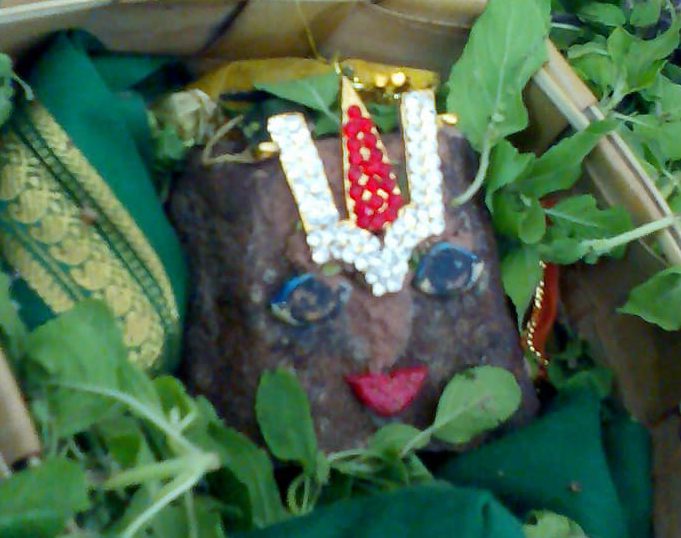
NAVA GARUDA SEVA AT AZHWAR THIRUNAGARI


Nava Garuda sevai at Azhvar thirunagari

PILIGRIM EXPERIENCES NAVA GARUDA SEVAI

WHICH WAS HELD AT ALWAR THIRUNAGARI:

From Nagercoil we boarded train and reached Tirunelveli at 9 A.M. We just took a set of clothes with us and kept the luggage in the cloak room and left by bus for Alwar Tirunagari. As it was festive season, there were plenty of buses plying towards Thiruchendur . It may be mentioned that all the buses bound to Thiruchendur goes via Azhwar Thirunagari. “Vaikasi Visagam” is the most auspicious day to both Saivaites and Srivaishnavites On this day the greatest of all Azhwars appeared on this earth. The buses were fully packed and it took 50 mintues for us to reach Thirunagari. We reached Thirunagari around 11 A.M. This otherwise calm village was overcrowded with devotees on this day. Almost all the chathirams, Ramanujar koodams and houses were fully packed with devotees who had come to witness the nava garuda sevai. Mohan mama’s house was packed with close relatives and the Elders shared a good hospitality. We kept our small luggage and left immediately as we were advised by the residents to go and wait near the entrance of the temple.

There is a big mandapam in front of the temple known as ‘PANDAL MANDAPAM” which was built by Sri Pandala Ramaswamy Nayaakar who was a great devotee and well known for initiating this nava garuda Sevai utsavam in the year 1807. Hence, the mandapam is named after him as Pandal Mandapam. There were many shops on either sides of the mandapam. A huge mela (exhibition) was going on and the entire village was in a festive mood. We were fortunate to have Nammazhwar’s darsanam in the urtharadi madam. Azhwar during his entire life time never left the place and hence that practice is followed even today. Hence all the Perumals of the Nava Tirupatis come to Thirunagari to give darshinam to their most beloved devotee.
Thirumanjanam ( ABHISHEKAM ) for Azhwar started amongst recitation of vedic hymns like Taitriya Upanishad and Pancha sooktham . We cherished the sevai and it is still fresh in our minds..We were alerted by the bhagavathas that the Nava Tirupathigal Perumal have already started from their Thirukolams and after crossing the beautiful Tambaraparani River are arriving at Pandal Mandapam.We rejoiced to see Perumals coming from different directions with a troup of Nadaswaram goshti and the recitation of Divya prabhandam pasurams by Elders. Perumal started arriving to Pandal
Mandapam. Each Perumal arrived in a well decorated palanquin with full honours. Here
Azhwar receives the Perumal and does Pradakshinam to Perumal thrice. Azhwar is then blessed with satari, peedambaram and prasadam which were offered to the Perumal. After this, managala aarthi was given to Perumal and Azhwar and Perumal enters the main temple. This procedure was followed for all the Perumals. This function takes place for about 2 to 3 hours.

All the Perumals assemble is a big hall/ mandapam inside the temple. This mandapam was exclusively built for this purpose. Preparations like decorating Garuda vaahanam for the evening function was going on..The bhagavathas of all the surrounding Villages contribute their might in making the function grand.We could see the Archakas kith and kin joyfully devoted in the alankaram of the palaquin and the Garuda vahanam.The devotees are very cooperative . They share a wonderful hospitality enquiring about the details of stay, food etc. Most of the Thirumalagais are eager to serve the devotees with Prasadam.

Nava Garuda sevai at Azhvar thirunagari

Around 5 P.M., Thirumanjanam would start for all the Perumals. Hence, we relaxed for some time near the Mandapam listening to the devotees experiences. There were several groups well assembled in respective vans etc .The group Elder was addressing the crowd on Topics of Alwar Vaibhavams. We could see around 5 groups doing this kainkaryam and each one was unique. We were immersed in the spiritual rain. At 5 P.M., we gathered in the mandapam. Meantime, we saw some vaadiyars carrying silver kudams filled with water. We were told by the local residents that they bring water for Thirumanjanam from Tambarabarani river . The theertham for Neeratam was brought with full honours (an umbrella, music etc)Every Divya desam Perumal have their temple staff continuously attending to the function requirements. It is interesting to note that Thirumanjanam for all the Perumals are performed at the same time. Separate vaadhiyars for each Perumal from the temple carry out the honours . While Thirumanjanam was being performed for all the Perumals inside the mandapam, Azhwar’s Thirumanjanam was also performed . It was a grand sight and it was only due to our poorva janma sukrutam and our elders’ blessings, we could have Thirumanjana sevai of so many Perumals at a time. It takes about 2 to 3 hours for the alankaranam to get completed. Around 8 P.M., the garuda sevai starts. In the Nava Garuda Sevai, 9 Perumals are seated on Garuda vaahanam. Azhwar is seated on a Hamsa vaahanam and his dearest devotee, Madurakavi Azhwar is seated on Pirangi Naarkaali (a chair)

Azhwar waits just outside the Maha dwaaram of the temple. The temple doors are closed and Alwar along with his favourite devotee Madurakavi Alwar wait for the Garudaseva Utsavam to happen.The Mahadwaram doors are opened amidst the music of Nadaswarams and Azhwar is the first to have darsanam of Perumal. Perumal is given Mangala karpoora aarthi and managalasaasanam done to the particular Perumal by the Azhwar . The recitation of the Mangalaasanams of Elders drives one to spiritual escastsy. Arayar Sevai is performed. For this bhattars come all the way from SriRangam. The sevai is a ttreat to watch. One has to closely watch Alwars Thirumukam when the Mahadwaram doors are opened. The joy in Alwars thirumukam makes one think he is a part of the Thirukurugoor.

The order in which the Perumals appear in Garuda vaahanam along with the paasuram number sung by Azhwar is given below:

PERUMAL PASURAM NOS.
1) 1) Adinatha Perumal of Thirukurugoor 3106,3116
2) Sri Vaikuntanatha Perumal of Srivaikuntam 3571,3575
3) Sri Vijayasanar Perumal of Natham (varagunamangai) 3571
4) Sri Kaichinavendan of Thirupulingudi 3473,3568-78
5) Sri Mayakoothan of Perungulam(Thiuukulandhai) 3561
6) Sri Devapiran of Irattai Tirupati }
7) Sri Aravinda Lochanan of Irattai Tirupati } 3271-3281
8) Sri Bhoomipalar of Then Thirupperai 3359-3369
9) Sri Vaithamanidhi of Thirukolur along with Madurakavi Azhwar 3293-3303,3473

Nava Garuda sevai at Azhvar thirunagari

After this, neivedyam is offered to Perumal, Azhwar and Madurakavi Azhwar and Perumal leaves the place . All the Perumals assemble at East Mada street and from here all the nava tirupathi Perumal are taken in procession in the 4 mada streets of Thirunagari with the Nadaswaram troups for each perumal , Veda goshti etc. The village residents burst crackers and lit the roads with dazzling light. We could see the local residents receiving Perumal by sweeping the roads and decorating the roads with kollams etc.The zeal in their offering fruits and karpooram at the time of Perumal’s oorvalam is a treat to watch. Almost the entire village are well versed with the Order of Perumals arrival. This procedure of waiting near the entrance, showing karpoora aarthi and rendering mangalasaasanam on that particular Perumal is followed for all the 9 Perumals. The excitement of the local residents when they see their Perumal cannot be expressed in words. The whole atmosphere was charged with devotional fervour and we were lucky to capture few photos. By the time the ninth Perumal Sri Vaithamanidhi of Thirukolur leaves the place, Adinatha Perumal of Thirukurugoor who left first comes back to the temple. After all the nine Perumals assemble, Azhwar pays his respects to all the Perumals and all the Perumals get inside the mandapam. Madurakavi Azhwar who has organized this function, pays his respects to Nammazwar and Nammazwar is pleased with his devotee. The function gets over around 4 A.M. the next day.One cannot imagine how the time passed so quickly

Next day morning, all the Perumals leave to their respective places and Nammazwar sees them
off . The village atmosphere was very calm and serene. It was very easy for my wife to calm down my kids who were very tired.

By 5.30 AM we got up and quickly left to Tamparaparani river to have a holy dip which was 1 km away. The banks of the river was crowded with the piligrims and Adiyen could see that the
surroundings fully packed with SriVaishnavaites. The scenic beauty was simply marvellous. We
had a wonderful time near the river and my kids were overjoyed to look at the innocent village
belles grazing cows and buffaloes. We left to Temple around 6.30 AM We could notice Nammazwar ‘s hamsa vaahanam was placed in such a manner that he could see Perumal till he leaves the street. We had darshan of all the Perumals in the Mandapam and the send off procession was about to start with the blowing of trumpets etc.The Perumals leave the Mandapam around 7.00 –7.30 AM . Only after the sight of Perumal completely disappears, Nammazhwar is taken inside. Alwars tirumukam has a sad look with the departure of the perumals to their respective divyadesams. We sincerely prayed Alwar for gracing us in attending this wonderful Garudasevai. Hail Tirukurugoor I silently walk behind Alwars Palaquin asking for forgiveness and his grace in attending many more Satsangs. Now, I wish to make an attempt in comparing Nava Garuda Sevai held at Alwar Tirunagari (Pandya Naadu) with Eleven Garuda Sevai held at Thirunangoor (Chola Nadu) every year.

Nava Garuda sevai at Azhvar thirunagari

Details 9 GARUDA SEVAI 11 GARUDA SEVAI
Place Alwar Tirunagari near Tirunelveli Thirunangoor near Sirkazhi Month 5th day preceding Vaigasi Visagam Next day after Thai Amavasai Duration One day 2 days-Thai Amavasai when Azhwar goes to each divya desam and next day when all the Perumals assemble Venue Adinathar Kovil at Thirukurugoor Thirumani mada kovil at Thirunangoor Perumals From 9 Divya desams From 11 Divya desams
Hosted by Nammazhwar In Hanmsavahanam Thirumangai Azhwar also in Hamsa Vahanam 1st sevai held in 3 centuries old 2 centuries old Supervised by Madurakavai Azhwar in Pirangi Naarkaali (a chair) Manavala Maamunigal in Pirangi Naarkaali (a chair) Neeratam for God Simultaneously for all Perumals In Ekaantham

NAVA GARUDA SEVA AT AZHWAR THIRUNAGARI


Nava Garuda sevai at Azhvar thirunagari

PILIGRIM EXPERIENCES NAVA GARUDA SEVAI

WHICH WAS HELD AT ALWAR THIRUNAGARI:

From Nagercoil we boarded train and reached Tirunelveli at 9 A.M. We just took a set of clothes with us and kept the luggage in the cloak room and left by bus for Alwar Tirunagari. As it was festive season, there were plenty of buses plying towards Thiruchendur . It may be mentioned that all the buses bound to Thiruchendur goes via Azhwar Thirunagari. “Vaikasi Visagam” is the most auspicious day to both Saivaites and Srivaishnavites On this day the greatest of all Azhwars appeared on this earth. The buses were fully packed and it took 50 mintues for us to reach Thirunagari. We reached Thirunagari around 11 A.M. This otherwise calm village was overcrowded with devotees on this day. Almost all the chathirams, Ramanujar koodams and houses were fully packed with devotees who had come to witness the nava garuda sevai. Mohan mama’s house was packed with close relatives and the Elders shared a good hospitality. We kept our small luggage and left immediately as we were advised by the residents to go and wait near the entrance of the temple.

There is a big mandapam in front of the temple known as ‘PANDAL MANDAPAM” which was built by Sri Pandala Ramaswamy Nayaakar who was a great devotee and well known for initiating this nava garuda Sevai utsavam in the year 1807. Hence, the mandapam is named after him as Pandal Mandapam. There were many shops on either sides of the mandapam. A huge mela (exhibition) was going on and the entire village was in a festive mood. We were fortunate to have Nammazhwar’s darsanam in the urtharadi madam. Azhwar during his entire life time never left the place and hence that practice is followed even today. Hence all the Perumals of the Nava Tirupatis come to Thirunagari to give darshinam to their most beloved devotee.
Thirumanjanam ( ABHISHEKAM ) for Azhwar started amongst recitation of vedic hymns like Taitriya Upanishad and Pancha sooktham . We cherished the sevai and it is still fresh in our minds..We were alerted by the bhagavathas that the Nava Tirupathigal Perumal have already started from their Thirukolams and after crossing the beautiful Tambaraparani River are arriving at Pandal Mandapam.We rejoiced to see Perumals coming from different directions with a troup of Nadaswaram goshti and the recitation of Divya prabhandam pasurams by Elders. Perumal started arriving to Pandal
Mandapam. Each Perumal arrived in a well decorated palanquin with full honours. Here
Azhwar receives the Perumal and does Pradakshinam to Perumal thrice. Azhwar is then blessed with satari, peedambaram and prasadam which were offered to the Perumal. After this, managala aarthi was given to Perumal and Azhwar and Perumal enters the main temple. This procedure was followed for all the Perumals. This function takes place for about 2 to 3 hours.

All the Perumals assemble is a big hall/ mandapam inside the temple. This mandapam was exclusively built for this purpose. Preparations like decorating Garuda vaahanam for the evening function was going on..The bhagavathas of all the surrounding Villages contribute their might in making the function grand.We could see the Archakas kith and kin joyfully devoted in the alankaram of the palaquin and the Garuda vahanam.The devotees are very cooperative . They share a wonderful hospitality enquiring about the details of stay, food etc. Most of the Thirumalagais are eager to serve the devotees with Prasadam.

Nava Garuda sevai at Azhvar thirunagari

Around 5 P.M., Thirumanjanam would start for all the Perumals. Hence, we relaxed for some time near the Mandapam listening to the devotees experiences. There were several groups well assembled in respective vans etc .The group Elder was addressing the crowd on Topics of Alwar Vaibhavams. We could see around 5 groups doing this kainkaryam and each one was unique. We were immersed in the spiritual rain. At 5 P.M., we gathered in the mandapam. Meantime, we saw some vaadiyars carrying silver kudams filled with water. We were told by the local residents that they bring water for Thirumanjanam from Tambarabarani river . The theertham for Neeratam was brought with full honours (an umbrella, music etc)Every Divya desam Perumal have their temple staff continuously attending to the function requirements. It is interesting to note that Thirumanjanam for all the Perumals are performed at the same time. Separate vaadhiyars for each Perumal from the temple carry out the honours . While Thirumanjanam was being performed for all the Perumals inside the mandapam, Azhwar’s Thirumanjanam was also performed . It was a grand sight and it was only due to our poorva janma sukrutam and our elders’ blessings, we could have Thirumanjana sevai of so many Perumals at a time. It takes about 2 to 3 hours for the alankaranam to get completed. Around 8 P.M., the garuda sevai starts. In the Nava Garuda Sevai, 9 Perumals are seated on Garuda vaahanam. Azhwar is seated on a Hamsa vaahanam and his dearest devotee, Madurakavi Azhwar is seated on Pirangi Naarkaali (a chair)

Azhwar waits just outside the Maha dwaaram of the temple. The temple doors are closed and Alwar along with his favourite devotee Madurakavi Alwar wait for the Garudaseva Utsavam to happen.The Mahadwaram doors are opened amidst the music of Nadaswarams and Azhwar is the first to have darsanam of Perumal. Perumal is given Mangala karpoora aarthi and managalasaasanam done to the particular Perumal by the Azhwar . The recitation of the Mangalaasanams of Elders drives one to spiritual escastsy. Arayar Sevai is performed. For this bhattars come all the way from SriRangam. The sevai is a ttreat to watch. One has to closely watch Alwars Thirumukam when the Mahadwaram doors are opened. The joy in Alwars thirumukam makes one think he is a part of the Thirukurugoor.

The order in which the Perumals appear in Garuda vaahanam along with the paasuram number sung by Azhwar is given below:

PERUMAL PASURAM NOS.
1) 1) Adinatha Perumal of Thirukurugoor 3106,3116
2) Sri Vaikuntanatha Perumal of Srivaikuntam 3571,3575
3) Sri Vijayasanar Perumal of Natham (varagunamangai) 3571
4) Sri Kaichinavendan of Thirupulingudi 3473,3568-78
5) Sri Mayakoothan of Perungulam(Thiuukulandhai) 3561
6) Sri Devapiran of Irattai Tirupati }
7) Sri Aravinda Lochanan of Irattai Tirupati } 3271-3281
8) Sri Bhoomipalar of Then Thirupperai 3359-3369
9) Sri Vaithamanidhi of Thirukolur along with Madurakavi Azhwar 3293-3303,3473

Nava Garuda sevai at Azhvar thirunagari

After this, neivedyam is offered to Perumal, Azhwar and Madurakavi Azhwar and Perumal leaves the place . All the Perumals assemble at East Mada street and from here all the nava tirupathi Perumal are taken in procession in the 4 mada streets of Thirunagari with the Nadaswaram troups for each perumal , Veda goshti etc. The village residents burst crackers and lit the roads with dazzling light. We could see the local residents receiving Perumal by sweeping the roads and decorating the roads with kollams etc.The zeal in their offering fruits and karpooram at the time of Perumal’s oorvalam is a treat to watch. Almost the entire village are well versed with the Order of Perumals arrival. This procedure of waiting near the entrance, showing karpoora aarthi and rendering mangalasaasanam on that particular Perumal is followed for all the 9 Perumals. The excitement of the local residents when they see their Perumal cannot be expressed in words. The whole atmosphere was charged with devotional fervour and we were lucky to capture few photos. By the time the ninth Perumal Sri Vaithamanidhi of Thirukolur leaves the place, Adinatha Perumal of Thirukurugoor who left first comes back to the temple. After all the nine Perumals assemble, Azhwar pays his respects to all the Perumals and all the Perumals get inside the mandapam. Madurakavi Azhwar who has organized this function, pays his respects to Nammazwar and Nammazwar is pleased with his devotee. The function gets over around 4 A.M. the next day.One cannot imagine how the time passed so quickly

Next day morning, all the Perumals leave to their respective places and Nammazwar sees them
off . The village atmosphere was very calm and serene. It was very easy for my wife to calm down my kids who were very tired.

By 5.30 AM we got up and quickly left to Tamparaparani river to have a holy dip which was 1 km away. The banks of the river was crowded with the piligrims and Adiyen could see that the
surroundings fully packed with SriVaishnavaites. The scenic beauty was simply marvellous. We
had a wonderful time near the river and my kids were overjoyed to look at the innocent village
belles grazing cows and buffaloes. We left to Temple around 6.30 AM We could notice Nammazwar ‘s hamsa vaahanam was placed in such a manner that he could see Perumal till he leaves the street. We had darshan of all the Perumals in the Mandapam and the send off procession was about to start with the blowing of trumpets etc.The Perumals leave the Mandapam around 7.00 –7.30 AM . Only after the sight of Perumal completely disappears, Nammazhwar is taken inside. Alwars tirumukam has a sad look with the departure of the perumals to their respective divyadesams. We sincerely prayed Alwar for gracing us in attending this wonderful Garudasevai. Hail Tirukurugoor I silently walk behind Alwars Palaquin asking for forgiveness and his grace in attending many more Satsangs. Now, I wish to make an attempt in comparing Nava Garuda Sevai held at Alwar Tirunagari (Pandya Naadu) with Eleven Garuda Sevai held at Thirunangoor (Chola Nadu) every year.

Nava Garuda sevai at Azhvar thirunagari

Details 9 GARUDA SEVAI 11 GARUDA SEVAI
Place Alwar Tirunagari near Tirunelveli Thirunangoor near Sirkazhi Month 5th day preceding Vaigasi Visagam Next day after Thai Amavasai Duration One day 2 days-Thai Amavasai when Azhwar goes to each divya desam and next day when all the Perumals assemble Venue Adinathar Kovil at Thirukurugoor Thirumani mada kovil at Thirunangoor Perumals From 9 Divya desams From 11 Divya desams
Hosted by Nammazhwar In Hanmsavahanam Thirumangai Azhwar also in Hamsa Vahanam 1st sevai held in 3 centuries old 2 centuries old Supervised by Madurakavai Azhwar in Pirangi Naarkaali (a chair) Manavala Maamunigal in Pirangi Naarkaali (a chair) Neeratam for God Simultaneously for all Perumals In Ekaantham

DWARAKA ..A Piligrims diary to Nava Dwarakas


Prostrating at the feet of Dhivya Dampadhigal and acharyars, adiyen wishes to share our travel to Nava Dwarakas.  As usual, adiyen is greatly indebted to Sri Velukudi Swamin for instilling the desire to undertake Sri Krishna Anu Yatirai.  As part of our Sri Krishna Anu Yatirai, we set out to Mathura ,the birth place of Lord Sri Krishna-the poornavataaram of Mahavishnu.

We started our pilgrimage from Sri Krishna Janmasthaan at Mathura -the birth place of Lord Sri Krishna who appeared as the eighth child to Devaki and Vasudevar in a prison.  From Mathura, we went to Vrindavan after having darshan of the places purified by Lord Krishna in Gokulam, Nandagaon-the place where HE killed Putana, Sakatasuran and other demons, the place where the Lord of the Universe was bound by Mother Yasodha, the many houses from where the Lord stole butter, the various places where the Lord killed many demons without using any weapon and reached Vrindavan. Being Life Member of ISKCON we had booked in advance accomodation in the temple guest house.


The Nava Dwarkas are
1) Mukti Dwarka (Gomti Dwarka) -main temple located in Dwarka in Gujarat
2) Rukmini Dwarka (4 kms from Dwarka)
3) Bhet Dwarka ( in an island 8 kms from Dwarka)
4) Moola Dwaraka (Rajkot-Dwarka route)
5) Sudama Dwarka (Porbandhar)
6) Nathdwara (near Udaipur in Rajasthan)
7) Kankroli Dwarka (near Nathdwara)
8) Prabhasa Theertha (Veravel near Somnath)
9) Dakore Dwarka (near Ahmedabad)

TRAVEL BASE : NATHDWARA / UDAIPUR

NATHDWARA

LOCATION: Located on Mavli-Udaipur route- 30 kms from Mavli
and 65 kms from Udaipur.

PRESIDING DIETY : SHRI SHRINATHJI
Every day there are 6 sevas to the . The darshan timings at Nathdwara are :-
6.00A.M.-6.15 A.M.(kakada aarthi)
9.00 A.M. TO 9.15 A.M.(Shringar aarthi)
11.30 A.M. TO 11.45 A.M.(raj bhog aarthi)
04.15- 04.30 P.M. (Uthappana aarthi)
06.00- 06.15 P.M. (sandhya aarthi)
08.00-08.15 P.M. ( sayana aarthi)

OTHER INTERESTING PLACES TO SEE:-
Kankroli Dwaraka (12 kms from Nathdwara)- one of the 9 Dwarakas
Rajsamund Lake : near Kankroli- famous for its dam and architecture
Chathur Bhuj temple: Temple for Vishnu with 4 hands
Ekaling temple: A huge lingam made from a single rock

WHERE TO STAY:- The above places can be visited within a day. We can straight away drive to Nathdwara, checkin in any hotel or ashram for refreshing and finish visiting the above places and go back to Udaipur for boarding train/ flight. Udaipur is well connected to major cities and hence it is advisable to go back to Udaipur.

WHERE TO EAT:- Prashad can be had from Nathdwara and Kankroli temples for a nominal amount of Rs.25/ per thali. Hotel Sankalp Restaurant provides good South Indian food.

ANY OTHER INFO:- Cameras, camcorder, mobiles strictly NOT ALLOWED

STHALAPURANAM:- Nathdwara is considered to be one of the 9 dwarakas and the presiding diety here is SHRI SHRINATHJI . Here the is seen in blackish form with HIS left hand raised upwards with little finger pointing upwards, HIS right hand closed in a fist rests on HIS hip. HIS eyes glance downward affectionately at HIS devotees. Shrinathji is very special and beautiful diety. There is a diamond on the chin of the Lord. This idol is swayambhu (self manifested and not carved by anyone). As the Lord is the combined form of Radharani and Gopala, HE is known as “SHRI SHRINATHJI”.( “SHRI” indicates Thayar ). The Lord is also known as “Banke Bhihari”. This vigraham was earlier in Vrindavan near Goverdhana giri and is related to one of Sri Krishna’s pastimes in Vrindavan lifting Goverdhana hill.

LIFTING OF GOVERDHANA HILL:- To briefly recapitulate, Nanda Maharaja after consulting the other elderly gopas, decided to do pooja and give offerings to Indra, the king of devas , as they thought that Indra was responsible for timely rains and good yield of their crops. When the discussion was thus going on, child Sri Krishna , who was only 7 years old , intervened saying that Indra was not responsible for the cattle prosperity and it was Goverdhana giri which was responsible for the same as it provides the necessary grass to cattle, and crops to the gopas. Krishna suggested that they should therefore give their offerings to Goverdhana giri and all the gopas including Nanda Maharaj accepted to this proposal. An auspicious day was selected and all the gopas assembled in front of Goverdhana giri with heaps of offerings. Krishna advised them to close their eyes and everyone obeyed. Then Krishna assumed a huge form and with wide opened mouth, He consumed the entire offering. When it was finished, Krishna resumed HIS original child form and joined the gopis. The gopis were pleased to see that their offerings were accepted and happily returned home. Indra was naturally upset that no offering was made and decided to punish the gopis by sending torrential rains accompanied by thunder storms. Not knowing what to do, all the vraj vasis( gopis) approached Sri Krishna for help with their cattle and children. The child Krishna assured them and to their astonishment, lifted the Goverdhana giri with HIS left hand little finger and all the residents of Vrindavan along with their cattle took shelter under the hill . (recollected Nammazhwar’s pasuram”KUNDRAM ENDHI KULIR MAZHAI KAATHAVAN”) Krishna thus stood in this form for 7 days. Indra thus humbled realized HIS folly and surrendered at Krishna’s feet for forgiveness. Repenting for not realizing who Krishna was, he prayed to Krishna for forgiveness which is known as Govinda Stuthi. Krishna came to be known as “GOVINDA”- the protector of cows. Indra did Govinda abhishekam to Krishna with Kamadhenu , the divine cow and left the place.

SHRINATHJI (GOPALA ) DIETY DETAILS:- To mark this incident, Vajranabha constructed a temple at the foot of the hill. Due to passage of time, this idol disappeared and the whereabouts remained unknown for many years. After many years, appeared as Gopala in Madhavendra Puri’s dream, informed him about HIS whereabouts and a temple was constructed (pl. refer to the notes on Goverdhan Hill for more info). When Aurangzeb invaded Mathura and Vrindavan, the idol disappeared into the hill and could not be traced out. Even today, in Mathura, Vrindavan, we can find many old temples in ruins and the sculptures disfigured by Aurangzeb.

After many years, appeared to Sri Vallabhacharyar in his dream and informed HIS whereabouts. When Sri Vallabacharyar reached Goverdhanagiri, the idol emerged out by itself and was glorified by Vallabhacharyar. Perumal advised Vallabhacharyar, who was a very great devotee to carry Him to Mewar in Rajasthan. Vallabacharyar arranged a cart for Perumal and left for Mewar. Rana Raja Singh of Mewar helped Vallabhacharyar . After 2 months, the cart reached the present Nathdwara enroute to Mewar in the 17thcentury. But on the way to Mewar, the cart sped suddenly at this place and did not move an inch. Vallabacharyar heard a divine voice say that Perumal wished to stay in this place itself as it was the place where HIS dear devotee, Meera bhai stayed. ( The story of Meera bhai is well known to all of us. To briefly recapitulate, Mira bhai was fondly attached to Krishna’s idol given by her father. As a child, she always used to play with the , dress Him up and sing songs in praise of the and considered Krishna to be her spouse. She exhibited bhakti like the gopis of Vrindavan. The king of Mewar impressed with her bhakti married her despite having many queens. Though she was the queen of Mewar, she was totally disinterested in material comforts and always used to be in service of the Lord. In fact with every passing day, her bhakti enhanced and was totally immersed in Krishna Bhakti. She was unmindful of all the hardships and tortures implicated on her by the annoyed king and her co-sisters. They tried to kill her in many ways by even giving her poisoned milk. Mira offered the milk to her Lord and drank it. Krishna’s Thirumeni turned blue as HE consumed the poison but nothing happened to her. The king realized HIS folly and begged for forgiveness . Mira felt that it was not fit for her to remain there and left the palace and stayed in this place. ) The Vallabhacharyar with the help of Mewar king constructed a beautiful temple for the Lord

SRI VALLABHACHARYAR:- Vallabhacharyar, the founder of Pushti sect was born to poor parents in Rajasthan. He was like a burnt log of wood with deformed body at the time of HIS birth. The parents decided to abandon the child .On their way, they happened to pass by a yagnam where fire sacrifice was going on. Suddenly a jyothi appeared from the yagnam and entered into the child’s body . The child was immediately transformed into a beautiful child. Right from his childhood , he developed great bhakti for the Lord. He had a dream in which appeared and ordered him to go to Goverdhana giri and bring back the hidden idol.. Vallabhacharyar obeyed and to everyone’s bewilderment, when he reached Goverdhana giri, an idol sprang out suddenly.

(This reminds me of an incident connected to Melkote Perumal. Melkote is a small village near Mysore on the banks of Kalyani Pushkarini . When Sri Ramanujar arrived here, there was no temple. Perumal appeared in his dream and informed the whereabouts about the moolavar and utsavar. With the help of the local king, the pathway to the hill which was filled with bushes and throns were cleared and a temple was constructed in which the moolavar Thirunarayanan was placed in the sanctum sanctorum according to vedic rituals. As there was no utsavar, Udayavar prayed to Perumal for disclosing HIS whereabouts. Acharyar learnt from the local residents that the utsavar was with Delhi Sultan . The utsava murthi named Sampathkumaran, appeared in Sri Ramanujar’s dream. Sri Ramanujar went to Delhi and requested the king to return the idol.As there were many such idols which the king brought by looting various temples, he asked our acharyar to locate the idol. Ramanujar was taken to a storeroom where many idols were kept. But as none matched with his divine vision of the Lord, acharyar was disheartened. Then he heard that there was an idol with the princess with whom she played with. With the king’s permission, Ramanujar went to the palace to see the vigraham and LO , the vigraham jumped up from the place and suddenly moved towards Sri Ramanujar and sat on his lap. Hence the Lord is known a “CHELLA PILLAI”. As the princess was obsessed with the idol, she secretely followed our acharyar and finally Lord accepted her at HIS thiruvadi. At melkote, the utsava vigraham of Sri Ramanujar has Chella Pillai on his shoulders with the princess near the Lord’s thiruvadi )

As mentioned earlier, Perumal instructed him to take Him away to Mewar and the later developments have already been mentioned above. Vallabhacharyar used to please the Lord with his kirtans which was later followed by his disciples. In a corner of the temple, the photographs of Sri Vallabhacharyar along with his descendants are displayed. Even today, bhog is offered to Perumal on behalf of Sri Vallabhacharyar. 6 sevas are performed daily.

NATHDWARA TEMPLE DETAILS:- Nathdwara is a small town in Mavli-Udiapur route. Situated in the heart of the town, SHRINATHJI temple is the main attraction with hundreds of visitors thronging to the temple daily. This is the second richest temple in India, first being Tirumala temple. Opposite to the temple is the information centre who guide the pilgrims for prashad, timings etc. Near the entrance of the temple, we can find many vendors selling varieties of vegetables and fruits. .

*** There is a unique practice followed in this temple. Devotees can offer milk, varieties of fruits,vegetables , milk in the kitchen which would be used for Perumal’s bhog (neivedyam-food offering). Milk is to be given at a different place and vegetables , fruits in another place.

It is customary for the local devotees to pray to the Lord for fulfilling their wish and when it gets fulfilled, people offer to change the flag. The temple has 5 persons who are authorized to change the flag which is a hereditary right for them. While the flag is being changed, the assembled devotees continuously sing in praise of the Lord .

There is a big photograph of Perumal “SHRI SHRINATHJI” hung on a wall and pointed out to the nose ring worn by Perumal and a diamond stone studded on Perumal’s chin. It was for taking this diamond that Aurangzeb invaded Mathura but his attempts became futile because Lord disappeared from that place. In the garbagriham, Perumal gives darshan as Krishna-Radharani together and hence is known as “SHRI SHRINATHJI. The cart which carried the Lord is preserved in a separate room. Even today, this event is celebrated every year. A new cart is made and is rested on the cart. In the adjacent room, there are 2 mortars- one made of gold and the other made of silver. Once in eight days, chandan(sandal paste ) for the is ground using these mortars.

OUR EXPERIENCE IN SHRINATHJI TEMPLE AT NATHDWARA:-

Boarded Mewar Express at Mathura to reach Udaipur on 22/05/09. While discussing with my co-passenger, Shri.Sharma and his friends who were Rajasthanis, Adiyen disclosed my intention of visiting Nath Dwara and Kankroli Dwaraka. They suggested me to get down at MAVLI station itself as Nathdwara is only 30 kms from MAVLI and 65 kms from Udaipur. They informed us the temple timings ( in Gujarat and Rajasthan, most of the temples would be open for darshan only for short intervals, say 10 to 15 minutes at the time of aarthi and the curtains would be drawn. In case we miss to have darshan at that time, we have to wait till the next darshan.) and suggested that we could take a cab to Nathdwara, check in one of the hotels for refreshing, visit the temple, proceed to Kankroli Dwaraka, visit the temple, go to the famous Rajasmund lake , visit Charbhuj temple, Ekaling temple and return to Udaipur by evening for sight seeing as our train to Ajmer was at 11 P.M. adding that we could buy prashad for lunch for a nominal amount in the temple itself They also got down at Mavli, arranged a car after negotiating on our behalf for Rs.1,000/- to visit the above places. We profusely thanked God for the timely help and thanked them for their intervention , took photograph with them as remembrance, and got into the car.

A 40 minutes drive took us to Nathdwara. Took a room in Lakshmi Lodge, one of the hotels opposite car parking(a big open ground) on the way to temple. For one hour, we paid nominal amount of Rs.100/- for the same. It was 10 A.M. by the time we finished our chores . A five minute walk along the narrow streets led to the temple. This reminded us of Pandirpur Divya Kshetram . As the next darshan was at 11.30 A.M. , we decided to wait in the temple premises.

Usually we find vendors selling coconuts,tulasi and flowers in front of the temple. But here vendors sell varieties of fruits,vegetables , milk in the kitchen which would be used for Perumal’s bhog (neivedyam-food offering). Purchased 11 varieties of fruits and 11 varieties of vegetables and 2 pots of milk and handed over the same in the kitchen godown. (I wished I could have brought some rice , cereals, sugar , jaggery, dry fruits for the offering.) Milk has to be given at a different place and vegetables , fruits in another place. Cows move about freely outside the temple. It was a typical Gokulam scene –serene atmosphere with vendors doing their business as god’s seva without any competition and cows moving around freely inside and outside the temple.

A panda (authorized pujari) offered to sell some prashad (rice,dal, rotis with varieties of vegetables, sweet preparations) for Rs.25/- per plate. Paid money for 2 palates and were advised by him to wait in front of the garbagriham after darshan. Like in Puri, the pandas have hereditary right for their share in temple prashad daily and they in turn sell it to the devotees . Another similarity is like in Jagannath Puri, here many varieties of food are offered to the Lord . Many devotees were waiting to have darshan. There is a separate queue for ladies and gents.

As we were waiting near the entrance, an elderly person came forward and offered to guide us . He gave us information about the temple which we could not get any where .
He took us to the first floor of the temple where kirtan was going on while the temple flag was being changed. He informed that it was customary for the local devotees to pray to the Lord for fulfilling their wish and when it was fulfilled, people offer to change the flag. The temple has 5 persons who are authorized to change the flag. This is hereditary right for them. While the flag is being changed, the assembled devotees continuously sing in praise of the Lord .

He then took us to a room where a big photograph of Perumal “SHRI SHRINATHJI” was hung and pointed out to the nose ring worn by Perumal and a diamond stone studded on Perumal’s chin. It was for taking this diamond that Aurangzeb invaded Mathurabut HIS attempts became futile because disappeared from that place. He said that in the garbagriham, Perumal gives darshan as Krishna-Radha rani together and hence is known as “SHRI SHRINATHJI”. While circumbulating the temple, he took us to a small room containing a cart. He informed that it was in this cart that Perumal reached this place. The cart is well preserved . Even today, this event is celebrated every year. A new cart is made and is rested on the cart. In the adjacent room, there are 2 mortars- one made of gold and the other made of silver. We were told that once in eight days, chandan(sandal paste ) for the is ground using these mortars. We offered our obeisances and reached the entrance of the main sannidhi. In front of the sannidhi, the guide showed us a place where sets of 5 coconuts were tied to a string and hung. He said that there is a strong belief that if devotees desiring their wish to be fulfilled pray to the here and tie the coconuts, their wish would be fulfilled.

Adiyen joined the gents queue and my wife and children joined the ladies queue. It was 11.15 A.M. and many devotees were already in front of the closed door. It is a common practice in North India to have darshan of the Lord when the doors are opened and aarthi is given . Hence the rooms in front of the sannidhi are constructed in such a way so as to accommodate few hundreds of devotees at a time. All the devotees can have darshan of the during aarthi and the devotees themselves can offer prasadam- sweets/ dry fruits to the . The darshan would be given only for 15 minutes after aarthi.

As there was 15 minutes left, we started reciting Sri Vishnu Sahasranamam . When we completed , the doors sprang open and devotees rushed inside to have glimpse of the . Unusual thning noticed was the devotees enter horizontally paying darshan and don’t show their back .You have galleries and all move in horizontal lines . The is dressed like a small cowherd boy of 7 years . The aarthi had just begun and shodasa upacharams (16 types of upacharam) were offered to the Lord while chanting slokas and singing songs. The was dressed in “Parrot green coloured “cloth round HIS waist like a typical cowherd boy and was adorned with varieties of flowers. Adiyen recollected Periazwar’s pasurams describing the Lord’s return to HIS home after gazing the cows. Amidst loudly uttering “KANNAIYA LAL KI JAI” and singing of aarthi songs, we could experience the unalloyed vatsalya bhaavam of the devotees present. Like the gopis of Vrindavan , the devotees were not aware of their surroundings and their whole concentration was on the alone. The enchanting divya mangala swaroopam of the cannot be described in words. The is very very attractive with HIS left hand raised up with HIS little finger lifted up and HIS right hand closed in a fist and placed on HIS waist. A small stick is placed in front of Him which is used while gazing cows. We were being squeezed out in the rush but were unmindful of the pushing . Everyone was eager to take darshan standing in the front. Fortunately, we had darshan to our heart’s content. We just couldn’t take our eyes off from the Thirumeni. Every part is so attractive that we felt that one darshan is not enough. As they say, it is NOT THE DARSHAN WHAT WE SEEK, IT IS THE DARSHAN WHAT HE GIVES”. After darshan, we had to come out through another door in front of which there is a small sannidhi where charanamruth (theertham/ holy water) is distributed. Beside this, there is a counter from which the devotees can purchase sweets, laddus etc by paying money. This counter also would be open only for limited time.

As instructed by the panda who offered us prashad, we were sitting in front of the main door recollecting Perumal’s divya mangala swaroopam. After some time, my wife went in search of the Panda, and brought the prashad which was carried by panda’s attendant.. As having prashad in the temple premises is strictly prohibited, the attendant showed us a dharmashaala where we could have the prashad. After giving him Rs.10/, we went inside the dharmashaala and partook the prashad- 2 palates of little rice, 2 types of curries , dhal, payasam,sweets, rotis all kept in mud pots. Though there are many varieties of food offering to the Lord , the pandas are not given all the items. Hence, it is suggested to take prashad from 2 or 3 different pandas so that varieties of prashad can be tasted. We recollected our Puri Yathirai were the maha Prasad was taken in the temple vicinity.
After having prashad, we proceeded to another Dwaraka called Kankroli Dwarka which is about 12 kms from Nathdwara.

KANKROLI DWARAKA:- One of the 9 Dwarakas.

LOCATION:- Kankroli ,the leading exporter of marbles, is 12 kms away from Nathdwara in Rajasthan.The nearest city isUdaipur.
PRESIDING DIETY:- DWARAKADEESH(standing posture with 4 hands holding Sankhu(conch), chakram(disc), gadam(mace) and padmam(lotus)

OTHER INTERESTING PLACES TO SEE:-
RAJ SAGAR LAKE BESIDE TH TEMPLE, RAJSAMUND LAKE

TRAVEL BASE :- NATHDWARA/UDAIPUR – can be accessed from Nathdwara,not required to stay overnight

WHERE TO EAT:- Temple prashad either at Nathdwara or Kankroli/ Or any good hotel in Nathdwara
Light refreshments (tea/coffee/cool drinks/water/biscuits) available
near the temple

ANY OTHER INFO:- Cameras, camcorder, mobiles strictly NOT ALLOWED inside the temple

STHALAPURANAM:- Kankroli Dwaraka is considered as one of the nava Dwarakas. Located on the banks of Rajsamund lake, Kankroli is known as “haveli of King of Dwarka”. The haveli (big mansion) and the ghats near the lake are built in Rajashtani style. It attracts pilgrims from all over India and is one of the important temples for Pushti Margi Vallabhacharya Vaishnavas.

A pujari informed that Brahma performed penance and Lord appeared to him at the time of creation of universe at this place in this form. A devotee informed that Krishna visited this place and hence this is considered as one of the Dwarakas. Sri Krishna Janmashtami, Annakoot festivals are celebrated grandly.

OUR EXPERIENCE AT KANKROLI DWARKA:-

DATE OF VISIT: 22/05/09

At the entrance , there is a big arch in Rajasthani style . Few shops selling refreshments, photos are on the way to the temple . On the right side, there is cloak room managed by temple authorities where the devotees are supposed to leave their mobiles, camera, videocam etc. for free of cost. Photography and carrying mobiles inside the temple is strictly prohibited. The temple was closed and the next darshan was only at 4.15 P.M. Hence, we went to the Raj Sagar lake which is beside the temple . Seating arrangements are provided for pilgrims in a nearby waiting hall . Many devotees had already assembled in this hall for having darshan.

AT 04.15 P.M., the temple doors were opened for visitors. A flight of steps led us to the main shrine. Participated in the the afternoon aarthi known as “Uthappana seva” .Perumal’s thirunaamam is Dwarakadeesh. Though the vigraham is small, it is very attractive. Perumal is seen with chathurbhuj(4 hands) holding the divya ayudhangal. (weapons). Two pujaris were offering 16 types of upacharams to the Lord . We had darshan to our heart’s content. Offered the dry fruits which we had brought with us as neivedyam to the Lord. On the left side of the main sannidhi, there is a separate sannidhi where child Krishna is placed on a cradle and the pujaris were performing jhoola seva. In a small vessel filled with water, varieties of scented flowers were kept. Varieties of flowers and fruits were placed in front of the Lord. Purchased some Prasad from a nearby counter and left the place.

As carrying camera was not allowed, we had to satisfy ourselves by taking the photograph of the arch at the entrance .

As per our schedule, we were supposed to proceed to Chathur bhuj temple, Ekaling temple and go to Udaipur. As we did not take any photos at Nathdwara in the morning, we decided to return to Nathdwara instead of visiting the scheduled places . Photography is not allowed inside the temple. So, we had to take the gopuram view from outside. Purchased few Rajasthani dolls for Rs100/- and “2 chains with 6 koormams (tortoise) on each chain as it is considered to be Lakshmi Swaroopam for rs.100/-.

Left for Udaipur at 6.30 P.M. and reached station at 9.00 P.M. Waited patiently for Udaipur-Gwalior express . The schedule departure of the train was at 2220 hours but the train started at 0000 hours. Though it was the starting point, as no clearance was given, the train was delayed which is very common in the northern region .

PUSHKAR

PLACE :- PUSHKAR

LOCATION :- 12 KMS from AJMER in Rajasthan located on a hill.

HOW TO REACH:- Trains from Jaipur, Delhi, Udaipur etc are available. (We traveled from Udaipur to Ajmer but were informed that it is nearer from Delhi compared to Udaipur. Hence, if anyone is following our route, it is suggested to go to Ajmerfirst and then go to Udaipur)

TRAVEL BASE:- AJMER

WHERE TO STAY :- Many hotels available-not required to stay overnight as the trip can be completed within a maximum time of 4 hours

WHERE TO EAT:- To check for pure veg hotel for having food.

IMP.TEMPLES:- Pushkar lake, Brahma Temple, Saraswathi temple, Varahaswamy temple

HOW TO REACH:- From Ajmer railway station vans, cars, autos are available .
Charges for Van Rs. 300/- approximately
Frequent buses available from bus stand for a very nominal fare

ANY OTHER INFO:- Cameras, camcorder, mobiles strictly NOT ALLOWED inside the temple. Famous for “Gulkhand”
STHALAPURANAM:-
Pushkar is considered as one of the sacred ponds which bestows mukti. It is known as “Teerth Guru” , the foremost of all Theerthams. Every aspiring devotee visits this place to have a holy dip in this theertham. The place is named after this theertham. Jagathpitha (father of all worlds), Brahma was in search of a residence in Bhooloka for performing yaaga. At that time, a petal from the lotus flower which he held fell down at this place and water sprouted out which is the Pushkar lake.

Brahma selected this place to perform sacrifice/yagnam. As the consort is supposed to be present for any pooja, Brahma asked his son, Narada Maharishi to bring his mother, Saraswathi. Saraswathi for some reason was delayed in reaching this place. As the auspicious moment was tripping off, Brahma put some grass in a cow’s mouth (“Ghai” means cow) , uttered some mantras and from the cow’s mouth emerged a lady As she appeared from the mouth of the cow, Brahma named her Gayathri and accepted her as his consort and started the yagnam. She is known as “Vedmatha Gayathri”- , the mother of Vedas. This infuriated Saraswathi who cursed Brahma that he would not be worshipped on earth and left the place in a huff . She reached a nearby hillock and started her penance. This is the reason for a separate temple for Saraswathi.

DETAILS:- The most famous temple is that of Brahma and this is the only temple dedicated to Brahma. Other important temples in Pushkar are Varahaswamy temple, Saraswathi temple. The famous tank here is PUSHKAR (as it was formed from the water that dripped from the Lotus flower held by Brahma) and the town is known by this name. There are 52 ghats and a dip in these ghats would absolve us of all sins and bestow moksham. But presently, the water is impure and not fit for bathing. After much persuasion, the government has undertaken renovation work including purification of the holy water and it may take another couple of years for completion. The money collected by the pandas (priests) by performing poojas and rituals is handed over to “Shree Teeth Guru Pushkar Purohit Sangh Trust” which issues a receipt for the same. The pandas get salary from the Trust.

A 2 minute walk from the Pushkar lake leads us to the world famous Brahma temple. At the entrance on either sides, there are separate sannidhis for Kubera and Indra ,the Dwarapalakas for Brahma. Kubera is on the right side and Indra on the left side. There is a belief to place some coin in front of Kubera and take it back as he is the god of wealth!!!

The four faced Brahma is seen seated on a lotus having 8 hands holding japa maala, Vedas etc. There is no separate sannidhi for his consort, Saraswathi. After completing pradakshinam, devotees are asked to go behind the temple and have a look at Saraswathi’s temple which is situated on a different hillock nearby. Those who are unable to visit that shrine can pay their respects from here itself.

OUR EXPERIENCE AT PUSHKAR:-
DATE OF VISIT :- 23/05/2009
Reached Ajmer at 05.30 A.M. on 23/05/09. As we intended to have holy bath in Pushkar, we decided to visit this place. After refreshing ourselves in the waiting room, we dropped our luggages in the cloak room.

Ajmer in Rajasthan is famous for Pushkar, Muslim dharga (mosque) , Gulkhand and halwa. Got into one of the Maruthi Omnis to take us to Pushkar, Saraswathi for Rs.300. The driver showed us the place where the world famous camel fare would be held every year during jan-feb.

Pushkar is situated on a small hillock and it took nearly 45 minutes for us to go thru the ghat roads. Though the distance to be covered is only 12 kms, because of ghat section, the drivers are supposed not to exceed the prescribed speed.

Adiyen sprinkled some holy water on myself and family and collected in a bottle to give to my relatives .
As usual, we were surrounded by pandas , each offering to guide us. We were advised to be very cautious with the pandas as they take the pilgrims for a ride. After much persuasion, we had to give in to one panda but made it very clear that we were interested in doing only minimal pooja and aware of all the Brahmin rituals. The panda brought a plate consisting of pooja articles, made us do some sankalpam and repeat whatever he said. Bees were buzzing around us for the honey in flowers. This place is famous for Rose petals preparations like Gulkhand. After finishing the rituals, we left the pooja items in the sacred water and as advised by the panda gave dakshinai and donation for temple in a nearby counter and collect official receipt. We were astonished to see this and enquired with the panda about this system which is not prevelant anywhere in North India. The panda replied that they get regular salary from “Shree Teeth Guru Pushkar Purohit Sangh Trust” which oversees the development of this place.

We then went to Brahma temple which is about 3 minutes walk from the Pushkar pond. As cameras are not allowed, we had to leave the same with our children. Before entering, we were whisked thoroughly by the security and then allowed to climb the steps. The temple is not very big. At the entrance, we find Kubera and Indra’s sannidhi . In the garbagriham, four faced Brahma made of white marble is seen in meditation After we returned, our children went inside for darshan. The car driver informed us that Gulkhand prepared from Rose petals and other flowers , honey which is used as a sweetener in paan/ lassi etc. is famous . Also, Rajashtani “katputli” / bommalattam (dolls which would be made to swing by holding thread ) is cheaper at this place . Purchased 2 bottles of gulkhand for our family and my close friend and bought Rajashthani bride and bridegroom dolls for keeping it in golu during Dassera.

As it was very hot, we decided to skip Saraswathi temple and drove back to Ajmer station by 10.00A.M. The rest of the day was at leisure to chant Lord’ s names thanking for HIS mercy . Presently, there is nothing much to see in Pushkar except the lake and the temple which could be covered within a maximum time of 2 hours.

Our next journey was to Ahmedabad. Though there are 4-5 trains from Ajmer to Ahmedabad including a train at noon, we preferred the night train as we thought it would take the whole day to have holy bath in all the theerthas in Pushkar and visit the various temples. As mentioned earlier, due to the pollution and the scorching heat, we could not do so and returned to station. (It is preferable to take the noon train to Ahmedabad so that we can reach the destination by 10.00P.M. itself. ). Though there are 5 trains, getting accommodation in the train is difficult as Ahmedabad is a trade center and all the trains usually run full. In our case, though we had booked the tickets 2 months in advance, as AC accommodation at that time was not available, we had to compromise traveling in Sleeper Class which was also not confirmed upto 4P.M. on the day of journey. But again due to God’s grace, all our tickets got confirmed by the time we boarded the train. Ala Hazrat express scheduled to arrive at Ajmer at 2030 hours was delayed by 90 minutes. Our patience was really put to test and we can never forget this day for the wastage of time. Luckily there was a Cybercafe in the station itself near the waiting hall and we could spend few hours usefully in corresponding with devotees and well wishers wanting to know about our trip.

DAKORE DWARKA
DATE OF VISIT : 24th May,2009

TEMPLE VISITED: DAKORE DWARKA -one of the Nava Dwarkas

PRESIDING DIETY : DWARKADEESH famously known as “RANCHOR RAYA”

LOCATION : Dakore village located in Ahmedabad-Baroda route near
Mehmadabad. Can also be accessed from Nadiad

NEAREST CITY : Ahmedabad (2-3 hours)-84 kms
Baroda ( 1-2 hours from Ahmedabad )
Nadiad (33 kms)- 30 minutes drive

HOW TO REACH : 1) Plenty of trains from Ahmedabad to Nadiad – Intercity express, local trains every 2 hours. .Fare Rs.8/- per head.
To get down at Nadiad and take share- auto for RS.6/-
2) Bus services every half an hour from Ahmedabad bus station to Dakore. The temple is 5 minutes drive from Dakore
bus s. Fare app Rs.51/- per head
3) Cars are also available for rent- charges would be app Rs.2,000/-

WHERE TO STAY : At Ahmedabad or in Baroda in any of the hotels
ISKCON has its guest houses at both the places

WHERE TO EAT:- Hotel Sukh Sagar opp. to Ahmedabad railway station
IRCTC run hotels in station/ any other hotel

WHAT TO SEE : The main temple, River Gomti, small temples near the river bank
Including statue of River Gomti

ANY OTHER INFO:- Cameras, camcorder, mobiles strictly NOT ALLOWED inside the temple
Don’t miss to taste “Doklas with curd”
During the month of Karthigai, devotees reach this place by foot from far off places and ensure to be present on Pournami. Some
devotees do this every month.

STHALAPURANAM : A pious devotee from Dakore used to visit Dwaraka every year on his bullock cart carrying pots of tulasi plants with him to offer the same to the Lord . He used to take 6 months to reach Dwaraka . He followed this practice even in his advanced age. Like Thirukacchinambigal, this devotee could converse with the Lord. During one such visit, he prayed to Dwarakadeesh that in future he may not be able to visit Dwarka as he was very old. The Lord replied that henceforth he preferred to stay with this pure devotee rather than being in Dwarka where people had turned materialistic and there was no pure bhakti.. The Lord ordered him to be ready with the cart in the night. The devotee accordingly obeyed and waited with the cart for the Lord. As promised, Lord left the temple, got into the cart and HE HIMSELF drove the cart. The Lord who acted as “PARTHASARATHY- Charioteer to Arjuna in the Mahabharata war once again took the reins and drove the chariot).

The Supreme Lord who by His mere glance, controls the entire Cosmic manifestation, made the devotee relax and Himself drove the cart for the sake of His devotee. Overnight they reached Dakore. ( A place near Ahmedabad ) The Brahmin used to take 6 months to drive the cart but the Lord reached the place within 6 hours. From the following morning the Brahmin along with his wife started worship in their hut itself . Meantime, when the temple doors were opened, the priests were shocked to see the idol missing. They guessed that the old Brahmin who was in the temple for a very long time the previous night must be responsible for this . All the residents of Dwarka set out for Dakore. When they saw the Lord in the brahmin’s house, they started abusing the Brahmin and tried to forcibly take the idol. They did not listen to the Brahmin’s pleas .However hard they tried to grab the idol, the idol did not even move an inch. At that time they heard an asareeri say that Lord would be with whoever gives offering equal to the Lord’s weight . Immediately, a balance was brought and the idol was placed on one side of the balance. The residents of Dwarka offered all their possessions which was kept on the other side of the balance. The balance remained as it is. They rushed back to Dwarka and brought back all they had but this also was of no match to the Lord’s weight. Having accepted defeat, they asked the Brahmin to try his turn. The brahmin’s wife a very great devotee, prayed to Lord and placed her nose ring along with little Tulasi on the other side of the balance and immediately both the balances became EQUAL. Thus demonstrated that He is bound by His devotees pure affection and love. To the dejected residents of Dwaraka, Lord informed that very soon a sculptor would approach them who would sculpt a similar vigraham which could be placed in the altar and would continue to bless the devotees by bestowing His powers on the idol. Hence, the original vigraham of the is present in DAKORE DWARAKA now.

At Dwarka, as advised by the Lord , a sculptor approached the priests and offered to make an idol with the condition that no one should disturb him while he was performing his work. The residents agreed and the sculptor locked himself in a room. This went on for 18 days but when no sound was heard, the curious devotees broke open the door and to their astonishment, the sculptor had vanished and the Lord’s vigraham was near completion but for the eyes. As they went back on their words, they were crying pitifully realizing that the sculptor was none other than the Himself. An aakashvaani declared that henceforth, they could consider this vigraham as the Lord Himself and offer pooja to the and whatever happened was as per HIS divine WILL. To this day, this vigraham is being worshipped at Dwaraka which is situated on the western coast near Arabian Sea.

(Similar incident happened at Jagannath Puri which is located on the eastern coast near Bay of Bengal- the other extreme end ofIndia. Before the appearance of Jagannath, the presiding diety was Nila Madhava and hence Puri is also known as “Nilachala”. The king had a dream instructing him to construct a temple for the Lord. The king sent his ministers to find out the whereabouts of the vigraham whose darshan he had in his dream. One minister was finally able to locate it with a fisherman. The fisherman used to go alone to a place far from his hut and return only in the evening. The minister learnt from the fisherman’s daughter that her father goes to offer prayers to Nilamadhava in a secret place and no outsider was allowed to accompany him. So, the minister married the lady and requesed the fisherman to show him the Lord. The fisherman bound the minister’s eyes with a thick cloth and took him to the place of worship. Meanwhile, the smart minister enroute sowed mustard seeds to enable him to identify the route. He went back and informed the king about the whereabouts of the Lord. When the king arrived with his ministers at this place, the vigraham vanished from the place and an akaashvaani was heard instructing the king to carve 3 idols of Krishna , Balarama and Subhadra out of 2 logs of wood which would float on the sea mentioning the date and time of arrival of the logs of wood. The akashvaani further informed that a carpenter would approach them for carving the idols of Jagannath, Balarama and Subhadra. As per the predicament, the logs appeared and a carpenter offered his services with the condition that he would work in isolation and no one should disturb him till he finishes the work. Accordingly , the carpenter was locked in a room for more than 15 days. When they did not hear any sound , the perplexed queen , out of anxiety for the carpenter’s welfare, opened the door . The carpenter disappeared leaving the idols incomplete. The royal couple cried piteously repenting for their mistake and asked for forgiveness. An akashvaani informed them that it was GOD’S WILL and the idols were fit for worship. That’s why we find the idols with incomplete limbs. )

OUR EXPERIENCE AT DAKORE DWARKA:-

On 24/05/09, we reached Ahmedabad at 08.30 hours. We were planning to take a room in one of the hotels near station but the TT suggested that we could as well go to the AC waiting room. This was the best waiting room which we saw in the recent past with a big well furnished, airconditioned hall with all modern amenities. Ahmedabad station has got all the facilities like refreshment stalls and hotel run by IRCTC, separate waiting rooms for AC and sleeper class, cloak room facility, ATM, Cybercafe . (Outsourcing finally works .).

After refreshing ourselves, we planned to go to Dakore Dwaraka by engaging a car as we had earlier done in the year 2000. While we were thus discussing, the AC waiting hall attendant intervened and suggested that there are Intercity Superfast trains and local trains to Nadiad every 2 hours and Dakore Dwaraka is only 30 minutes drive from Nadiad. It takes about 90 minutes From Ahmedabad to Nadiad in Intercity express and if we take local train it takes 2 hours. He said that from Nadiad, we could either take a bus to Dakore (frequency of bus -every 10 minutes) or take one of the seven-seater autos (share autos) as we may not get cab for such a short distance. We thanked the attendant by giving him the tip he had asked for. Though he suggested us to take the 10.00 A.M. Intercity express, we didn’t want to rush as we had plenty of time left with us and before vacating the waiting room , we had to put the luggage in the cloak room . Purchased ticket to Nadiad for the local train scheduled to leave at noon. Fare Rs.12/- per head. (We remember paying Rs.2,000/ for cab during our first visit)

Went to Hotel Sukh Sagar which is opposite to station which provides all varieties of Vegetarian delicious food. Boarded a local tarin carrying only a small bag containing offerings to the Lord , camera and our camcorder. Reached Nadiad at 1400 hours. With Mercury touching 45 deg., we had to rejuvenate ourselves often. As the share-auto stand is at half a kilometer distance, we took an auto to the stand and got into one of the autos. He charged Rs.8/- per person. Though the drive was only for 30 minutes, we felt as if it took more time because of the noise from the engine. The share autos ss near the Dakore bus s . The temple is about 5 mintues drive from the bus stand. We requested the auto driver to drop us near the temple for which we paid him additional Rs.20/-. By 1445 hours, we were near the entrance of the temple. There were devotees already waiting to have Uthapana darshan at04.15 P.M. Oflate, security has been tightened in all the temples and we were strictly prohibited from carrying camera. Meantime, took photographs of the temple from outside and Gomti river which flows near the temple. Purchased kartal for our daily bhajans from a nearby instrumental shop and requested the shop keeper to keep our belongings.

The temple doors sprang open at 04.15 P.M. and devotees rushed into the temple . There is a rectangular hall in front of the main shrine from where atleast 100-150 devotees can have darshan at a time. There is a separate queue for ladies from the side. The roof of the temple is a domb like structure with beautiful paintings of Krishna’s pastimes . Painting work was going on. Devotees were singing praises in the name of “RANCHOR RAYA”. Here, Dwarakadeesh Perumal is more commonly known as Ranchor Raya (one who fled from battle).

The Lord was dressed in light clothing and was fully adorned with flowers. Devotees were literally pushing to have darshan. On either sides, pots were hung in which hundi offerings were put and was occasionally emptied. We enjoyed the aarthi seva for 10 minutes . Prayed for His mercy on us . After aarthi darshan, near the exit, there is a small room in which the Thulabhaaram (the balance) on which Lord’s weight was measured . A photograph depicting the incident of the brahmin’s wife putting her nose ring is kept. After narrating the incident to the children, we left the place for doing pradakshina. Meanwhile, a panda made our children do some sankalpam uttering few Sanskrit verses and took dakshinai.

Left the temple around 5 P.M. and took an auto to bus s. As the next train to Ahmedabad was at 1830 hours, we decided to go by bus . Superfast Bus fare is Rs.51/- and takes about 90 minutes to reach Ahmedabad. Reached Ahmedabad at 7 P.M. As Ahmedabad is famous for textiles, we wanted to do some shopping but were told that the main bazaar was about half an hour’s drive from station. As we did not want to take any risk, we returned to the waiting room. Had dinner in the restaurant run by IRCTC in the station itself and boarded Somnath express at 2200 hours.

PRABHASA THEERTHA AT VERAVAL
TEMPLE VISITED:- PRABHASA THEERTHA AT VERAVAL- one of the 9 Dwarkas

LOCATION : Veraval- last railway station on the western side of Indian Coast.
Somnath is 7 kms away from Veraval.

HOW TO REACH : There are 2 trains from Ahmedabad daily
Night bus available from Ahmedabad- 8 hours journey from Ahmedabad

Local auto can be arranged for visiting the temples in Somnath.
Buses from Veraval to Porbandhar and Dwarka also available .

If one takes a car from Veraval in the morning, all the temples can be visited on the same day and proceed to Dwaraka visiting
Sudama Dwaraka and Moola Dwaraka on the way.

Please contact Mr.Ramji,a great devotee who was more than a Guide to us and charges reasonably. He has his own travels
and has a variety of vehicles His address is:-

Shri.Ramchand Bhagnani(Ramji Kaka)
C/o Sitaram Travels,
Dabhor Road, Bihari Nagar, Block NO. 7,
VERAVAL
( Mobile: 99240 22813/ 02876-222591
His sons’ mobile nos: 98251 76457/94261 69501/ 98248 75753)

WHERE TO STAY : Many choultries and hotels are available near Somnath temple.
Sarada Peet has its mutt near Triveni Sangamam.
(Ph.No. 02876-231373)

WHERE TO EAT:- Any good hotel for delicious Gujarati meal.
Don’t forget to drink Tender coconuts

IMP. PLACES TO VISIT IN SOMNATH:-
1) TRIVENI SANGAMAM :-There is a confluence of 3 rivers-Harini, Gomti and .
2) SRINGERI SARADA MUTT :-Located near Triveni Sangamam, where room facilities are available. For refreshing, one can take a room for an hour or so by paying Rs.150/-
3)There is a temple nearby housing shrines for Ganapathi, Narsimhadev, Radha- Krishna.
4) GITA MANDIR:- Here, all the slokas from Bhagavad Gita are inscribed on the walls.
5) SRI LAKSHMI NARAYAN MANDIR :- temple for Vishnu and Lakshmi
6) SRI KRISHNA PAADAM:- The place where the last rites for Krishna was performed by Arjuna. Also, there is a small room where Krishna embraced Chaitanya Mahaprabhu when the latter visited this place.
7) BALARAM GUFA:- The disappearance place of Balarama
8) SIVA TEMPLE :- The Siva lingams worshipped by Bheema and Nakula.
(3 TO 6 are located in the same premises)
9) GANAPATHI AND SUBRAMANYA SWAMY TEMPLE :- located near the sea shore . Near this temple, there is a temple for Shiva. At this place, we can find new Shiva lingams emerging from the sea. 12 lingams are supposed to emerge out of which 4 are already visible.
10) BALIKA THEERTH – the place from where the hunter let loose the arrow
11) BALIKA MANDIR :- This is “Mukti Dwarka” from where Sri Krishna ascended to Srivaikuntam
12) SOMNATH MANDIR:- One of the 12 Jyotir lingams of Shiva. There are 2 temples( old and new)- old temple is also known as Ahalya Mandir

En route to Dwarka from Veraval, one can visit Madhavpur (where Krishna humbled Rukma(Rukmini’s brother), Porbandar, the birth place of Mahatma Gandhi. This place was earlier known as Sudamapuri (Sudama Dwarka), Moola Dwaraka (where Perumal first arrived),and Ambal temple .

STHALAPURANAM FOR SHAIVITES:- Shiva, the foremost Vaishnava devotee of the Lord, resides in this place as a jyotirlingam. This is one of the 12 jyotirlingas which every Shaivite aspires to visit atleast once.

SOMNATH TEMPLE DETAILS:- There are 2 temples for Someshwarnath. –old temple known as Ahalya temple and the new temple. The original emerald lingam was taken away by Mohd.Ghazini in 17th century thru the sea route and is now in Mecca. Thus , even the most staunch Muslim offers prayers to Shiva unknowingly when he visits Mecca. (The local people say that the original lingam was disfigured by Muslim invaders and thrown into sea as 12 pieces which has started appearing as Shiva lingas along the coast. They say that out of 12 pieces, 5 have emerged now and when the reminaing lingas appear, the world would come to an end. ( We could see the 5 shiva lingams in the sea at various places)

Later, Shiva appeared to Ahalya, a local devotee and instructed to construct a temple for him. Later,a local king constructed a huge temple and fortified it and thus protected it from sea and invasions. The statue of the king riding on a horse can be seen on the way to the temple.

Later, Sardar Vallabhai Patel, the “Iron Man of India” took initiative and was responsible for the construction of a new huge temple. In both the temples, the linga form of Shiva is worshipped. Archeological revelations and pictures of the old temple ruins are displayed in the temple premises. This temple is located near the sea shore on a vast area.

STHALAPURANAM ABOUT VAISHNAVA TEMPLES IN SOMNATH:- Veraval also known as Somnath and Prabhas Theertham is located on the western coast in Gujarat. This is the last rail head in this route. This place is important both for Vaishnavites and Shaivites. For Vaishnavites, it is important because it was from this place that Sri Krishna disappeared and ascended to Srivaikuntam as per the request of the devas. It is one of the Nava Dwarakas. To the Shaivites, it is a sacred as Somnath is one of the 12 Jyotirlingas .

VAISHNAVA STHALAPURANAM:_ Sri Krishna after satisfying Himself that He had annihilated most of the demons in human form after Mahabharata war, decided to ascend to His eternal abode, Sri Vaikuntam. Due to His presence, the Yadus (people belonging to His clan) became proud and arrogant. Sri Krishna who wanted to reduce the burden of Mother Earth decided to put an end to the Yadavas too and masterminded a plan . As it was Lord’s will, he made Gandhari and the sapta rishis utter the curse of annihilation of Yadavas.

It so happened that Krishna’s son was dressed up like a pregnant woman and along with his friends approached some rishis to find out the gender of the child which would be born to the pregnant woman. The infuriated rishis cursed that the disguised lady would give an iron pestel which would destroy the entire Yadava race which came true. The shocked Yadus ran to Balarama for a solution. Balarama ordered them to powder it into pieces and throw them away in the sea at Dwarka . The yadus acted accordingly and returned to their palace. A big iron piece which could not be powdered was thrown away into the sea which was swallowed by a fish. When this fish was caught and cut open by hunter, Jara, he found a big iron piece which he fixed to his arrow with which he hit Krishna later. Over a period of time, the powder got deposited near the shore of the sea at Prabhasa Theertha and sharp blade type grass grew there. When the Yadus who were fully intoxicated came to this place arguing with each other, they totally lost their mental balance and started hitting each other with the grass and got themselves killed. Balarama , noticing that it was Lord ’s will decided to leave this earthly residence, assumed his original form as Adisesha and walked into the sea and disappeared. The place where he disappeared can be seen even today. Over a period of time, this place has turned into mass of land due to reduction in the water level. Sri Krishna was resting under a banyan tree with right leg placed on left lap. A hunter named Jara (who was Vaali in his previous birth when Krishna incarnated as SriRama) , mistook Perumal’s thiruvadi to be a deer and shot an arrow from a distance of 1 kilometre. The hunter who came in search of his prey was shocked to see the Lord and begged for forgiveness. The Lord convinced that it was as per His plan and narrated his past birth as Vaali when Perumal hit him from behind and thus fulfilled Vali’s desire for revenge. He bestowed moksham to the hunter. This shows Lord’s compassion to persons who try to kill him. In this avatar, he first killed Putana who had come to kill him and gave her moksham and at the end of the incarnation, he blessed Jara by giving him moksham.

At the moment when Krishna was preparing to ascend to Srivaikuntam, all the devas headed by Brahma and Shiva arrived and while they were glorifying the by reciting Purusha Suktam, Krishna left the place in the form of jyoti. (When the jyoti reached Suryamandalam, it transformed into a vigraham and descended on Tirumala Hills . The moment Krishna disappeared, Kali yugam started and to save His devotees from Kali,Lord decided to manifest in Tirumala and save the devotees till the end of Kaliyugam. He proclaimed that the devas as well as humans can have HIS darshan at Tirumala and allotted early morning time for the devas. Even to this day, before closing the temple after Ekanta Seva , the priests at Tirumala temple fill the pancha paathirams with water for Brahma’s aaradhanai which is given as theertham after Suprabhatam. –Similar practice is followed in Badrinath at the time of closure of temple for 6 months during winter. When the Badrinath temple is reopened during April, the lamp which was lit 6 months back still burns and the place would be filled with sweet fragrance of scent.)

The place where the last rites for the mortal remains of the Lord was performed by Arjuna is known as Krishna Padam on the banks of River Hiranya. There are many temples associated with Sri Krishna’s pastimes at this place, the details of which are mentioned below. All these places can be visited within a span of 3-4 hours.

Gita Mandir- in this temple, there is an idol of Sri Krishna in standing posture and all the slokas from Bhagavad Gita are inscribed on the walls of the temple.

Lakshmi Narayan Mandir:- shrine for Narayanan with His consort,Mahalakshmi Thayar in standing posture

Balaram Gufa (cave):- At the end of Dwapara yugam, Balarama who was an amsam of Adisesha decided to end his incarnation and walked into the sea taking the form of a serpent and disappeared. Due to passage of time, the sea waters reduced and the place where Balrama disappeared is now like a cave.On the wall of the gufa(Cave) 5 headed serpent is sculpted. Kaka who we called our driver affectionately , informed us about the disappearance of Balarama and added that on Naga Panchami every year, thousands of snakes from nowhere appear in this place and the local devotees offer milk. Next day, even a single serpent cannot be spotted.

SIVA LINGAMS:- A 5 minute walk from Balram gufa leads to a small shrine of a small shiva lingam wroshipped by Nakula- one of the Pandavas for one year during their exile. Nearby there is another shrine housing a bigger Shiva lingam worshipped by Bhima . In front of the shrine, there is a tree under which Bhima used to relax after worshipping. WE were informed that at a distance of 12 kms from here , there is a place where Bhima got wedded to Hidambi, whose son was Ghatothgacha. The entire area was once a thick forest.

SRI KRISHNA PAADAM:- This is on the banks of River Hiranya. It was here that Arjuna performed the last rituals to Sri Krishna and as per the Lord’s instructions, escorted the elderly yadavas, children and women to Dwarka. Here, there is a Thiruvadi of Perumal with all the auspicious marks on it.

BALIKA THEERTH:- We proceeded to Balika Theerth. It was from this place that Jara, the hunter aimed arrow at Perumal. Presently, there is a small shrine of Radha- Krishna.

BALIKA MANDIR (MUKTI DWARKA):- This is the MUKTI DWARKA mandir as it was from here that Perumal ascended to Sri Vaikuntam after completing HIS incarnation. When Jara, the hunter shot arrow mistaking the Lord’s lotus feet to be deer, the arrow hit the Lord . Jara who came in search of his prey was shocked to see Perumal and repented for his mistake. The convinced him that it was HIS divine plan and informed him about his past birth when he was Vali who was shot by Rama. The Lord added that in this birth, Vaali was born as Jara and Rama as Krishna and fulfilled Vali’s desire.

Amidst recitation of Purusha Suktam by Brahma, Shiva and other devas and rishis and offering rain of flowers, Krishna stepped into an aerial car to ascend to Vaikuntam.Next second, the Lord along with HIS chariot disappeared and took jyoti form. The scriptures mention that when the Lord reached Surya Mandalam, the jyothi turned into an idol and landed at Tirumala to protect the devotees from the evils of kali proclaiming that the would reside at Tirumala (Thiruvengadam) till the end of Kali Yuga . He blessed the devas also to have HIS darshan at Tirumala. “SRIVAIKUNTA VIRAKTHAAYA SWAMI PUSHKARINI THADE….”- has abandoned Srivaikuntam and has chosen to reside on the banks of Swami Pushkarini at Tirumala.

This place is at a distance of 1 km from the place where Jara shot the arrow. Here , Sri Krishna who is very attractive is seen in half reclining,half -sitting posture with His right leg placed on His left leg under a tree. The Lord is clad in 7 yards dhoti (veshti which is bought from Tamilnadu) . In front of the Lord , Jara is seen on his knees seeking forgiveness. On Perumal’s right Thiruvadi ,which we can clearly see facing us,Tulasi leaves are placed. Nearby there is the sacred tree under which Krishna relaxed at the time of completion of HIS incarnation. Daily worship is done to this tree. The temple authorities have placed a net to ensure that the leaves do not fall on the ground. In front of the tree, there is a naagam (Balarama ). In front of the temple, there is a big banyan tree cemented all around. Kaka informed that before departing, Krishna spent time with the gopis who arrived here to have darshan. There is a small temple for Shiva who accompanied by devas offered prayers to the at the time of completion of Lord’s incarnation.

OUR EXPERIENCE:-
DATE OF VISIT:- 25/05/2009
Reached Veraval from Ahmedabad by Somnath Express at 07.00 A.M on 25th May. Veraval is a small station and is the last one in this route. There were few autos available for local trip. Pilgrims who reach this place directly proceed to Somnath as plenty of rooms are available there. When we were thinking what to do, a young man approached us and asked whether we were interested in engaging a car. We told our plan to visit all the important places and to proceed to Dwarka the same day. After negotiations, the man agreed for Rs.2,500/- towards car hire charges for covering all the important places in Somnath, take us to Porbandhar, Mool Dwarka and drop us at Dwarka. We had some apprehension to travel with him because he was not very appealing to us.

Luckily, the Lord residing as Antharyami had made HIS own plans. The guy had to go somewhere else and he rang up to someone for taking us. Lord sent a devotee named Ramji who was in his fifties as our driver. The guy who acted as mediator informed that the charges what he negotiated was for non-AC car . Being very hot, we were specific for AC and the mediator left it to the driver’s discretion for the extra charges. We agreed to pay Rs.500/- towards AC charges which we felt was very reasonable. The rest of the journey was very peaceful. The driver whom we affectionately addressed as “KAKA” (meaning uncle) was a great devotee and was very cooperative . He shared all his spiritual experiences . We felt comfortable in his company and he took personal interest in taking us to all the important places . A well experienced guide he was, he informed all the details about the places which we visited and made everyone present there chant “BOLO DWARAKADEESH KI JAI HO”/ “RANCHOR RAYA KI JAI HO”. We thanked God profusely for sending such a devotee to us. (We had similar experience in Nepal during our Saalagrama yaathirai – we traveled with a driver who was a devotee of Hanuman for 10 days). Kaka shared his experience of driving great saints like Asharamji Bhaba and other great personalities with whose association he refined himself.

First, we went to Sringeri Sarada Mutt and checked into one of the rooms for refreshing and finishing morning duties. Paid Rs.150/- for the same. Nearby there is a temple
in which there are separate shrines for Ganapathi,Hanuman,Narasimhadev,Radha- Krishna., Triveni Sangamam which is very near to the mutt . This is the confluence of 3 rivers- Gomti, Hiranya and Saraswathi before merging with the sea. Offered milk, puffed rice etc. in the holy waters .

We proceeded to Somnath temple which is app. 4 kms from this place. On the way, he showed us many heavy logs of wood used for construction of boats. Somnath is famous for boat construction . We saw big ships under construction. He said that earlier there was sea route to Mumbai and Okha port from this place and it used to take 3 hours by sea to reach Mumbai.

Pilgrims wearing half pants are not allowed and at the entrance for such devotees, the security provides a dhoti (similar practice is followed in Guruvayoor where men in pants are strictly prohibited from entering the temple) . Monday being very auspicious for Shiva, the temple was crowded with devotees. However, we could have good darshan of the . A very big Shiva lingam is placed in the centre of the garbagriham and continuous abhishekam was going on. Kaka asked us to do pradakshina. He told us that circumbulation has to be done is a semi-circle manner. A small obstruction is placed in the path and one has to return back in the same route. We then visited the new temple wherein a similar size lingam is kept for worship. Followed the same procedure. Photography is strictly prohibited. Ambuja Cements has undertaken the project of beautifying the way leading to the new temple.

On the way had tender coconuts and proceeded to Prabhasa Theertha Kshetra. It is a big area housing Gita Mandir, Balarama Gufa, Shiva lingams, Sri Krishna Paadam, River Hiranya, Sri Lakshmi Narayan mandir. Luckily, we were allowed to carry our camcorder and take photographs of this sacred location at all places except Somnath temple.

We visited Balika Theerth- a small temple enshrining Radha Krishna idols from where Jara shot the arrow and then went to Balika Mandir.
This is the place where Krishna was reclining when the arrow was shot. The sitting in a reclining posture with HIS right leg placed on left , with Jara in knees seeking forgiveness is very attractive. The attractive smile on the ’s thirumugam is beyond expression. We just could not take our eyes off from the Thiruvadi –left thirvadi pointing straight and right thiruvadi on an elevated position as it is kept on left knee. There is a small naagam (balarama) near the holy tree . Kaka informed us that the tree which is hundreds of years old is still alive and is considered very sacred ,special pooja is done to the tree. (This practice is followed at Kurukshetra too. The tree under which did Geeadesham to Arjuna (Bhagavad Gita ) is still existing and a net is placed to ensure that the leaves do not fall on the ground. We were lucky to get a dry leaf from one of the nets in Kurukshetra ) While doing pradakshinam , we tried to collect leaves as in Kurukshetra but in vain as they have constructed a roof . The pujari informed that they get the cloth from Tamilnadu for adorning the Lord. We offered to buy few veshtis and offer it to the Lord. Initially, the pujari did not allow us to take photographs. But after requesting and agreeing to pay him some donation, he gave his consent. We just could not take our eyes off from Lord’s Thirumeni. Remembered all our devotees relatives and prayed on their behalf.

Having visited all the important places in Veravel, our next destination was Porbandhar. On the way we traversed thru Choupad, a small village which is the birthplace of the famous industrialist, Dhirubhai Ambani of Reliance fame. Kaka showed us the old building and informed that a palatial building has been constructed in the same village . He also shared with us Ambani’s contribution for development of this village.

After having lunch in one of the Gujarati hotels on the Highway, we passed thru Madhavpur, a small village on the shores of Arabian Sea. Some say that Krishna married Rukmini at this place whereas others believe that Rukma, the brother of Rukmini who fought with Krishna was defeated and humbled at this place. . Went to the sea shore and relaxed for some time. An hour’s drive took us to Porbandhar. On the way, Kaka sped at a roadside temple dedicated to local goddess. He informed that whoever passes by this route should take the blessings of the diety and in case they don’t have time, they should atleast halt for a minute in front of temple. Kaka went inside the temple, offered a coconut and returned whilst we stayed in the car itself.

SUDAMA DWARKA

TEMPLE VISITED: SUDAMA DWARKA (one of the 9 Dwarakas)-
the hut in which Sudama lived turned into a palatial
building overnight due to the grace of Sri Krishna.

PRESIDING DIETY : Rukmini- Krishna sannidhi. Sudama with his wife, Susheela are also seen

LOCATION : PORBANDHAR in Gujarat- the birth place of Mahatma Gandhi.
This is on the way from Veraval to Dwarka

HOW TO REACH :- Bus /car from Dwarka or Veraval

WHERE TO STAY:- There are hotels in Porbandhar but with keeping Dwarka as
base, we can visit this place.

STHALAPURANAM:- The story of Sudama , also known as Kuchelan is well known even to children .Elders narrate this bedtime story to children and inculcate the habit of offering to God right from childhood.

Kuchelan (Sudama) and Sri Krishna were childhood friends and studied under the same guru, Sandipani. Once when Krishna and Sudama went into the forest for collecting wood, it started raining and they had to take shelter under a tree. At that time , both of them were hungry. Sudama , without offering to Krishna munched puffed rice (Avul in tamil) without sharing with Krishna and when Krishna asked him he denied. When Krishna punched his stomach, he spit the avul. This was a childish prank played at that time. After completion of their studies, both of them parted their ways. Since Sudama did not offer to , in due course, he became poor and having married, was overburdened with 27 children. There was no food to eat. Being a Brahmin he did not even know any other profession and did not make any effort to earn his livelihood. Being a matured devotee, he was only seeking salvation and was not interested in material pursuits. He was constantly thinking of the and was nurturing the desire to see Krishna . His wife, Susheela suggested that he should meet his friend, Krishna who was now the king of Dwarka for financial help as she could no longer see their children starving. Sudama was delighted at the proposal because he could meet his friend after many years but was not interested in asking for material benefits. As stated in scriptures that something has to be offered while meeting a king/elderly/sick person, he wanted to take something with him to be offered to the . Susheela borrowed some puffed rice from the neighbours, tied it in a worn out cloth and gave it to Sudama. It took 2 months for Sudama to reach Dwarka from Porbandhar and 4 months to locate Sri Krishna’s palace. Sudama informed the dwarapalakas that he was Krishna’s friend and wanted to meet him. The dwarapalakas did not believe him and asked him to move out of the place. At that time, Sri Krishna came running and affectionately hugged Sudama and took him to His palace.

Sri Krishna along with His eight principal consorts served Sudama with the best of everything. The of the Universe along with Thayar Rukmini did paada puja(pooja to his feet) to Sudama while the other consorts were helping in offering shodasa upacharams to the great bhakta. After sumptuously feeding Sudama with varieties of food, Krishna asked what he brought for HIM.. Sudama was feeling very shy to offer the avul and was trying to hide the bundle but Sri Krishna snatched it from him and put a fistful of it in His mouth with great relish. When the Lord was trying to take it for the second time, Rukmini Devi refrained Him saying that one fistful was more than sufficient. Sudama did not understand this and returned home. All the way, he was constantly thinking about his friend and contemplating on HIM . When he reached his village, he could not locate his thatched hut and in that place, he found a palatial building. While he was worrying about the whereabouts of his family, a lady bedecked with jewellery and dressed like a queen appeared before him and fell prostrate at his feet. Sudama could not recognize his wife. Susheela narrated how overnight the hut turned into a palace and about the wealth bestowed on them due to Sri Krishna’s grace. He could not recognize his own children who were looking like royal princes. Sudama understood that Krishna showered HIS mercy by eating a handful of puffed rice and bestowed all the riches on him. This incident only enhanced Sudama’s bhakti and with detachment and pure devotion , he attained the Lotus feet of the Lord .

OUR EXPERIENCE:- DATE OF VISIT: 25/05/09
“SUDAMAPURI” written on an arc in the entrance welcomed us . With trees and plants abundantly planted, it was more like a garden. On the way to the temple, Kaka who accompanied us , showed us a small stone layout with narrow paths and many twisting lanes saying that the way to Dwarka was similar to this . He said that when Sudama set out for Dwarka to meet Sri Krishna, he wandered thru the streets and took 4 months to meet Sri Krishna. He was searching for the entrance and asked DWAAR KAHAN .. which now got corrupted as DWARAKA .An old devotee who was sitting there was doing some kirtan and suggested to pass through the layout. It is customary for visitors to go thru the layout and if they successfully come out , they would achieve their goal of meeting the and their bhakti would be enhanced. Only one foot can be placed in the narrow pathway . Holding the prashad (Dry fruits) above our head and amidst chanting of Hare Krishna Maha mantra (kaka was encouraging us ), all four of us successfully completed the task and came out. The devotee was pleased when we gave some dakshinai to him. He blessed and advised us never ever ignore your Parents and Elders . We then went inside the temple. In the sannidhi, there are small vigrahams of Krishna, Rukmini, Sudama and Susheela. There were photographs of Krishna washing Sudama’s feet, Sudama in search of Sri Krishna, Sudama being flanked by Krishna’s consorts.

After taking few photographs, left the temple and visited Kirti Bhavan, Gandhiji’s residence which is about 5 minutes drive from the temple. Kirti Bhavan is a national monument as it is the birth place of Mahatma Gandhi. There is a big statue of Gandhiji in the entrance . Inside the 3 storeyed house, cameras are not allowed but photographs can be taken from outside. There are 22 rooms The building is an old one .Being a national monument, government has taken all measures to preserve it . Anyone who violates would be punishable. Government undertakes maintenance work by regularly painting the doors and windows and keeping the huz in good condition.
In the ground floor, there is a portrait of Mahatma Gandhi’s parents. The interesting feature is that of his father’s eyes. Look from any angle and you will feel that Gandhiji’s father is directly staring at you. Gandhiji was the last son to his parents. A very very narrow flight of steps led us to the upper portions of the house. Kasturba Gandhi(wife of Mahatma Gandhi’s wife)’s house which is behind Kirti Bhavan can be seen from the balcony . We were shown a hollow hole in the first floor which was used to keep money from where Gandhiji stole few paisas and was beaten by his father. Had the opportunity to see Gandhiji’s study room in second floor. This incident made him resolve that he would never steal in his life. In the second floor, there is a small room which was used as a study room by Gandhiji .

In the ground floor, outside the old house, there is an extension of the building which was constructed by Gandhiji’s descendants later containing Gandhiji’s memoirs- the books, the utensils, his handwritten letters, his photographs, newspaper clippings , his clothes etc are kept safely here.

From here we continued our journey to Mool Dwaraka and reached the temple at 1900 hours (7.00 p.m.) .

MOOL DWARKA

TEMPLE VISITED: MOOL DWARKA (one of the 9 Dwarakas)-

PRESIDING DIETY : Rukmini- Krishna sannidhi. Also separate sannidhis for Gayatri,Savitri, Shiva,Parvathi, Ganapathi, Murugan, Narsimhadev, Hanuman etc

LOCATION : Porbandhar-Dwarka route beyond Rajkot

HOW TO REACH :- Bus /car from Dwarka or Veraval

STHALAPURANAM:- It is well known that Jarasandha, the father-in-law of the wicked Kamsa wanted to avenge his son-in-law’s death in the hands of Sri Krishna . To pacify his 2 widowed daughters, he marched with his army on Mathura many times where Krishna was residing with his parents.

Every time Jarasandha attacked Mathura, Krishna and Balarama used to defeat his army but let him go without killing as Krishna wanted to reduce the earth’s burden by killing wicked people and Jarasandha was destined to be killed later by Bhima .On one such occasion, Krishna escaped from the battlefield with Balarama and started running away. Jarasandha chased them but could not catch hold of them as they climbed on a mountain and disappeared from his sight. Jarasandha presumed that they had died and returned to his kingdom. In order to protect His citizens from the frequent enemy attacks, Krishna arrived at this place and summoned Viswakarma, the deva-loka architect to construct a palace in the sea. The sea –God offered land to Krishna for construction of city. Thus Dwaraka was constructed overnight and all the yadavas were transported safely to this place. With His divine powers, ensured that the sea never crossed its limits and Dwarka was well protected thus ensuring that His people were safe whenever He went for battle. As this was the place where put His foot first, this is known as “MOOLA DWARAKA”. When arrived here, Shiva, Brahma and other devas offered prayers to the here. There is a deep well near the temple where Krishna had His holy bath. Even during severe drought, this well doesn’t get dried up.

OUR EXPERIENCE AT MOOLA DWARKA
DATE OF VISIT: 25/05/09
We reached the temple at 7.00 P.M.-20 minutes before evening aarthi. Recited Vishnu Sahasranamam and took some photographs. The temple is maintained hereditarily by priests who reside with their families near the temple. It was very calm and serene and best time for meditation. The main diety is Dwarakadeesh and there are small sannidhis for Radha- Krishna, Sita-Rama , Lakshmi-Narayan and demi-gods like Saraswathi,Gayatri, Ganapathi, Subramanya Swami, Dakshinamurthy, Shiva-Parvathi. We participated in the aarthi, offered the prasadam which we took with us . Also bought Prasad for Rs.10/- which was sold by the pujari’s son. Kaka took us to a nearby well saying that Krishna had His holy bath here. A board is displayed describing this incident. A steep flight of steps leads us to the well. As it was dark, we did not get down the steps. There was another sannidhi for Shiva’s family. Cows keep moving about freely.

After praying to the Lord, we left the place. As per our plan, we decided to stay one day in Veraval and reach Dwaraka only on 26thnight. But as finished visiting all the places in and around Veravel and were near Dwarka, we decided to reach Dwaraka on 25th night itself. We tried to contact ISKCON , Dwarka about our preponement but could not do so as there was no response when we called them over phone. We later learnt that their phone was out of order.

Kaka said that it would take 90 mintues for us to reach Dwarka. So, sitting in the car , we started our evening bhajans and kaka also joined us. On the way, he took us to a temple dedicated to Bhavani (Harsiddhi maatha) and narrated the incidents connected with King Krishnadevaraya. As the king’s name is famous for “Vikram-Bhetal stories”(how he used to carry ghost on his back, ghost narrating a story, asking him to reply and used to leave him once he gave the correct answer…… -the stories which we used to read in our childhood days) , out of inquisitiveness, decided to visit this temple. Near the entrance, there are sannidhis for Hanuman and Ganapathi. Few steps led us to the main shrine. Beside the main sannidhi, on the left, there is a jhoola with the diety’ s photo. Kaka said that King Krishnadevaraya meditated at this place on Ambal for 12 years and when Goddess appeared before him and conferred a boon, he asked her to accompany him to Ujjain . Goddess consented to his request and left the place. A replica of the goddess was kept here. Kaka told us that every evening when aarthi is given to the goddess at Ujjain, this jhoola would automatically move to and fro and after this movement ss, aarthi is given to this goddess. Such is the power of this diety. He showed us the place where Krishnadevaraya did penance.

After making some purchases in nearby shop, continued our journey to Dwarka. The roads were dark with no street lights but somehow managed to reach Dwaraka at 10.30 P.M. Locating ISKCON was easy. Luckily, the prabhus were awake and a room was allotted in the first floor. Though the accommodation is free for life members, they said that they would be charging Rs.100/- per day towards building construction. Kaka offered to show the remaining Dwarakas and also other important places in Dwaraka the next day for a nominal amount of R.800/- and we accepted the offer. As the hotels were closed, we had some delicious lassi and retired for the night.

DWARKADEESH KI JAI

DWARKA

TEMPLES VISITED: Gomti Dwaraka (Main temple)- one of the nine Dwarkas
Rukmini Dwaraka-one of the nine Dwarkas
Bhet Dwaraka-one of the nine Dwarkas
Gopi Talaab
Nageshwar – one of 12 jyotir lingams
ISKCON, Dwarka

LOCATION : DWARKA

HOW TO REACH:- 1) all Okha Port bound trains from Ahmedabad, Mumbai, Puri and other important places s at Dwarka
2) regular bus services from Ahmedabad, Rajkot, Porbandhar, Veraval and other cities in Gujarat
3) car services are also available from Veraval

WHERE TO STAY:- Hotels, choultries, mutts are available
ISKCON has its guest house near the temple

WHERE TO EAT:- Being a famous Vaishnavite pilgrim centre, there are only
Vegetarian hotels offering Gujarati meals

PRESIDING DIETY : DWARAKADEESH (Sri Krishnan)

STHALAPURANAM:-
 In order to protect His people from the frequent enemy attacks, Krishna summoned Viswakarma and ordered him to construct Dwarka in the Arabian Sea. The Sea God was instructed to give land in the middle of the sea which was always protected by Krishna’s divine power. This is known as Gomti Dwaraka as it is on the banks of River Gomti. Due to divine will, the city was constructed overnight and all the Yadavas were transported from Mathura to Dwarka and lived happily. The palaces were made of gold. It was the wealthiest city as the Goddess of Fortune Herself resided here.
 As mentioned earlier, the place where first placed His foot is Moola Dwaraka.

 Krishna with His 16,108 consorts lived here like a typical Gruhasta and in many occasions showed how a Gruhasta should behave. Perumal ruled over the Universe from this place. Krishna married Rukmini, Satyabhama, Nappinai, Jambavathi, and so on and these 8 wives are known as Astha Mahishis. By killing Narakasura, Krishna rescued 16,000 captivated girls at whose request HE married them. He took 16000 forms and married all the girls at the same time.
 When Draupadi surrendered to Krishna for protection, she addressed Krishna as “Dwarakanilai achyuta”- one who resides in Dwaraka.
 When Sage Narada was curious to know how Krishna managed with so many consorts, he was astonished to see the Lord with each of His consort performing various activities at the same time. Everyday, all the forms of Krishna used to leave the respective palaces but while entering the court, all the forms used to get merged with Him.
 It was in Dwarka that the exhibited his fondness to Sudama .
 It was here that Lord exhibited that the gopis attachment to the was much superior than even His consorts’ devotion.
Thus there are innumerable incidents connected with Sri Krishna’s life here.

ABOUT THE TEMPLE(JAGAT MANDIR):-
 Dwarka was to be submerged into the sea within 7 days of Krishna’s departure . Before leaving for Prayag, Krishnaordered the sea to leave 12 yojnas of land from drowning.
 The original temple was constructed by Krishna’s great grandson, Vajranabha (son of Aniruddha) with the help of Viswakarma as per Vaastu Shastra . The structure of the temple is like that of Sri Chakram.
 The height of the temple known as “Jagat Mandir” is 150 feet. There are 2 entrances to the temple-Swarg Dwar and Mukti Dwar.
 The flag on the spire of the temple declares that Dwarkadeesh is the ruler.The flag measures 40 feet -52 gaj (a unit of measurement) . The number 52 signifes the 27 stars, 12 rashis, 9 Navagrahas and the 4 main directions-north, south, east, west. The flag is stitched in a specific design.
 As part of their offering , Devotees usually undertake to change the flag when their wish is fulfilled. The flag is changed thrice daily. Morning between 8 A.M. and 11 A.M., second time between 11A.M. AND 12.30 P.M. and in the evening between 5 P.M. and 6.30 P.M. Booking for this has to be done atleast 3 months in advance. The flag would be taken round the temple streets ceremoniously before offering in the temple.
 Only authorized persons can go to the of the temple and change the flag. This is hereditary. Being on the sea shore, heavy winds keep blowing but these persons do not wear any safety belt. Dwarkadeesh saves them.
 From the cloth used as a flag, the priests and other service providers of the temple stitch shirts.

ABOUT THE DIETY:- Dwarkadeesh is seen holding Sankhu, Chakram, Gadam and Padmam with an enchanting smile. The temple priest informed that Lord wears wresting belt , has a black snake round HIS waist, Bhakti and Mukti are at HIS feet, wears Kaustabham and Vanamaala. The Lord holds a stick and a flute . The Lord is dressed in various forms-like a child, like a ruler etc.During summer, in the nights, the is dressed with jasmine flowers (like Pulangi seva in Tirumala. Usually in South Indian temples, the Lord is adorned with various types of flower maalas(strung with the thread) and placed round Lord’s shoulder. But here, the dress itself is stitched with flowers artistically. It is difficult to make out that it is a floral dress. It resembles like dress made of pearls.

Chappan bhog (56 items of varieties of food) are offered as Raj Bhog to the Lord . Every day 6 aarthis are performed to the Lord . On Sri Krishna Janmashtami, the Lord is given special aarthi at the stroke of 12 in midnight. Thousands of devotees throng to the temple to have HIS darshan. Inside the garbagriham, we find the utsava murthis of Rukmini and Krishna, Radha and Krishna.

The colours of clothes adorned by the Lord are pre-determined as per the days. On Sunday, the Lord wears Red colour, Monday-Pink, Tuesday-Yellow,Wednesday-Green, Thursday-orange, Frinday-white and Saturday-Blue. All the temple kainkaryakaarars(service providers) including the priests wear the same colour dress.

Exactly opposite to the shrine of Dwarkadeesh is Devaki’s shrine. Near the entrance on the right side, we find a small shrine for Balaraman. Balaraman is in the form of Adiseshan. There are separate shrines for the Ashta mahishis (8 wives) of Krishna, Radha- Krishna, Satyanarayana Swamy, Madhavji

25 years ago, it was in front of Madhavji temple, Prana prathistha for the idols of Radha-Dwarkadeesh and Srila Prabhupada took place for 5 days. The idols were earlier taken around Dwarka temple before this ritual. The idols were later shifted to ISKCON Dwarka.

On the seventh day after the departure of the Lord to His heavenly abode, Dwarka was submerged into the sea. In the Srimad Bhagavatam it is stated that Sri Krishna propounded Udhava Gita and ordered Uddhava to take the elderly, children and women from Dwarka to Hastinapur as the city would be submerged into the sea. The idol form of Narayana which was worshipped by Krishna Himself was carried by Guru and Vayu and placed at present Guruvayur in Kerala.

Archeological Department of India have found out that few thousands of precious metals lie submerged in the sea. Even today the remains of the palaces can be found in the adjoining Gomti river known as “Gomti Chakram”. This is considered as Lakshmi swaroopam and is treated at par with our Saalagrama shilas.We can also find vendors selling different types of stones (nava rathinams) here.
The temple was first constructed by Krishna’s grandson and later by other kings.

OUR EXPERIENCE:-
DATE OF VISIT :26/05/2009
Being a life member of ISKCON, we had already booked our room at ISKCON guest house in Dwarka for 3 days from 26th to 28th May. Fortunately, the prabhus were kind enough to allot room on 25th itself. Woke up hearing the sound of cymbals and bells as mangala aarthi at 4 .A.M. started in ISKCON mandir. Joined in their prayers and when the curtains were drawn for the diety’s abhishekam, myself accompanied by my wife went to Dwarakadeesh mandir which is about 7 minutes walk from ISKCON. :- Devotees were lined up in a queue to have darshan of the Lord. Perumal was beautifully dressed up like a typical cowherd boy holding Sankhu, Chakram, Gadam,Lotus. A small stick used for grazing cows and a flute are also placed. The idol is beautifully carved as it was done by GOD HIMSELF. Opposite to Perumal’s sannidhi, is the sannidhi of Devaki, mother of Krishna. The sannidhis for the 8 chief consorts of the Lord , sannidhi for Radha- Krishna, Satyanarayana Swamy , Balaram sannidhi are in the outer precincts of the garbagriham. Pilgrims were singing some Gujarati songs .The devotees were exhibiting their unalloyed bhakti in many ways – by singing, by raising slogans”Ranchor Raya Ki jai” etc. as for our turn, we were reciting few divya prabhandha pasurams which we knew by heart and singing the bhajans “GOVINDA MADHAVA GOPALA KESAVA,…, GOVINDA HARI HARI GOPALA HARI HARI RADHA RAMANA HARI HARI….., we had seva to our heart’s content. Resolved to visit the temple in the evening along with children and participate in night aarthi too. After doing a pradakshinam, we left the temple and reached ISKCON.

On the way back to our guest house, we passed by Gomti river which was already crowded with devotees for having bath and passed by Prema bhikshu Prahbu’s bhajan kutir where 24 hours non-s kirtan of SRI RAM JAI RAM JAI JAI RAM is being sung for the past 40 years. We recollected having seen this ashram at Verval near Gita Mandir.

Shringar Aarthi at ISKCON was going on for Radha- Krishna and participated in the same. When we checked up for prashad, they said that it may not be possible because these 2 young priests have to do temple duties along with their regular sadhana. They don’t even have a servant and how these 2 young devotees – a Keralite, Sri Kamalakannan dasa and a Tamilian from tirunelveli maintain the temple attending to all sorts of work is really appreciable . Meanwhile, our children got ready and kaka was also waiting for us in his car .

We drove to Rukmini Dwarka which is about 7-10 kms from the main temple.

RUKMINI DWARKA
TEMPLE VISITED: RUKMINI DWARKA-one of the nine Dwarkas

LOCATION : 7 KMS from Dwarka- Share autos, cabs are available

PRESIDING DIETY : KRISHNA-RUKMINI, sannidhi for Sage Durvasa

STHALAPURANAM: This happens to be the place where Krishna wedded Rukmini . Rukmini, the chief of 16,108 consorts of Krishna was very devoted to the Lord. Born as a Vidarbha princess , she used to listen to various pastimes of Krishna and developed an intense love for Krishna and decided to marry HIM or else end her life.Though her parents were interested in getting her married to Krishna, her brother, Rukmi was against it and wanted her to marry Sisupalan, Krishna’s cousin and made all arrangements for the same. She communicated Her desire thru a Brahmin to be conveyed to the Lord and requested to be kidnapped from her palace and also mentioned that she would be visiting ambal’s temple before marriage ceremony and it would be easy for Krishna to kidnap her from that place. Krishna also expressed HIS desire to the Brahmin and left for Vidarbha immediately and reached the next morning. When the Brahmin informed Rukmini about Lord’s arrival, she thanked the Brahmin and prostrated at his feet as SHE , the Lokamatha thought that prostration was the only befitting gift to the Brahmin. When Rukmini was returning from Ambal temple, Krishna appeared like a lightning and effortlessly kidnapped Rukmini Devi like a lion which snatches its food amonst wolves. When the assembled kings including Jarasandhan and Sisupalan fought with Krishna, Krishna and Balarama defeated the entire army. Rukmi was humbled by Krishna but was saved due to Balaraman’s intervention. The celestial wedding of Krishnaand Rukmini took place grandly at Dwarka. She was very dedicated and derived immense pleasure in performing all types of services to the Lord like massaging His Holy feet and personally offering various kainkaryams to the Lord . She demonstrated how a devotee irrespective of his/her position should serve the Lord. Gradually, She nurtured a feeling that She was more dearer to the Lord than other consorts.

Whenever a devotee entertains the thought that he is dearer to the Lord and becomes possessive, Perumal immediately enacts some drama and make them realize their folly. (In Vrindavan during Rasakreedai, when the Gopis including Radha Rani, thought that they were dearer to Krishna as He was dancing with them, the immediately disappeared. The gopikas were crying piteously and their outpour for the union with the is the famous “Gopika Geetham”. They were so captivated with the form of Krishna that even when Krishna appeared as Narayana with 4 arms, they were not content. They only wanted their form of Krishna. Krishna appeared and pacified them that they were very dear to them and He disappeared only to increase their Bhakti ) does this out of pure compassion towards the devotee.

In this case, Lord wanted to correct Rukmini and hence created an opportunity to enact His Leela. Krishna accompanied by Rukmini went to sage Durvasar’s hermitage and invited him for lunch. A chariot was brought forth for the sage to be seated. However the sage said that he could not sit in a chariot driven by horses and if it was driven by them ,he was prepared to visit them. The Lord of the Universe unhesitatingly agreed for the same. The Lord along with Rukmini Thayar drove the chariot. Due to the scorching heat and tiresomeness, Rukmini felt thirsty and expressed the desire to quench Her thirst. Krishna pressed HIS toe on the ground and water sprouted out. As she was desperately thirsty, Rukmini forgot the decorum to take the rishi’s permission for quenching HER thirst and drank the water. This infuriated the rishi who cursed Her to live separately from HER Lord Krishna as the pride that She was more dearer to Krishna made her behave in this way. He also cursed that the entire area would be bereft of drinking water. Rukmini realized HER mistake and fell prostrate at the sage’s feet and asked for forgiveness. The rishi said that She has to live separately for 12 years and then join the Lord. (Mother Sita had to live in Rama’s separation for 12 months and Rukmini Devi had to live alone for 12 years). Thus Rukmini’s pride was subdued . However, Krishna assured her that He would visit her daily. As She stayed here for 12 years, this place came to be known as “Rukmini Dwaraka”. (Some say that Rukmini got married toKrishna at this place.) One gets only half the punyam if he visits only Gomti (Main) Dwaraka. Dwaraka yaatrai is deemed to be complete only after visiting Rukmini Dwaraka . Even today , there is no drinkable water around this area and the residents have to get water from far off places by paying Rs.300/ -per barrel. Hence, in this place “jhala dhaanam” (water dhanam) done gives 1000 times benefit.

OUR EXPERIENCE:- It was a pleasant morning. Located in a serene place , with the sea breeze blowing softly, it was the perfect time to meditate in the presence of Thayar as She acts as a mediator between us and Perumal and represents on our behalf. When we reached the temple, curtains were drawn as bhog(neivedyam) was being offered to the Lordship . The assembled devotees were asked to sit in front of the garbagriham and a panda narrated the above incident. Pointing to a big picture on the right side, the panda started narrating the above incident that it gives 1000 times benefit. Thinking of everyone related to us, donated Rs.100/ for each one of them on their behalf. In return, the panda gave us some sweet packet as prashad and a small yellow cloth to be kept in the altar. Gave some money as charity to the disciplined under privlieged (about 50 of them) who share equally amongst themselves whatever is given to them. A great unity among them

BHET DWARKA

TEMPLE VISITED: BHET DWARKA-one of the nine Dwarkas

LOCATION : 15-20 KMS from Dwarka situated near Okha Port- the last tip of the west coast

PRESIDING DIETY : DWARKADEESH with separate sannidhis for His consorts and mother Devaki. There are separate sannidhis for Perumal,HIS mother Devaki, His 8 chief consorts, Purushotham, Lakshmi Narayan, Dhauji(Balaraman),Radha_ Krishna, Satyanarayana Swamy ,Madhava Perumal, Garuda. .

STHALAPURANAM: “Bhet” in Gujarati means island. As this is situated in an island, it is named so. This was the pleasure spot for the Lord with HIS consorts. Legend says that Krishna used to spend time with HIS consorts in this place. There is a temple situated on of a hillock. This is considered as one of the 9 Dwarakas. As per the locas devotees, this place was part of Krishna’s palace and when the original Dwarka was submerged into the sea, this place remained intact. Thus they claim this to be the original Dwarka.

OUR EXPERIENCE:- From Rukmini Dwaraka, we proceeded to Bhet Dwarka which is situated on an island. Reached Okha port and after parking our vehicle in a nearby place, we proceeded to take a boat. We rememberd our previous visit regarding non-availability of drinking water . After having some fresh buttermilk and purchasing water bottles, we bought tickets for boat ride. Cost Rs.5/- per head one way. We can purchase tickets for return journey here itself. Also purchased some pori (Bhel- puffed rice) as food for fish. The boat in which we travelled was over crowded as it was 11 .A.M. and probably the last trip to the temple for morning darshan. It took nearly 15 minutes for us to reach the other shore. Alighted from the boat and took the narrow path towards the temple. Chanting Mahamantra, we had good darshan of Dwarkadeesh. Similar vigraham like in Dwarka but of a smaller size. Opposite to Perumal’s sannidhi is Mother Devaki’s sannidhi. In Perumal temples, opposite to the garbagriham, we usually find Peria Thiruvadi(Garudan)’s sannidhi but in Dwaraka, we find Devaki’s sannidhi.

After offering neivedyam and circumbulating the temple , we left the temple at 12 noon to take the return boat to the mainland. Offering dakshina in Dwarka is very important. Donated some money for”Go Samrakshana” protection of cows. From this point, we can clearly see Pakistan border across the sea and the Pakistani navy posted there. Kaka was referring to the recent 26/11 Mumbai terror attacks adding that from the Pakistan border, the terrorists took a boat to Porbandhar which is also a sea coast and then shifted to an Indian ship. He also pointed out to some wrecks stating that it was due to the earthquake which occurred in 2001(Khuj earthquake). We recollected having seen the structures before the quake in 2000. Luckily, we got place to sit in the boat in our return journey. From Bhet Dwarka, we went to Gopi Talab, a very sacred place to Krishna’s devotees.
Other PLACES VISITED: GOPI TALAB , a holy tank and an adjacent temple

LOCATION : Bhet Dwarrka- Dwaraka route via Nageshwar

PRESIDING DIETY : Gopi Talab- the sacred well from where Gopi Chandan is collected (used by ISKCON, Gaudiya and madhava Sampradhaya Vaishnavas), and a small temple dedicated to Radha- Krishna temple

STHALAPURANAM: There are 2 incidents which may be recollected in connection with Gopis.

This refers to one of the pastimes of the Lord when He wanted to prove that the gopika bhakti was superior to that of His consorts. The consorts of Lord Krishna developed superiority complex that they were very dear to the Lord and the best bhaktas of the Lord . In order to check their ago, Lord enacted a drama. He pretended as HE was suffering from severe headache. The best of physicians were called and best treatment was given to the but the headache would not subside. AT that time, Sage Narada arrived in Dwarka to have Perumal’s darshan. The perplexed mahishis (wives) of the told the rishi about ’s illness. Narada who understood Perumal’s play suggested that if some dust from devotee’s feet is rubbed on Perumal’s forehead , the headache would subside. The shocked wives backed out because they felt that it was not proper to place their dust on Perumal’s forehead. The news spread about everywhere. When the gopis of Vrindavan heard this, they immediately rushed to see the Lord and filled up carts full of their paadha dhooli (dust from their feet) to be applied on ’s forehead. They did not even think that they would be committing a serious offence by this petty act. They were only concerned about their Krishna’s well being and so were prepared to even go to hell for the sin they were committing. The moment the paadah dhooli of the gopikas were applied on HIS head, the Lord was relieved from the pain.. Thus the Lord showed that the gopis unalloyed prema bhakti was the best among all. After spending few days with Krishna , the gopis had to leave for Vrindavan.

Unable to bear the pangs of separation from Krishna , on the way, they jumped into a well at this place to end up their lives. They were turned into chandan by Krishna’s grace. Krishna pleased with their devotion declared that the place has become very sacred and Himself would smear the chandan from that place. Hence, this place is considered to be very sacred and whoever visits this place would be bestowed with unalloyed bhakti towards the Lord . Even after thousands of years, we are able to get chandan from this inexhaustible well.

Second incident:- While ascending to Vaikuntam, Krishna ordered Arjuna to take care of all the women folk and children and leave them at Hastinapur. On the way, unable to bear the pangs of separation from Sri Krishna, the gopis jumped into this well and ended their lives.

The fact that the gopis out of separation jumped into this well and thinking of the attained the Highest Bliss –moksham in this place is common in both the incidents. Gopi chandan collected from this place is considered to be very sacred. Even today, most of the devotees of Sri Krishna including Gaudiya Vaishnavas, ISKCON devotees, Pusti Vaishnavas etc . apply this on their forehead.

OUR EXPERIENCE: Reached Gopi Talab and offering prayers in the temple, visited the talab(tank). Some people were collecting the chandan from the inexhaustible talaab. Purchased gopi chandan rolls for personal use and for giving to other devotees. Had water melon and left the place at about 2.30 P.M. Photography and video are not restricted here. Purchased water melons and fed the cows with the same.
TEMPLE VISITED :- NAGESHWAR
LOCATION :- near Dwarka
ISKCON, Dwaraka

OUR EXPERIENCE:- Nageshwar, is one of the twelve jyotirlingas and is considered very sacred for devotees of shiva. During our first visit to Dwarka, we did not visit this temple as renovation work was going done. Late Gulshan Kumar, music director, owner of T series had renovated the entire temple by spending few lakhs on the renovation. At the entrance, there is a big statue of Shiva measuring more than 30 feet. There is a big bhajan hall in front of the garbagriham which displays a big photograph of the late musician. Here , abhishkeam for Shiva takes place round the clock. Vendors were selling milk in kalasams and other pooja items in the hall. Devotees can go near the lingam and give their offerings for abhishekam. We joined the queue for darshan. Children were tired and stayed back in the car itself. The temple was flooded with devotees.

Having visited all the important places in Dwarka, we returned to ISKCON guest house after having Gujarati lunch in a nearby hotel. The priest was waiting for us to have prashad. Though they expressed their inability to give us prashad , the priest somehow cooked for us and was waiting without having lunch. We were embarrassed by this kind gesture and apologized for the delay. As we had lunch, we took little prashad and said that we would have the remaining in the night. After settling the dues to the car driver, we bid goodbye to kaka. We relished every moment with him and he too reciprocated with the same feeling. Falling at this elderly person’s feet was that all we could do and was the only way of expressing our gratitude to him. Yes, he was GOD-SENT for us. Relaxed for sometime in the room. We assembled for the evening aarthi. For 2 hours, we were doing kirtans accompanied by the sounds of dol, cymbals and harmonium. Children sang few devotional songs (annamayya , Ramdas keerthanas ). Then listened to Bhagavad Gita and recited important slokas from Bhakti Yoga. After the night aarthi, had prashad, went to a Cybercafe which is about 10 minutes walk from the temple for canceling our Sleeper Class tickets as 2 of our AC berths were confirmed. We were confident that the remaining tickets would also get confirmed. As only 48 hours was left , we decided to cancel the tickets without further delay.

From there, visited “Prema bhikshu Prahbu’s bhajan kutir situated opposite to ISKCON where 24 hours non s Rama naama kirtan is performed . This saint is from Bihar and for the past 40 years, non s sankeertan accompanied by musical instruments is going on at Dwarka, Veraval and few other places in Gujarat. After spending about an hour, retired for the night. Thanked Perumal for His abundant grace in making our journey ot Nava Dwarkas the most memorable . We were recollecting a picture of Panduranga carrying His devotees while holding Saint Namdev’s hand. HIS soulabhyam is indescribable.

JAI DWARKADEESH

27/05/2009, 28/05/09:- Having visited all the places, we decided to spend the next 2 days in the holy dham. On 27/05/09, after having holy bath in River Gomati, visited Dwarakadeesh temple along with children through Swarg Dwar. On the way, we came across some devotees who were carrying the flag to be hoisted in the temple singing bhajans and going round the streets around the temple. We decided to make some offering as thanks-giving in ISKCON temple and purchased varieties of fruits, honey, dry fruits (for panchamrutham), and items required for making pongal, bendi vetha kuzhambu and chakkarai pongal . We explained to the pujari about preparation of these dishes . We volunteerd to do some service in the temple like cleaning etc. While thus engaged in temple service, we got news about my daughter’s SSC results and were overwhelmed with Perumal’s grace by making her one of the school pers. Thanked God profusely for His abundant grace . The whole day was full of excitement with relatives calling and congratulating . In the evening we decided to spend some time near seashore and visit Samudraraja temple and other temples nearby. During our first visit to Dwarka, the temple was surrounded by water on all sides but now the place had become dry. This is the place where River Gomti joins the sea . From the sea , we proceeded to Dwarkadeesh temple passing by Gomti river. Many vendors were selling eatables for fish and cows which were moving about freely near the ghats. After feeding the cows and fish, we planned to vist the temple through Mukti Dwar. A flight of steps leads us to the temple building. But as we had cameras, we were not allowed to go inside and had to satisfy ourselves by paying our obeisances from here itself. Did some last minute shopping,-buying gifts to my siblings and friends . Had dinner in a hotel run by a family in their house itself. (Forgot one of the gift packs containing dozen of Krishna’s murthis which we wanted to give as gift along with other prasadams and holy waters from various rivers and sea. )

On 28th morning, we decided to have samudra snaanam. We recollected Sowmyanarayanan mama’s words that the sea at Dwarka is known as “Arasethu “ and bath can be had at any time here which is an exception. Usually, samudra snanam has to be done only on specific days but samudra snanam at Sethukarai- Thirupullani(Rameswaram) and Dwarka can be had at any time. So, we had bath in the sea and also at the confluence of the Gomti river with the sea . Took an auto to ISKCON and from there proceeded to Dwarkadeesh temple. While returning , we once again went to the bhajan kutir and took few snaps. Finsihed last minute packing etc. Could not locate the Krishna’s idols which we purchased the previous day. After noon aarthi at ISKCON, we decided to have lunch in the same place where we had the previous night. Luckily, the packet was there as it is . On the way back, bought dresses for my brother’s children and IPOD charger. After thanking the ISKCON priests for their wonderful hospitality , we took an auto to Dwarka station to board Okha-Puri Express to reach Ahmedabad. Boarded the train at 1430 hours and reached Ahmedabad at 2300 hours. As retiring room was not available, decided to spend the night in the AC room itself. As mentioned earlier, this is the best AC waiting room with all facilities and hope that all stations have such waiting rooms. The remaining tickets also got confirmed.

ON 29/05/09, after morning rituals, went to Hotel Sukhsagar for having breakfast and packed lunch and dinner for our journey. Thanking Dwarkadeesh profusely, boarded Ahmedabad-Secunderabad Summer Special at 1000 hours . The train was 4 hours late due to some wayside robbery in one of the coaches. Reached Secunderabad on 30/05/09 at 1400 hours.

During our entire trip, we could feel Lord ’s abundant grace flowing on us and with a prayer to the to enhance our bhakti , I end this writeup. I humbly request the devotee-readers to kindly forgive me for my flaws in presentation and enlighten me with more information.

JAI DWARKADEESH

KAZHIYUR VARADA DASAN

Sri Rama Anu Yathirai (Part-I) ..A Piligrims diary


                           SRI RAMA ANU YATRA- A PILGRIMS’ DIARY

image002
Apadam-apahartAram dAtAram sarva sampadAm
lokAbhirAmam shrIramAm bhooyo bhooyo namAmyaham
Adiyen bows again and again to Sree Rama who removes (all) obstacles and grants
wealth and pleases all.

ArtAnAmArtihantAram bheetAnAm bheeti-nAshanam
dvishatAm kAladanDam tam rAmchandram namAmyaham

He who annihilates the pain of the distressed, He who destroys fear in the minds
of the fearful, He who is like the Weapon of Death to his enemies, that
Lord Raamachandra do I worship.

SRI YATHIRAJA VALLI NAYIKA SAMETHA SRI ADIKESAVAYA NAMAH
SRI SEETHA RAMAR THIRUVADIGALEY SARANAM
SRIMAN NARAYANAYA CHARANAU SARANAM PRAPATHEY!!
SRIMATHEY NARAYANAYA NAMAH!!
SRI RAMBHAKTH ANJANEYAR DIVYA THIRUVADIGALEY SARANAM
SRIMATHEY RAMANUJAYA NAMAH!!
SRI MUDALIAANDAN SWAMI DIVYA THIRUVADIGALEY SARANAM
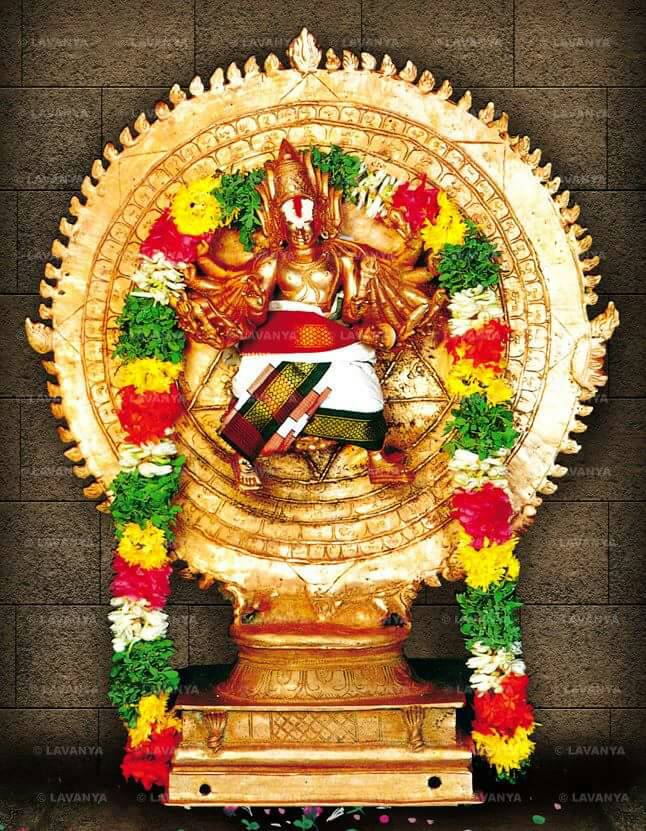
ACHARYAR DIVYA THIRUVADIGALEY SHARANAM

Prostrating at the holy feet of acharyars, azhwars and Divya Dampadhigal, Adiyen makes an attempt in penning down our recent “SRI RAMA ANU YAATIRAI” experiences to share the same with all the Srihari devotees and bhagavatas and earnestly request devotees to forgive adiyens shortcomings

raama
Firstly ,Adiyen offers sincere obeisance’s and prostrate at the feet of Sri Velukudi Swamin and all the devotees who had inspired adiyen in taking this pilgrimage to the holy places where Lord spent HIS DIVINE pastimes . With Acharyans kripa, Adiyen made attempts in gathering information about the holy places scattered all around Northern India . The Internet was of a very good use in the form of Antaryami .Browsing with minute search words of the places related to Srimad Ramyana many great devotees of Lord Rama have already made their contributions in making fallen soul like me to get the information . Though Adiyen could get a fair idea about the location of these holy places by going thru their travelogues , was apprehensive whether It would be possible to visit the places at stretch . As the bhagavatas had gone in a conducted tour, their knowledge about how to reach the place was limited and was not sure whether local people would be able to identify these places .

IMG_20160330_195111

Adiyen surrendered to the lotus feet of LORD Sri Rama Bhaktha Hanuman and booked tickets 3 months in advance . On SriRama Navami Adiyen was fortunate to alight a silver idol of LORD SriSeeta Rama Lakshamana and hanuman vigraha after purificatory rites at temple and started worshipping Lord daily chanting Taraka mantra and performing Thirumanjanam ( Abhishekam ) to the deities along with NityaThiruvaraadhanai ( daily prayers ) . The prayers were simple .LORD we wish to have darsanam at all the holy places with satsang association and leave the phalam to your lotus feet .Kindly bless us to be there where the fragnance of LORD RAMA and the dust on which your lotus feet imprinted for us to roll on them .Our all compassionate LORD had already earmarked a devotee to guide us and the incident happened .

Vamanasram-biavatara sthal of Vamanan

During a darsanam at SriHanuman temple in Skandagiri , Adiyen happened to meet a devotee in Hyderabad , Sri Raghunathan Swamy, who participated in the Sri Rama Anu yaatirai conducted by Sri Velukudi Krishnan swami . He shared his experiences and showed the photographs he had taken. These photographs helped us immensely in identifying some temples. He also mentioned that being a conducted tour It was difficult to guide about the routes etc .However the photographs of the temples and the surroundins induced positive thinking that with HIS mercy the piligrimage will be a great success. Adiyen profusely thank him and other devotees who made this possible and shall remain deeply indebted to them forever.

Our SRI RAMA ANU YAATIRAI was fulfilled during the year 2010 . Adiyen undertook this yaatirai of having “ Sri Rama anubhavam” and sharing the bliss with many advanced devotees. In this yatra, adiyen had the bhagyam to be associated with many saints and devotees who shared their spiritual knowledge thus enhancing my desire to submit to LORD for whatever is there and will be there . Sri Rama is “Maryadha Purushothaman” full of virtuous qualities. Adiyen made an attempt in visiting the various places sanctified by Lord Sri Rama by association of which Adiyen attempts to follow Sri Rama atleast to some extent in this materialistic world.

wp-image--969801810

Keeping in view children’s academic requirements ,time constraint, we decided to undertake Sri Rama Anu Yaatirai into two phases- first phase covering North and Central India(Bala kandam, Ayodhya kandam, Aranya kandam, Uttara kandam) during summer and second phase covering South India (Kishkinda kandam, part of Yudha kandam) during Dasera holidays. Adiyen planned our journey by booking circular ticket with maximum 8 break journeys three months in advance. Our long distance journeys were by train. We stayed at the nearest town and hired car for visiting the surrounding holy places thus managed to have good darshan and spending time with devotees to know about the importance of the place . The interesting thing was somehow adiyen could locate a map which was done by Sri Ramananda sagar group who had given us the mega serial RAMAYANA which made billions of Indians SriRamabhaktas .Please check this map

image007
Our Train Route:-
Secunderabad-Kanpur-Ayodhya-Buxar-Hajipur-Sitamarhi-allahabad-Satna-Nagpur-Nasik-Secunderabad

Our first halt was at Kanpur Central as the train reached at at 1030 hours . Fortunately the status of our onward journey ticket from Kanpur to Ayodhya which was waitlisted since 3 months also got confirmed.( SRISITARAMA KRUPA) After quickly refreshing in the AC waiting room , hired a cab Wagon R for Rs.800/- (including petrol charges) to visit Bittoor and return to Kanpur.

valmiki as wayside robber
saptarishis bound by valmiki
transformed valmiki uttering mara
Narada praises Rama's qualities
sapta rishis at Valmiki rishi
krounja birds on the banks of river tamasa
valmiki cursing the hunter
valmiki writing RAmayana

We wanted to start our yatra by purifying ourselves in the sacred Tamasa River where Valmiki rishi cursed the hunter which became the introductory sloka of Ramayana and hence proceeded to Bittoor. Due to geographical changes, presently River Tamasa has dried up . Our journey was to begin by taking blessings of Sage Sri Valmkee who gave us the epic “SRIMADRAMAYANA” .
Check this map
image006
BITTOOR , NEAR KANPUR ” THE PLACE WHERE SRIMADRAMAYANA WAS WRITTEN BY SAGE VALMIKI “

We proceeded to ” BRAHMAVRAT THEERTH” , the most holy bathing spot in Bittoor. Legend says Brahma started creation starting from Swayambhu Manu at this place which is mentioned on a board. This place is also supposed to be the centre of the earth as per the priests conversation . River Ganges was in full flow at Brahmavrat theerth. After taking a holy dip we returned to Brahma mandir to offer prayers to the Creator who emerged from the Lotus navel of Perumal which is located on the main bank. Brahma’s footprints covered with copper plate are worshipped here . There are only 2 temples for Brahma-one is at Pushkar where the four faced Brahma seated in meditative posture is worshipped, the other temple is at Bittoor where his footprints are worshipped. We performed puja to Brahma’s toe offering incense and flowers . Later we proceeded to ” DHRUVA TEELA” driving past narrow and steep road with ups and downs for about 2 kms, we reached Dhruva Teela which is the birthplace of the child-devotee Dhruva. Dhruva meditated at this place by uttering Dwadasakshari mantram ”OM NAMO BHAGAVATE VASUDEVAYAH” as instructed by Sage Narada. ( The place where he mediated is at Mathura). The brave devotee did intense tapas controlling all his senses and attained Perumal’s grace within six months. He glorified Perumal with hymns known as “Dhruva Sthuthi” which enhances bhakti. The story of Dhruva is vividly mentioned in Srimad Bhagavatam, fourth canto. There is a small sannidhi for Dhruva and few saalagramams are worshipped there .

wp-1505094025084.

We visited the Jeeva Samadhi of a North Indian saint who chanted Taraka Mantram for 30 years continuously at this place. Was feeling the positive vibrations all over .The beauty of this place is the serene atmosphere and people who are kind .We now proceeded to ” LAVA-KUSHA JANMASTHAL ” This temple houses 3 shrines- In the centre is the sannidhi for Sita devi with her sons Lava and Kusha,; to its right is the actual place of birth of Lava and Kusha. Here the deities of Sita, Ramar,Lakshmana and Hanuman along with Lava and Kusha are worshipped. Opposite to this sannidhi, is Bandhey Hanuman’s sannidi. As Hanuman was “tied” by Lava and Kusha, he is thus known as Bandhey Hanuman
( In hindi )

Valmiki sannidhi at bittoor
brahmavrat theerth,bittoor
brahma's toe, bittoor
Aswamedha horse,Hanuman tied by Luv,Kush

Sita,Luv Kush sannidhi at bittoor
Sita's disappearance

We recited the introductory chapter in Ramayanam describing the origin of Valmiki Ramayanam and did kirtan of 108 Nama Ramayanam. All of us decided we will continously chant Taraka mantra and at the temples 108 Rama Namam .The Hanuman temple priest gave us kankanams which we tied around our wrists praying for successful completion of the yaatirai. With the support of other devotees we performed bhajan chanting Taraka mantra well received by the crowd . The place was electrified by chanting the HOLY NAME .. Adiyen prayed LORD to give us more oppurtunities to sing his HOLY NAME .Our next stop was at “VALMIKI ASHRAM” which is located besides the same temple . The priest was kind to speare some time narrating Sage Valmiki rishi’s story his life as a hunter and dacoit , amd how his life was transformed due to saptarishi’s grace, how he meditated on the Lord, how he composed Ramayanam and taught Lava and Kusha who spread its fame throughout. Adiyen could feel how the HOLY NAME RAMA changed a hunter .Prayed LORD to synchronise my breath with the HOLY NAME always ..JAI SITARAM..

image004
With a humble prayer to make us understand the deeper meanings of the great epic as expounded by our Azhwars and Purvacharyars, we left the place. Just opposite to this sannidhi is Sita Rasoi (sita devi’s kitchen) and nearby is Sita Paatal Pravesh(from where Goddess Sita disappeared into the the earth). A hollow place laid by 1m X 1m stone with Kusha grass grown near it is the spot from where Sitadevi disappeared . Lord Sri Rama tried to stop this act by holding her hair which has now grown as Kusha grass as per the priest . Ram Stupa( a pillar in which important slokas from Valmiki Ramayanam are inscribed in Hindi) is beside Paatal Pravesh sthal. To recapitulate Lava-Kusha’ prowess who tied the Aswamedha horse which was let loose freely and defeating Rama’s army including Hanuman, Bharata ,Shatruguna and Lakshmana , the temple authorities have built a mural with fountain in the middle in the garden adjacent to the temple. Having visited all the important places in Bittoor, we left the place around 1400 hours. We proceeded to Kanpur and enroute we could see ISKCON temple, Kanpur . We thought that it was Lord’s will to give us HIS darshan thus we were at HIS temple. The ever loving LORD arranged Prasad and having HIS RAJBHOG PRASHAD was ultimate .. JAI SITARAM ..

jai jai jai

This Ashram is located on Bittoor road and is exactly in the midway from Kanpur to Bittoor.. After partaking the prashad, the chief priest took us to “GOSHAALA”(cow shed) for GO DARSHAN .
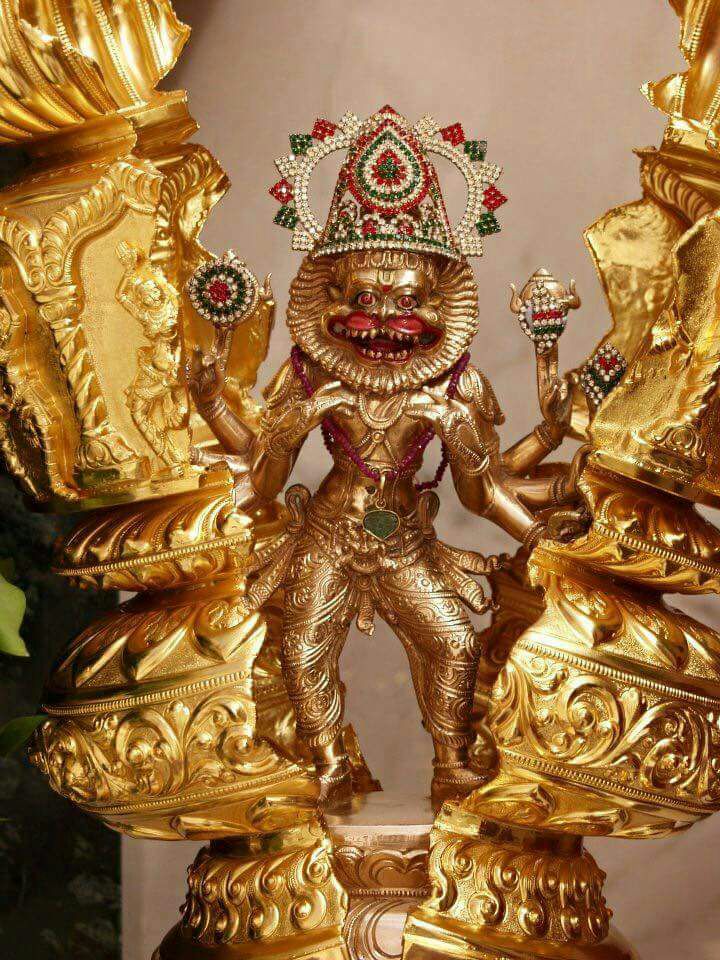
wp-image--941805219

We were surprised to find the priest addressing each cow by its name and enquiring affectionately. Adiyen was amazed to note the temple authorities compassion for cows . Prayed may all temples , ashrams , organisations adopt cows Several fans were provided in the cow sheds to provide some relief from the scorching heat to the cows and were bathed in cool waters periodically. The cow sheds are hygienically maintained –not a single housefly around.

jai sree ram

He demonstrated that a realized soul will not differentiate between jeevatma in humans and animals as he sees GOD EVERYWHERE. Remarkable indeed.Wonderful Organic farming was a feast to watch . Meantime, H.H.Sarvabhauma Swami, who used to give lectures on Star TV entered the temple and was about to start his discourse on Srimad Bhagavatam. WE were delighted to have his darshan as bhagavatas intervention is required for Bhagavan’s kataksham. The whole day , we were having only Bhagavatha sambhandham-having darshan of Brahmaji, Dhruva Maharaj, Hanuman, Sage Valmiki, and now H.H.Sarvabhouma Prabhu. Offering our pranaams , we introduced ourselves and shared our trip details .He blessed us holding our bead bag . When the temple curtains were drawn open ,we had darshan of the enchanting form of the presiding diety SRI RADHA-MADHAV . We were delighted to see the utsava murthis of Sri Rama,Sita,Lakshmana and Hanuman along with other regular utsava murthis of Radha-Krishna. We felt that Lord was giving darshan in both the forms as Rama and Krishna. This aarthi and kirtan was followed by Sarvabhauma Prabhu’s lecture on Srimad Bhagavatam. After having darshan of the Lordships to our heart’s content, we left the place resolving to revisit Bittoor and stay at ISKCON guest house. We reached Kanpur by 1800 hours and awaiting for our connecting train to Ayodhya.
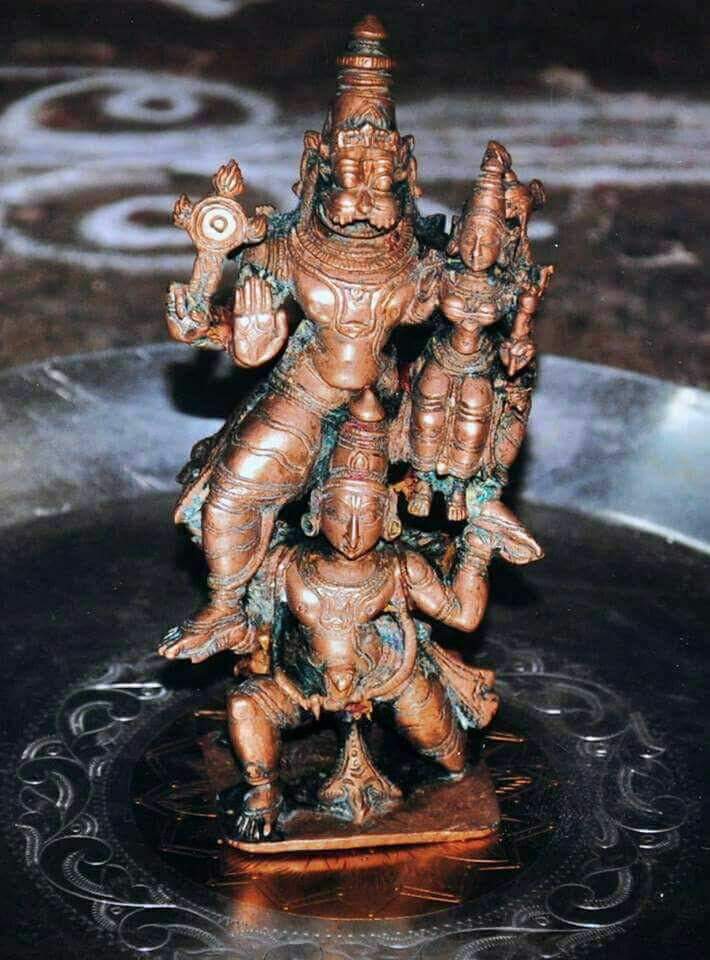
Bandhey Hanuman sannidi at bittoor
RAdha-Krishna dieties at ISKCON,Kanpur
Discourse by H.H.Sarvabhauma Swami at ISKCON, Kanpur

REACHING AYODHYA

It was the time to Board Sabarmati Exprss at 0015 hours (the train was late by 45 minutes. Reached Ayodhya at 0500 hours . We reached Ayodhya from Kanpur by Sabarmati express at 0500 hours on 09th May,2010. We were greeted by hordes of monkeys which kept us on check and vigilant. The little monkeys are mischievous and snatch away eatables from us. Ayodhya and Mathura are places we can see the monkeys in plenty . We checked in one of the AC rooms at Hotel Saket run by U.P.Tourism for Rs.650/-which is very near to station.(Tariff –for AC rooms-Rs.650/-; For air cooled rooms –Rs.350/-; for ordinary triple bed rooms-Rs.300/– As only AC rooms have inverter provision, it is preferable to go for the same as during power cuts which is very common, the fan works. With the help of the local receptionist, finalised a seven seater auto to visit all the holy places in and around Ayodhya for Rs.1,200/- . With a pair of clothes, we all moved at 0630AM to Gupthar Ghat for a holy dip .
image004
GUPTHAR GHAT

Adiyen wanted to start the yatra from Sri Ram Janma bhoomi, the birth place of LORD Sri Rama . But the auto driver opined that it would be crowded during morning hours and would take minimum 2 hours to have darshan. As we had to cover distant places within our planned time frame, he suggested us to visit Guptar Ghat, Nandigram, Purva Chakiya so that the remaining local temples can be visited in the evening till late in the night. Adiyen had to compromise on this. Instead of visiting the birth place, Adiyen started with the place of Lord Sri Rama’s disappearance . Driving past the military areas in Faizabad roads really grand , we reached Gupthar Ghat in half an hour’s time. River Saruyu also known as River Gargha who is considered as Sage Vasishta’s daughter was in full flow and calm.

JAI HANUMAN

The bathing ghats at River Saruyu are meaningfully constructed and are well maintained. After purifying ourselves in the sacred waters and offering morning oblations, Adiyen was engaged in routine morning rituals when a group of devotees headed by Sri Gomadam Swami of Sri Rangam reached the banks of Sarayu . Looking at us near the ghat, they chose to have bath in the same place. Sri Gomadam Swami , a descendant of Manavala maamunigal, was heading a group of about 100 devotees on a pilgrimage to Muktinath halted at Ayodhya for a day. Swami conducts package tours to divya desams and can be contacted on 09047090590. Swami was addressing the assembled devotees mentioning the importance of Gupthar Ghat in which Adiyen had the bhagyam to listen. When we approached Swami to pay our respects, he was delighted to know about our trip and blessed us. He said that it was due to the divine will of the Lord that we drove all the way from Ayodhya to have holy bath in Saruyu at this place because usually devotees have bath in Ayodhya itself . Citing Nammazhwar’s pasuram,”Karpaar Ramapiraaan…..”(Thiruvaimozhi 7-5-1). , the Swami mentioned about the greatness of Gupthar Ghat and appreciated us for having chosen this place for purifying ourselves.

Sri Gomadam Swami at Ayodhya

The Sarayu flowed beside the ancient city of Ayodhya, According to a sub-story within the Ramayana, the banks of the River Sarayu is also the place where King Dashratha accidentally killed Shravan Kumar.It is also called the only river flowing beneath the earth. Nearby there is a SriRamar temple where we installed our Tour dieties and offered dry fruits as neivedyam. We recited our daily parayanam of Sundara kaandam. Many devotees from the group joined us in singing ‘”108 Nama Ramayanam” and it was a memorable experience. We were invited to listen to Swami’s discourse on Srimad Ramayana in the evening. As we had to visit far off places, we skipped Gupt Harji and Chakra Harji temples near the ghat. On the way, had prasad and proceeded to Nandigram, the place from where the most adorable brother Sri Bharata ruled the kingdom on Lord Sri Rama’s behalf.
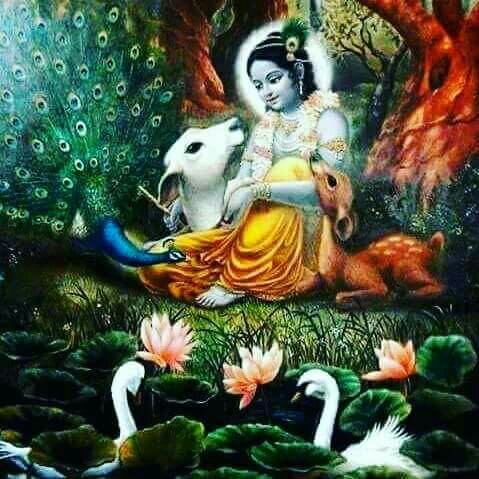
NANDIGRAM THE PLACE WHERE BHARATHJEE RULED AYODHYA FROM

Nandigram is situated 20 kms south east of Ayodhya and 16 kms from Guptar Ghat. We visited old Bharatha temple and new temple. In the old temple, there are separate shrines for Bharata, Hanuman, Bharat Gufa , Bharat-Hanuman milap mandir, , When we visited the old temple, Bharata was being glorified by recitation of verses from Tulasidasjees Ram Charitra Manas. The priest placed our Tour Perumal in the altar and offered prashad to the deities . We then entered a small cave , known as “Bharat Gufa” in the old temple premises. we stepped down about 5 steps and found a small vigraham of Bharatjee beside which Lord Rama’s padukas were placed. We proceeded to the new Bharat mandir located nearby. Abhishekam (Thirumanjanam-holy bath) was being performed to Bharatjee. This deity is bigger than the one in the old temple. An old priest , who is a disciple of Sri HathiRam Bhabha(the devotee who played dice with Lord Venkateswara in Tirumala) was performing abhishekam while adiyen had the opportunity to recite Pancha Sukthams.
IMG-20170324-WA0000


The priest showed us Lord Sri Rama paduka, rare salagrama murthis and Rama bhaktha Hanuman. Switching off the lights, he asked us to observe Sri Bharatar’s thiru mukham. We can see crescent on his forehead (calm and poised Bharata resembles Shiva in meditation). Likewise , Hanumanjes Rudra roopam during the lights are off and looks very calm and poised when there is light. Also, there is a mark on Hanuman’s knee caused by Bharata’s arrow when he wounded Hanuman. The priest allowed us to have darisanam of very old salagrama silas worshipped there . At Nandigram, Hanuman is known as “Lagey Hanuman”(one who was hurt).
Saalagrama murthis at Bharat sannidi,Nandigram
adiyen with priest at nandigram
Bharatan's thirumanjanam(holy bath)at new temple,nandigram

After having theertha prasadam, the priest took us to the ground floor in which “Bharat Milap mandir” is constructed. The deities of Bharata and Hanuman hugging each other was a feast to the eyes. We wondered at the dedication of the old priest in performing elaborate thirumanjanam to all the deities daily. He requested us to print some pamphlets in Telugu to be given to the visiting devotees . ( Adiyen took it as an opportunity to do SriRama kainkaryam and got around 2000 pamphlets printed and sent the same to Nandigram). We then visited Purva Chakiya. Adiyen was interested to know about Lords Sri Rama’s first day stay during exile at a place known as “Purva Chakiya” about 20 kms south of Ayodhya ( as per Srimad Ramayana ) but the exact location could not be known.

LOCATING TAMASA RIVER THE FIRST TIME LORD RAMA WENT WITH SAGE VISHWAMITRA

River Tamasa ,Purva Chakiya

Adiyen could not gather any other info because this place was not visited by Sri Rama anu yathirai Bhagavatas earlier. Even the local residents were not aware about the place. Luckily, to our surprsie, outside the temple, a person whom he introduced himself as resident and sells vyjanthee necklaces said that he knew the location and agreed to take us there. From Nandigram, there is a short cut to this place. Walking through the paddy fields through a narrow pathway for about 7 minutes, we reached the spot. A stone is laid in remembrance of Sri Rama’s stay on the banks of Tamasa. There is no temple. River Tamasa has almost dried up . it is only like a small stream. Vehicles cannot go to that place. Anyway, the adventure was worth it. The auto driver was surprised to know about this place as he was not aware of it. Jai Sitaraam We thanked the guide profusely, bought 2 Vyjayanthi maalas which he was selling and paying some money for his help and left the place with the contentment that it was Sri Anjaneyar who guided us.

wp-image--425942921

We visited Bharat Kund, the place where Bharata used to have bath during his stay at Nandigram. Bharata felt so embarassed of himself to face the citizens as he felt responsible for Sri Rama’s troubles and used to have bath in Saruyu even before sunrise to avoid contact with the citizens. The pond was full of innumerable fully blossomed lotus flowers. The places and the people living there were very kind . We visited the nearby Bharat Ram milap mandir. The temple was closed. Here, Sri Rama, Lakshmana,Bharata and Shatruguna shaved off their jada-mudi after 14 years, changed their ascetic costumes and dressed in royal costumes reached Ayodhya along with their elders and friends. Sri Rama seated in the royal chariot along with Sita Devi and flanked by Lakshmana and Shatruguna while Bharata along with Sumantara drove the chariot reached Ayodhya. The countless vanaras assumed human forms and headed by Sugriva and Hanuman along with Vibhishana reached Ayodhya for Sri Rama’s coronation.This picture was immersed in our hearts.

meeting+of+Bharat+and+Hanuman
Bharat Kund,Nandigram
Ammaji Mandir
adiyen+at+Guptar+ghat
Further we went to Bharata’s garden nearby saying that Bharata used to do meditate at this place. Nearby there is a well where 27 kinds of theerthas from holy rivers are present. The priest who was present there, drew some water and asked us to drink it citing its significance (it removes malefic effects). Enthusiastically we Collected the water to share it with everyone. After relaxing for about 2 hours, we resumed our journey at 4 P.M.

ON THE WAY TO SRIRAMAJANMABHOOMI AT AYODHYA

Hanumar near Guptar Ghat
Due to security reasons, the auto stopped near Birla Dharmashaala , about 2 kms to Sri Ram Janma bhoomi. The entire area of 2 kms is surrounded by six check posts with security and fencing all around. On the way, we visited the site of Putra Kameshti yaagam . As we had visited this place during our previous trip, we gave a skip . Ram Janma Bhoomi area is still in ruins and is highly protected by army, security and monkeys. Compared to our last visit, we found that security has been tightened manifold due to increase in terrosits activities . We were informed that 3 years ago, few anti-social elements entered the city with grenades but the monkeys who are ever alert in Ayodhya spoiled their attempts. We were frisked at 6 places. We cannot carry anything except money purse which is also checked. Mobiles and camera are strictly prohibited. Not even offerings!!! The only offering that we can take along is “OUR HEART”.

rain

Adiyen was stopped by security for carrying my japa maala bag with me. After convincing the security, I entered with the bag but the kumkum packet which was in the bag, was removed. I prayed to Lord that I wanted to have HIS darshan with the bead bag as I had placed the worshipping ( TOUR PERUMAL )deities also in the bag along with my chanting beads Seeing my attire and continuous chanting, I was let in. Lord was kind to see this fallen soul enter with my own dictums .( I just said LORD the chanting beads have been a part of my journey with YOU and do you want them to be away .In fact I still presume that it was the deities and the japa malai made me enter to HIS place . The monkeys were staring at my bead bag ,probably they mistook it to be some eatable. Passing through the strong fencing, we finally reached the place. We could have darshan of the small deities of Sita , Rama along with Lakshmana and Hanuman from about 100 metres and not even supposed to stand for long. After having theertha prasadam, we left the place immediately. It was pathetic to see the birth place of the Supreme Lord in that condition and prayed that a wonderful temple happen soon in Ayodhya far away from any politics . Another interesting incident noted was on our way to darshan, we saw a holy cow doing pradakshinam (going about in circular path), near the fencing lifting its head facing the temple and continuing to do the rounds. One of the security persons pointed towards the cow and informed that every day the cow does 108 parikramas , lifts its head when it faces the shrine of the Lord and continues with the rounds. It has been doing this daily thrice for the past 8 years. This person keeps track of the parikramas by counting in a book and how the cow stops after 108 is amazing. All were attracted to this miracle and many devotees were staring at the holy cow . (While referring to this incident in Chitrakoot, our guide informed that in Chitrakut too, there is a cow which does parikrama round Kamadgiri hill continuously for 22 hours daily for the past 10 years).Jai SREERAM

                                             ON THE WAY TO RIVER SARAYU

Ganges at Ram Rekha Ghat,Buxar

It took more than one hour for us to return. We drove to Ram Ghat , Sri Rama’s bathing spot in River Saruyu which is about 1 km from RamJanma bhoomi. After completing prokshanam and sandhya vandanam , offered lamp and flowers to Saruyu river as evening aarthi was going on and left the place. As it was getting late for attending the discourse (kalakshepam) , we did manasika oblations to Lakshman Ghat, the bathing spot of Lakshmana which is near Ram Ghat. We proceeded to Kanak Bhavan, the palace of Sita-Ramar. There are 3 murthis of Sita-Ramar. As the sanctum is decorated with gold, it is known as “Kanak” bhavan. The place from where Sri Rama left for forest is marked by marble footprints. Circumbulated it and went to Hanuman Gaddi, a famous temple for Hanuman in Ayodhya. This temple is situated on a hillock .

wp-1504276528018.

There are about 79 steps to reach the temple. The driver dropped us at Manas Bhavan where Sri Gomadam Swami( whom we met in the morning at Gupthar Ghat was giving kalakshepam on Srimad Ramayanam. The discourse lasted for about 2 hours after which we left at 10 P.M. On day 3, we checked out at 08.30 A.M. to board Mathura-Patna Express to reach Buxar the place where the demon Tataka was creating trouble for the saints . The scheduled arrival of the train was 0912 hours but as usual was late by more than one hour. Reached Buxar finally at 1800 hours. The entire day was spent in traveling. We visited Rama Rekha Ghat on the banks of Ganges at Buxar in the evening and offered prayers to the holy river after purification.

BUXAR THE PLACE WHERE VISHWAMITRA CONDUCTED YAAGA WITH LORD RAMA PROTECTING THE AREA FROM DEMONS
Buxar is a typical small town under developed town in Bihar . The moment “Buxar” is mentioned, we remember “Battle of Buxar” but even prior to this , it had historical importance as this was known as “Tataka Vanam”. Staying in Bihar and visiting the temples was the most challenging part of our journey as we didn’t have any information about these places. We were not even sure whether the locals would be able to help us out. As we had to spend nearly three days in Bihar, was totally perplexed about the stay facilities. Tensed because of the wayside robberies, and worst roads which was common Adiyen was worried . We remembered traveling through worst roads in 2006.

Vedashira Muni

While working on our program, it was told Hajipur is near Patna and thought it safe to stay in the State capital and access the holy places. So, Adiyen contacted ISKCON Patna for booking an accommodation for us and during my conversation, informed about our tour requesting to provide some info about Buxar. The polite Prabhu referred a devotee’s name in Buxar who contacted us immediately. It was sudden when I got a call from Buxar. The person introduced himself as Anil Kumar, an ISKCON devotee and was referring to his close association with our Hyderabad DGP and some politicians. He assured that he would take care of all arrangements like accommodation and arranging vehicle and asked us to contact him as soon as we reach Buxar. Thanked him profusely . This incident renewed our tremendous faith in the Lord who is ever protective.
JAI SREE RAM…..

as177

Elders say that if we put one foot towards Lord, HE puts forth 100 steps to rescue us. This has been proved in our case many times. Ultimately FAITH matters a lot . Also, our experience at Sitamarhi is the most memorable one which Adiyen would like to share later . We reached Buxar around 1800 hours as the train was about 2 hours late which is very common in Bihar . Mr.Anil Kumar had booked an accommodation at Hotel Gitanjali which is located behind Platform no. 1 in a narrow lane. There is a way out from the place where we got down. But as we didn’t know, we came out of the station and went walking thru the narrow lane to the hotel.

wp-1482673511907.jpg

The hotel owner greeted us warmly when we referred Sri.Anil kumar’s name and provided us with a double bedded non-AC room for Rs.200/-. Strangely we have not seen Mr Anil kumar but the hospitality in a unknown place among strangers infused tremendous faith in LORD for coming days . This was supposed to be the best room in the hotel. On enquiry, we learnt that none of the hotels have either AC or air cooler as there is no power for atleast 20 hours a day. Luckily, the hotel had generator and inverter which didn’t make much of a difference. It was the worst part of our journey with mosquitoes , no power, fan running at the lowest speed , sweltering heat and added to this was the noise from railway station. The day’s temperature was recorded at 48˚ c . As this was the best hotel in the city we had no option . On enquiring about the holy dhaam Kamasram, no one knew about this place. Hence , Adiyen had to mention Balliya (I learnt that Kamasram is in Balliya district). They informed me that share autos would be available to go to Balliya and it would take about an hour to reach. As there are no street lights and as it was getting dark, they suggested me to avoid going there in the evening and was thankful for not adventuring at that time.

TATAKA VANAM THE PLACE WHERE LORD RAMA KILLED TATAKA THE DEMONESS

bath at Ganges,Buxar

Adiyen and family hired 2 rickshaws to go to the banks of Ganges and spend the evening leisurely. We paid Rs.20/- for each rickshaw . Ganges is about 1.5 kms from station. When we went there, evening aarthi was going on. The place was not clean enough to have bath. So we just sprinkled some water and participated in the aarthi. We learnt that Tataka Vanam , locally known as “TADKA” is about a kilometer from this place. As it was dark, we decided to go in the morning. Meanwhile, we tried to contact Sri.Anil Kumar for arranging AC vehicle for the next day to visit places in Buxar-Kamasram- Chapra- Sonepur-Hajipur-Patna as we wanted to leave early in the morning but could not get network.

wp-1487343693656.jpg

We waited upto 8 A.M. the next morning and as there was no response from Mr.Anil, we requested the hotel owner to help us out. He immediately arranged a Cab , Bolero for Rs.3,000/- to visit the above places and drop us at ISKCON, Patna. Adiyen was trying to gather info about the route to visit the places connected to Sri Rama from the hotel owner. He too didn’t know much about it. While waiting at the reception, a gentleman named Shri.Punit Kumar Singh passed by the hotel. The hotel owner immediately called him and spoke to him in Bihari about the places which we wanted to visit. He immediately started telling the location of the places and when requested , he gladly consented to accompany us.. Once again thanked LORD for this timely intervention by a devotee.

JAI SREE SITARAM

raam


During my interatction with him, we learnt that this devotee is the distributor for Bisleri water in Buxar. He can be contacted on 09939816488 for any help. First, he took us to Vedashira Ashram. We had darshan of a mural of Maharishi Vedashira and prayed him to make us visit all the places connected to Sri Rama. The inmates were very cordial and informed how Sri Rama protected the seven days yagnam conducted by Sage Viswamitra. We took theertha prasadam . They offered us to have lunch in their ashram. They were referring to a particular dish which Sri Rama had and wanted us to taste the same. The ashram also provides accommodation to devotees who visit Buxar. They have around 2-3 rooms where the devotees can stay. Adiyen felt that this is a better option rather than staying in a hotel because we can have satsang of these humble devotees. The love for Sri Rama bound us together. Their hospitality was indescribable. Their address is:-

Shri Shyam Narayan Patak
Vedashira Ashram, Buxar
Mobile no. 09006461415

Adiyen with devotees at Vedashira ashram

Later he accompanied us to Siddhasramam which is located about 3 kms from railway station. This is inside central jail, the only one of its kind in Bihar. We didn’t have any problem in getting inside. Siddhasramam is the place where Lord took avatar as “Vamana murthy” . We expected to see the Lord as Vamanamurthy(We had in my mind the gigantic Trivikrama Perumal and Vamanamurthy as seen in Seerkazhi and other southIndia temples )and imagined to see one such idol but found a small Shiva linga . The priest endorsed the sthalapuranam that it was the birth place of Vamana murthy . Amidst the beautiful surroundings , prayed LORD for more satsangh .

Vamanasram-biavatara sthal of Vamanan

SOUTH INDIAN TEMPLE VAIKUNTANATHAR KOVIL NEAR BUXAR

aidyen with tamil priest at Vaikuntanatha Perumal kovil, Buxar
Later we proceeded to VAIKUNTANATHAR KOVIL .This South Indian temple , popularly known as “Nuv Lakh mandir”was constructed some 30 years ago by a Marwadi family who presently reside in Mumbai. There are shrines for Perumal, Thayar, Andal,Azhwars and Acharyars. A young preist placed our TOUR PERUMAL in the sannidhi and after archanai and neivedyam returned to us with some Tulasi leaves. While we were enquiring about the temple, an elderly person who is the incharge of the temple met us. He was kind enough to offer pongal and nellikaay thogaiyal(amla thogaiyal) on this auspicious Dwadasi . During our conversation, we learnt that he hails from Srirangam . This temple can be approached for accommodation and food arrangements . Later , Tridandi Jeeyar Temple which is at a walkable distance from Vaikuntanathar temple. A Vaishnavite who was a great Rama bhakta, took jeeva Samadhi at this place. We had darshan of the saint through grilled doors. LAKSHMI NARAYANAN MANDIR temple is beside Jeeyar Samadhi. sri Ram Charitra Manas was being recited by a priest. We requested him to place our Sri Ramar vigraham and offer neivedyam to our Lordships. He glorified Sri Rama’s pastimes and was happy to hear about our trip. After taking his blessings, we left for Ram Rekha ghat.

Bharat Kund,Nandigram

Leaving Kamasram, Sri Rama reached Tataka vanam after crossing Ganges at this place. Hence it is known as “Ram Rekha ghat”- the most important ghat in Buxar. On the way to Ghat, he took us to 2 temples situated opposite to each other. In one temple , there are many forms of Shiva linga and akanda Sri Rama japam is being chanted here. Opposite to this is Rameswar Mandir Sri Rama offering puja to Shiva and Sri Rama’s paadukas carved in marble are worshipped. Water cans and puja materials are sold on the way to the ghat.
ref given about Srirama's stay at Kamasram
Kamasramam, near Balliya
Vamanasramam, Buxar
Thanking him profusely who spent more than three hours showing us all the temples, we proceeded to Kamasram. Mr.Punit gave the necessary instructions to the driver and left . The driver somehow forgot to take us to Tadka which is about one kilometer from Ram Rekha Ghat and proceeded to Kamashram. Later when we questioned him for not taking us to Tadka, he reasoned that some maintenance work was going on there which we simply had to believe. Offered obesiances to the holy dham we proceeded . No one in the town at Buxar could exactly tell us the location of this place. Zeroing that the place has to be in Baliya district attempted to mine the info further speaking in delicate hindi ,asked the driver to take us to Balliya which is about 35-40 kms from Buxar.

DARSHAN AT BHRIGUMUNI ASHRAM AND KAMASHRAM

Bharadwaja Muni ashram, Allahabad

He stopped at BRIGHU MUNI ASHRAM which is situated near the police chowk claiming this to be Kamashram. Luckily, Adiyen’s wife remembered the photo taken by Sri Raghunathan at Kamashram and was sure that this was not the place. The arch was clear in her memory and the place seemed to be big.. Arguing with the driver that this was not the place, Adiyen decided to go inside the temple and find out the details. The important sannidhi is that of Bhrigu muni’s. A priest extolled the greatness of Brhigu rishi-how he tested the Trinities, etc . adding that Lord Sri Rama visited this place while he was guarding Viswamitra’s yagnam(Rama guarded 5 yojanas on all sides ) in Siddhasram. This is mentioned in Valmiki Ramayanam too. Thanking Sri Brigu Muni for gracing us we moved to locate Kamasram though the head priest was not able to help us out in locating Kamasram We were disappointed and confused and decided to leave the place convincing that we could atleast place ourselves in the place visited by LORD Rama. But Adiyen’s wife was determined to find out the location . We were worn out , dejected, verge on losing our patience due to hunger and the peak summer . Luckily we came across an elderly pundit who knew about the place. We were excited when he mentioned about the arch and were convinced that this was the place which we saw in the photograph adding that we had come far about 20 kms.

We requested him to give driving directions to the driver. Initially, the driver was reluctant to go back as it would cost him extra 40 kms but finally consented to take us to the temple. The priest informed that we should ask for “KARON village near “CHITPADA GAON” and take the immediate right turn after crossing the bridge if we come from Buxar. It is about 36 kms from Buxar. Finally we reached the temple around 1 P,M. Yes, it was indeed worth driving. A big arch displaying “Kameshwar dham ” welcomed us. Near the arch, is a small Hanuman temple. After about 3 minutes drive, we reached this temple . There were many devotees in the temple premises but the main shrine of Shiva was closed. A devotee pointed out to a tree in front of the sannidhi with dark marks on the trunk. He referred to the incident of Siva burning Manmatha and said that these were the marks which fell on the tree as Manmatha stood at that place. We had to satisfy ourselves with the lovely photographs displayed on the outer walls of the temple-photo showing Sri Rama and Lakshmana pressing Viswamitra’s feet is still vivid in our memory.

JAI SREE SITARAMA

wp-1490531004533.jpg

From Kamasram, we drove for about two hours and reached Ahroli. There is very small sannidhi houses the marble sculpture of Ahalya offering obeisances to Sri Rama while Lakshmana and Sage Viswamitra look upon. After offering Praams , we drove to Gautamasthan located in Chapra district near Rewalkunj . This is easily identifiable. The temple was closed but we could have darshan of Sita-Ramar in the main sannidhi through the grill gate. Opposite to this sannidi is the sannidhi for Hanumar near which there is Sree Ram Paduka. On the right side, we had darshan of Gautama rishi, Ahalya, Sadanandar, Anjana Devi. The confluence of Saruyu with Ganges is located nearby. As it was summer, the river had dried up and now it was about 2 kms from this temple. Due to time constraint, we didn’t visit the place and looking at the direction , offered our obeisances from the temple itself .

JAI SREE SITARAM

IMG_20170531_172357

Driving past Chapra, we reached Sonepur in the evening . Compared to other places we visited, Sonepur seemed to be a bigger town . On reaching, we enquired the location of Harharnath temple. Our driver didn’t know the location. We followed the directions and reached the temple at 7 P.M. This temple is dedicated to Shiva. Had darshan of the deities. In the temple premises, in a mantapam, we found Gajendra Moksham beautifully depicted. There are many shops on either side of the lane leading to the temple. As it was dark, we did not see the confluence of River Sona with Ganges which is about half a kilometer from the temple. The famous Sonepur Mela where cattle is traded takes place at this place. Manasika Aradhanai was done and reached Hajipur at 8 P.M.

.facebook_1495543825704

As it was not possible to go to Ram Chauda at that time, we proceeded to Patna. As it was late, we decided to visit Ram Chauda at Hajipur the next morning. Hajipur is about 6 kms from Sonepur. Patna is about 15 kms from Hajipur. Some trains which do not touch Patna pass through Hajipur. Hajipur and Patna are on either sides of Ganges. Mahatma Gandhi Sethu, one of the longest bridges is about 11 kms connects these two places. Ganga can be seen in full flow at this place. Our car rolled slowly due to the heavy traffic near Hajipur station upto Mahatma Gandhi Sethu. After paying the toll tax at the entrance of the bridge, we continued our drive It is common for a chain of vehicles to wait for clearance at the check post.

IMG_20170529_075020

ISKCON is located about 3 kms from Patna railway station on the main road. Situated on a vast area of land, a new temple for Krishna is under construction. Presently there are about 25 rooms in the guest house. The rent for AC room is Rs,500/- per day.
image059

Lordships at ISKCON, Allahabad
It was 10.30 P.M. when we reached the guest house . So, prashad was not available. After settling the driver’s bill, we checked into one of the AC rooms. (We expected the driver to charge us for the extra mileage we traveled for going to Kamasram but looked like he adjusted it for Hajipur visit) We were totally exhausted and doubtful about stay facilities in Sitamarhi. We came to a stage where we wanted to cancel our Sitamarhi trip and proceed straight to Allahabad but Lord had other plans. Surrending to the Lord to help us accomplish our trip, we retired for the night.

REACHING PATNA/ HAJIPUR AND LEAVING TO SITAMARHI

As we had drived a long distance we decided to take a break and spend time with ISKCON devotees in the morning with HARINAAM sankirtan and the rest of the day was spent in traveling. Adiyen had the chance to meet a devotee Sri.Nagamani Prabhu who hailed from Darbhanga and knew Sitamarhi and other places very well. He is the program coordinator for the North eastern region of ISKCON. We expressed our doubts regarding our night stay at Sitamarhi as our train ,Lichavi express would reach at 10.30 P.M. The devotee was too kind and he immediately called up Sitamarhi M.L.A. to make all arrangements. The MLA who was not in town helped us with phone number of Hotel Aashirvad, a decent hotel. Mr.Nagamani Dasa immediately spoke to Hotel Aashirvad and booked a room for us and also made vehicle arrangement for us to go to Janakpur next day. He said that hire charges for vehicle would be app. 7000. He drew a rough sketch and explained about the important places in and around Sitamarhi.

aq123

• Sitamarhi- the birth place of Sitadevi. This is located in the bazaar about 3 kms from railway station
• Punouda- also considered as the brith place of sitadevi- on the way to Pant Pakar
• Pant Pakar- where Sita Ramar on her journey to Ayodhya stayed for a night –between Janakpur and Sitamarhi
• Janakpur- where Sita Ramar got married
• Dhanusha- where Sri Rama broke Shivadhanush- this is about 30 kms from Janakpur
• Madhubani- where Viswamitra stayed with Sri Rama and Lakshmana before entering Janakpur and the place where Sitadevi happened to cast HER glance on Sri Rama. This place is not on Sitamarhi-Janakpur route. One needs to reach this place from Darbhanga.

• Kamtaul –the actual place where Ahalya was redeemed from curse It is clearly mentined in Valmiki Ramayanam that before entering Janakpur, Sri Rama redeemed Ahalya from curse. Viswamitra introduces Sri Rama to King Janaka in the presence of Sadananda, son of Gautama rishi and Ahalya that HE had just redeemed his mother’s curse and his parents were united. This place is enroute to Sitamarhi from Darbhanga. One needs to take a local train from Darbhanga to Kamtaul from where share autos are available to Ahalya’s temple. Kamtaul to Sitamarhi is about 40 kms. In Bihar, speed of vehicles is only 20 kms per hour only.

It is best to travel by road from Patna to Sitamarhi via Darbhanga visiting Kamtaul and Madhubani enroute, reach Sitamarhi, proceed to Punouda, return to Sitamarhi and stay overnight. Next day visit Janakpur and return to Sitamarhi via Pant Pakar. Only one express train goes to Sitamarhi and it takes a longer route. This is being penned with our experience for devotees to plan accordingly when they visit these holy places .

We knew about Madhubani and Kamtaul but as Swamin did not visit these places, we did not want to venture on our own and hence skipped these places. After our visit to Sitamarhi, we are now confident that we can visit all the above mentioned places without any trouble. We thanked him profusely. Confident that everything would be taken care of, we participated in Srungar Aarthi followed by discourse on Srimad Bhagavatam in ISKCON temple.

c

After partaking prashad, we tried to enquire about Ram Chauda and as no one was able to give correct information, we gave a skip to it. Relaxed in the room itself. Mr.Nagamani Prabhu had arranged for a cab for us to go to Patna railway station from ISKCON for Rs.600/-. He suggested to leave early because of the common traffic jam on M.G.Sethu bridge which would last for 2 hours or so. We once again thanked him for all his kindly help and left at 1 P.M. Luckily there was no traffic jam and within an hour we reached Patna station. The scheduled arrival of our train Lichhavi Express was at 1558 hours but was late by 6 hours. Shri.Nagamani Prabhu was in constant touch with us till we left Hajipur and we remain grateful to him for boosting up our spirits.

rraammaa

We could not bear the heat wave and the noise around. So, we requested an attendant in the Station Master’s office to allow us to sit in his AC room and he obliged as there is no separate waiting room for AC passengers. The station master suggested us to go by bus to Sitamarhi as he was not sure whether the train would arrive at 10P.M. It takes about 4 hours to go to Sitamarhi from Patna by road whereas it takes about 6 hours to go by train. The railway authorities explained that from Darbhanga, the train has to take a round about route as there is no proper track to Sitamarhi. Whoever visited the room advised very casually not to wait for the train . They were telling that sometimes the train would not proceed to Sitamarhi. Lichavi Express is one of the most unpredictable trains in India. It always runs late. AS the sun was scorching, we didn’t venture out to have either lunch or supper and had to satisfy ourselves with fruits and juice.

IMG-20170412-WA0000

There is a straight road from Darbhanga to Sitamarhi but we were afraid to go by bus because of the bumpy roads and overloaded buses where passengers travel on top of the buses with luggage. Hence ,decided to stay back in the station and waited patiently for the train to arrive chanting LORDs holy names . The advantage was if the train was late, we would be reaching Sitamarhi in the morning and thus avoid night stay . Whenever we enquired about the train’s arrival, we used to get reply as “PATHA NAHI.”(DON’T KNOW) We were on the verge of frustration and finally after 8 hours of wait, the train reached at 11 P.M. We were the only passengers in the Second A.C. coach and had fear in traveling alone. However the coach attendant was kind enough and asked us to relax saying that the train may reach Sitamarhi at 6 A.M. and that he would wake us up. The train halts for more than one hour at Darbhanga for a Engine change over . It takes round about turn to reach Sitamarhi. Unfortunately, Lichavi Express is the only long distance express train to Sitamarhi, the rest being passengers bound to Darbhanga and nearby places. However, the train reached at 03.30 A.M.

aara


The same train leaves for New Delhi after 2 hours. The scheduled departure from Sitamarhi is 2340 hours but was expected to leave at 06.00 A.M.Even the T.T. was taken by surprise as it took only 5 hours to reach Sitamarhi. We were awaiting further surprises . While conversing with the TTE, we informed him about our accomodation at Hotel Aashirvad and wanted to know whether any vehicle would be available to go to the hotel. He replied that though it was about 2 kms from the station it was not advisable to make an attempt to leave out of the station and suggested that we could as well stay in the AC waiting room and not unnecessarily waste money for hotel accommodation. He said that the money could be used for paying Border tax etc. He personally spoke to the Station Master and gave us the keys. Locking ourselves inside the comfortable and well maintained waiting room , we relaxed for about two hours. We guessed it was Lord Sri Rama bhaktha Hanuman who had once again come to our rescue in the form of TTE.

MOST MEMORABLE DAY AT SITAMARHI, THE APPEARANCE PLACE OF MOTHER SITA ,JANAKPUR

When Hotel Aashirvad was contacted for the vehicle but there was no proper response as the Manager was not available. And the net work was not activating . Allowing my family to get ready, Adiyen went outside the station casually to get some milk for my children. Sitamarhi is a sleepy village in the border of Nepal . With a perplexed mind, Adiyen didn’t know what to do. Spotted a Sri Rama Bhaktha Hanuman temple just opposite to Railway station where Abhishekam was performed to the Moola Virat. Adiyen went inside the temple and prayed Lord to help us . In the temple, one of the sadhus gestured me to come near him. When I informed him that I have undertaken”SRI RAMA ANU YATIRAI” visiting places visited by Sri Rama, he was happy and blessed me. He said “DON’T WORRY… I WILL TAKE CARE” The words which he uttered was more like an “assurance” to me.


He instructed one of his followers to take me to Mr.Sunil,a travel agent’s house and instruct him to do the needful . We were welcomed by him warmly . This person told him that Hanumanji Maharaj has asked him to arrange a vehicle for us to go to Janakpur to visit the important places and also visit temples at Sitamrhi instructing him to charge a nominal amount. The moment he referrd Hanumanji Bhabha’s s name, he greeted us reverentially and offered tea. As he had regard for that siddha purush , Mr,Sunil didn’t want to make any profit from the trip and charged a very nominal amount of Rs.2,100/-.(I remembered the station master at Sitamarhi telling me that the vehicle hire charges would be app. Rs.7,000/- plus border permit charges). I was thrilled , went back to the temple and thanked the sadhu. The person who accompanied me said that the sadhu will be in mounam(Silence) till aarthi is given to Hanuman.
image060

image063

Excited about Lord’s arrangements, Adiyen returned to the waiting room enthusiastically and got ready for our trip. My wife had just completed recitation of Sundara kandam and was confident that Lord would guide us. Her faith was endorsed by my words. We reached the temple by 0715. Participated in the aarthi and offered fruits which we had bought for Lord Hanuman and for the sadhus . Thanked LORD profusely for this. Mr.Sunil himself came with Bolero and the sadhu instructed him to take us to Dhanusha ( The holy dham where LORD broke the Siva Dhanush ) also. (Adiyen remembered Nagamani Prabhu telling us that it may not be possible to visit Dhanusha and return to Sitamarhi in the same day.) Mr.Sunil suggested us to go to Janakpur first and then visit the local temples in Sitamarhi because the Indo-Nepal border closes at 5 P.M. As we wanted to visit Dhanusha also, he asked us to hurry up. .

Sitamarhi is the last town in this side of Bihar near Nepal border. The Indo-Nepal border at Bithamode is about 60 kms from Sitamarhi. Janakpur is 25 kms from the border. We fuelled the vehicle for Rs.800/- and after driving for about 2 hours on the sandy roads , reached the border by paying Rs.300/- as border permit charges . Getting permission to cross the border for Indians is easy. (WE remembered crossing Indo-Nepal border at three places in three different instances- in 2006 we went from Gorakhpur when we visited Salagramam(Muktinath), in 2008, we crossed the border from Gangtok, and now it was through Bithamode near Sitamarhi) . The border on the Nepal side is Maliwada.

MEMORABLE DARSHAN AT JANAKPUR AND SITAMARHI

image067

After about 45 minutes drive, we reached Janakpur temple. JANAKI TEMPLE temple is 100 year old built by a Rajasthani devotee . This was our second visit to this temple. In the main garbagriham, there are three sets of Sita-Ramar deities Adiyen requested the priest to place our TOUR PERUMAL deities in the garbagriham and recited selected sargams relating to Seetha’s ancestors, Swayamvaram, Sita-Ramar kalyanam etc. After completion of recitation, the priest handed over our idol along with theertham and prasadam. Circumbulated the temple and visited Sri Janaka’s sannidhi where there are idols of Janaka’s family- 4 daughters and sons-in-law and various saalagrama shilas. Beside this, there is another sannidhi in which about 1.25 lakh saalagrama shilas are worshipped daily. Everyday, thirumanjanam is performed to all the shilas. We had the bhaagyam to have darshan of more than a lakh of salagrama shilas…… Participated in the Akhanda Rama naamam which is recited round the clock. KALYANA MANDAPAM is situated outside the main temple. Entered the premises after paying a nominal amount of Rs.2/- towards entrance fee. Nothing had changed since our last visit. Had darshan of Sree Sita-Ramar in the centre in Kalyana Thirukolam. The divine marriage of Sri Ramar with Sitadevi took place here in the presence of their parents while Sage Vasishta, Viswamitra and Sage Sadanandar officiate the wedding.Urmila-Lakshmana, Mandavi-Bharata and Srutakeerthi-Shatrugunan in Kalyana Thirukolam are also seen.
Ramar sannidhi at Kamadgiri

Recited Sita Kalyana sargam from Ramayanam. Keeping Sita Devi as Purushakaaram to recommend us to Perumal, we prayed for Rama bhakti and successful completion of our yaatirai. With a prayer to Sita Piratti to recommend for Perumal’s grace by forgiving and overlooking all our faults, we circumbulated the temple and offered namaskarams to the individual sannidhis built on all the four sides of the Kalyana Mantapam. It was noon and bhog was being offered to the deities . So, we had to leave hastily. Nearby we went to RAM MANDIR in the proximity of Janaki Mandir though not as big as Janaki Mandir, this is deemed as the oldest temple in Janakpur. In the garbagriham, there are 3 unique shilas. In one shila, Sri Rama is carved out with Sita sitting on HIS lap,Lakshmana by Sri Rama’s side, Bharata and shatruguna near Sri rAma’s feet. This is the very rare shila and ancient . Another shila has Lakshmi and Narayanan together and the third shila is that of King Janaka’s. A Nepali monk offered us theertha prasadam. Thanking LORD profusely we proceeded to Dhanusha another 30 km interior .

image064

DHANUSHA THE PLACE WHERE THE SIVADHANUSH WAS LIFTED BY LORD RAMA

image068

image070

40 minutes drive past Janakpur, we reached this village located in a serene place. The entire temple area is covered by a shed. Presently, this particular piece of Dhanush is about 30 feet in length and is growing in size. There is a peepul tree at that place and the dhanush emerging from the earth is found to be growing length-wise.. For the materialistic person it looks like a rocky one. We were amazed when we read this information written on the display board stating that every two years when they measure the length, they find an increase in size by 2 cms. A resident of that place said that when there was famine or some crisis, it is customary for them to pour huge quantities of milk at this place and offer puja to the Dhanush. When the milk overflows, the devotees are ensured that their problems would be solved. Especially when there is no rain, the devotees pour milk and when it starts overflowing, they would be blessed with rains. There is no separate sannidhi for the Lord. Having visited all the important places in Janakpur, we started on our return journey and crossed the border by 3 P.M. On the way to Sitamarhi, we visited Pant Pakar. This is not exactly in the main route. One needs to take a diversion and travel for about 2 kms to reach Panth Pakar. A beautiful temple amidst a serene village .

image075
image072
image073

PANT PAKAR THE PLACE WHERE THE DIVINE COUPLE RESTED FOR A DAY

After the LORD Sita Ramars wedding, on their return journey, Dasaratha’s retinue along with newly wedded couples halted at this place. The place where Sita devi’s palanquin (“doli”) alighted under a banyan tree is marked by a hound covered with red cloth and pooja is performed. Beside this , a small vigraham of Sita-Ramar is kept. There is a stone inscription mentioning that Sri Rama defeated and humbled the angry and arrogant Parasurama who challenged him to break the Vishnu dhanush which the latter was possessing. ( Sri Velukudi Swamin in one of his discourses, states that Parasurama was defeated by Lord because he was arrogant whereas victory was on Rama’s side because HE was calm and composed and full of virtues.) . Parasurama realized that Sri Rama was also a manifestation of Lord Vishnu and transferred all the yogic powers to Sri Rama and left for Himalayas.

THE HOLY BANYAN TREE

The banyan tree is itself very sacred and powerful.

image077

All disputes are solved at this place. No one can utter lies at this place. If someone dares to tell lie, he would be punished immediately. The roots of the banyan tree get coiled to the main trunk itself . Amazing fact was the roots get coiled and do not touch the ground. This place is considered very holy and many piligrims come here . Mela was going on when we visited this place. Exactly one month after Sri Rama navami, Seetha Navami is celebrated. Throughout Janakpur and Sitamarhi, this festival is celebrated for 10 days culminating in Sita Navami in the Tamil month of Vaigasi (May-June). Everyone feels proud to be associated with Sita Devi who is eternally remembered for her “PATIVRATA DHARMAM”. They keep glorifying Sita and Rama and go to the extent of declaring that Sri Rama gained so much recognition because of HIS association with THEIR SITA DEVI. Every evening, Sri Ram charitra Manas is recited and there would be some dance-drama etc. The entire place wore a festive look. Nearby there is a small tank known as “Sita Kund” where Sita is supposed to had bath. Near this kund under a tree, had darshan of small utsava murthis of Sita ,Ramar, Lakshmana and Hanuman along with a doli(wooden palanquin). Pooja was being offered to the deities. On enquiry, the priest informed that these deities belonged to Sitamarhi temple and it is customary for them to take the deities in procession to Janakpur and while returning from Janakpur, to halt at all the places connected to Sita Devi. Another priest with whom we interacted made us sit under the tree where the original doli was kept and explained the importance of that place. Three others joined them and enthusiastically,they started narrating RAMACHARITRA MANAS . The priest was adept in the epic and was quoting verses from the holy text written by Tulsidas. He also referred to slokas from Valmiki Ramayanam. We were strangers to that place but the priests were so cordial and spent their time sharing their information with us. It was pure Sree Rama bhakti which bound us together. They blessed us and suggested us to start our next visit from Sitamarhi as that was the practice. He said that in that village, there was no police station/ no panchayat. Any dispute would be solved under this tree as it has special powers. No one can utter any lie at this place. The offender would be punished immediately. He asked us to circumbulate the tree thrice . We found a net tied around the tree to ensure that dried leaves do not fall on the ground. Such is the sanctity of that place. We happened to see few devotees including an old lady who were doing bhajan and reached this place.. The priest informed that many devotees do “ Mithila Parikrama” starting from Sitamarhi , they reach Janakpur, on their return visit Panth Pakar, Punouda and other places which are on the way to Sitamarhi and end their parikrama on Sita Navami at Sitamarhi. Such is the bhakti….. May the Lord bless us to do a similar parikrama in this janma…. The priests accompanied us upto the parking lot and bade adieu. We reached Punouda which is on the outskirts of Punouda.

image076

PUNOUDA THE HOLY DHAAM WHERE MOTHER SITA APPEARED

image078

There is an old temple dedicated to Janaki devi. This place is considered as the birth place of Janaki. To face his country from severe drought, Janaka performed a sacrifice and personally started digging the earth with a plough when suddenly, the plough got stuck and a golden casket with a girl child appeared at that place. Since Janaka was childless, he adopted the child . The celestials blessed Janaka with rains . Rain water got collected in the area where he ploughed which is known as Sita Kund. A beautiful temple built in Pagoda style for Seetha-Ramar. There are very small sannidhis in the premises denoted as the place where Janaka stood with the child while it was raining….Performed evening sandhya vandanam at Sita Kund.The entire place including the temple structure was illuminated . We participated in the evening aarthi. Purchased few photos. Preparations for the 10 day celebration which was to start on the following day was in progress. Mela takes place here for 10 days . Springing up of malls has become very common in cities , finding village fair where traders from different places assemble to do business was something new to younger generations dwelling in cities. YES… INDIA is still a land of villages…. We Proceeded to Sitamarhi new temple which is in the Bazar about 2 kms from railway station. We participated in the night aarthi and had prashad. This temple is in the heart of the town. This place is also considered as Sita’s birth place. Beside the temple, there is a small tank known as Sita Kund, in the midst of which are beautiful statues.. A narrow wooden bridge is constructed across to enable devotees to visit the small mandapam housing seven statues. Janaka seen ploughing the field and Sita Devi appearing from the ground while Janaka’s wife, Sage Satananda and others look upon is a feast to the eyes.

image080
image079

A BIG THANKS TO DEVOTEES OF LORD HANUMAN

Hanuman at Bharadwaj muni ashram

Having thus completed all the places within the stipulated time, we returned to Sri Hanuman temple to thank the Lord. All this could happen only because of the great Sri Ram Bhakth Hanuman. Prostrated in front of all the sanths who were eagerly waiting for our arrival and narrated them our experiences. Gave some dakshinai, took some photographs with them. Adiyen was surprised to know that the saint who helped us was more than 80 years old. He was glowing with effulgence and it was hard to believe his age. He looks like a 30 year old person. We returned to Sitamarhi station at 9 P.M.

image062

When we enquired about our train, the Station Master informed that it would reach tentatively by early morning 2 A.M. and was not sure about it. Took waiting room keys and refreshed ourselves under a cool shower. As we had to travel by train the whole of next day to reach Allahabad , my wife unpacked the suitcases and washed the soiled clothes when suddenly there was a call from the station master at about 10 P.M.. He was literally screaming as to whether there was any passenger to travel by Lichavi Express(“KOI HAI LICHAVI ME JAANE WALE”). Adiyen rushed out and showed him the ticket. To my utter dismay, he informed that the train has been cancelled as it was running late by almost 6 hours saying that the train would terminate at a station named Darbhanga . He advised us to go to Darbhanga Railway station which was about 3 hours from this place and board the train which was scheduled to start from Darbhanga at 6 A.M. I dreaded to think of traveling with 3 ladies in the dark night at such a place. Moreover getting a vehicle at that time to go to Darbhanga was impossible and to travel by road all alone with 2 girls was risky . Luckily another person came running to the station master that there was a passenger train going to Samasthipur break away station on Cord line waiting and about to leave ,and this was the last one. The station master advised us to take this train to Samasthipur and from there to take any train to Darbhanga as there would be many trains en route . The travel time to Samasthipur is about one hour from Sitamarhi and from Samasthipur to Darbhanga is about one hour . He assured that we would be able to board our train at Darbhanga. During the discussions the train slowly left the platform .Suddenly sensing the train leaving us he gave instructions to his assistant to immediately stop the passenger train which had already went out of the platform and sent his assistant to help us carry the luggage. When I imagine how we immediately packed our belongings , carrying the wet clothes and baggages and ran to catch the train, I feel a chill passing through me. After we boarded the train hurriedly in a sleeper coach , the station master gave signal for the train to move on . True It was almost like Sri Hanumanjee had taken complete control of our trip as per Mothers advise ..JAI SREE SITARAAM
The train moved slowly and stopped at each and every station and finally after 90 minutes, it reached Samasthipur at 00.00 hrs. Our clothes had dried up by that time and we were ready with our baggages for our next adventure. While getting down, a co-passenger pointed towards a train in the next platform which was about to start saying that it would go to Darbhanga. Children were half sleepy and at midnight , we were changing platforms with heavy baggages to catch the train. We could get in luckily and somehow managed to sit in the available side seats. There were many locals who were happily sleeping not bothering about when they would reach their destinations. These things are supposed to be very common in Bihar- the state which gave an efficient Railway Minister.!!!!

Reached Darbhanga at 02.30 A.M. Darbhanga is a big junction. Leaving the baggages and children in my wife’s custody, Adiyen went to enquire about our train Lichavi Express bound to Allahabad. Luckily the disguisting train had arrived some one hour back and was stationed in some far away platform. Totally exhausted, we just wanted to throw the baggages and relax in our coach. Initially the coach attendant was reluctant to allow us inside as the train will leave only in the early hours the next day ,but when I pleaded him he conceded to my request. Prayed the Lord for making our trip successful ofcourse with some thrilling moments and retired for the night.

HOLY DIP AT TRIVENI SANGAMAM

bath at Ganges,Buxar
Throughout the next day, i.e. 14th May, we traveled in the train sharing our experiences with relatives over mobile . The train was as usual late and we reached Allahabad by 9 P.M. Boarded an auto for Rs.100/- to ISKCON , Allahabad located on the banks of Yamuna where we had already booked our accommodation. As the trains usually run late for hours together, the inmates were literally not prepared for our arrival. They were surprised to note that our train was late by two hours only. We had to satisfy ourselves with a chapatti served with sugared milk…. We disclosed our plan to the ISKCON prabhu with whom we had telecom contact for room booking etc. We wanted to have holy bath at Triveni Sangamam in Prayag, visit Bharadwaja Ashram in Allahabad, visit Srungaberipuram which is about 30 kms from Allahabad and proceed to Chitrakut and requested him to help us out. He called up one of the known travel agents who agreed to take to all these places for Rs.2,200/- which was very nominal. The tour operators charge Rs.6/- per km. and also for the return trip from Chitrakoot to Allahabad. We were allotted an air-cooled room in the first floor.

chanting at Prayag

JOURNEY TO PRAYAG, SRUNGABERIPURAM,BHARADWAJA MUNI ASHRAM AND THE GREAT SAINT SRI TULSIDAS BIRTH PLACE

image082
image094

We had a holy dip at Prayag which is about 9 kms from ISKCON , Allahabad and we took of in the booked cab . The owner of the cab was a middle aged devotee of Lord Krishna . He was very enthusiastic to take us to all the places as desired by us through the Temple President . Prayag also known as “Triveni Sangamam” is one of the holiest places. The confluence of three sacred rivers Ganga, Yamuna and Saraswathi takes place here.
We hired a boat for Rs.1,200/- to reach the Triveni Sangamam. Prayag is a typical piligrimage spot in U.P.where the boatman, pandas take you for a real ride . We really need to be careful while handling the locals . All of us had holy bath and offered ghee lamp and flowers which we had purchased on the way. Just for using another boat to keep our belongings, we had to pay Rs.100/-.!!! . On the way, we had darshan of “Letey Hanuman” (Hanumanji is in sleeping pose )mandir which is closeby. We could not visit Patalputri Fort which earlier housed the deities of Sri Ramar as it has now been converted into amnutions factory. The significance of the Hanuman temple is that the floods do not cross the temple due to Hanumans protection . The Kumbh mela attracts many piligrims and the area covered is huge
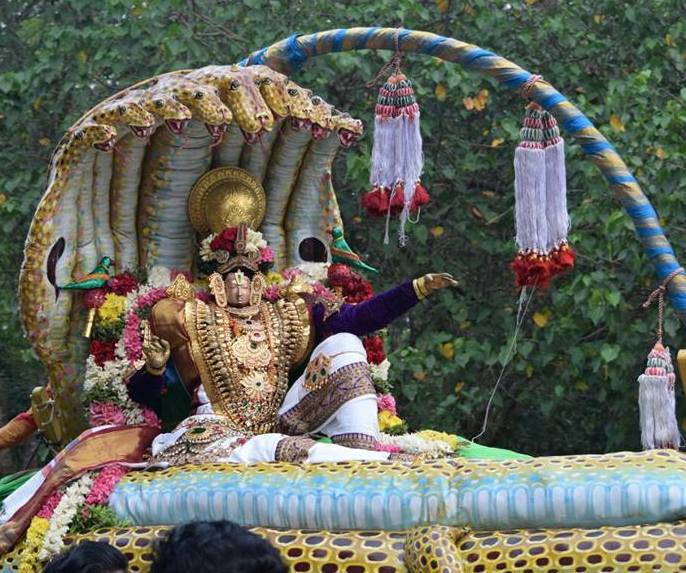
place of Guha sakhyam
Rama's stay with Guha-excavated site

EAGER TO HAVE DARSHAN LORD KRISHNA AT GAUDIYA MUTT , ALLAHABAD

RAdha-Krishna dieties at ISKCON,Kanpur

GAUDIYA MUTT is situated enroute to ISKCON from Prayag and is supposed to be the place where Srila Prabhupada the founder of ISKCON stayed for many years and took sanyasi dikshai. Sri Radha- Shyamsundar is the presiding diety. Had a wonderful darshan . The holy place was calm and peaceful perfect for meditation. We happened to meet an exalted devotee, (whom we refer to as Kaliyug “Avadooth”). In a nutshell, he narrated the essence of Srimad Bhagavatam in simple words . There was a chart showing the various heavens and hells which would be obtained based on our karmas. Pointing to these two huge pictures hung on the wall showing the acts which leads a person to heaven/ hell and a Vaishnavite’s act, he described Bhakti Yoga in simple terms pointing out that only by having unflinched devotion to the lotus feet of Sri Hari, we can attain moksham.
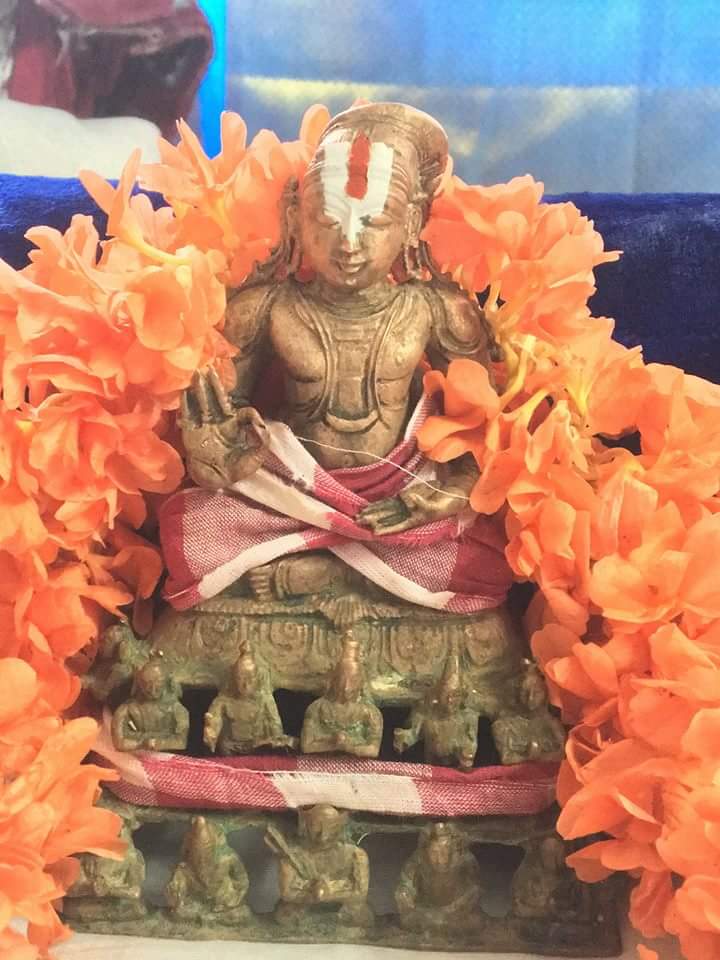
He referred to Katvanga, Prahalada, Dhruva, Parikshit,Ajamilan’s stories from Srimad Bhagavatam advising that age is not a factor for cultivating bhakti. . He briefly explained the nava vidha bhakti as expounded by Prahalada. We were totally mesmerized by his lecture unaware of time. We realized that only due to our acharyar’s grace, we could meet this person who definitely left his impact on us. We profusely offer our pranams to this person and pray for our spiritual upliftment.
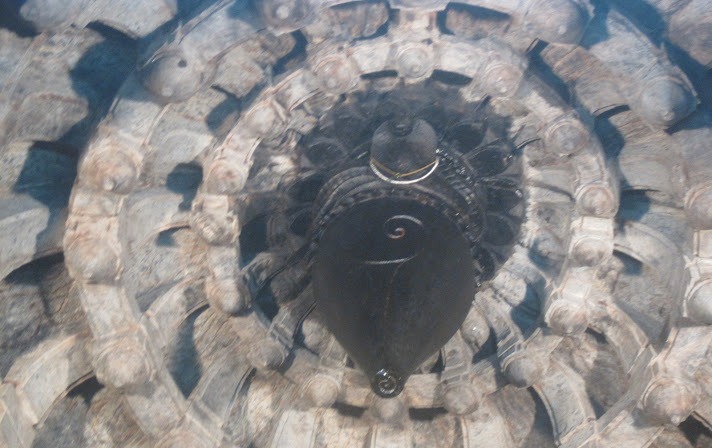
with+temple+priest+at+Srungaberipur

Hanuman temple on the banks of Ganges,Srungaberipur

REACHING SRUNGABERIPURAM

30 kms from Allahabad and 90 mintues journey from ISKCON.
We reached this place around 11 A.M. We could not tolerate the heat wave. Even the AC in the car could not cool the inside temperature. We happily dipped our towels and covered our heads and faces and this was done done umpteen times as the towels were getting dried instantly due to the heat wave . The temperature was 49 degrees The driver took us to the excavated site which is an evidence that Sri Rama visited this place and stayed with Guha. Except archaeological remains, there is nothing to be seen. We considered ourselves to be fortunate for having the sparsha of the place which was sanctified by Sri Rama.

image085

REACHING RAM SAYYA” ON THE BANKS OF GANGES

Ram Sayya where Ram spent one night at Guha's place

Radha-Krishna at Gaudiya Mutt, Allbd

image082

-. This is the place where Lord Sri Rama rested on the banks of Ganges near the excavation site. There are sannidhis for Hanuman and Shiva but no sannidhi for Sri Ramar.. The face of Hanuman resembles Garuda’s face. We met a priest who stays with his family at this place. After providing with water for quenching our thirst, he started narrating about Sri Rama’s exile and his visit to this place, about guha’s qualities , how Guha helped the Lord cross the river. He was adept in Ram Charitra Manas and referring to select verses, he explained Guha’s reply to the Lord. Guha says that the Lord does not need any boat to cross over but he is asking only to give us an opportunity to serve HIM. When Sri Rama was about to place HIS foot on the boat, Guha wondered what would happen to the boat reflecting Ahalya’s incident. When Sri Rama stepped on a stone, it transformed into Ahalya, a lady. We recollected an old Telugu movie song ”Ramaiyya Thandri O Ramaiyya Thandri…ee nomuli nochaamu Ramaya thandri……” The priest whom we named as “Guhan” enthusiastically went on telling about Ramayanam for more than one hour. Adiyen wondered how even an ordinary person was well versed in Ramcharitra Manas. Offered humble obesiances to Goswami Tulaseedas .The scene of Guhan Azhwar describing LORDRANA was spell bound . Could see Guhan azhwars love in him . We got delayed because of this and had to skip Sri Rama and Rishyasrunga muni’s temples.

REACHING BHARADWAJA ASHRAM

image091

image095

This Ashram is located in Allahabad and is well known temple. LORD Sri Rama accompanied by Sita Devi and Lakshmana visited this muni’s ashram(earlier this place was a forest) and stayed here twice- at the beginning of Vana vaasam and at the completion of Vana vaasam. Bharata along with his retinue also stayed at this place. On this rishi’s advise, Sri Rama went to Chitrakoot and stayed. There are many sannidhis in this temple including that of Santoshi Maatha. There are sannidhis for Sita-Ramar, Bharadwaja rishi in an assembly of rishi, separate shrine for Bharadwajar etc. Near the entrance there is an inscription about Sri Rama’s visit to this place.

We had to feel content for having visited the excavated site which other bhagavatas did not visit. We did not visit Rishyasrunga’s temple due to lack of time. Returned to ISKCON and checked out at 2 P.M. Purchased few gift items to our relatives from ISKCON shop and resumed our journey to Chitrakoot.. We learnt from a shopkeeper that Yamuna ghat from where Sri Rama crossed to reach Chitrakoot with boat constructed by Lakshmana was few miles away from the place. We didn’t visit that place.

image089
image088

ARRIVING AT GOSWAMEE TULASIDAS BIRTH PLACE “RAJAPUR”

image097

Rajapur is the birth place of the great saint SriRama bhaktha Tulsidas, the great poet who composed Sri Ram Chairtra Manas . This dhaam is located on the way to Chitrakoot from Allahabad, though not on the main route. Chitrakoot is about 20 kms from this place One needs to take a diversion and drive for about 19 kms to visit this place. A new temple built at this place has a shrine for Tulsidas. We reached this place around 5 P.m. At the entrance, there are huge statues of Hanuman . The sannidhi was closed but we could view the idol of Sri Tulsidas through the meshed grilled door. The vigraham looks full of life. Beside the sannidhi, few important slokas from Ramcharitra Manas is written. In the big hall in front of the sannidhi, there are beautiful murals made of Plaster of Paris of important characters from Ramayana- Sravana carrying his aged and blind parents, Sri Rama doing Shiva pooja, Sri Rama accepting fruits given by Sabari while Lakshmana looks upon, Lord Narayanan in Adisesha ……

Prostrating at the feet of this bhagavata to bestow Sri Rama bhakti on us, we proceeded to Chitrakoot. The travel agent at Allahabad who had arranged vehicle suggested us to stay at Hotel Kamadgiri where the rates are reasonable. Situated near Ram ghat, this hotel is very famous in Chitrakoot for its satwic food-vegetarian food without onions and garlic.
image099

MEMORABLE DARSHAN AT CHITRAKOOT , THE PLACE WERE LORD RAMA STAYED 

image100

We reached Chitrakoot from Allahabad at about 7PM . It is 5 hours drive from Allahabad. As we visited Rajapur and halted at some places, enroute it took six hours. Located between Allahabad and Satna but comparatively nearer from Allahabad. Chitrakoot shares space with two states- U.P. and M.P. Most of the temples are in M.P. The telephone booths and the hotels have two phone connections-one is M.P. and the other U.P. connection. The local drivers fuel their vehicle in U.P. as there is price difference in petrol.

Chitrakoot is a hilly region located in the picturesque surroundings abundant with natural beauty. Surrounded by River Mandakini Ganga and trees touching the sky, the whole place is a feast to the eyes. Bharadwaja muni describes the scenic beauty of this place and advises Sri Rama to stay at this serene place . Lakshmana constructed a hermitage (parna saalai) on Kamadgiri mountain for them to reside. Even today, Kamadgiri mountain is considered to be very sacred as it was Sri Rama’s dwelling during HIS exile.. No one ascends the hill as it is very sacred. Thousands of devotees circumbulate the hill daily. The whole place vibrates with SriRama bhakti.

We checked into Hotel Kamadgiri .The room rent is Rs. 350/- plus 100/- per extra person. The food provided is excellent. After many days, we tasted good food. WE came to know later that the restaurant arranges for the food to be packed neatly to be had later. The owner a great devotee of LORD RAMA ensures this . The restaurant is always fully packed. Another interesting news is that Chitrakut has pure HINDU cult. There is no church or mosque in Chitrakut. Hope all other pilgrimage centres like Tirupati are maintained like this. The whole place vibrates with Sri Rama bhakti. The famous telugu song “ANTHAA RAMAA MAYAM, JAGAM ANTHAA RAMA MAYAM “ aptly applies to this place. (The whole world is full of SriRama …)

image106

Coordinated with the hotel owner who was at the Reception to arrange a vehicle for us to visit nearby places. He contacted Sri.Ansal , a local taxi driver on his mobile but there was no response. Later we learnt that he does parikrama twice daily and in the evenings , he maintains silence while doing parikrama. He met us at the hotel at about 9 P.M. He agreed to take us to “Char dhaam” (comprising of Janaki Kund , Sati Anasuya ashram, Spatik Shila and Gupt Godavari), Hanuman dhaara, Kamadgiri mountain , Ram darshan and drop us at Satna for Rs.2,200/-. We were keen on visiting Sarabhanga ashram which is located on the route to Satna from Chitrakut and Suteekshana ashram near Satna (as Suteekshana muni stayed here, this place was earlier known as Suteekshanapuri which got corrupted as “Satna”) but he said that as these ashrams are located deep in forest, it will take one full day to visit these two places. The charges for visiting Sarabhanga asram is Rs.2000/-. As we had to board train from Satna on the same day, we did not visit these ashrams. Having bath in Mandagini Ganga and doing Kamadgiri parikrama are the two most auspicious things one needs to do at Chitrakut. So, we decided to go for parikrama or Pradikshana .

image111

REACHING RAM GHAT

Next day morning at about 5 A.M. before sunrise, we walked down to Ram Ghat which is the holiest spot in Chitrakut. This is very near to Hotel Kamadgiri where we stayed. Learning from Bharata about Dasaratha’s demise, Sri Rama performed”jala tharpanam” to Dasaratha along with HIS brothers and hence is considered to be very sacred. It is customary for the local people to do their child’s first tonsuring at this place .

DARSHAN OF KAMADGIRI

adiyen at Janki Kund,Chitrakut

aidyen at Janakpur temple

Atri ashram entrance

dhanush mandir entrance

Hanuman dhaara details,Chitrakut

Hanuman dhaara on hill top

Janaki+Kund,+chitrakut

Janakpur temple

janakpuri temple

Kamadgirinath (2nd side ) vigraham

on way to Janakpur,Nepal

perf. bhajan at Hanuman dhaara
We left for Kamadgiri parikrama at about 6.30 A.M. Kamadgiri hill is about 4 kms from Hotel Kamadgiri. We started parikrama after worshipping Lord Kamadrinath at Doosra Prachin Mukharavinda. Offered milk ,water and coconut . (It may be noted that the coconut offered here is without water ) This diety was worshipped by Sri Rama HIMSELF. Chanting Rama naamam continuously, we started parikrama visiting various shrines on the way. The most important shrines are Bharat Milap (where Bharata met Sri Rama), Paduka dhaan (the place where Sri Rama bestowed HIS sandals to Bharata). While doing parikrama, Adiyen happened to set my eyes on small wooden sandals. Deeming it to be Lord’s Thiruvadigal, Adiyen placed it on my sirasu(head) and continued pradakshinam. Purchased some photos as a remembrance to be gifted away to our siblings. It took about 2 hours for us to finish the parikrama.
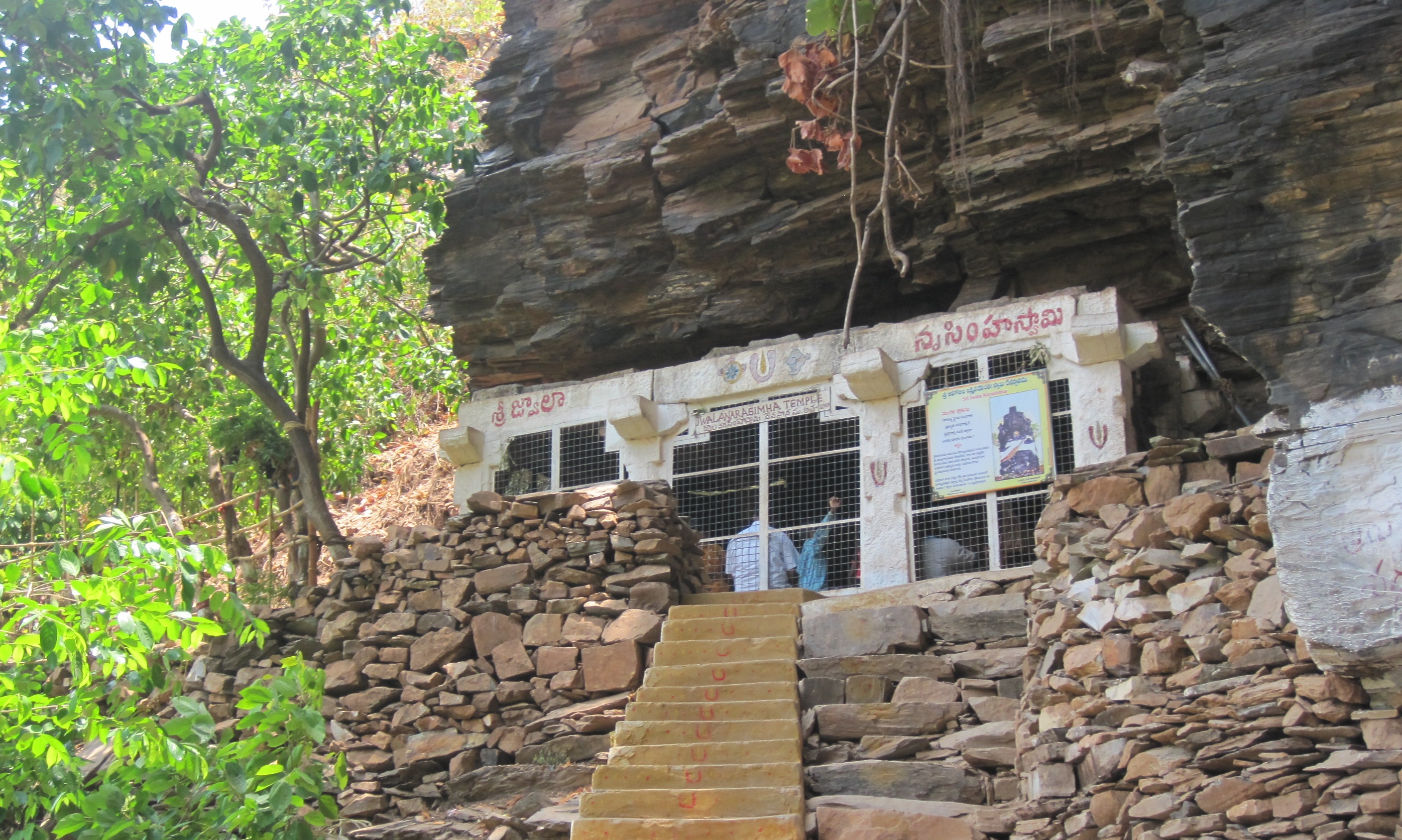
HANUMAN DHAARA A PLACE TO HAVE DARSHANAM OF VEERA HANUMAN AFTER RETURN FROM LANKA :

image102

We drove to Hanuman dhaara which is about 19 kms from Chitrakut. The driver advised us to carry water bottles with us as water would not be available on the route. Under the scorching sun, we started trekking at 11 A.M. and took about 30 minutes for us to climb 609 steps. The temperature was 49.5 degrees . The whole way was infested with langoors. The ascent was tiring because of the heat. Refreshed and sprinkled water from the tank in which water touching Hanuman’s thirumeni is collected. This water is potable.
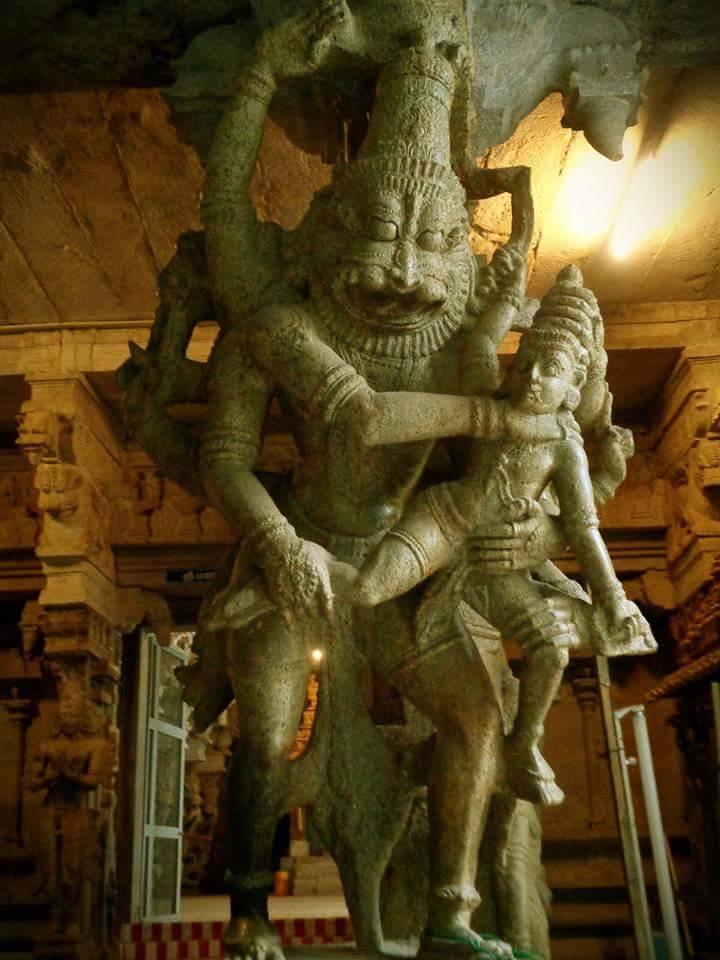
priest explaining about the place
Recited Hanuman Chalisa and offered dry fruits to Hanuman. To cool the burning sensation in Hanuman’s body caused by the burning of Lanka, Sri Rama advised Hanuman to stay at this place and aimed an arrow which caused flow of water to fall on Hanuman’s right shoulder. The source of water is not known. Presently, to avoid dampness in the surrounding areas, water is being routed through a pipe line and gets collected in a vessel from which water falls on Hanuman’s shoulder. The marble vigrahams of Sita,Ramar,Lakshmana are beautiful Filled up our bottles with this water and descended the steps and drove to “ Ram Sayya” .
image103

RAM SAYYA THE PLACE WERE LORD RAM STAYED IN CHITRAKOOT

image101

This is on the outskirts of Chitrakoot and is the place where Lord Sri Rama spent his first night on arriving at Chitrakut. The impressions of the lying posture of Sri Rama and Sitadevi can still be seen on the rock in which they slept. Sita Devi slept on one side ,between them Lord’s Kodhandam was kept. Sri Rama slept on HIS back. The rock melted at the plight of Sri Rama’s condition. Hence, the rock is shallow and soft at the place where the Lord slept along with Sitadevi. An old priest, unmindful of the heat , showed us the rock on which Sri Rama slept. The names of Sita and Rama where they slept are painted on the rock. The priest showed us Bharata’s finger prints and Hanuman sannidhi . This Hanuman’s face resembled like the one we saw at Srungaberipuram. The priest informed that Shiva had advised Rama to stay in Kamadgiri mountain. Sri Rama slept for a night on arriving at Chitrakut at this place. Offered some dakshinai and after taking his blessings, we left for Bharat Koop.

BHARAT KOOP THE PLACE WERE ALL THE RIVER WATERS JOINED

Bharata along with Shatruguna, queens, priests and Ayodhya citizens set forth to meet LORD Sri Rama at Chitrakut with his army carrying sacred waters for performing pattabhishekam to Sri Rama in the forest itself. Despite Bharata’s persuasion ,Sri Rama denied coronation and refused to return to the kingdom to keep up HIS father’s promise. No amount of persuasion, justification had any impact on Sri Rama who was “TRUTH PERSONIFIED “ and believed in DHARMA. When Bharata did sarangathi, Sri Rama accepted to return to Ayodhya after 14 years and rule the kingdom. The sacred waters which were brought in golden vessels for performing abhishekam to the Lord were poured in a well which is known as Bharat koop. Drew water from the sacred well and amazed to find different tastes of water drawn from the same well. Sweet from one side, salty , tasteless etc. Each bucket of water tasted differently. I am sure even scientists would not able to explain this.

SPATIK SHILA ONE OFTHE CHAAR DHAAM AT CHITRAKOOT

image105

This is one of the chaar dhams in Chitrakoot . A big creamish colour rock on the banks of Mandagini Ganga was the favourite spot where Sri Rama and Sitadevi spent together- This is the place where Kakasuran was punished. When Hanuman requests Sitadevi to inform something which would make Sri Rama believe that Hanuman had Janaki’s darshan, Sitadevi narrates Kakasuran’s incident in the 67ths sargam of Sundarakandam and wonders why Sri Rama has not yet saved her from the clutches of Ravana. . Indra’s son, Jayanthan disguised as a crow did apacharam to Jaganmatha by wounding her . Sri Rama took a grass and uttered Brahmastra mantram and threw at the crow which chased him and made to fall at Sri Rama’s feet in surrender. the place where Sri Rama and Sitadevi sat is soft.
Another incident referred by local devotees is Sri Rama personally decorated Sitadevi with flowers at this place. This rock speaks the happy times the Divya Dampadhigal had at this place.

Only in a holy place such as Chitrakoot dham can one find and feel softness even in rocks.
the rock on which Rama slept
REACHING JANAKI KUND

image110

adiyen at Janki Kund,Chitrakut
– We visited this place which was Sitadevi’s favourite bathing spot in chitrakoot. From the road, one has to descend about 20 steps or so, to reach this place which is in a secluded spot. .

AT RAM DARSHAN:- We visited this place by paying entrance fee of Rs.10/- per person. Photography is not allowed. It was a feast to the eyes. It was as if we could see entire Ramayanam in front of us. Beautiful paintings and murals from Ramayanam are displayed in the ground and first floors. The museum ends with Sri Rama Pattabhishekam. THE BEST PLACE TO VISIT.

AT SATI ANASUYA ASHRAM:- We drove to this place which is on the outskirts of Chitrakoot . Visited the jeeva Samadhi of Paramhamsa. This temple was built by Paramhamsa Trust. Clay murals from important incidents in Sati Anasuya’s life are kept. – Anasuya praying to Ganges for providing water,; Sri Rama and Lakshmana sitting near the feet of Atri muni who advised them, conversation between Anasuya and Sitadevi, Anasuya taking care of Trimurthis who were transformed into infants with her power etc.

Ram stupa by Chinna Jeeyar

Trinities test Anasuya's pathivratha balam
image092
My wife and daughters offered bangles and kumkum to Sati Anasuya as it is a prevelant practice there. In front of the ashram, there is a big kund which is considered to be sacred. Many sacred rivers have mingled in it and there are about 1000 small kunds in that pond. The little monkeys snatched away the beaten rice(pori) packet which we purchased for feeding the fishes. The little monkeys are mischievous.

GUPT GODAVARI THE ONLY PLACE WHERE GODAVARI IS SEEN AND DISAPPEARS

This was our last temple and is well maintained. There are few shrines of rishis. After paying money for entrance ticket, entered into the deep cave. We sprinkled water from a small kund known as godavari kund and after applying tilak in Godavari’s sannidhi, we visited Ramar sannidhi,Karkata chor shrine(the thief who stole Sitadevi’s saree and was cursed by Lakshmana to turn into a stone-to satisfy its hunger, Lakshmana said that he could consume the sins of the visitors at this place), Hanuman shrine. A priest offered theertha prasadam and informed the importance of this place to us. We recited Hanuman Chalisa. After taking the blessings of the priest who handed us few kankanams at Hanuman sannidhi, we went to visit other kunds like Dhanush kund.

Following the directions displayed on the boards, we entered the second cave after coming out of the first cave. The cave was dark and was illumined with lights at some places. Reciting Vishnu Sahasranamam and Narasimha dev kirtan chorously, we were thrilled to walk through the water which was upto our knee level amidst narrow rocks was an exciting experience. The crowd around us started to join us in chanting the names of SRIlAKSHMI Narsimhar .It was a rocking experience . We were totally transported to spiritual plane. We recollected our recent visit to Jala Narasimhar sannidhi at Bidar where you need to walk in knee-deep water to reach JALA NARASIMHAR . After worshipping the small vigraham of Godavari, the priest pointed out two kunds named as Ram Kund and Lakshman Kund. The priest said that Godavari washed Lord’s Thiruvadigal at this place. While returning, we were chanting “SRI RAM JAI RAM JAI JAI RAM” and were joined by about 50 devotees. The whole area vibrated with this mantra and the echo produced thereof. We wondered to see that once out of the cave there was no sign of water. The driver didn’t know the exact location of Vasishta muni ashram and Viswamitra muni’s ashram in Chitrakut. So, we could not visit these places.
rock on which Rama and Sita slept on the first night in Chitrakut
Having completed all the important places in Chitrakoot, we prayed to lORD Sri Rama to always contemplate on HIM and drove to Satna. As Suteekshana muni stayed here, this place was earlier known as Suteekshanapuri and later on got corrupted as Satna. Satna is about 2-3 hours drive from Chitrakoot. There is no proper restaurant to have good food on the way. The driver suggested that we should have got the meals packed which is the system travelers usually follow. Children had some rotis from a wayside dhaaba. We reached Satna at about 9 P.M. Our onward train to Nagpur was at 2220 hours and was as usual late by three hours. We were supposed to reach Nagpur by 11.30 A.M. but reached only at 3 P.M. The driver kept contacting us continuously . We were still waiting for the train while he returned to Chitrakoot and completed his daily routine of Kamadgiri parikrama.

RAMTEK EXPERIENCES
image112

talab on the way to Ramtekbird's eye view from RamtekRam temple at Ramtek near Nagpur
We boarded Secunderabad-Patna express from Satna to reach Nagpur which was late by 4 hours. We got down at about 4 P.M. in Nagpur instead of scheduled time 1130 hours. Being the headquarters for Central railway, this is one of the busiest stations . Our connecting train to Nasik was at 2000 hours on the same day . There was no question of train running late as this is the starting point for Sewagram express. WE had hardly 4 hours at our disposal and within this stipulated time, we wanted to visit Ramtek. (This waiting room was air conditioned and well maintained like Ahmedabad waiting room. )
on way to Janakpur,Nepal
Coming out of the station, we met a taxi driver who was prepared to take us to Ramtek and drop us back at station for Rs.1000/-. Ramtek is about 60 kms from Nagpur station and takes about an hour or so to reach subject to traffic. He happened to be a Tamilian and understanding our anxiety to catch the connecting train in the night, he hastened .

Leaving our baggages in the car, we proceeded to the temple. Doing kirtan of Taraka mantram, we ascended the broad steps passing through wayside shops. Ofcourse, monkeys were ever ready to snatch our belongings. On the way, offered namaskarams to Narasimhar sannidhi. We had to be vigilant in protecting our camera and flipper. Visited Jeeva Samadhi of a saint in Agastya muni ashram, Agastya muni’s shrine and after donating for Akanda Jyothi, we proceeded towards the temple. We first visited Lakshmana sannidhi as he has to be worshipped first.

We then proceeded to Ramar sannidhi, which is behind, chanted select verses from Ramayanam. We requested the pujari who gave us theertha prasadam to narrate the importance of this temple Did japa for sometime and after thanking the priest, left the place. We felt satisfied when the priest said that this was the original Agastya ashram and not the one which we missed at Satna.

wp-image-1620141606

About a kilometer from Ramtek there is a Vigneshwara temple where Ganesha is seen with 16 hands. Due to time constraint, we didn’t visit this place. On the way, we went to Ram Krishna Darshan. This place is constructed recently in a vast area. The entrance fee is Rs.50- and will take minimum one hour to visit all the places. Shiva darshan, sri rama darshan, sri Krishna darshan , sound and light shows, kutputli shows form part of this amusement park. It was not that appealing as the one in Chitrakoot.

RAM-TEK: – This place, situated on a hill ,is about 60 kms from Nagpur Railway station. Opposite to station, there are many travel operators who will take you to Ramtek and Ram Darshan which is app. 2 kms from Ramtek. One can finish visiting this temple from Nagpur within 4 hours.

“TEK” means oath. As Sri Rama took an oath in the presence of rishis at Agastya muni ashram to protect them and annihilate the rakshasa race, this place came to be known as “Ram-tek”.

This is one of the ashrams of Agastya muni. There is an ashram of Agastya muni near Satna about 4 hours journey from Satna. To visit this place one has to stay at Satna or Chitrakut for an extra day. There is evidence that Agastya muni stayed at Ramtek.

After Bharata’s visit, Sri Rama did not wish to continue to stay at Chitrakoot and moved out of it towards south. They went to Sarabhanga muni ashram who was eagerly awaiting Sri Rama’s arrival. From here, Aaranya kaandam begins.

Aaranya kaandam refers to the Lord’s interaction with many rishis who were given asylum by the Lord. The rishis who are adept in self-control were infatuated with Sri RAma’s beauty and mannerisms. Sri Rama met many rishis in Dhandakaranayam. The rishis offered the fruits of their tapobalam at Sri Rama’s feet. The rishis always longed to be in Sri Rama’s company.(Their wish was fulfilled by the Lord in HIS next avataaram as Sri Krishna when the rishis appeared as gopis and did raasa-kreedai).

After providing hospitality to Sri Rama, with the Lord’s permission, SArabhanga rishi cast aside his mortal coils by jumping into the sacrificial fire and attained oneness with the Supreme Being, Sri Rama. Before leaving, he requested Sri Rama to visit Suteekshana muni who was doing penance . Sarabhanga muni’s ashram is in the outskirts of Chitrakoot on the way to Satna in a dense forest. Suteekshana muni’s ashram is about 4 hours drive from Satna. Due to time constraint, we didn’t visit these two ashrams.

ramm

So, Sri Rama reached Suteekshana muni’s ashram and as per the rishi’s advise, Sri Rama visited Agastya Muni, guru of Suteekshana muni. Agastya muni imparted knowledge about weapons which he attained due to his tapas and presented Sri Rama with a bow and a quiver of inexhaustible arrows.

Sri Rama stayed at this ashram for 4 months during rainy season and promised protection to the rishis. Hence, this place is known as “RAM-TEK”(tek = oath). Agastya muni shared his knowledge about usage of various astras and presented a bow and quiver of inexhaustible arrows. Many rishis approached Sri Rama for protection and the compassionate Lord assured them protection and took an oath to annihilate the rakshasas . Hence this place came to be known as “Ram-tek” This place was part of Dhandakaranya forest. To protect the rishis, Sri Rama ventured deep into Dhandakaranya forest(Panchavati) which was home to innumerable rakshasas with an intention of destroying them. The Lord convinced Sitadevi that it was HIS duty to protect the interests of the rishis who sought HIS protection.

The Lord stated that protecting HIS devotees who sought refuge in HIM was more dearer to HIM than Sitadevi HERSELF.

FB_IMG_1457835978018

He explained in details about the two main festivals celebrated in this temple- Sri Rama navami festival for 15 days and one month festival culminating with Purnima festival.

In Uttarkandam, it is mentioned that Sri Rama killed Sambarasuran at this place. He paid respects to Agastya muni who was staying here.

Agastya muni blessed and rewarded Lakshmanan for all the kainkaryams he was doing to Sri Rama, that he would give darshan prior to Sri Rama. Usually, Lakshmana is always seen by the side of Rama. Only in this temple, there is a separate sannidhi for Lakshmana whom should be worshipped first.

This temple situated on a hillock has motorable road upway to the temple. Only very few steps are to be climbed. On the left side, there is Agastya muni ashram where akanda jyothi glows continuously. If we go further inside, we find Narasimhar sannidhi on the right, then Lakshmana sannidhi. Behind Lakhsmana’s sannidhi, is the sannidhi for Sita-Ramar.

In the main sannidhi, there are vigrahams of Sita-Ramar. 15 days utsavam is celebrated during Chaithra maasam(April) culminating with Sri Rama Navami..

Starting from Ashwini Pournami (pournami after Dassera ) upto Kartika Pournami, special puja takes place in the evenings and on th last day i.e. Kartik Pournami also known as “Tipini Purnima”, the old dresses worn by Perumal earlier are kept in a vessel and dipped in ghee. The vessel is then taken to the hilltop and lit fire. Thousands assemble to witness the jyothi. As the asura, Tipini was killed by Shiva on this day, it is celebrated as “Tipini Purnima”

Sri Rama and Lakshmana appeared as two young boys of about 12 years of age to Tulsidas in this temple premises. Tulsi could however not recognize them. Later Hanumanji informed him that the two boys were Rama and Lakshmana. Tulsidas was full of anguish that he did not recognize the Lord on whom he constantly contemplated. Later with Hanuman’s grace, Sri Rama appeared to him in HIS original form-with Sita devi,Lakshmana and Hanuman and blessed him.

Ram Talab is a sacred pond in Ramtek which is located behind the temple premises.

We reached station at 1950 hours to board Sewagram express bound for Nasik at 2000 hours.

We reached Nasik at 8.15 A.M by Sewagram express from Nagpur. After refreshing in the waiting room , we engaged a car to visit Triambakeswar, Nasik,Panchavati, Taket and to be dropped at Shirdi for Rs.2,500/-

Triambakeswar is 52 kms from Nasik and Panchavati which is enroute is about 12 kms from Nasik. Taket is 60 kms from Nasik and 110 kms from Triambakeswar. Shirdi is about 130 kms from Nasik.

rammm

We drove to Triambakeswar to have blessings of Shiva, the foremost Vishnavite. Abhishekam was being performed to the Jyotirlingam and took about an hour for us to return after having darshan. The details about origin of Godavari and its importance are written on a notice board.

AT PANCHAVATI:

– We drove to Panchavati and visited all the important places located at walkable distance. We first went to Ram ghat, the bathing spot of Sri Rama during HIS stay at Nasik, and had bath in River Godavari as it is considered to be sacred. Kumbh Mela and Ardh Kumbh mela once in 12 years and 6 years attracts large crowds. Visited Godavari’s shrine, proceeded to visit Kapaleshwar nath temple, from there to Panchavati temples. Purchased a booklet containing “108 Rama Naamam “ written in Hindi extracted from Ram Charitra Manas. Composed a tune and sang in the presence of Kaaley Ramar.Since the idols are in black colour, it is known as “Kaley Ram Mandir” for the purpose of identification. Continued reciting it in all other temples. Gorey Ram temple is the biggest temple in Nasik.As the name suggests, here the murals are made of marble and white in colour. Had a very good darshan. Recited related sargams from Ramayanam in this temple and sang 108 Rama Naamam in Hindi and in Tamil. It was noon and bhog was being offered to the Lord. Met some Tamilian devotees from Madurai. We then visited Pancha –vati(the place surrounded by five banyan trees where Sita-Ramar stayed, Sita Gufa(the cave in which Sita devi remained with Lakshmana on guard while Sri Rama was fighting 14000 asuras in Janasthan, Sita Haran(the place from where Ravana abducted sitadevi and sought his destruction), Tapovan(the place whereLakshmana disfigured Surpanaka), Parnasaala(Sita-Rama’ s hermitage built by Lakshmana) and left Nasik. To our disappointment, we didn’t see much at Tapovan. Having visited all the temples in Nasik, we proceeded to Taket, the last temple in our tour iterinary.Had lunch on the way and reached Taket at about 4 P.M.

rama1

DARSHAN AT JATAYU MOKSHA STHANAM Taket ( Near Nasik)

It is about 65 kms from Nasik on Igatpuri Road in Mumbai Highway. A slight diversion from the Highway has to be taken to reach this village. This is the place where the vulture,Jatayu fought valiantly with Ravana with the intention of rescuing Sitadevi and lost its life at the feet of Sri Rama. The idol of Sri Rama hugging Jatayu is very beautiful. It was as if we were seeing the incident in front of us. We recollected incident of Jatayu fighting with Ravana and wondered at its courage.. In the sannidhi, a replica of the vulture made from cotton is hung. A priest recapitulated all the incidents – how Jatayu fought valiantly with Ravana, how it died in the arms of Sri Rama, how Sri Rama performed last rites and brought sacred water required for performing rits by shooting an arrow and all sacred rivers assembled in the kund, showed us the tree under which Sitadevi was kept. Contemplating on Sri Rama and recollecting our trip in visiting places sanctified by Sri Rama, we thanked Perumal for HIS abundant grace.
rAmAya rAmabhadrAya ramachandrAya vedhase
raghunAthAya nAthAya seetAyah pataye namah

Reached Manmad by taking a taxi from Shirdi and boarded Ajanta Express at 2100 hours and reached Secunderabad on 20th May at 10 .AM. Due to SitaRamar’s grace, we completed this yaatirai successfully and booked tickets for our second phase of Sri Rama Anu Yatirai Anubhavam during Dussera and successfully completed the same whose details  are available in this link

https://atomic-temporary-2692795.wpcomstaging.com/2015/02/15/sri-rama-anu-yatirai-part-2/

We Performed Kalyana Utsavam to Sri Sita Ramar at our Kushaiguda temple and did dhadhiyaaradhanai to elders and devotees.

Adiyen thanks profusely all the bhagavathas who helped me complete this yaatirai successfully. Any devotee who wish to get more details please feel free to order Adiyen .Our contact details are enclosed .

Jai Sita Ram

Acharyar Divya Thiruvadigaley Saranam

IMG-20170713-WA0012
daasan Kazhiyur Varadan

NEELACHALA NIVASAYA NITYAYA PARAMATMANE SUBHADRA PRAANA NATHAYA JAGAN NATHAYA MANGALAM. A travel diary to Puri Dhaam


NEELACHALA NIVASAYA NITYAYA PARAMATMANE
SUBHADRA PRAANA NATHAYA JAGAN NATHAYA MANGALAM.

All glories to Swami Ramanuja

jagannath-temple-puri-1ji

All glories to Srila Prabhupada

On this auspicious eve of “JAGANNATH RATH YAATRA” held all over the world , Adiyen wishes to share some info which was gathered during my visit to the holy dham, Jagannath Puri during May 2007. Adiyen visited Mayapur dham-the birthplace of Sri Chaitanya Mahaprabhu, Puri, Srikoormam and Simhachalam  during  this trip.

jaaa

The photographs posted are from the  RATH YATRA done during 2013 , 2014 at ECIL ,Hyderabad

j0

The greatness about the holiest shrine Puri is mentioned by LORD

 HIMSELF in Narada Purana as:

“PRATIMAAM TATRA TAAM DRISTVAA SVAYAM DEVENA NIRMITAAM
ANAAYAASENA VAI YAANTI BHAVANAM ME TATO NARAAH

The Supreme LORD  reveals to  Mahalakshmi”

 Jagannath Puri is one of the four holy dhaams (Sacred places) located on the eastern part of India  near the shores of Bay of Bengal. The other three dhams are Badrinath located in the North, Rameswaram in the South, Dwaraka in the West. Sripad Sankaracharyar, Swamy Ramanujar, Sri Chaitanya Mahaprabhu are the prominent acharyars who have  visited this place.

wp-1591320498794.jpg

                       The great saint Sankaracharya established a mutt at this place and composed the famous “JAGANATHASHTAKA” in which he prays  Lord to help him cross over the ocean of samsara.

.facebook_1530799426420.jpg1226299748.jpg

Goudiya sampradaya avatara purusha Sri Chaitanya Mahaprabhu stayed at this place for more than 12 years after taking up sanyas. There are many  divine pastimes of Sri Chaitanya Mahaprabhu at this place who attained salvation by merging with the Lord here.

.facebook_1530632268400.jpg1428039331.jpg

Another goudiya saint Haridas, a very great devotee and a disciple of Sri Chaitanya Mahaprabhu stayed at this place under a tree and used to utter Maha mantra 3 lakhs times daily without which he wouldn’t partake any food.  Let us now go to the temple .

jagannath-temple-puri-1

“Puri” means fullness. This holiest temple town is in the form of a conch. It is also known as

Jagannath dhaam-the abode of Jaganath,

Purushotama   kshetra,

Nilachala or Nilagiri-the blue mountain,

Sri kshetram-the abode of Sri(Lakshmi).

The holy dham vibrates with Mahamantra and other  holy names of the Lord. It is also known as “Yamanika tirtha”-the place where Yama,the God of Death cannot enter.

jjjj

 The temple is situated over Nilachala mountain. Out of the 4 entrances to the temple, we entered through the eastern gate   the “Simha dwaaram”. At the entrance, we can find small replica of Lord Jaganatha and Sri Ganesha. deities .

The  non-hindus are not allowed inside the temple and hence they  can have darshan of this deity here.

.facebook_1529678320149.jpg1224202317.jpg

Only once in a year, during Rath Yatra which is held in the month of Aashada, the Lord HIMSELF steps out of the temple to give darshan to all the lucky souls.  Usually we find Dwaja sthambham in front of all the Sri Vaishnava temples. But at Puri, we find Aruna sthambham. A huge stone pillar is erected on top of which is Aruna,the charioteer of Sun God with folded hands waits for Lord Jaganaths commands  .

wp-1591320469053.jpg

It symbolizes that those who worship the Lord will be enlightened . The figure of Aruna is kept in a height which equals the height of the Lord in the garbagriham.

IMG-20170719-WA0002
Walking through the huge temple complex, we ascended 22 steps to reach the garbagriham split into sets of 5 steps. One has to climb 5 steps, walk few distance, again take another flight of 5 steps and so on. These steps denote that one has to leave aside the 5 worldly fetters-lust, anger, greed, jealousy and pride. The first five steps represent the five outer sense organs-eyes, ears, nose, tongue and skin.

The next 5 steps represent the 5 pranas or life airs-prana, apaana, vyaana, udaana, samaana. The next five steps represent the inner sense or tanmaatras-rupa(sight), rasa (taste), gandha (smell), sabda (sound), sparsa(touch).

Featured Image -- 26762

The next five steps are tha panch maha bhutas- earth, water, air, fire and ether. The last two steps represent buddhi or intelligence and ahankara or false ego-the false conception of identifying the soul with the body. One by one all the must be purified before passing into the Inner sanctum of the temple and having darshan of LORD Jaganath.

20170827_072809

We had to wait in a queue to have darshan of the Lord. The curtains were drawn as it was time for maha bhog (neivedyam). We saw many devotee cooks carrying huge mud vessels containing offerings to lord that becomes maha prashad (every day 56 items of bhog(food offerings) are given to the Lord eight times.

Jagannath%20Wallpaper1639

Elders point out that the Lord gets up at Tirumala , has lunch at Puri, and relaxes at Srirangam. The moment one thinks of Puri, he is immediately reminded of the Mahaprashad.

The 56 Types of Prasada’s offered  in Puri Jagannath Temple, Puri as per the priests briefing

jjjjjj

  1. Ukhuda ( Sugar coated pup rice)
  2. Nadia kora (Coconut ladu)
  3. Khua (condensed milk)
  4. Dahi (Yoghurt)
  5. Pachila kadali (Ripe Banana)
  6. Kanika (Flavoured Rice)
  7. Tata Khechudi (Dry Khechudi)
  8. Mendha Mundia (A kind of cake)
  9. Bada Kanti (Fried Cake)
  10. Matha Puli (A kind of Pan cake)
  11. Hamsa Keli (Sweet cake)
  12. Jhili ( Thin pan cake like Dosa)
  13. Enduri ( Idli)
  14. Adapachedi (Ginger Paste)
  15. Saga Bhaja (Fried leafy vegetables)
  16. Kadali Bhaja (Fried Plantain)
  17. Maric Ladu (Chilli Ladu)
  18. San Pitha ( Small size Cake)
  19. Bara (Donalds)
  20. Arisha (Sweet fried cake made of rice flour)
  21. Bundia (Sweet granules made of gram flour)
  22. Pakhal (Water rice)
  23. Khiri (Milk Rice)
  24. Kadamba (A kind of sweet)
  25. Pat Manohar (Name of a sweet)
  26. Takuaa (Sweets shaped like tongue)
  27. Bhaga Pitha (A kind of cake )
  28. Gotai (A kind of salty cake)
  29. Dalma (Dal with vegetables)
  30. Bada Kakara (Large Fried sweet cake)
  31. Luni Khuruma (Salty Biscuits)
  32. Amalu ( Malpua, Sweet Puri)
  33. Suar Pitha (Poda Pitha, Baked Cake)
  34. Biri Buha (Black gram cake )
  35. Jhadai Nadaa (Small ball shaped cakes)
  36. Khasta Puri (Strong fried cakes)
  37. Kadali Bara (Fried Plantain)
  38. Sana Arisha (Small fried cakes)
  39. Sakar (Chatni)
  40. Podo Pitha (Panned Cake)
  41. Kanji (Sour Rice)
  42. Dahi Pakhal (Curd rice )
  43. Bada Arisha (Large size Fried cake)
  44. Tipuri (Three stage fillings)
  45. Sakara (Sugar candy)
  46. Suji Khir (Milk with samolina)
  47. Muga Sijha (Boiled green gram)
  48. Manohar (A kind of sweet)
  49. Magaja Ladu (A kind of sweet)
  50. Pana (Sweet Drink)
  51. Anna (Rice)
  52. Ghia Anna (Ghee rice)
  53. Dali (Sweet Dal)
  54. Besar (Mixed veg. curry)
  55. Mahur (Veg. curry with mustard seeds)
  56. Saga (Leafy vegetables)     (  This info is reproduced from a Book) 

jjj

 Divine points to note …
——————-
1. The Flag always flaps in opposite direction of Wind.
2.From any place in Puri dhaam  you will always find the Sudarshan Chakra (Chakra at top of Temple) facing you.
3.Normally during day-time, air comes from sea to land & during evening, the vice-versa occurs. But in Puri it’s totally opposite.
4.No bird or planes fly above the Temple.
5.The shadow of the main dome is invisible at any time of the day.
6.The quantity of cooked food inside the Temple remains same for the entire year. But that same quantity of prasadam can  feed few thousand people & 20 lac people, Still it never ever  gets  wasted.
7.In the Temple kitchen, 7 pots are kept on each other & cooked on firewood. In this process the contents in the top pot get cooked first & then the bottom one.
8.After entering from Singhadwara  first step (from inside of the Temple), we  can’t hear any sound produced by the ocean. But, when we cross the same step (from outside of the Temple) we can hear it. This can be noticed clearly during evening

wp-1499673595244.

We were informed by the kind devotee about the history of this temple and the LORDSHIPS which we heard from a advanced devotee during our first visit. The same along with few more interesting incidents were narrated by the saint devotee while waiting in the queue.

                         DETAILS ABOUT THE LORD’S MANIFESTATION

jj

Lord Nilamadhava, appeared in a dream to King Indradyumna, who was a great devotee , and ordered him to build a temple. Startled by the dream, the king rose quickly and summoned his council of ministers . He explained about his dream and described the Lord’s features to them and ordered them to go in different directions and find out the whereabouts of the Lord who had appeared in his dream.

A minister named Vidyapati in the course of his search went deep inside a forest in search of the Lord and somehow learnt that the Lord was in the custody of a sabara(a local tribe) named Visvasu. To gain access, he stayed in their house for few days and got married to Lalita, the Sabara’s daughter. He noticed , Sabara used to leave home in the afternoon and return the next morning adorned with scented flowers etc.

.facebook_1531233065151.jpg519030750.jpg

Lalita revealed the secret that her father goes to worship Lord Nila Madhava in the deep woods. After persistent request, Sabara finally agrees to take him for having darshinam of the Lord to Vidyapati . But to avoid any future problems , she then bound Vidyapati’s eyes with cloth and took him inside the forest. Vidyapati managed to carry some mustard seeds which he dropped all through the way. Once they reached the place ,Vidyapati was dumbstruck and mesmerized looking at the beautiful self manifested vigraham of the Lord.

jaya jaya

When Visvasu left Vidyapati to collect fruits nuts and roots for the Lord, he felt the tranquility of the place and observed that even a bird who lost its life in that place attained moksham. He returned back to Sabara’s house. Later under some pretext, he escaped from that place , returned to the kingdom and informed the king about the Supreme Lord’s manifestation who was overjoyed and keen to have darshinam . Heading an army, the king along with Vidyapati reached the place. They could easily identify the route as fresh grass had grown where Vidyapati had sown the seeds.

.facebook_1530632268400.jpg1428039331.jpg

On reaching the place, the king found that the Lord had disappeared from that place and the King being upset , immediately arrested Visvasu for fooling him .

n3

An akashvaani ( divine oracle ) addressed the king and said that Visvasu was innocent and he could not worship the Lord as Nila Madhava but assured that Lord would reveal HIMSELF as ‘Daaru Brahmam”-the Absolute Truth in wooden form, and advised the king to construct a temple on Nilachala mountain. The king accordingly undertook the task of constructing a huge temple , cleared pathway and laid roads, kept golden kalasams on the spire of the temple . Considering that Brahma alone was eligible to do the consecration ceremony, he went to Brahmaloka and waited for his audience. Meantime, many years passed by unnoticed as one human year is one day in Brahmalokam.

IMG-20170625-WA0012

Due to passage of time, the temple got submerged into sand and was later discovered by Galamadhava. When King Indradyumna returned with Brahma, Galamadhava disputed with the king claiming he had constructed the temple.

a8

An old crow which was living for many ages confirmed that Indrayumna constructed the temple and Galamadhava redeemed the temple from the sand dunes. Brahma ordered Galamadhava to stay outside the temple city on the west side of Indradyumna lake. When Indradyumna requested Brahma to do the consecration, Brahma said that the place was governed by Lord’s own potency and he was not eligible to sanctify the place. He simply placed a flag on the spire of the temple blessing that mere darshan of the flag would bestow moksham.

jagg

The king was disheartened that his prayers were not being answered as the Lord had not manifested HIMSELF. The Lord appeared in his dream advised him to go to a place known as Bankimulan where he would see a wooden log(Daaru) bearing the marks of Vishnu- conch(Sankhu), disc(chakram), club(gadam) and lotus(padmam) floating in the sea and ordered him to placee a golden chariot in front of the log.

The king could carve out a vigraham from the log . The king along with his retinue reached the place and his joy knew no bounds when he found the log floating in the sea. A miracle was in store. The king’s servants could not even move the log from its place. The dejected king once again prayed to the Lord who appeared in his dream and advised him to bring his primary devotee-Visvasu,the sabara who worshipped HIM as NEELAMADHAVA

IMG-20170713-WA0012

As instructed, the king brought Visvasu. Visvasu and Vidyapati stood on either sides of the Daaru, a golden chariot was placed in front of the Dhaaru and amidst Nama sankeertan , the king prayed to the Lord.


The log was easily shifted to the chariot and was carried to the sacrificial place with due honors. Brahma did a yagnam invoking Lord Narsimha Swamy’s blessings. The present altar of the Lord is on this sacrificial site. Lord Narasimhar sannidhi is on the western side in the temple premises.

hare krishna

After taking Brahma’s permission, the king called for many sculptors to carve out Nilamadhava Lordships from the wooden log but as soon as the sculptors tried to start their work, their chisel would break into pieces. The king was once again dismayed at this. The king who was very sad surrendered and prayed for Lord’s intervention. At that time, an old sculptor arrived at the place and offered to undertake the job with the condition that he should be left alone for 21 days with the divine log and no one should disturb him.

fb_img_1472948871211.jpg

The king agreed to this . The divine sculptor instructed 3 other sculptors about the construction of the chariots for the Lord and locked himself in a room with the wooden log. After fourteen days passed, the king could no longer hear the sound of tools. Worried about the old sculptor’s welfare as he had not taken any prasad for 14 days and as the sound of chipping stopped, at the constant behest of the queen, the king opened the door and to his shock found that the old sculptor had disappeared .

a14

Instead of one Lordships , there were now 3 half-finsihed murthis with arms outstretched , eyes wide open with no eyelids , made from that divine log. The fingers and toes were unfinished. The king realized that the old sculptor was Lord HIMSELF and regretted for breaking his promise. To atone for his sin , he decided to end his life by lying on kusa grass and went to fast unto death.

.facebook_1530799426420.jpg1226299748.jpg

The Lord once again appeared in the king’s dream and said that HE is eternally present in Nilachalam as Daru brahmam, it was HIS wish to remain in that form saying that HE is Brahmam, the Absolute Truth and didn’t require material arms and feet like others to accept offerings. As stated in Vedas, the Lord can move about without the help of HIS limbs, HE can eat without HIS hands, HE can see without eyes, HE can hear without ears.

wp-1591320445448.jpg

The Lord proclaimed that to a sincere devotee, HE would give darshan as Lord Krishna holding flute and added that for the king’s satisfaction, he can decorate the Lord with golden and silver limbs.

wp-1502679113584.

(This made me recollect how Lord appeared as a sculptor and chalked out the image of Dwarakadeesh at Dwarka and disappeared when the doors were opened. The idol of Dwarkadeesh is also incomplete with eyes closed). The king prayed to the Lord to allow the descendants of the old sculptor to carve the deities and the chariots henceforth.

.facebook_1527413448189.jpg2045934928.jpg

The Lord further declared that the descendants of Visvasu, the sabara who used to worship HIM as “Nila Madhava” should henceforth serve the Lord. They may be called “My dayitas”. The descendants of Vidyapati born out of his brahmana wife would be the temple priests and the descendants of Vidyapati born out of his sabara wife, Lalita should cook for the Lord and be known as sooyaaras. The Lord granted the king’s request to give darshan throughout the day except for 3 hours and accept the various varieties of offerings to the Lord and remain without descendants so that no one would claim rights over the temple.

wp-1502696535906.

We now moved into the earthly vaikuntam after hearing to the divine leela .True LORD loves his devotees as the devotee saint was patient to reveal all the vaibhavams of the temple . The whole temple was vibrating with the sounds of bells which were rung while offering neivedyam to the Lord. When the Lord partakes the offerings , even the priests do not stay inside the garbagriham.

.facebook_1527204471336.jpg1480080312.jpg

They wait for sometime outside the garbagriham for allowing the Lord to have bhogam. Later aarthi is given to the Lord. (The Lord is also offered pan(beetel leaves) every night) Usually, there is heavy rush at this time because devotees get a chance to partake the Lord’s mahaprasadam. Chanting dwayam and Mahamantram, we went inside the temple. Devotees were thronging to have darshan and some pandas were literally pushing the devotees to clear the crowd. However adiyen and family had the opportunity to have darshan of the Lordships from close quarters and all our imagination was seeing LORD KRISHNA smiling at us and showering his abundant grace .

j89

INSIDE THE TEMPLE:-

As is customary in all the Sri Vaishnavite temples, we offered our obeisances to (Peria Thiruvadee)Garudazhwan before having darshan of the Lord. Here , Garuda is in the form of a wooden log. In the big hall in front of the garbagriham, there is a pillar which devotees circumbulate . This is the place where Sri Chaitanya Mahaprabhu visited this place to have darshan of the Lord, he fell into ecstasy looking at the mohana roopam of the Lord. He was in a trance for many hours totally absorbed in the Lord. (Chaitanya Mahaprabhu is an incarnation of Lord  Krishna and Radha.

He appeared to promote prema bhakti as the easiest means of attaining the Lord in Kali Yugam. He taught that chanting the Lord’s names as in Mahamantra is the easiest way to reach the lotus feet of the Lord . Most of the teachings of Mahaprabhu connects to the principles of Sri sampradaya followed  by JagathAcharyar  Swamy Ramanujacharyar’s ) In another instance, when an old lady was struggling to have darshan of the Lord, Mahaprabhu carried her on his shoulders so that she could have Lord’s darshan clearly. This incident in carved in the pillar .

mahaprabhu

We also circumbulated the pillar and touched with reverence the huge photo of Mahaprabhu near the pillar.

koormam

After thus obtaining devotees’ blessings, we waited patiently for sometime for the crowd to clear. Singing the Mahamantra, we went towards the garbagriham to have closer view of the Lordships. Here the Lord gives darshan with HIS brother and sister.

jai jai jai

Subhadra, Lord Krishna’s sister , painted in yellow marking auspiciousness is in the middle . On HER right is Baladeva in white and to HER left is Jagannath, the Lord of the Universe who is Neelavannan(darkish) in colour Lord  Baladeva and  Lord Jaganath are on the either sides of Subhadramaata.  Near Lord Jaganath’s  is Goddess Rukmini Devi’. Lord Jaganath is the tallest among  all – Sri Sudarshana chakram also graces the devotees . The outstretched arms of the Lord were like inviting to embrace us.

The Lord’s eyes are wide open(without eye lids) so that HE can constantly pour HIS abundant grace on us. A darshan of Lord Jaganath relieves one from the cycle of births and deaths. However, to have a closer and longer darshan of the Lordships, it is better to approach through pandas who have access to the garbagriham . Please note that there is strict division of labour in the temple and not all of the devotees can gain entry into the garbagriham. The moment we enter the temple, pandas would approach and introduce themselves about their job in the temple. Else one can have darshan standing in front of the garbagriham.  Holy bath is given only once in a year which is celebrated as Snana Yatra on Jeshta Pournami day before Rath Yathra. On other days, a mirror is placed in front of the deities and the holy bath (abhishekam is performed to the Lords’ reflection .)

8

We visited the other shrines in the temple . It is customary in Puri temple for the pandas to get a share in the Mahaprashad as their hereditary right which would be sold for some monetary benefit.Lord Jaganath prashad is very sacred and even the leftovers can be had by others. Even a morsel of the prashad taken by devotees bestows mental and spiritual satisfaction apart from appeasing hunger.

Devotees wait patiently to have the maha prashad. It is believed that if a dying person has a morsel of the prashad, he is sure of going to Vaikuntam. (This practice of prashad distribution can be seen at Nathdwara also). Its taste is unique and cannot be described in words. The taste is matchless. The prashad instills Lord Krishna bhakti on the person who eats it. This prashad satisfies one’s hunger and also the spiritual quest. The moment one partakes the prashad, he feels that his life is complete as he derives a mental satisfaction which is indescribable. This was adiyen’s experience and am sure that others who have tasted it would agree with me.
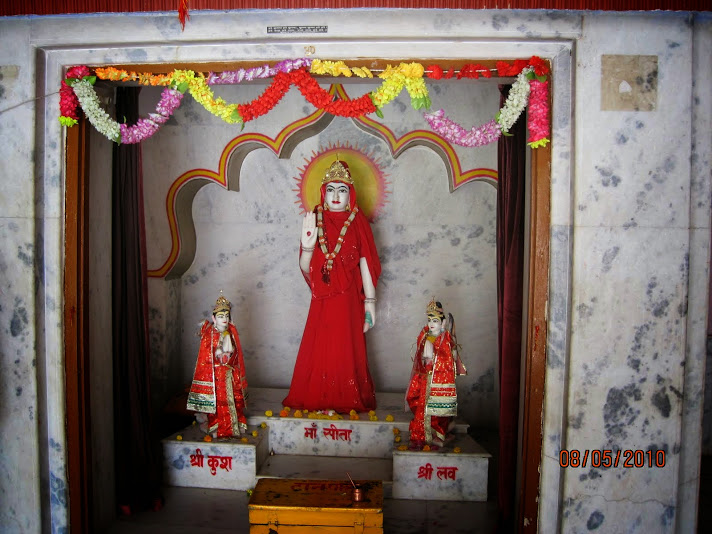
FB_IMG_1459098166176

After relishing the Mahaprasadam, we proceeded to visit the remaining smaller shrines in the temple precints like Narasimhar shrine, Adisankaracharyar’s shrine with his disciples and finally reached Koila Vaikuntam. We did not go to this place during our first visit. This is one of the most interesting places in Puri .

j2

Koila Vaikuntam:- This place reminded us of Rasa kreedai place in Vrindavan. Situated on the northern side near the Elephant gate, this highly sanctified place is quiet and well maintained. Every inch in this place is sacred and devotees are supposed to use the pathway alone. All the remaining places are to be kept untouched. “Koila” means burial ground and Vaikuntam is “the Lord’s eternal abode where everyone desires to go.

CHECK THE VIDEO

I was wondering why does the Lord who is eternal , omnipresent , one who is free from births and deaths, one who is the cause of everything” be buried and queried the devotee who was guiding us.

Adiyen is sharing the devotee’s reply . The images of the Lord were carved out from a  divine wooden log which was found floating in the sea by a divine carpenter and placed in the temple. The images of the Lord were left incomplete due to the king’s intervention before the stipulated time. Lord HIMSELF proclaimed to King Indradyumna that it was HIS divine will to stay in that form at Nilachalam as “DARU BRAHMAM”-ABSOLUTE FORM-one who is beyond Forms and HE is ever present in this place. This log is procured from Neem tree which is known for its longevity for about 30 years.
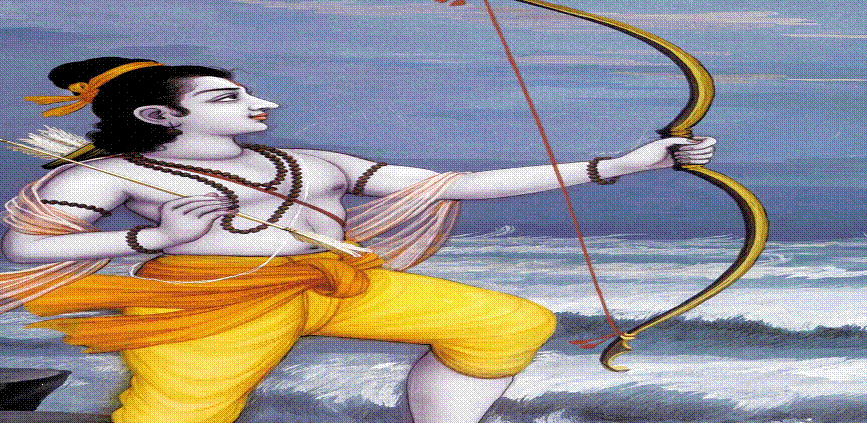
 

As per Divine will, every 12 years, the deities  have to be changed and new ones replaced with the same features. The  deities come to this place  secretely  carried by by the Dayitapatis ,-designated persons to this place and kept here. This is known as Nava kalevara yatra . No one other than the designated persons happen to witness this ceremony, During this event, the entire town of Puri will not have power supply and the whole town will be immersed in darkness .

facebook_1557795935869.jpg

The devotee ended his narration saying that people in Puri consider Jagannath as their own family member. He pointed out to a place which was sprinkled with turmeric and kumkum saying that previously, the old deities were kept here. We prostrated at that place and took some holy earth from that place to be kept in our altar. The devotee did not disclose any other information about this. But  Adiyen had a chance to go through information from satpurush which is being reproduced

j

NAVA KALEVARA YATRA
 This is carried out once in twelve years provided it is a leap year with 28 or 29 days in July.
 The details about the temple rituals and deities are mentioned in ancient Sanskrit manuscripts written on palm leaves and kept in temple to which only three head priests have accessibility. They are Niladri Mahodaya-deals with the origin of the temple, Rudra Yamala-rituals connected to Balarama, Tantra Yamala-rituals connected to Subhadra and tantra practices to be followed in the temple, Brahma Yamala-rituals connected to worship of Lord Jagannatha.
 The descendants of Visvasu,Vidyapati and Dayitapati will serve the Lord during this time for about two months and for one month during Rath Yatra.
 The preists undertake the search party after midday pooja is offered to the Lord . The search party comprises of one member from Pati Mahapatra family, 20 Dayitapatis, 1 Lenka, 9 Maharanas, 16 Brahmana, 3 Deulkaranas, 30 police officers and 3 Inspectors of police.
 12 foot garland known as Dhanva mala is offered to each of the three deities. The head priest gives the garland to the oldest member of the Pati Mahapatra family who will lead the procession of foot carrying the mala on his arms or on his head. When the tree is found, the garland is kept on top of a coconut offering in front of the fire sacrifice.
 Descendants of Bhairacha Mahapatra family, Dayitapatis and Pati Mahapatra will beind a piece of Jaganatha’s garments on their heads as turban indicating that Lord Jagannath HIMSELF is going with them.
 The Mekap family will bless the members of the search party with Lord’s sandals on their foreheads
 The Lenkas and Maharanas who are the descendants of the original carpenter are also adorned with Jagannath’s garments on their turbans.
 The procession begins from the altar, go to the king’s palace to take permission, reach Kakatpur and other place and stay at Vimala temple having prashad from Vimala temple or arrange to get from Puri. The search party stays here while the oldest Dayitapati sleeps inside the temple till he gets a dream about the location of the tree. The tree for each of the four deities including Sudarshana Chakram will be in different places.
 The exact location of the neem tree from which the deities are to be carved are mentioned in the manuscripts which will be affirmed by the divine will in the head priest’s dream.
 The neem tree must be grown in a graveyard near a Shiva temple and a pond and must not have been nested. The tree should have three or four barks. The marks of Vishnu-conch, chakra, gada, padmam must be found on the trunk of the tree.
 When the tree is found with all the auspicious marks, a yagnam is performed and a coconut and the garland worn by the Lord are offered in the sacrifice.
 On the next day, the Pati Mahapatra will touch the tree to be used for Lord Jagannatha with a golden axe, followed by Dayitapati who will touch it with silver axe. Lastly, the head carpenter of the Maharana family will touch it with an iron axe. During the tree cutting,mantras from all Vedas are recited and 108 names of the Lord are recited particularly Patala Narasimhar names because HE saves devotees from all problems.
 The whole trunk of the tree is brought to the temple in a wooden cart dragged by the Dayitapatis with the help of other members of the group.
 These logs are kept in Koila Vaikunta in the temple premises on the northern side near Elephant gate. This place has strong doors and thick walls.
 Three oldest carpenters will be the main sculptors and 50 others will assist them. The carpenters lock the door from inside and noone including the chief priest is allowed to see or enter the premises during these 21 days. The carpenters are not allowed to eat or drink in the holy place, they go to the temple courtyard to eat and sleep in the night. They do not leave the temple during these 21 days. While the carpenters are on the job, akand bhajan(nonstop singing ) goes on in front of the door and the priests keep continuously chanting the Vedic mantras. The whole place reverberates with the myriad names of the Lord.
 Once the idols are ready, they are carried into the Inner sanctum and placed in fron t of the old deities facing them. No food offering is made to the Lord. No one is allowed inside including the head priest. Only the three oldest members of the Dayitapati family will be present inside the temple on the holy day of Great Transformation Rite. As they worshipped Jagannatha as Nila Madhava first, they alone have the privilege to conduct the ceremony.
 The ceremony takes place three days before Rath Yatra.
 The three Dayitapatis must remain unshaven from the first day of the search party procession as this day is considered to be the disappearance ceremony. While mourning their father’s demise, the sons do not shave for 10 days out of respect for the deceased. Likewise till the old deities are buried and new ones are sancitified, the Dayitapatis observe this practice of mourning. After the new deities are installed, they whitewash their house as they consider Lord Jagannath to be the head of their household.
 They must be blindfolded and bind a piece of Lord Janganath’s cloth around their hands before the transfer can begin. The three Dayitapatis fast and meditate for the whole day inside the temple. Only after midnight does the transfer of” Life Force” from the old diety to the new diety takes place in total silence. They can neither see or touch but only feel a strange feeling when Brahmam gets transferred from the old idol to the new one. They say it is difficult to describe the transformation.
 The old deities are carried on the shoulders of the Dayitapatis and laid to rest in the Koila Vaikunta before dawn. As the old deities were the abode of Brahman for 12 years, they are laid with honors in three separate places for the three deities but all the previous Lord Jagannathas are laid to rest in the same place , one on top of the other.The actual spot are unmarked. During this time no one is allowed to enter this area and no one is allowed to see. The government of Orissa has ordered complete power cut on this day throughout Puri.
 On the morning of the second day, the whole town of Puri will seem lifeless. The old deities have left them and they are yet to have darshan of the new ones.
 The new deities are immediately seated on the altar known as Ratna Simhasana. On this second day, the daily routing of the temple begins finally after a lapse of 58 days. Flowers and bhoga are offered to the deites and puja is done. Devotees can come inside and have darshan.
 On the third day, the new deities emerge from the temple for the biggest Ratha Yatra which attracts 6 times the normal crowd. Nava Kalevara Yatra is the holiest of all the festivals in Puri.

Before leaving the temple premises, we once again prayed LORD for Punar Darshanam. The devotee who accompanied us pointed out to a place in front of the temple as the place from where the world famous Rath Yatra would start. On the way to Gundicha temple, he informed us about the various celebrations and their significance which are mentioned below:-

Rath Yatra, Chandhan Yaatra , Snana Jhatra and Nava-kalevara Yatra are the most important festivals in PUri.

rathayatra2011
RATH MAKING AT PURI DHAAM

1) NILADRI MAHODAYA:- Celbrated in the month of January on full moon day, it commemorates the first installation of the deities . On this day, the deities are decorated in gold.

2) CHANDAN YATRA:- Starting on Akshaya Tirdihiya which falls in peak summer, the utsava murthis of the Lordships(Krishna playing flute) are taken in the evenings for a boat ride in nearby Narendra kund everyday. The utsava murthis of five nearby Siva temples representing Pandavas are also kept with these murthis. The utsava murthis along with the Pandavas are given ceremonial bath in a small temple constructed in the midst of Narendra sarovar and brought back to the temple. This culminates with the Snana Jatra in the temple.

3) SNANA JATRA:- As the idols are made of wood, thirumanjanam is performed to Jagannath, Subhadra and Baladeva only once in a year on Jeshta Pournami (early June) approximately 17 days before Ratha Yatra. On that auspicious day, the deities are brought out from the sanctum sanctorum , give darshan to all the assembled devotees. They are then placed in a mandapam within the temple premises. 108 kalasams of water brought from Sona Kua(golden well) are poured on each deity amidst chanting of Vedas. People throng to have darshan of the Lord at this time because the Lord would be confined in garbagriha for two weeks as HE would catch cold and convalescence . During these 2 weeks , there is no darshan for the public. Even the head priests cannot enter into the sanctum sanctorum. Only three special patta chitras, traditional Orissan paintings of natural colours on cloth stiffened with starch, known as Anasara Pattis, are strung on a bamboo screen hiding the deities from public view, can be seen by the public.
Only the descendants of Vidyapati and Lalita known as “Daityas” are allowed entry . During these 15 days, the Lord is offered only fruits, roots,leaves and berries as a treatment for THEIR sickness. These daityas alone have the privilege of serving the Lord during HIS sickness , during Rath Yatra and during Nava kalevara yatra.

4) BAHUDA:- The Return Chairot Festival held after 9 days from Rath Yatra
5) HARI SAYANA EKADASI:- Sleeping Ceremony of the deities in July. This occurs after Rath Yatra. The deities take rest in the afternoon as the days are longer than the nights.
6) DAKSHINAYANA:- The dieites are turned slightly to the right like a person turning in bed while resting.
7) PARSVA PARIVARTANA:- deities change their “beds” or altars on which they sleep.
8) HARY UTTHANA EKADASI:- deities stop sleeping in the day time as nights are longer than the day. This is in winter.

THE CREATORS RATH YATRA

Kathopanishad says:-
Atmaanam rathinam viddhi shareeram rathamevatu
Buddhim tu saarathim viddhi manah pragrahameva cha

. The body is the Chariot and the soul is the deity installed in the chariot. The wisdom acts as the charioteer to control the mind and thoughts. Rath Yatra is celebrated in Puri in the month of Aashadam(June-July) on the second day of the waxing moon (After Amavasya) in Sukla paksham with great pomp. Lakhs of devotees assemble at Puri to participate in this and get a chance to pull the chariot unmindful of the stampedes.

RATH YATRA

( a documentary shared by devotees )

A glimpse of Lord Jagannatha on the chariot is considered to be very auspicious and saints, poets and scriptures have repeatedly glorified the sanctity of this special festival. The sanctity of the festival is such that even a touch of the chariot or even the ropes with which these are pulled is considered enough to confer the results of several pious deeds or penance for ages.

HISTORY:-

There are 3 to 4 incidents which can be related to Rath Yatra.

1) Once during Solar eclipse,lORD Krishna along with HIS consorts,brother, sister and parents accompanied by Pandavas went to Kurukshetra to have snaanam in Surya Kund during eclipse. The gopis and yadavas from Vrindavan also went to Kurukshetra to meet their Krishna who left them many years back. This meeting of Krishna with gopis was most memorable. The consorts of Krishna wanted to know more about the Lord’s pastimes and the gopis’ unflinched devotion to their lord and requested Rohini to narrate the acts performed by child Krishna (Krishna leelas) in Vrindavan. After much persuasion, rohini decided to enclose the information and ordered Subhadra to stand as guard at the entrance. The consorts of Krishna were completely absorbed in Krishna consciousness and Subhadra was no exception to this. She stretched both her hands out blocking the entrance and didn’t notice the arrival of Krishna and Balarama. Krishna and Balarama were also lost in thought listening to their childhood activities. At that time Sage Narada who appeared there was overwhelmed to see the sight of seeing Krishna with HIS brother and sister and prayed to the Lord to continue to give darshan and redeem men . Lord granted HIS wish and thus manifested as Jagannatha along with Subhadra and Baladeva at Puri.
2) There is another story connected with this WORLD FAMOUS Rath yatra. On the second day of the waxing moon during summer and before onset of monsoon, Krishna along with Balarama and Subhadra goes to a garden on a holiday leaving behind their consorts in the temple itself. They visit the garden palace known as Gundicha mandir and enjoy themselves completely away from their family and temple servants. Rukmini Devi comes in search of the Lord three days later in a covered palanquin to Gundicha mandir and requests the Lord to return. The servants of the Lord obstruct HER passage which angers HER. In a fit of rage, Rukmini breaks a piece of Jagannath’s cart . Later SHE gets pacified and after taking meal leaves the place. This is celebrated as “Hera Panchami”.

The Lord returns to the main temple with HIS siblings on the tenth day. When the Lord goes to meet HIS consort, Rukmini, SHE displays anger and shuts the door on the face. She pays back with the same coin. A quarrel between Rukmini’s servants and Jagannath’s servants takes place and only after the Lord apologises for HIS mistakes, Rukmini gets convinced and joins the Lord. This is similar to the “Mattai adi” utsavams in South Indian temples like Srirangam, Kanchipuram etc. (In Srirangam during Panguni utsavam, Lord Ranganathar leaves Srirangam without informing Thayar to spend a night with Kamalavalli Nachiyar at Uraiyur and returns the next day. So Thayar closes the door and only after Ramanujar’s intervention, SHE accepts Perumal. Later Perumal and Thayar give darshanam together. In Kanchipuram, during Vaigasi Brahmotsavam, Perumal leaves HIS abode to meet Malayala nachiyar and returns back the following day. The doors are shut and only after persuasions , Thayar forgives Perumal for HIS act. Perumal at that time gives darshanam along with five naachiyars for a whole day in Thayar’s sannidi)

3) After killing Kamsa in Mathura, Krishna along with Balarama and Subhadra sat in a chariot and went round the streets of Mathura. This incident is considered as the reason for celebrating this festival.
4) The residents of Vraja saw Krishna and Balarama seated in a chariot while Akrura was driving them to Mathura.
5) The residents of Vrindavana celebrated this when they saw Krishna along with HIS brother and sister together at Kurukshetra.

                                       THE MAKING OF THE HUGE CHARIOTS

The wooden logs cut from Phassi, Dhausa tree are initially set to float in Mahanadi river and are brought to Puri by road. Every year new chariots are made for Rath Yatra using these logs of wood. The construction of the 3 chariots starts on the auspicious day of Akshaya Trithyai-(the 3rd day in the bright fornight)in the month of Visakha- about two and half months before the Rath Yatra. Only the descendants of the original carpenter are privileged to construct the chariots . After performing yaga, the construction of the chariot commences amidst chanting of mantras. During this time,some important events like Chandan Yatra, Snana Yatra and the Lord falling sick take place in the temple.
The details about the chariots is given below:-

Details Jagannath Baladeva Subhadra
Name of the chariot Nandighosa-Nandi means ananda or bliss, ghosa means “tumultuous sound”. Taladhvaja –Tala means rhythm and dhvaja means ensignia or distinguishing symbol Devadalana or Darpadalana- Dalana means “crushing or destroying”
Significance Sound of the wheels of this chariot even heard once gives eternal bliss. The sound is simila to Siva’s cosmic dance . Baladeva helps us in attaining the Lord She rids us of our pride. The sound eliminates our evil qualities thus making us qualify to reach the Lord.
No.of horses Four dark coloured horses repres-enting Sankha (purity), Sveta (honesty), Hrdaikya (equal mindedness), Balataka (ever readiness) Four white coloured horses namely Tivra (strength), Ghora (constancy), Dirgha (timelessness), Srama (Work) 4 red coloured horses-Rochika(Attraction), Mochika(Salvation), Jita(victory), Aparajita(which is beyond the mind)
Height 445 feet 447 feet 43 feet
No. of wheels 16 14 12
Colour of the Canopy (Decorative cloth ) on the chariot Red and Yellow Red and Blue Red and Black

rathayatra2011
Name of the charioteer Matali Daruka Arjuna
Name of the flag on the chariot “Triloka Mohini”- to attract people from all places “Unmani”-uplift “Naadaambika”-to arouse God Realization in all who see it
No.of wooden pieces used in making the chariot 832 /763/ 593

The entire expense of this Ratha Yatra is borne by Orissa Government. Lord Jaganath along with Subhadra and Baladeva leave the main temple and go to Gundicha temple which is about 2 kms north of the temple. The Lordships leave in 3 separate chariots specially made for this purpose and give darshan to all the devotees including the persons who are not allowed inside the temple. They stay at Gundicha temple for 9 days and return on the 10 th day. Gundicha temple is also known as Janaka Puri , Yajnavedi(as this was the place where Brahma performed first fire sacrifice), Adapa Mandapam(mandapa where the deities are isolated). The Lord moves about as per HIS free will . the travel time cannot be ascertained. There were instances where the Ratham would not move for days . As the three chariots move about simultaneously, the road through which the chariot passes is very wide and is known as Grand Road like in Kanchipuram.

wp-15086475284181833487261.jpg

To enact that everyone is same in front of the eyes of the Lord, before the procession starts, in olden times, the king of the state used to clean the way using a golden broom. (This practice was started by King Prataparudra who was a great follower of Sri Chaitanya Mahaprabhu. He expressed his humbleness by sweeping the road before the procession started, he used to press Chaitanya Mahaprabhu’s legs to gain his audience. Chaitanya Mahaprabhu was reluctant to see the king whom he thought was engrossed in worldy pursuits. By doing such acts, the king won Mahaprabhu’s grace. ) This custom is still prevalent even today. In Puri, Orissa Chief Minister does it, in Gujarat, the present Chief Minister Narendra Modi swept the way and this year in Hyderabad, the Governor swept the way when the procession started from Jagannath temple at Banjara Hills.

The procession starts at the stipulated time with devotees pulling the chariot. Everyone feels blessed to pull the chariot amidst shouting “JAI JAGANNATH” “JAI BALADEVA”, “JAI SUBHADRA”. The entire place gets electrified with the chanting of the Lord’s names.

j234

A narration about Rath Yatra without mentioning Sri Chaitanya Mahaprabhu’s leela is incomplete. Sri Chaitanya Mahaprabhu after embracing Sanyasrama spent most of his time at Puri in the Lord’s presence . he used to sing and dance in ecstasy for hours together in front ofLord Jagannathar. Once during Rath Yatra, Mahaprabhu was leading His sankeertana. His disciples were in groups at different locations and chanting the Mahamantra. Chaitanya Mahaprabhu appeared in all the nine groups singing and dancing in ecstasy at the same time. This was observed by His foremost devotees. He thus revealed that he was an incarnation of the Lord in Kali Yuga. Puri is still vibrant with Gaudiya Sampradayam established by Chaitanya Mahaprabhu. The procession winds slowly through the Grand street and reaches Gundicha temple. This is considered to be Lord’s aunt’s place. Some refer Gundicha as King Indradyumna’s wife. In the Gundicha temple, the deities are placed in the respective altars and offered puja for 9 days. Devotees throng to this temple to have Lord’s darshan as it is considered to be beneficial for one’s upliftment. On the 10th day when the deities return to the main temple, they are adorned sith golden crowns,necklaces,belts, golden hands, feet and weapons. This is known as “Suna vesa”.

As per  Purana:-

Gundicha mandapam namam jatrahamajanam
pura Ashwamedha sahasrasya mahabedi tadadvabat.

Meaning :- Those who are fortunate to see the deities of the Srimandira in the Gundicha Temple, the final destination of the procession of the chariots, derive the benefits of a thousand horse sacrifices, an immensely pious deed.

THE LEELAS OF LORD JAGANNATHA:-

With the little knowledge adiyen gathered , out of enthusiasm, adiyen has penned down the information known to me with the bhagavatas. I accept that Lord’s activities and greatness cannot be restricted to a small article like this but adiyen accepts my inability and ignorance in trying to describe the Lord of Universe. Kindly pardon me for the mistakes which I would have unintentionally committed.

Adiyen concludes  this write up with the mangala slokam:

NEELACHALA NIVASAYA NITYAYA PARAMATMANE
SUBHADRA PRAANA NATHAYA JAGAN NATHAYA MANGALAM.
SRIYA KAANTHAYA KALYANA NIDHAYE NIDHAYETHINAM
SRI VENKATA NIVASAYA SRINIVASAYA MANGALAM
May all auspiciousness and unstinting bhakthi to LORD JAGGANTHA be with us
Please forgive this servant of yours for committing any offence by my inabilty to glorify LORD as no words are enough to speak about LORDS opulence.

Our  Sri Sri Gour Nitai  deities at Thiruvengadam ( Residence ) who had  arrived from Sri Jagganath Puri Dhaam ..

gour nitai

Videos : Courtesy OdishaTV, Indiadivine.org

IMG-20170713-WA0012

Adiyen Ramanuja dasan

Pics : Courtesy from google images uploaded by several advanced devotees

Videos :

Credits to Doordarshan/ soial media channels in spreading the message of Godly love


Hello world!


Welcome to WordPress.com. This is your first post. Edit or delete it and start blogging!